Why Pennsylvania Homeowners Are Growing Hydrangea Near Their Front Doors
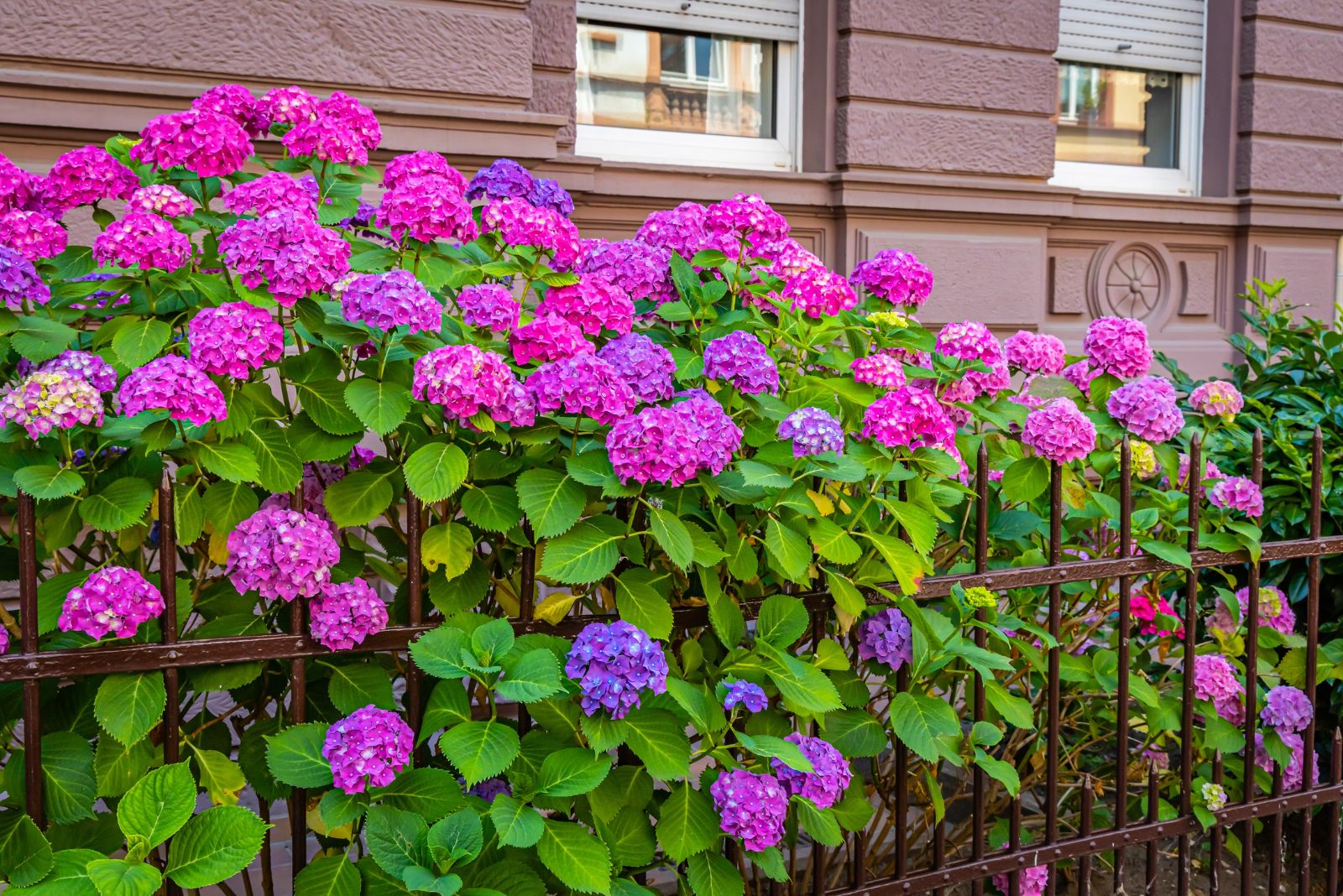
Ever wondered why soft, colorful blooms keep appearing by front doors across Pennsylvania neighborhoods? Hydrangeas have become a favorite for homeowners who want beauty, charm, and a welcoming touch right at the entrance.
Their full blossoms and gentle colors create a warm, inviting feel that instantly boosts curb appeal. These plants also thrive in many Pennsylvania conditions, handling cool springs, mild summers, and changing weather with ease.
Many people love how hydrangeas add texture and elegance without demanding constant care. Once established, they offer reliable blooms that return year after year.
Planted along walkways or in decorative pots, they frame entryways beautifully and make homes feel more lively and cheerful.
With their timeless look and dependable nature, it is easy to see why more Pennsylvania homeowners are choosing hydrangeas to brighten and soften the space around their front doors.
1. Hydrangeas Handle Pennsylvania Weather Like Champions
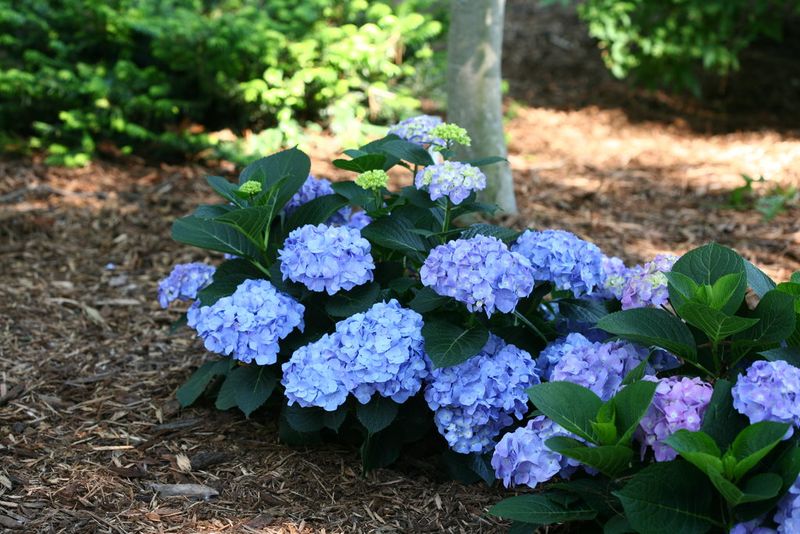
Pennsylvania weather can be tough on plants with cold winters and hot humid summers. Hydrangeas actually love these conditions and come back stronger each year. The winter cold helps the plants rest and prepare for spectacular spring growth.
Most hydrangea varieties are hardy enough to survive Pennsylvania’s coldest nights without any protection. Snow actually insulates the roots and keeps them safe until spring arrives.
When temperatures warm up, hydrangeas wake up quickly and start producing new leaves and flower buds.
Summer heat and humidity in Pennsylvania create perfect conditions for hydrangea blooms to develop. The plants drink up moisture from afternoon thunderstorms that roll through the state.
Unlike delicate flowers that wilt in the heat, hydrangeas keep their blooms looking fresh for months.
Pennsylvania’s spring and fall seasons give hydrangeas extra growing time compared to other regions.
The moderate temperatures allow the plants to establish strong root systems. This means less watering and less worry for busy homeowners.
Hydrangeas planted near front doors benefit from the shelter that houses provide during extreme weather. The overhang from roofs protects blooms from heavy rain and hail.
Foundation plantings also stay warmer in winter because heat escapes from homes through walls.
Many Pennsylvania gardeners report that their hydrangeas have survived for decades with minimal care. The plants adapt to local soil conditions and become more drought tolerant over time.
This toughness makes them ideal for homeowners who want beautiful results without constant maintenance.
2. Stunning Color Changes Throughout The Growing Season
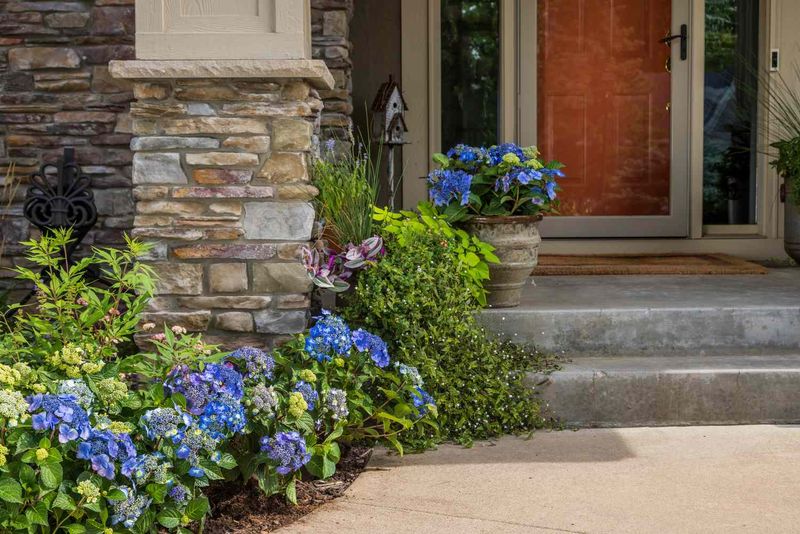
Hydrangea flowers put on a color show that keeps changing from June through October in Pennsylvania.
The blooms start one color and gradually shift to completely different shades as weeks pass. No other plant near your front door offers this kind of ongoing transformation.
Blue hydrangeas might fade to purple, while pink ones deepen to burgundy as fall approaches.
The soil pH in your yard determines the starting color, but age and temperature affect the changes. This natural process means your entrance looks different and interesting all season long.
Pennsylvania’s temperature swings between day and night intensify the color changes in hydrangea blooms. Cool nights cause pigments in the petals to concentrate and darken. Warm days keep the flowers vibrant instead of fading like other plants.
Some varieties produce flowers with multiple colors appearing on the same bloom cluster. You might see pink, blue, and green all mixed together in one spectacular display. This happens naturally as different parts of the flower age at different rates.
The color show continues even after the first light frost in Pennsylvania. Hydrangea blooms take on antique tones of mauve, sage green, and dusty rose.
These dried flowers look beautiful through early winter and add interest when other plants have finished blooming.
Homeowners love how hydrangeas provide constantly changing curb appeal without any extra work. The flowers do all the work themselves as the season progresses.
Guests always notice something new each time they visit your front door throughout spring, summer, and fall.
3. Perfect Size For Framing Front Entrances
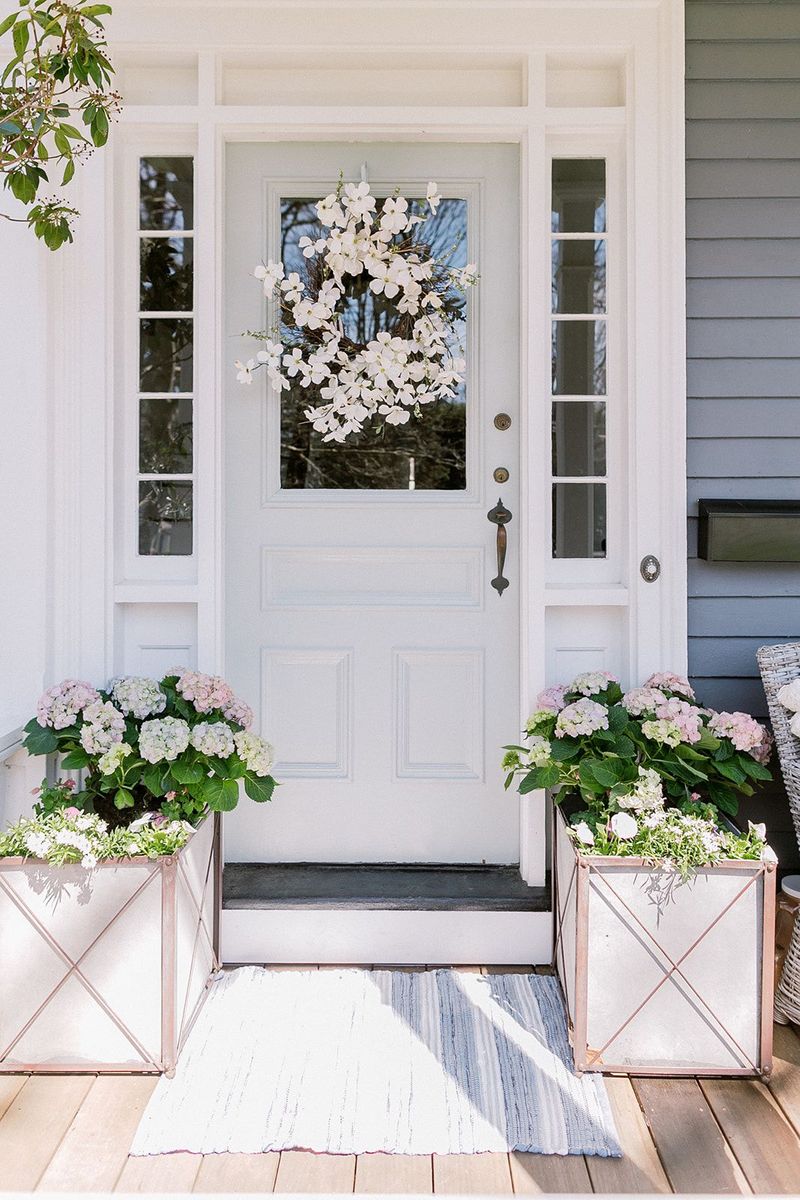
Hydrangeas grow to just the right height for framing a front door without blocking windows or views.
Most varieties reach three to five feet tall, which creates a welcoming entrance without overwhelming the space. This makes them perfect for Pennsylvania homes of all architectural styles.
The rounded shape of hydrangea bushes naturally draws the eye toward your front door. Planting one on each side creates a balanced, professional look that boosts curb appeal. The symmetry makes your entrance feel more intentional and well designed.
Unlike trees or tall shrubs that need constant trimming near doorways, hydrangeas stay manageable. They fill out nicely without spreading too wide and blocking walkways.
Pennsylvania homeowners appreciate plants that look full and lush without taking over the space.
Hydrangeas planted near front doors grow at a moderate pace that feels just right. They fill in empty spots within two years but never become invasive or difficult to control. This predictable growth makes landscaping planning much easier for homeowners.
The large flower clusters on hydrangeas create visual impact even though the plants stay compact. Each bloom head can be six to twelve inches across, providing plenty of color and interest. You get maximum beauty from a plant that maintains a reasonable footprint.
Many Pennsylvania homeowners choose hydrangeas because they work well with other front door plantings.
The bushes provide a substantial anchor while leaving room for smaller flowers or ground covers. This layered approach creates depth and interest in small planting areas near entrances.
4. Low Maintenance Compared To Annual Flowers
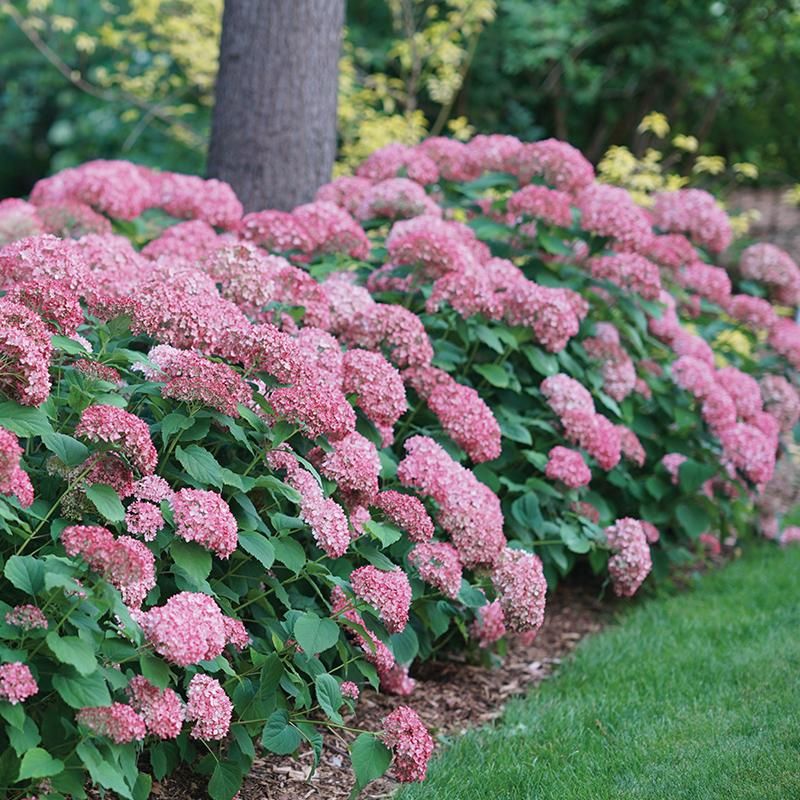
Annual flowers near front doors need replanting every single year, which costs time and money. Hydrangeas come back on their own each spring without any effort from homeowners.
Pennsylvania gardeners save hundreds of dollars over the years by choosing perennial hydrangeas instead.
Watering requirements for hydrangeas decrease significantly after the first year in the ground. Established plants develop deep root systems that find moisture even during dry spells. You might only need to water during extreme heat waves in Pennsylvania summers.
Fertilizing hydrangeas is optional rather than required for good blooms. Many Pennsylvania homeowners never fertilize their hydrangeas and still get impressive flower displays. The plants pull nutrients from the soil naturally and thrive without chemical help.
Deadheading or removing spent flowers is not necessary for hydrangeas to keep blooming. The plants produce flower buds on their own schedule regardless of whether you trim old blooms.
This saves hours of work compared to petunias or other flowers that need constant grooming.
Pest problems rarely affect hydrangeas planted near front doors in Pennsylvania. The plants have few natural enemies and generally stay healthy without spraying or treatments.
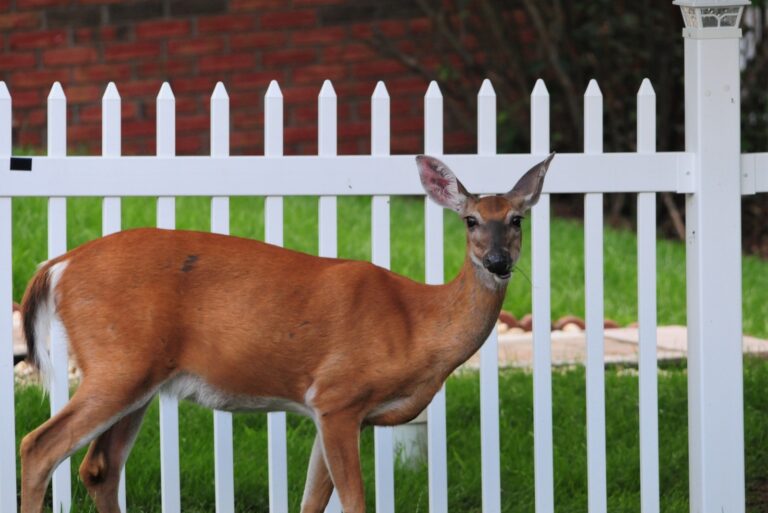
Deer occasionally nibble on hydrangeas, but the plants bounce back quickly without lasting damage.
Pruning hydrangeas requires only one quick trim per year in late winter or early spring. Some varieties need no pruning at all and still maintain attractive shapes.
Compare this to roses or other flowering shrubs that demand multiple pruning sessions throughout the growing season for Pennsylvania gardeners.
5. Flowers Last For Months Instead Of Weeks
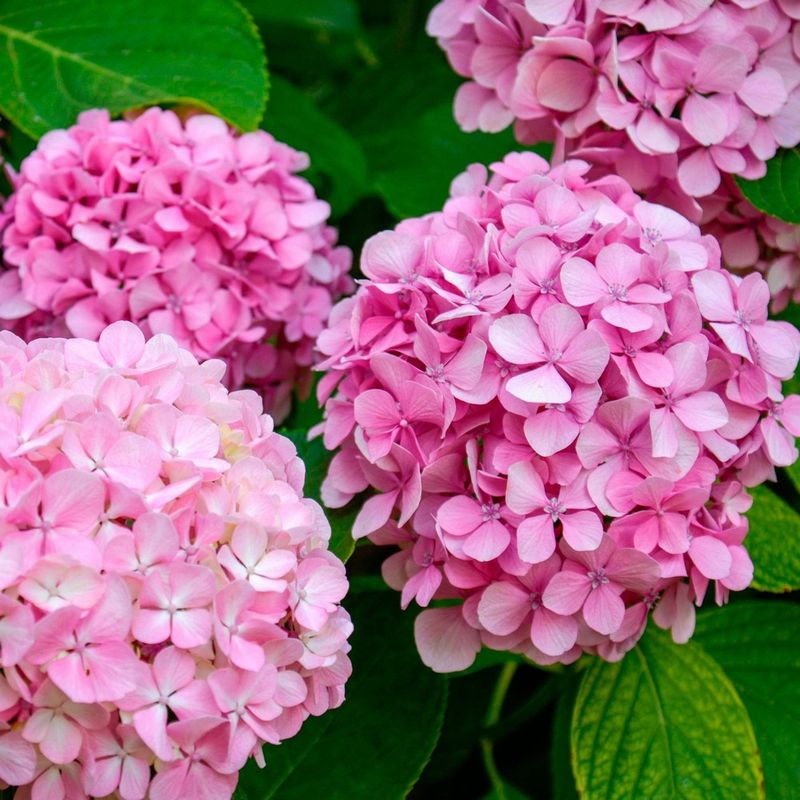
Most flowering plants near front doors bloom for two to three weeks before fading away. Hydrangeas produce flowers that last from early summer through fall in Pennsylvania.
This extended blooming period means your entrance looks beautiful for four to five months straight.
The thick, papery petals of hydrangea flowers resist wilting and damage from weather. Rain and wind that destroy delicate blooms barely affect these sturdy flowers.
Pennsylvania homeowners appreciate plants that keep looking good despite unpredictable weather patterns.
Hydrangea blooms actually improve with age rather than declining quickly. Fresh flowers are pretty, but aged blooms take on rich, complex colors that many people prefer. Your front door gets multiple looks from the same set of flowers as they mature.
Each hydrangea plant produces dozens of flower clusters that open gradually over several weeks. New blooms keep appearing while older ones are still looking good.
This staggered blooming creates a constantly refreshed display without any gaps or bare spots.
Pennsylvania gardeners can cut hydrangea flowers for indoor arrangements without hurting the outdoor display.
The plants produce so many blooms that removing a few makes no visible difference. You get to enjoy the flowers both inside and outside your home.
Even after frost arrives in Pennsylvania, hydrangea flowers remain attractive on the bushes. The dried blooms add texture and interest to your front entrance through early winter.
Many homeowners leave them in place until spring cleanup because they look so charming covered in snow or frost.
6. Increases Home Value And Curb Appeal Instantly
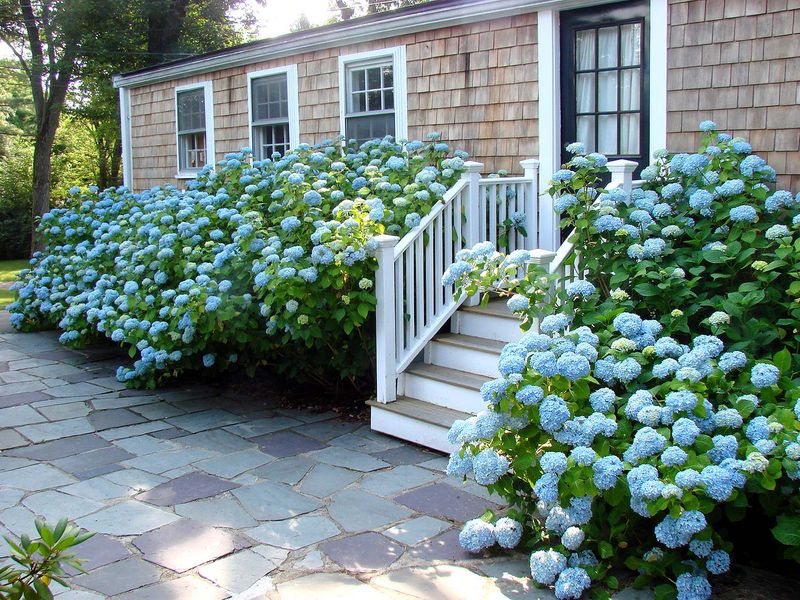
Real estate agents across Pennsylvania recommend hydrangeas for homeowners preparing to sell. The impressive blooms create an emotional connection with potential buyers during showings.
Homes with well-established hydrangeas near front doors typically sell faster than similar properties without them.
Professional landscaping appraisers add value to properties with mature hydrangea plantings. The plants are considered permanent improvements that increase overall property worth.
Pennsylvania homeowners see returns on their small hydrangea investment when selling their homes.
First impressions matter tremendously in real estate, and hydrangeas create instant positive reactions. The large, colorful blooms signal that the home is well cared for and loved.
Buyers feel more confident about the condition of the entire property when the entrance looks this good.
Hydrangeas photograph beautifully in real estate listings, which helps homes stand out online. The flowers add pops of color that make listing photos more attractive and memorable.
Pennsylvania homes with hydrangeas get more clicks and showing requests than similar properties.
Neighbors notice when you plant hydrangeas near your front door, which raises the standard for the whole street. Other homeowners often follow suit, creating a more attractive neighborhood overall.
This collective improvement benefits everyone’s property values in Pennsylvania communities.
The classic, timeless look of hydrangeas appeals to buyers of all ages and design preferences. Unlike trendy landscaping choices that go out of style, hydrangeas remain popular decade after decade.
Pennsylvania homeowners can count on these plants to maintain their appeal and value contribution for years to come.