Why Pennsylvania Homeowners Keep Growing Lavender Near Their Front Doors
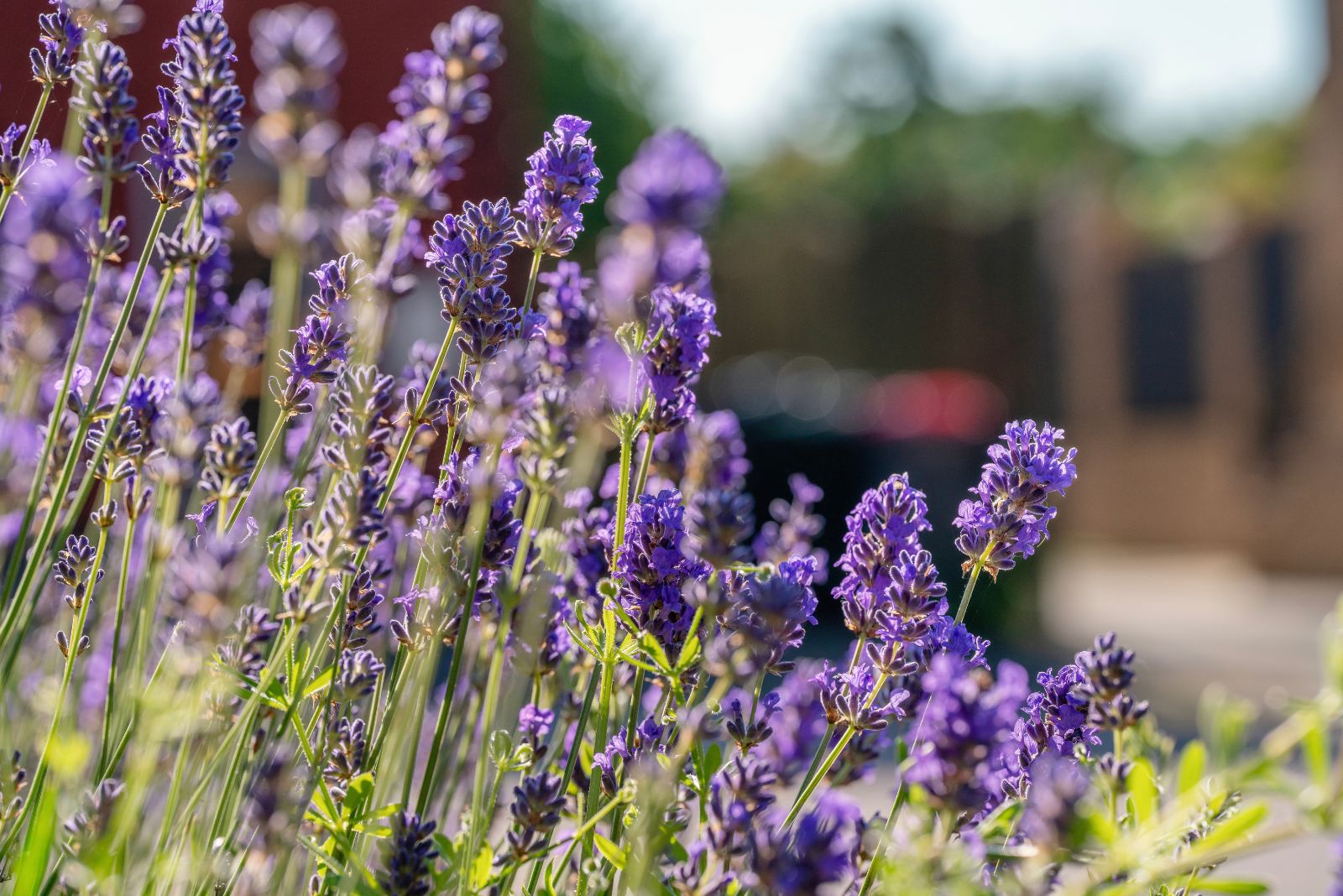
Ever noticed the soft purple blooms and calming scent greeting you at many Pennsylvania front doors? Lavender has become a favorite for homeowners who want beauty, fragrance, and function in one simple plant.
Its gentle aroma creates a welcoming feel while adding a peaceful touch to any entryway. Lavender also attracts pollinators like bees and butterflies, bringing life and movement right outside the door.
Many people love how hardy and low care it is once established, needing only sunlight, light watering, and occasional trimming. Beyond its charm, lavender is often linked to relaxation and comfort, which makes coming home feel even better.
Whether planted along a walkway or in decorative pots, it adds color, texture, and a warm first impression. With its soothing scent and timeless look, it is easy to see why more Pennsylvania homeowners keep planting lavender near their front doors year after year.
1. Natural Bug Repellent That Actually Works
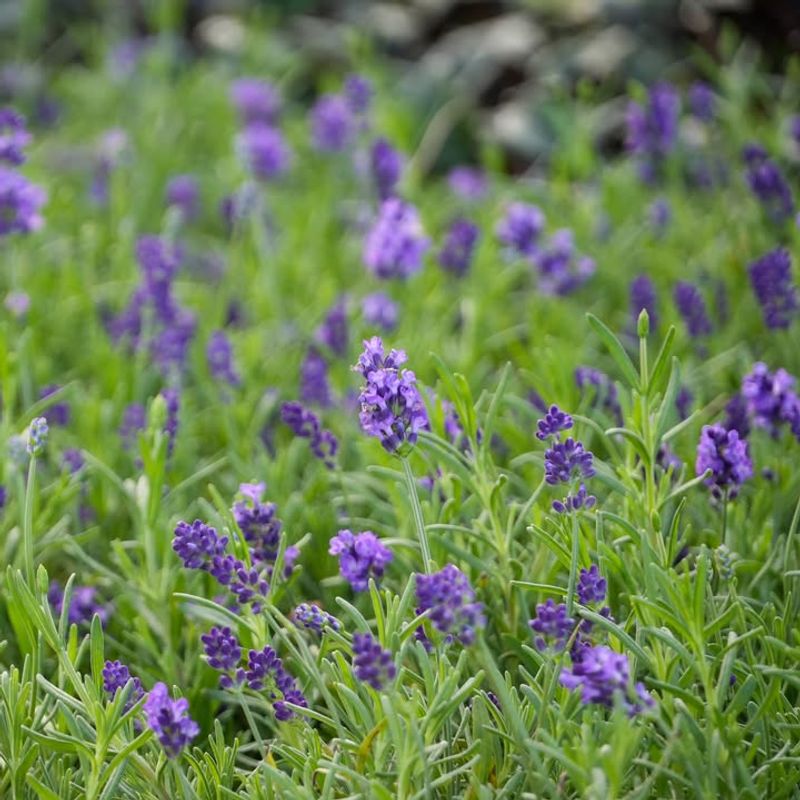
Mosquitoes and flies hate the smell of lavender, which is fantastic news for anyone trying to enjoy their front porch during warm Pennsylvania evenings.
The strong scent that people find so pleasant actually confuses and drives away many common insects that would otherwise buzz around your door.
When you brush past the plant or the breeze blows through it, the oils release into the air and create an invisible barrier that bugs want to avoid.
Homeowners in Pennsylvania deal with plenty of mosquitoes during summer months, especially if they live near wooded areas or have standing water nearby.
Instead of spraying chemicals around the entrance where kids and pets walk through constantly, lavender offers a safer choice.
The plant keeps working day and night without any effort from you once it gets established in its spot.
Many families place two or three lavender plants on either side of their front steps to maximize the bug-blocking effect. The more plants you have, the stronger the scent barrier becomes.
This natural approach means you can sit outside and chat with neighbors or read the mail without swatting at insects every few seconds.
Pennsylvania gardeners also appreciate that lavender handles the state’s weather pretty well, coming back each spring to resume its pest control duties. You get months of protection without buying sprays or lighting citronella candles.
The plant does all the work while looking beautiful and smelling wonderful at the same time.
2. Creates A Welcoming Scent For Guests
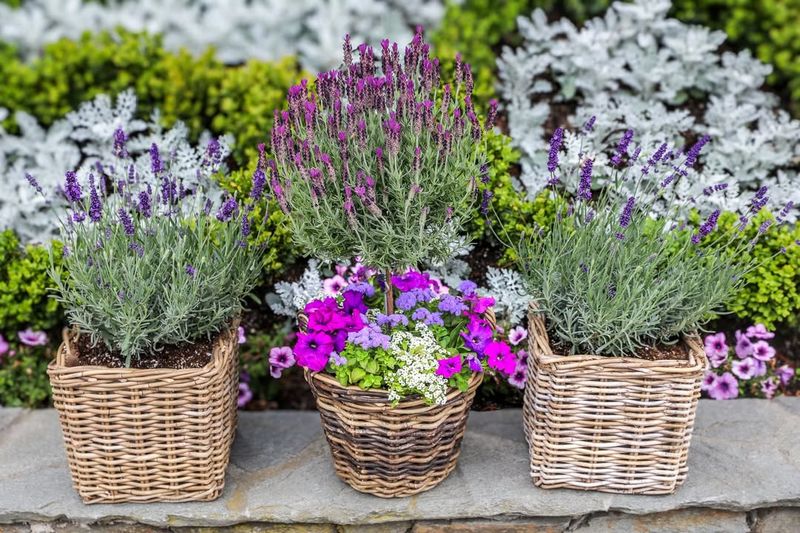
Walking up to a front door surrounded by the sweet smell of lavender instantly makes visitors feel welcome and relaxed.
That first impression matters so much, and the gentle floral scent tells guests that someone cares about making the home pleasant before they even knock.
Pennsylvania homeowners love how this simple plant creates such a positive feeling without any extra work or fancy decorations.
The aroma from lavender is not overpowering like some strong flowers can be. It floats gently in the air, just enough to notice and enjoy.
When the mailman stops by or friends come over for dinner, they immediately comment on how nice everything smells around your entrance.
Families with kids especially appreciate having a naturally fresh-smelling doorway instead of worrying about artificial air fresheners or sprays.
The scent clings lightly to clothing as people brush past the plants, which means guests carry a tiny bit of that pleasant smell with them.
Many Pennsylvania residents say their visitors ask what makes their entrance smell so good, leading to conversations about gardening and home care.
During hot summer days, the sun warms the lavender and makes the fragrance even stronger. Early morning and evening hours bring the best scent when temperatures cool down and the oils in the plant release more actively.
Having this natural perfume right at your front door beats any store-bought option, and it changes slightly with the seasons as the plant grows and blooms.
3. Requires Very Little Maintenance Once Established
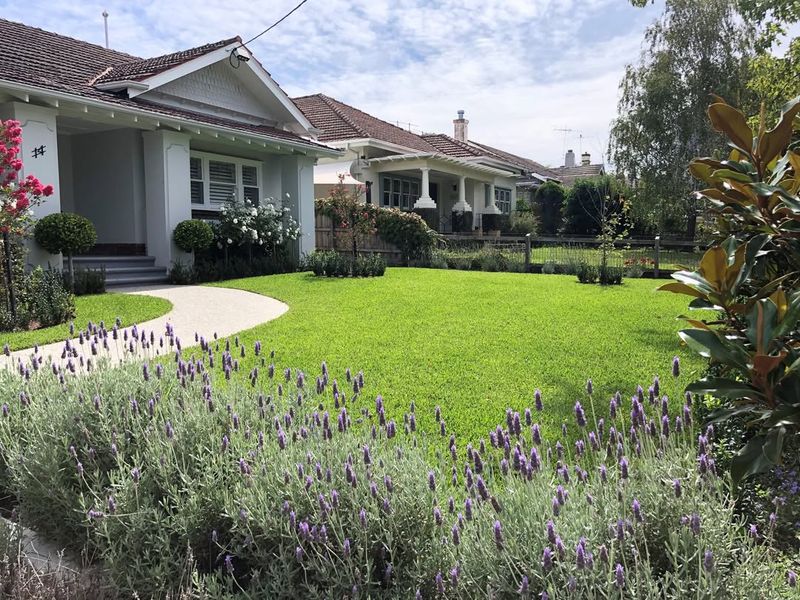
Busy Pennsylvania families love lavender because it basically takes care of itself after the first few weeks of getting settled in.
You don’t need to water it constantly or fuss over it like some picky plants that demand attention every single day. Once the roots take hold in the soil, lavender becomes incredibly independent and tough.
The plant actually prefers drier conditions, which means you can forget to water it sometimes without causing any harm. Overwatering causes more problems than underwatering with lavender.
Pennsylvania gets enough rain during spring and fall that outdoor lavender plants often need zero extra watering from homeowners.
Trimming happens just once or twice a year to keep the plant looking neat and encourage new growth. A quick snip with garden shears in early spring and maybe again after blooming finishes is all it takes.
Even people who claim they have a black thumb find success with lavender near their front doors.
The plant resists most diseases and pests naturally, so you won’t spend money on treatments or worry about it looking sick. Pennsylvania winters can be cold, but lavender varieties suited to the region bounce back beautifully each spring.
Homeowners appreciate plants that don’t create extra chores in their already packed schedules.
Container-grown lavender near front doors needs even less work since you control the soil and drainage perfectly.
Just make sure the pot has holes in the bottom and use well-draining soil, then watch your lavender thrive with minimal effort throughout the growing season.
4. Adds Beautiful Color To Your Entrance Year After Year
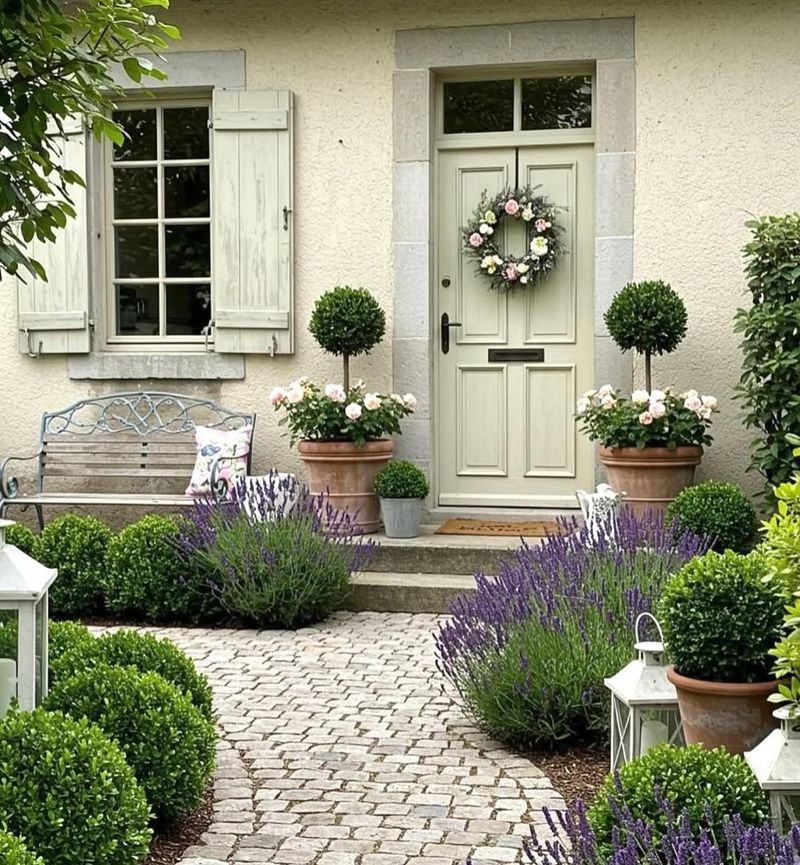
Purple flowers bring such a cheerful pop of color to any front entrance, making homes across Pennsylvania look more inviting and well-kept.
Lavender blooms for weeks during the growing season, giving you a long stretch of beautiful color instead of flowers that fade after just a few days.
The silvery-green foliage looks attractive even when the plant isn’t blooming, so your entrance never appears bare or neglected.
Curb appeal matters whether you plan to sell your home someday or just want to enjoy looking at it yourself. Neighbors walking by always notice when someone puts effort into their front entrance.
Lavender plants arranged neatly near the door show that the homeowner cares about their property without going overboard with complicated landscaping.
Many Pennsylvania residents choose lavender specifically because the purple color goes with almost any house color or door style. It looks great against brick, siding, painted wood, or stone.
You can plant it in matching pots for a formal look or let it grow more naturally in ground beds for a cottage-style feel.
The color intensity changes throughout the blooming period, starting lighter and deepening as more flowers open. Photography enthusiasts love taking pictures of their lavender-framed front doors to share on social media.
Real estate agents often suggest adding lavender to boost a home’s appearance before listing it for sale.
As a perennial plant, lavender returns each spring bigger and fuller than the year before. Your initial investment keeps paying off with more blooms and color as the plant matures, making it one of the smartest decorating choices for Pennsylvania front entrances.
5. Provides Calming Effects Right Where You Need Them Most
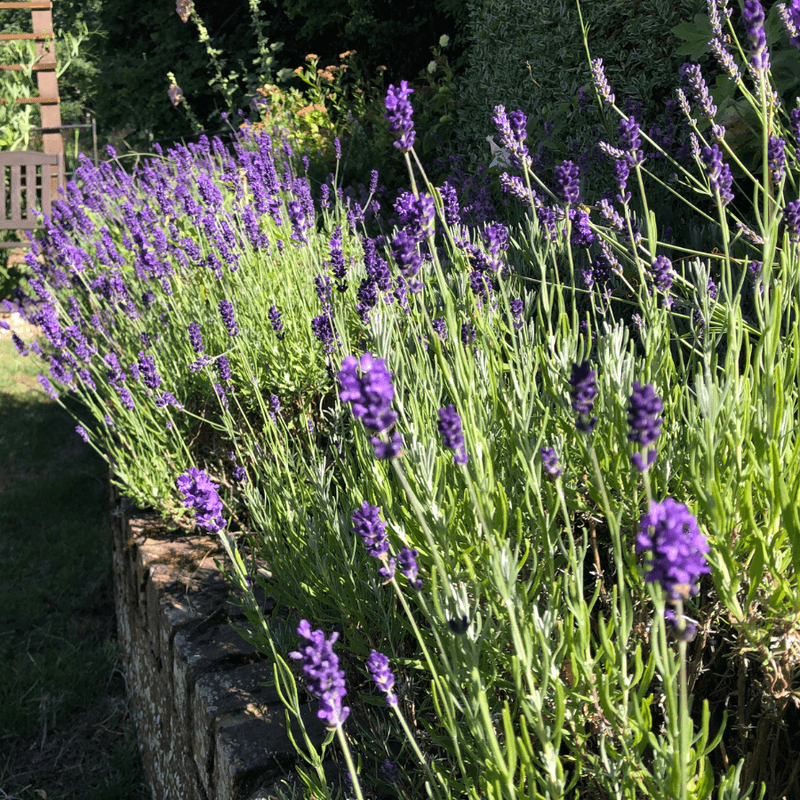
Coming home after a stressful day at work or running errands feels instantly better when you’re greeted by the soothing scent of lavender. Pennsylvania homeowners report feeling their shoulders relax and their mood lift as soon as they step near their front door.
The calming properties of lavender are well-known, and having it right at your entrance means you experience those benefits multiple times every single day.
Parents dealing with cranky kids after school pickup appreciate the moment of peace that lavender provides before heading inside. Even just pausing to smell the flowers while unlocking the door can reset your mindset.
The plant creates a transition zone between the hectic outside world and your calm home space.
Studies show that lavender scent can lower heart rate and blood pressure, making it perfect for the spot where you arrive home feeling rushed or anxious. You don’t need to do anything special to get these benefits.
Simply having the plant near your entrance means you breathe in the helpful scent naturally as you come and go.
Many Pennsylvania families with teenagers or college students home for breaks notice everyone seems a bit more relaxed when lavender grows near the door. The subtle aromatherapy happens without anyone really thinking about it.
Guests mention feeling welcomed and comfortable, which might partly come from the calming scent affecting their mood positively.
Nighttime arrivals become more pleasant too, as the lavender scent lingers in the evening air near your front door. After long drives home from visiting relatives or attending events, that familiar calming smell signals that you’ve made it back to your safe, comfortable space.
6. Attracts Helpful Pollinators To Your Property
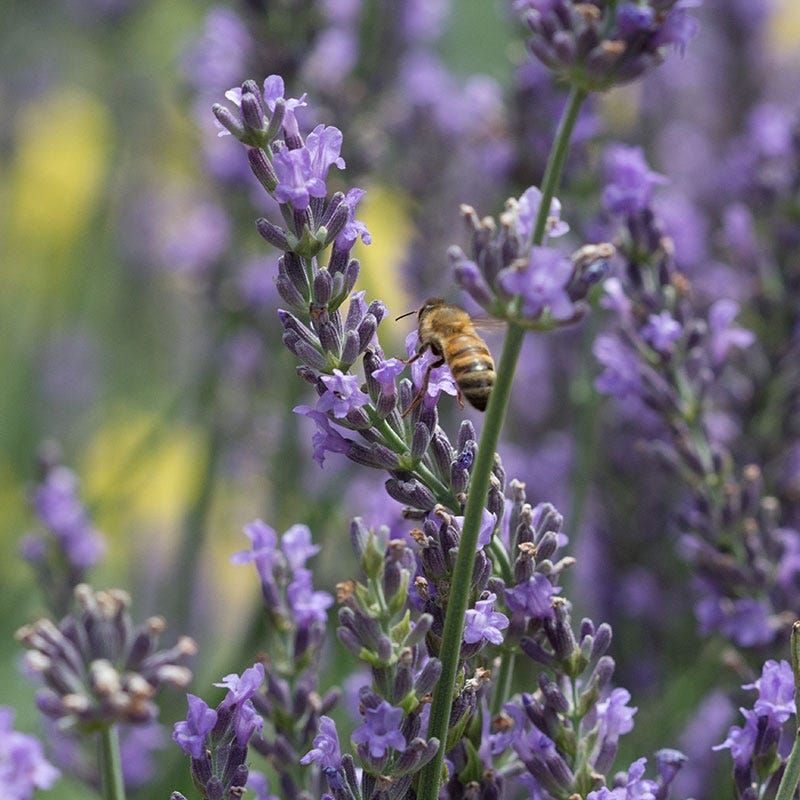
Bees and butterflies absolutely love lavender flowers, which means your front door area becomes a mini nature sanctuary during blooming season. Pennsylvania gardeners know how important pollinators are for local ecosystems and food production.
By planting lavender near your entrance, you help support these helpful creatures while enjoying the beautiful sight of them visiting your flowers.
Watching bees work the lavender blooms provides free entertainment and teaches kids about nature without leaving home. The buzzing sounds are gentle and pleasant, not scary or aggressive.
Honeybees, bumblebees, and various butterfly species all visit lavender regularly, creating a little hub of activity right by your front door.
Unlike some plants that attract wasps or aggressive insects, lavender primarily draws peaceful pollinators that have no interest in bothering people. They focus entirely on gathering nectar and pollen from the flowers.
Pennsylvania homeowners can feel good about contributing to pollinator health, which has become increasingly important as bee populations face challenges.
The constant pollinator traffic also means your other nearby plants get better pollination, leading to more vegetables in your garden or better blooms on other flowers. Lavender acts as a magnet that brings these helpful insects to your whole property.
Neighbors with vegetable gardens sometimes thank people who grow lavender because it benefits the entire area.
Children find it fascinating to observe different types of bees and butterflies up close in a safe setting. Parents can teach important lessons about respecting nature and understanding how plants and insects work together.
The educational value combines perfectly with all the other benefits lavender brings to Pennsylvania front entrances.