Why Pennsylvania Lawns Benefit From Gypsum In December After Ice Melt Damage
Winter’s freeze-thaw cycle hits Pennsylvania lawns hard, but one often-overlooked solution is gaining new attention among homeowners: gypsum.
By December, many lawns have already faced salt exposure from roads, sidewalks, and driveways.
Ice-melt products leave behind sodium that compacts soil, blocks water flow, and creates stubborn patches of brown, underperforming turf.
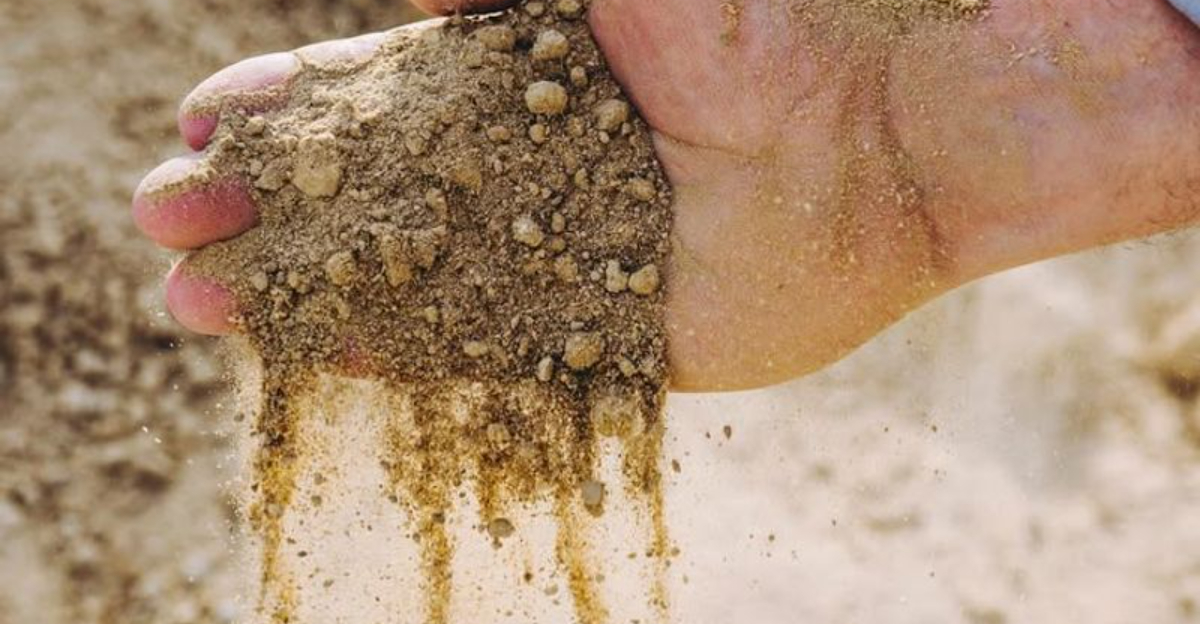
Gypsum steps in as a soil-restoring hero, loosening tight ground and helping flush away accumulated salt before it has a chance to cause long-term damage.
Applying it in December gives those calcium-rich particles time to work beneath the surface during winter’s natural moisture cycles.
When spring arrives, lawns treated with gypsum green up faster, grow thicker, and recover more fully from harsh weather.
It’s one of the simplest ways to counter winter stress—and the results speak for themselves.
Here’s why more Pennsylvanians are reaching for gypsum before the deep freeze sets in.
Gypsum Helps Counteract Salt Damage From Winter Ice Melts
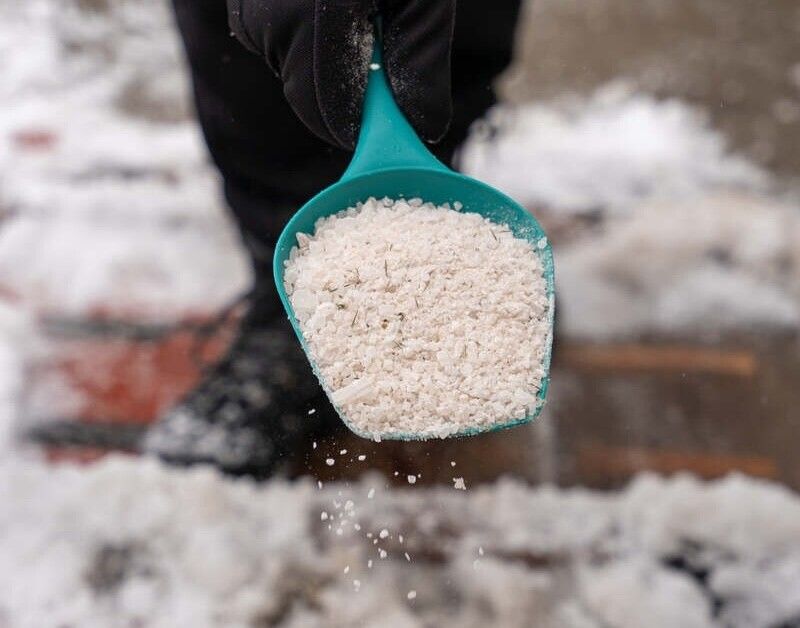
Rock salt and commercial ice melts contain sodium chloride that leaves sodium ions in your soil long after the snow disappears.
These sodium particles stick to soil particles and create a crusty, hard layer that prevents water and air from moving through the ground.
Your grass roots struggle to breathe and absorb nutrients when this happens.
Gypsum contains calcium sulfate, which works like a soil superhero by replacing those troublesome sodium ions with helpful calcium ions.
The sodium gets flushed away with rainfall while calcium stays behind to improve your soil.
This exchange process happens naturally without requiring you to dig or turn the soil.
The gypsum dissolves slowly and does its work beneath the surface where roots need it most.
Pennsylvania winters bring plenty of freeze-thaw cycles that push salt deeper into your lawn with each melt.
Applying gypsum in December gives it time to work before spring arrives.
Lawns near driveways, sidewalks, and roads benefit most from this treatment since they receive the heaviest salt exposure.
You will notice better grass color and thickness when warm weather returns if you address salt buildup now.
Reducing Soil pH Without Affecting Acidity Levels

Many Pennsylvania homeowners worry about changing their soil chemistry accidentally when adding amendments.
Lime is commonly used to raise pH levels, but it can make soil too alkaline if you apply it without testing first.
Some grass varieties and plants prefer slightly acidic conditions that lime would disrupt.
Gypsum provides calcium without altering pH levels at all, making it a safer choice for winter applications when you might not have recent soil test results.
You get the benefits of added calcium without the risk of throwing your soil balance out of whack.
This neutral quality means you can apply gypsum even if you are unsure about your current pH situation.
It will not interfere with existing soil chemistry or create problems that need correcting later.
The calcium in gypsum strengthens grass cell walls and improves overall plant health regardless of pH.
Your lawn gets nutritional support without the guesswork involved in lime application.
December is an ideal time for this low-risk amendment since grass is dormant and will not react negatively to soil changes.
You can confidently spread gypsum knowing it will only help, never harm, your lawn’s chemical balance.
Improving Water Infiltration In Frozen-Thawing Soil
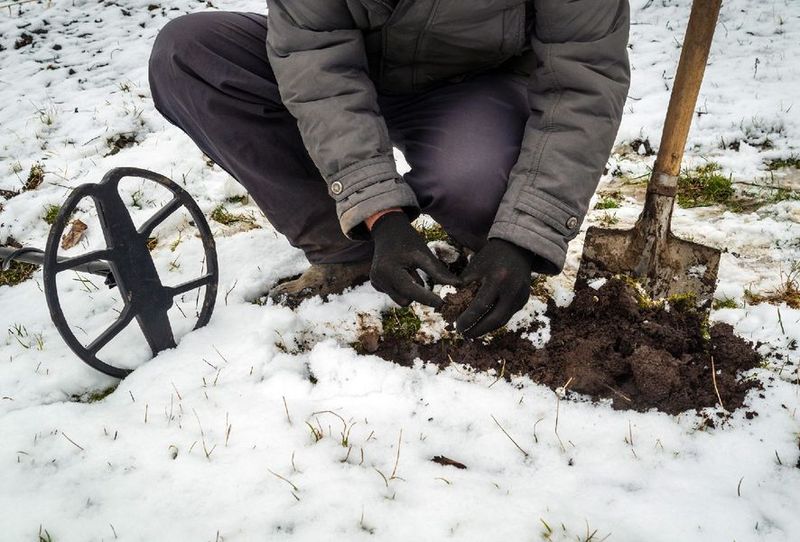
Pennsylvania experiences constant freeze-thaw cycles throughout winter that create challenging drainage situations.
When soil freezes solid, water cannot penetrate the surface.
Then partial thawing creates a layer of mush on top of still-frozen ground below, causing puddles and runoff.
Salt-damaged soil makes this problem much worse because the tight, crusted surface repels water even when temperatures rise.
You end up with standing water that suffocates grass roots and creates perfect conditions for fungal problems.
Gypsum breaks up that tight surface layer so late-winter rains and snowmelt can move through soil instead of sitting on top.
Better infiltration means roots stay healthier and your lawn dries out faster after storms.
Proper drainage also prevents soil erosion that washes away valuable topsoil during heavy precipitation events.
Your lawn keeps its nutrient-rich upper layer instead of losing it to runoff.
Applying gypsum in December allows it to start loosening compacted soil before the worst of winter weather arrives.
Each freeze-thaw cycle helps work the amendment deeper into the root zone where it provides maximum benefit throughout the season.
Restoring Soil Structure Before Spring Growth Begins
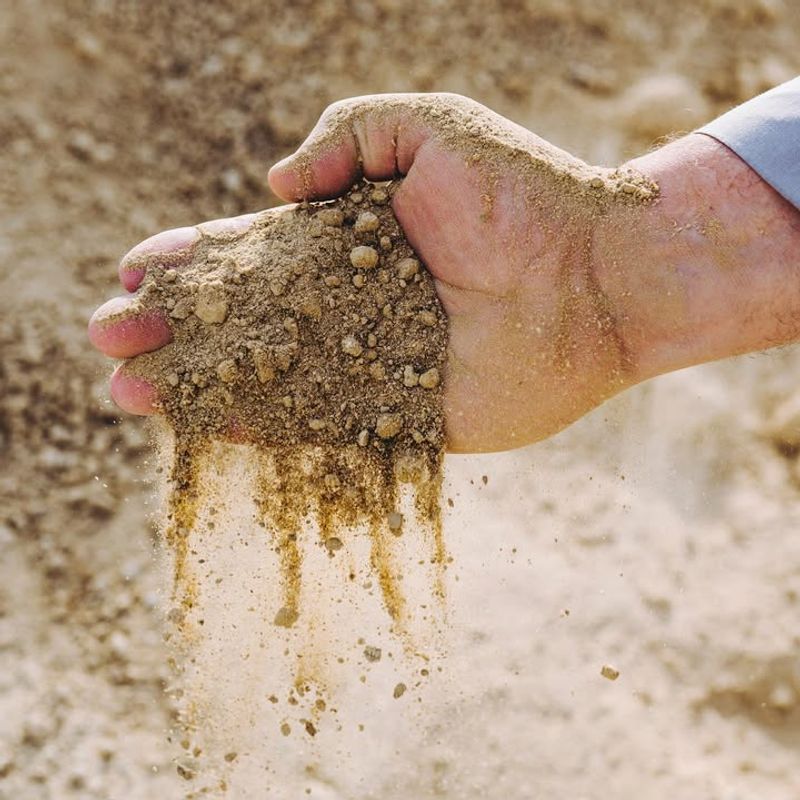
Soil needs tiny spaces between particles so roots can spread and water can drain properly.
Winter salt accumulation causes soil particles to stick together in tight clumps, squeezing out those essential air pockets.
This compaction makes it nearly impossible for grass roots to push through and find the resources they need.
Gypsum creates what scientists call a flocculating effect, which means it helps soil particles group together in the right way.
Instead of forming a solid mass, the particles arrange themselves with space in between.
Better soil structure means oxygen reaches root zones more easily and beneficial microorganisms can thrive.
These microscopic helpers break down organic matter and release nutrients that feed your grass.
December application gives gypsum several months to restructure your soil before grass starts growing again in March or April.
The amendment works slowly but thoroughly, improving conditions layer by layer.
You are essentially preparing a welcome mat for spring growth by fixing soil problems during dormancy.
Roots will grow deeper and stronger when they encounter loose, well-structured soil instead of compacted barriers.
Helping Grass Recover From Winter Burn
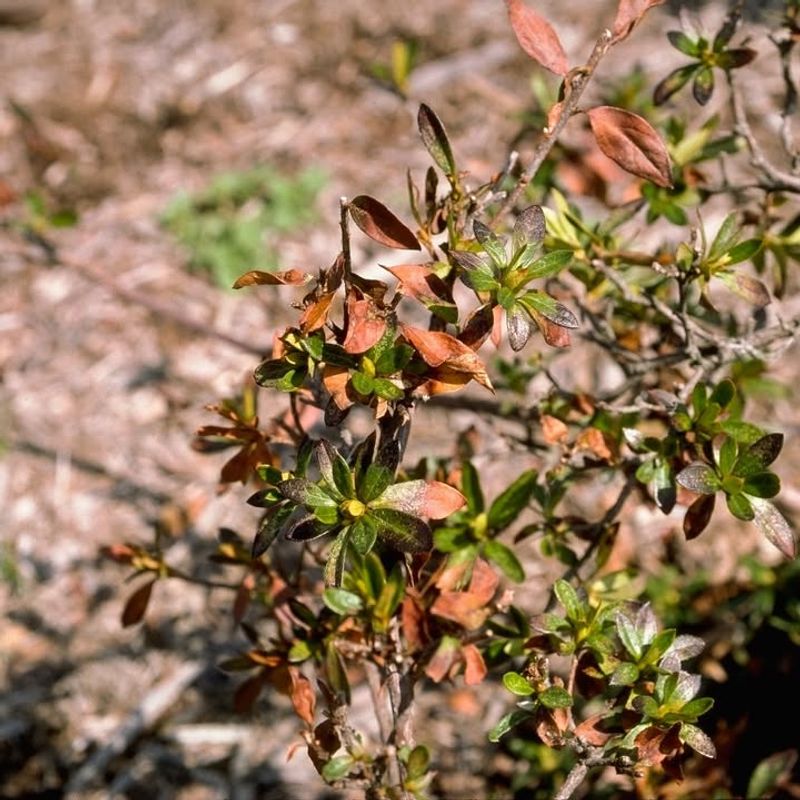
Salt burn shows up as brown, crispy grass tips and thinning patches where ice melt products concentrated during winter.
The sodium in these products pulls moisture out of grass blades through a process called desiccation.
Essentially, the salt dries out plant tissue from the inside, leaving behind damaged areas that struggle to green up in spring.
Gypsum counteracts this damage by flushing sodium out of the root zone and replacing it with calcium.
Calcium helps grass maintain proper moisture levels inside cells and strengthens the protective outer layer of each blade.
Grass that receives gypsum treatment bounces back faster when growing season arrives.
The brown areas fill in more quickly because roots have access to the nutrients they need for regeneration.
You might not see visible improvement during winter since grass is dormant, but the healing process starts immediately underground.
Roots begin recovering their ability to absorb water and nutrients as soon as sodium levels decrease.
Early December application gives your lawn maximum recovery time before spring growth begins.
Grass emerges from dormancy stronger and healthier, with fewer thin spots and better overall color across the entire yard.
Replenishing Calcium For Stronger Spring Root Systems
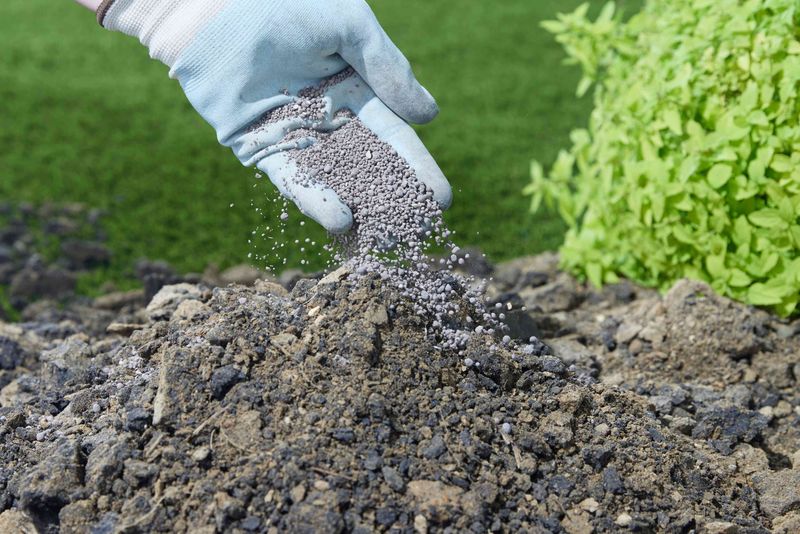
Calcium serves as a building block for plant cell walls, making it essential for strong, resilient grass.
Freeze-thaw cycles stress grass roots by repeatedly expanding and contracting the soil around them.
This physical stress damages delicate root hairs that absorb water and nutrients from the soil.
Roots need abundant calcium to repair this damage and build new cell structures when spring growth begins.
Gypsum provides calcium in a form that dissolves easily and becomes available to plants quickly.
Unlike some slow-release fertilizers that take months to break down, gypsum starts working as soon as moisture activates it.
Winter precipitation dissolves the calcium sulfate and carries it down to root zones where grass needs it most.
Stronger root systems mean grass can access water and nutrients from deeper soil layers during summer droughts.
Your lawn becomes more resilient to stress and requires less supplemental watering during hot weather.
December application ensures calcium is present and ready when roots start growing again in early spring.
Grass gets an immediate boost instead of waiting for you to apply amendments after growth has already begun.
Preparing Soil For Early-Season Fertilizer Uptake
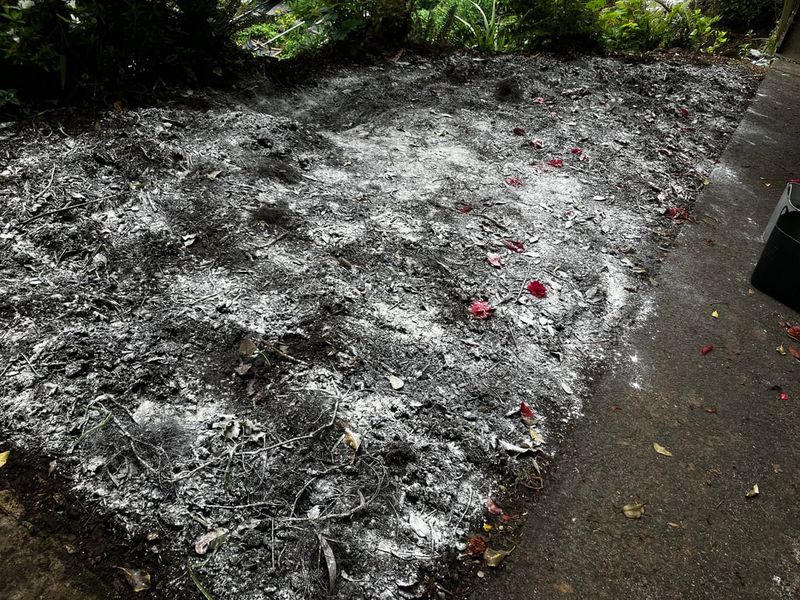
Sodium accumulation creates a chemical barrier that prevents grass from absorbing nutrients effectively.
Even if you apply high-quality fertilizer in spring, your lawn cannot use those nutrients properly when sodium has locked up the soil.
You end up wasting money on products that just wash away or sit unused in the ground.
Gypsum removes this barrier by displacing sodium and improving overall soil chemistry.
The calcium and sulfur in gypsum also provide nutrients themselves while creating better conditions for other amendments to work.
Better nutrient availability means you can use less fertilizer and still get excellent results.
Your grass absorbs and utilizes more of what you apply instead of letting it run off into storm drains.
This improved efficiency saves money and reduces environmental impact from excess fertilizer entering waterways.
You get a greener lawn while being a better steward of natural resources.
Treating soil with gypsum in December sets the stage for successful spring fertilization.
When you apply your first feeding of the season, grass roots are ready to grab those nutrients immediately and put them to work.
Safe Winter Application With No Heat Release
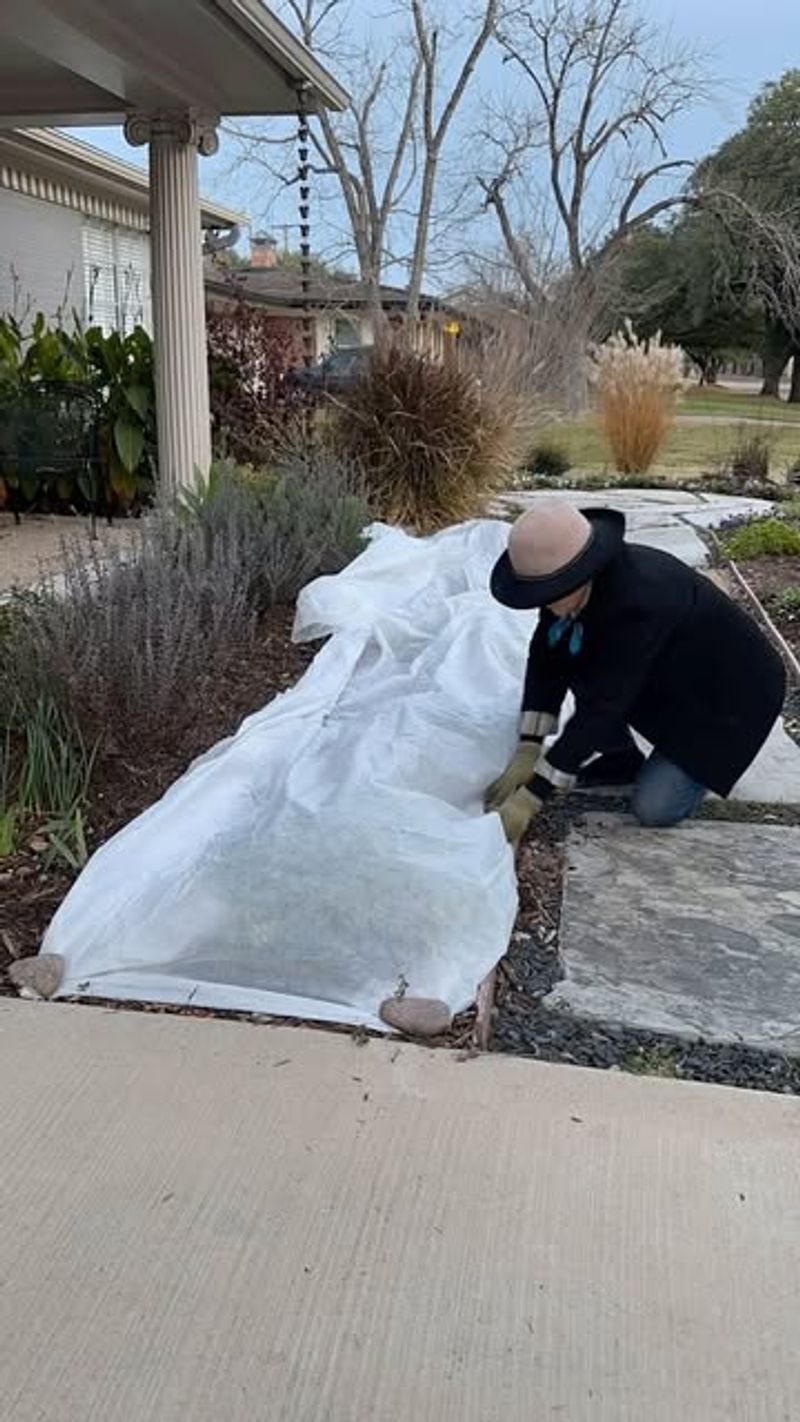
Some soil amendments create a chemical reaction that releases heat when applied, which can damage dormant grass.
Quick-release nitrogen fertilizers and certain lime products generate warmth as they break down.
This heat can force grass out of dormancy prematurely, leaving it vulnerable to freeze damage when temperatures drop again.
Gypsum dissolves through a simple physical process that produces no heat whatsoever.
You can safely spread it on frozen or dormant turf without worrying about shocking grass out of its winter rest period.
This cold-safe quality makes gypsum perfect for December application in Pennsylvania where temperatures fluctuate unpredictably.
You can take advantage of mild days to improve your lawn without risking damage from unexpected freezes.
Dormant grass benefits from gypsum treatment without experiencing any stress or disruption.
The amendment quietly does its work underground while grass remains safely asleep above the surface.
Professional landscapers often choose gypsum for winter applications specifically because of this safety profile.
Homeowners can feel confident using the same strategy without needing special expertise or worrying about timing issues that affect other products.
Preventing Runoff And Soil Compaction Near Sidewalks And Driveways
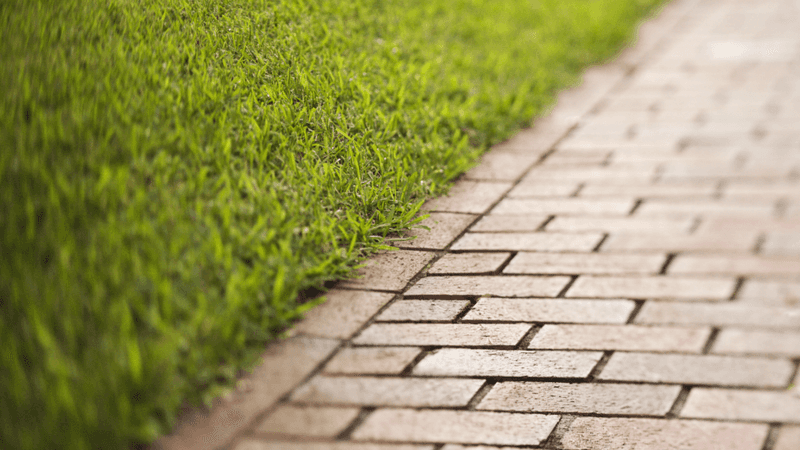
Lawn edges receive concentrated doses of ice melt products as snow gets plowed or shoveled into piles.
These high-traffic borders suffer the worst compaction and salt damage of any area in your yard.
Water runs off the hard surfaces and carries dissolved salt directly onto grass, creating a toxic zone that extends several feet from pavement.
Gypsum works especially well in these problem areas because it addresses both compaction and salt damage simultaneously.
The calcium helps loosen tight soil while displacing harmful sodium that accumulated throughout winter.
Better soil structure along edges reduces water runoff that can wash away topsoil and create bare spots.
Improved infiltration means water soaks into the ground instead of flowing across your yard and into storm drains.
Focusing gypsum application on lawn borders gives you the most visible improvement for your effort.
These areas will green up faster and look healthier than untreated sections when spring arrives.
You can apply extra gypsum to heavily affected zones without worrying about over-application since the amendment will not burn grass.
Target the worst areas first, then spread remaining product across the rest of your lawn for overall improvement.
An Easy, Low-Risk Amendment For Homeowners During Dormant Season
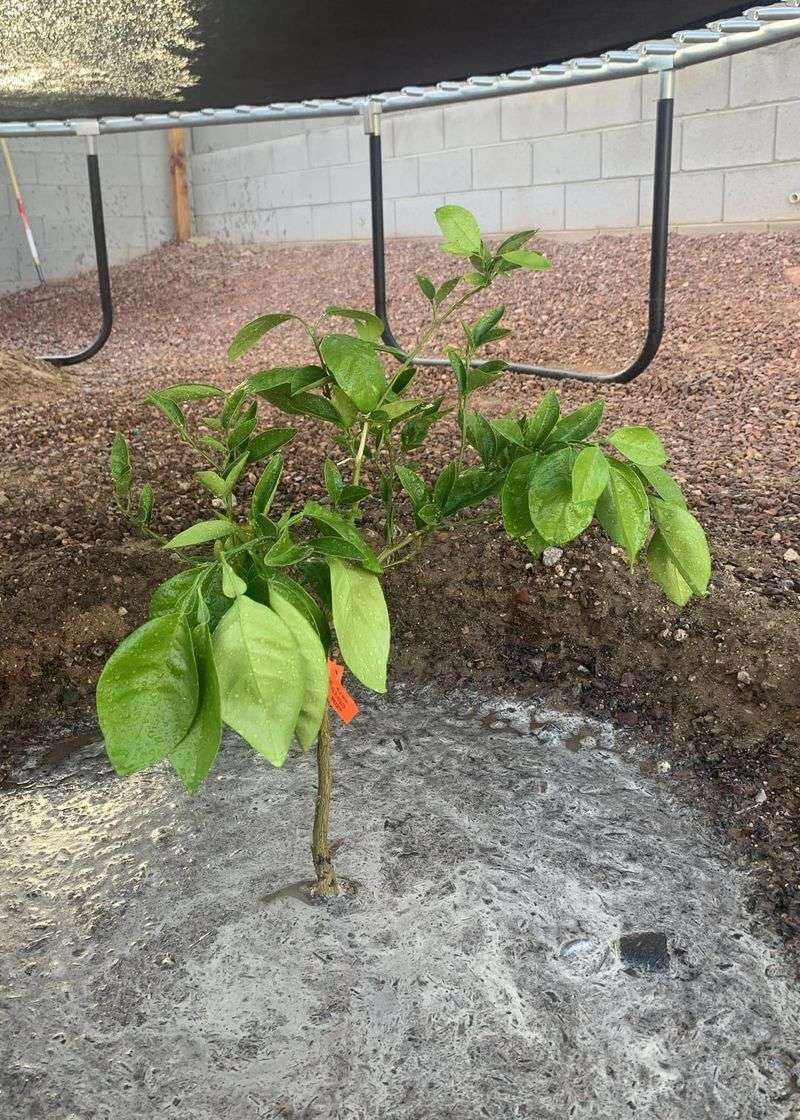
Many homeowners hesitate to apply lawn treatments during winter because they worry about making mistakes or causing damage.
Gypsum removes these concerns because it is nearly impossible to misuse.
The amendment will not burn grass, alter pH dramatically, or create problems even if you apply more than recommended amounts.
Application requires no special equipment beyond a basic broadcast spreader that most people already own.
You simply fill the hopper, adjust the settings according to package directions, and walk across your lawn in overlapping passes.
December weather in Pennsylvania often provides mild days perfect for outdoor projects.
You can spread gypsum whenever the ground is not frozen solid and you can comfortably spend time outside.
Beginners appreciate that gypsum forgives inexperience and does not require precise timing or complicated calculations.
You get professional-quality results without needing expert knowledge or expensive services.
This simplicity makes gypsum an excellent entry point for homeowners who want to take better care of their lawns but feel intimidated by complex fertilization schedules.
One straightforward application in December sets your yard up for success without stress or guesswork involved.