Why Pennsylvania Suburbs See More Red Foxes This Winter
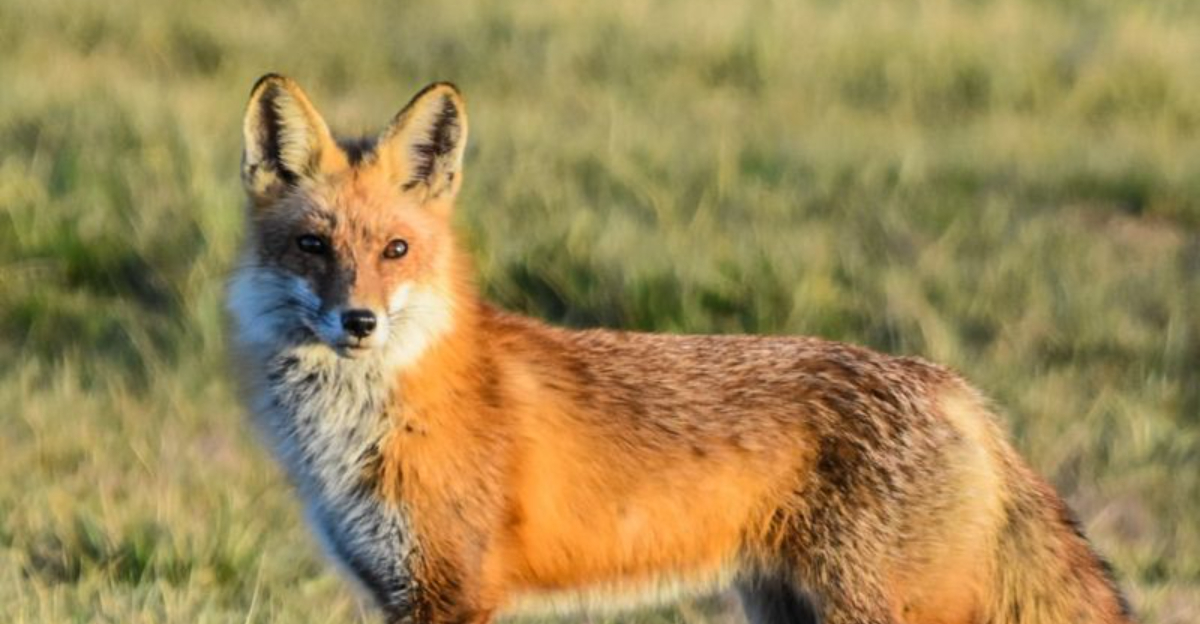
Winter in Pennsylvania has a way of reshaping the landscape, and red foxes are becoming part of the picture in suburban neighborhoods.
As snow covers fields and cold settles in, these clever animals start showing up where life feels a little easier.
Lawns, parks, and quiet streets offer new opportunities when natural habitats grow tougher to navigate.
Red foxes are survivors at heart.
When food gets harder to find in open countryside, they follow the path of least resistance.
Suburbs provide shelter, steady cover, and an unexpected menu of rodents and other small prey.
Mild winter spells and shrinking wild spaces also push foxes closer to people, even if they prefer to keep their distance.
Backyards with brush piles, wood edges, or nearby green spaces turn into perfect pit stops.
Once a fox finds a reliable route, it sticks with it.
Like clockwork, sightings increase as winter deepens.
This shift is not a sign of trouble.
It is nature adjusting to changing conditions.
Understanding why red foxes appear more often helps homeowners stay calm and make smart choices.
In Pennsylvania suburbs, winter brings change, and red foxes are simply making the most of what the season puts on the table.
1. Natural Prey Becomes Scarce In Rural Areas
Winter transforms the Pennsylvania countryside into a challenging hunting ground where foxes struggle to find their usual meals.
Mice, voles, rabbits, and other small mammals that foxes depend on become much harder to catch when deep snow covers the ground and frozen soil makes burrowing difficult.
Rural fields that provided plenty of hunting opportunities during warmer months now offer limited food options.
Snow depth in Pennsylvania farmlands can reach several feet during harsh winters, forcing small prey animals to stay hidden in underground tunnels where foxes cannot easily reach them.
The frozen ground also muffles the sounds that foxes normally use to locate prey beneath the surface.
Suburban areas present a completely different situation for hungry foxes searching for their next meal.
Neighborhoods in Pennsylvania suburbs maintain bird feeders that attract not only birds but also squirrels, mice, and other small creatures that foxes can hunt.
Compost piles, unsecured garbage bins, and pet food left outdoors create additional food sources that don’t exist in frozen rural landscapes.
The contrast between barren winter fields and suburb food availability becomes especially dramatic during Pennsylvania’s coldest months.
Foxes are intelligent problem-solvers that quickly learn where consistent food sources exist.
When natural prey populations decline in rural areas, these adaptable hunters shift their territories toward human communities where meals are easier to find.
Pennsylvania suburbs unknowingly create year-round buffets that become especially attractive when winter makes traditional hunting grounds unproductive.
This pattern explains why fox sightings increase dramatically in residential areas during January and February, when rural food scarcity reaches its peak across the state.
2. Suburban Landscapes Offer Better Shelter Options
Finding warm, protected spaces becomes a survival priority for foxes when Pennsylvania winters bring freezing temperatures and harsh winds.
Open fields and sparse woodlands expose these animals to dangerous weather conditions that drain their energy and threaten their health during the coldest nights.
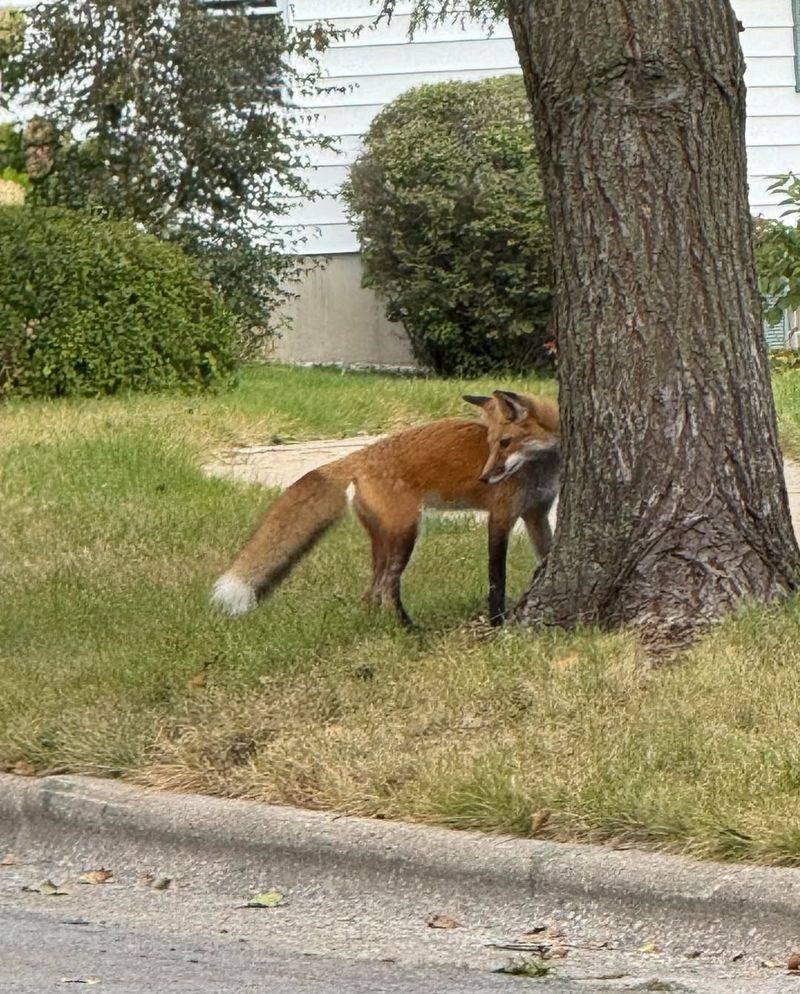
Suburban neighborhoods across Pennsylvania provide numerous shelter opportunities that simply don’t exist in rural environments.
Spaces beneath decks, sheds, porches, and outbuildings create perfect denning sites that protect foxes from wind, snow, and frigid temperatures.
These human-made structures offer insulation and safety that natural shelters like hollow logs or hillside burrows cannot match during severe weather.
Landscaping features common in Pennsylvania suburbs also contribute to fox comfort during winter months.
Evergreen shrubs, decorative bushes, and foundation plantings create dense cover where foxes can rest during daytime hours without being exposed to predators or harsh elements.
Wood piles, rock walls, and garden structures add even more protected spaces that foxes utilize throughout residential areas.
The temperature difference between open rural land and sheltered suburban spaces can be significant during Pennsylvania winter nights.
Areas near homes benefit from heat that escapes through walls, foundations, and vents, creating slightly warmer microclimates that attract cold-stressed wildlife.
Foxes instinctively seek these warmer zones when temperatures plummet below freezing.
Suburban properties in Pennsylvania essentially function as wildlife hotels during winter, offering multiple shelter options within small areas.
A single neighborhood block might contain dozens of potential fox dens, while an equivalent rural space offers far fewer protected spots.
This shelter abundance draws foxes from surrounding areas into suburbs throughout the winter season.
3. Urban Heat Islands Create Warmer Microclimates
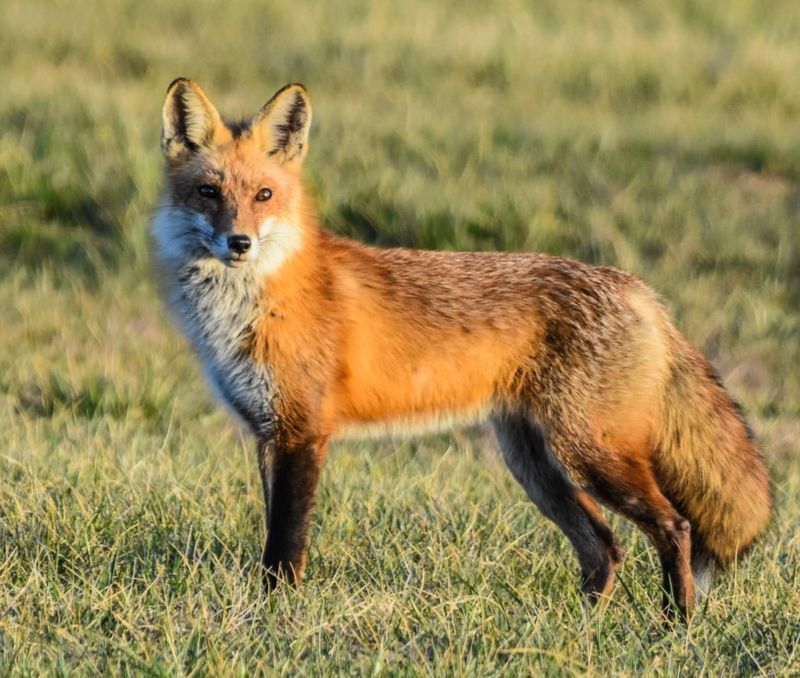
Pennsylvania suburbs stay noticeably warmer than surrounding countryside during winter months, creating what scientists call urban heat islands.
Buildings, roads, sidewalks, and parking lots absorb sunlight during the day and release that stored heat throughout the night, keeping suburban temperatures several degrees higher than nearby forests or fields.
This temperature difference might seem small to humans but makes a significant impact on wildlife survival during harsh winters.
Just a few degrees can determine whether water sources freeze completely or remain partially accessible, and whether a fox burns through its fat reserves quickly or conserves energy more efficiently.
Pennsylvania foxes naturally gravitate toward these warmer zones when cold snaps threaten their wellbeing.
Concrete, asphalt, and building materials common in suburban Pennsylvania communities retain heat much better than natural surfaces like soil, grass, or snow.
Streets and driveways often show bare pavement even after rural roads remain snow-covered for days.
These cleared surfaces make travel easier for foxes and expose potential food sources that stay buried under snow in the countryside.
Home heating systems contribute additional warmth to Pennsylvania suburban environments throughout winter.
Heat escaping from houses, businesses, and other buildings raises the ambient temperature of entire neighborhoods.
Foxes can sense these warmer areas and adjust their territories to take advantage of the more comfortable conditions.
Weather stations consistently record higher nighttime temperatures in Pennsylvania suburbs compared to rural weather stations just miles away.
For foxes facing brutal winter conditions, these warmer microclimates represent safe havens where survival requires less energy expenditure.
The combination of shelter availability and elevated temperatures makes suburbs increasingly attractive as winter intensifies across Pennsylvania.
4. Reduced Human Activity During Cold Months
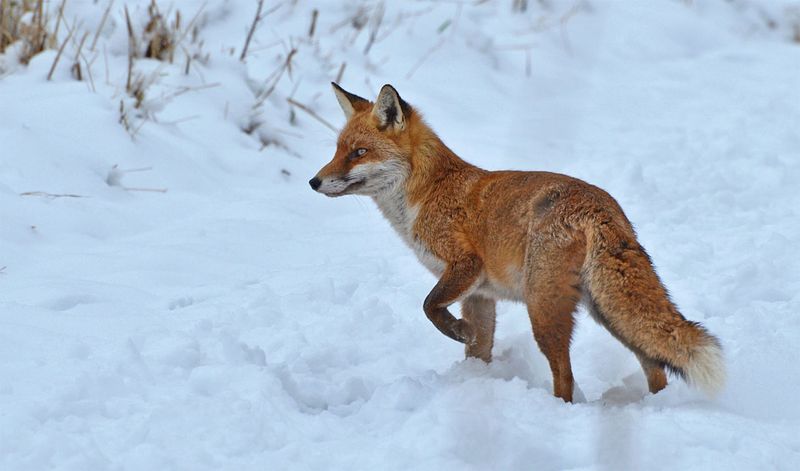
Something interesting happens in Pennsylvania neighborhoods when winter weather keeps people indoors for longer periods.
Foxes are naturally cautious around humans, but they quickly notice when suburban streets, yards, and parks become quieter and less threatening during cold months.
Fall and summer bring constant outdoor activity in Pennsylvania suburbs, with children playing, people gardening, dogs walking, and neighbors socializing outside.
Winter dramatically reduces this human presence as families spend more time inside heated homes.
Early darkness during winter months means most people arrive home from work after sunset and rarely venture outside until morning, creating long periods when foxes can explore neighborhoods without human interference.
Pennsylvania suburbs essentially transform into low-traffic zones during winter evenings and nights.
Foxes are primarily nocturnal hunters, so reduced human activity during their active hours makes suburban exploration much safer and less stressful.
These animals learn neighborhood patterns and adjust their behavior based on when people are most likely to be absent from yards and streets.
Weekend mornings that would normally buzz with activity during warmer months become peaceful and quiet when temperatures drop below freezing.
Fewer joggers, cyclists, and dog walkers mean foxes can move through Pennsylvania communities with greater confidence.
Parks and green spaces that host sports and recreation during other seasons sit empty during winter, providing foxes with large territories to hunt and explore.
The combination of food availability, shelter options, and reduced human disturbance creates ideal conditions for foxes in Pennsylvania suburbs during winter.
These intelligent animals recognize when opportunities outweigh risks, leading them to spend more time in residential areas where they once felt too exposed or threatened by constant human presence.
5. Breeding Season Increases Fox Movement And Visibility
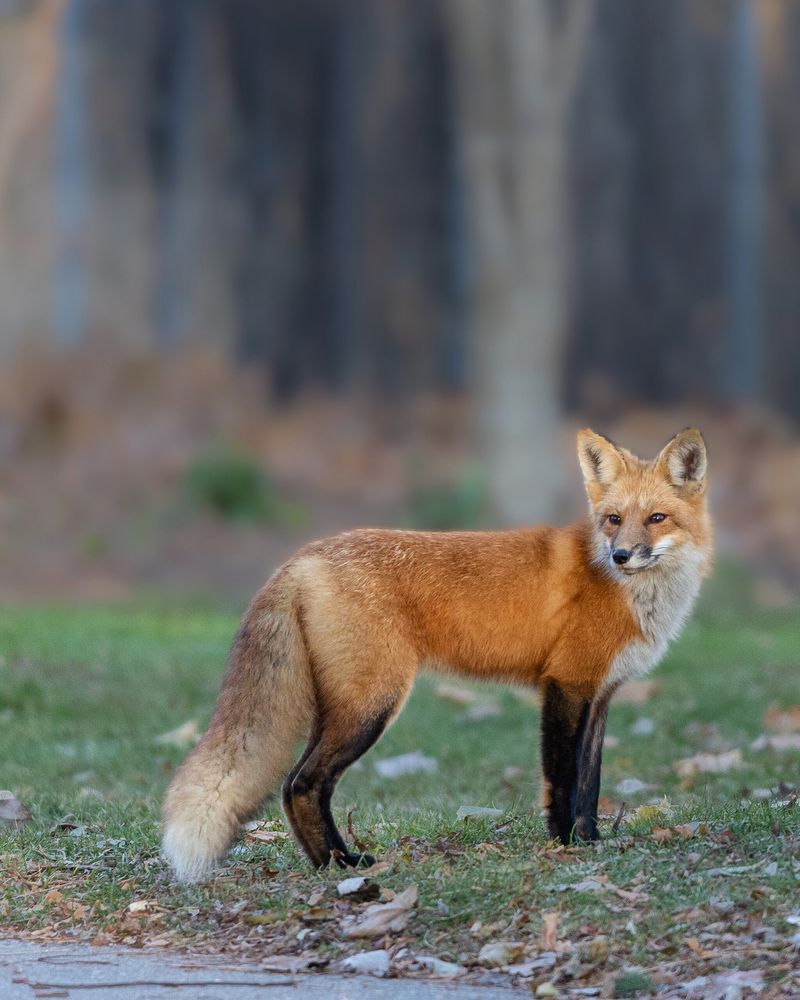
January and February mark the beginning of red fox breeding season across Pennsylvania, which coincides perfectly with peak winter months.
During this time, foxes become much more active and visible as they search for mates and establish breeding territories throughout suburban areas.
Male foxes travel significantly greater distances during breeding season, often venturing into new territories they wouldn’t normally explore.
This increased movement brings foxes into Pennsylvania suburbs where residents might never have noticed them before.
The drive to find mates overrides some of the natural caution foxes typically show around human developments.
Breeding behaviors also make foxes more vocal during winter months in Pennsylvania.
Residents sometimes hear unusual barking, screaming, or yipping sounds during nighttime hours as foxes communicate with potential mates or warn competitors away from their territories.
These vocalizations draw attention to fox presence in ways that silent summer hunting never does.
Foxes become less concerned about staying hidden when breeding instincts take priority over safety considerations.
Pennsylvania homeowners report seeing foxes during daylight hours more frequently in winter, particularly during late afternoon when breeding pairs may be active.
This daytime visibility creates the impression that fox populations have suddenly increased, when actually their behavior has simply become bolder and more noticeable.
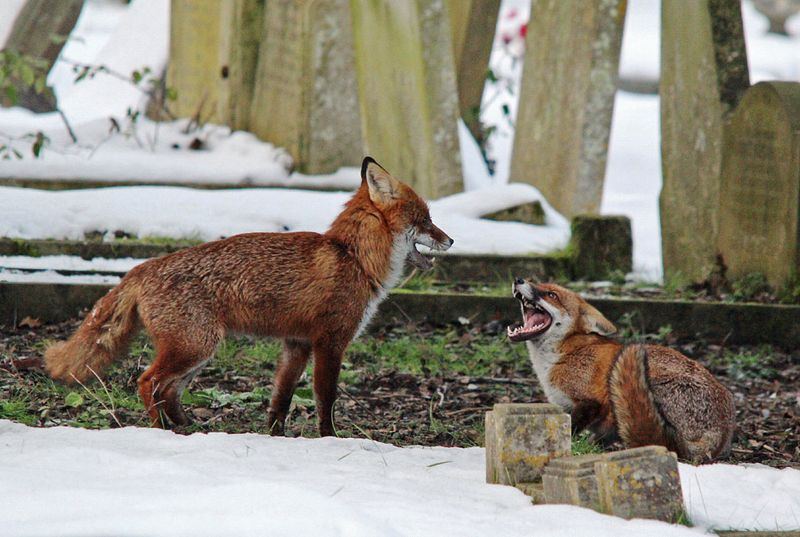
Territorial disputes between competing males also increase fox activity in Pennsylvania suburbs during winter breeding season.
These confrontations sometimes occur in open areas like yards, streets, or parks where people can easily observe them.
The combination of mate-seeking behavior, territorial marking, and increased movement patterns makes winter the season when fox presence becomes most obvious to suburban residents across Pennsylvania, even though foxes may have been living nearby all year long.
6. Snow Cover Makes Tracking And Spotting Easier
Fresh snow transforms Pennsylvania suburbs into natural detective boards that reveal exactly where foxes travel and spend their time.
During snowless seasons, foxes move through neighborhoods leaving virtually no trace of their presence, but winter snowfall creates a visible record of every fox journey across yards, parks, and streets.
Pennsylvania residents who never realized foxes visited their properties suddenly discover detailed track patterns leading across lawns, around sheds, and through garden areas.
These distinctive paw prints, which show four toe pads and claw marks in a nearly straight line, appear almost overnight after snowfall and remain visible until melting or new snow covers them.
The evidence convinces many homeowners that fox activity has increased, when actually they’re simply seeing proof of visits that happened year-round without their knowledge.
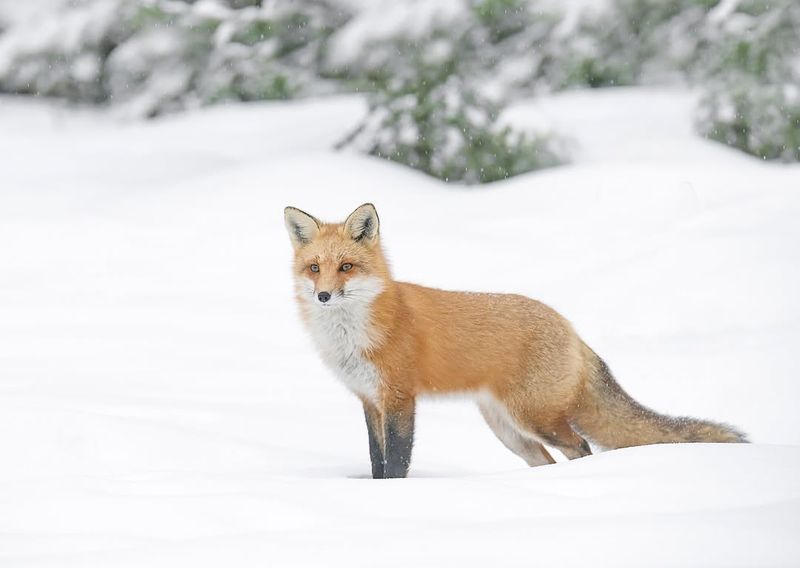
A fox’s reddish-orange coat stands out dramatically against white snow backgrounds in Pennsylvania suburbs.
During warmer months, these animals blend remarkably well with brown leaves, summer vegetation, and varied landscape colors.
Winter’s blanket of snow eliminates that camouflage advantage, making foxes much easier to spot when they cross yards or streets.
Even a brief fox appearance becomes obvious to anyone glancing out a window.
Photography enthusiasts and nature watchers in Pennsylvania suburbs capture more fox images during winter specifically because snow provides such striking visual contrast.
These photos get shared on social media and neighborhood groups, creating heightened awareness of fox presence throughout communities.
The increased documentation and discussion gives the impression that fox numbers have grown, though visibility rather than population has actually changed.
Snow conditions in Pennsylvania during January and February create perfect circumstances for noticing wildlife that normally goes undetected, making winter the season when fox awareness peaks across suburban communities.
7. Habitat Loss Pushes Wildlife Toward Developed Areas
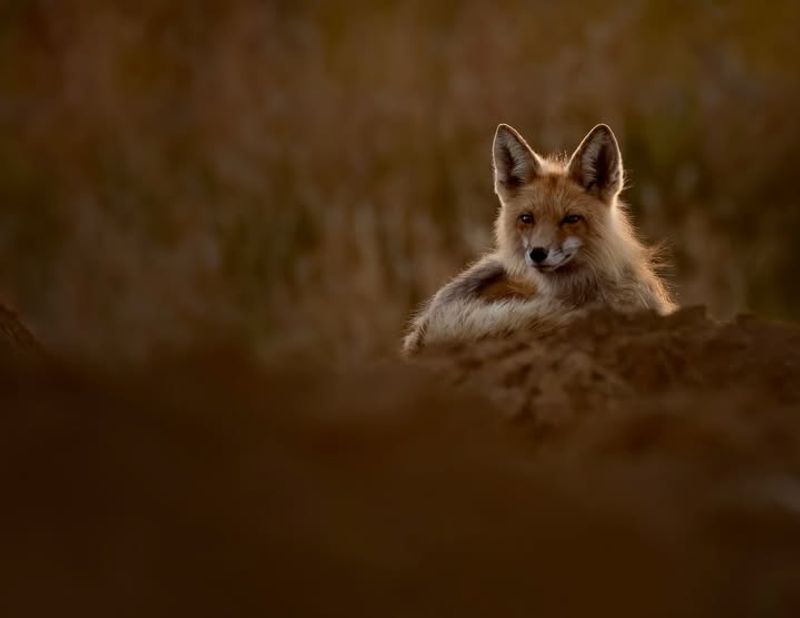
Pennsylvania continues experiencing steady suburban expansion as new housing developments, shopping centers, and business parks replace former farmland and forest edges.
This ongoing development gradually shrinks the wild spaces where foxes traditionally lived and hunted, forcing these adaptable animals to adjust their territories and behaviors.
Each year brings additional acres of Pennsylvania countryside converted into residential neighborhoods and commercial properties.
Foxes that once maintained territories entirely within rural or semi-rural environments find their ranges increasingly fragmented by roads, buildings, and human activity.
Rather than abandoning familiar areas completely, many foxes adapt by incorporating suburban spaces into their territories, learning to navigate between remaining wild patches and developed areas.
Winter intensifies the pressure habitat loss creates for Pennsylvania wildlife.
Foxes might tolerate reduced territory size during abundant seasons, but when winter makes food scarce and shelter critical, competition for remaining resources increases.
Suburban areas that foxes might have avoided during easier times become necessary survival zones when natural habitat can no longer support their needs.
The pattern repeats across Pennsylvania communities where development continues pushing outward from urban centers.
Foxes demonstrate remarkable flexibility in adjusting to landscape changes, but this adaptability means they increasingly overlap with human spaces rather than maintaining separation.
What residents perceive as foxes moving into suburbs is often actually suburbs moving into fox territory, with the animals simply refusing to abandon their ancestral ranges.
Long-term habitat trends in Pennsylvania suggest this pattern will continue as the state’s population grows and development expands.
Understanding that suburban fox sightings partly reflect human encroachment into wildlife areas helps residents appreciate these animals as original inhabitants adapting to landscape changes rather than unwelcome invaders entering human territory.