Why Pennsylvania Yards Are Seeing More Dark-Eyed Juncos This Winter
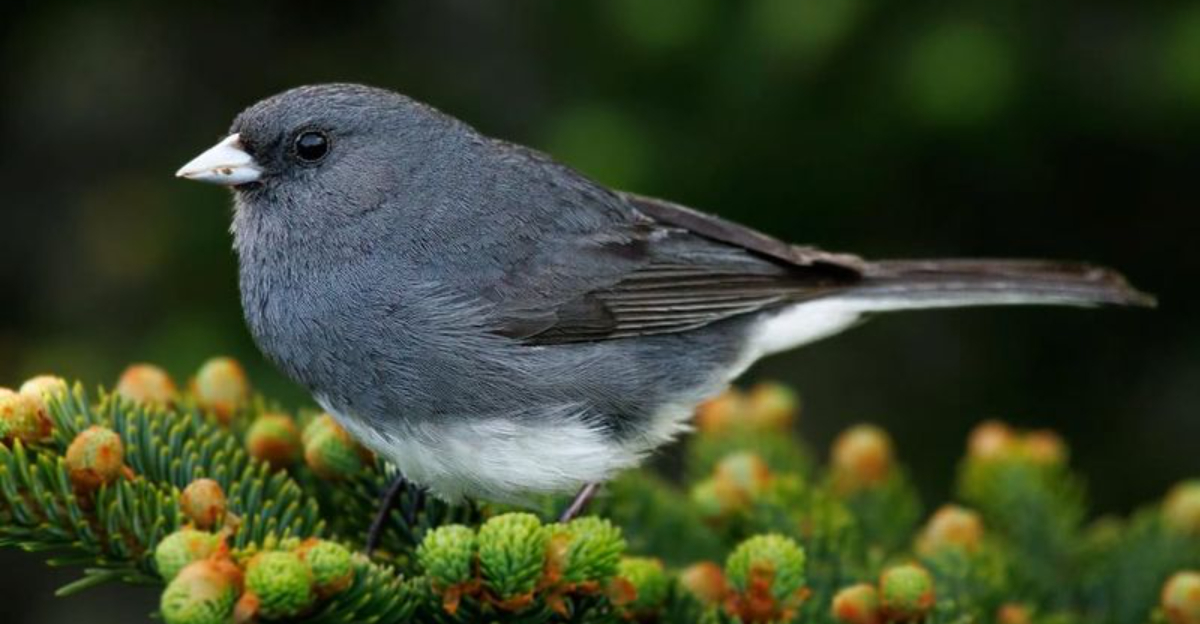
Winter in Pennsylvania brings a quieter landscape, but dark eyed juncos are adding life back into many yards.
These small gray birds with crisp white markings seem to appear overnight, hopping along the ground and flitting beneath feeders like they have always been there.
Their sudden presence is no accident.
When cold weather sets in, juncos change their game plan and head for places that offer better odds.
As snow covers fields and forest floors, natural seeds become harder to find.
Pennsylvania yards step in to fill the gap with feeders, open patches of ground, and reliable shelter.
Dark eyed juncos are built for winter, but even they know when to take the path of least resistance.
Backyards provide food without long flights and cover from harsh winds.
Weather patterns also push these birds south from colder regions, adding to the numbers already in place.
Shorter days mean less time to forage, so dependable stops matter more than ever.
Like clockwork, juncos return to yards that meet their needs.
Their winter takeover is not random.
It is a smart survival move that turns Pennsylvania backyards into trusted havens when the season stacks the deck.
1. Colder Than Usual Temperatures Up North
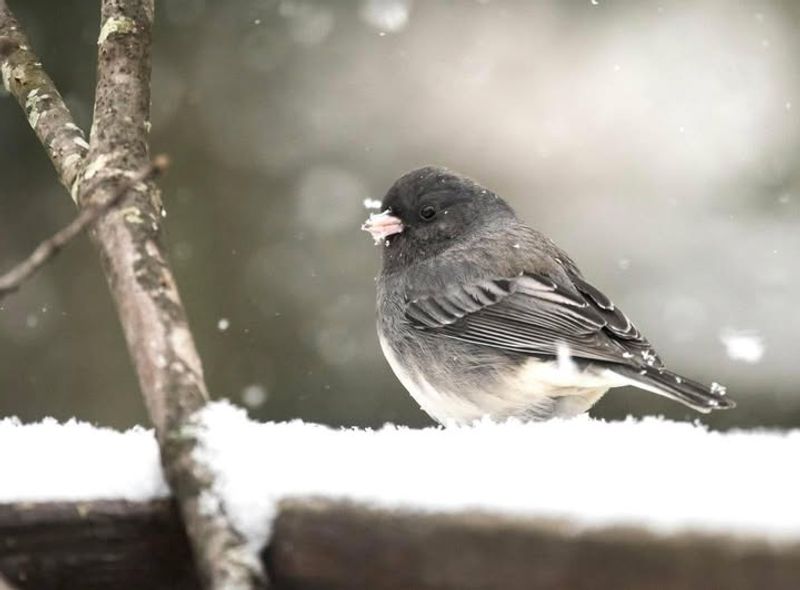
When temperatures drop dramatically in Canada and the northern United States, dark eyed juncos start their journey south earlier and in greater numbers.
This winter has brought some particularly harsh cold snaps to their usual breeding territories, pushing these birds to seek milder climates.
Pennsylvania sits in the perfect sweet spot for these migrating birds, offering a welcome escape from the brutal northern winters without requiring them to fly all the way to the Deep South.
Juncos are hardy little creatures, but even they have their limits when it comes to extreme cold.
When their northern habitats experience prolonged freezing temperatures and heavy snowfall, finding food becomes incredibly challenging.
Seeds get buried under thick snow, and insects disappear completely.
Rather than struggle through these tough conditions, juncos head to places like Pennsylvania where the weather is more manageable.
Across Pennsylvania, from Erie to Harrisburg, residents are reporting higher junco numbers at their feeders this season.
The birds arrive looking for accessible food sources and temperatures that won’t drain their energy reserves.
Your backyard becomes a lifesaving rest stop on their migration route.
The temperature difference between their northern homes and Pennsylvania can be significant, sometimes 20 or 30 degrees warmer.
This makes Pennsylvania yards incredibly attractive to these smart survivors.
They’ll happily spend the winter months here, hopping around your lawn and visiting feeders, before heading back north when spring arrives and temperatures rise again in their breeding grounds.
2. Abundant Natural Food Sources In Pennsylvania
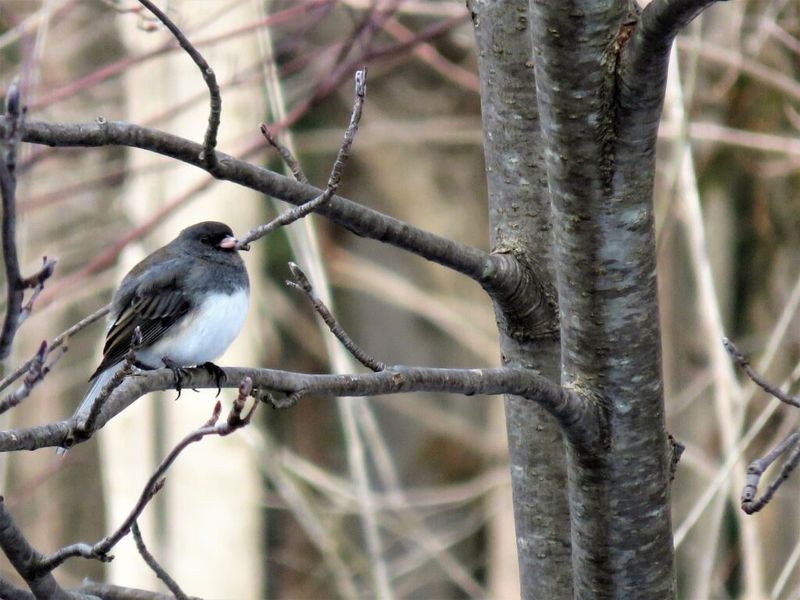
Pennsylvania’s diverse landscape provides dark eyed juncos with an incredible buffet of natural foods that keep them well-fed throughout the winter months.
Oak trees, which are abundant across the state, drop acorns that break open and reveal nutritious seeds.
Native grasses produce seeds that juncos absolutely love, and many Pennsylvania homeowners are letting parts of their lawns grow wild, creating perfect foraging spots for these ground-feeding birds.
Berry-producing shrubs like winterberry, dogwood, and viburnum remain loaded with fruit well into winter across Pennsylvania yards.
While juncos primarily eat seeds, they’ll occasionally snack on berries when other food becomes scarce.
The state’s mix of deciduous and evergreen trees creates microclimates where seeds and plant materials stay accessible even after light snowfalls.
Farmers throughout Pennsylvania grow crops like corn, wheat, and soybeans, and after harvest, plenty of grain gets left behind in fields.
Juncos venture into these agricultural areas to feast on the leftovers, finding easy meals that help them build up fat reserves for the cold months ahead.
Native wildflowers that went to seed in fall, like coneflowers and black-eyed Susans, provide additional food sources in Pennsylvania gardens.
Many residents are embracing natural landscaping practices, leaving seed heads standing through winter specifically to feed birds.
This trend toward wildlife-friendly yards has created more feeding opportunities across the state, making Pennsylvania an even more attractive destination for dark eyed juncos seeking reliable food supplies during their winter stay.
3. Increased Backyard Bird Feeding Activity
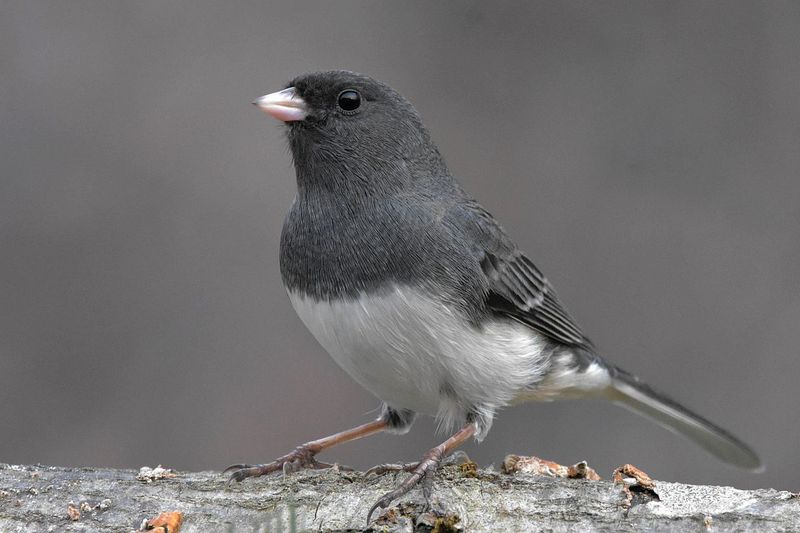
More Pennsylvania residents than ever before are setting up bird feeders and keeping them stocked throughout winter.
This surge in backyard bird feeding creates a network of reliable food stations that dark eyed juncos quickly discover and visit regularly.
Whether it’s platform feeders near the ground or seeds scattered directly on patios, these feeding spots act like roadside diners along the junco migration highway.
The pandemic sparked a massive increase in birdwatching as a hobby, and many Pennsylvanians who started feeding birds a few years ago have continued the practice.
They’ve learned which seeds attract the most species, and white proso millet, a junco favorite, has become a staple in many seed mixes.
Black oil sunflower seeds, another popular choice, often fall to the ground where juncos prefer to feed.
Social media groups dedicated to Pennsylvania birds have helped spread tips about attracting winter species.
Neighbors share photos of juncos visiting their yards, which inspires others to set up feeders too.
This creates clusters of feeding opportunities in residential areas, making entire neighborhoods attractive to these birds.
Hardware stores and garden centers across Pennsylvania report strong sales of bird seed and feeders during fall and winter months.
The increased availability of quality bird food means more homeowners can participate in feeding activities.
Juncos benefit tremendously from this trend, finding supplemental food sources that help them survive cold snaps and storms.
When natural food gets covered by snow or ice, these backyard feeders become essential resources that keep junco populations healthy and thriving throughout Pennsylvania’s winter season.
4. Loss Of Habitat In Traditional Wintering Grounds
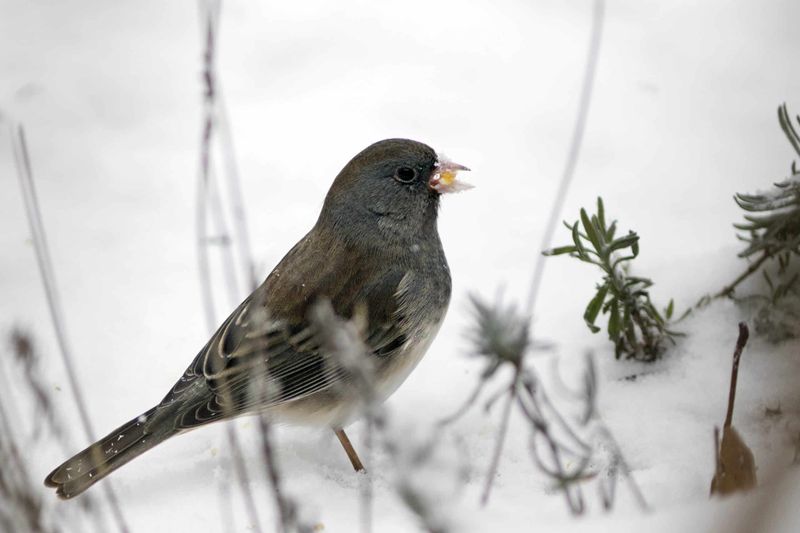
Development and habitat changes in states further south have reduced the available wintering grounds for dark eyed juncos, pushing more of them to stay in mid-Atlantic states like Pennsylvania.
Areas that once provided excellent winter habitat have been converted to housing developments, shopping centers, and industrial parks.
As these traditional wintering spots disappear, juncos adapt by stopping their migration earlier and settling in places that still offer suitable habitat.
Pennsylvania has maintained more green spaces, parks, and natural areas compared to more heavily developed regions.
The state’s commitment to preserving forests, maintaining state parks, and protecting wildlife corridors makes it an increasingly important wintering location for many bird species, including juncos.
Rural areas and small towns throughout Pennsylvania provide the mix of open space and food sources these birds need.
Climate change has also altered vegetation patterns in southern states, affecting food availability and habitat quality.
Some areas that were once ideal for wintering birds no longer support the same plant communities that produced abundant seeds.
Pennsylvania’s relatively stable ecosystems continue to support native plants that juncos depend on.
Conservation efforts across Pennsylvania have focused on maintaining bird-friendly habitats, and these initiatives are paying off.
Land trusts, nature preserves, and even suburban yards designed with wildlife in mind create a patchwork of suitable habitats.
Juncos are smart opportunists who recognize good habitat when they find it.
As conditions change elsewhere, Pennsylvania’s maintained green spaces become more valuable.
The state essentially serves as a backup wintering ground, and this year, more juncos are taking advantage of what Pennsylvania has to offer.
5. Favorable Snow Cover Patterns
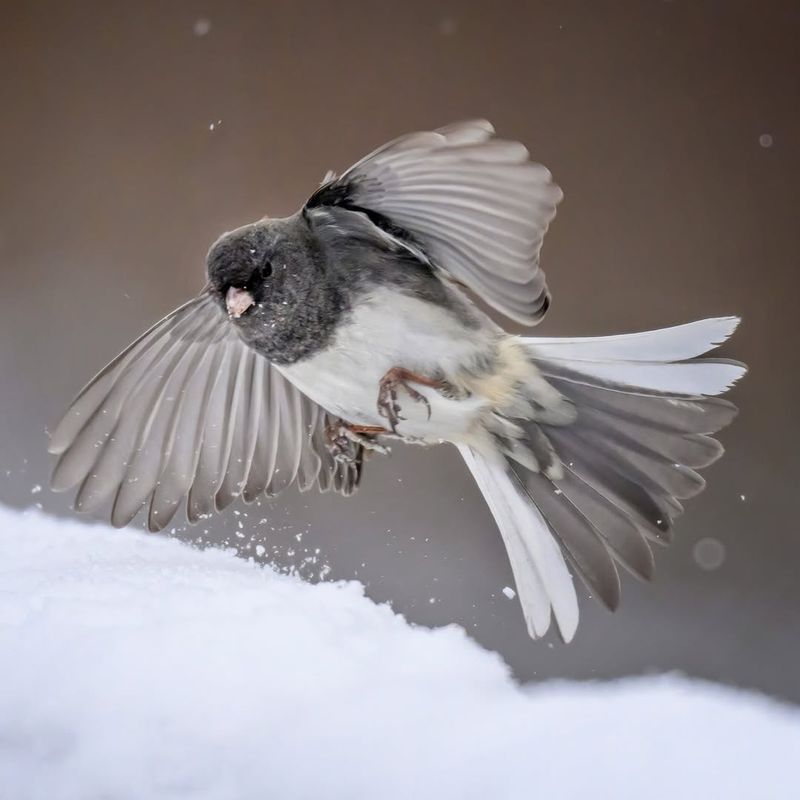
Snow patterns across Pennsylvania this winter have created ideal foraging conditions for dark eyed juncos.
Unlike the deep, persistent snow that blankets areas further north, Pennsylvania typically experiences lighter, more intermittent snowfall that doesn’t completely bury food sources.
Juncos can still access seeds on the ground between storms, and when snow does accumulate, it often melts quickly in sunny spots, revealing fresh feeding areas.
The state’s varied terrain creates natural microclimates where snow coverage differs dramatically even within small areas.
South-facing slopes, areas near buildings, and spots under evergreen trees often remain snow-free or develop bare patches quickly.
Juncos learn to find these areas and concentrate their feeding efforts there.
Pennsylvania’s moderate winter temperatures mean that snow rarely stays frozen solid for extended periods.
Recent weather patterns have brought Pennsylvania a mix of snow, rain, and mild days that keep the ground accessible.
This variability actually benefits juncos because it prevents the formation of thick ice crusts that can seal off food sources.
Birds can continue their normal ground-feeding behavior without having to expend extra energy digging through heavy snow.
Northern states and Canada have experienced heavier, more persistent snow cover this season, making Pennsylvania’s lighter conditions especially appealing.
Juncos that might normally winter further north are finding Pennsylvania’s snow patterns much easier to manage.
The birds spend less energy searching for food and more energy staying warm, which improves their survival rates.
Homeowners across Pennsylvania who clear small areas of their yards or scatter seed on patios and decks provide additional snow-free feeding zones that juncos eagerly utilize throughout the winter months.
6. Thriving Insect Populations In Leaf Litter
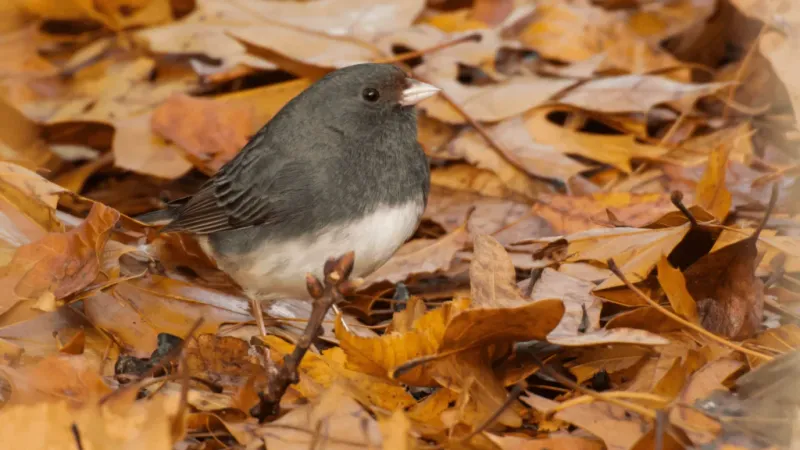
Leaf litter in Pennsylvania yards and forests harbors surprising numbers of overwintering insects and their eggs, providing dark eyed juncos with valuable protein sources during winter months.
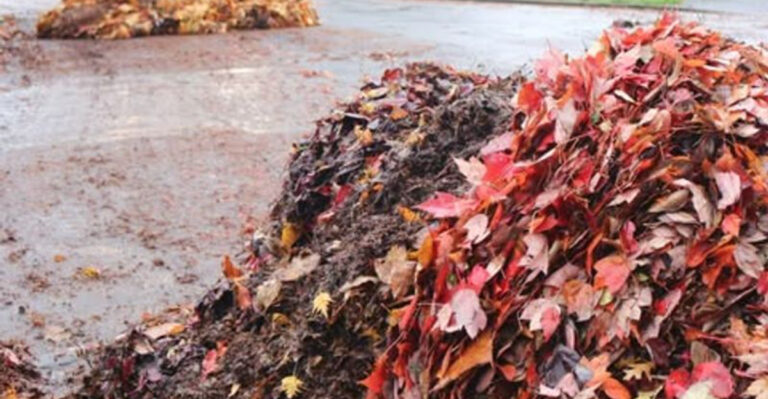
Many Pennsylvania homeowners have stopped raking every fallen leaf, either from laziness or from learning that leaf litter benefits wildlife.
This trend has created more foraging habitat for juncos, who spend hours hopping through leaves searching for tiny invertebrates.
Beetles, spiders, and insect larvae hide in the protected spaces between decomposing leaves where temperatures stay slightly warmer than the surrounding air.
Juncos have excellent eyesight and can spot these small creatures as they flip leaves with their beaks and feet.
The scratching sounds of juncos foraging through leaf litter have become a familiar winter sound in Pennsylvania gardens.
Pennsylvania’s deciduous forests produce massive amounts of leaf litter each fall, creating a thick blanket across the forest floor.
This natural mulch layer supports complex ecosystems of decomposers and small invertebrates that remain active even during winter.
Juncos venture into these woodland edges and forest clearings to take advantage of these food sources.
The movement toward natural landscaping and wildlife gardening has educated Pennsylvania residents about the importance of leaving leaves in place.
Garden clubs, extension offices, and environmental organizations have spread the message that leaf litter benefits birds, and many people have changed their yard maintenance practices accordingly.
This shift in attitude has directly benefited dark eyed juncos by increasing available foraging habitat across the state.
The combination of natural forest leaf litter and intentionally maintained yard debris creates abundant feeding opportunities that support larger junco populations throughout Pennsylvania’s winter season.
7. Protected Shelter And Roosting Sites
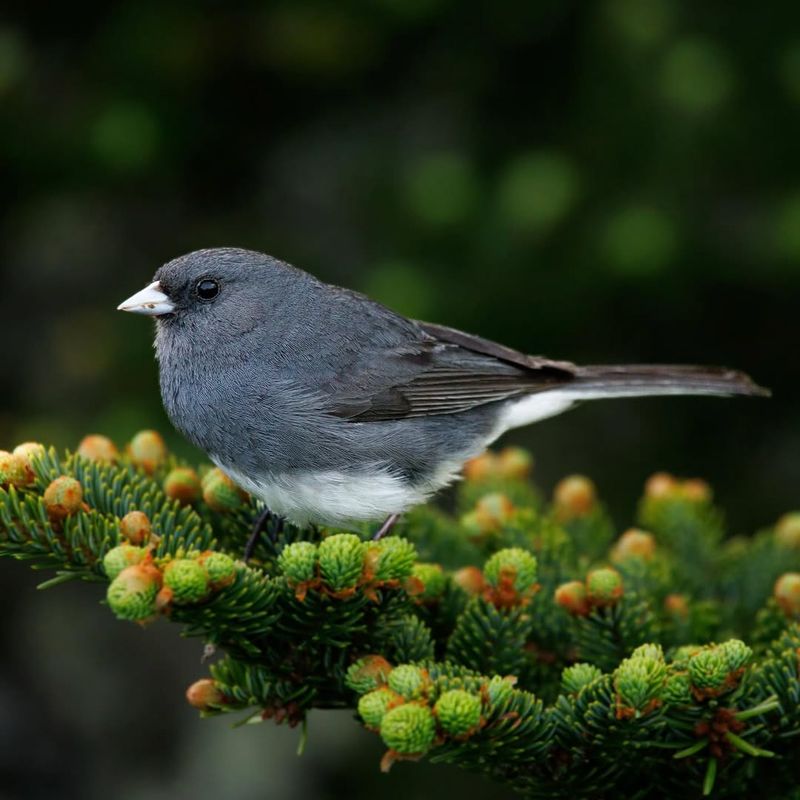
Pennsylvania yards offer dark eyed juncos excellent shelter from winter weather, which is just as important as food for their survival.
Evergreen shrubs like yews, hollies, and junipers provide dense cover where juncos can escape from wind, sleet, and predators.
Many Pennsylvania homeowners have mature landscaping that includes these shelter-providing plants, creating safe havens throughout residential areas.
Brush piles, which are becoming more common in wildlife-friendly yards, serve as perfect roosting sites for juncos.
These intentional piles of branches and twigs offer protected spaces where multiple birds can huddle together on the coldest nights.
Pennsylvania residents who leave pruned branches stacked in corners of their property are unknowingly creating valuable junco hotels.
Old sheds, detached garages, and barn eaves provide additional shelter options in rural Pennsylvania areas.
Juncos will roost in these protected spaces when temperatures drop dangerously low or during winter storms.
The birds have learned that human structures often offer the best protection from harsh weather conditions.
Thick hedgerows and overgrown fence lines, common in Pennsylvania’s countryside, create natural windbreaks and roosting corridors.
These linear habitat features connect different parts of the landscape while providing continuous shelter for traveling juncos.
Even in suburban areas, property line plantings serve similar functions.
Pennsylvania’s mix of natural and human-created shelter options makes the state particularly attractive for wintering juncos.
Birds can feed in open areas during the day and retreat to protected sites when needed.
This availability of nearby shelter reduces stress and energy expenditure, allowing juncos to maintain their body condition throughout winter.
The combination of abundant food and excellent shelter explains why Pennsylvania yards are hosting more dark eyed juncos than ever this season.