Why Pennsylvanians Are Seeing Yellow Flowers In The Snow
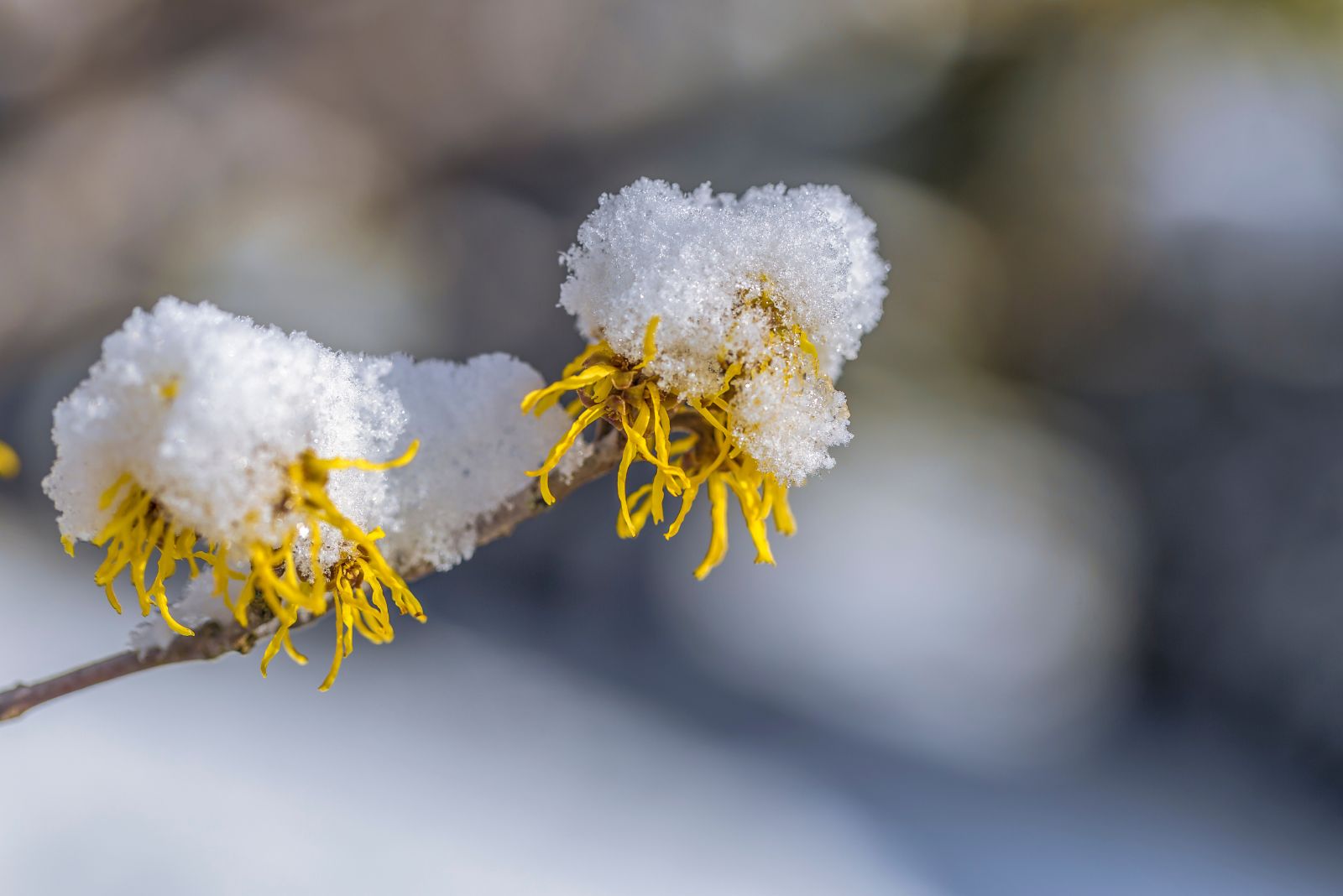
Seeing bright yellow flowers popping up in the snow can feel surprising, especially in the middle of a Pennsylvania winter.
When most plants are still sleeping and trees are bare, these sunny blooms seem to appear out of nowhere.
Many homeowners stop and wonder how anything can flower in such cold conditions. The answer lies in a special plant that’s built to bloom when others won’t.
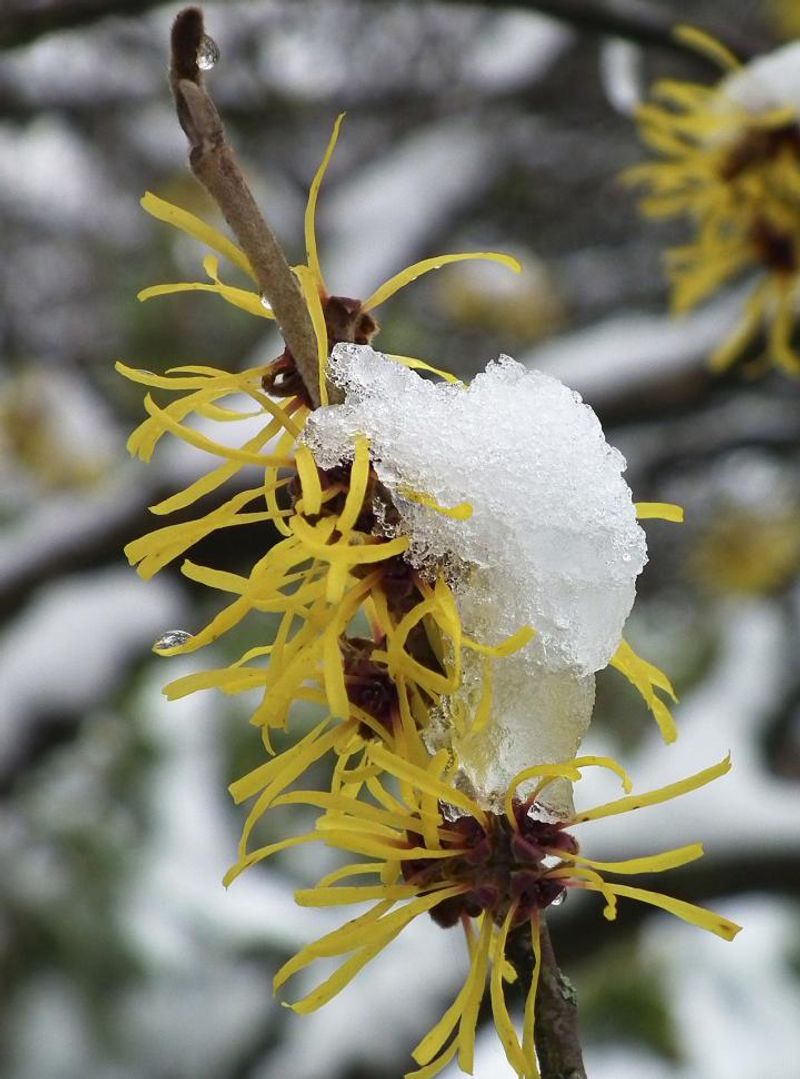
Easter witch hazel is one of the few plants that brings color to the landscape during late winter, even when temperatures are low. Its thin, ribbon-like petals stand out against white snow and gray skies, creating a beautiful winter scene.
If you’ve noticed these golden flowers and felt curious about where they come from, you’re not alone. Let’s take a closer look at why this unique plant blooms so early and what makes it so special.
1. The Winter Flower That’s Surprising Pennsylvania Homeowners
Bright yellow flowers appearing on leafless branches during a Pennsylvania snowstorm catch homeowners completely off guard. Eastern witch hazel blooms when everything else in the garden looks brown and lifeless.
The unusual timing makes people stop and stare because flowers aren’t supposed to show up until spring arrives.
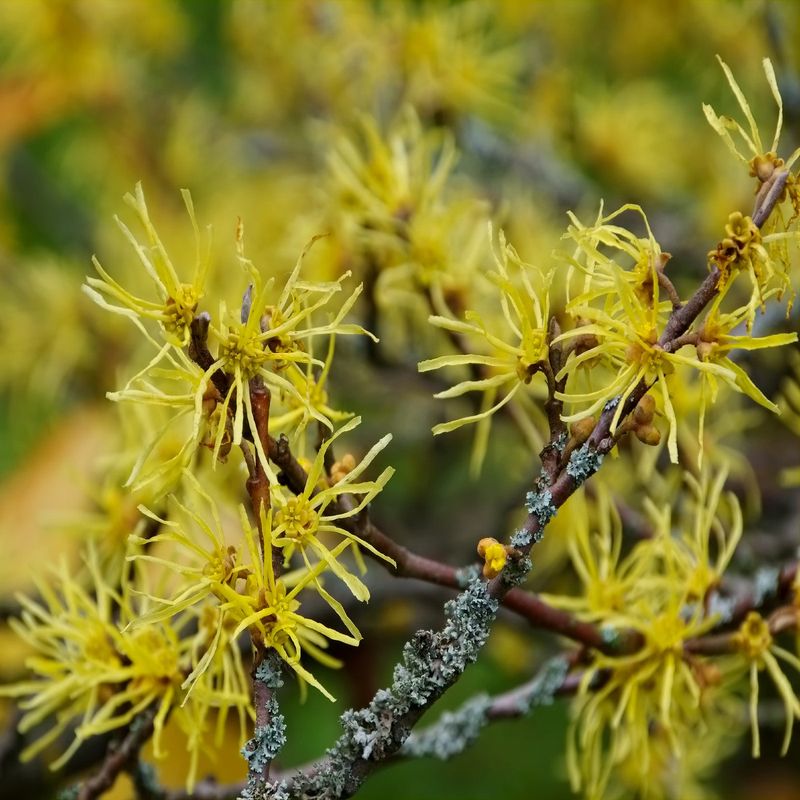
Each blossom features four thin, twisted petals that look like yellow ribbons streaming from the branch.
The flowers appear in small clusters along the stems, creating spots of color against the white snow. Some people think the blooms look like tiny spiders or fireworks frozen in place.
Homeowners notice witch hazel because it stands out so dramatically in the winter landscape. The shrub often grows six to ten feet tall, making it hard to miss when covered in golden flowers.
Many Pennsylvania residents have witch hazel growing wild in their wooded areas without even realizing it until winter arrives.
The plant blooms from late January through March across Pennsylvania, depending on local weather patterns. Warmer winters might bring earlier flowers, while colder seasons delay the show slightly.
The blooms can last for several weeks, giving plenty of time for people to enjoy the unexpected color.
Walking past a blooming witch hazel on a gray winter day lifts spirits and reminds us that nature always has surprises waiting. The sweet, spicy fragrance from the flowers carries on cold air, adding another layer of delight.
Pennsylvania homeowners who discover witch hazel blooming in snow often become instant fans of this remarkable native plant.
2. What Eastern Witch Hazel Is And Why It’s Native To Pennsylvania
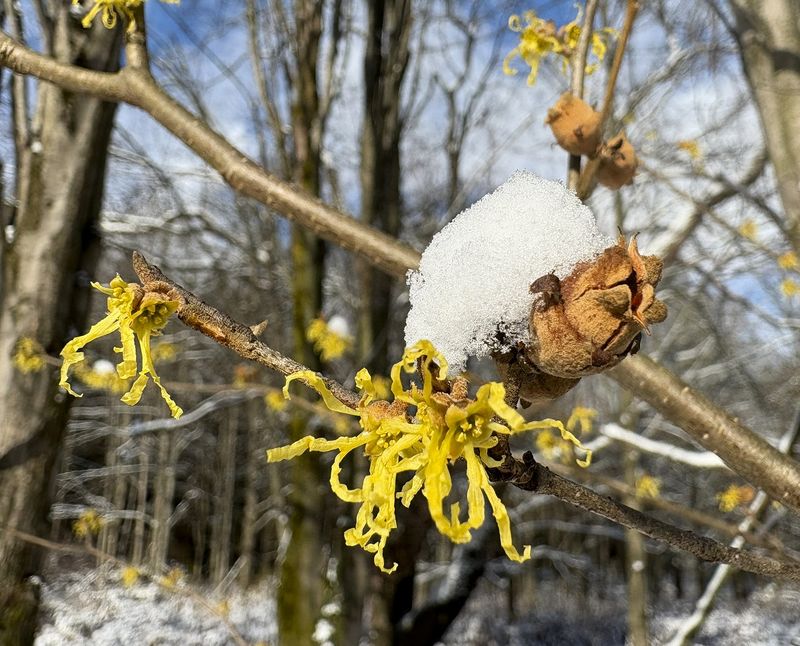
Eastern witch hazel is a deciduous shrub that has called Pennsylvania home for thousands of years. The scientific name Hamamelis virginiana tells us this plant is native to eastern North America.
Pennsylvania’s forests, hillsides, and stream banks provide perfect growing conditions for this tough woodland plant. The shrub typically reaches heights between ten and twenty feet when fully grown.
Its branches spread wide, creating a rounded shape that fills in nicely as an understory plant beneath taller trees. The leaves are oval with wavy edges, turning yellow in fall before dropping away.
Native Americans used witch hazel for many purposes long before European settlers arrived in Pennsylvania. The flexible branches were used for making bows, and the bark and leaves had medicinal applications.
The plant’s name comes from the Old English word “wych,” meaning bendable, not from anything related to witches or magic.
Pennsylvania’s climate suits witch hazel perfectly because the plant evolved here over many generations. Cold winters don’t harm the shrub, and it tolerates the state’s varied soil types.
The plant grows naturally in woodlands from the Pocono Mountains to the Allegheny Plateau.
Finding witch hazel growing wild in Pennsylvania forests means you’re seeing a true native species that supports local ecosystems. The plant shares space with other Pennsylvania natives like oak trees, mountain laurel, and rhododendrons.
Understanding witch hazel’s native status helps explain why it thrives so well in Pennsylvania gardens without needing special care or protection from winter weather.
3. How Witch Hazel Blooms In Freezing Temperatures
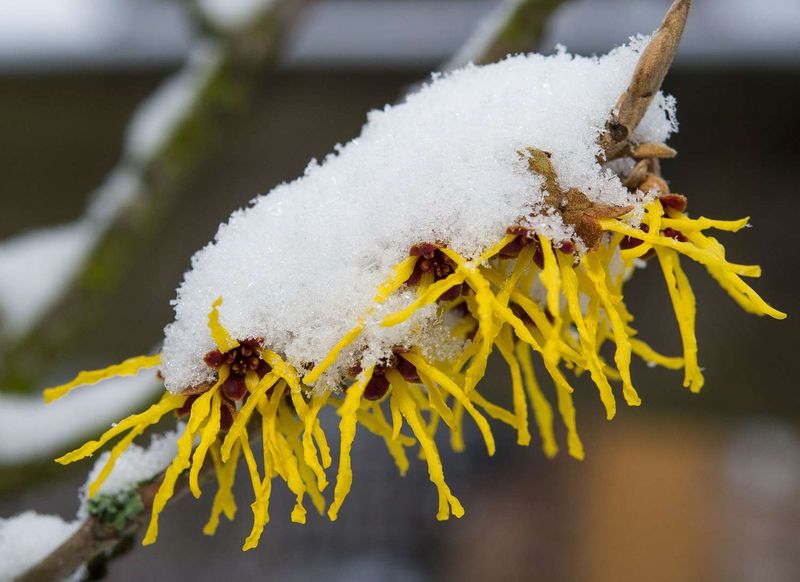
The secret to witch hazel’s cold weather blooming lies in its special flower structure and internal chemistry. Each thin, ribbon-like petal can curl up tight when temperatures drop too low.
This protective curling prevents ice crystals from forming inside the flower tissue and causing damage.
When temperatures rise above freezing, even just slightly, the petals uncurl and spread out again. This ability to open and close repeatedly means the flowers can survive multiple freeze-thaw cycles.
Most spring flowers would turn brown and wilt after just one hard freeze, but witch hazel keeps bouncing back.
The plant produces natural antifreeze compounds in its flower tissues. These special sugars and proteins lower the freezing point of water inside the cells.
The flowers can handle temperatures down to about 10 degrees Fahrenheit without suffering permanent harm.
Witch hazel flowers contain very little water compared to typical spring blooms. The thin, strap-like petals have a waxy coating that helps prevent moisture loss and ice formation.
This adaptation lets the plant bloom successfully during Pennsylvania’s unpredictable late winter weather.
The yellow color of witch hazel flowers also plays a role in cold tolerance. Yellow pigments absorb sunlight efficiently, helping warm the flower tissues on sunny winter days.
Even weak winter sunshine can raise flower temperature several degrees above the surrounding air.
Scientists continue studying witch hazel to understand exactly how it manages such impressive cold hardiness. The plant’s adaptations could teach us valuable lessons about helping other species survive climate challenges.
Pennsylvania gardeners benefit from this natural cold tolerance without doing anything special to protect their witch hazel shrubs.
4. When Witch Hazel Blooms In Pennsylvania
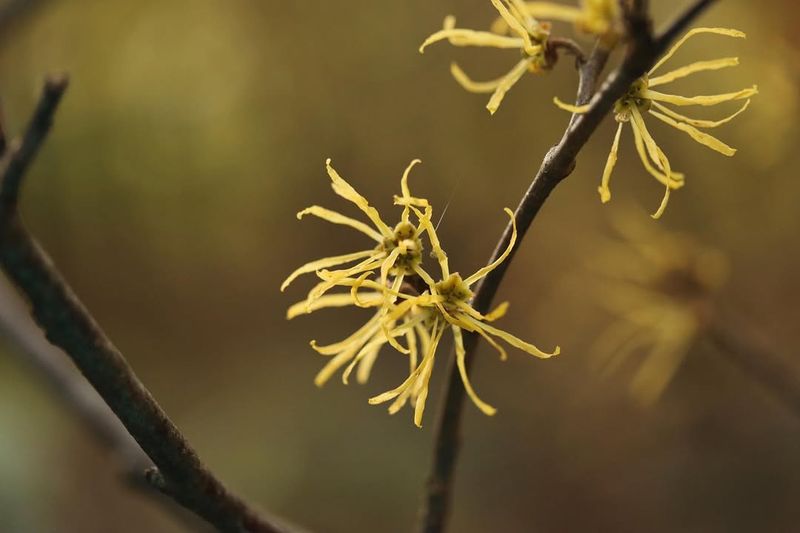
Pennsylvania witch hazel typically begins blooming in late January or early February. The exact timing shifts based on winter temperatures and local microclimates across the state. Southern Pennsylvania counties often see flowers a week or two before northern regions.
Peak blooming usually happens in February, right when winter feels longest and spring seems far away. The flowers can last four to six weeks under good conditions.
Cold snaps might pause the bloom temporarily, but the flowers resume their display when temperatures moderate.
Some Pennsylvania witch hazels continue blooming into early March. Late-blooming plants provide color just as the earliest spring bulbs start poking through the ground.
This extended bloom period makes witch hazel valuable for gardeners wanting winter interest.
Weather patterns greatly influence bloom timing from year to year. A mild winter might bring flowers in mid-January, while a harsh cold spell could delay blooms until late February.
Pennsylvania’s varied elevation also affects timing, with lower elevations blooming before mountain areas.
The bloom window sits perfectly between fall leaf color and spring flower season. Witch hazel fills a gap when most Pennsylvania gardens look bare and dull.
Watching for the first yellow ribbons to appear becomes an annual winter ritual for many nature lovers.
Recording bloom dates year after year shows interesting patterns related to climate and weather. Some Pennsylvania gardeners keep journals tracking when their witch hazel flowers first open.
These records help predict blooming and appreciate how each winter brings slightly different timing.
Planning garden walks or photography trips around witch hazel bloom time lets Pennsylvanians enjoy this special winter flower show. The blooms appear reliably every year, making witch hazel a dependable source of late winter beauty across the state.
5. Where Pennsylvanians Are Most Likely To Spot It
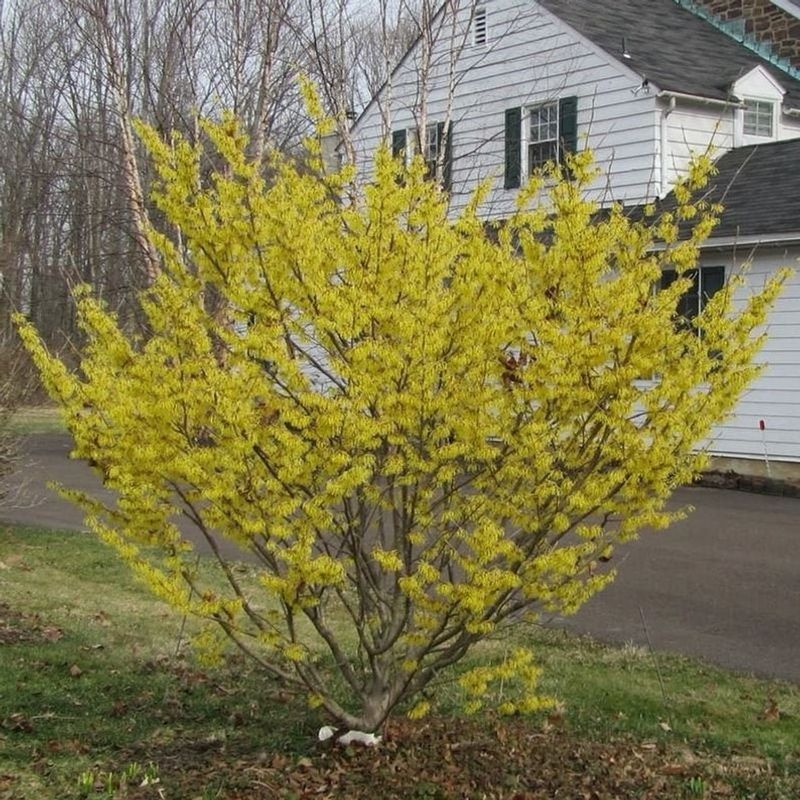
Pennsylvania’s deciduous woodlands provide ideal habitat for wild witch hazel populations. The plant grows naturally along forest edges where it receives dappled sunlight.
Hikers exploring state parks and nature preserves often encounter witch hazel growing on hillsides and near streams.
Public parks across Pennsylvania feature witch hazel in their native plant gardens. Botanical gardens showcase different varieties, making it easy to see the flowers up close.
Many county parks have added witch hazel to their landscapes specifically for winter interest.
Residential neighborhoods throughout Pennsylvania contain witch hazel in foundation plantings and backyard gardens.
Homeowners who value native plants often include witch hazel in their landscape designs. The shrub works well in mixed borders and naturalized areas.
Pennsylvania’s state forests offer excellent opportunities to find wild witch hazel. The Allegheny National Forest and state game lands contain healthy populations.
Looking for witch hazel during winter hikes adds an extra goal to cold weather outdoor adventures.
Stream banks and moist woodland areas attract witch hazel because the plant likes consistent moisture.
Pennsylvania’s numerous creeks and rivers create perfect habitat along their corridors. The shrub tolerates occasional flooding, making riparian zones ideal growing spots.
College campuses and arboretums across Pennsylvania maintain collections of native plants including witch hazel.
These educational sites label plants clearly, helping visitors learn identification skills. Student groups and nature clubs often lead winter walks to observe blooming witch hazel.
Suburban areas with mature landscaping frequently have established witch hazel shrubs. Older neighborhoods where native plants were popular decades ago contain large specimens.
Driving through Pennsylvania communities in late winter might reveal unexpected witch hazel blooms in front yards and park strips.
6. Why Witch Hazel Is Important For Wildlife And Pollinators
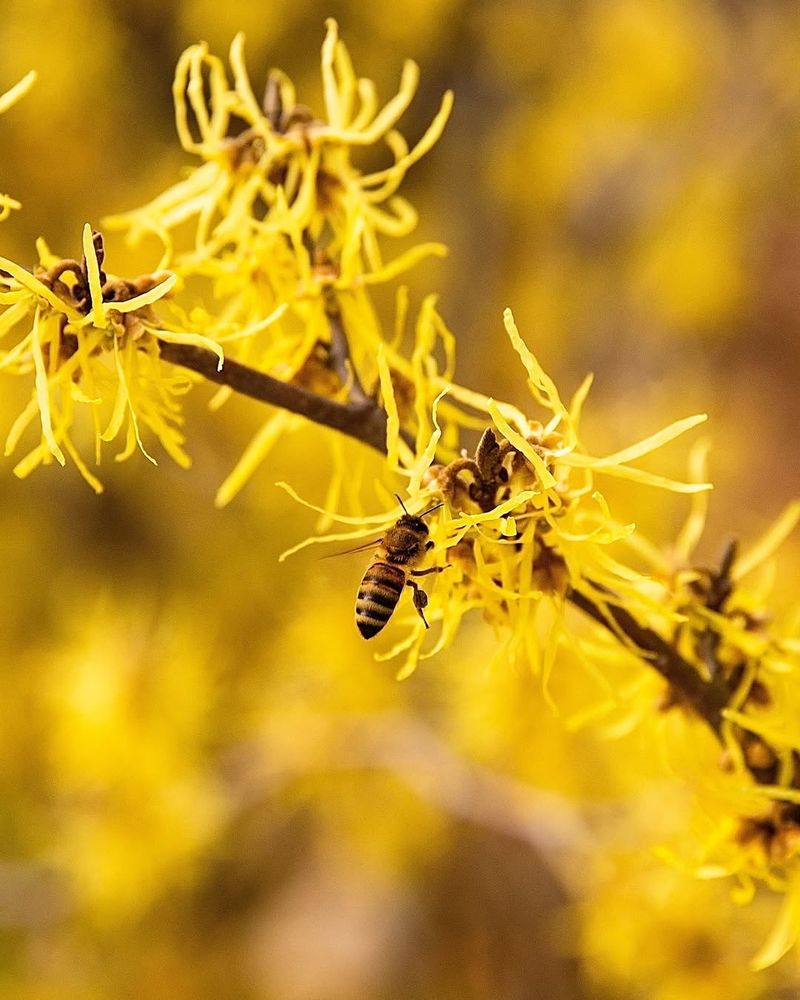
Early pollinators depend on witch hazel for survival during Pennsylvania’s coldest months. Small flies, winter moths, and even some hardy bees visit the flowers on warmer winter days. These insects need energy sources when almost nothing else is blooming.
The flowers produce both nectar and pollen, providing complete nutrition for winter pollinators. Protein-rich pollen helps insects build strength for reproduction later in spring.
Nectar offers quick energy that keeps small creatures warm enough to fly in cold temperatures. Birds benefit from witch hazel even though they don’t eat the flowers directly.
Insects attracted to witch hazel blooms become food for chickadees, nuthatches, and other winter birds. Pennsylvania’s year-round bird species rely on these insect populations for winter protein.
Witch hazel seeds develop slowly over the summer after winter pollination occurs. The woody seed capsules ripen in fall and then explosively shoot seeds up to thirty feet away.
This dramatic seed dispersal happens when Pennsylvania’s forests are preparing for winter.
Small mammals like chipmunks and squirrels sometimes eat witch hazel seeds. The seeds contain oils that provide concentrated energy for animals building winter fat reserves.
Pennsylvania’s woodland creatures appreciate any extra food source during challenging seasons.
The shrub’s dense branching provides shelter for birds and small animals during storms. Pennsylvania wildlife uses witch hazel thickets as protected resting spots and escape cover. The plant contributes to habitat quality even when not blooming.
Supporting native pollinators by planting witch hazel helps maintain Pennsylvania’s ecological balance. Gardens with witch hazel provide critical resources during the toughest time of year.
Every blooming shrub makes a difference for struggling winter insects and the food web they support.
7. How Homeowners Can Grow Eastern Witch Hazel At Home
Choosing the right location sets witch hazel up for success in Pennsylvania gardens. The shrub prefers partial shade, similar to forest edge conditions.
Morning sun with afternoon shade works perfectly, though the plant tolerates full sun in northern Pennsylvania.
Soil preparation matters less for witch hazel than for fussy garden plants. The shrub grows in average Pennsylvania soil without amendments.
Good drainage prevents root problems, but witch hazel handles clay soil better than many other ornamental shrubs.
Planting witch hazel in fall or early spring gives roots time to establish before stress periods. Digging a hole twice as wide as the root ball but no deeper ensures proper planting depth. The top of the root ball should sit level with the surrounding ground.
Watering newly planted witch hazel regularly during the first growing season helps roots spread. After establishment, Pennsylvania’s natural rainfall usually provides enough moisture. Mulching around the base conserves moisture and moderates soil temperature.
Pruning witch hazel requires minimal effort because the plant naturally forms an attractive shape. Removing dry or crossing branches in late spring maintains health and appearance. The shrub blooms on old wood, so avoid heavy pruning that removes flowering branches.
Witch hazel rarely suffers from serious pest or disease problems in Pennsylvania. The tough native plant resists most common garden troubles. Occasional leaf spots don’t harm the shrub’s overall health or winter flowering.
Patience pays off with witch hazel because young plants take three to five years to bloom heavily. Starting with a larger nursery plant speeds up the wait for flowers.
Once established, Pennsylvania witch hazel provides decades of reliable winter beauty with almost no maintenance required.