Why Pileated Woodpeckers Are Appearing In South Carolina Yards This Winter
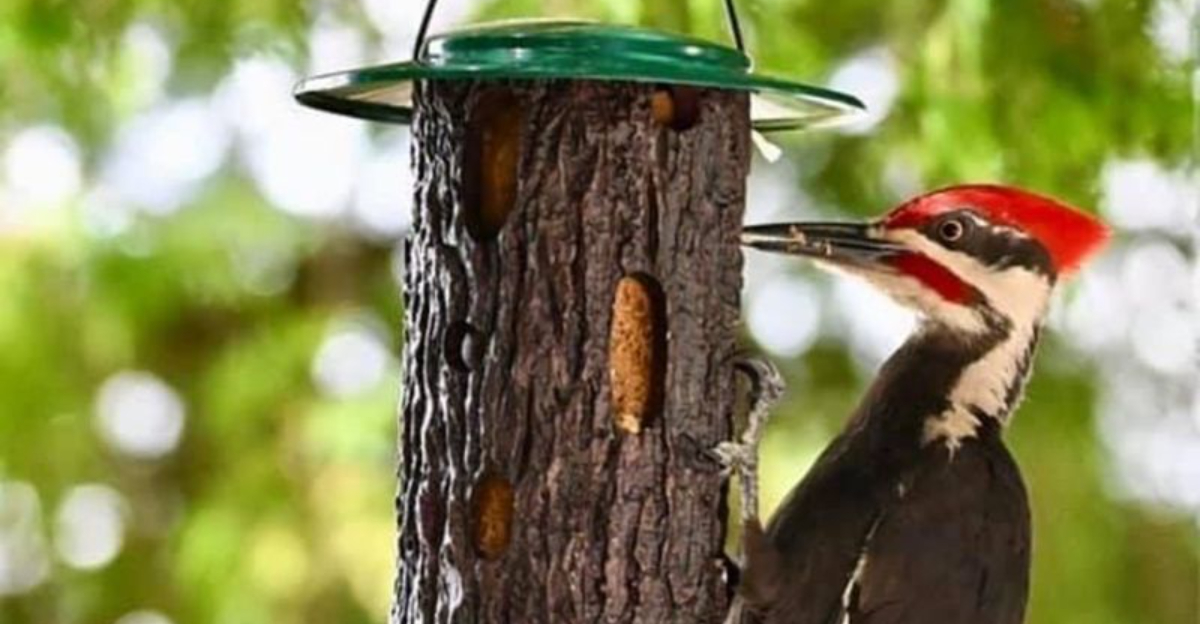
South Carolina homeowners have been doing double takes this winter—and for good reason.
A bird usually associated with deep forests is suddenly making backyard appearances, sounding off with a call that’s impossible to ignore.
The pileated woodpecker, bold as brass and nearly crow-sized, is stepping into suburban spaces, leaving homeowners both thrilled and curious.
This striking bird, with its flaming red crest and unmistakable knock, isn’t just passing through on a whim.
Changes in habitat, food availability, and winter conditions are nudging it closer to human spaces.
Dry trees, aging oaks, and even backyard feeders are offering exactly what it needs to ride out the colder months.
For many, spotting one feels like winning the backyard wildlife lottery.
It’s a reminder that nature doesn’t follow property lines and that even familiar landscapes can surprise us.
As these woodpeckers make themselves at home, South Carolinians are learning to look at their yards a little differently—not just as lawns and shrubs, but as shared spaces where wild stories are still unfolding.
Milder Winters Allow Year-Round Foraging
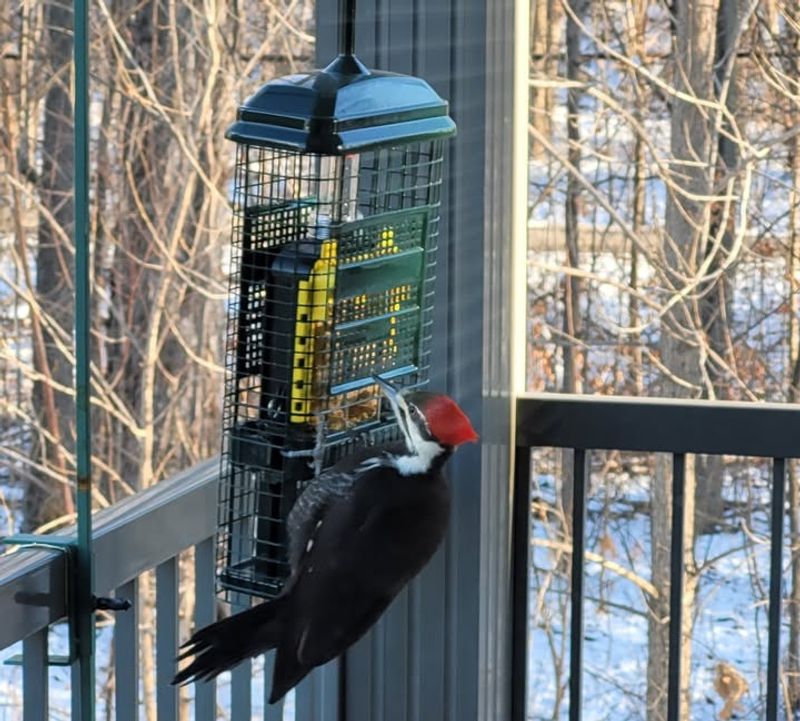
Climate patterns across South Carolina have shifted noticeably over recent decades, creating warmer winter months that change bird behavior dramatically.
Instead of experiencing harsh freezes that force wildlife deeper into protected forests, the state now sees relatively comfortable temperatures even in January and February.
Pileated woodpeckers take advantage of these milder conditions by staying active throughout the season rather than retreating to remote woodland areas.
When temperatures remain above freezing for extended periods, insects stay closer to the surface of tree bark, making them easier targets for hungry woodpeckers.
The birds no longer need to expend enormous energy traveling long distances to find food sources.
Residential areas with their mix of trees, structures, and landscaping offer surprisingly rich foraging opportunities during these temperate winters.
Homeowners might spot these impressive birds hammering away at backyard trees on days that feel more like early spring than deep winter.
The combination of accessible food and comfortable weather removes the usual barriers that keep pileated woodpeckers hidden in dense forests.
This behavioral shift means more frequent and longer visits to suburban and residential properties.
As winters continue this warming trend, expect to see these spectacular birds becoming regular yard visitors throughout the colder months.
Abundant Decaying Trees In Suburban Areas
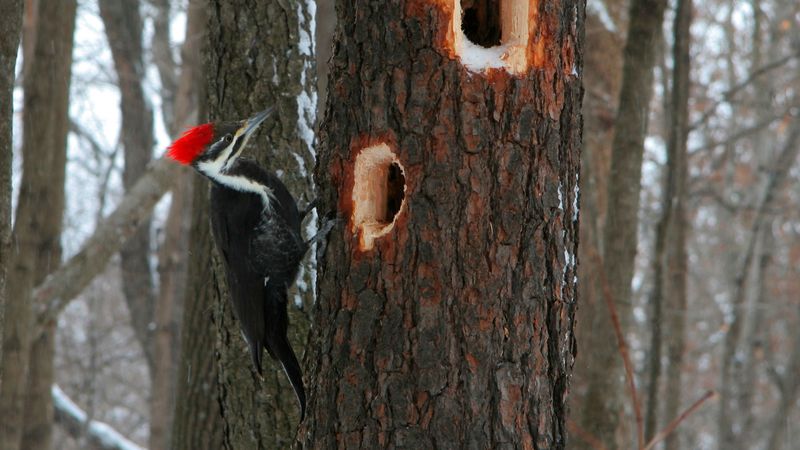
Suburban neighborhoods often contain more aging and decaying timber than people realize, creating perfect conditions for pileated woodpeckers to thrive.
Unlike pristine parks where maintenance crews remove every fallen branch, residential areas frequently have older trees showing signs of natural breakdown.
These decaying trees become insect hotels, housing carpenter ants, beetle larvae, and wood-boring bugs that form the primary diet of pileated woodpeckers.
A single rotting oak or pine in your backyard might support thousands of insects beneath its bark, representing a winter buffet for these large woodpeckers.
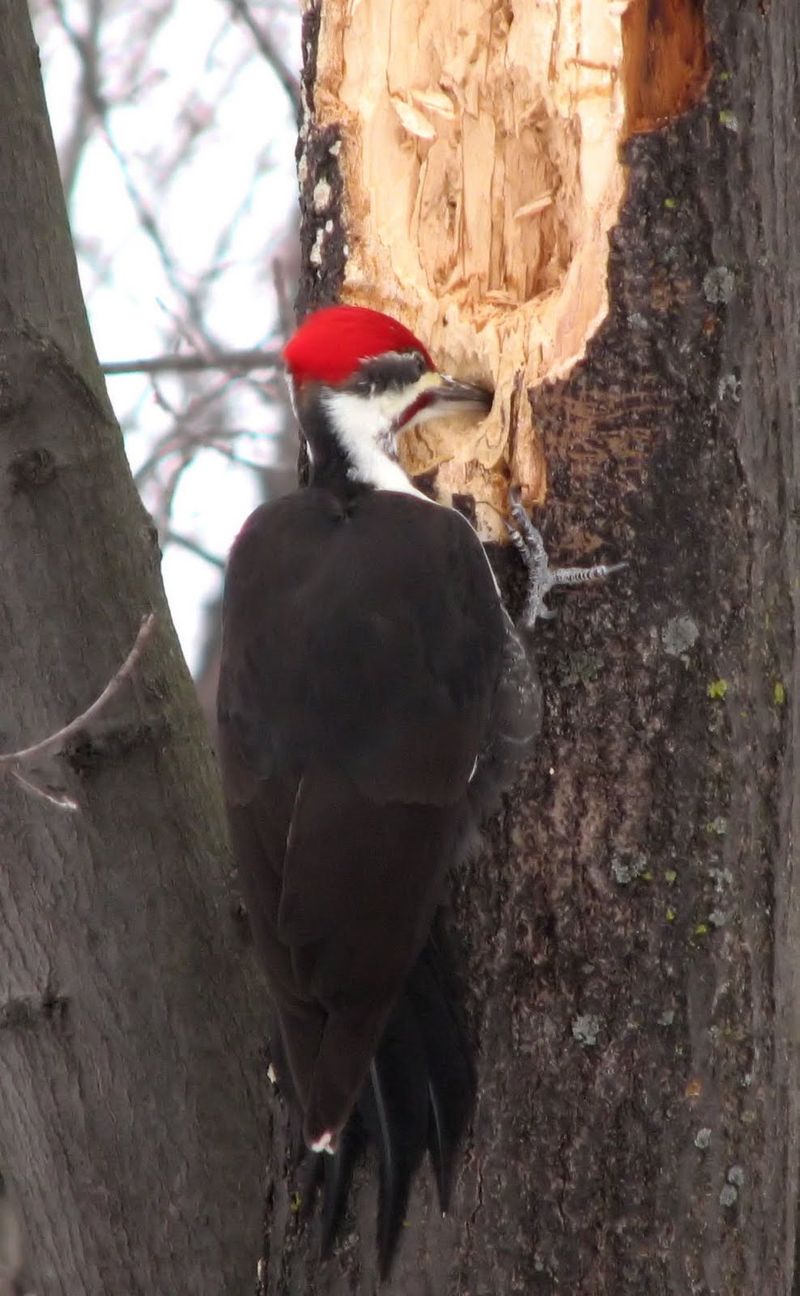
The birds use their powerful bills to excavate rectangular holes deep into softened wood, reaching insect colonies that other birds cannot access.
Homeowners sometimes worry about the loud hammering sounds, but the woodpeckers are actually performing valuable pest control services.
Many South Carolina yards also feature ornamental trees that weren’t planted with longevity in mind, leading to earlier decay compared to native forest trees.
Storm damage from hurricanes and severe weather creates additional broken limbs and wounded trees that attract insects and subsequently woodpeckers.
Rather than viewing these decaying trees as eyesores, consider them as wildlife magnets that bring nature’s most impressive carpenter right to your doorstep.
Leaving some decaying wood on your property benefits not just pileated woodpeckers but entire ecosystems of beneficial creatures.
High Insect Populations In Warm Winters
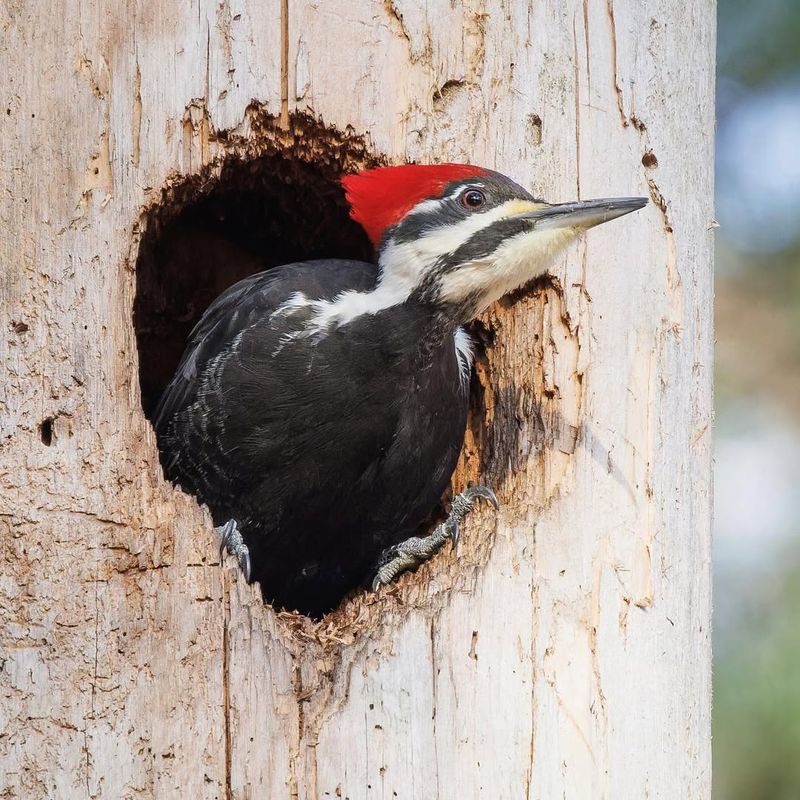
Warmer winter temperatures create unexpected consequences for insect populations throughout South Carolina, and pileated woodpeckers quickly notice the difference.
Carpenter ants, which normally slow down dramatically during cold snaps, remain active in mild winters and continue tunneling through wood structures.
Wood-boring beetles and their larvae also survive in much greater numbers when freezing temperatures fail to arrive on schedule.
These thriving insect colonies produce sounds and vibrations that pileated woodpeckers can detect from remarkable distances.
The birds possess specialized hearing that allows them to locate insect activity beneath bark and within tree trunks.
When winters stay warm, the extended insect activity season means woodpeckers find food more easily in residential areas compared to sparse forest environments.
Homeowners might notice pileated woodpeckers spending considerable time on specific trees, returning day after day to excavate the same spots.
This persistent behavior indicates a rich food source beneath the surface, often a thriving ant colony or concentration of beetle larvae.
The excavation holes themselves large rectangular cavities provide evidence of successful feeding sessions.
Interestingly, the same warm conditions that benefit insects also keep woodpeckers energized and active, creating a perfect cycle of availability and appetite.
Yards with multiple mature trees and some natural wood decay become prime hunting grounds during these insect-rich warm winters, attracting pileated woodpeckers from surrounding forest areas.
Mature Trees In Established Neighborhoods
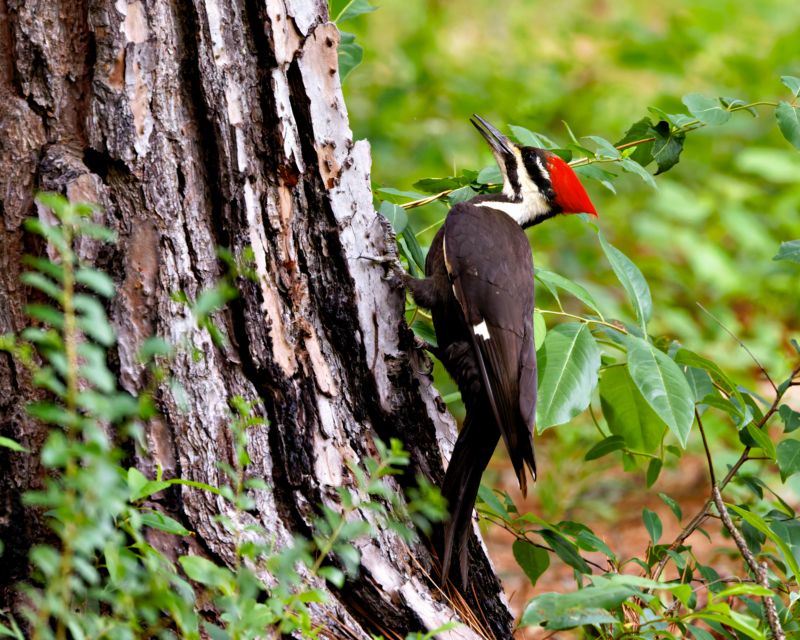
Older South Carolina neighborhoods planted decades ago now feature towering oaks, pines, and hardwoods that have reached impressive sizes.
These mature trees create canopy conditions remarkably similar to natural forests, providing the vertical structure and bark characteristics that pileated woodpeckers prefer.
Established trees also develop the cracks, crevices, and bark texture that harbor the insects these birds need for survival.
Pileated woodpeckers naturally gravitate toward environments with large-diameter trees because these provide better foraging opportunities and potential nesting sites.
A neighborhood filled with fifty-year-old trees offers much more suitable habitat than newer developments with recently planted saplings.
The thick bark on mature trees supports diverse insect communities, and older wood begins showing the early decay stages that attract carpenter ants.
Many homeowners in established areas notice pileated woodpeckers moving through their yards almost like they would through natural woodlands.
The birds hop up tree trunks, fly between large branches, and call to each other across properties, treating the neighborhood as an extension of forest habitat.
This behavior becomes especially common in winter when deciduous trees lose their leaves, making movement between properties easier and more appealing.
Communities that value their mature tree canopy inadvertently create perfect conditions for these impressive birds.
The combination of tree size, age, and diversity in older neighborhoods makes them winter destinations for pileated woodpeckers seeking reliable food sources and comfortable surroundings.
Loss Of Forest Habitat Nearby
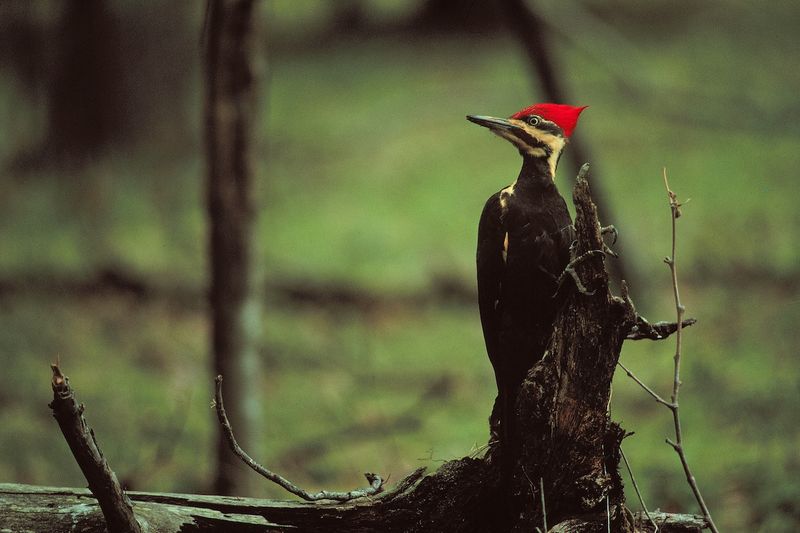
South Carolina continues experiencing significant land development, with forests being cleared for housing subdivisions, shopping centers, and infrastructure projects.
This habitat fragmentation forces wildlife, including pileated woodpeckers, to adapt by exploring alternative territories that include residential areas.
When their traditional forest homes shrink or disappear, these intelligent birds must find new places to forage and survive the winter months.
Pileated woodpeckers have surprisingly large home ranges, sometimes covering several hundred acres of forest in their daily movements.
As development fragments these ranges, the birds encounter residential properties more frequently while searching for the food and shelter they need.
What starts as exploration often becomes regular visitation when yards prove to contain adequate resources like mature trees and insect populations.
Homeowners living near recent construction sites or new developments often report increased woodpecker activity as displaced birds seek new territories.
The transition zones between remaining forest patches and residential areas become especially important for wildlife trying to maintain their populations.
Yards that border wooded areas or greenways serve as crucial corridors and supplemental habitat.
While habitat loss presents challenges for many species, pileated woodpeckers demonstrate remarkable adaptability by learning to use suburban landscapes.
Properties with tree diversity, natural features, and tolerance for some wildness become valuable refuges for these displaced forest birds.
Your backyard might now serve as important habitat that helps local woodpecker populations persist despite ongoing development pressures throughout the region.
Availability Of Backyard Suet Feeders
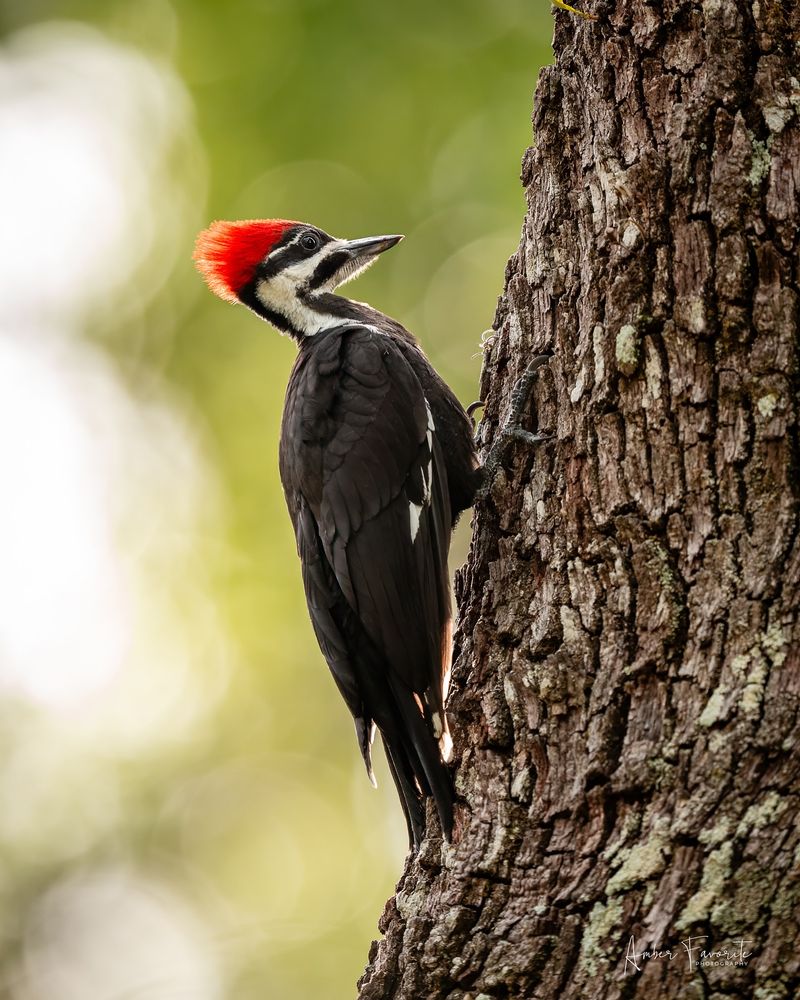
Bird enthusiasts across South Carolina have embraced feeding wildlife during winter months, and suet feeders have become especially popular additions to backyard setups.
These high-fat food sources provide concentrated energy that birds need during cold weather, and pileated woodpeckers have learned to take advantage of this easy meal.
While these large birds typically prefer natural food sources, the convenience and nutritional value of suet makes it an attractive supplement to their winter diet.
Suet cakes containing insects, nuts, or berries prove particularly irresistible to pileated woodpeckers exploring residential areas.
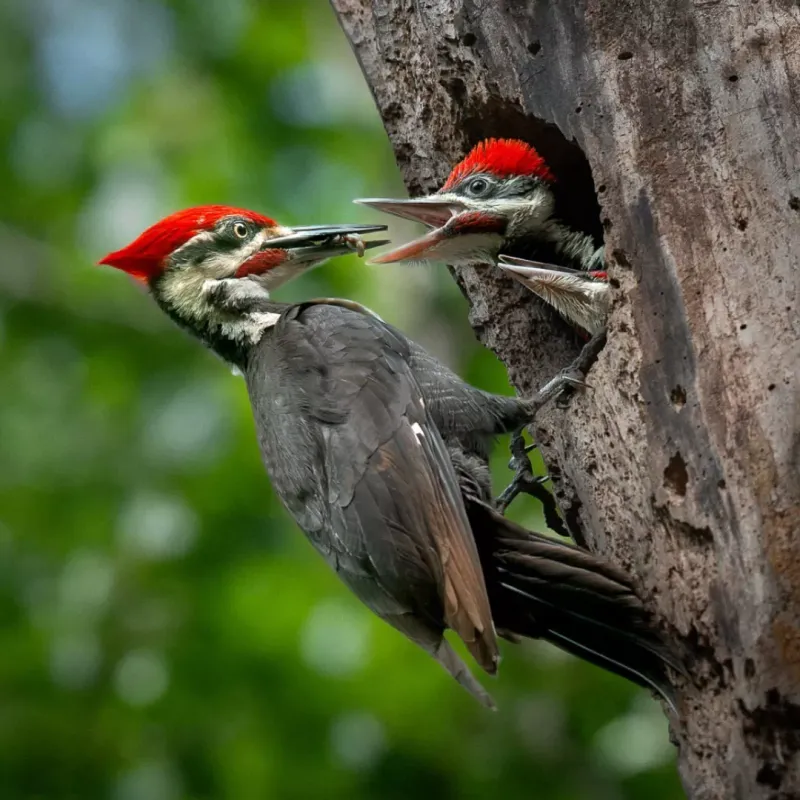
Once a woodpecker discovers a reliable feeder, it often returns regularly and may even bring its mate or offspring to share the bounty.
Homeowners report feeling thrilled when these crow-sized birds arrive at their feeders, creating memorable wildlife viewing opportunities right outside their windows.
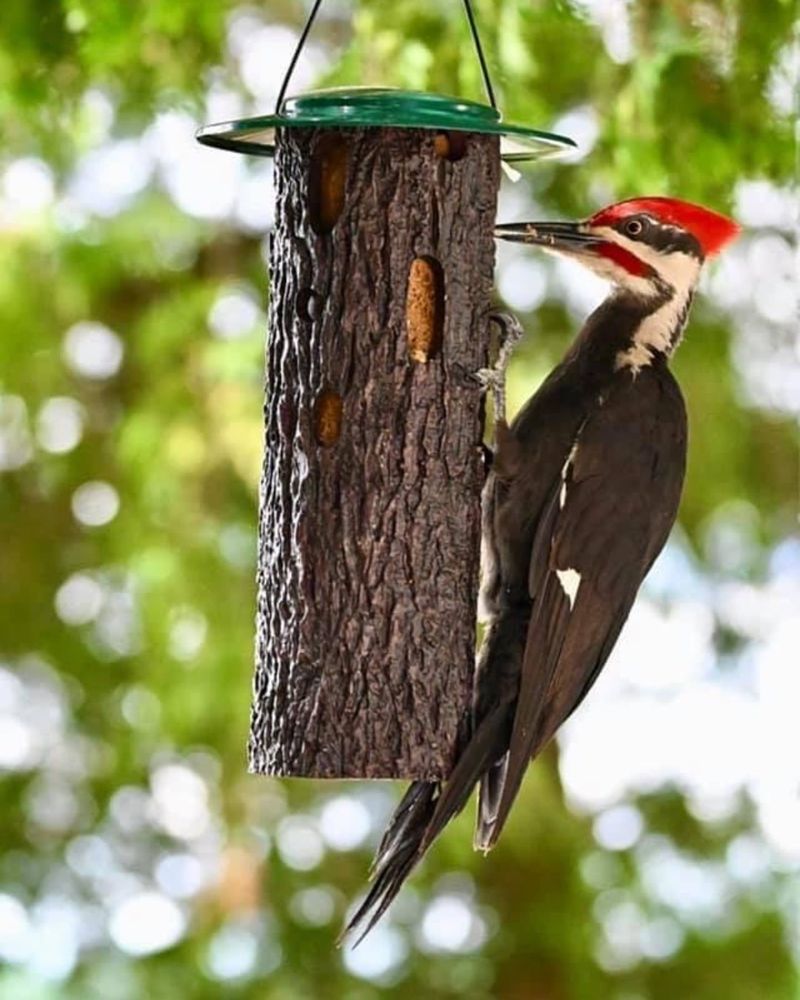
The placement of suet feeders matters significantly for attracting pileated woodpeckers, who prefer feeders mounted on tree trunks or large posts rather than hanging versions.
These birds feel more secure clinging to vertical surfaces that mimic their natural foraging positions on trees.
Positioning feeders near mature trees or wooded edges increases the likelihood of attracting these somewhat cautious visitors.
Offering suet during winter months doesn’t create dependence but rather provides supplemental nutrition that helps birds through challenging periods.
The energy saved by visiting feeders allows pileated woodpeckers to spend more time on other survival activities and may encourage them to remain in residential areas throughout the season.
Standing Timber Left For Wildlife
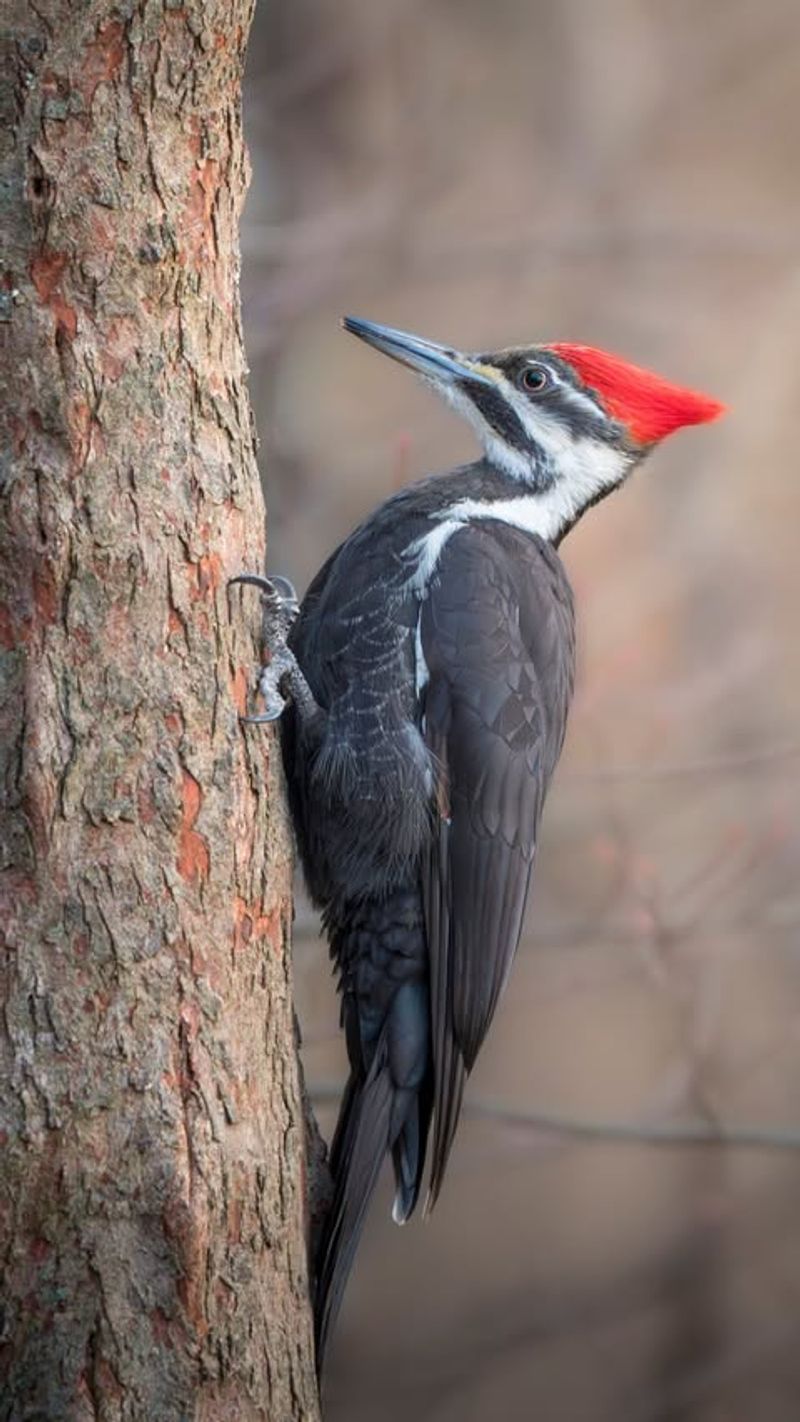
Conservation awareness has grown tremendously among South Carolina homeowners, with many now understanding the value of leaving standing timber on their properties.
These structures called snags by wildlife biologists provide irreplaceable habitat for cavity-nesting birds, insects, and other creatures.
Pileated woodpeckers particularly benefit from snags since they excavate roosting cavities in these structures and find abundant food within the decaying wood.
A single standing piece of timber might serve a pileated woodpecker for several years, first as a foraging site rich with insects, then potentially as an excavation site for roosting or nesting.
The soft decaying wood of snags allows woodpeckers to carve out cavities much more easily than living trees with hard healthy wood.
These cavities later benefit dozens of other species from owls and wood ducks to flying squirrels and bees creating cascading conservation benefits.
Homeowners who resist the urge to remove every fallen or damaged tree find their properties becoming wildlife hotspots throughout the year.
Pileated woodpeckers notice these snag-rich yards and visit more frequently compared to meticulously manicured properties lacking natural features.
The presence of multiple snags at various decay stages creates optimal conditions that support woodpeckers through different seasons and life stages.
Safety considerations matter when leaving snags so position them away from structures power lines and high-traffic areas.
With thoughtful placement standing timber becomes one of the most valuable features you can provide for pileated woodpeckers and countless other species seeking winter habitat in residential landscapes.
Reduced Human Activity In Winter
Winter months naturally bring less outdoor activity to South Carolina yards as families spend more time indoors and gardening chores decrease dramatically.
This seasonal quietness makes residential areas feel safer and more appealing to naturally cautious birds like pileated woodpeckers.
Large wary species often avoid areas with constant human presence but winter’s calm allows them to explore and forage without frequent disturbances.
Pileated woodpeckers possess keen awareness of their surroundings and quickly learn which areas present risks versus which offer peaceful foraging opportunities.
Yards that bustle with activity during summer cookouts and children’s play become tranquil winter refuges where birds can work undisturbed.
The absence of lawnmowers leaf blowers and other noisy equipment further enhances the appeal of residential properties during colder months.
Early morning hours provide the quietest times and observant homeowners often spot pileated woodpeckers visiting during these peaceful periods.
The birds move more confidently through yards when they sense minimal threat from human activity or pets.
Properties with secluded areas away from windows and doors attract the most visits since woodpeckers can forage while maintaining their preferred safety distances.
Interestingly homes where residents practice quiet observation rather than rushing outside for closer looks tend to enjoy longer and more frequent woodpecker visits.
These intelligent birds remember both positive and negative experiences with specific locations.
Creating a winter yard environment that feels safe and undisturbed encourages pileated woodpeckers to become regular visitors throughout the season and potentially beyond.
Natural Curiosity And Expanding Territories
Pileated woodpeckers possess intelligent curious natures that drive them to investigate new environments especially when winter food sources become less predictable.
These birds naturally expand their foraging ranges during colder months exploring beyond their usual territories to locate reliable food supplies.
Residential areas represent novel environments that curious woodpeckers examine for potential resources leading to those exciting first-time yard visits.
Young pileated woodpeckers establishing their own territories often venture into suburban areas more readily than older established birds with known forest ranges.
These exploratory individuals sometimes discover that yards offer surprisingly good foraging with less competition from other woodpeckers.
Success stories get remembered and birds return to productive locations throughout winter and sometimes establish permanent territories that include residential properties.
The species demonstrates impressive problem-solving abilities and learning capacity quickly adapting foraging strategies to take advantage of suburban resources.
Woodpeckers that initially arrive by chance may assess the area’s potential and decide to incorporate it into their regular winter circuit.
This exploratory behavior benefits the species by identifying new habitat options as landscapes change and traditional forest areas face increasing pressures.
Homeowners can encourage these curious visitors by maintaining diverse yard features that mimic natural forest conditions.
Once pileated woodpeckers discover a property offers food safety and suitable trees they often become faithful visitors.
Their expanding territorial flexibility represents an encouraging adaptation that helps these magnificent birds thrive alongside human communities throughout South Carolina’s changing landscape.
Healthy Populations In South Carolina
Conservation efforts spanning decades have helped pileated woodpecker populations remain stable and even increase throughout South Carolina’s diverse habitats.
Unlike many wildlife species facing decline these impressive birds have benefited from forest maturation habitat protection initiatives and growing public appreciation for woodland ecosystems.
Healthy population numbers mean more individual birds exist across the state naturally increasing the likelihood of yard sightings in residential areas.
South Carolina’s mix of coastal plains piedmont regions and mountain foothills provides varied habitat types that support robust woodpecker communities.
State forests wildlife management areas and private conservation lands offer protected spaces where pileated woodpeckers thrive and raise young successfully.
These core populations then disperse into surrounding landscapes including suburban and residential zones particularly during winter months when territorial pressures ease slightly.
The recovery of eastern forests over the past century has particularly benefited pileated woodpeckers which require mature woodland conditions.
Trees that were planted or naturally regenerated after historical clearing have now reached sizes that support these large cavity-nesting birds.
Improved forest management practices and reduced pesticide use have also contributed to healthier insect populations that sustain woodpeckers year-round.
When populations thrive individual birds venture into more varied habitats including areas they might have avoided when numbers were lower.
Your backyard sighting represents the success of conservation work and habitat stewardship happening across South Carolina.
Celebrating these visits and maintaining bird-friendly yard features helps ensure pileated woodpeckers continue thriving for future generations to enjoy and appreciate.