Why Pink Columbine Deserves A Spot In Pennsylvania Gardens
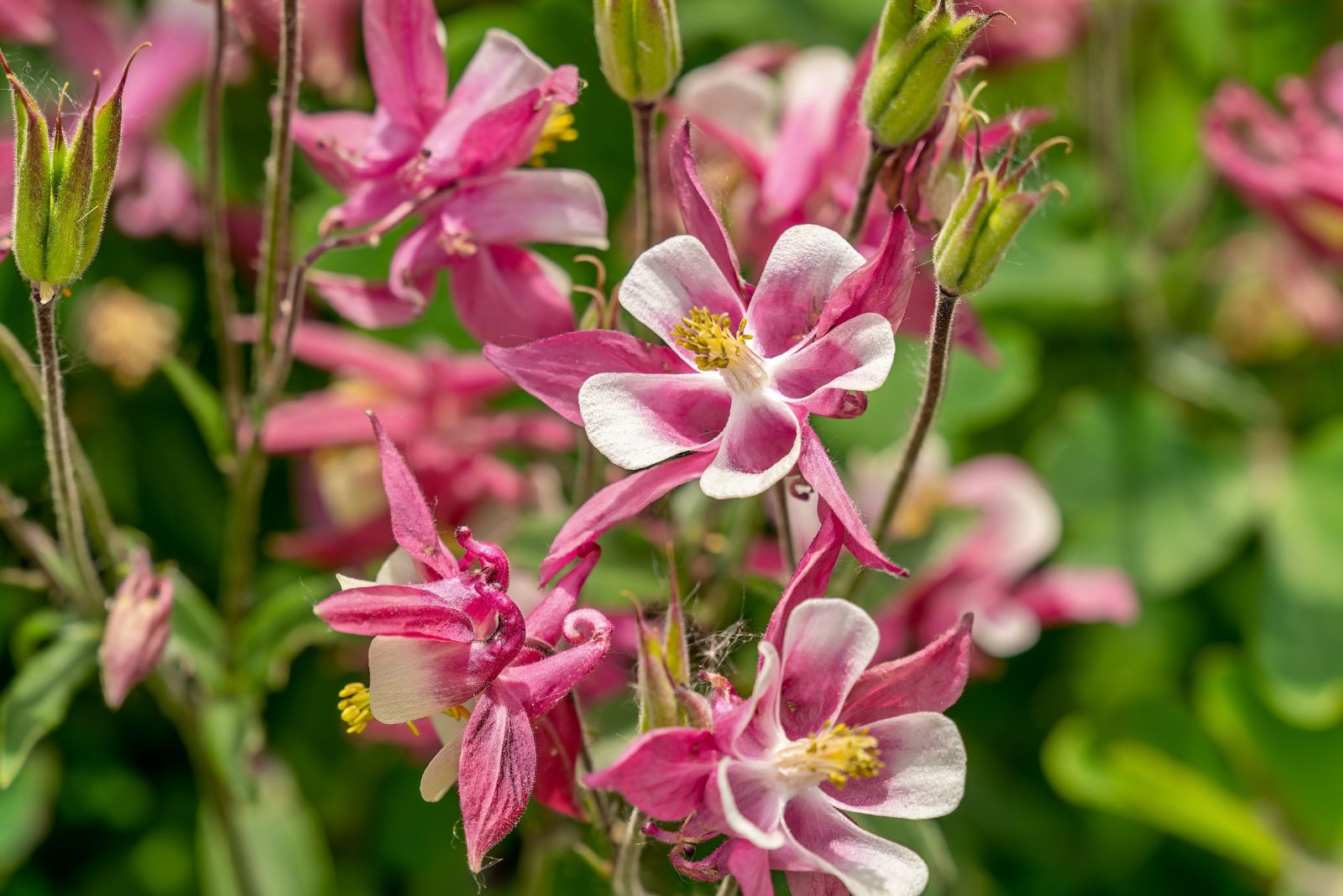
Pink columbine has a way of catching your eye without trying too hard. It is soft, colorful, and a little delicate looking, but it brings more to a Pennsylvania garden than just a pretty bloom.
This is one of those plants that adds charm in a very natural way, fitting into borders, cottage-style beds, and wildlife-friendly spaces without feeling forced or overly polished.
When it flowers, it gives the garden that fresh, lively look that feels especially welcome after a long winter.
It also earns points for being more useful than many people expect. Pink columbine can attract hummingbirds and other pollinators, which instantly makes the yard feel more active and alive.
It works well in spots with partial shade, making it a handy choice for gardens that are not blasted with sun all day.
For Pennsylvania gardeners who want something graceful, easy to appreciate, and full of seasonal character, this flower brings a lot of personality in a surprisingly simple package.
1. Early Season Color When Gardens Need It Most
Spring in Pennsylvania can feel like a long wait. After months of cold, grey skies, gardeners are eager to see some color.
Pink columbine shows up right on time, blooming from mid-spring into early summer when most garden beds still look pretty empty.
Most spring bulbs like tulips and daffodils fade quickly. Summer perennials like coneflowers and black-eyed Susans have not kicked in yet.
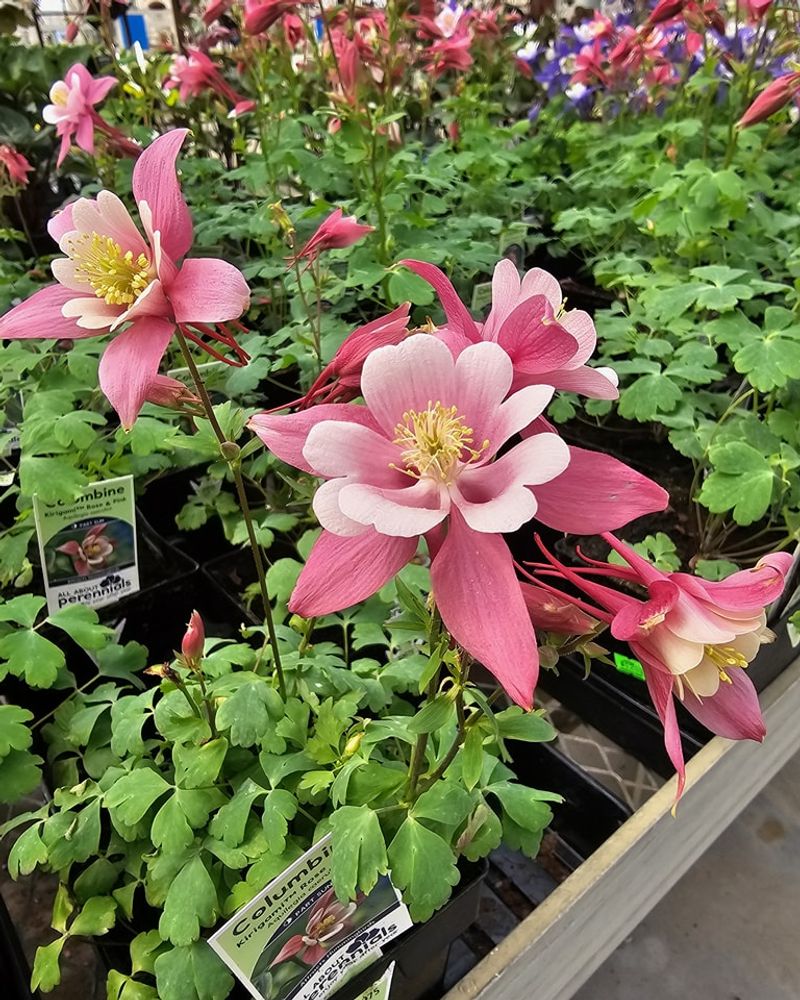
Pink columbine steps right into that gap and fills it beautifully. Its soft pink and pale yellow flowers nod gently on tall, wiry stems, giving the garden a fresh and lively look at just the right moment.
For Pennsylvania gardeners, that timing is a real gift. The state has a wide range of growing zones, from the warmer southeast to the cooler northern regions.
Pink columbine handles all of them well, typically blooming between April and June depending on your location.
The flowers themselves are unlike most others in the garden. They have a unique, almost lantern-like shape with spurred petals that curve backward in a graceful arc.
They look delicate but are actually quite tough. Even a late spring frost does not usually set them back much.
Planting pink columbine near spring bulbs or early-blooming shrubs creates a layered look that keeps your garden interesting for weeks. As the bulbs fade, the columbine takes center stage.
By the time summer perennials get going, columbine has done its job and quietly steps aside. It is one of the most reliable ways to keep a Pennsylvania garden looking alive and colorful from the very start of the growing season.
2. Loved By Hummingbirds And Pollinators
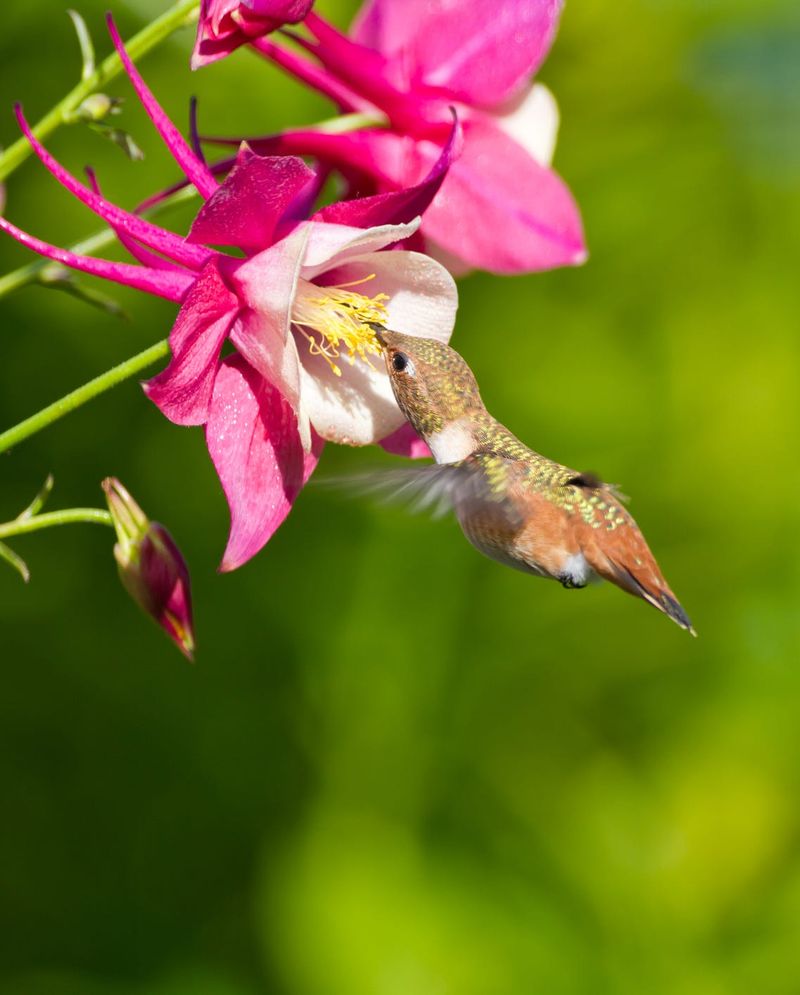
Watch a patch of pink columbine for just a few minutes in spring and you will likely see something magical. Ruby-throated hummingbirds, which are common visitors to Pennsylvania gardens, are absolutely drawn to these flowers.
The long, nectar-filled spurs on columbine blooms are practically designed for a hummingbird’s slender bill.
Beyond hummingbirds, pink columbine is a magnet for early-season pollinators. Bumblebees and native bees visit the flowers regularly.
Butterflies stop in too, especially species that are active in the cooler days of spring. For pollinators coming out of a long Pennsylvania winter, these early nectar sources are incredibly valuable.
Many popular garden plants bloom in summer when pollinators are already well-fed. Pink columbine blooms earlier, filling a window when food sources are still scarce.
That makes it one of the most ecologically useful plants you can grow in a Pennsylvania yard.
Did you know that Aquilegia canadensis, the native columbine species, has been growing in Pennsylvania woodlands for thousands of years? Local pollinators have evolved right alongside it.
That long relationship means native bees are especially good at finding and using these flowers.
Adding pink columbine to your garden is a simple step toward creating a more wildlife-friendly yard. You do not need a large property or a fancy setup.
Even a small border planting near a window gives you a front-row seat to hummingbird visits and buzzing bees throughout spring. For Pennsylvania gardeners who want to support local wildlife, this plant is one of the easiest and most rewarding choices you can make.
3. Thrives In Part Shade
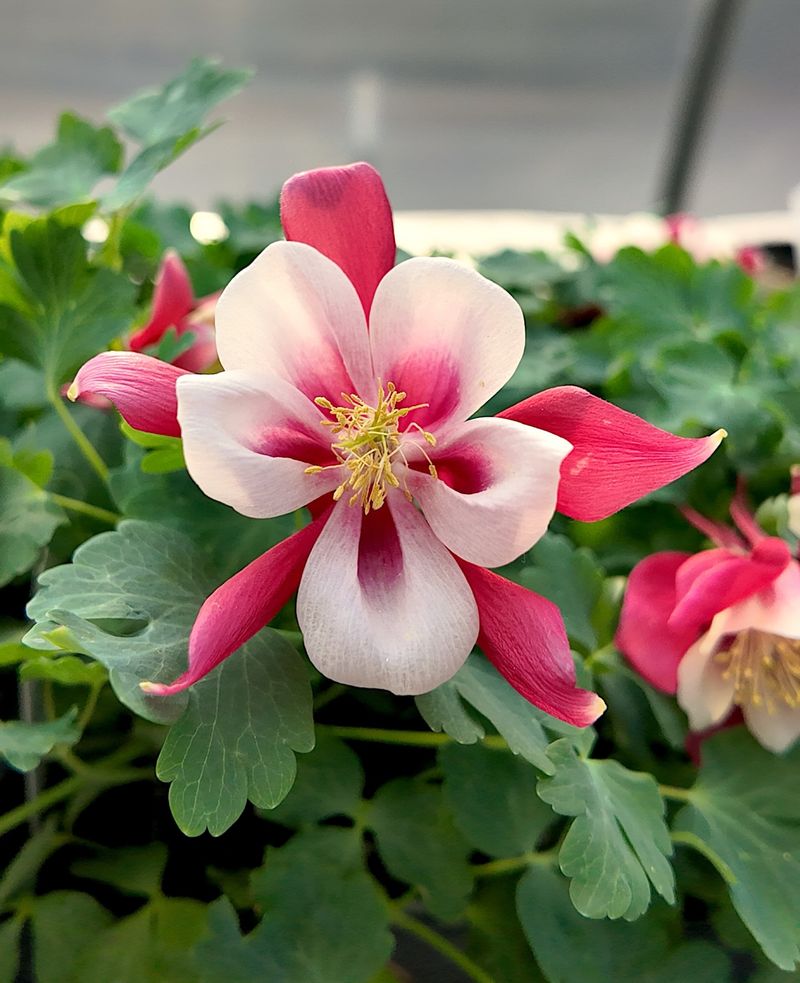
Not every corner of a Pennsylvania yard gets full sun. Many properties have shaded spots under trees, along fences, or near the north side of a house where most flowering plants simply refuse to perform.
Pink columbine is different. It actually prefers those conditions. Part shade to light shade is where this plant truly shines.
It can handle some morning sun followed by afternoon shade, which is one of the most common lighting situations in Pennsylvania backyards.
Under the filtered canopy of oak or maple trees, pink columbine settles in and blooms reliably year after year.
Full, intense afternoon sun can stress the plant, especially during Pennsylvania’s hot and humid summers. Leaves may scorch or look tired by midsummer if the plant is placed in too much direct sunlight.
A shadier spot keeps the foliage looking fresh longer into the season. Woodland edges are some of the best spots for pink columbine in Pennsylvania. The plant is native to exactly these kinds of habitats, so it feels right at home.
Along a treeline, beside a shaded path, or tucked into a corner where other plants struggle, columbine thrives with very little help from you.
Shaded borders in Pennsylvania gardens often feel like a challenge to plant. There are fewer options, and many shade-tolerant plants are all about foliage rather than flowers.
Pink columbine solves that problem by bringing real, cheerful blooms to those darker spots. It is one of the few flowering perennials that genuinely earns its keep in the shade, making it a smart and practical choice for Pennsylvania yards of all sizes.
4. Low-Maintenance And Easy To Grow
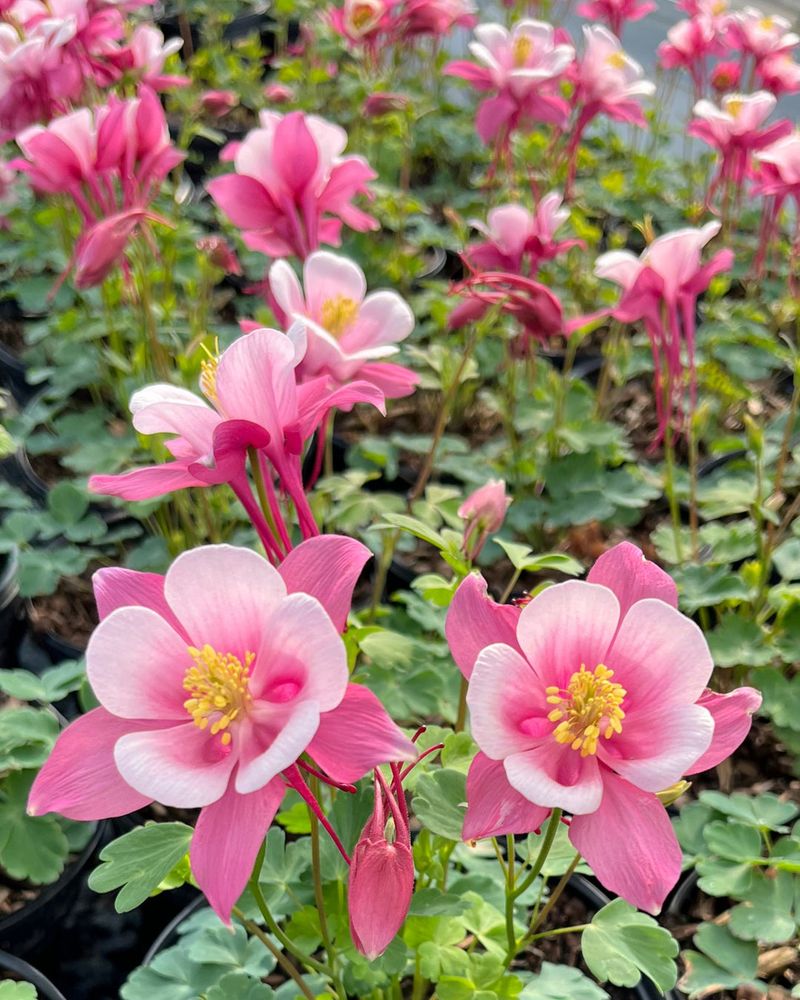
Some plants seem to need constant attention. Pink columbine is not one of them. Once it gets established in your Pennsylvania garden, it pretty much takes care of itself. That is great news for busy gardeners or anyone who wants beautiful results without a lot of effort.
Soil flexibility is one of this plant’s best qualities. Pink columbine grows well in average garden soil, rocky slopes, and even slightly sandy ground, as long as the drainage is decent.
It does not want to sit in soggy soil, but it also does not need rich, heavily amended beds. Average Pennsylvania garden soil usually works just fine.
Watering needs are modest once the plant is established. During its first season, regular watering helps it get rooted.
After that, natural rainfall across most of Pennsylvania is usually enough to keep it happy. You might water during a dry stretch, but you will not need to hover over it with a hose every few days.
Fertilizing is rarely necessary. In fact, too much fertilizer can cause the plant to grow lots of leaves and fewer flowers.
Skip the heavy feeding and let it do its thing. A light layer of compost in early spring is more than enough to keep it going strong.
Deadheading spent flowers can encourage a bit more blooming, but even that is optional. If you skip it, the plant will set seed naturally, which leads to more plants over time.
For Pennsylvania gardeners who want a rewarding, fuss-free perennial that delivers season after season, pink columbine checks every box without asking much in return.
5. Reseeds Gently Without Taking Over
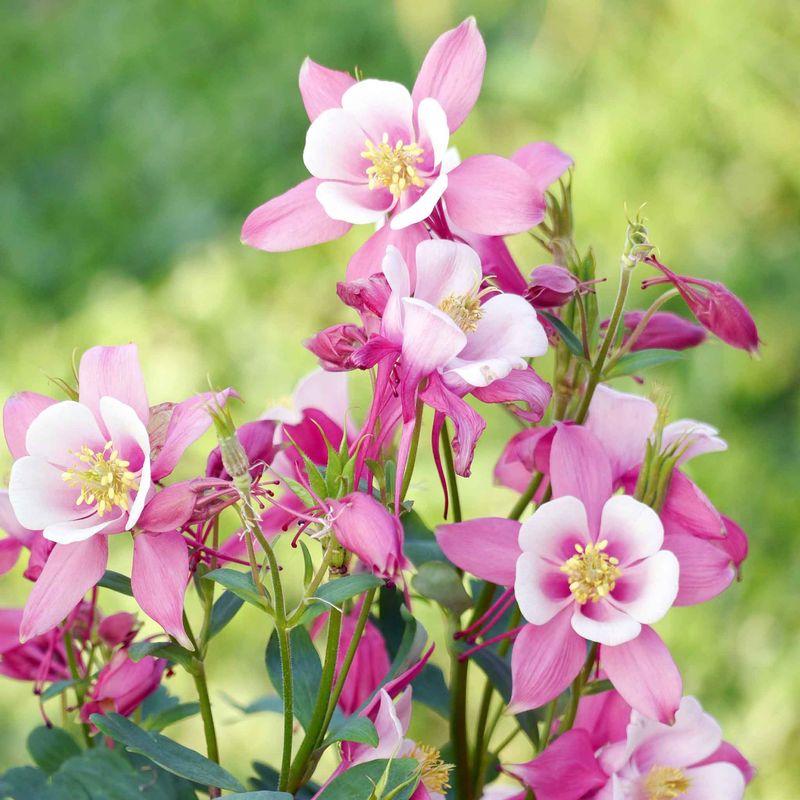
One of the most charming things about pink columbine is how it multiplies. It self-seeds, meaning the plant drops its own seeds after flowering and new plants pop up nearby the following season.
For Pennsylvania gardeners, this is a welcome trait that saves both money and effort. Unlike some self-seeding plants that spread aggressively and take over a garden bed, pink columbine is well-behaved about it. New seedlings tend to appear close to the parent plant.
They are easy to spot and easy to move if they pop up somewhere you did not plan for. Most gardeners find them delightful little surprises rather than a problem.
Over a few seasons, a single plant can quietly grow into a lovely cluster of columbines. That cottage-garden look, where plants seem to have arranged themselves naturally, is something many Pennsylvania gardeners work hard to achieve.
With pink columbine, it just happens on its own. Self-seeding also means you spend less money expanding your garden. Instead of buying new plants every year, you let nature do the replanting for you.
For gardeners on a budget or those who enjoy watching a garden evolve organically, this is a real advantage.
Young columbine seedlings transplant easily when they are small. You can pot them up and give them to neighbors, move them to fill gaps in other beds, or simply let them grow where they land.
Pennsylvania gardeners who appreciate a relaxed, naturalistic planting style will find that pink columbine fits perfectly into that vision, filling in spaces gracefully and adding soft color wherever it decides to settle.
6. Adds A Soft, Natural Garden Look
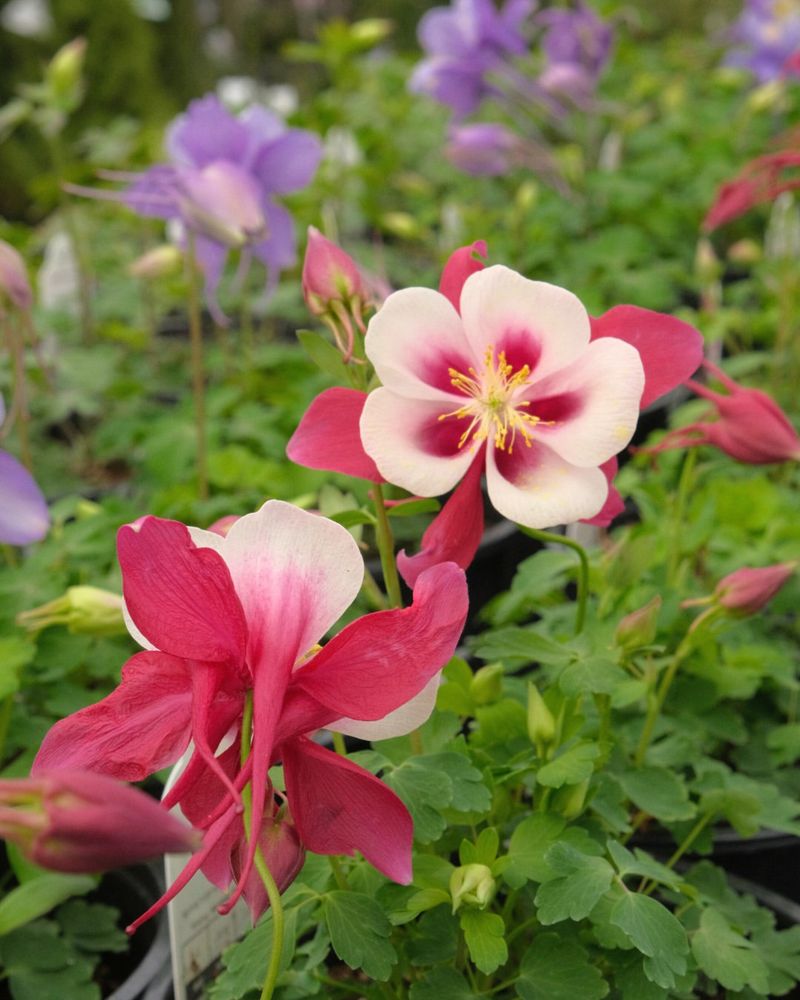
There is something about pink columbine that feels effortlessly beautiful. The flowers hang from slender, branching stems that move with the slightest breeze.
The blooms themselves have a layered, almost whimsical shape that does not look stiff or overly manicured. In a Pennsylvania garden, that kind of relaxed elegance is hard to find and easy to love.
Pink columbine pairs especially well with shade-loving companions. Ferns make a wonderful backdrop, their feathery fronds contrasting nicely with the upright columbine stems.
Hostas, with their bold, broad leaves, create a beautiful contrast against the airy columbine foliage. Bleeding heart, wild ginger, and foamflower are other natural partners that thrive in similar Pennsylvania conditions.
Woodland garden designs have grown in popularity across Pennsylvania in recent years. Homeowners are trading high-maintenance formal beds for more natural, layered plantings that reflect the look of the native landscape.
Pink columbine is a perfect fit for that style. It looks like it belongs in a forest clearing because, in many ways, it does.
Native plant gardens are also gaining attention in Pennsylvania communities. Using plants like pink columbine that are native to the region supports local ecosystems and reduces the need for extra inputs like water and fertilizer.
The garden looks beautiful and works with nature rather than against it. Even in a small border or a simple container near a shaded porch, pink columbine brings a softness that is hard to replicate with other plants.
Its airy stems, nodding blooms, and blue-green foliage create a peaceful, natural aesthetic that makes any Pennsylvania garden feel a little more like a quiet, beautiful corner of the wild.