Why Planting Native Species Is The Smart Choice For Minnesota Gardens In 2026
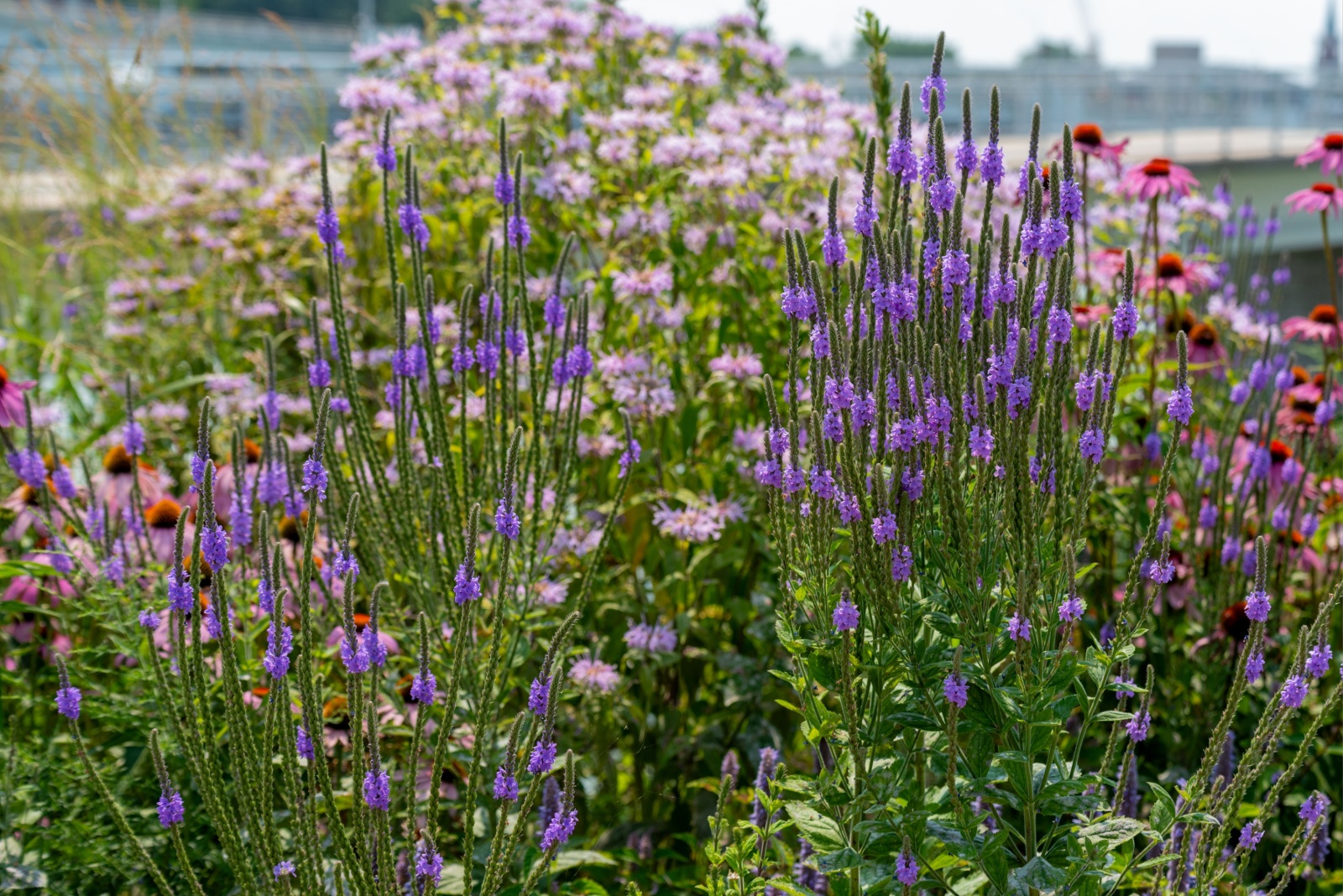
Minnesota gardens in 2026 can thrive when native species take center stage.
These plants have evolved over centuries to handle local soil, climate, and seasonal changes, making them more resilient to pests, drought, and temperature swings than non-native varieties.
Native species also support local wildlife, including pollinators like bees and butterflies, while fostering a balanced ecosystem in yards and community spaces.
Their natural adaptation reduces the need for extra water, fertilizers, or chemical treatments, making gardening more sustainable and cost-effective.
Beyond practicality, native plants provide authentic seasonal beauty with flowers, foliage, and textures that complement Minnesota’s unique landscapes.
Incorporating them into garden designs ensures a healthier, more vibrant space that performs well year after year.
1. Native Plants Require Far Less Water Once Established
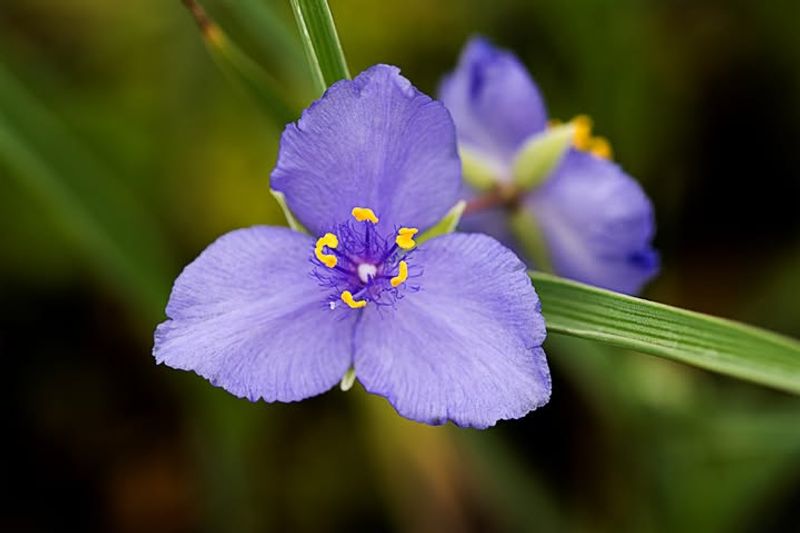
Minnesota native species develop deep root systems that reach moisture far below the surface.
Once your garden matures after the first year or two, you can put away the hose for most of the season.
Regular garden plants from other regions need constant watering because their roots stay shallow and dependent.
Prairie plants like purple coneflower and wild bergamot can handle drought conditions that would stress imported varieties.
Your water bill drops significantly when you stop running sprinklers every other day during summer.
Native plants wait patiently through dry spells, then bounce back quickly when rain finally arrives.
Established native gardens often need supplemental water only during extreme drought conditions.
This makes them perfect for busy people who travel during summer or forget to water regularly.
Climate experts predict more variable precipitation patterns for Minnesota in coming years.
Gardens built around native species will handle these changes far better than traditional landscapes.
You save time, money, and precious water resources while still enjoying colorful blooms and lush foliage.
The environment benefits too, as less irrigation means reduced strain on municipal water systems and local aquifers.
2. They Support Pollinators That Keep Ecosystems Healthy
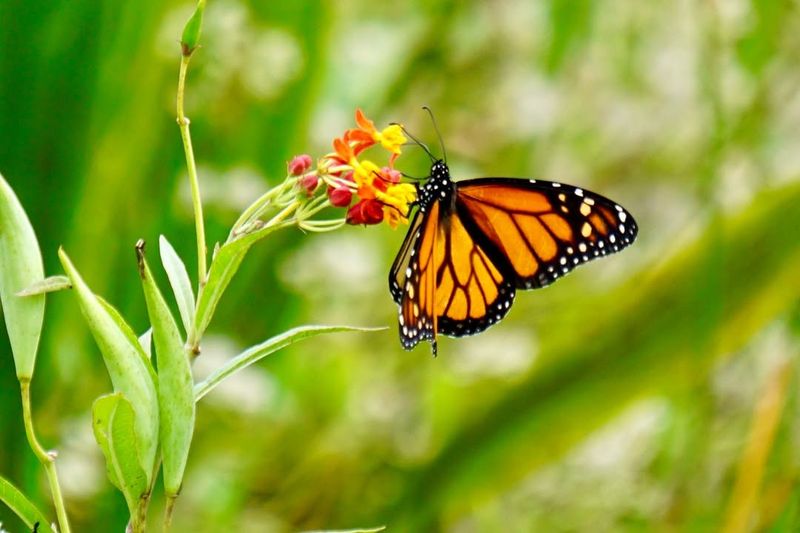
Bees, butterflies, and hummingbirds depend on native flowers because they evolved together over millennia.
Many native bees can only gather pollen from specific Minnesota wildflowers.
When you plant milkweed, you create essential habitat for monarch butterflies that cannot survive without it.
Non-native ornamental flowers often lack the nectar quality or bloom timing that local pollinators need.
A garden filled with native species becomes a buzzing, fluttering haven from spring through fall.
Wild columbine attracts hummingbirds in May, while asters feed butterflies preparing for migration in September.
Pollinator populations have declined dramatically across North America in recent decades.
Your backyard can become a critical refuge that helps reverse this troubling trend.
Children love watching bees work among the flowers and butterflies dance on sunny afternoons.
Native plant gardens teach kids about interconnected natural systems right outside their windows.
Healthy pollinator communities also benefit vegetable gardens by improving fruit and vegetable production.
Creating habitat for these important creatures represents one of the most meaningful actions individual gardeners can take.
3. Minnesota Natives Survive Winter Without Special Protection
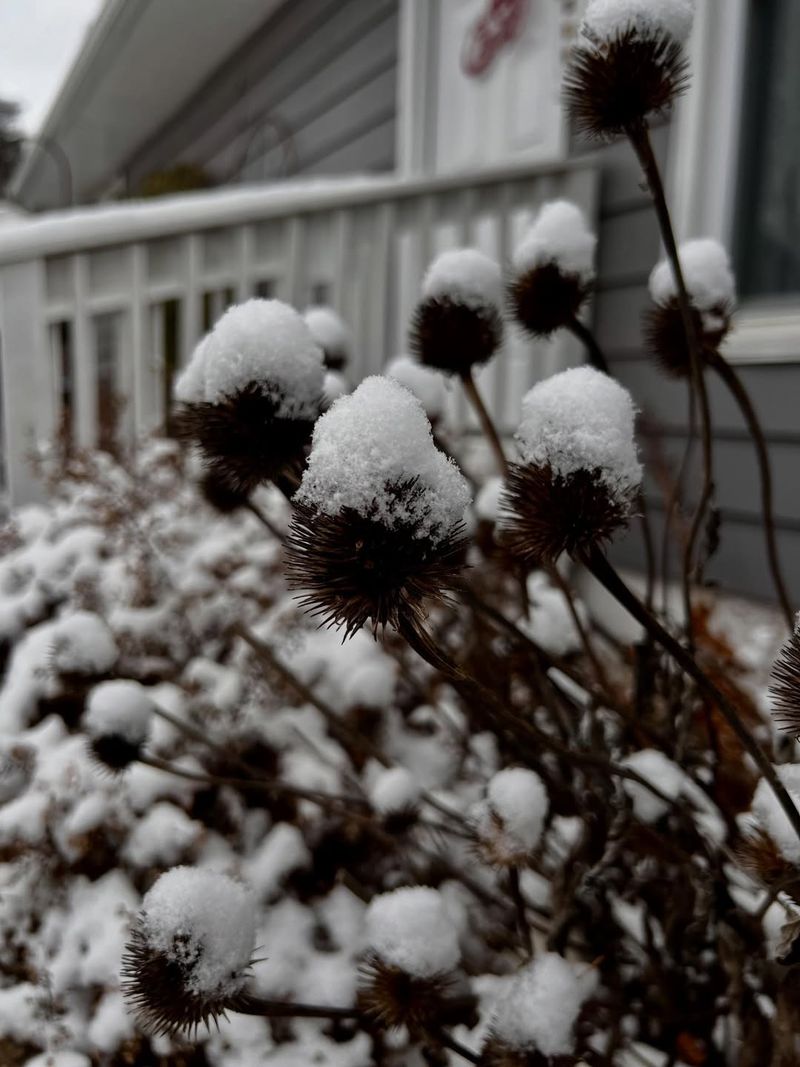
Gardeners waste countless hours wrapping, mulching, and covering plants that struggle through Minnesota winters.
Native species naturally tolerate temperatures that plunge below zero for weeks at a time.
Plants like prairie smoke and pasque flower actually need cold dormancy periods to bloom properly.
Non-native perennials often suffer frost damage, require heavy mulching, or simply fail to return each spring.
Native plants go dormant at exactly the right time and wake up when conditions become favorable again.
You avoid the frustration of replacing expensive plants that could not handle a typical Minnesota winter.
Some native shrubs like ninebark and serviceberry provide structure and interest even through snowy months.
Their bare branches and seed heads create beautiful winter landscapes without any maintenance.
Spring arrives with reliable green shoots from native plants while imported varieties remain dormant or damaged.
This dependability means less work, less worry, and more confidence in your garden investments.
Native species understand Minnesota seasons at a cellular level because they developed here.
Climate change may bring more unpredictable winter weather, making hardy native plants even more valuable.
4. Native Species Resist Local Pests and Diseases Naturally
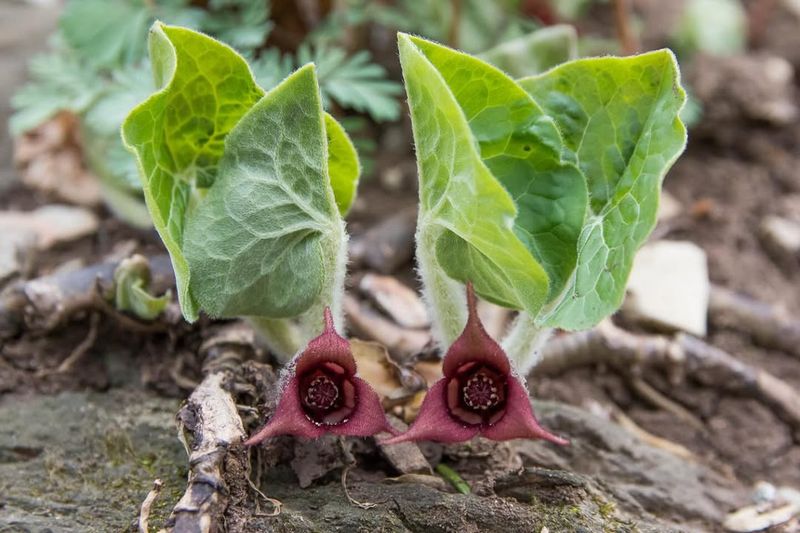
Plants from other regions often attract pests or succumb to diseases common in Minnesota.
Native species developed natural defenses against local insects and fungi over thousands of generations.
This means you spray fewer chemicals and spend less time battling garden problems.
Wild ginger, for example, rarely suffers from pest damage because local insects recognize its natural compounds.
Non-native hostas get decimated by slugs, while native ferns in similar shady spots remain pristine.
Chemical pesticides harm beneficial insects, contaminate soil and water, and create health concerns for families and pets.
Native plant gardens stay healthier with minimal intervention, creating safer outdoor spaces for everyone.
Some native species actually attract beneficial insects that control problem pests naturally.
Golden alexanders, a native wildflower, hosts parasitic wasps that manage aphid populations.
Balanced ecosystems develop when you work with nature instead of constantly fighting against it.
Healthy native plants grow vigorously enough to outcompete many weeds and recover quickly from minor damage.
Your garden becomes a low-maintenance paradise instead of a constant battle requiring chemicals and vigilance.
5. They Create Habitat For Birds And Beneficial Wildlife
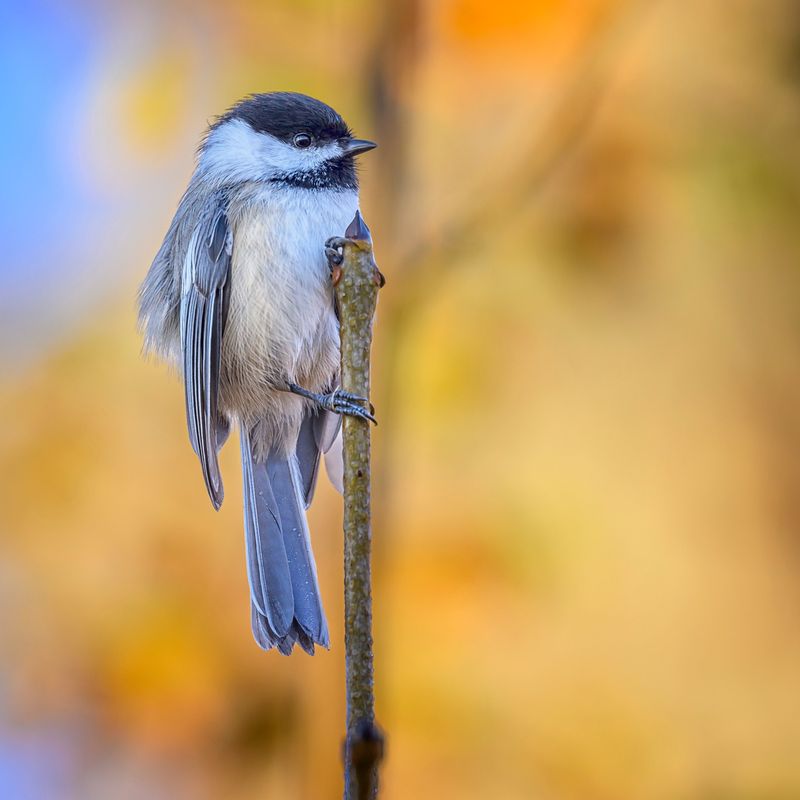
Songbirds need far more than a feeder to survive and raise their young successfully.
Native plants provide insects for baby birds, seeds for winter food, and shelter from predators.
A single chickadee family needs thousands of caterpillars to raise one brood of chicks.
Oak trees alone support over 500 species of caterpillars, while non-native trees support far fewer.
Native shrubs like elderberry and dogwood offer berries that migrating birds depend on for energy.
Dense native grasses provide nesting sites and cover for ground-nesting species.
Your garden becomes part of a wildlife corridor connecting fragmented habitats across the landscape.
Watching birds flock to your yard creates daily entertainment and connection to natural cycles.
Beneficial animals like toads, ladybugs, and ground beetles also thrive among native plants.
These creatures help control pests naturally while adding life and movement to your outdoor space.
Children develop appreciation for nature when they observe wildlife interactions in their own backyard.
Creating habitat represents meaningful conservation action that makes a real difference for declining species.
6. Native Plants Adapt Perfectly to Minnesota Soil Conditions
Minnesota soils vary dramatically from sandy lake shores to heavy clay prairies and acidic woodland areas.
Native plants evolved in these exact soil types and thrive without amendments or special preparations.
Gardeners often spend hundreds of dollars hauling in topsoil, compost, and fertilizers for non-native plants.
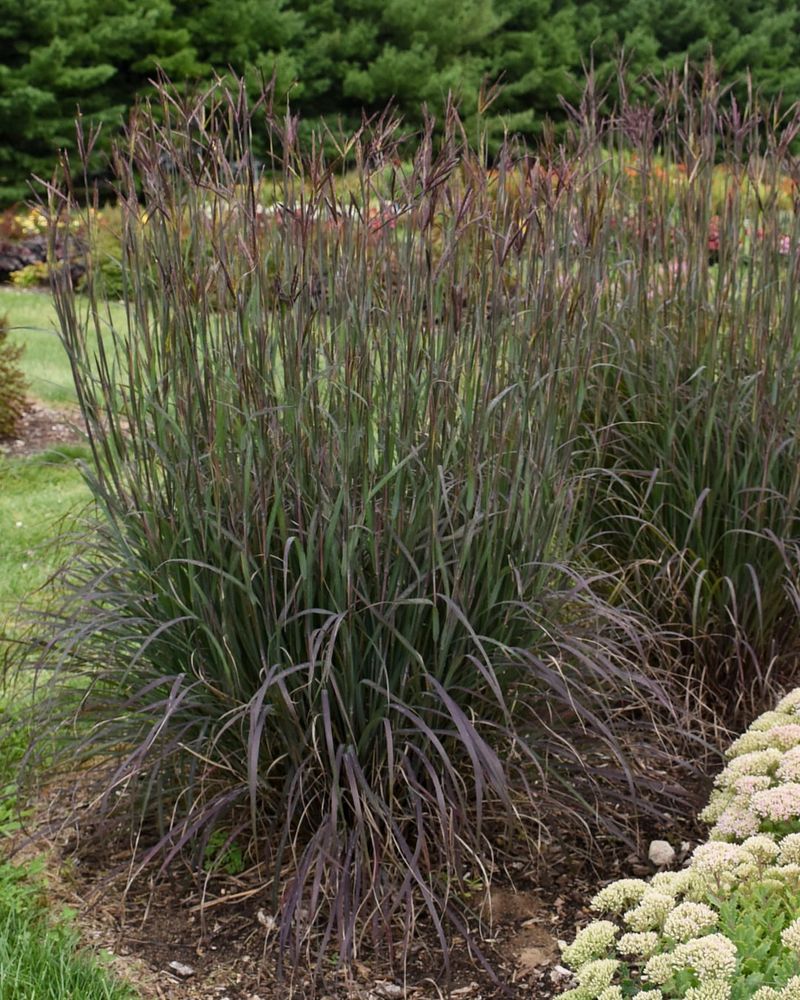
Big bluestem grass flourishes in heavy clay that frustrates most garden plants.
Wild lupine grows beautifully in sandy, poor soils where other plants struggle and look sickly.
Woodland natives like trillium and bloodroot prefer the acidic conditions under pine and oak trees.
Matching plants to existing conditions creates successful gardens with minimal soil modification.
Native plants extract nutrients efficiently from Minnesota soils because they developed sophisticated root systems here.
You save money, labor, and avoid disrupting existing soil ecosystems with excessive amendments.
Healthy soil supports countless beneficial organisms from earthworms to mycorrhizal fungi.
Working with natural conditions instead of against them creates sustainable gardens that improve over time.
Your plants grow stronger and healthier when their roots explore familiar soil chemistry and structure.
7. They Reduce Lawn Maintenance And Mowing Time Significantly
Traditional lawns demand constant mowing, fertilizing, watering, and weed control throughout the growing season.
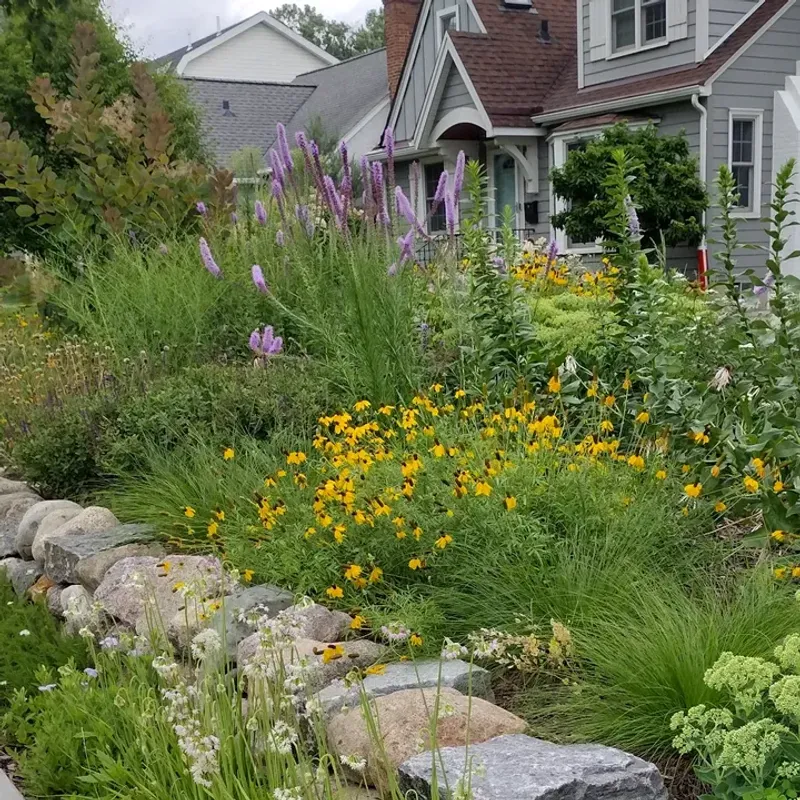
Replacing even portions of turf grass with native plantings cuts maintenance time dramatically.
Native groundcovers like Pennsylvania sedge create beautiful green carpets that never need mowing.
Prairie gardens need cutting just once annually in late winter, compared to weekly lawn mowing.
Families gain back dozens of hours each summer for activities more enjoyable than pushing a mower.
Gas-powered lawn equipment contributes significantly to air pollution and noise in neighborhoods.
Native plant beds eliminate the need for fertilizers that run off into lakes and streams.
Turf grass provides minimal habitat value while consuming enormous resources for maintenance.
Native alternatives create dynamic, interesting landscapes that change throughout seasons.
Spring ephemerals give way to summer blooms, then fall colors and winter seed heads.
Your yard becomes a place to enjoy rather than a chore demanding constant attention.
Reduced mowing also means lower fuel costs and less equipment maintenance over time.
8. Native Gardens Increase Property Value And Curb Appeal
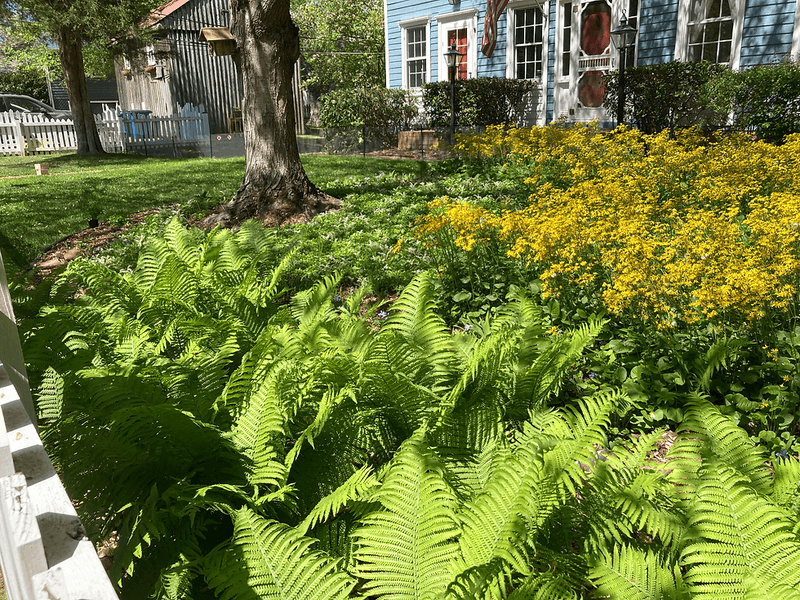
Well-designed native landscapes create stunning visual interest that neighbors and potential buyers notice immediately.
Real estate professionals increasingly recognize that sustainable, low-maintenance gardens add value to properties.
Homebuyers appreciate outdoor spaces that require less work while supporting environmental goals.
Native gardens provide continuous color from spring through fall with changing flowers and foliage.
Purple coneflowers, black-eyed susans, and blazing star create vibrant summer displays.
Fall brings brilliant reds and golds from native shrubs and grasses.
Winter interest comes from ornamental seed heads and attractive bark on native trees and shrubs.
Professional landscapers now specialize in native plant designs that combine beauty with ecological function.
These gardens make powerful first impressions while telling visitors you care about sustainability.
Native plantings distinguish properties from cookie-cutter landscapes filled with overused ornamentals.
Unique, thoughtful gardens create memorable outdoor rooms that extend living space.
Property value increases reflect both aesthetic appeal and reduced long-term maintenance costs for future owners.
9. Climate Change Makes Native Species Even More Important
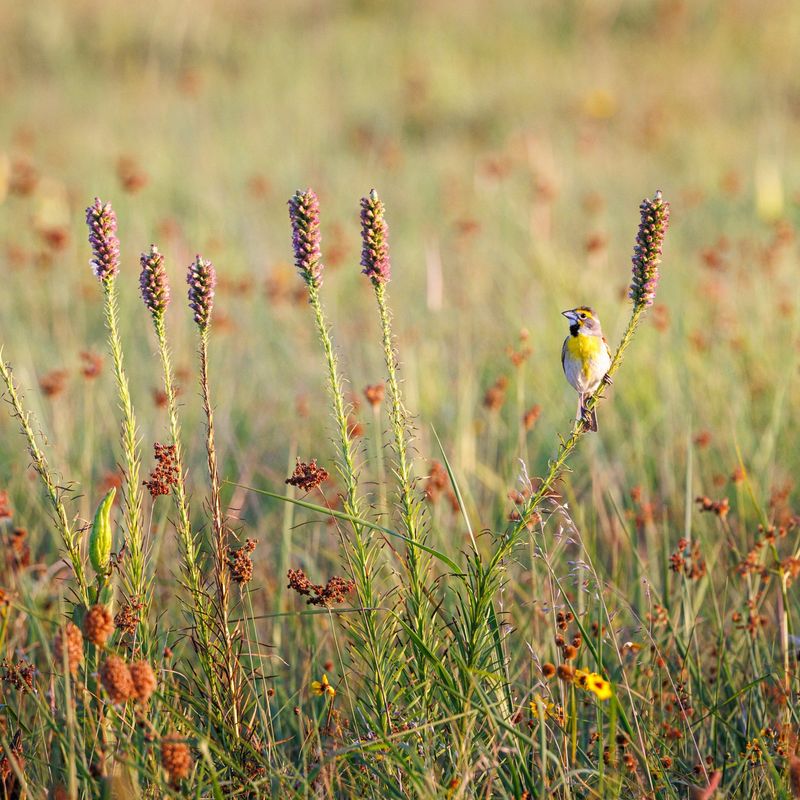
Weather patterns grow more unpredictable with extreme heat, drought, and intense storms becoming common.
Native plants possess genetic diversity and resilience that helps them adapt to changing conditions.
Gardens filled with native species can handle variable weather far better than monoculture landscapes.
Deep roots prevent erosion during heavy rains that wash away topsoil from conventional gardens.
Native plants sequester carbon in their extensive root systems, helping combat climate change causes.
Prairie root systems can extend ten feet deep, storing carbon underground for decades.
As temperatures rise, native plants provide cooling through transpiration and shade.
They require no fossil-fuel-intensive fertilizers or pesticides that contribute to greenhouse gas emissions.
Native gardens create resilient landscapes that will continue thriving as climate conditions shift.
Genetic adaptation accumulated over millennia gives native plants flexibility that cultivated varieties lack.
Supporting native ecosystems builds natural resilience into communities facing environmental uncertainty.
Your garden choices today help create a more sustainable, adaptable landscape for future generations.
10. Educational Value Teaches Children About Local Ecology
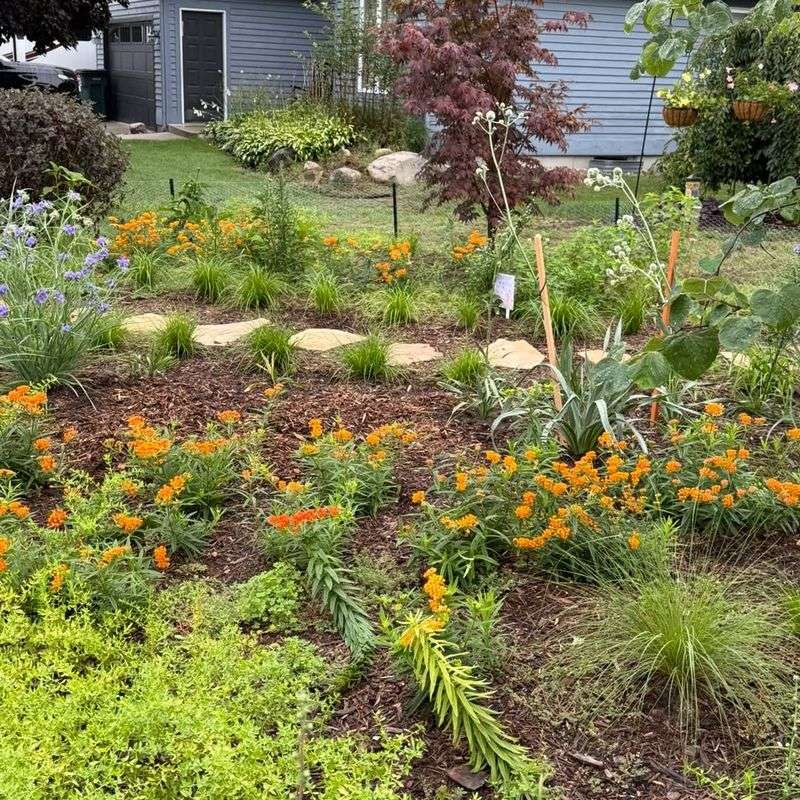
Children who grow up around native plants develop understanding and appreciation for natural systems.
Observing seasonal changes in native gardens teaches concepts like plant lifecycles, pollination, and food webs.
Kids can track which butterflies visit which flowers and learn about animal-plant relationships.
Native gardens become outdoor classrooms where families explore together without leaving home.
Identifying native wildflowers, birds, and insects builds observation skills and scientific curiosity.
Many schools now incorporate native plantings into their grounds for hands-on environmental education.
Children develop environmental stewardship values when they participate in creating and caring for native gardens.
Understanding local ecology helps young people recognize their connection to place and community.
Native plant knowledge gets passed down through generations as families garden together.
Kids learn that conservation starts at home with everyday choices about what to plant.
These lessons create environmentally conscious adults who make informed decisions about land use.
Your garden becomes a legacy of ecological awareness that extends far beyond your property boundaries.