Why Poinsettias Wilt Faster In Arizona Homes And How To Fix It
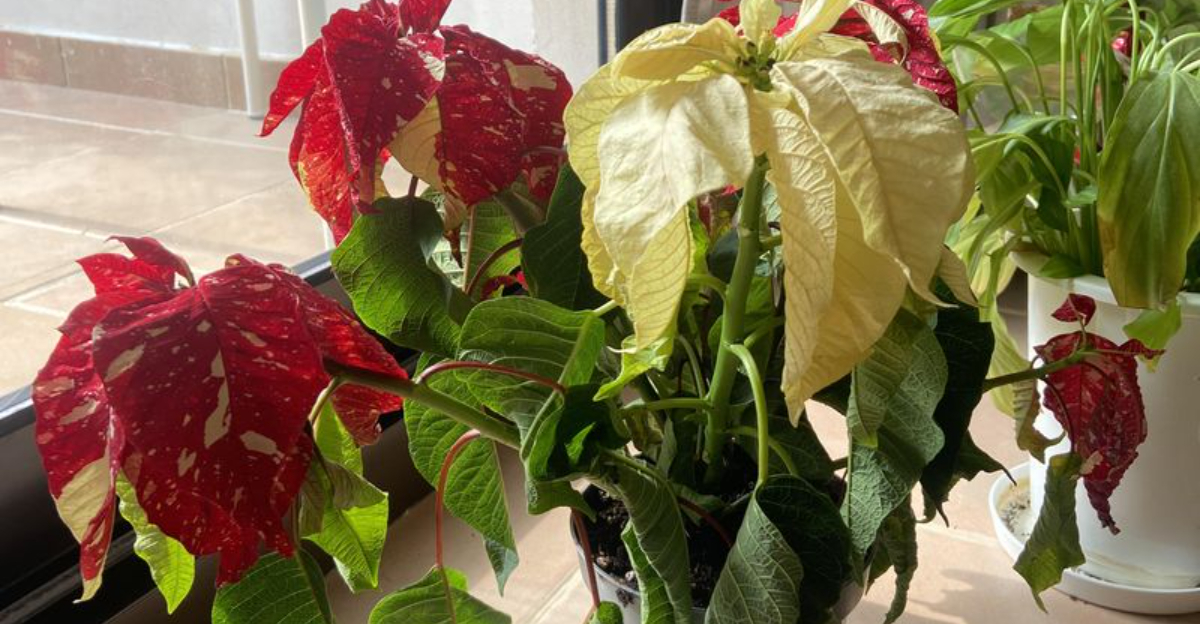
Poinsettias arrive in Arizona homes glowing with color, then seem to fade almost overnight.
Drooping leaves and wilting stems can turn a festive display into a disappointment far too quickly.
The culprit isn’t bad luck—it’s the unique indoor environment created by desert air, intense sunlight, and constant climate control.
These conditions push poinsettias beyond their comfort zone, draining moisture faster than many owners expect.
Small adjustments in placement, watering habits, and humidity can dramatically extend their beauty.
With the right approach, this holiday favorite can stay vibrant and healthy well beyond its first few weeks indoors.
Extremely Low Indoor Humidity Levels

Arizona homes often have indoor humidity levels that drop below twenty percent, which is far too dry for tropical poinsettias to thrive.
These festive plants originally come from Mexico where humidity stays much higher, so the desert air here causes rapid moisture loss from leaves.
Your poinsettia’s leaves begin to curl, brown at the edges, and eventually wilt when the surrounding air lacks sufficient moisture for healthy growth.
Placing a humidifier near your plant creates a more comfortable environment that mimics its natural tropical habitat without much effort or expense involved.
Grouping several houseplants together also raises humidity through their combined transpiration, creating a mini microclimate that benefits all your greenery at once.
Misting your poinsettia daily with room-temperature water provides temporary relief, though humidifiers offer more consistent and reliable results for long-term plant health.
Setting your poinsettia on a pebble tray filled with water allows evaporation to gently increase moisture around the plant throughout the entire day.
Avoid placing poinsettias near heating vents or fireplaces, as these spots dry out the air even faster and cause accelerated wilting problems.
Intense Direct Sunlight Through Windows
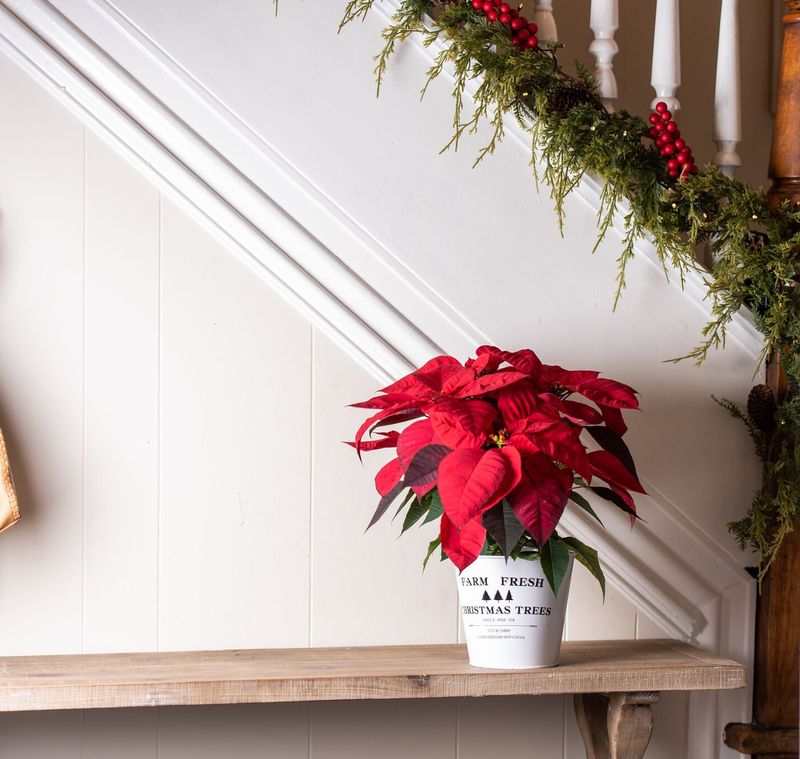
Arizona’s intense sunshine streams through windows with far more strength than in most other states, and this can actually scorch delicate poinsettia leaves.
While these plants need bright light to maintain their colorful bracts, direct afternoon sun through glass magnifies heat and causes leaf burn quickly.
Sunburned poinsettias develop bleached white or brown patches on their leaves, followed by wilting as the damaged tissue can no longer function properly today.
Moving your plant back from south or west-facing windows by just a few feet provides bright indirect light without the damaging intensity.
Sheer curtains filter harsh rays while still allowing enough brightness through for your poinsettia to stay healthy and maintain its beautiful holiday colors.
Morning sun from east-facing windows works wonderfully because it provides gentle light without the scorching afternoon heat that Arizona is famous for statewide.
Rotating your poinsettia every few days ensures all sides receive equal light exposure and prevents the plant from leaning awkwardly toward the window.
Monitoring leaf color helps you adjust placement—fading bracts signal too little light, while brown edges mean too much direct sun exposure daily.
Inconsistent Watering Schedules
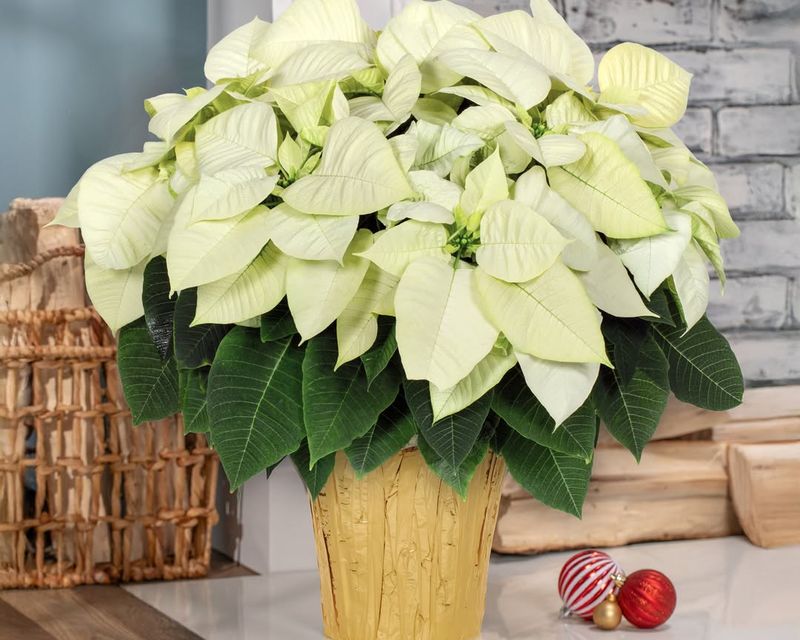
Many Arizona homeowners struggle with finding the right watering rhythm for poinsettias because the dry climate makes soil moisture levels unpredictable throughout the week.
Overwatering drowns the roots and causes them to rot, while underwatering leaves the plant desperately thirsty and causes rapid wilting within just hours.
Poinsettias prefer soil that stays evenly moist but never soggy, which requires checking the soil regularly rather than following a rigid watering calendar blindly.
Stick your finger about one inch deep into the soil—if it feels dry at that depth, your plant needs water right away.
Always water thoroughly until excess drains from the bottom, ensuring the entire root system receives moisture instead of just the top surface layer.
Empty the drainage saucer fifteen minutes after watering to prevent roots from sitting in standing water, which encourages rot and fungal problems later.
Room temperature water works best because cold water shocks the roots, while hot water can damage delicate root hairs that absorb nutrients and moisture.
Adjusting your watering frequency based on your home’s temperature and humidity keeps your poinsettia happy regardless of Arizona’s unpredictable weather patterns outside.
Temperature Fluctuations Between Day And Night
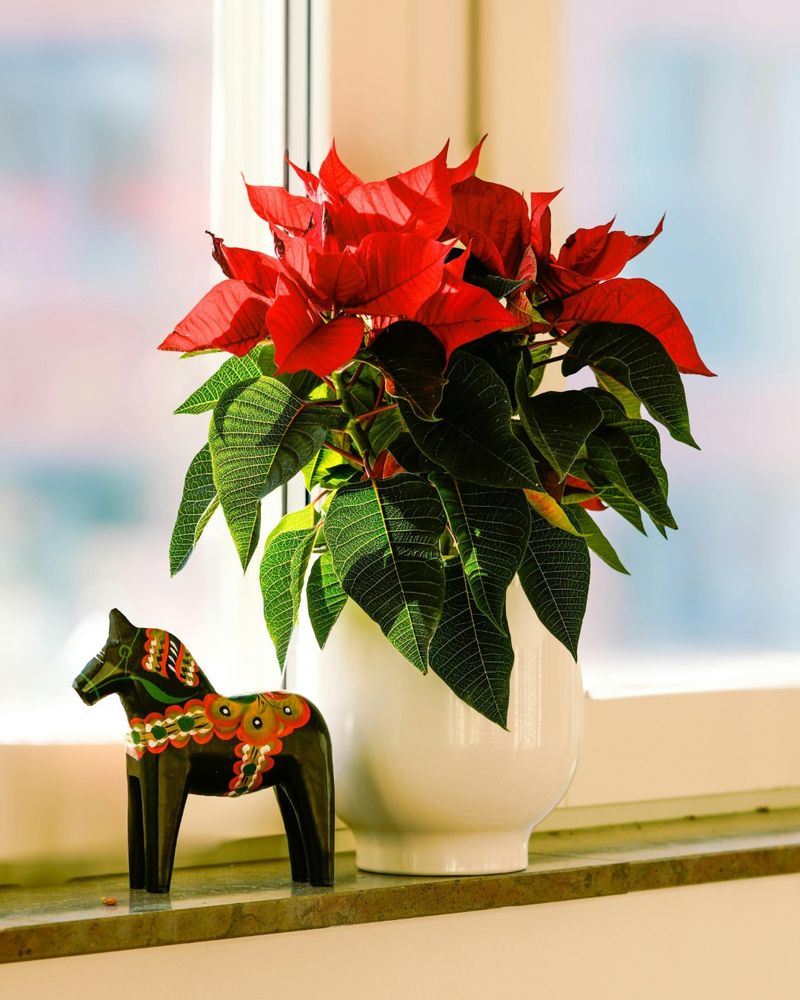
Desert regions like Arizona experience dramatic temperature swings, with hot days and surprisingly chilly nights that stress poinsettias adapted to stable tropical conditions.
Poinsettias thrive best when temperatures stay consistently between sixty-five and seventy-five degrees Fahrenheit, without sudden drops or spikes throughout the day.
Placing your plant near exterior doors or frequently opened windows exposes it to cold drafts that cause leaves to drop and bracts to fade.
Nighttime temperatures below fifty-five degrees shock poinsettias into survival mode, triggering leaf loss and wilting as the plant tries to conserve energy desperately.
Keeping your poinsettia in a central room away from exterior walls helps maintain more stable temperatures that won’t stress the plant unnecessarily overnight.
Avoid moving your plant between drastically different temperature zones, like from a cool bedroom to a warm sunroom, which confuses its natural rhythms.
Using a simple room thermometer near your poinsettia helps you monitor conditions and make adjustments before temperature stress causes visible damage to leaves.
Consistent temperatures promote healthy growth and help your poinsettia maintain its festive appearance throughout the entire holiday season without unexpected wilting episodes occurring.
Poor Drainage In Decorative Containers
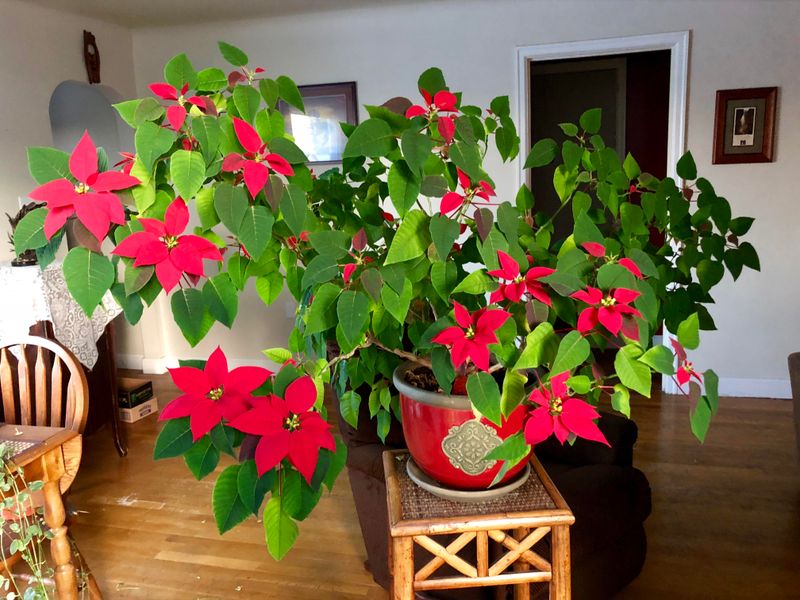
Holiday poinsettias often come wrapped in decorative foil or placed in ceramic pots without drainage holes, which traps excess water around the roots.
Standing water suffocates roots by blocking oxygen, leading to root rot that causes the entire plant to wilt even when the soil appears moist.
Always remove decorative foil wrapping or make sure your container has adequate drainage holes before placing your poinsettia inside for the holiday season.
If your favorite decorative pot lacks drainage, use it as a cachepot by keeping the poinsettia in its original plastic nursery container inside.
This double-pot method allows you to remove the inner pot for watering, drain it completely, then return it to the pretty outer container.
Adding a layer of pebbles at the bottom of decorative pots without drainage creates some airspace but doesn’t solve the fundamental problem of trapped water.
Proper drainage ensures roots stay healthy by allowing excess moisture to escape, preventing the soggy conditions that lead to rot and rapid wilting.
Checking drainage holes regularly keeps them clear of soil buildup that can block water flow and create the same problems as no drainage.
Hard Water With High Mineral Content
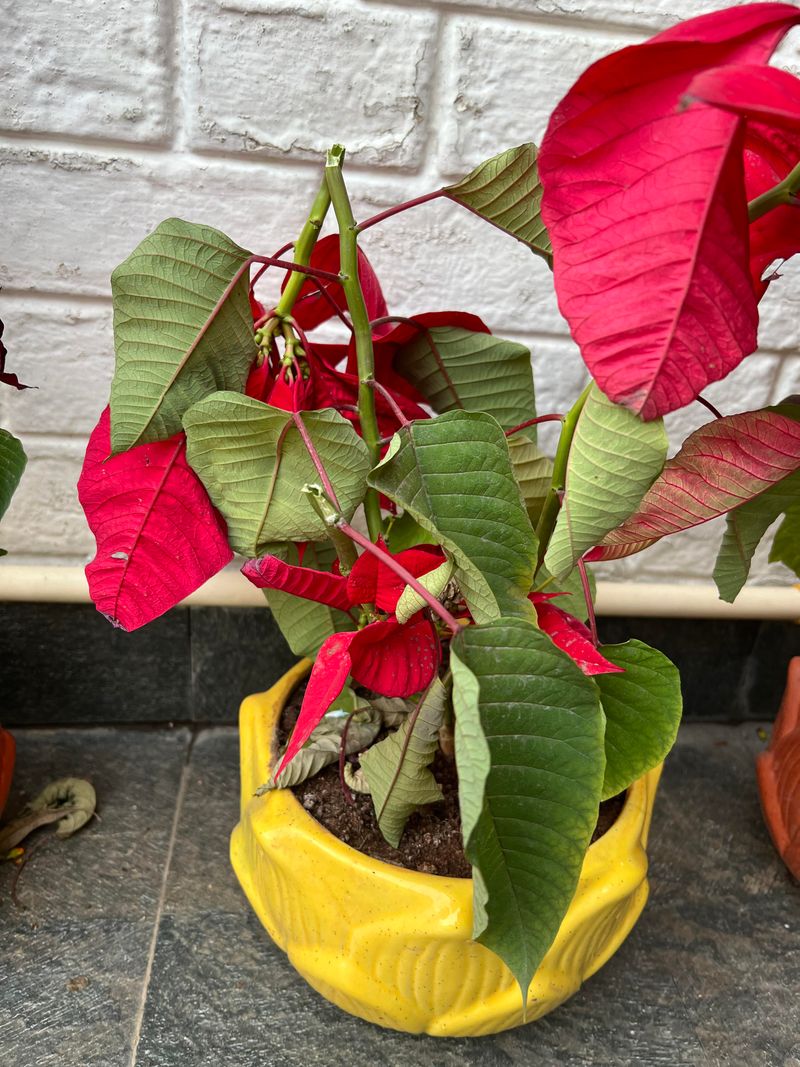
Arizona tap water contains exceptionally high levels of minerals like calcium and magnesium, which accumulate in soil and damage poinsettia roots over time.
White crusty deposits on the soil surface or pot rim signal mineral buildup that interferes with nutrient absorption and causes leaves to yellow.
These mineral salts change soil pH and create a hostile environment where roots struggle to function properly, leading to wilting despite regular watering.
Using filtered or distilled water eliminates mineral accumulation and keeps your poinsettia’s soil chemistry balanced for optimal health throughout the growing season ahead.
Rainwater collected during Arizona’s monsoon season provides an excellent free alternative that plants naturally prefer over treated tap water any day of the week.
Leaching the soil every few weeks by running water through the pot for several minutes flushes accumulated salts before they reach damaging levels.
Repotting your poinsettia in fresh soil removes built-up minerals and gives roots a clean start, though this works best after the holiday season.
Monitoring for white crust formation alerts you to mineral problems early, allowing you to switch water sources before serious root damage occurs permanently.
Lack Of Proper Fertilization
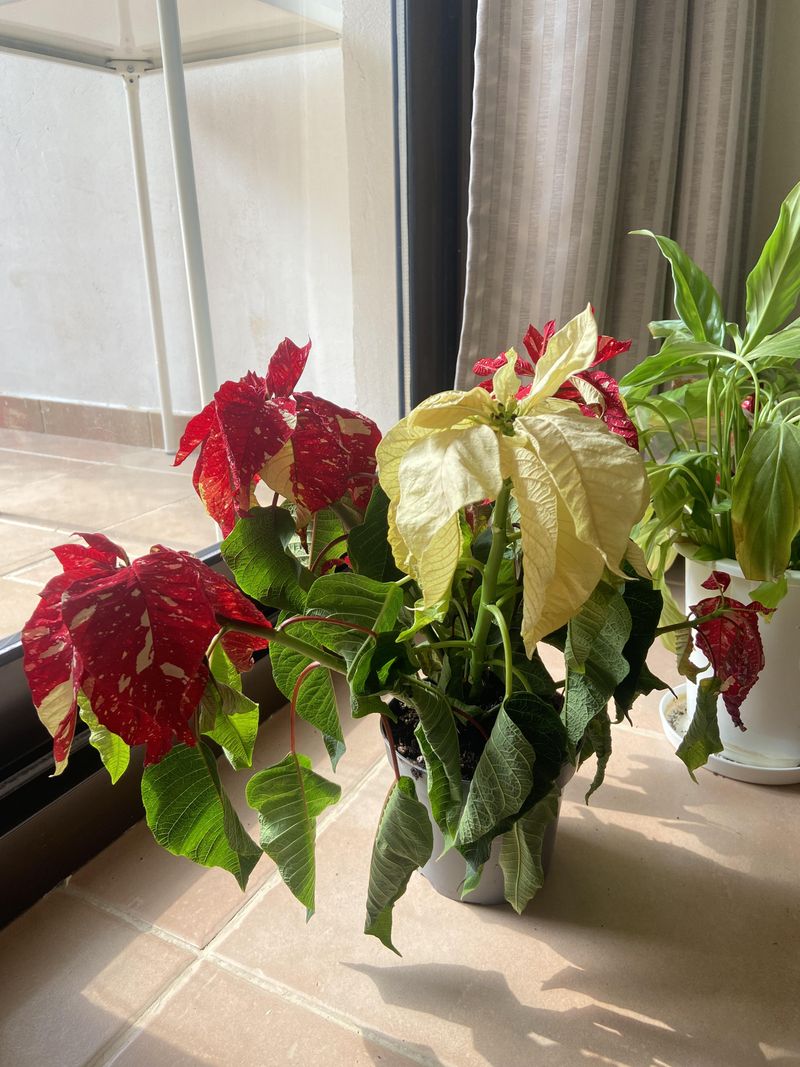
Poinsettias actively growing in your home need regular feeding to maintain their vibrant colors and healthy foliage, especially in Arizona’s challenging conditions indoors.
Without adequate nutrients, leaves turn pale yellow and bracts fade quickly as the plant exhausts its limited resources trying to survive each day.
Using a balanced water-soluble fertilizer diluted to half strength every two weeks during the growing season provides essential nutrients without overwhelming the plant.
Avoid fertilizing during the blooming period because poinsettias focus energy on maintaining their colorful bracts rather than producing new growth at that time.
Over-fertilizing causes salt buildup in the soil that burns roots and leads to wilting despite your good intentions to help the plant.
Organic fertilizers release nutrients slowly and gently, reducing the risk of burning while improving soil structure and beneficial microbial activity over several months.
Yellowing lower leaves often indicate nitrogen deficiency, while poor bract color suggests your plant needs more phosphorus for healthy development and vibrant display.
Following fertilizer package directions carefully prevents nutrient imbalances that stress poinsettias and make them more susceptible to wilting and other common problems throughout winter.
Pest Infestations From Dry Conditions
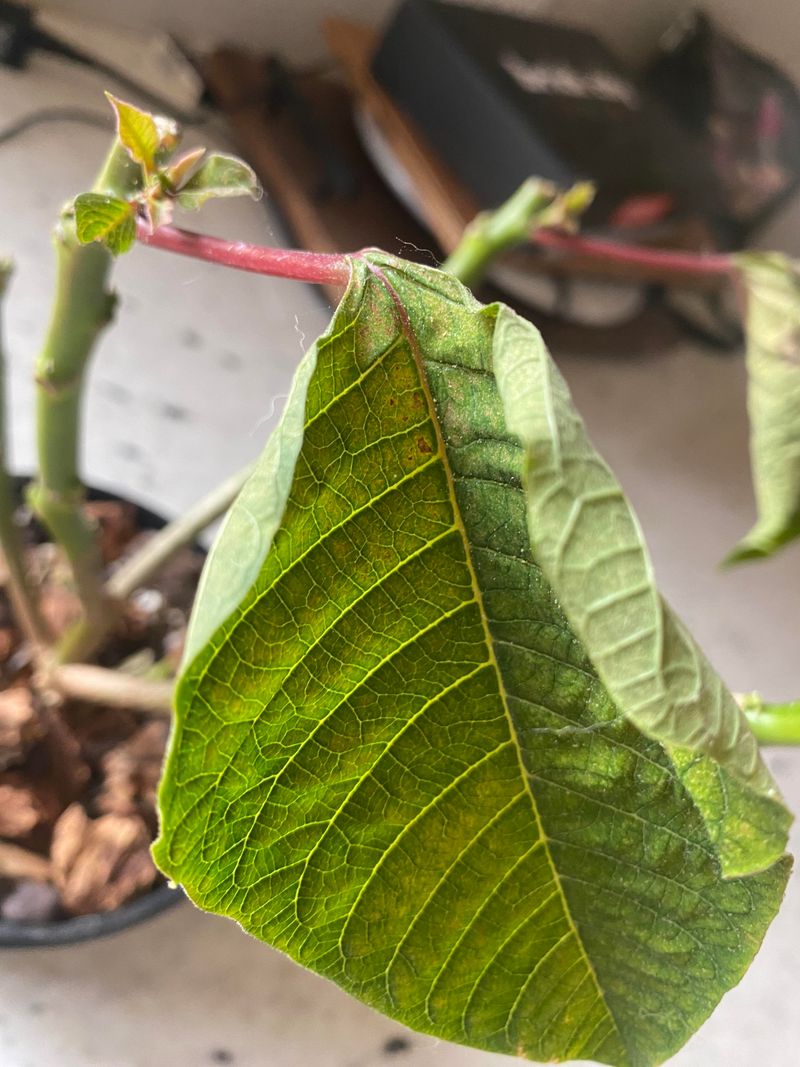
Arizona’s dry indoor air creates perfect conditions for spider mites and whiteflies, which thrive in low humidity and quickly infest stressed poinsettia plants.
These tiny pests feed on plant sap, causing leaves to develop yellow speckles, become sticky, and eventually wilt as the infestation spreads rapidly.
Spider mites often appear as fine webbing on leaf undersides, while whiteflies look like tiny white moths that flutter when you disturb the plant.
Regularly inspecting your poinsettia’s leaves, especially underneath, helps you catch pest problems early before they cause serious damage requiring intensive treatment efforts.
Wiping leaves gently with a damp cloth removes dust and pests while increasing humidity around the plant, creating a less hospitable environment for bugs.
Insecticidal soap sprayed thoroughly on all leaf surfaces controls mild infestations safely without harsh chemicals that might damage your poinsettia or harm pets.
Isolating infested plants immediately prevents pests from spreading to other houseplants nearby, which they will do quickly given the chance to migrate elsewhere.
Maintaining higher humidity through the methods mentioned earlier naturally discourages spider mites, which prefer dry conditions for breeding and spreading throughout your home collection.
Stress From Recent Transportation
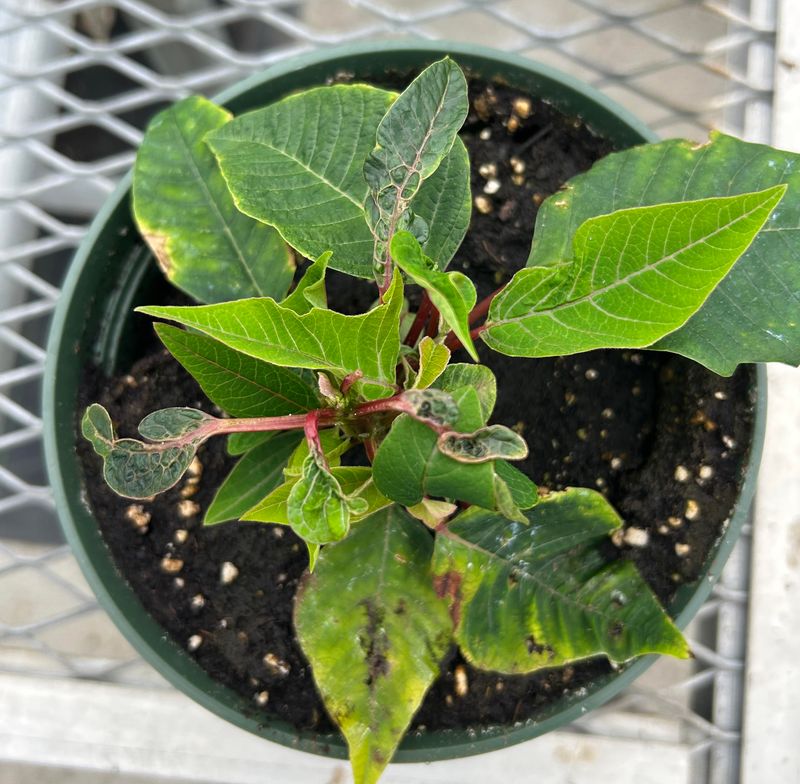
Poinsettias often travel long distances to reach Arizona stores, experiencing temperature extremes and handling stress that weakens them before you even bring them home.
The shock of moving from a commercial greenhouse to a store, then to your home creates multiple environmental changes that overwhelm the plant.
Choosing poinsettias with healthy green foliage down to the soil line indicates a well-cared-for plant that will adjust better to your home environment.
Avoid plants displayed near automatic doors or outdoor areas where cold drafts have already stressed them during their time at the retail location.
Protecting your poinsettia during the trip home by wrapping it in paper or placing it carefully in your car prevents cold exposure damage.
Allowing your new poinsettia to acclimate gradually to your home’s conditions for a few days before making any major changes helps reduce transplant shock.
Expect some leaf drop during the first week as your plant adjusts to its new environment—this is normal and doesn’t necessarily signal problems.
Providing consistent care with proper watering, humidity, and temperature helps your poinsettia recover from transportation stress and thrive throughout the holiday season beautifully.
Inadequate Air Circulation Around The Plant
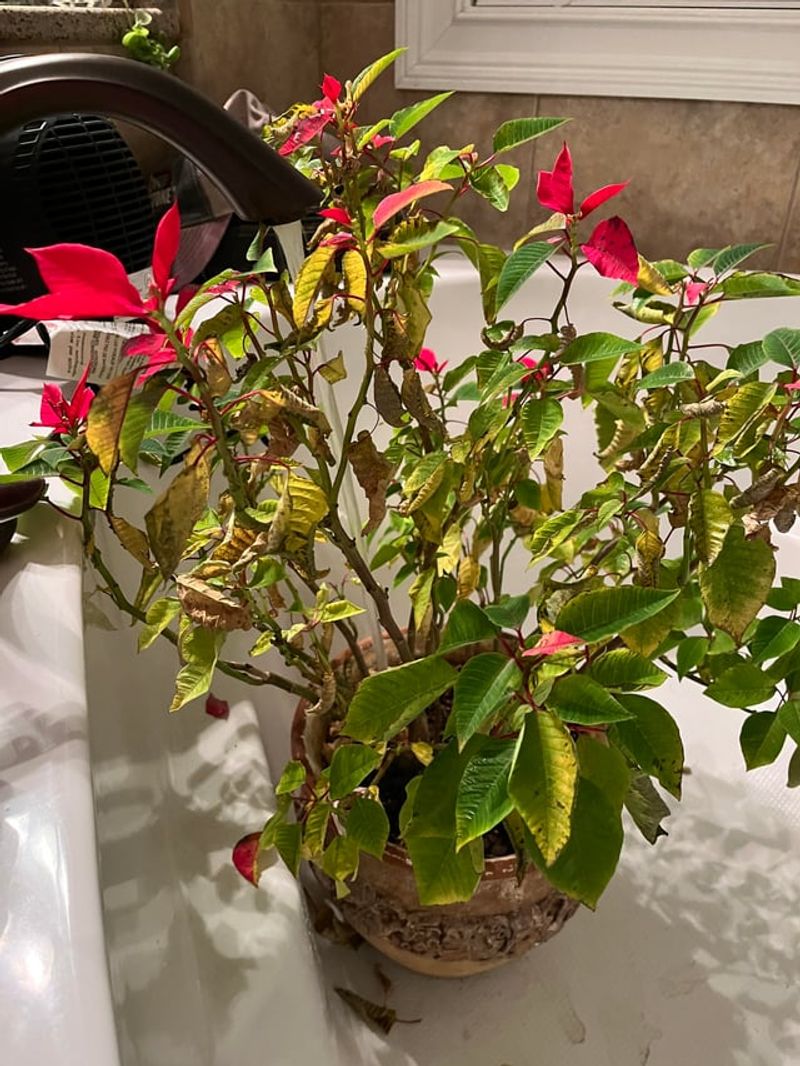
Placing poinsettias in corners or crowded spots restricts airflow around leaves, creating stagnant humid pockets where fungal diseases develop and spread quickly overnight.
Poor air circulation also prevents proper gas exchange that leaves need for photosynthesis, causing them to become weak and susceptible to wilting problems.
Powdery mildew and other fungal issues thrive in still air, appearing as white or gray fuzzy patches on leaves that eventually turn brown.
Positioning your poinsettia where gentle air movement occurs naturally, like near a hallway or open room, promotes healthy foliage without causing drafts.
Avoid placing plants directly in front of fans or air conditioning vents, as strong airflow dries them out too quickly and stresses leaves.
Spacing houseplants several inches apart allows air to circulate freely between them, reducing disease risk while maintaining the humidity benefits of grouping plants.
Opening windows briefly during mild Arizona weather refreshes indoor air and provides your poinsettia with a gentle breeze that strengthens stems and leaves naturally.
Pruning away any damaged or crowded foliage improves airflow through the plant’s canopy and reduces hiding spots where pests might establish themselves unnoticed.