Why Powdery Mildew Keeps Showing Up In North Carolina Piedmont Gardens
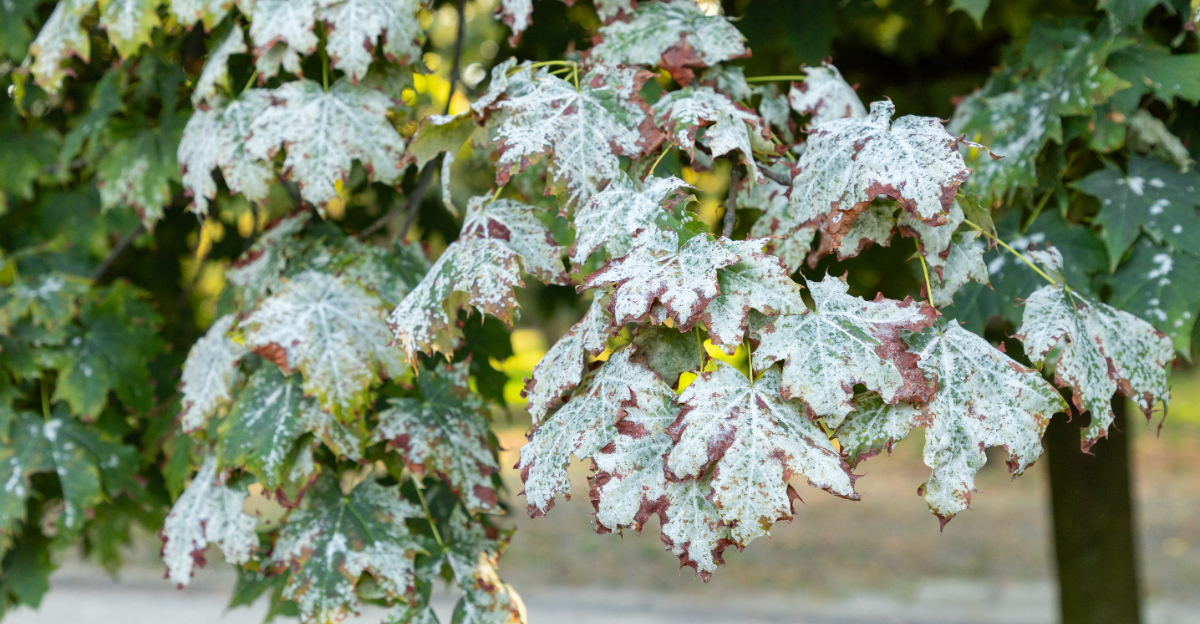
If you garden in the North Carolina Piedmont, you may notice a white, dusty coating showing up on your plants just as they start to grow strong. It can appear quickly, sometimes almost overnight, and spread across leaves before you have time to react.
Even healthy looking plants can suddenly seem stressed, leaving many gardeners wondering what keeps causing the problem year after year. The answer often comes down to the local conditions.
Warm days, cooler nights, and lingering humidity create the perfect environment for powdery mildew to take hold. In this region, those conditions show up often, especially in spring and early summer.
Crowded plant spacing and limited airflow can make things even worse. What feels like a constant battle is usually tied to patterns that repeat each season.
Once you understand why powdery mildew thrives in the Piedmont, you can take simple steps to keep it under control and protect your plants.
1. High Humidity Creates Ideal Conditions
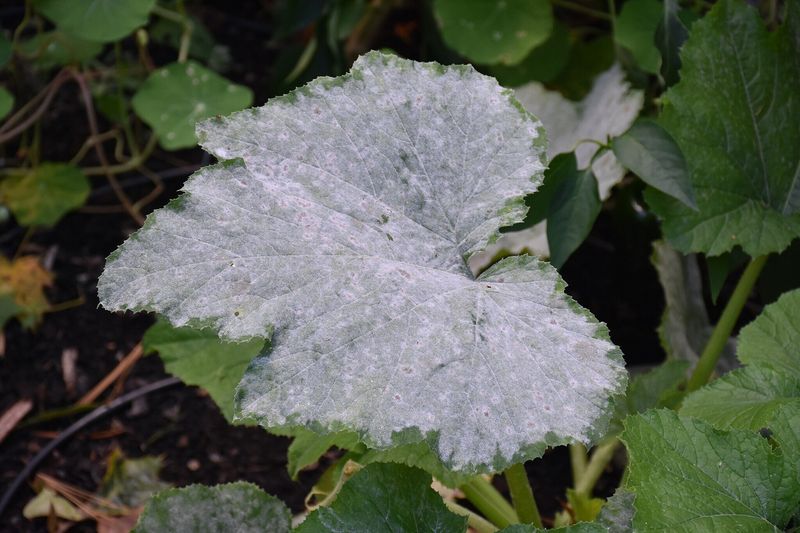
Here is something that surprises many Piedmont gardeners: powdery mildew does not need rain or puddles to spread. Unlike most fungi, it only needs humid air to activate and grow.
The North Carolina Piedmont sits in a region where summer humidity regularly climbs above 70 percent, creating the perfect invisible trigger for spore development.
Spores float through the air and land on leaf surfaces, then use that moisture-rich air to take hold and multiply fast. Leaves that feel dry to the touch can still carry enough surface humidity to support fungal growth overnight.
This is why you might wake up to white patches even after a stretch of sunny, rain-free days.
Managing humidity around your plants is one of the most effective things you can do. Space plants generously so air can move freely between them, and avoid watering in the evening when humidity naturally rises.
Thinning out dense growth also helps reduce the microclimate of trapped moisture that powdery mildew loves so much.
Choosing plants suited to humid southeastern climates, and selecting mildew-resistant varieties whenever possible, gives your garden a real advantage.
Small adjustments in plant placement and garden layout go a long way in keeping this stubborn fungus from settling in each season across the Piedmont region.
2. Poor Air Circulation Around Plants
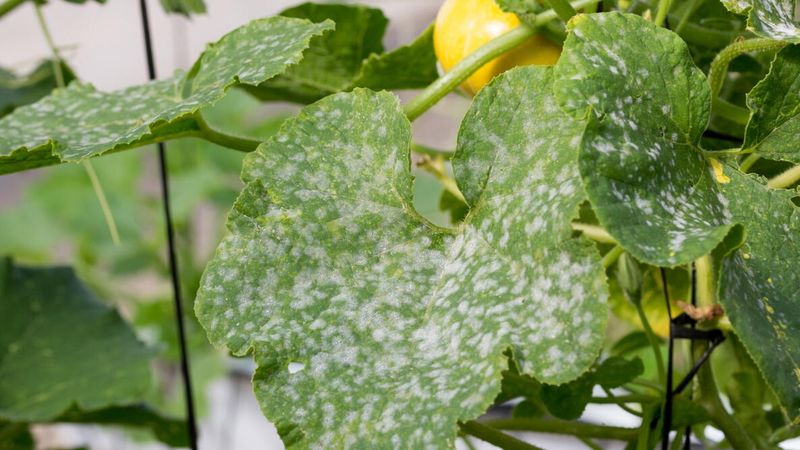
Picture a crowded garden bed where plants are packed so tightly together that barely any breeze gets through. That kind of setup is practically an invitation for powdery mildew to move in and stay.
Still, stagnant air traps moisture against leaf surfaces and creates the exact conditions this fungus needs to thrive and spread.
In the North Carolina Piedmont, many yards feature fences, privacy hedges, and dense landscaping that naturally block wind movement. When air cannot flow through a garden, humidity lingers much longer around foliage, especially during warm mornings and humid evenings.
Even plants that are watered correctly can develop powdery mildew simply because the air around them never dries out properly.
The fix starts with smarter planting decisions. Always space plants according to their mature size, not how small they look at planting time.
Prune out interior branches on shrubs and perennials to open up airflow from the inside out. Avoid planting susceptible species directly against walls, solid fences, or large structures that block natural breezes.
When you shop for new plants, look for cultivars labeled as mildew-resistant, since plant breeders have developed many excellent options. Improving circulation does not require a complete garden redesign.
Even small adjustments can dramatically slow fungal development and keep your Piedmont garden looking fresh throughout the growing season.
3. Warm Days And Cool Nights Trigger Growth
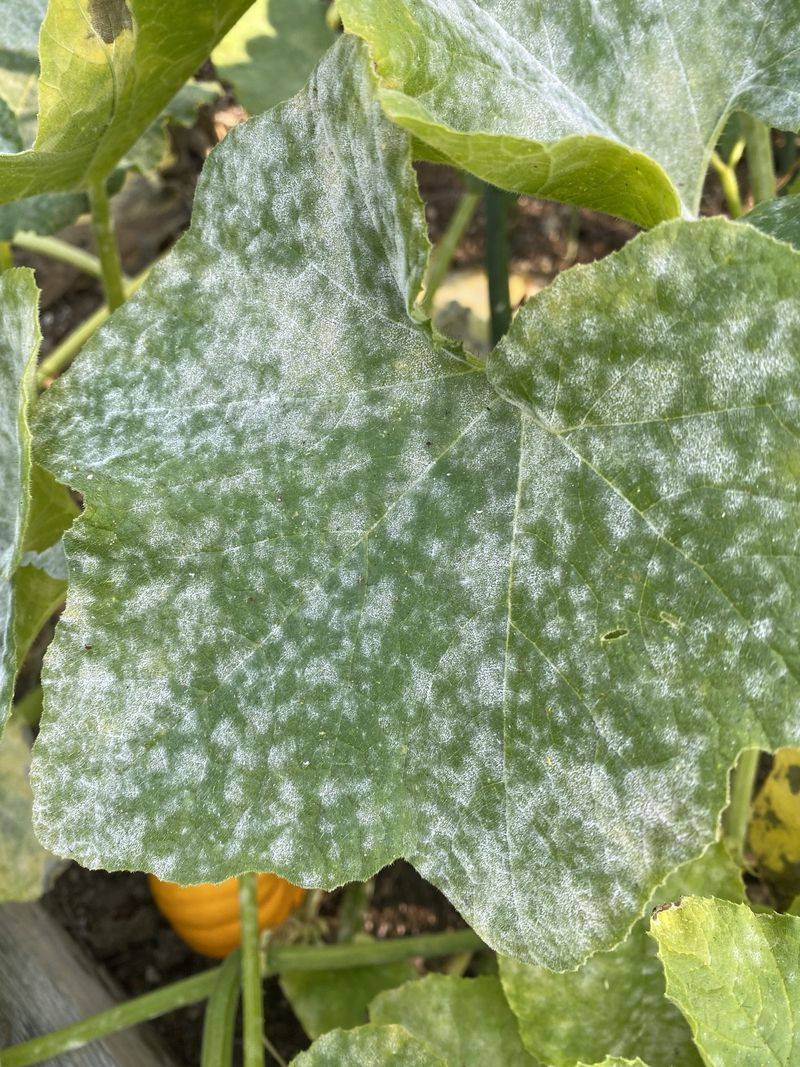
Few things fuel powdery mildew as reliably as the classic Piedmont weather pattern of warm, sunny afternoons followed by noticeably cooler evenings.
This temperature swing, which happens regularly from late spring through early fall in North Carolina, creates condensation-like conditions on leaf surfaces without any visible moisture forming.
Spores that have been sitting dormant suddenly find the perfect window to activate.
Research from North Carolina State University Extension confirms that powdery mildew develops most aggressively when daytime temperatures hover between 60 and 80 degrees Fahrenheit and nighttime temperatures drop significantly.
The Piedmont region hits this sweet spot frequently during spring and fall, which is exactly when gardeners tend to notice the worst outbreaks on plants like phlox, roses, and crape myrtles.
You cannot change the weather, but you can absolutely work with it. Planting mildew-resistant varieties is one of the smartest moves any Piedmont gardener can make.
Keeping plants well-watered and properly fertilized also helps, since stressed plants are far more vulnerable to infection during temperature swings.
Applying a preventive organic spray like neem oil or a baking soda solution before peak mildew season adds another layer of protection.
Timing your garden care around these predictable weather patterns means you stay one step ahead of the fungus instead of constantly reacting to outbreaks after they appear.
4. Too Much Shade Reduces Leaf Drying
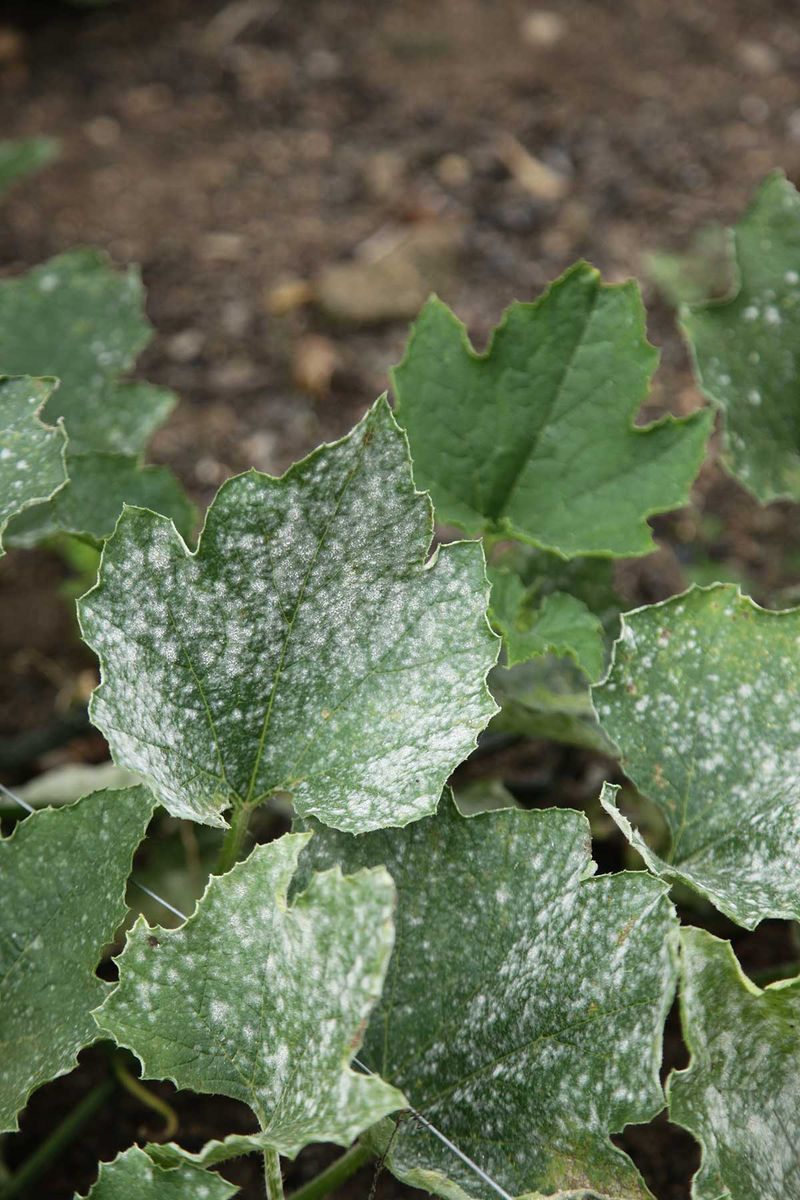
Shade feels like a gardening luxury during hot Piedmont summers, but too much of it creates a hidden problem that many gardeners overlook.
When plants sit in deep shade for most of the day, their leaves simply do not dry out fast enough after dew, irrigation, or humid overnight air.
That prolonged surface moisture gives powdery mildew spores the time they need to establish and spread.
The North Carolina Piedmont is full of mature oak, maple, and pine trees that cast wide, dense shadows across garden beds.
Plants growing beneath these canopies may look perfectly healthy in terms of leaf color and growth, but they stay damp far longer than plants in sunnier spots.
Over time, that dampness adds up and fungal problems become almost inevitable without some intervention.
Morning sun is your best friend in this situation. Whenever possible, position susceptible plants where they receive direct sunlight during the earlier part of the day, since morning sun dries foliage quickly and sets plants up for a healthier afternoon.
If your yard is heavily shaded, consider choosing shade-tolerant plants that also carry mildew resistance, such as certain hydrangea varieties or native species adapted to southeastern woodland conditions.
Trimming lower tree branches to raise the canopy and allow more filtered light to reach garden beds is another practical solution that makes a noticeable difference in Piedmont gardens over time.
5. Overhead Watering Extends Leaf Moisture

Watering your garden should help plants grow, not invite fungal trouble, but the method you use matters just as much as the amount of water you apply.
Overhead sprinklers and handheld hoses directed at foliage leave leaves wet for extended periods, which is exactly the environment powdery mildew needs to take hold.
In North Carolina’s warm, humid climate, wet leaves in the afternoon or evening can stay damp well into the night.
Many Piedmont gardeners water in the evening after work because it feels convenient, but that timing is one of the biggest contributors to recurring mildew outbreaks.
When water sits on leaves through the cool overnight hours, spores that have already landed on the foliage get the moisture boost they need to germinate and spread. By morning, the infection is already underway even if you cannot see it yet.
Switching to drip irrigation or soaker hoses is one of the most impactful changes you can make in a Piedmont garden. These systems deliver water directly to the soil at the root zone, keeping foliage completely dry.
If overhead watering is your only option, always water early in the morning so leaves have the full warmth of the day to dry off completely.
This one habit shift can reduce powdery mildew outbreaks significantly, especially on high-risk plants like cucumbers, squash, roses, and zinnias that are common in local gardens.
6. Excess Nitrogen Causes Vulnerable Growth
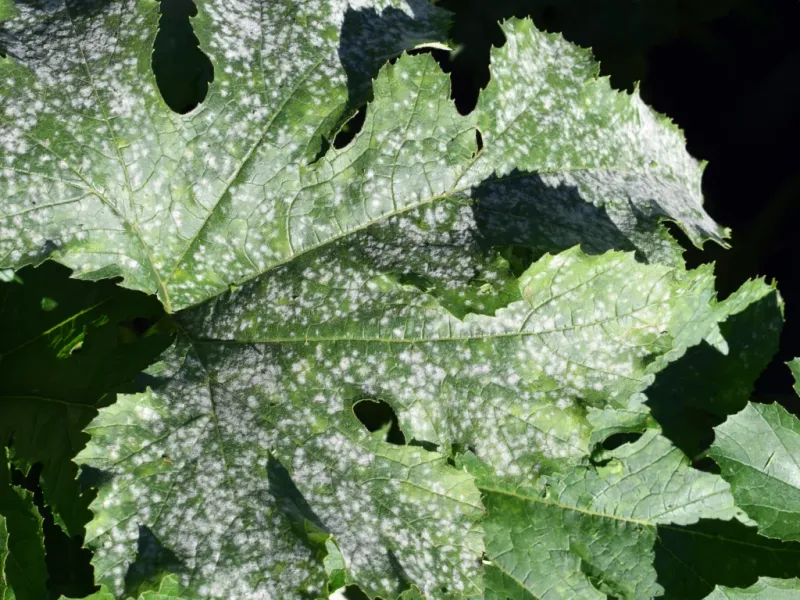
More fertilizer does not always mean a better garden, and powdery mildew is one of the clearest examples of why. When plants receive too much nitrogen, they push out rapid, soft, tender new growth that looks lush and vibrant at first glance.
The problem is that this type of growth is structurally weaker and far easier for powdery mildew spores to penetrate and colonize.
North Carolina Piedmont soils, which are often clay-heavy, can hold onto nutrients longer than lighter soils. That means nutrients from previous fertilizer applications may still be available even when you think the soil is depleted.
Repeatedly adding high-nitrogen fertilizers without testing the soil first can push plants into a constant state of vulnerable new growth, making them easy targets for fungal infection throughout the growing season.
Getting a soil test through the North Carolina Cooperative Extension is a practical and affordable way to understand exactly what your garden needs. Testing removes the guesswork and prevents over-application of nutrients that can do more harm than good.
When plants do need feeding, choose a balanced fertilizer with moderate nitrogen levels rather than a high-nitrogen formula designed for rapid green growth.
Slow-release options are particularly helpful because they feed plants steadily over time rather than triggering sudden flushes of soft tissue.
Keeping growth steady and strong, rather than fast and fragile, is a simple strategy that reduces mildew pressure all season long.
7. Infected Plant Debris Allows Repeated Outbreaks
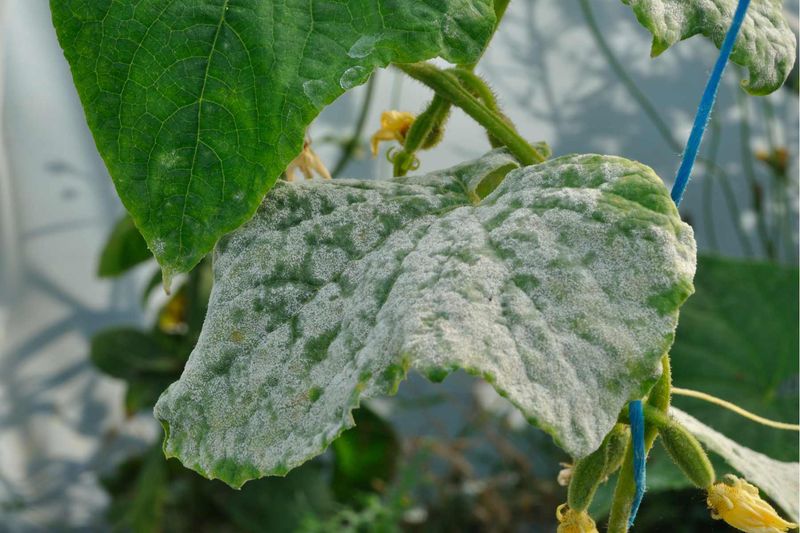
One of the sneakiest reasons powdery mildew keeps returning to Piedmont gardens year after year has nothing to do with new spores blowing in from somewhere else. The source is often already sitting right in your garden beds.
Infected leaves, stems, and plant debris left on the ground through winter carry dormant spores that wake up and reinfect plants as soon as warm, humid conditions return in spring.
North Carolina’s Piedmont region experiences relatively mild winters compared to areas farther north, which means spores on plant debris often survive without being fully broken down by cold temperatures.
This carryover effect is especially common with plants like roses, phlox, and squash, which are notorious hosts for powdery mildew and are widely grown throughout the region.
Each fall, that leftover debris becomes a ready-made launching pad for next season’s outbreak.
Fall cleanup is genuinely one of the most powerful tools in a gardener’s arsenal against recurring powdery mildew. Removing and bagging infected plant material rather than leaving it on the ground or adding it to a compost pile breaks the cycle in a meaningful way.
Compost piles that do not reach high internal temperatures, typically above 140 degrees Fahrenheit, will not reliably destroy fungal spores. Disposing of heavily infected debris in yard waste bags is the safer choice.
Combining thorough fall cleanup with resistant plant selections and good cultural practices gives Piedmont gardens the best possible start each new growing season.