Why Pruning Crape Myrtles Too Late In North Carolina Can Delay Blooms
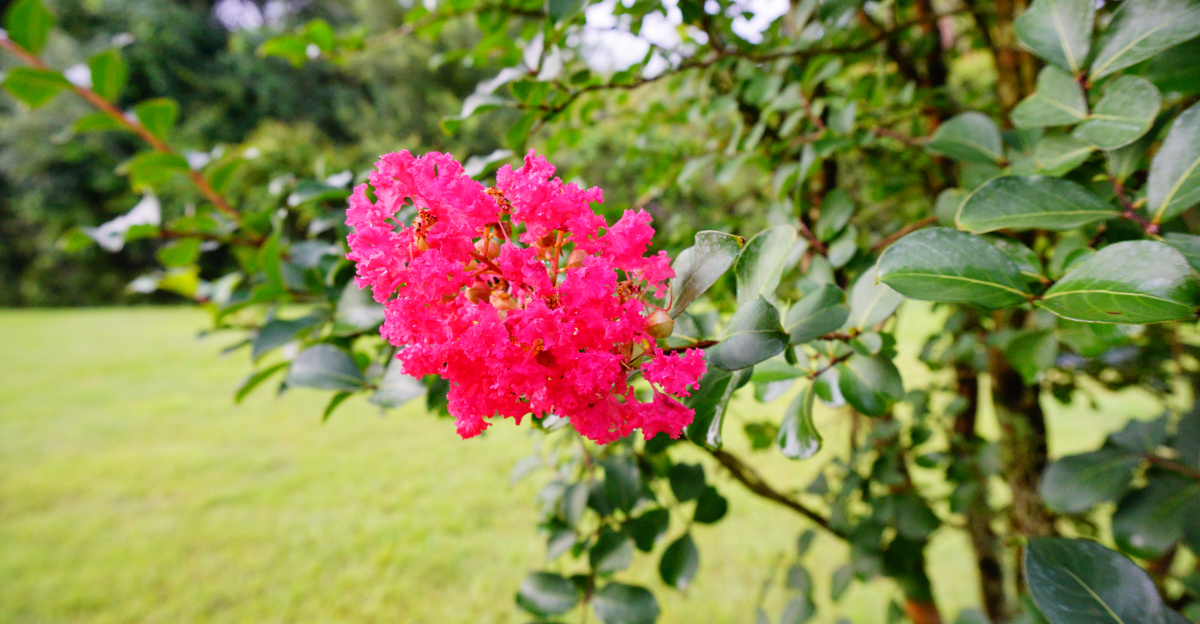
Crape myrtles may seem tough enough to handle pruning anytime, but timing matters more than many North Carolina gardeners think. Cut them back too late, and you could slow down the very growth that leads to summer flowers.
These trees bloom on new wood, which means they need time in spring to push fresh shoots and form buds. When pruning happens after that growth is already underway, the plant has to recover first instead of moving straight toward blooming.
That delay can push flowers back and leave gardeners wondering why their crape myrtle is taking so long to put on a show. In some cases, late cuts can also lead to weak growth and a less natural shape.
For anyone hoping for strong color and a full display, knowing when to prune can make a big difference long before the first blooms appear.
1. Blooming Depends On New Spring Growth Timing
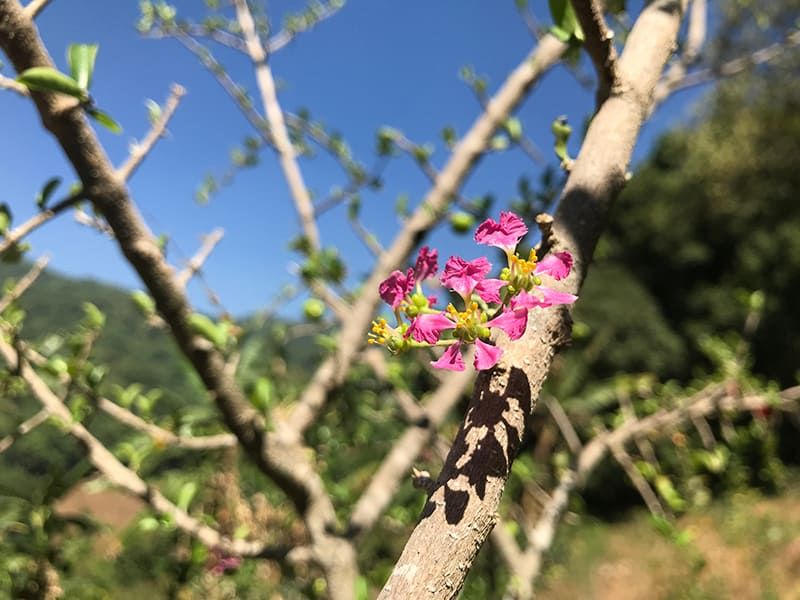
Crape myrtles have a fascinating way of producing their blooms each year. Every single flower cluster you see in summer grows from brand-new shoots that the tree pushes out in spring.
That means the timing of when those shoots develop is directly tied to when your blooms will appear.
In North Carolina, spring growth typically kicks off in late March and picks up speed through April. Once those new shoots begin growing, they are already working their way toward flower production.
The plant is essentially running on a seasonal schedule, and anything that interrupts that schedule will shift everything back.
If you prune after that spring growth has started, you are cutting away stems that were already progressing toward blooming. The tree then has to start over, pushing out fresh shoots from scratch.
That restart costs time, and in North Carolina’s growing season, time is something you do not want to waste.
Gardeners who prune at the right moment give those new shoots the maximum possible runway to develop fully and produce those gorgeous summer flower clusters everyone looks forward to seeing.
2. Late Pruning Delays New Shoot Development
Imagine a runner who is already halfway through a race suddenly having to go back to the starting line. That is essentially what happens to a crape myrtle when you prune it after active spring growth has begun.
In North Carolina, once April arrives, these trees are already in motion, pushing out new shoots with real energy and momentum.
Cutting back at that point forces the plant to abandon all that early progress. It has to redirect its resources and start producing brand-new shoots from the base of the cut stems.
That process takes time, typically several weeks, before those new shoots are long enough and strong enough to even begin thinking about forming flower buds.
The result is a noticeable shift in your bloom schedule. Flowers that would have appeared in June or early July might not show up until late July or even August.
In some cases, the blooming window gets shortened significantly because the season simply runs out before the plant can fully develop.
Gardeners across North Carolina who have experienced this firsthand will tell you that late pruning is one of the most common reasons their crape myrtles seem to bloom later than their neighbors’ trees.
Getting ahead of that growth window makes a real and visible difference come summertime.
3. Warmer NC Springs Speed Up Growth Cycles
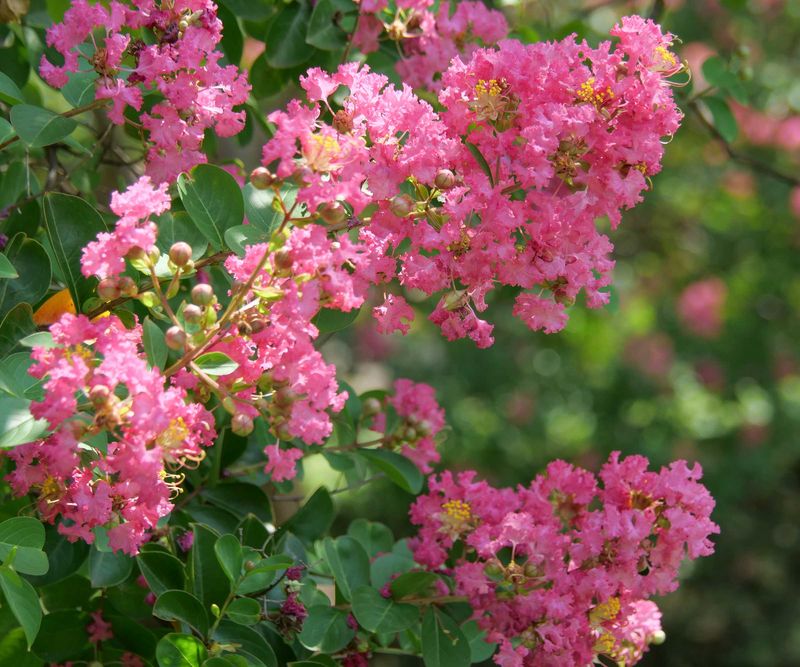
North Carolina sits in a sweet spot climatically, where spring temperatures warm up faster than in many northern states. That warming trend starts nudging crape myrtles out of dormancy earlier than most gardeners expect.
By mid-March in the Piedmont and coastal regions of NC, soil temperatures are already climbing, and the trees are responding.
This accelerated growth cycle is actually one of the things that makes crape myrtles so spectacular in North Carolina. The warm springs give them a long runway to develop strong shoots and load up with flower buds before the heat of summer arrives.
But that same warmth means the window for safe, effective pruning closes earlier than people assume.
A gardener in Charlotte or Raleigh who waits until late March thinking it is still early enough may already be cutting into active growth. The tree has quietly been waking up for weeks by that point.
Understanding how NC’s climate affects the growth calendar helps you stay ahead of the curve. Pruning in February or very early March, before that warming trend really takes hold, keeps you in sync with the plant’s natural rhythm.
Working with the season rather than against it means your crape myrtles will reward you with earlier, fuller, and more impressive blooms all summer long.
4. Flower Bud Formation Happens After Growth Begins
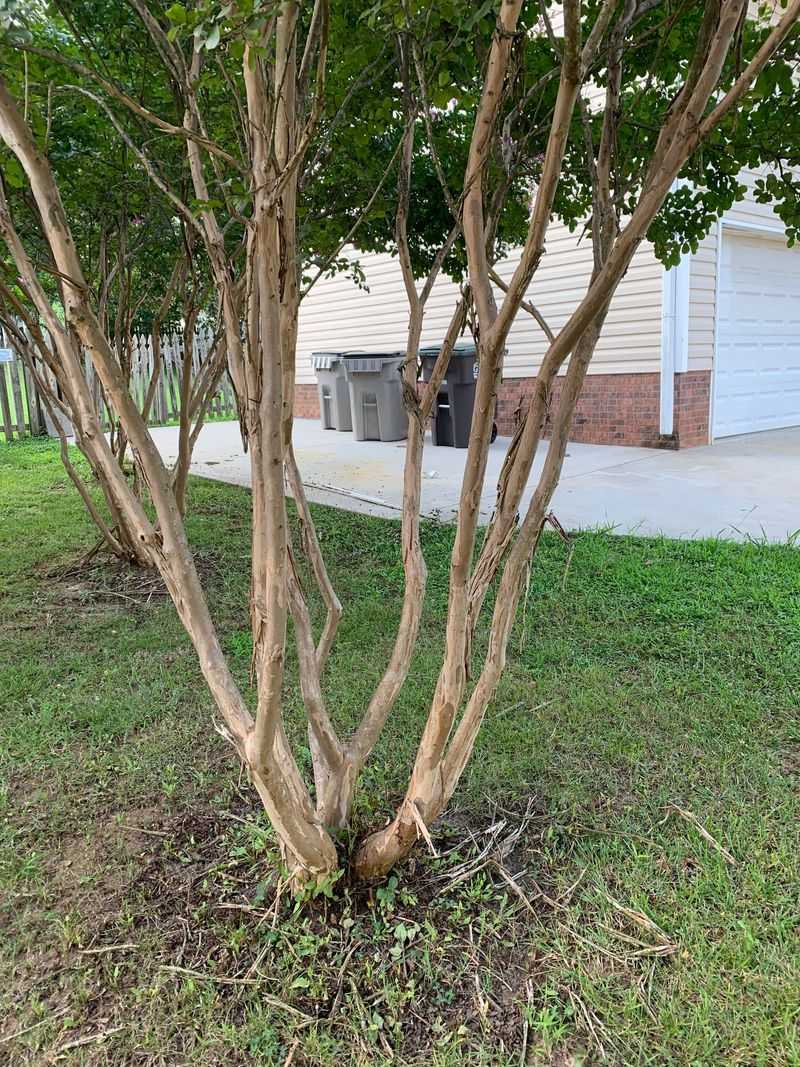
Most people think of pruning and blooming as two separate events, but they are actually tightly connected through a chain of growth steps.
After a crape myrtle pushes out new shoots in spring, those shoots need time to mature before they can even begin forming flower buds.
The buds do not appear immediately; they develop gradually as the new growth lengthens and strengthens over several weeks.
Pruning too late removes those developing shoots before they ever get the chance to form buds.
The tree then has to grow entirely new stems, which means the whole bud-formation process gets pushed back by the same amount of time it takes to regrow what was removed.
In North Carolina’s climate, that delay can easily add four to six weeks to your bloom schedule. Think of it like baking bread. You can not rush the rising stage by skipping steps; the process has its own timeline.
Crape myrtles work the same way. Each stage of growth builds on the last, and disrupting an early stage delays everything that follows.
Gardeners who understand this chain reaction tend to be very protective of their early spring growth.
Keeping those first tender shoots intact and letting them develop naturally is one of the simplest and most effective things you can do to guarantee a stunning summer bloom display in your North Carolina yard.
5. Reduced Energy Efficiency For The Plant
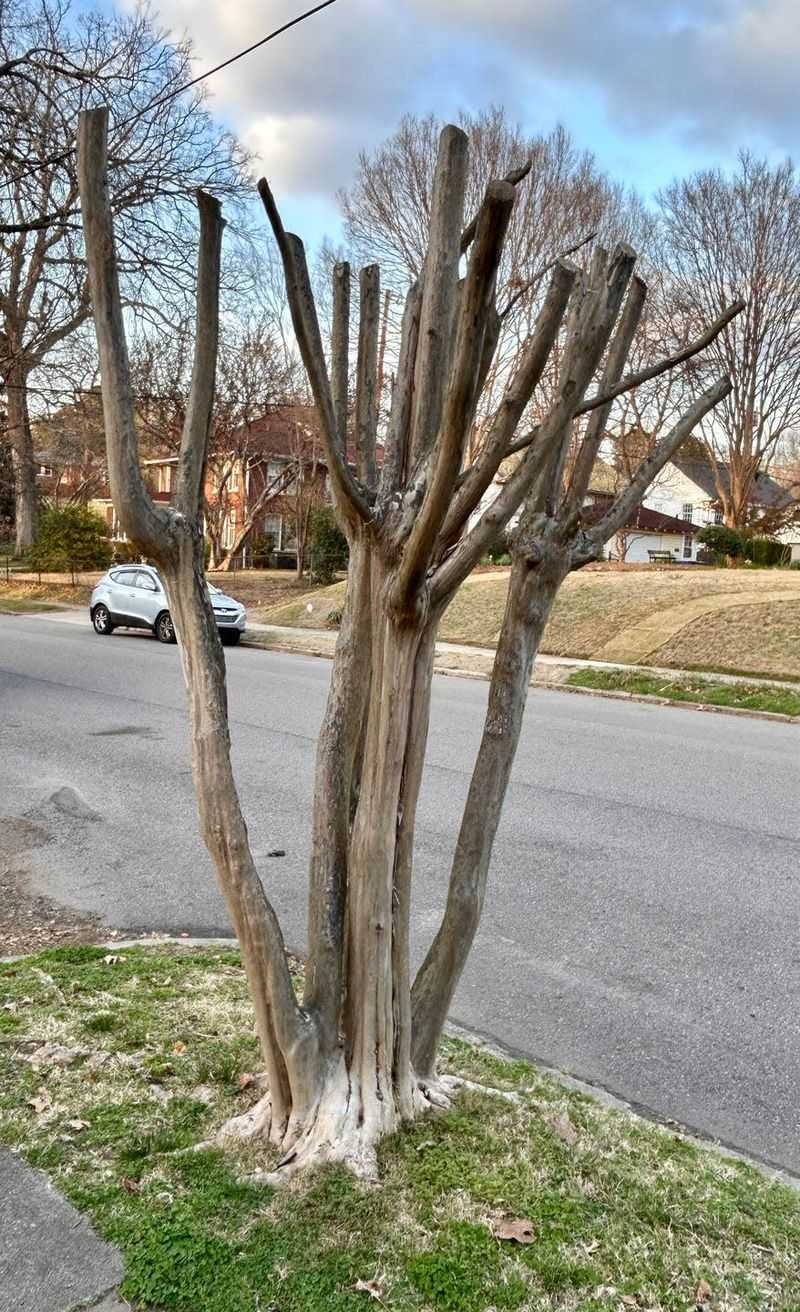
Plants run on stored energy, and crape myrtles are no different. All through fall and winter, these trees quietly store up carbohydrates in their roots and woody stems.
When spring arrives, that stored energy gets directed toward pushing out new growth and eventually producing flowers. It is a beautifully efficient system when left on its natural schedule.
Late pruning throws a wrench into that efficiency. When you cut back a crape myrtle after it has already started growing, the plant has to spend a significant portion of its stored reserves just to regrow the branches you removed.
That energy could have gone directly into developing flowering stems and producing abundant blooms, but instead it gets used up on basic regrowth and recovery.
The practical result for North Carolina gardeners is that late-pruned trees often look a bit slower and less vigorous heading into summer. They may produce fewer flower clusters, and the ones they do produce might appear later in the season.
Some trees bounce back quickly, but others, especially younger or newly planted ones, can struggle noticeably. Pruning during the dormant period in late winter keeps the plant’s energy budget intact and fully focused on the right priorities.
Your crape myrtle gets to spend its resources on making your yard look spectacular rather than playing catch-up after an untimely trim.
6. Longer Time Needed To Regrow Flowering Wood
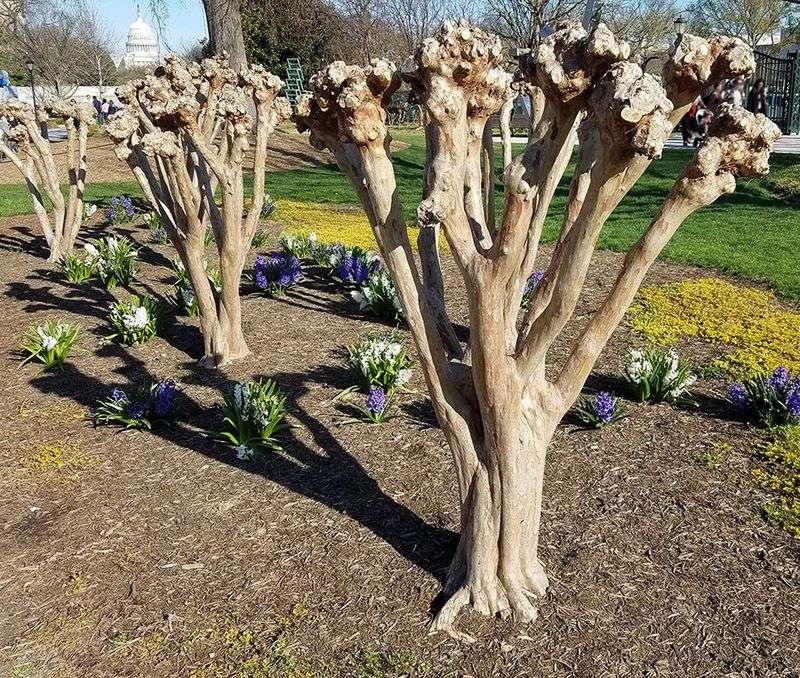
There is a simple truth about crape myrtles that every North Carolina gardener should keep in mind: not all new growth is ready to bloom right away.
After pruning, a crape myrtle grows replacement shoots, but those shoots need time to reach a certain length and maturity before they can support flower clusters. That maturation process simply cannot be rushed.
When pruning happens in late winter before growth starts, the new shoots have the entire spring season to develop. By the time summer arrives, they are long, strong, and ready to burst into bloom right on schedule.
But when pruning happens in April or later, those replacement shoots are starting from scratch during a period when the season is already advancing quickly.
North Carolina summers are long and warm, which helps, but there is still a meaningful difference between shoots that have been developing since early March and ones that only started in late April or May.
The later shoots may not reach full flowering maturity until midsummer or beyond, shortening the overall bloom season.
For gardeners who love the look of crape myrtles lining a driveway or filling a backyard, that shortened display is genuinely disappointing.
Getting your pruning done in the February to early March window gives every shoot the full growing season it needs to produce the longest and most impressive bloom period possible.
7. Can Lead To Fewer Or Smaller Blooms
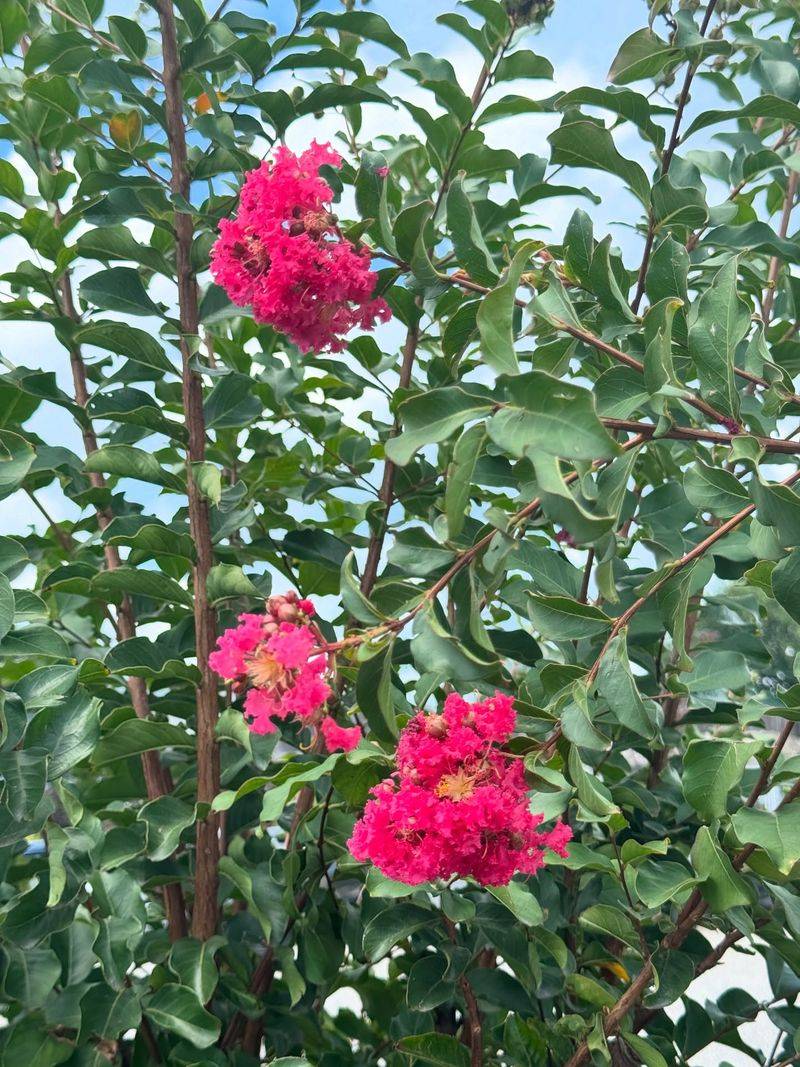
Few things are more frustrating for a gardener than a crape myrtle that blooms weakly after a whole season of waiting.
Smaller flower clusters and fewer of them are classic signs that something disrupted the plant’s natural growth cycle, and late pruning is one of the most common culprits across North Carolina yards.
When the growing season gets cut short by a late pruning, the new shoots simply do not have enough time to develop into the strong, thick flowering stems that produce big, showy bloom clusters.
The plant does its best with the time available, but the results reflect the shortened development window. Blooms may appear smaller, more scattered, or less vibrant than they would have been with proper timing.
The good news is that this problem is completely avoidable with a small adjustment to your pruning calendar. Moving your trim date from late spring back to late winter can make a dramatic visual difference by July and August.
Gardeners in North Carolina who have made that switch often say it feels like getting a completely different tree. The clusters get bigger, the colors look richer, and the overall display lasts longer.
A little planning in February pays off in a big, beautiful way when your crape myrtle is putting on its best summer show for the whole neighborhood to admire.
8. Best Timing Is Late Winter In North Carolina
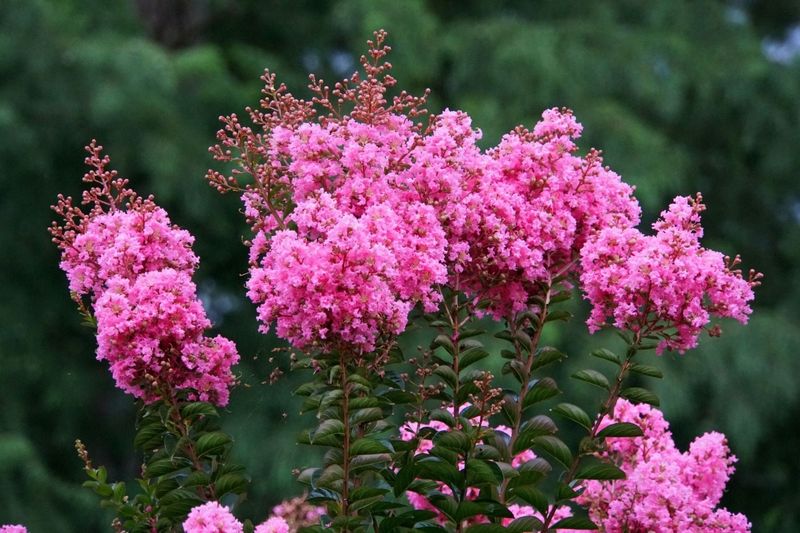
Experienced crape myrtle growers in North Carolina will point to one golden rule above all others: prune in late winter before the tree wakes up.
The ideal window runs from mid-February through early March for most parts of the state, including the Piedmont, Triangle, and coastal plain regions.
During this period, the tree is still dormant, the branches are bare, and no new growth has started yet.
Pruning during dormancy offers several real advantages. You can clearly see the branch structure without leaves in the way, making it easier to identify which branches to remove.
The tree has not yet committed any of its stored energy to new growth, so it can redirect those resources immediately into the fresh shoots that follow your cuts. That means faster, stronger regrowth and a longer runway toward summer blooms.
The type of pruning matters too. North Carolina State University Extension recommends removing only crossing branches, suckers from the base, and any twiggy growth from the interior.
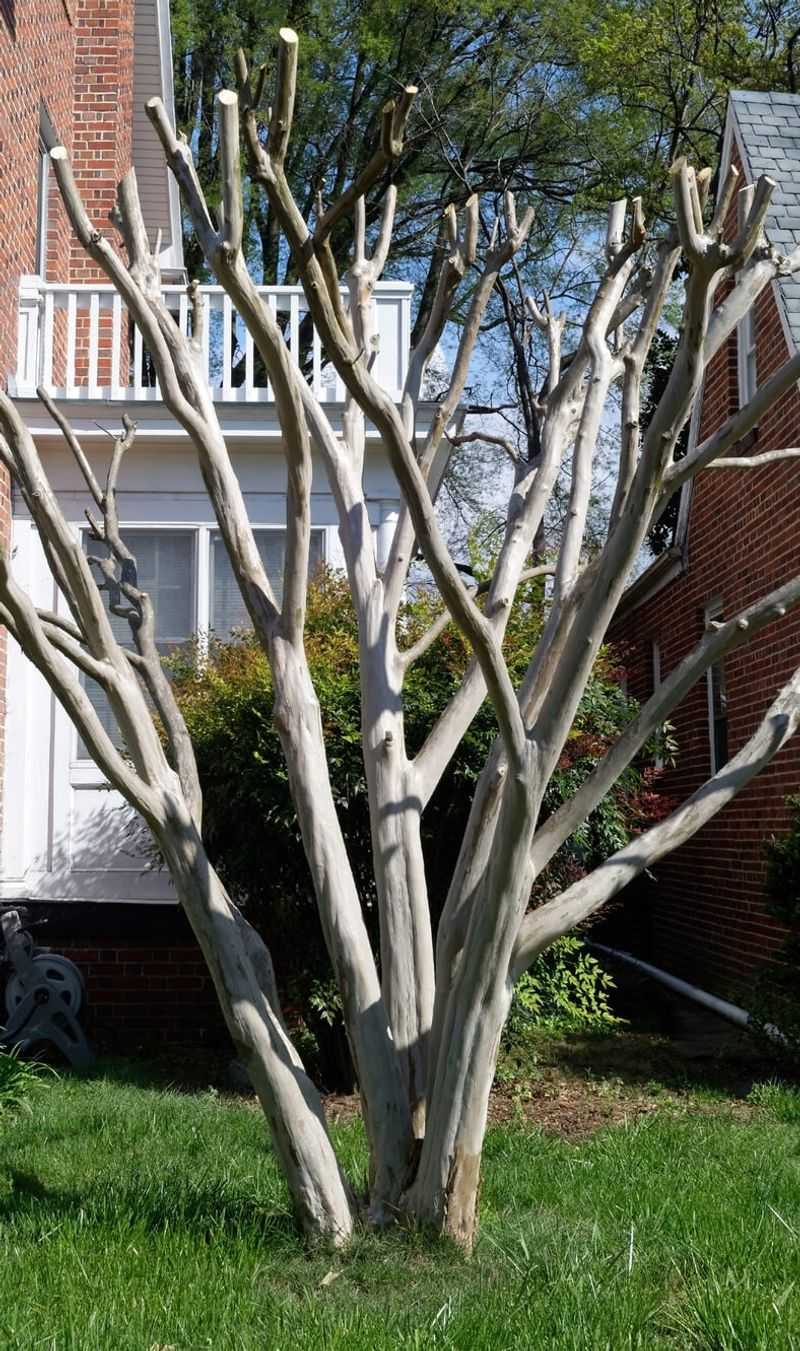
Avoid the heavy topping that has become unfortunately common in many neighborhoods, sometimes called crape murder, because it weakens the tree’s structure over time.
Light, thoughtful pruning in late winter keeps your crape myrtle healthy, naturally shaped, and primed for a spectacular bloom season.
When you respect the tree’s natural timing and growth habits, it rewards you with one of the most dazzling summer displays in your entire North Carolina garden.