Why Purple Coneflower Is One Of The Most Reliable Native Plants In North Carolina Gardens
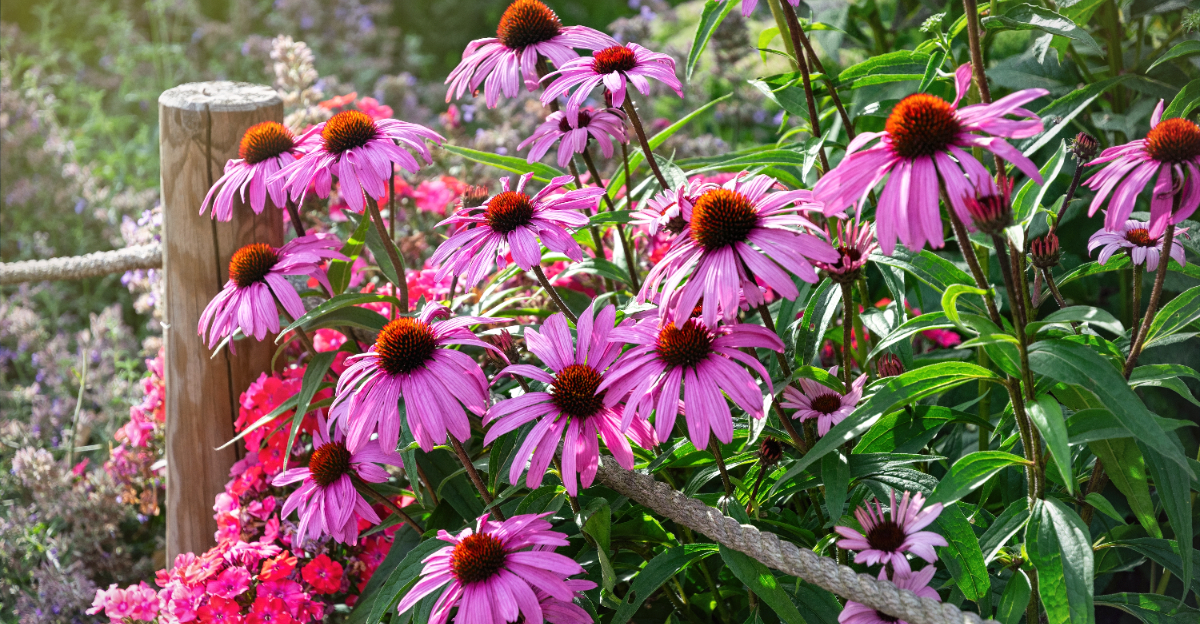
Some plants earn their place in North Carolina gardens by proving themselves year after year, and Purple Coneflower is one of the most trusted.
Known scientifically as Echinacea purpurea, this hardy native perennial has become a favorite across the state thanks to its vibrant pinkish purple blooms and dependable seasonal performance.
It thrives in a wide range of conditions, making it one of the most popular plants for gardeners who want beauty without constant maintenance.
From sunny backyards in Raleigh to garden beds in the Piedmont and cooler landscapes in the Mountains, Purple Coneflower adapts easily to North Carolina’s varied growing regions.
Its long blooming season and strong resilience make it a standout choice for both new and experienced gardeners.
It is easy to see why so many North Carolina gardeners keep adding this reliable native to their landscapes. Now, do you want to know what makes Purple Coneflower such a popular plant across the Tar Heel State?
1. It Thrives In A Variety Of Soil Types
Not every plant can handle whatever soil you throw at it, but Purple Coneflower genuinely can.
Whether your North Carolina garden has sandy coastal soil, dense clay found in the Piedmont region, or the looser loamy ground common in many backyards, this plant settles in and gets to work.
That kind of flexibility is rare and genuinely exciting for home gardeners who deal with imperfect growing conditions.
Sandy soils drain quickly and can leave many plants thirsty and struggling, yet Purple Coneflower pushes through with its deep, strong root system.
Clay soils, on the other hand, hold moisture longer and can suffocate roots, but this resilient native adapts surprisingly well even there.
You do not need to spend hours amending your garden beds before planting, which saves a lot of time and effort.
Across North Carolina, soil conditions can change dramatically from one county to the next, and that unpredictability challenges even experienced gardeners.
Purple Coneflower handles those regional differences without skipping a beat. The one thing it genuinely appreciates is decent drainage, so if your clay soil sits in standing water after heavy rain, mixing in a little compost can go a long way.
Overall, few native plants offer this level of soil adaptability, making it a smart and stress-free choice for gardeners throughout the state.
2. Tolerates Drought Once Established
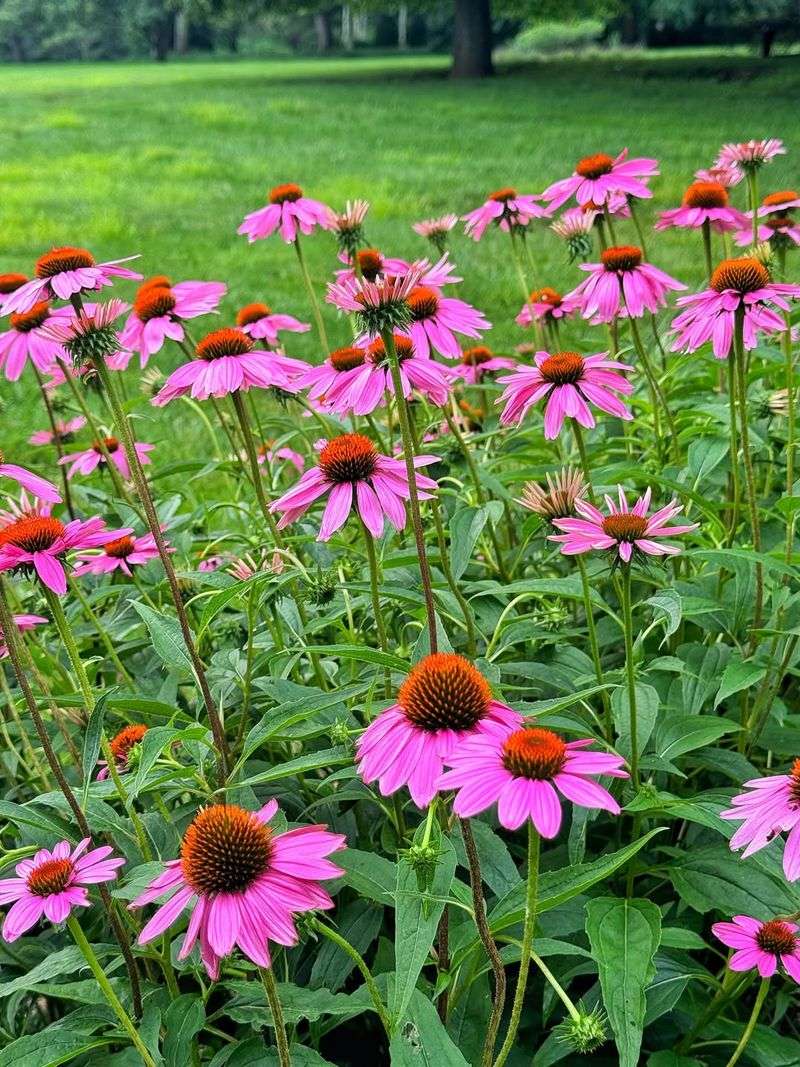
North Carolina summers can be brutally hot and surprisingly dry, especially in the central and western parts of the state.
Many garden plants wilt, turn yellow, or simply give up when rainfall drops off for weeks at a time.
Purple Coneflower, though, has a trick up its sleeve: a deep, wide-reaching root system that hunts down moisture far below the soil surface.
During its first growing season, Purple Coneflower does benefit from regular watering while it gets established.
Once those roots have had a full season to spread and anchor themselves, the plant becomes remarkably self-sufficient.
Gardeners across North Carolina often report that their coneflowers sail through summer dry spells that send other perennials into distress, and that kind of toughness is hard to beat.
Drought tolerance is not just a convenience feature; it is a genuine time and money saver. You spend less time hauling hoses around the yard, use less water overall, and still enjoy a gorgeous, full garden through the warmest months.
For anyone living in a region like the North Carolina Sandhills or the Piedmont, where summer rain can be unpredictable, planting drought-tolerant natives like Purple Coneflower is simply a smart garden strategy.
It rewards patience with reliable, cheerful blooms even when conditions get tough.
3. Attracts Pollinators Like Bees And Butterflies
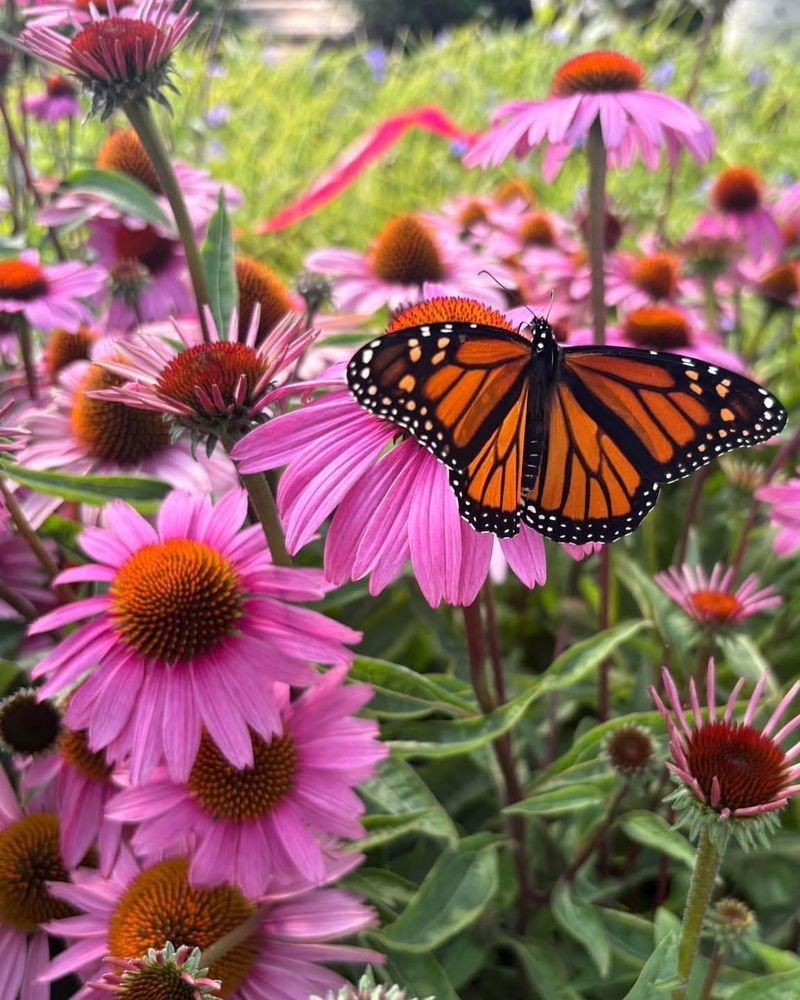
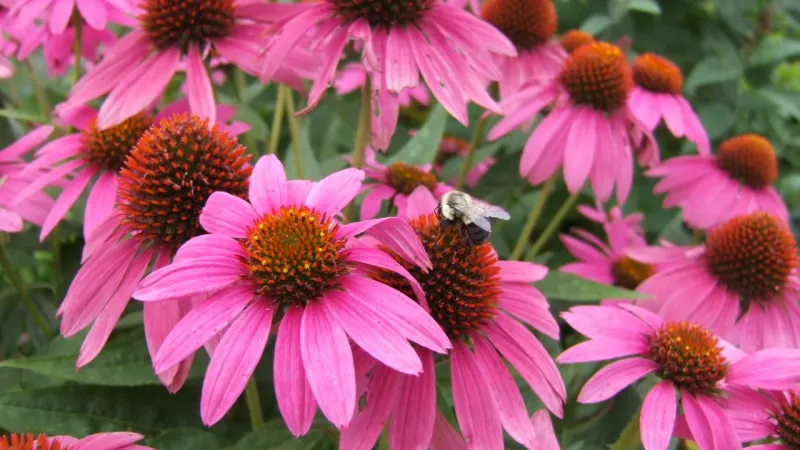
Walk past a patch of Purple Coneflower on a warm summer morning in North Carolina and you will likely hear it before you see it.
The buzzing of bumblebees, the flutter of swallowtail butterflies, and even the occasional hummingbird create a lively, joyful scene around these bright blooms.
Few native plants draw such a wide variety of pollinators as reliably as Echinacea purpurea. Bees are especially drawn to the wide, open flower heads, which make landing and feeding easy.
Butterflies like the Eastern Tiger Swallowtail and the Painted Lady are regular visitors throughout the blooming season.
This steady flow of pollinators does far more than look pretty; it supports the broader garden ecosystem by helping nearby vegetables, fruits, and flowering plants reproduce successfully.
North Carolina is home to hundreds of native bee species, many of which face habitat loss and food scarcity.
Planting Purple Coneflower gives these important insects a reliable nectar and pollen source right in your backyard.
Community gardens and school gardens across the state have embraced coneflowers specifically because they turn any green space into a buzzing, fluttering wildlife habitat.
If you want one plant that does more ecological good than almost anything else you could grow, Purple Coneflower belongs at the very top of your list.
4. Blooms From Late Spring Through Summer
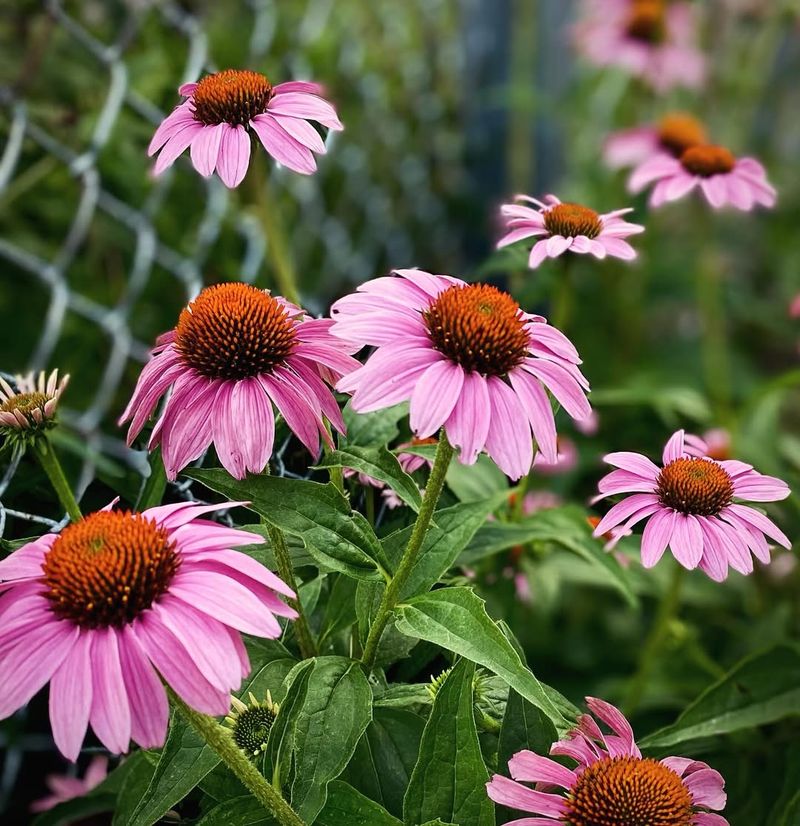
One of the most satisfying things about Purple Coneflower is how long it keeps your North Carolina garden looking vibrant and full of color.
Blooms typically begin appearing in late spring, usually around May or early June depending on your location in the state, and the flowers keep coming well into late summer.
That is a remarkably generous blooming window for a perennial plant. The secret behind this long season is the way Purple Coneflower produces flowers in waves rather than all at once.
As older blooms mature and begin to form seed heads, new buds push up from the base of the plant.
Deadheading, which simply means snipping off spent flowers, encourages even more blooms to form and can extend the show by several weeks.
For North Carolina gardeners who love a colorful yard but do not want to replant every few weeks, this extended blooming period is a real gift.
You can pair Purple Coneflower with other native perennials like black-eyed Susans and bee balm to create a seamless tapestry of color from spring all the way through the end of summer.
Visitors to your garden will wonder how you keep everything looking so fresh and full for so many months. The answer is simpler than they might expect.
5. It’s A Low-Maintenance Plant
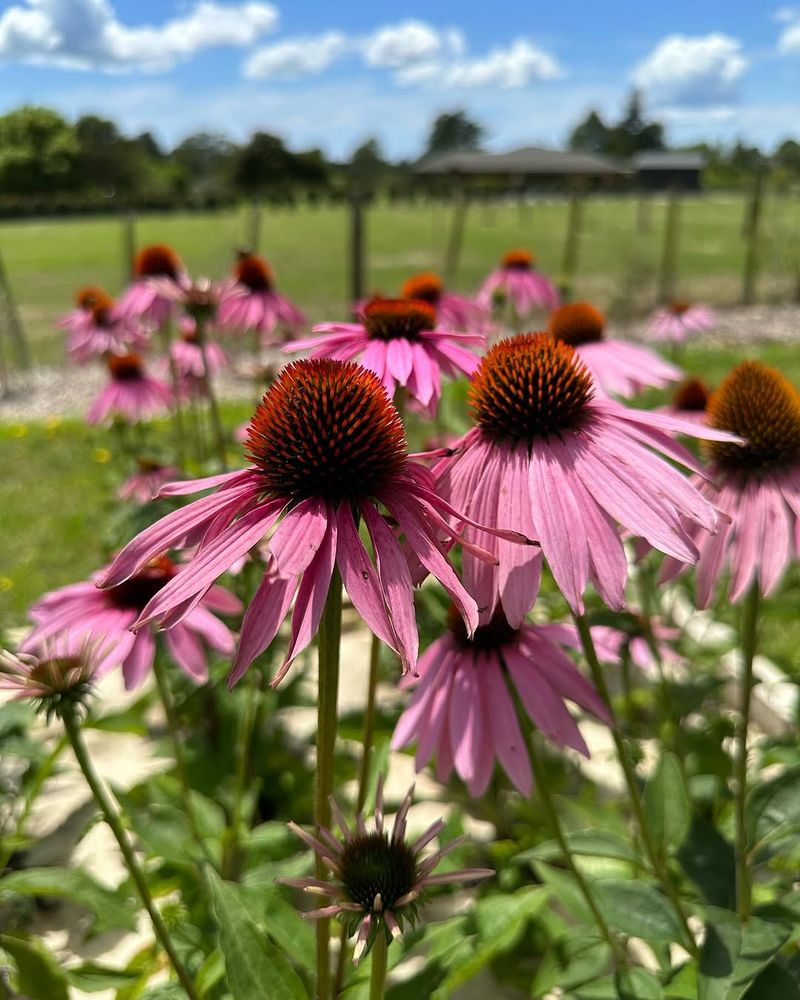
Busy schedules and demanding gardens do not mix well, which is exactly why so many North Carolina gardeners have fallen for Purple Coneflower.
Once this plant is in the ground and settled, it asks for very little in return. No complicated fertilizer schedules, no weekly spraying, and no constant fussing required.
The main task most gardeners take on is occasional deadheading, which simply involves removing spent blooms to encourage fresh ones.
Even that step is optional; if you skip it, the plant will still bloom well and the seed heads that form afterward provide food for birds through the fall and winter.
Watering is really only necessary during the first season or during extreme dry stretches in subsequent years. Purple Coneflower also does not demand rich soil or special amendments to perform well.
Many gardeners across North Carolina report that their coneflowers thrive with nothing more than a light layer of mulch in spring and a bit of cleanup in late winter.
For newer gardeners who worry about keeping plants alive, this is one of the most forgiving choices available.
For experienced gardeners who want reliable beauty without constant effort, it is equally valuable.
Either way, Purple Coneflower delivers impressive results for a surprisingly small investment of time and energy.
6. Hardy And Resilient In North Carolina’s Climate
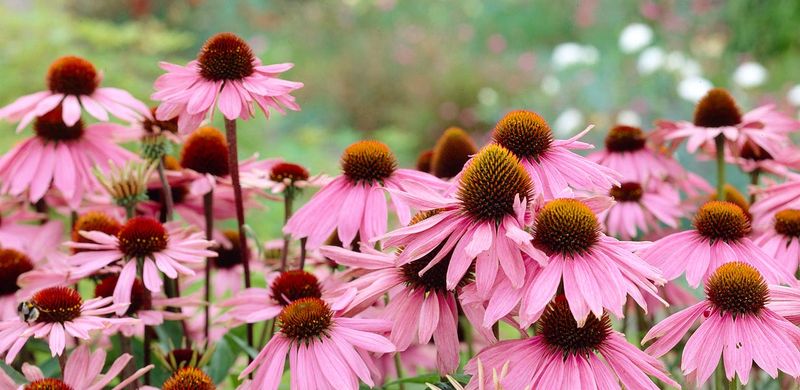
North Carolina spans an impressive range of climates, from the warm, humid coastal plain in the east to the cooler, sometimes snowy mountain regions in the west.
Finding a single plant that performs reliably across all those conditions is not easy, but Purple Coneflower manages it with confidence.
As a true native perennial, it evolved right alongside the varied landscapes of the eastern United States.
Purple Coneflower is rated hardy in USDA zones 3 through 9, which covers every part of North Carolina comfortably.
Summer heat in Charlotte or Fayetteville does not slow it down. Winter cold in Boone or Blowing Rock does not knock it out either.
The plant simply goes dormant in late fall, stores energy in its roots, and pushes back up fresh and strong when spring arrives.
This built-in resilience means you do not need to dig up and store roots before winter, cover the plant with protective materials, or worry about it surviving a cold snap.
For gardeners who have lost tender perennials to a late frost or a surprise cold spell, the reliability of Purple Coneflower feels like a breath of fresh air.
Planting natives that are already adapted to your local climate is one of the smartest moves any North Carolina gardener can make, and this coneflower is a perfect example of why.
7. Disease And Pest Resistant
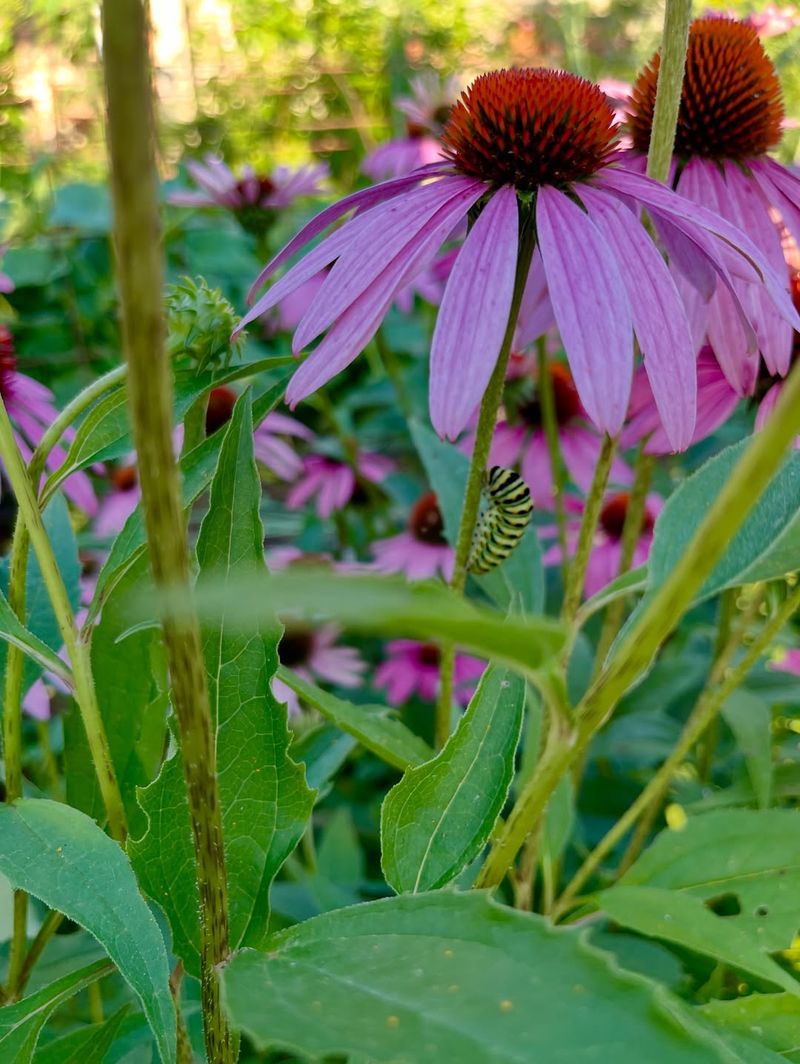
Imagine planting something beautiful and never having to reach for a pesticide spray bottle. That is the reality for most North Carolina gardeners who grow Purple Coneflower.
This tough native perennial has developed strong natural defenses over thousands of years of growing in eastern North American landscapes, and those defenses show up clearly in the garden.
Common garden pests like aphids and Japanese beetles may occasionally visit, but they rarely cause serious or lasting damage to a healthy, established plant.
Fungal diseases like powdery mildew can appear in very humid conditions, but good air circulation around the plant usually keeps this in check.
Choosing a planting spot with decent spacing and full sun goes a long way toward preventing any issues before they start.
One bonus that North Carolina gardeners especially appreciate is that deer tend to avoid Purple Coneflower.
The plant’s rough, slightly scratchy foliage and strong herbal scent make it unappealing to browsing deer, which can be a real problem in suburban and rural gardens across the state.
Compared to many popular garden perennials that require regular treatments and careful monitoring, Purple Coneflower stands out as a genuinely low-stress option.
Growing it means spending more time enjoying your garden and less time troubleshooting plant problems, which is exactly the kind of gardening most people actually want.
8. Self-Seeds And Expands Over Time
Plant Purple Coneflower once, and there is a good chance it will quietly multiply and fill your garden with more blooms year after year without you doing a thing.
This plant is a natural self-seeder, meaning the seeds that form in those spiky brown center cones eventually fall to the soil and sprout into brand new plants the following spring.
It is like getting free plants delivered right to your garden bed. Over several seasons, a single Purple Coneflower can grow into a generous clump and send seedlings popping up nearby.
North Carolina gardeners often find cheerful little coneflower sprouts appearing in unexpected spots along pathways or at the edges of beds, which can be a delightful surprise.
If a seedling sprouts somewhere inconvenient, it is easy to transplant while still small. This self-seeding habit makes Purple Coneflower an incredibly cost-effective choice for filling large garden spaces over time.
Rather than purchasing new plants every year, you simply let nature do the work. You can also collect seed heads in the fall and scatter them intentionally in areas where you want more coverage the following year.
For anyone trying to create a lush, naturalistic native plant garden in North Carolina without a huge ongoing budget, Purple Coneflower is one of the smartest investments you can make from the very start.
9. Attractive Seed Heads That Provide Winter Interest
Most gardeners think of Purple Coneflower as a summer star, but its value actually stretches well into the colder months.
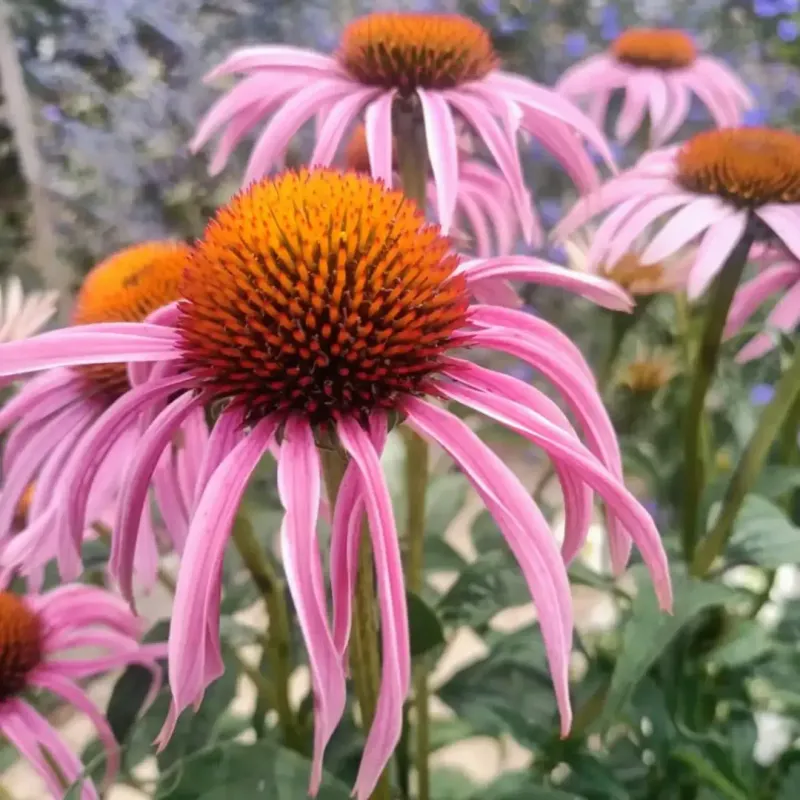
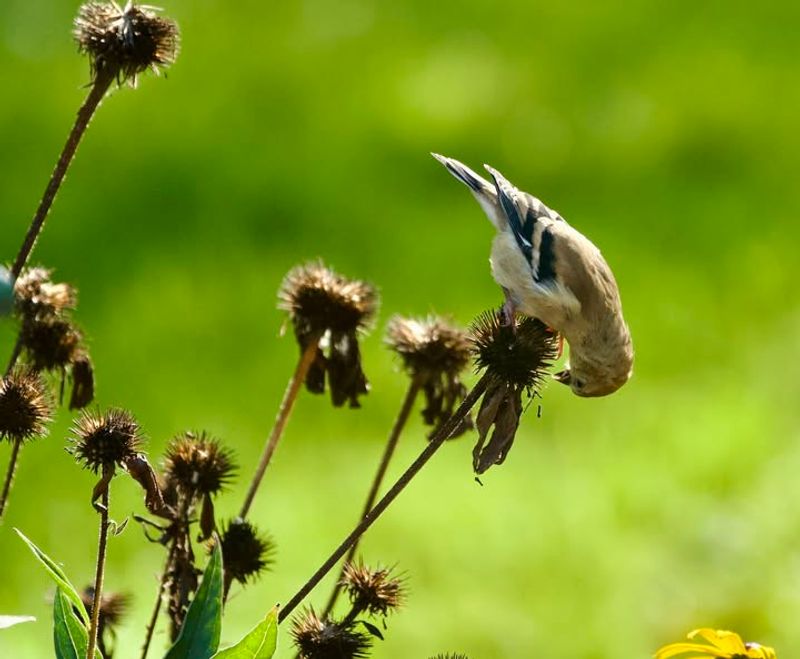
After the petals fade and fall away, the plant leaves behind bold, spiky, brown seed heads that stand tall on stiff stems throughout fall and winter.
In a season when most garden beds look bare and flat, those seed heads add real visual structure and texture.
Beyond looking interesting, those seed heads serve a very practical purpose for local wildlife.
Goldfinches are particularly famous for clinging to coneflower seed heads throughout the winter months, picking out the small dark seeds with precision and enthusiasm.
Watching these bright yellow birds work their way through a patch of coneflowers on a crisp winter morning in North Carolina is genuinely one of the most charming garden moments you can experience.
Leaving the seed heads standing through winter rather than cutting everything back in fall is a simple and impactful choice.
It supports birds and small mammals that rely on seed sources when food is scarce, and it gives your garden a naturalistic, intentional look that feels both beautiful and purposeful.
Many North Carolina gardeners and landscape designers now specifically recommend leaving native seed heads standing as part of a wildlife-friendly yard management approach.
Purple Coneflower makes that approach easy, rewarding, and visually appealing all at once.
10. Thrives In Full Sun And Partial Shade
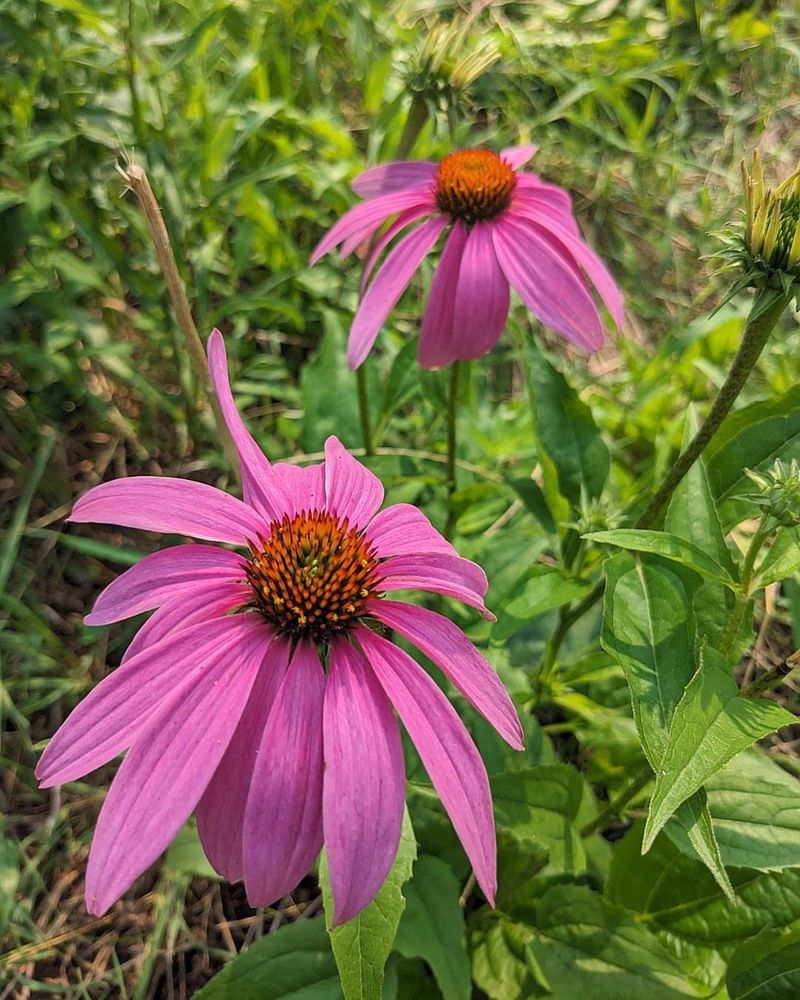
Not every garden comes with perfect, all-day sunshine, and not every gardener wants to redesign their yard to chase the sun.
Purple Coneflower makes the whole question of light requirements refreshingly simple. It performs beautifully in full sun, which is its preferred condition, but it also handles partial shade without losing its charm or its blooming power.
In North Carolina gardens where large trees create dappled shade for part of the day, Purple Coneflower still blooms well and holds its shape.
You might notice slightly taller stems in shadier spots as the plant reaches toward available light, but the flowers remain just as lovely.
Full sun, meaning six or more hours of direct sunlight daily, produces the most compact and heavily flowering plants overall.
This light flexibility opens up a wide range of planting possibilities across different garden styles and layouts.
You can use Purple Coneflower as a bold focal point in a sunny border, tuck it into a partly shaded woodland edge planting, or mix it into a naturalistic meadow garden with grasses and other native wildflowers.
Across North Carolina, from the coast to the mountains, this adaptability makes it one of the most versatile native perennials available.
Whether your yard is bathed in sunshine all day or enjoys some afternoon shade, Purple Coneflower will show up, bloom reliably, and make your garden proud.