Why Quiet Gardening Keeps Spreading Through Vermont Homes Every Day
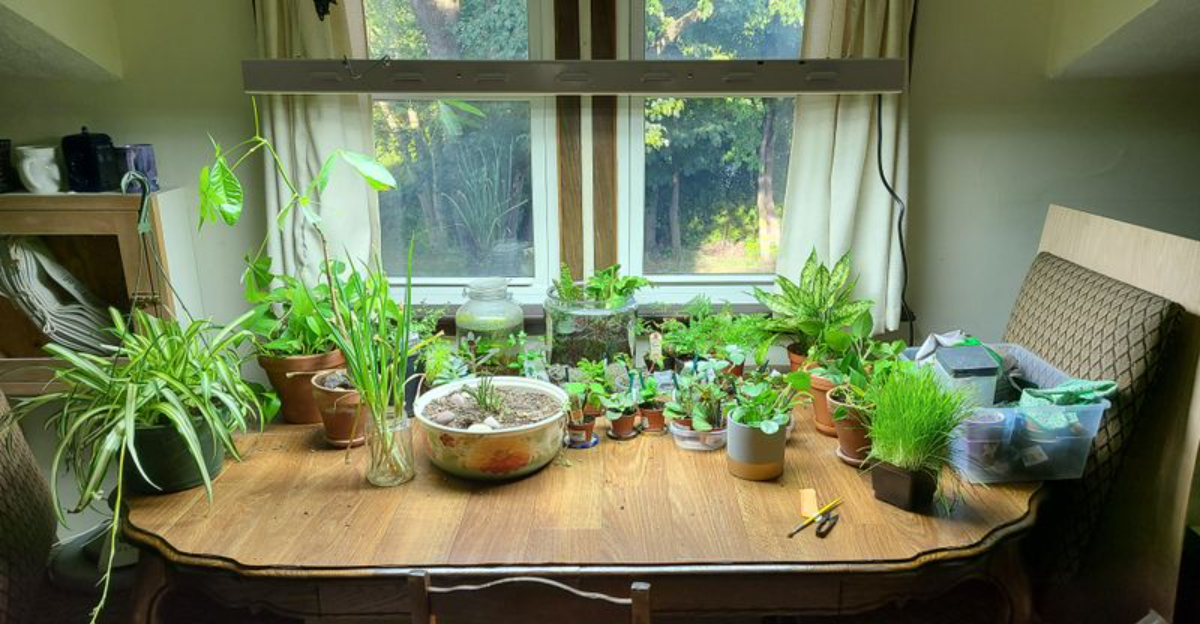
Quiet gardening keeps spreading through Vermont homes because people enjoy calm routines that bring steady comfort, gentle focus and peaceful moments into their days during long colder seasons.
I love how this simple practice encourages slower thinking since tending small plants creates soothing pauses that help Vermonters feel more balanced during busy daily schedules.
Many residents appreciate quiet gardening because soft tasks, nurturing habits, steady growth and warm indoor greenery bring comforting stability that makes everyday life feel easier and noticeably more uplifting.
1. Creates a Peaceful Environment Without Noise
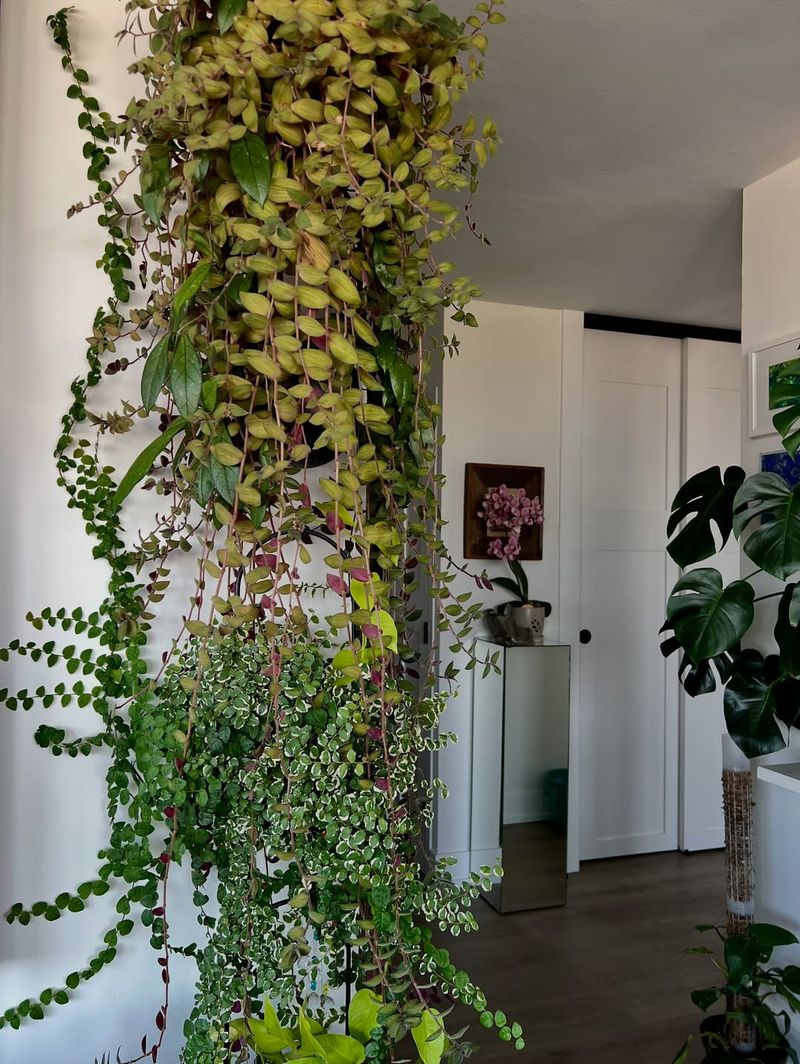
Indoor gardening in Vermont homes offers a silent escape from the constant buzz of modern life that surrounds us every day.
Plants grow quietly on windowsills and shelves, requiring no loud machinery or power tools that might disturb your household peace and tranquility.
Watering cans replace noisy hoses while hand pruners work silently compared to electric trimmers used in outdoor yard maintenance across the state.
Families appreciate how they can tend their indoor gardens early in the morning or late at night without waking sleeping children nearby.
The gentle rustling of leaves and soft sounds of water trickling into soil create soothing background ambiance that calms anxious minds naturally.
Vermont residents especially value this quietness during long winter months when outdoor activities become limited by cold weather and heavy snowfall patterns.
Quiet gardening transforms any room into a serene sanctuary where stress melts away and mental clarity returns after busy, overwhelming days at work.
This peaceful practice encourages mindfulness and meditation as you focus on nurturing living things with gentle care and patient, loving attention throughout seasons.
2. Improves Air Quality Inside Your Home
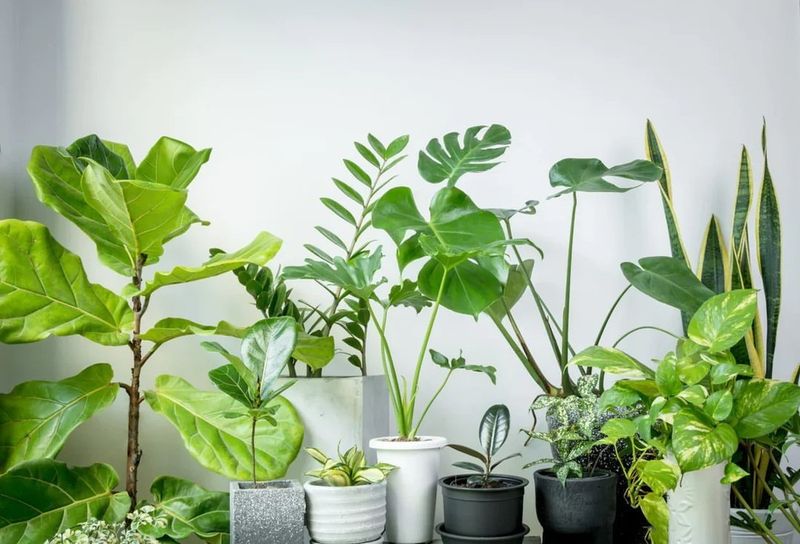
Houseplants act as natural air purifiers that remove harmful toxins and chemicals from indoor spaces where Vermont families spend most winter months.
Spider plants, pothos, and snake plants filter out pollutants like formaldehyde and benzene that come from furniture, carpets, and cleaning products used daily.
These green companions release oxygen during daylight hours while absorbing carbon dioxide, creating fresher air that feels cleaner and easier to breathe indoors.
Vermont homes, often sealed tight against harsh winter weather, benefit greatly from plants that circulate and refresh stale air trapped inside closed spaces.
Studies show that rooms with multiple plants have noticeably lower levels of airborne dust and mold spores compared to spaces without greenery present.
Children and adults with allergies or asthma often experience fewer symptoms when living among indoor gardens that naturally humidify and purify surrounding air.
Growing herbs like basil and mint adds pleasant natural fragrances that replace artificial air fresheners while also improving overall respiratory health for residents.
This natural air-cleaning system works continuously without electricity or filters, making it an economical and environmentally friendly solution for healthier Vermont living spaces.
3. Requires Minimal Physical Effort and Space
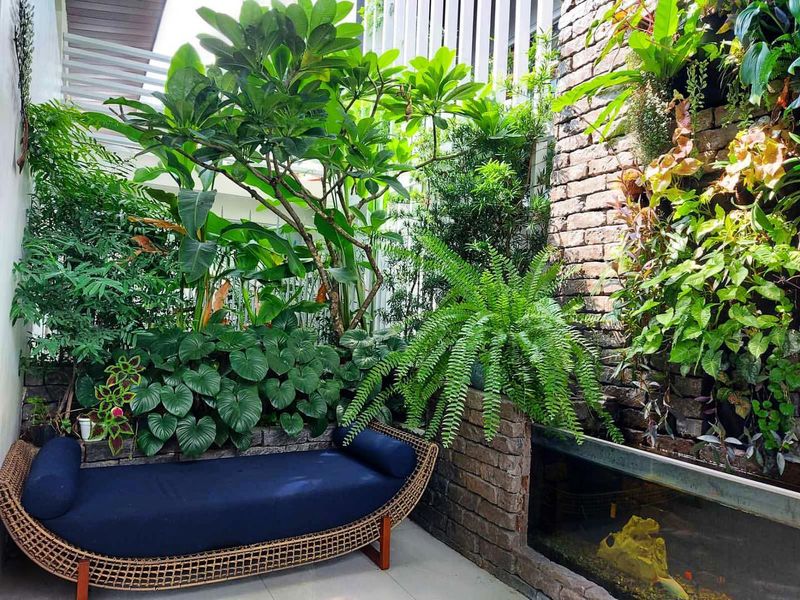
Unlike traditional outdoor gardening that demands digging, heavy lifting, and bending over large plots of land, indoor gardening stays gentle on bodies.
Vermont residents with limited mobility or chronic pain can enjoy nurturing plants without straining backs or knees through exhausting physical labor outdoors.
Small pots and containers fit perfectly on countertops, desks, and shelves, making it possible to garden even in tiny apartments or cramped spaces.
Vertical gardens and hanging planters maximize growing areas without taking up valuable floor space that families need for furniture and daily activities indoors.
Watering and trimming plants takes only a few minutes each day, fitting easily into busy schedules without demanding hours of weekend work.
Elderly Vermonters and people recovering from injuries find indoor gardening therapeutic and manageable, providing satisfaction without overwhelming their physical capabilities or energy levels.
The lightweight nature of indoor gardening supplies means no heavy bags of soil or large equipment needs to be transported or stored.
This accessibility makes quiet gardening an inclusive hobby that people of all ages and physical abilities can enjoy throughout Vermont year-round successfully.
4. Provides Fresh Herbs and Vegetables Year-Round
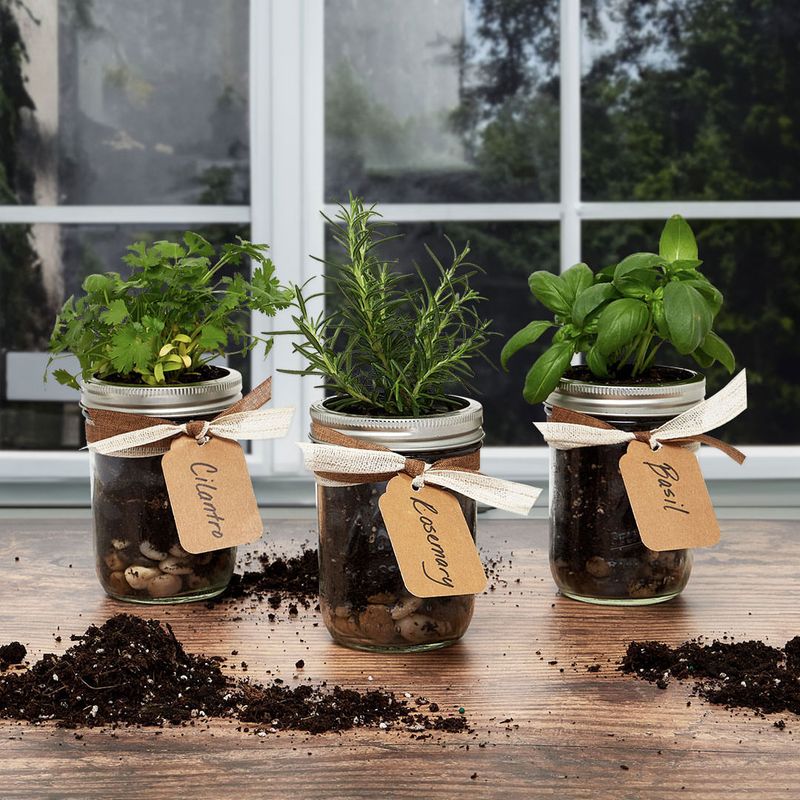
Growing edible plants indoors allows Vermont families to harvest fresh herbs and greens even when snow blankets the ground outside their windows.
Basil, cilantro, parsley, and chives thrive on sunny windowsills, providing flavorful additions to meals without expensive trips to grocery stores during winter.
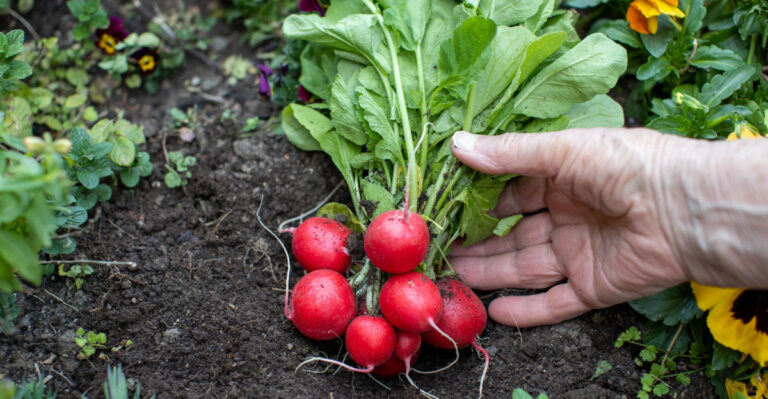
Cherry tomatoes, lettuce, and spinach grow successfully in containers under simple grow lights, offering homegrown nutrition regardless of outdoor weather conditions prevailing.
Children learn valuable lessons about where food comes from when they watch seeds sprout and develop into plants they can actually eat.
The taste of freshly picked herbs far surpasses dried versions from stores, enhancing home cooking with vibrant flavors that delight family meals daily.
Vermont gardeners save money on produce while reducing their carbon footprint by eliminating transportation costs associated with store-bought herbs shipped from distant locations.
Indoor vegetable gardens produce smaller yields than outdoor plots but provide consistent harvests that supplement diets with nutritious, pesticide-free greens throughout all seasons.
This practical aspect of quiet gardening combines hobby enjoyment with functional benefits that improve health and reduce household food expenses significantly over time.
5. Reduces Stress and Boosts Mental Health
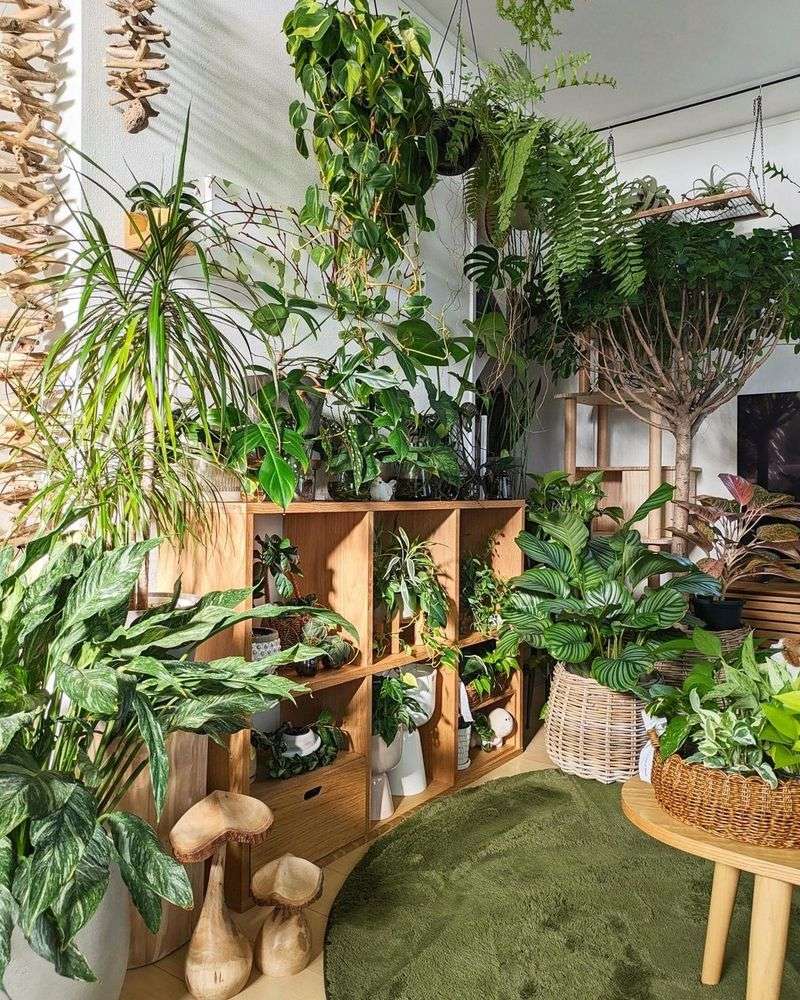
Caring for plants triggers the release of serotonin and dopamine in our brains, natural chemicals that promote feelings of happiness and contentment daily.
Vermont residents facing seasonal affective disorder during dark winter months find comfort and purpose in nurturing green living things that brighten indoor spaces.
The repetitive, gentle motions of watering, pruning, and arranging plants create meditative routines that quiet racing thoughts and reduce anxiety levels significantly.
Watching seeds germinate and plants grow provides a sense of accomplishment and hope that counteracts feelings of helplessness during challenging life periods.
Studies confirm that spending time around plants lowers blood pressure and heart rate while decreasing cortisol, the hormone responsible for stress responses.
Indoor gardens offer a healthy coping mechanism that replaces less beneficial habits like excessive screen time or emotional eating when dealing with difficulties.
Vermont therapists increasingly recommend quiet gardening as a complementary treatment for depression, anxiety, and trauma-related conditions affecting patients seeking natural healing methods.
This mental health benefit makes indoor gardening more than just a hobby—it becomes a daily wellness practice that nurtures emotional resilience and peace.
6. Connects Families Through Shared Activities
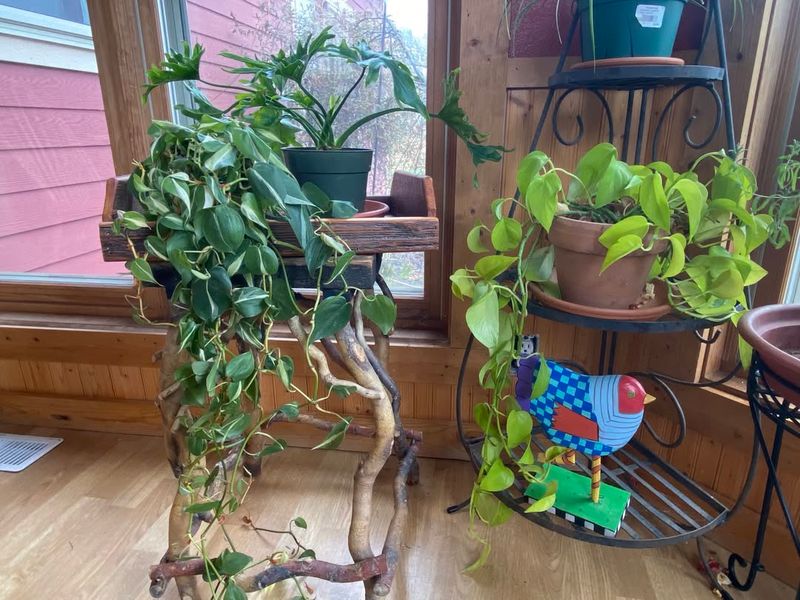
Indoor gardening creates opportunities for parents and children to work together on projects that teach responsibility, patience, and the rewards of consistent care.
Vermont families bond while choosing plants, decorating pots, and designing indoor garden spaces that reflect their personalities and shared interests in nature.
Children develop nurturing skills and scientific curiosity as they observe plant growth cycles, learn about photosynthesis, and experiment with different growing conditions.
Assigning kids specific plants to care for teaches accountability while building confidence as they successfully keep their green charges healthy and thriving.
Grandparents share gardening wisdom with younger generations, passing down knowledge and creating meaningful intergenerational connections through this timeless, peaceful activity together.
Couples find quiet gardening a relaxing hobby they can enjoy side by side, creating beauty in their homes while spending quality time together.
The collaborative nature of planning and maintaining indoor gardens strengthens family relationships while providing conversation topics and shared goals that unite household members.
This social aspect transforms quiet gardening from a solitary pursuit into a family tradition that builds memories and strengthens bonds across generations.
7. Adds Natural Beauty to Living Spaces
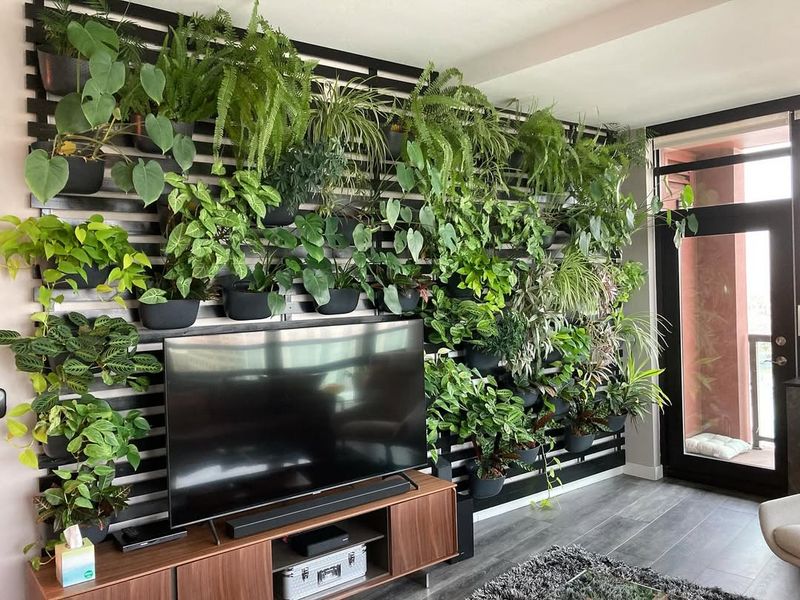
Houseplants bring vibrant colors and organic textures into Vermont homes, softening harsh lines of furniture and adding life to otherwise sterile indoor environments.
Different plant varieties offer endless design possibilities, from trailing vines that cascade from shelves to bold tropical leaves that create dramatic focal points.
Indoor gardens complement any decorating style, from rustic farmhouse aesthetics popular in Vermont to modern minimalist designs that emphasize clean, simple lines.
Living greenery changes with seasons, producing flowers, new growth, and evolving forms that keep home decor fresh and dynamic throughout the year.
Plants fill empty corners, brighten dark hallways, and add personality to rooms in ways that artificial decorations simply cannot replicate authentically or naturally.
Vermont homeowners appreciate how indoor gardens create welcoming atmospheres that impress guests while providing daily visual pleasure for residents who see them constantly.
The natural beauty of plants has been proven to boost mood and creativity, making homes feel more inviting and comfortable for everyone who enters.
This decorative benefit combines aesthetics with function, proving that quiet gardening enhances both the appearance and atmosphere of living spaces throughout Vermont homes.
8. Teaches Valuable Life Skills and Patience
Quiet gardening instills discipline as Vermont residents learn to maintain consistent watering schedules and monitor plant needs despite busy, unpredictable daily routines ahead.
Plants respond slowly to care, teaching patience and delayed gratification in a world that increasingly expects instant results and immediate satisfaction from efforts.
Problem-solving skills develop when gardeners identify issues like yellowing leaves or pest problems and research solutions to restore plant health successfully over time.
Observational abilities sharpen as people learn to read subtle signs of plant stress or happiness, developing awareness and attention to detail useful beyond gardening.
Accepting that some plants may struggle or not survive teaches resilience and the understanding that failure is part of learning any new skill.
Vermont children growing up with indoor gardens develop environmental awareness and respect for living things that shapes their values and future behaviors positively.
The cyclical nature of plant care—growth, rest, renewal—mirrors natural life patterns and helps people accept change and seasonal transitions more gracefully overall.
These life lessons make quiet gardening an educational experience that develops character traits valuable in work, relationships, and personal growth throughout Vermont residents’ lives.
9. Offers an Affordable and Sustainable Hobby
Starting an indoor garden requires minimal investment compared to many hobbies, with basic plants and supplies available affordably at Vermont garden centers everywhere.
Propagating new plants from cuttings allows gardeners to expand their collections for free while sharing starts with friends and neighbors throughout communities.
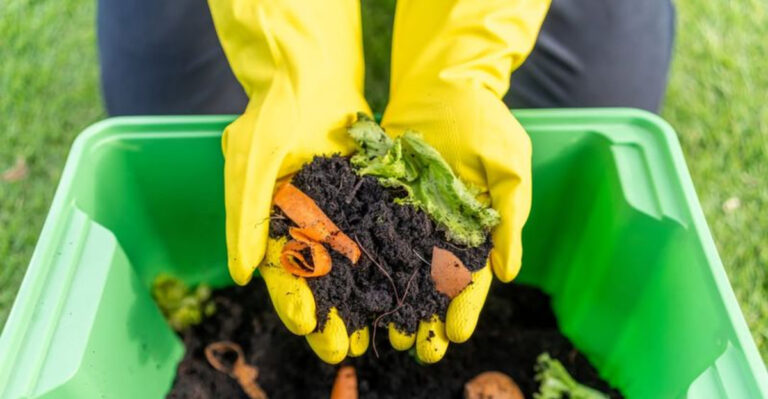
Indoor gardening produces no waste when using compostable materials and reduces household consumption by growing food and purifying air naturally without expensive equipment.
Energy costs remain low since most houseplants thrive in normal indoor temperatures and natural window light without requiring special heating or lighting systems.
Vermont residents appreciate how this sustainable hobby aligns with environmental values while providing ongoing enjoyment without recurring expensive membership fees or supplies needed.
Reusing containers, jars, and household items as planters saves money while reducing landfill waste and encouraging creative, resourceful thinking about everyday objects.
The long lifespan of many houseplants means a single purchase can provide years of enjoyment, making quiet gardening extremely cost-effective entertainment.
This economic accessibility ensures that people from all financial backgrounds across Vermont can participate in and benefit from the quiet gardening movement today.