Why Raccoons Keep Digging Up Fresh Mulch In Ohio Yards
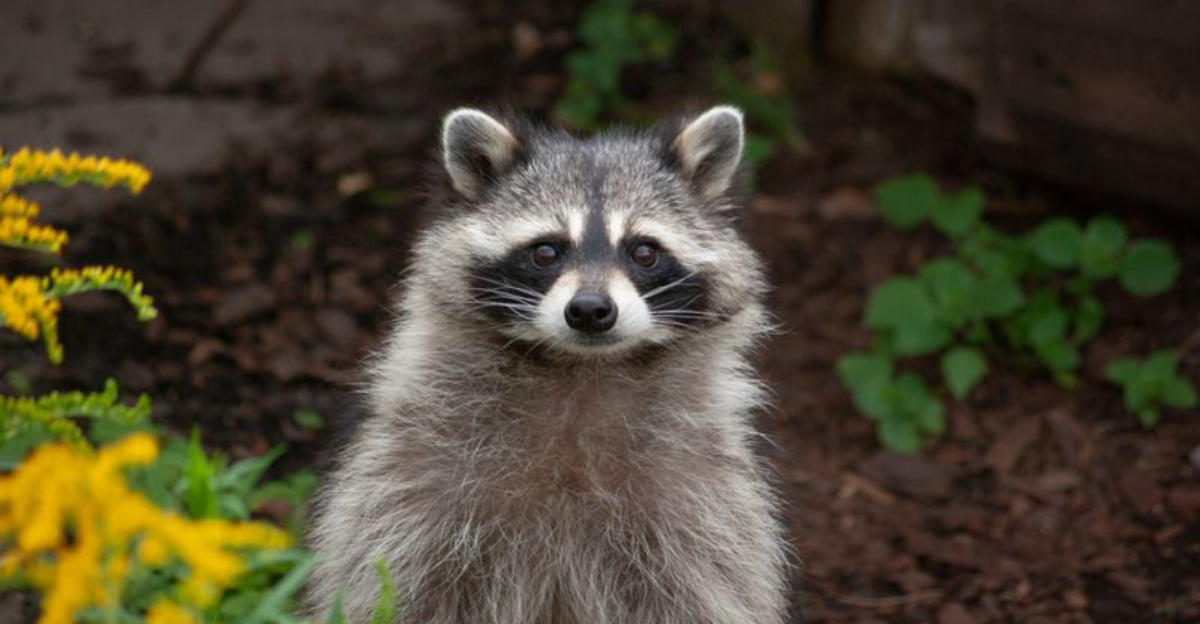
Fresh mulch may look like the finishing touch on an Ohio yard, yet to a raccoon it signals opportunity knocking loud and clear.
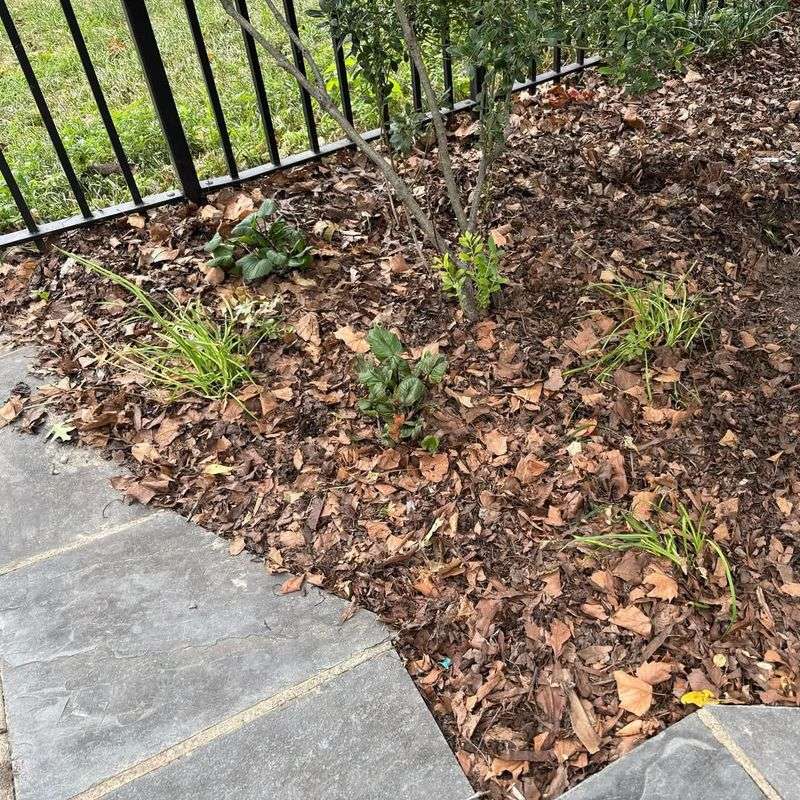
Homeowners often wake to scattered bark, shallow holes, and a scene that looks like someone rolled the dice overnight.
These clever critters waste no time when they spot easy pickings.
As the saying goes, one man’s treasure turns into another’s temptation.
Raccoons dig with purpose, not mischief.
New mulch traps moisture, warmth, and scent, which attracts insects, grubs, and other bite-sized rewards.
Soft ground also offers comfort for paws built to pry and probe.
Add Ohio’s mix of wooded edges and suburban lawns, and raccoons feel right at home.
When food runs thin or competition heats up, yards become fair game.
Their nighttime visits follow instinct and habit.
Once a raccoon strikes pay dirt, it returns again and again, bold as brass.
The damage may look small at first, yet repeated digging can ruin landscaping plans in short order.
Grubs And Insects Hide Beneath The Surface
Raccoons have an incredible sense of smell that helps them detect food buried underground.
Fresh mulch creates a perfect environment for grubs, beetles, and other tasty insects to thrive.
When you spread new mulch across your garden beds, moisture gets trapped underneath, which insects absolutely love.
Raccoons know this and will dig through the mulch to reach the protein-rich bugs hiding below.
A single raccoon can consume hundreds of grubs in one night, making your yard an all-you-can-eat buffet.
The loose texture of fresh mulch makes it even easier for them to push aside compared to compacted soil.
You might notice scattered mulch along with small holes where raccoons have been hunting.
Gardens with poor drainage or overwatering tend to attract more insects, which means more raccoon visits.
If you spot torn-up mulch near your plants, check for white grubs or beetle larvae underneath.
Treating your lawn and garden beds for grubs can reduce the food source that draws raccoons to your property.
Many Ohio homeowners find that addressing the insect problem helps solve the raccoon problem too.
Earthworms Become Easy Targets After Rain

Right after a rainstorm, earthworms move closer to the surface to avoid drowning in waterlogged soil.
Fresh mulch retains moisture exceptionally well, creating ideal conditions for worms to gather near the top layer.
Raccoons have learned this pattern and often visit yards immediately following rain showers.
Their sensitive paws can feel the movement of worms beneath the mulch, making hunting almost effortless.
Earthworms provide excellent nutrition and are easier to catch than faster-moving prey.
Ohio experiences frequent spring and summer rains, which means more opportunities for raccoons to feast.
You might notice the most mulch damage occurs after wet weather passes through your area.
Raccoons will methodically work through garden beds, flipping mulch piece by piece to expose worms.
The darker, richer soil underneath fresh mulch also tends to support larger worm populations.
If your yard has excellent soil quality with plenty of organic matter, you probably have lots of earthworms.
While worms benefit your garden, they unfortunately also attract unwanted nighttime visitors.
Reducing excess moisture by improving drainage can make your yard less appealing to both worms and raccoons.
Fresh Mulch Smells Like Potential Food Sources
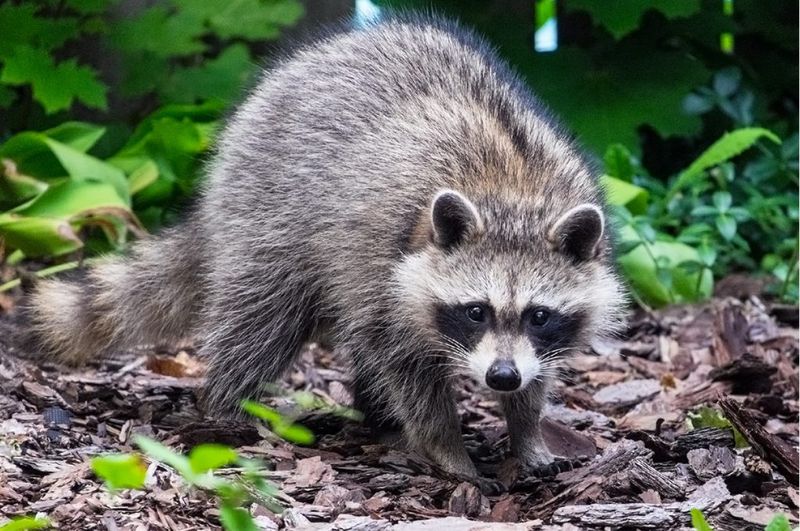
Newly spread mulch releases organic scents that raccoons find incredibly interesting and worth investigating.
Cedar, pine, and hardwood mulches all emit different aromas as they begin to decompose.
Raccoons possess curious personalities and will dig through anything that smells unusual or potentially edible.
The strong scent of fresh mulch can mask other smells in your yard, making raccoons want to investigate what might be hiding underneath.
Sometimes mulch contains bits of bark, wood chips, or organic material that harbors insects or fungi.
Raccoons might not eat the mulch itself, but they will tear it apart looking for anything interesting.
The first few weeks after spreading new mulch are usually the worst time for raccoon activity.
As mulch ages and settles, it becomes less interesting to curious wildlife.
Some types of mulch, especially those made from recycled materials, might even contain food residue that attracts animals.
Cocoa mulch, which smells like chocolate, is particularly attractive to raccoons and other creatures.
Choosing less aromatic mulch options can help reduce unwanted attention from wildlife.
Letting mulch air out before spreading it might also decrease its initial appeal to raccoons.
Soft Texture Makes Digging Effortless And Fun
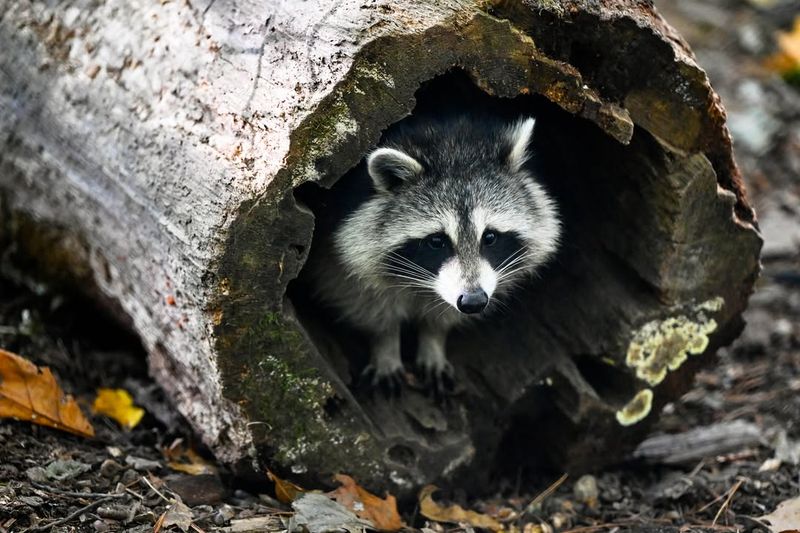
Raccoons naturally enjoy digging, and fresh mulch provides the perfect texture for this instinctive behavior.
Unlike hard-packed dirt or clay soil common in Ohio, loose mulch requires almost no effort to move around.
Young raccoons especially treat soft mulch like a playground, practicing their foraging skills even when food is scarce.
The satisfying feeling of pushing through loose material encourages them to keep digging and exploring.
Older raccoons appreciate how easy fresh mulch makes their nightly food searches.
They can cover more ground with less energy, checking multiple garden beds in a single visit.
Ohio yards with heavy clay soil make digging difficult, so raccoons naturally prefer areas with softer materials.
Fresh mulch that has not yet compacted or settled is particularly easy to scatter.
You might notice that older, more compacted mulch gets disturbed less frequently than newly spread material.
Raccoons remember which yards offer easy digging and will return night after night.
Adding a top layer of heavier materials or using mulch netting can make digging less enjoyable for them.
Creating physical barriers around your most vulnerable garden beds protects your landscaping investment.
Bulbs And Root Vegetables Attract Hungry Visitors
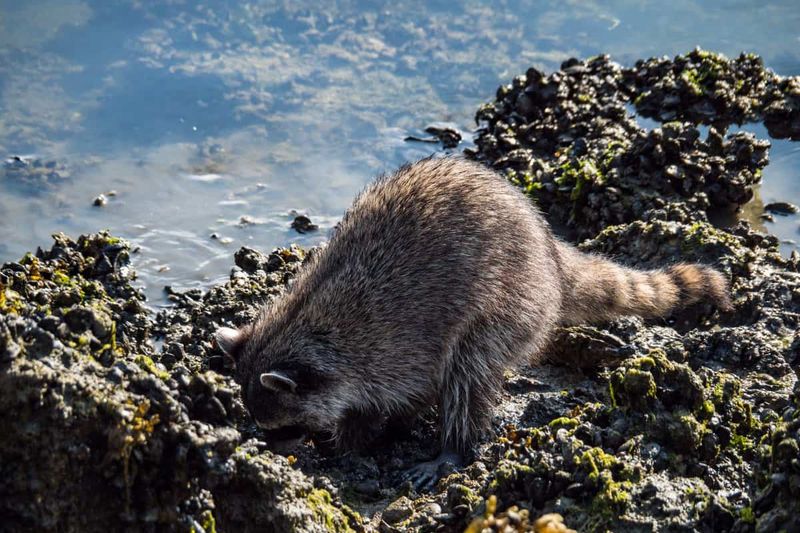
Many Ohio gardeners plant spring bulbs like tulips and crocuses in fall, covering them with fresh mulch for winter protection.
Raccoons have excellent memories and know that gardens often hide edible treasures beneath the surface.
Flower bulbs contain starches and nutrients that raccoons find tasty, especially when other food becomes scarce.
Your carefully planted bulbs might disappear overnight if raccoons discover them under the mulch.
Root vegetables like carrots, radishes, and potatoes also attract these clever foragers.
Even if your vegetables are not quite ready to harvest, raccoons will dig them up to investigate.
The scent of freshly disturbed soil mixed with mulch tells raccoons that something was recently buried there.
They will systematically dig through entire garden beds searching for buried food items.
Fall planting season often coincides with peak raccoon activity as they prepare for winter.
Using chicken wire or hardware cloth over newly planted bulbs can protect them from being dug up.
Bury the wire a few inches below the surface, then add mulch on top for a barrier raccoons cannot penetrate.
This simple solution lets your plants grow through while keeping raccoons from reaching the bulbs underneath.
Moisture Retention Creates A Comfortable Digging Environment

Fresh mulch acts like a sponge, holding moisture against the soil surface for extended periods.
This damp environment feels comfortable on raccoon paws, which are quite sensitive to temperature and texture.
Dry, hard soil can be uncomfortable to dig through, but moist mulch provides an ideal working condition.
Ohio summers can get quite hot, and damp mulch stays cooler than exposed soil or pavement.
Raccoons prefer to forage in comfortable conditions, making well-mulched gardens more attractive than bare ground.
The moisture also makes it easier for them to smell food sources hidden below the surface.
Wet soil amplifies scents, helping raccoons locate grubs, worms, and other prey more efficiently.
Gardens that receive regular watering or have automatic irrigation systems maintain consistently moist mulch.
This consistency tells raccoons that your yard is a reliable place to find food and comfortable digging conditions.
Reducing nighttime watering can help decrease moisture levels when raccoons are most active.
Water your garden in the morning instead, allowing the surface to dry somewhat by evening.
Less moisture means less comfort and fewer detectable scents, which might encourage raccoons to search elsewhere for their meals.
Territorial Marking And Nesting Material Collection
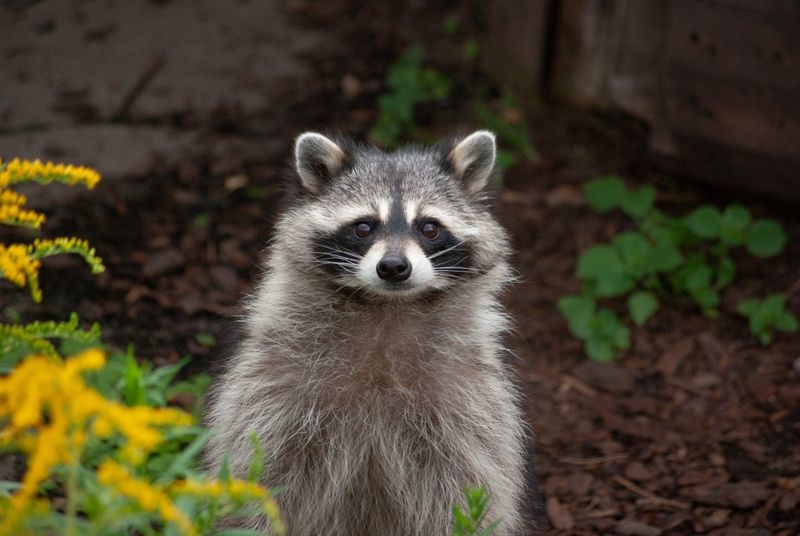
Raccoons are territorial animals that mark their favorite foraging spots by disturbing the ground and leaving their scent.
Tossing mulch around serves as a way to claim your yard as part of their regular feeding route.
Other raccoons passing through the area will notice the disturbance and understand that another animal has already claimed this territory.
Female raccoons with babies also collect soft materials for nest building during spring and early summer.
Fresh mulch pieces, especially softer cedar or pine varieties, make excellent nesting material.
Mother raccoons might dig through your mulch not for food, but to gather bedding for their young.
Ohio raccoons typically have babies between March and May, which coincides with spring landscaping season.
You might notice mulch disappearing entirely rather than just being scattered around.
Raccoons will stuff their cheeks with soft mulch pieces and carry them back to their den sites.
This behavior usually stops once babies grow old enough to leave the nest.
Using larger, harder mulch chunks makes collection more difficult for nesting raccoons.
Rubber mulch or stone alternatives provide no value as nesting material and might reduce this particular behavior in your yard.