Why Rain Gardens Are Becoming A Must-Have In Washington State
Washington State faces a unique and growing challenge when it comes to managing stormwater runoff, especially as weather patterns become more unpredictable.
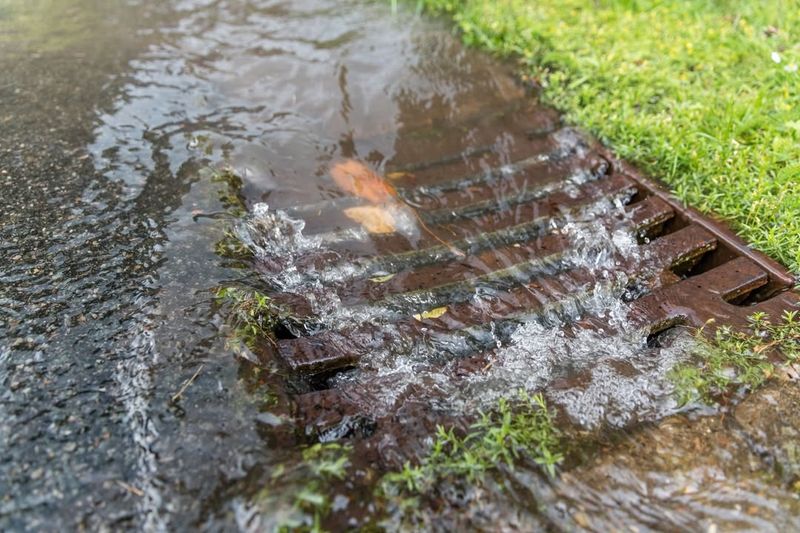
Heavy rains repeatedly flood streets, overwhelm outdated drainage systems, and wash pollutants into rivers, lakes, and the Puget Sound.
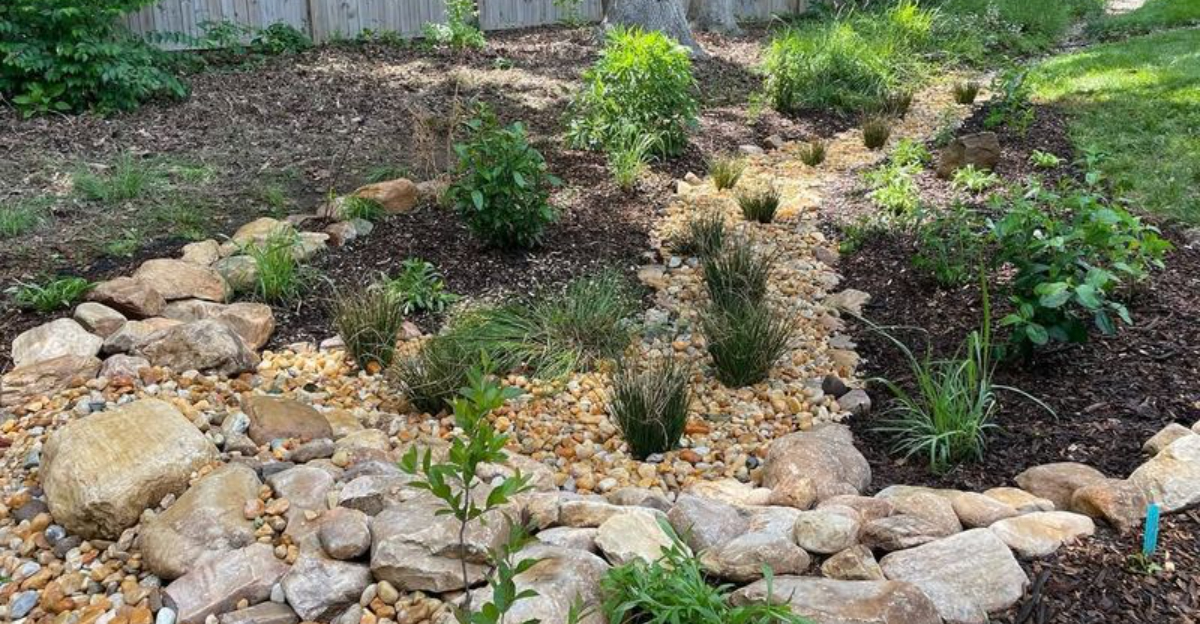
Rain gardens have quickly emerged as one of the most effective and attractive solutions, offering a natural way to slow, capture, and filter stormwater before it reaches local waterways.
These thoughtfully designed garden features use native plants, layered soils, and strategic placement to reduce erosion, prevent flooding, and improve overall watershed health.
Homeowners, neighborhoods, and entire communities across the state are discovering that rain gardens not only provide major environmental benefits but also add beauty, increase curb appeal, and create inviting habitats for birds, bees, and beneficial insects.
Stormwater Management Made Simple
Managing excess water during Washington’s rainy season can feel overwhelming for property owners.
Rain gardens act as natural sponges that capture and absorb stormwater before it floods streets or enters storm drains.
The shallow depression collects water from roofs, driveways, and other hard surfaces.
Within 24 to 48 hours, the water soaks into the ground instead of rushing into overburdened drainage systems.
This process reduces the risk of localized flooding that damages foundations and erodes landscaping.
Property owners notice fewer puddles and standing water issues after installing these gardens.
Washington’s climate makes rain gardens especially effective since they handle both heavy downpours and extended wet periods.
The soil and plant roots work together to filter and slow water movement naturally.
Communities throughout the state report fewer drainage complaints after residents adopt rain garden installations.
Cities like Seattle and Tacoma actively encourage homeowners to create these features through rebate programs.
Managing stormwater becomes less expensive and more sustainable when rain gardens become part of the solution.
Neighborhoods with multiple rain gardens experience noticeably better water flow during storms.
The benefits extend beyond individual properties to improve entire watershed health across Washington.
Native Plants Thrive In Rain Gardens
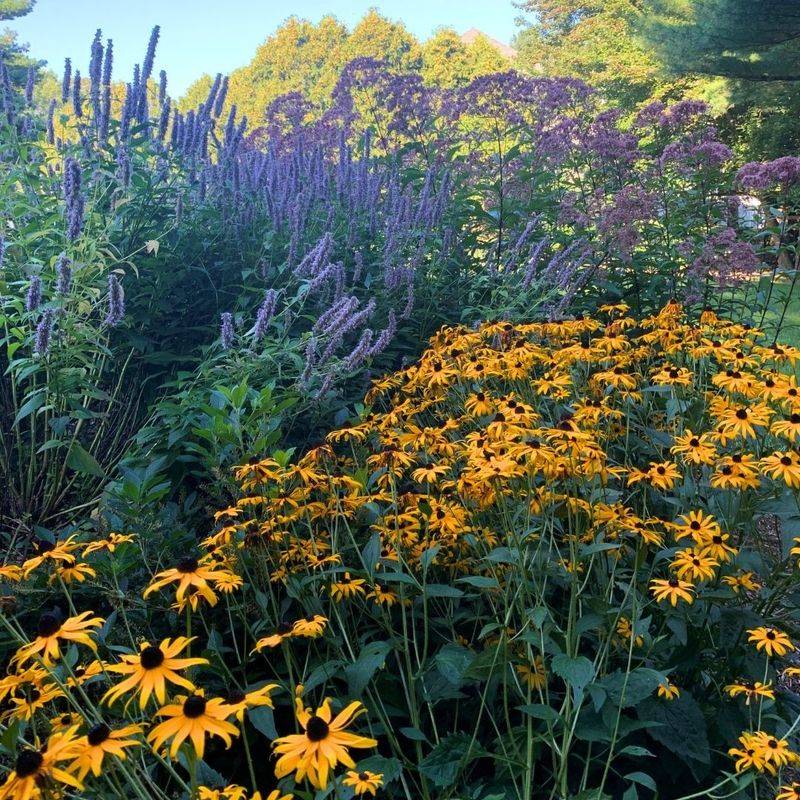
Washington’s native plants have adapted perfectly to the region’s wet winters and dry summers.
Rain gardens provide ideal growing conditions for species like sword ferns, red-twig dogwood, and Oregon grape.
These plants require minimal maintenance once established because they evolved in local conditions.
Homeowners save time and money by choosing vegetation that naturally tolerates both saturated soil and drought periods.
Native species develop deep root systems that enhance water absorption and soil stability.
The roots create channels that help water infiltrate deeper into the ground.
Gardeners appreciate how native plants resist local pests and diseases without chemical treatments.
Colorful blooms from plants like Pacific bleeding heart and red flowering currant add seasonal beauty.
Rain gardens become living showcases of Washington’s natural botanical diversity.
Nurseries throughout the state now offer specialized native plant collections specifically for rain garden installations.
Extension offices provide free guidance on selecting the right species for different soil types and sun exposures.
Many communities host workshops teaching residents how to design gardens using local flora.
Watching native plants flourish brings satisfaction while supporting regional ecosystem health.
The connection between beautiful landscaping and environmental stewardship becomes clear with every growing season.
Pollinator Habitats Expand Across Neighborhoods
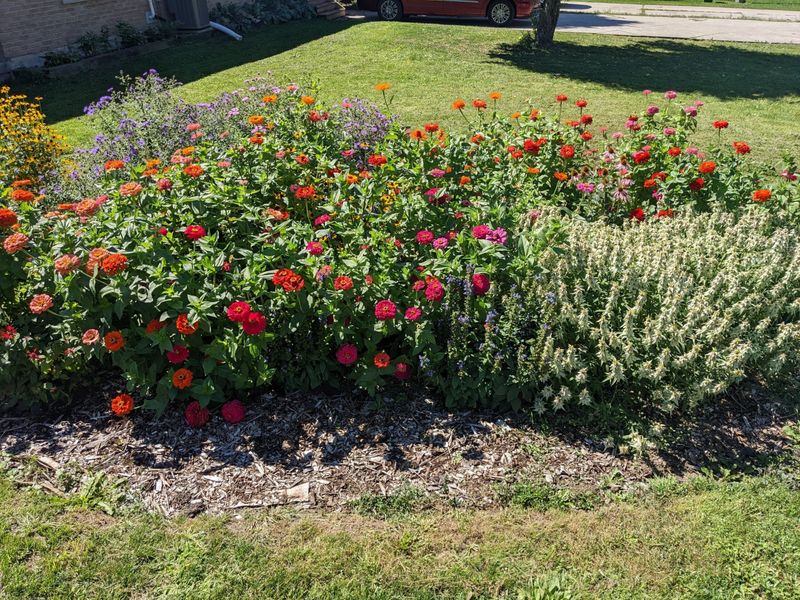
Bees, butterflies, and hummingbirds struggle to find adequate food sources in urban and suburban areas.
Rain gardens filled with flowering native plants create vital feeding stations for these important pollinators.
Species like lupine, camas, and kinnikinnick produce nectar-rich blooms throughout different seasons.
Pollinators visit rain gardens repeatedly, establishing reliable foraging routes through neighborhoods.
Homeowners enjoy watching colorful butterflies and energetic hummingbirds visit their yards daily.
The presence of diverse pollinators indicates a healthy local ecosystem.
Children learn about nature by observing insects and birds interacting with garden plants.
Rain gardens become outdoor classrooms that teach ecological connections in accessible ways.
Washington’s declining pollinator populations benefit significantly from these distributed habitat patches.
Even small gardens contribute to larger wildlife corridors when multiple properties participate.
Native bees find nesting sites in the undisturbed soil around rain garden edges.
Butterfly larvae feed on specific host plants that rain gardens can easily incorporate.
Conservation organizations recognize rain gardens as practical tools for supporting biodiversity.
Every flowering plant adds to the collective effort of sustaining pollinator populations across the state.
The relationship between water management and wildlife support makes rain gardens doubly valuable.
Water Quality Improves Dramatically
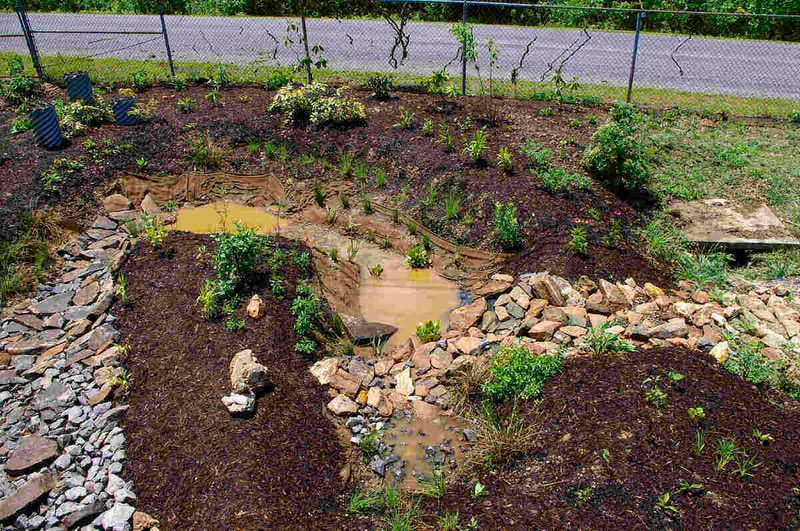
Stormwater picks up pollutants like oil, fertilizers, and heavy metals as it flows across paved surfaces.
These contaminants threaten salmon streams, lakes, and Puget Sound when they enter waterways untreated.
Rain gardens filter harmful substances through natural biological and physical processes.
Plant roots and soil microorganisms break down pollutants before water reaches groundwater or surface waters.
Studies show rain gardens remove up to 90 percent of certain contaminants from runoff.
Washington’s treasured waterways gain protection when neighborhoods implement these filtration systems.
Salmon populations benefit from cleaner streams with reduced toxic loads.
Homeowners contribute directly to water quality goals simply by maintaining their rain gardens.
The filtration happens automatically without electricity, chemicals, or complex equipment.
Local watersheds show measurable improvements when rain garden adoption increases in communities.
Environmental agencies track water quality data and consistently observe positive trends in areas with rain gardens.
Residents feel proud knowing their landscaping choices protect beloved natural resources.
Children swimming in cleaner lakes and streams benefit from decisions made in neighborhood yards.
The connection between individual action and regional water health becomes tangible through rain gardens.
Protecting water quality remains one of the most compelling reasons Washington residents embrace this practice.
Property Values Increase With Curb Appeal
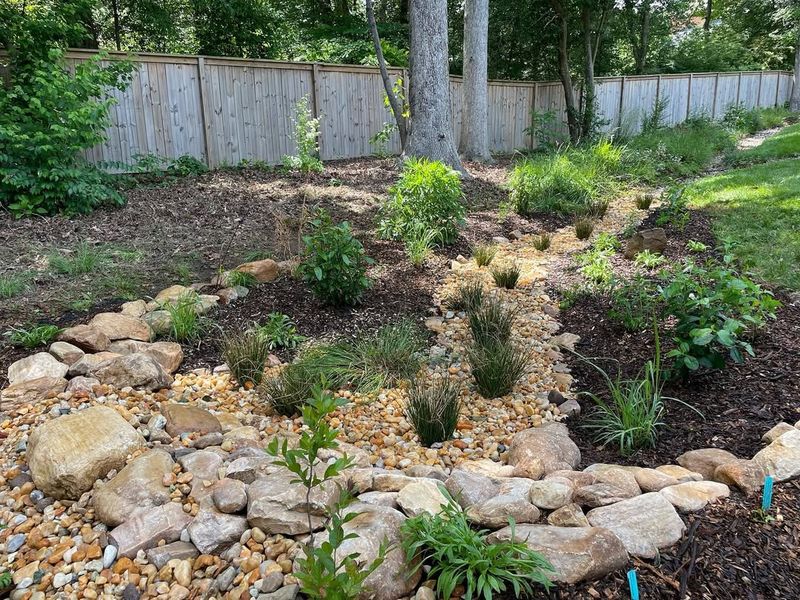
Well-designed rain gardens enhance a property’s visual appeal with lush plantings and thoughtful landscaping.
Real estate agents report that buyers appreciate eco-friendly features that demonstrate environmental responsibility.
Homes with established rain gardens often stand out in competitive housing markets.
The colorful seasonal blooms and varied textures create focal points that draw positive attention.
Prospective buyers view rain gardens as low-maintenance alternatives to traditional lawns requiring constant watering.
Reduced water bills and drainage improvements add practical value beyond aesthetics.
Neighborhoods with multiple rain gardens develop reputations for progressive environmental stewardship.
Property appraisers increasingly recognize sustainable landscaping features as value-adding improvements.
Homeowners invest in rain gardens knowing they enhance both beauty and functionality.
The gardens mature beautifully over time, becoming more attractive as plants establish and spread.
Visitors and neighbors frequently compliment the unique appearance of well-maintained rain gardens.
Local garden tours often feature outstanding rain garden examples, generating community interest.
The combination of environmental benefits and visual appeal creates compelling selling points.
Washington’s real estate market rewards properties that align with the state’s strong environmental values.
Investing in a rain garden becomes both an ecological choice and a smart financial decision.
Climate Resilience Strengthens Communities
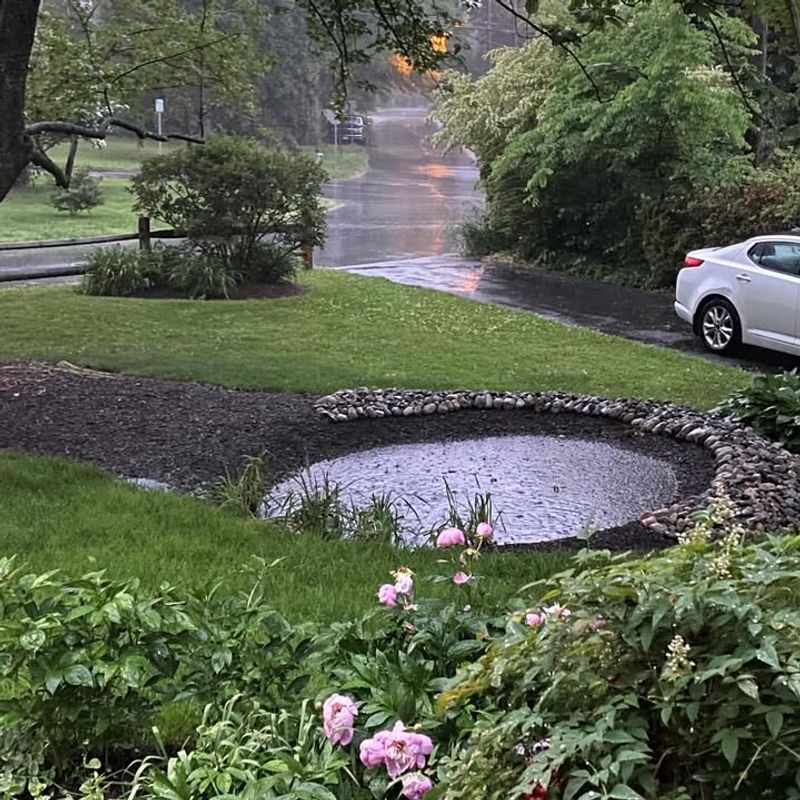
Climate change brings more intense storms and unpredictable precipitation patterns to Washington State.
Traditional infrastructure struggles to handle the increased volume and intensity of rainfall events.
Rain gardens provide flexible, distributed solutions that adapt to changing conditions.
Communities with extensive rain garden networks demonstrate greater resilience during extreme weather.
The gardens absorb excess water that would otherwise overwhelm aging stormwater systems.
Neighborhoods reduce their vulnerability to flooding and water damage through collective action.
Municipal planners recognize rain gardens as essential components of climate adaptation strategies.
The decentralized nature of rain gardens means system failure at one location doesn’t compromise the entire network.
Residents gain peace of mind knowing their properties can handle increasingly severe storms.
Green infrastructure like rain gardens costs less to maintain than constantly upgrading pipes and drains.
Washington communities save taxpayer money while building more robust water management systems.
The gardens also help during dry periods by recharging groundwater supplies.
This dual function makes rain gardens valuable across all seasons and weather conditions.
Forward-thinking cities integrate rain gardens into comprehensive climate action plans.
Building resilience happens one garden at a time as more residents participate in this solution.
Installation Costs Remain Affordable
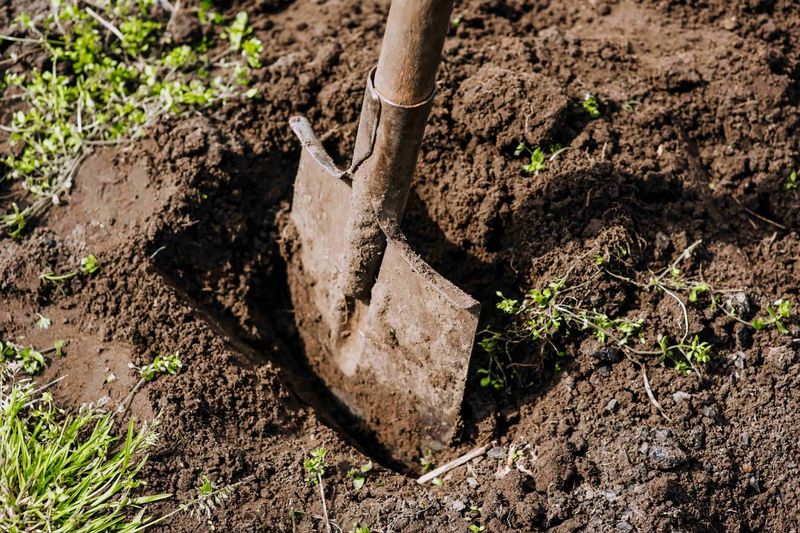
Creating a rain garden doesn’t require expensive contractors or specialized equipment.
Many homeowners complete installations themselves over a weekend using basic gardening tools.
Materials like native plants, compost, and mulch cost significantly less than traditional landscaping projects.
Washington State offers rebates and incentives that reduce out-of-pocket expenses even further.
Utility companies provide financial assistance recognizing the stormwater management benefits.
Free workshops and online resources guide residents through the design and installation process.
The initial investment pays back quickly through reduced water bills and drainage improvements.
Homeowners avoid costly repairs to foundations, driveways, and basements damaged by poor drainage.
Rain gardens require minimal ongoing maintenance compared to lawns needing regular mowing and watering.
Native plants thrive without fertilizers, pesticides, or extensive care once established.
The long-term cost savings make rain gardens economically sensible for budget-conscious families.
Community groups sometimes organize bulk plant purchases that lower costs for participants.
Local governments may provide free site assessments to help homeowners design effective gardens.
The affordability factor removes barriers that might otherwise prevent people from taking action.
Washington residents discover that environmental stewardship fits comfortably within household budgets when choosing rain gardens.
Regulatory Compliance Becomes Easier

Washington municipalities increasingly require stormwater management for new construction and major renovations.
Rain gardens help property owners meet these regulations without expensive engineered systems.
Building permits often process faster when applications include rain garden plans.
Local codes recognize rain gardens as acceptable low-impact development practices.
Homeowners avoid fines and compliance issues by proactively managing runoff from their properties.
The gardens satisfy legal requirements while providing environmental and aesthetic benefits.
Cities like Olympia and Bellingham have streamlined approval processes for rain garden installations.
Developers incorporate rain gardens into subdivision plans to meet municipal stormwater standards.
The flexibility of rain garden design allows compliance across various property sizes and configurations.
Inspectors appreciate seeing natural solutions that align with regional sustainability goals.
Homeowners association rules increasingly accommodate and even encourage rain gardens.
Washington’s regulatory environment supports green infrastructure adoption through clear guidelines.
Property owners find that working with nature simplifies compliance compared to fighting against it.
The legal framework continues evolving to favor distributed stormwater solutions like rain gardens.
Staying ahead of regulations becomes simple when rain gardens form part of property management strategies.
Educational Opportunities Abound
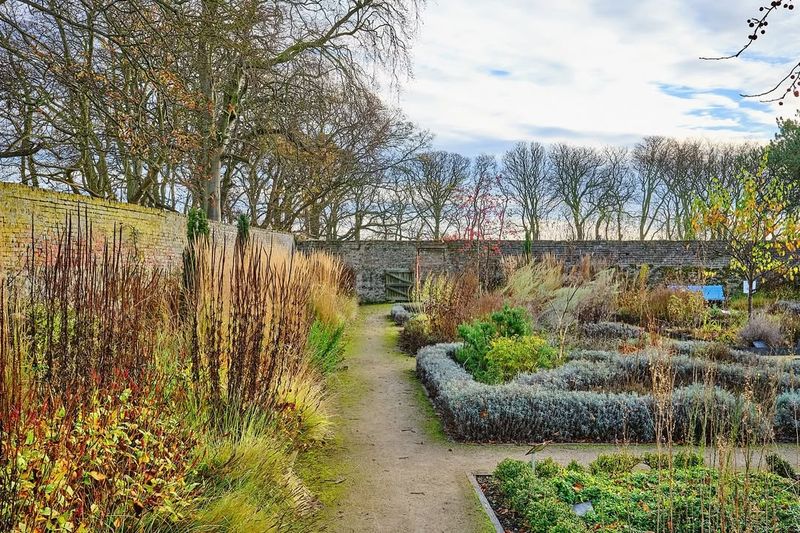
Rain gardens serve as living laboratories that teach ecological principles to people of all ages.
Schools throughout Washington incorporate rain garden projects into science and environmental curricula.
Students learn about hydrology, native plants, and ecosystem functions through hands-on experience.
Community workshops bring neighbors together to share knowledge and installation techniques.
Master gardeners volunteer their expertise to help residents design effective rain gardens.
Educational signage in public rain gardens explains their purpose to curious passersby.
Libraries and community centers host presentations about rain garden benefits and maintenance.
The visible nature of rain gardens sparks conversations about environmental stewardship.
Children develop deeper connections to nature by observing seasonal changes in garden plants and wildlife.
Families bond over installation projects that combine physical activity with environmental action.
Online forums and social media groups connect Washington rain garden enthusiasts statewide.
Success stories inspire others to try creating their own gardens.
Extension offices provide research-based information tailored to local conditions.
The learning never stops as gardeners experiment with different plant combinations and design approaches.
Rain gardens transform abstract environmental concepts into concrete, understandable actions that anyone can take.
Groundwater Recharge Supports Water Security
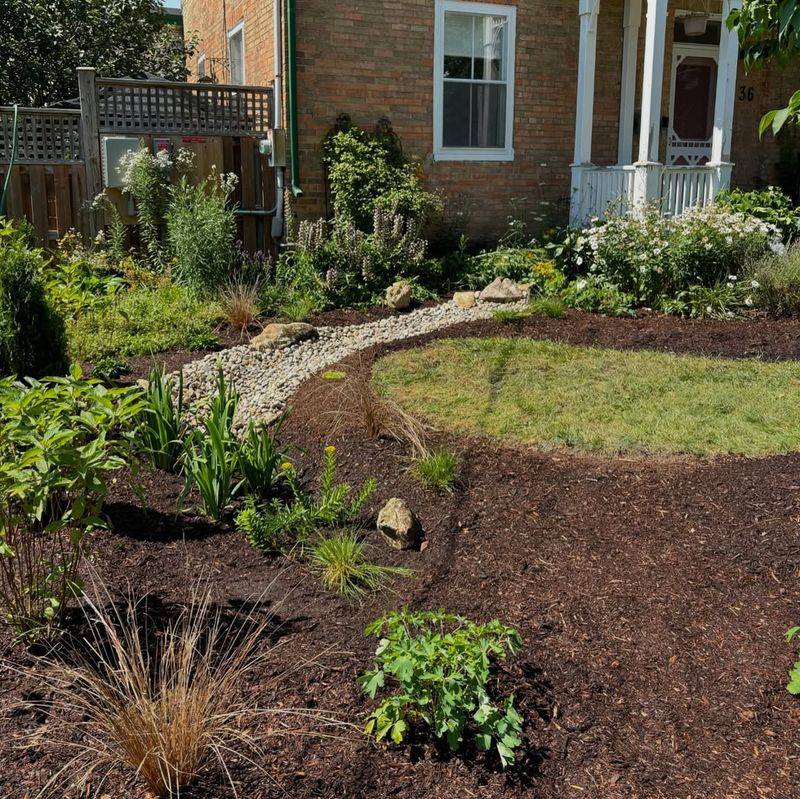
Washington depends on groundwater for drinking water, agriculture, and industrial uses across many regions.
Paved surfaces prevent rainwater from naturally soaking into the ground to replenish aquifers.
Rain gardens restore this natural infiltration process in developed areas.
Water absorbed through rain gardens percolates down to recharge underground water supplies.
This process becomes increasingly important during summer drought periods when surface water runs low.
Communities with extensive rain garden networks help maintain healthier groundwater levels.
Wells and springs benefit from improved recharge in their surrounding watersheds.
The slow infiltration through soil naturally filters water before it reaches aquifers.
Groundwater quality improves when rain gardens prevent contaminated runoff from entering the system.
Water security concerns lessen as communities adopt practices that support natural water cycles.
Agricultural areas particularly benefit from maintained groundwater levels for irrigation needs.
Rain gardens contribute to the long-term sustainability of Washington’s water resources.
Hydrologists document measurable improvements in groundwater conditions where rain gardens proliferate.
Every gallon of water absorbed by a rain garden potentially becomes available for future use.
Thinking about water security makes rain gardens essential infrastructure rather than optional landscaping features.
Community Pride Flourishes
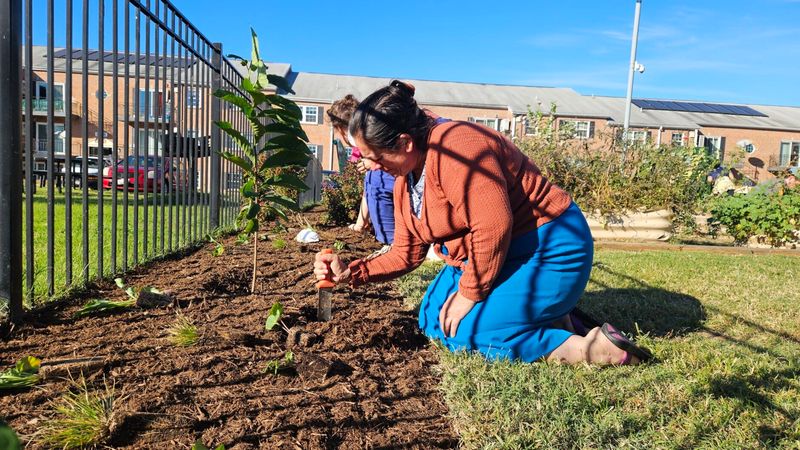
Neighborhoods with rain gardens develop distinctive identities as environmentally conscious communities.
Residents take pride in visible demonstrations of collective environmental commitment.
Garden tours and neighborhood events celebrate successful installations and inspire new participants.
Social connections strengthen as neighbors collaborate on design ideas and plant exchanges.
Communities compete in friendly ways to create the most beautiful or effective rain gardens.
Local media features outstanding examples, bringing positive attention to participating neighborhoods.
Children growing up in these areas develop strong environmental values by observing community action.
Property owners feel satisfaction knowing their efforts contribute to larger ecological goals.
Rain garden projects often spark broader sustainability initiatives within communities.
Neighborhood associations organize maintenance days that combine environmental work with social gatherings.
The shared experience of creating rain gardens builds lasting relationships among residents.
Communities develop expertise that they share with neighboring areas considering similar projects.
Awards and recognition programs acknowledge outstanding rain garden installations and community efforts.
The visible transformation of neighborhoods inspires civic pride and continued environmental engagement.
Washington communities discover that rain gardens represent more than water management—they symbolize collective values and community spirit.