Why Roadside Salt Is Causing Plant Damage In Pennsylvania Yards
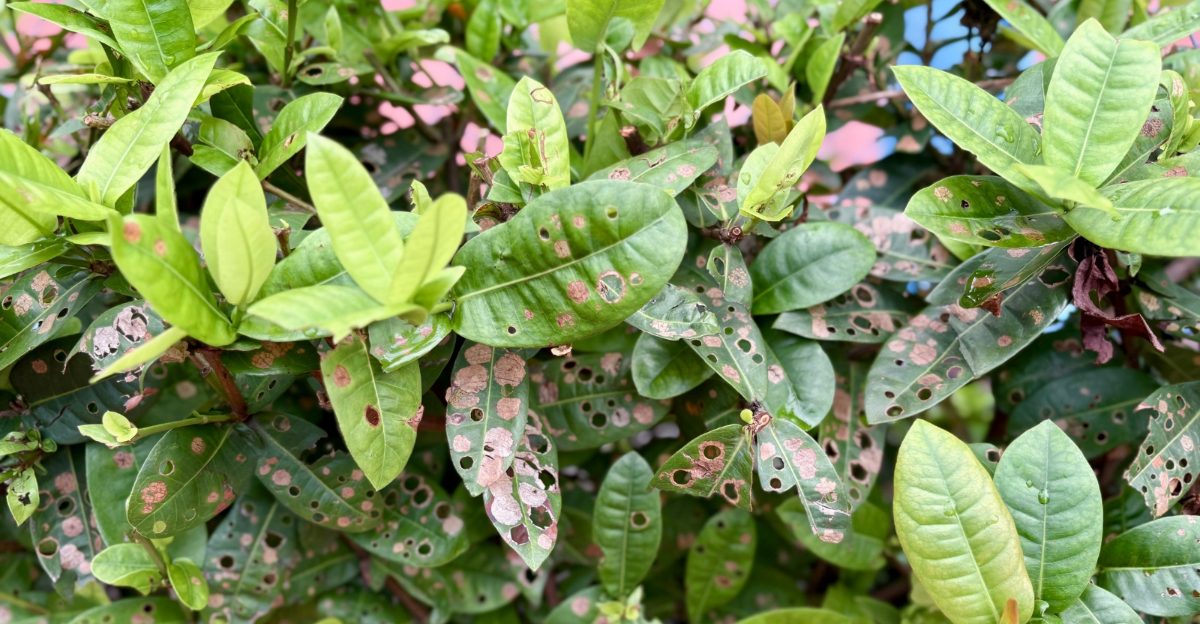
Pennsylvania yards often start looking stressed long before planting season even begins, with shrubs, grass, and garden beds showing damage that doesn’t match normal winter wear.
The frustration comes from how uneven the damage appears, hitting certain areas hard while others nearby look fine.
What makes this especially confusing is that the problem often shows up weeks after snow and ice are gone.
Plants closest to roads and driveways tend to struggle first, but the effects don’t always stop at the edge of pavement.
Growth slows, leaf edges burn, and soil seems less responsive even when watering and care stay the same. The cause isn’t obvious because nothing appears broken, eaten, or diseased above ground.
Winter road treatments quietly move beyond asphalt and settle into surrounding soil during freeze and thaw cycles.
Over time, that buildup changes how plants take in water and nutrients.
Understanding this hidden chain reaction explains why roadside salt plays a much bigger role in plant damage across Pennsylvania yards than most people realize.
1. What Roadside Salt Is And Why It’s Used
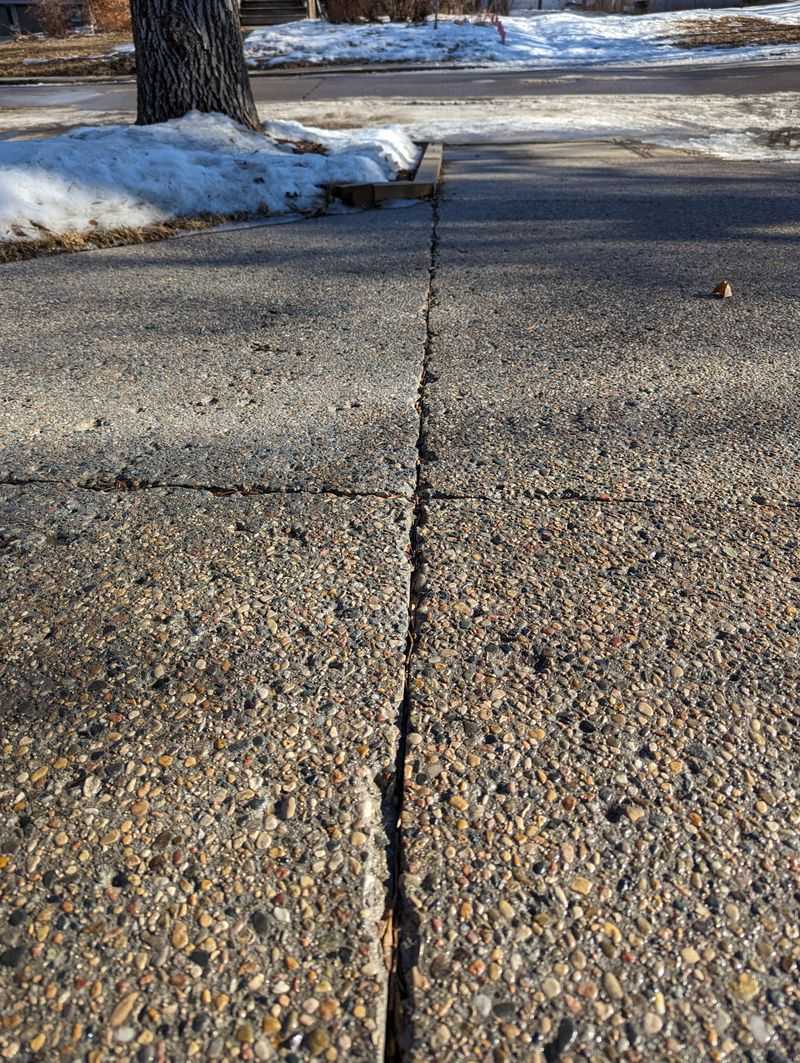
Municipal crews across Pennsylvania rely heavily on sodium chloride during icy conditions because it works fast and costs less than most alternatives. Salt lowers the freezing point of water, which prevents dangerous ice from forming on highways, side streets, and neighborhood roads.
Without this treatment, winter driving would become extremely hazardous for commuters, school buses, and emergency vehicles.
Road departments apply thousands of tons every season to keep traffic moving safely. The material comes in coarse white or gray granules that trucks spread using mechanical spinners.
These spinners throw salt across multiple lanes, ensuring wide coverage but also sending particles far beyond the pavement edge.
Pennsylvania’s Department of Transportation uses rock salt as the primary de-icing agent statewide. Crews often pre-treat roads before storms arrive, layering salt so it can start working immediately when precipitation begins.
This proactive approach saves lives but increases the total amount of salt entering the environment.
Salt remains effective down to about fifteen degrees Fahrenheit, making it ideal for most Pennsylvania winters. Below that temperature, other chemicals or sand mixtures become necessary.
Still, sodium chloride dominates because of its low cost and proven track record.
Homeowners sometimes add to the problem by salting their own driveways and sidewalks. These personal applications combine with municipal treatments, creating concentrated salt zones right at the property line.
Plants growing near these areas face double exposure from both public and private sources.
The convenience and safety benefits are undeniable, but the trade-off comes at a price. Salt doesn’t disappear after melting ice.
Instead, it lingers in soil, water, and plant tissues long after winter ends.
Understanding why Pennsylvania uses so much salt helps explain why yard damage has become so common.
2. How Salt Moves From Roads Into Yards
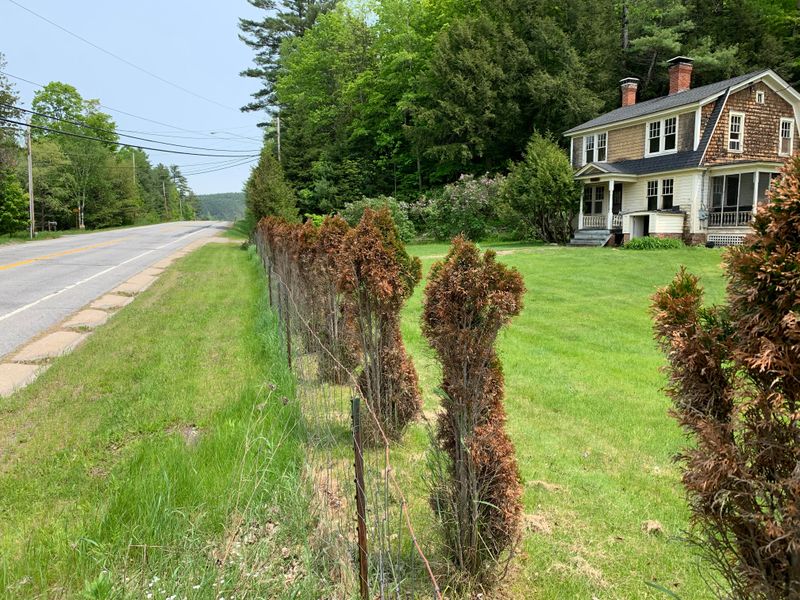
Spray from passing vehicles carries salt particles dozens of feet away from the road surface. Every car, truck, and bus that drives over treated pavement kicks up a fine mist loaded with dissolved sodium and chloride ions.
This mist settles on grass, shrubs, and tree bark, coating everything within range.
Windy conditions make the problem worse by blowing dry salt granules even farther into adjacent properties. A strong gust can push salt well beyond the curb, depositing it deep into front yards.
Pennsylvania’s winter winds frequently exceed fifteen miles per hour, which means salt rarely stays where crews intend.
Snowplows push salt-laden snow off the road and pile it at the edges of driveways and lawns. As temperatures rise, these piles melt slowly, releasing concentrated salt solutions directly into the soil.
The melting process can take weeks, giving salt plenty of time to soak downward toward plant roots.
Runoff from roads flows downhill, following natural drainage patterns that often lead straight through residential yards. Storm drains can’t catch all the salty water, so it spreads across lawns and garden beds.
Properties at lower elevations receive salt from uphill roads, multiplying the exposure.
Salt also travels through groundwater, moving underground in ways that aren’t immediately visible. Once it enters the water table, it can affect plants far from the road.
Pennsylvania’s clay-heavy soils tend to hold onto salt rather than flushing it away quickly.
Even sidewalks and driveways contribute to the migration process. Homeowners who salt their walkways create additional pathways for sodium to reach planting beds.
Foot traffic and pet paws track salt from pavement into grass and mulch.
Repeated freeze-thaw cycles push salt deeper into the ground with each temperature swing. Water expands when it freezes, creating pressure that forces salt downward.
This natural pumping action moves contaminants into the root zone where they cause the most harm.
3. How Salt Affects Soil And Plant Roots
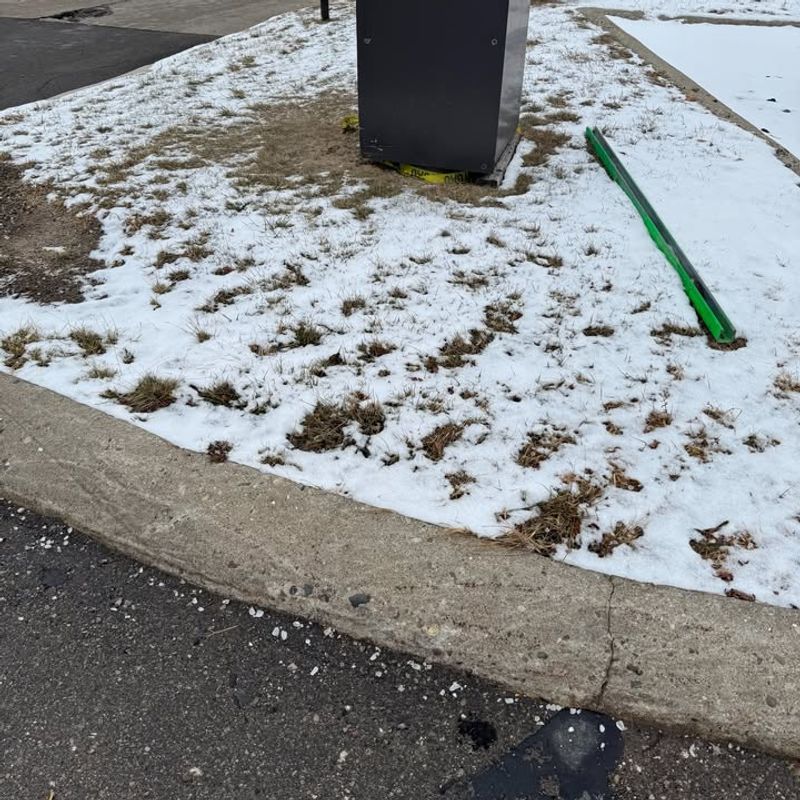
Sodium disrupts the natural balance of nutrients that plants need to thrive. When salt concentrations rise, sodium ions replace essential elements like calcium, magnesium, and potassium in the soil.
This substitution starves plants of vital nutrients even when those nutrients are present in adequate amounts.
High salt levels also damage soil structure by breaking down clay particles that normally hold moisture and nutrients. Pennsylvania soils often contain significant clay content, which means salt can cause long-lasting structural problems.
The soil becomes denser and less porous, making it harder for roots to grow and water to penetrate.
Chloride ions interfere with photosynthesis by building up in leaf tissues. Plants absorb chloride through their roots along with water, and it travels upward through the vascular system.
Once it reaches the leaves, chloride disrupts the chemical reactions that convert sunlight into energy.
Salt creates a condition called physiological drought, where water is present but plants can’t absorb it. The high concentration of dissolved salts in soil water makes it harder for roots to pull moisture inward.
Plants essentially become thirsty even when surrounded by wet soil.
Root tips are especially vulnerable to salt damage because they’re the most actively growing part of the root system. Exposure to high sodium levels can burn these delicate tissues, stunting overall root development.
Shorter, damaged roots can’t support healthy top growth or access water from deeper soil layers.
Beneficial soil microorganisms struggle to survive in salty conditions. These bacteria and fungi help break down organic matter and make nutrients available to plants.
When salt levels rise, microbial populations decline, leaving Pennsylvania soils less fertile and less able to support vigorous plant growth.
Salt also affects soil pH, often making it more alkaline over time. Many ornamental plants and native species prefer slightly acidic conditions.
As pH rises, certain nutrients become locked up in forms that roots can’t absorb, leading to deficiencies even in nutrient-rich soil.
4. Signs Your Yard Plants Are Salt-Damaged
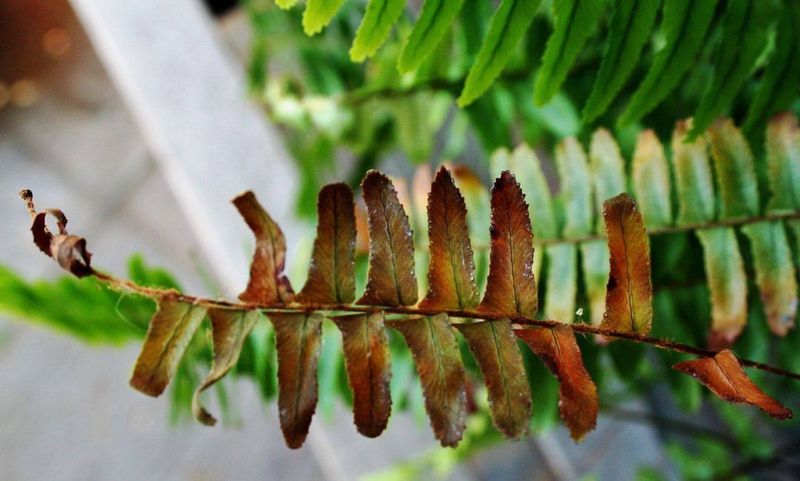
Brown leaf edges appear first on many salt-stressed plants, starting at the tips and spreading inward. This browning happens because chloride accumulates at the leaf margins where water evaporates.
Pennsylvania homeowners often mistake this symptom for drought stress or wind burn.
Evergreens develop a reddish or bronze cast on needles facing the road. The color change typically shows up on the side receiving the most spray from passing traffic.
Pines, spruces, and junipers are particularly prone to this discoloration during late winter and early spring.
Stunted growth becomes obvious when new shoots emerge shorter and thinner than normal. Salt-damaged plants put out weak, pale growth that lacks vigor.
Comparing this year’s growth to previous seasons reveals the decline clearly.
Leaf drop occurs earlier than usual on deciduous trees and shrubs exposed to high salt levels. Instead of holding foliage through fall, affected plants may shed leaves in late summer.
This premature leaf loss reduces the plant’s ability to store energy for the next growing season.
Twig decline often begins at branch tips and gradually moves back toward the trunk. Small twigs turn brown and brittle, snapping off easily.
Pennsylvania’s harsh winters already place heavy stress on woody plants, and salt exposure makes these symptoms more severe and widespread.
Yellowing between leaf veins indicates nutrient deficiencies caused by salt interference. This pattern differs from overall yellowing because the veins stay green while the tissue between them fades.
Magnesium and iron deficiencies often show this distinctive symptom.
Wilting happens even when soil moisture seems adequate. Plants affected by physiological drought can’t absorb available water, so they droop and wilt despite regular rainfall or irrigation.
This confusing symptom leads many gardeners to water more, which doesn’t solve the underlying problem.
5. Common Plants Most Sensitive To Road Salt
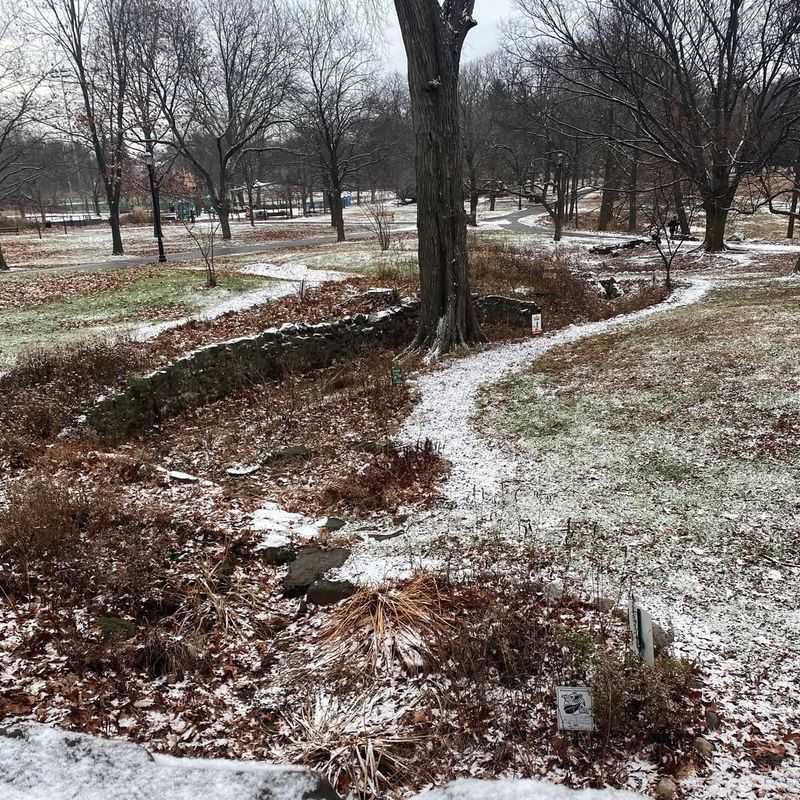
Sugar maples suffer dramatically from salt exposure, often showing severe leaf scorch and progressive branch decline.
These beloved Pennsylvania trees line countless streets, making their vulnerability especially problematic. Many communities have lost mature sugar maples to repeated salt damage over time.
Red maples also struggle with high sodium levels, though they’re slightly more tolerant than sugar maples. Still, roadside red maples often decline faster than those planted farther from traffic.
Their shallow root systems make them particularly susceptible to salt accumulation in upper soil layers.
Dogwoods rarely survive long-term salt exposure near busy roads. Both flowering dogwood and kousa dogwood varieties show rapid decline when subjected to regular salt spray.
Pennsylvania gardeners who love these ornamental trees should plant them well away from treated streets.
Rhododendrons and azaleas develop severe leaf burn and growth problems in salty conditions. These popular foundation plants often sit right at the property edge, placing them in the direct path of road spray.
Their shallow, fibrous roots can’t escape salt by growing deeper.
White pines turn brown and lose needles rapidly when exposed to road salt. These evergreens are common in Pennsylvania landscapes but perform poorly near roads.
The damage typically appears on the road-facing side first, creating a lopsided appearance.
Hemlocks share the white pine’s sensitivity to salt, making them poor choices for roadside planting. Pennsylvania’s native hemlock forests thrive in mountain settings but struggle when planted near treated streets.
Salt damage compounds the stress these trees already face from woolly adelgid infestations.
Birch trees show salt stress through thinning canopies and early leaf drop. River birch tolerates wet conditions but not salty ones.
Paper birch and gray birch are equally vulnerable, making the entire genus problematic for roadside use.
6. Why Pennsylvania’s Winters Make This Worse
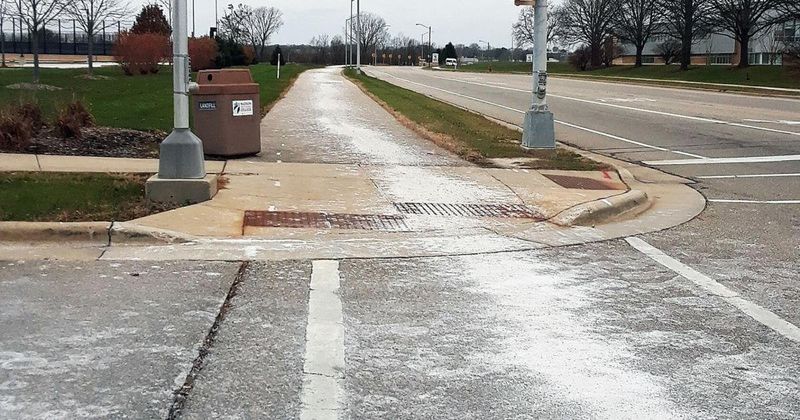
Frequent temperature swings characterize Pennsylvania winters, creating repeated freeze-thaw cycles. Each cycle requires fresh salt applications to maintain safe road conditions.
This pattern means roads get treated multiple times per week during active winter weather, multiplying the total salt load.
Lake-effect snow from the Great Lakes dumps heavy precipitation on western Pennsylvania counties. These areas receive more frequent storms, which leads to more salt treatments throughout the season.
Erie County alone can see over one hundred inches of snow annually, requiring constant de-icing efforts.
Urban heat islands in cities like Philadelphia and Pittsburgh cause ice to form and melt repeatedly. The constant temperature fluctuations near freezing mean roads need treatment even during relatively mild winters.
This stop-and-start pattern increases salt usage compared to consistently cold climates.
Pennsylvania’s varied terrain creates microclimates where some areas need more salt than others. Shaded north-facing slopes stay icy longer, requiring heavier treatments.
Hilltops and valleys experience different conditions, leading to uneven salt distribution across the landscape.
Early and late-season storms catch plants in vulnerable states. November ice storms hit before trees have fully hardened off for winter.
March treatments occur just as plants begin emerging from dormancy. Salt exposure during these transition periods causes extra harm.
Pennsylvania’s dense road network means more treated surfaces per square mile than rural states. Highways, state routes, county roads, and municipal streets all receive salt applications.
This extensive coverage increases the likelihood that residential properties will sit near treated roads.
Limited snow removal budgets push municipalities to rely heavily on salt rather than mechanical removal. Plowing costs more than spreading salt, so cash-strapped townships often choose chemical treatments.
This economic reality means more salt enters the environment than might be necessary with different approaches.
7. Long-Term Soil Changes From Repeated Salting
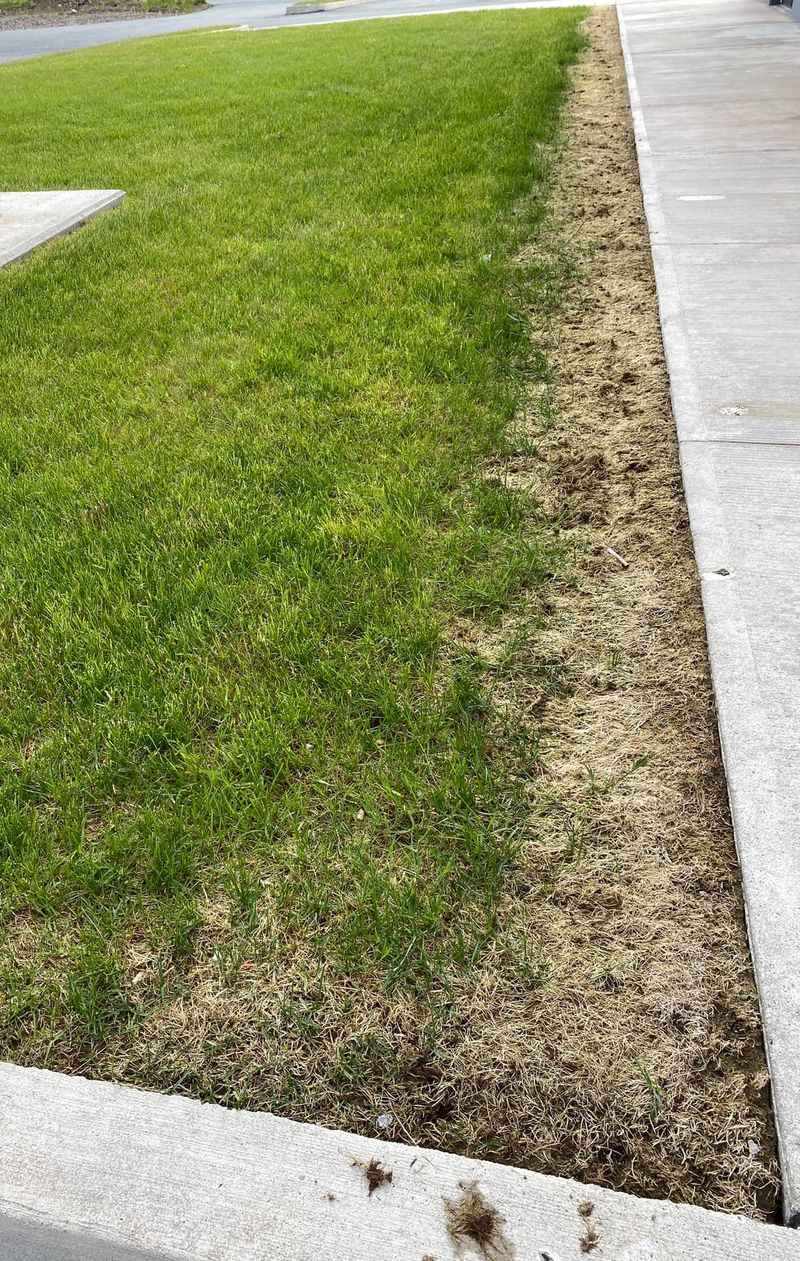
Soil compaction worsens progressively as salt breaks down clay particles year after year. Pennsylvania’s naturally clay-rich soils become increasingly dense and hard to work.
Compacted soil restricts root growth and prevents water infiltration, creating problems that persist long after salt levels drop.
Nutrient imbalances develop as sodium displaces other essential elements from soil particles. Calcium and magnesium get pushed out of the root zone, creating deficiencies that require fertilizer applications to correct.
These imbalances don’t resolve quickly, often taking several growing seasons to improve even with amendments.
Organic matter decomposition slows in salty soil because beneficial microorganisms decline. Without active microbial populations, dead leaves and plant debris break down slowly.
Pennsylvania gardeners may notice that mulch and compost don’t improve soil quality as effectively in salt-affected areas.
Soil pH shifts upward toward alkaline levels as sodium accumulates. Most Pennsylvania native plants and common ornamentals prefer slightly acidic conditions.
The pH change locks up iron and other micronutrients, causing deficiency symptoms even when these elements are present.
Water infiltration rates decrease as soil structure deteriorates. Rain and irrigation water run off rather than soaking in, leading to both drought stress and erosion problems.
This creates a frustrating situation where plants suffer from lack of water despite adequate rainfall.
Salt crusts form on the surface during dry periods, creating a physical barrier to water penetration. These crusts also reflect heat, raising soil temperatures and stressing shallow roots.
Pennsylvania’s hot summers compound this problem when salty soil retains less moisture.
8. Simple Ways To Protect Plants Near Streets
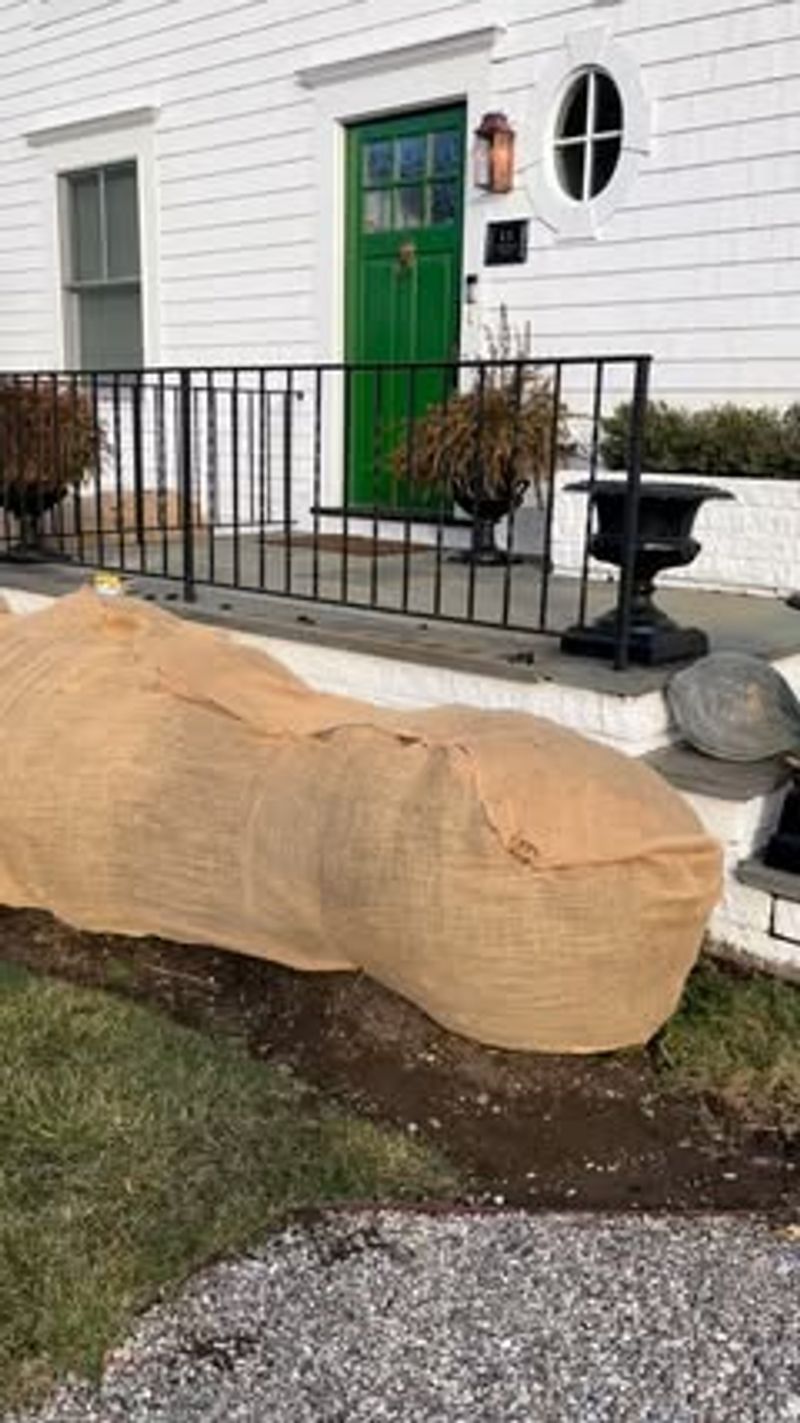
Physical barriers like burlap screens block salt spray from reaching valuable plants. Homeowners can install temporary fencing or fabric shields on the road-facing side of shrubs and evergreens.
This low-tech solution works surprisingly well for Pennsylvania properties with space for barriers.
Rinsing foliage with fresh water after storms washes off salt before it absorbs into leaves. A gentle spray from a garden hose removes surface deposits effectively.
Timing matters—rinsing works best before salt dries on plant surfaces, ideally within a day or two of exposure.
Gypsum applications help displace sodium from soil particles without raising pH. This calcium sulfate amendment improves soil structure while reducing salt damage.
Pennsylvania gardeners should apply gypsum in early spring to address winter salt accumulation.
Deep watering in early spring flushes accumulated salt below the root zone. Applying several inches of water slowly allows it to percolate downward, carrying dissolved salts with it.
This technique works best before plants begin active growth and need that water for other purposes.
Mulching heavily around vulnerable plants creates a buffer that absorbs some salt before it reaches roots. A four-inch layer of wood chips or shredded bark helps protect the root zone.
Pennsylvania homeowners should refresh mulch each spring to maintain effectiveness.
Selecting salt-tolerant plant species for roadside locations prevents problems before they start. Junipers, serviceberry, and switchgrass all handle salt better than sensitive species.
Replacing struggling plants with tougher alternatives makes sense for high-exposure areas.