Why Rosemary Along The Fence Line Has Become A Timeless Habit
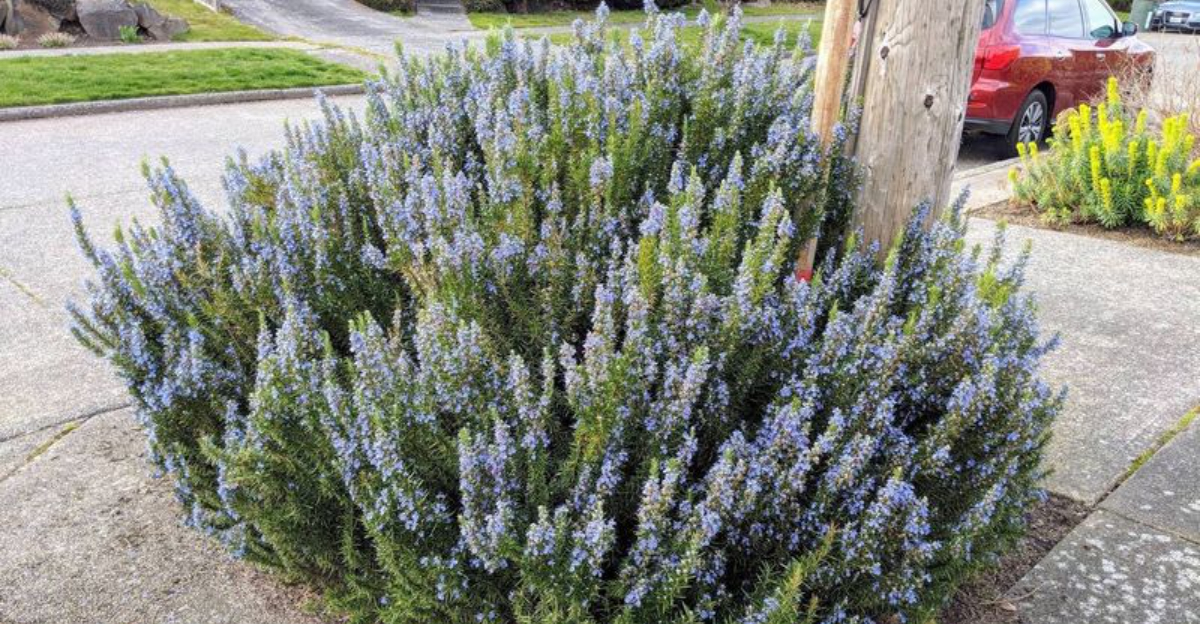
Rosemary along the fence line has become one of those habits you try once and suddenly wonder why you didn’t start sooner because it just makes your yard feel better instantly.
It brings this calm, cozy charm every time you walk by, and honestly, there’s something satisfying about seeing it thrive exactly where you planted it.
You might even catch yourself bragging a little when someone asks why your fence looks so put-together without any extra effort.
Natural Pest Deterrent That Works Year-Round
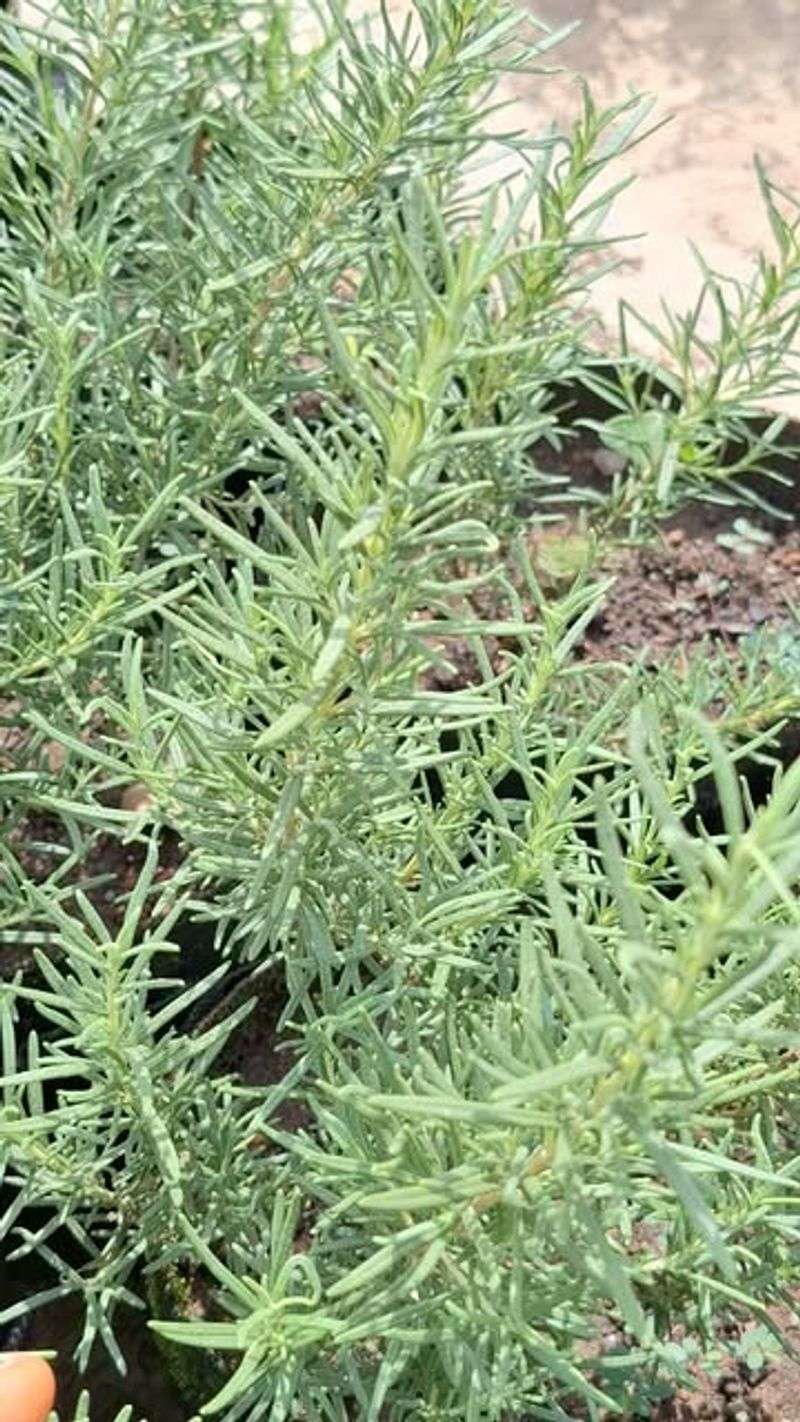
Rosemary contains natural oils that many common garden pests find unpleasant, making it an excellent choice for protecting your yard without harsh chemicals or sprays.
Mosquitoes, flies, and certain beetles tend to avoid areas where rosemary grows thick and fragrant, creating a protective barrier around your property naturally.
Planting this herb along your fence means you establish a defense line that works all year without needing constant attention or replacement products.
The strong scent comes from compounds like camphor and rosmarinic acid, which insects dislike but humans find refreshing and pleasant in outdoor spaces.
Many gardeners notice fewer annoying bugs near their patios and play areas once rosemary becomes established along the fence, improving outdoor comfort significantly.
Unlike chemical repellents that wash away with rain or fade in sunlight, rosemary keeps releasing its protective oils naturally through leaves and stems continuously.
This makes it a sustainable, eco-friendly option for families who want to reduce their use of synthetic pesticides while still enjoying a pest-free yard.
Children and pets can safely play near rosemary without exposure to harmful substances, giving parents peace of mind about their outdoor environment and activities.
Creates A Beautiful Evergreen Border
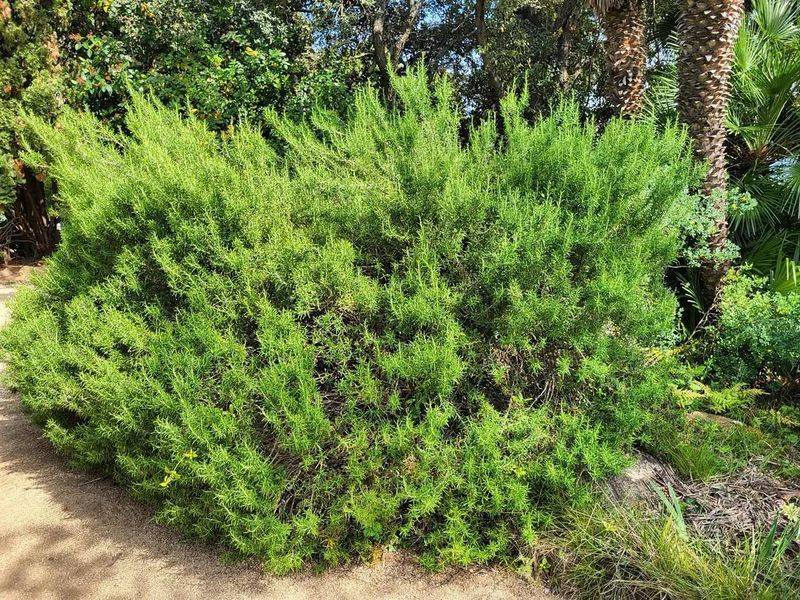
Unlike many plants that lose their leaves in fall and leave bare spots, rosemary stays green throughout every season, providing constant visual appeal always.
This evergreen quality makes your fence line look intentional and well-maintained even during winter months when other plants have gone dormant or disappeared completely.
Rosemary grows in a naturally upright or spreading form depending on the variety, allowing you to choose the shape that best fits your space.
The needle-like leaves create interesting texture that contrasts nicely with broader-leafed plants, adding depth and visual interest to your overall landscape design scheme.
Many varieties produce delicate blue, purple, or white flowers in spring and sometimes again in fall, bringing seasonal color without requiring extra planting effort.
Homeowners appreciate how rosemary fills in gaps along fences quickly once established, creating a cohesive look that frames the yard beautifully and professionally.
The silvery-green foliage reflects light in a way that makes fence lines appear brighter and more inviting, especially in shaded areas with limited sunlight.
Landscapers often recommend rosemary for clients seeking low-maintenance borders that deliver year-round beauty without the need for constant replanting or seasonal changes to maintain.
Provides Fresh Herbs Just Steps From Your Kitchen
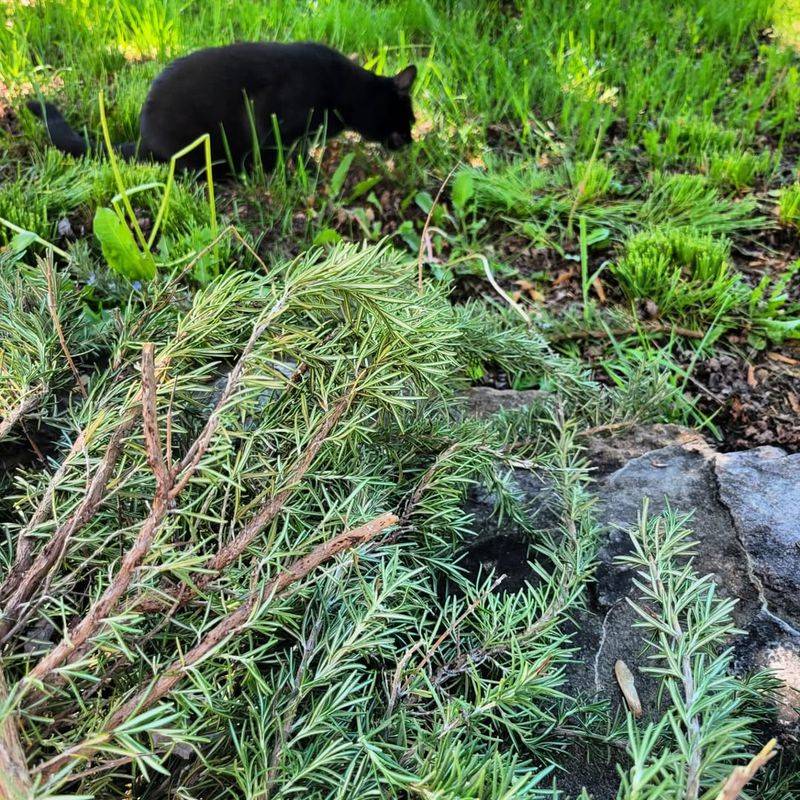
Having rosemary growing right outside your door means you can grab fresh herbs anytime you cook without making a trip to the grocery store.
Fresh rosemary tastes significantly better than dried versions, bringing bright, aromatic flavor to roasted meats, vegetables, breads, and even infused oils or butters instantly.
A single mature plant produces enough foliage to supply a family’s cooking needs throughout the year, making it incredibly practical and economical long-term.
Gardeners love the convenience of stepping outside during meal preparation to snip exactly what they need, ensuring the freshest possible ingredient every single time.
Rosemary pairs wonderfully with potatoes, chicken, lamb, and Mediterranean dishes, and having it readily available encourages you to experiment with new recipes more often.
Children enjoy helping harvest herbs from the fence line, making it a fun way to involve young family members in cooking and gardening activities.
The herb retains its flavor well even after light frost, meaning you can continue harvesting fresh sprigs even when other garden plants stop producing.
Many home cooks find that growing their own rosemary inspires them to cook more from scratch, improving their diet and reducing reliance on processed foods.
Requires Minimal Water Once Established
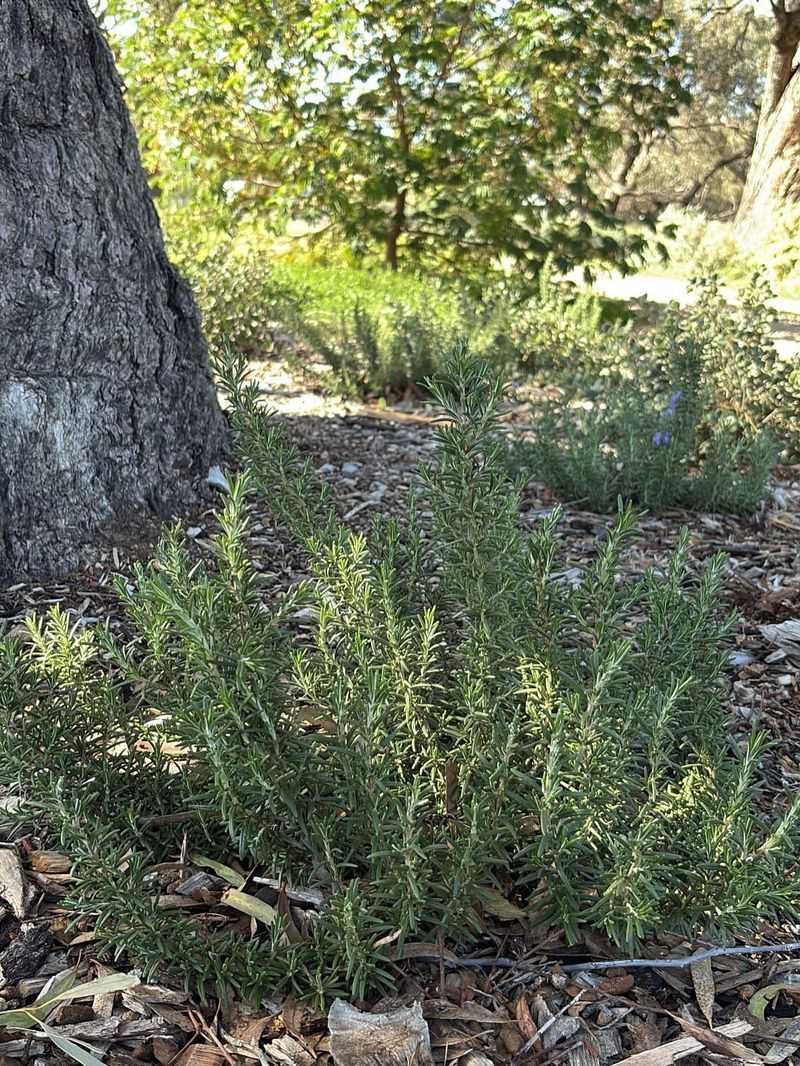
Rosemary originally comes from Mediterranean regions where rainfall is scarce, so it has adapted to survive and thrive with very little supplemental watering needed.
Once the roots establish themselves during the first growing season, rosemary can go weeks without rain or irrigation and still remain healthy and vibrant.
This drought tolerance makes it perfect for areas with water restrictions or for gardeners who want to reduce their water bills and environmental impact significantly.
Overwatering actually harms rosemary more than underwatering, so forgetting to water it occasionally is rarely a problem for this resilient Mediterranean herb plant.
Busy homeowners appreciate plants that don’t demand constant attention, and rosemary fits perfectly into low-maintenance landscapes that still look polished and intentional year-round.
The deep root system that develops over time allows rosemary to access moisture from lower soil layers that other shallow-rooted plants cannot reach.
In regions experiencing prolonged dry spells, rosemary along the fence line often remains green while surrounding grass and annuals turn brown and struggle badly.
Choosing water-wise plants like rosemary demonstrates environmental responsibility and helps conserve precious resources while maintaining an attractive, functional landscape that neighbors will admire greatly.
Thrives In Various Climate Conditions

While rosemary prefers warm, sunny locations, many varieties can adapt to different climates including cooler regions where winters bring frost and snow occasionally.
Gardeners in zones seven through ten can usually grow rosemary as a perennial, while those in colder areas can treat it as an annual.
Cold-hardy varieties like Arp and Hill Hardy tolerate temperatures down to zero degrees Fahrenheit, expanding the range where rosemary can survive winter outdoors.
The plant handles heat extremely well, making it ideal for southern gardens where summer temperatures soar and many other herbs wilt or stop growing.
Rosemary adapts to various soil types as long as drainage is good, though it prefers slightly alkaline conditions similar to its native Mediterranean homeland.
Coastal gardeners appreciate how rosemary tolerates salt spray and sandy soil, thriving in beachfront properties where other plants struggle with harsh seaside conditions daily.
Even in areas with unpredictable weather patterns, rosemary demonstrates remarkable resilience, bouncing back quickly after storms or unexpected temperature swings that damage other plants.
This adaptability makes rosemary a reliable choice for gardeners across the country who want consistent results without worrying about whether their climate suits it.
Attracts Beneficial Pollinators To Your Yard
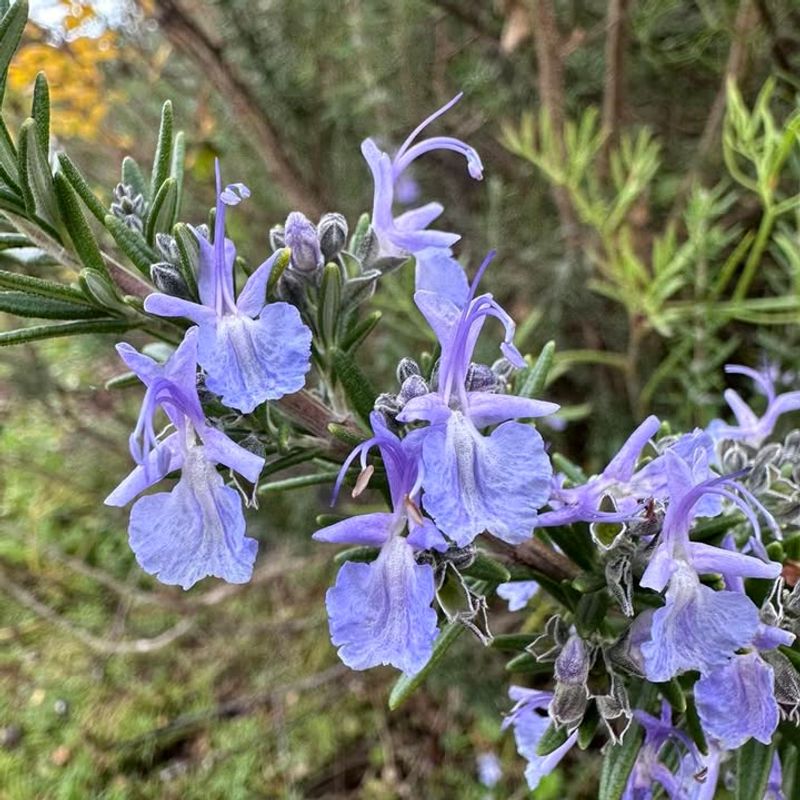
When rosemary blooms, its flowers become a magnet for honeybees, bumblebees, and other beneficial pollinators that help your entire garden produce better yields overall.
These pollinators visit rosemary flowers for nectar and pollen, then move on to vegetable and fruit plants, improving pollination rates and increasing harvests naturally.
Supporting pollinator populations has become increasingly important as bee numbers decline worldwide, and planting rosemary contributes to conservation efforts in your own backyard simply.
The flowers appear in early spring when few other food sources are available, providing crucial nutrition for pollinators emerging from winter dormancy and starting colonies.
Butterflies also visit rosemary blooms, adding movement and beauty to your fence line while helping maintain the ecological balance that healthy gardens need to flourish.
Gardeners who prioritize organic methods appreciate how attracting pollinators naturally reduces the need for hand-pollination or relying on commercial pollination services for crops annually.
Children find it educational and exciting to observe bees and butterflies working among the rosemary, creating opportunities to teach them about ecology and ecosystems.
Creating a pollinator-friendly yard benefits not just your property but the entire neighborhood, as these insects travel between gardens spreading their important work far beyond.
Acts As A Living Privacy Screen
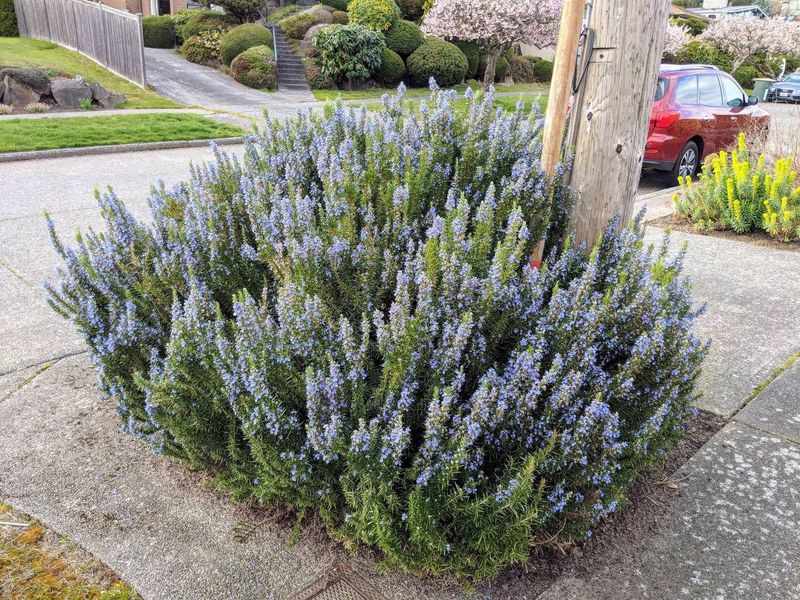
Certain rosemary varieties grow tall and bushy, reaching heights of four to six feet, which creates excellent natural screening along fence lines for privacy.
This living wall blocks views from neighbors or streets while adding softness and beauty that solid fences or walls alone cannot provide to outdoor spaces.
The dense foliage fills in gaps between fence boards or chain links, creating a more complete barrier that enhances seclusion without expensive construction projects.
Homeowners who value privacy but want to avoid the harshness of tall fences find rosemary offers the perfect compromise between openness and seclusion effectively.
Unlike deciduous privacy hedges that lose leaves in fall, rosemary maintains its screening ability throughout every season, ensuring consistent privacy all year long.
The aromatic foliage adds a sensory dimension to your private outdoor space, making time spent in the yard more relaxing and enjoyable for everyone.
Planting rosemary along shared property lines creates a friendly, attractive boundary that neighbors typically appreciate more than stark fencing or unfriendly barriers between properties.
As plants mature and fill in, the privacy level increases naturally without requiring ongoing investment or maintenance beyond occasional trimming to maintain desired shape.
Resists Most Common Plant Diseases
Rosemary’s natural oils and hardy constitution make it highly resistant to fungal diseases, bacterial infections, and other common problems that plague many garden plants.
Gardeners rarely need to apply fungicides or antibacterial treatments to rosemary, reducing chemical use and simplifying maintenance routines significantly throughout the growing season always.
The plant’s preference for dry conditions means it avoids many moisture-related diseases like powdery mildew or root rot that affect plants in damp environments.
Even in humid climates where fungal issues are common, rosemary typically remains healthy as long as it receives adequate air circulation and isn’t overwatered regularly.
This disease resistance makes rosemary ideal for organic gardeners who avoid synthetic treatments and prefer plants that naturally defend themselves against pathogens and problems.
Beginners appreciate how forgiving rosemary is compared to finicky plants that require constant monitoring and intervention to prevent disease outbreaks and failures frequently.
The time saved not treating diseases or replacing failed plants allows gardeners to focus energy on more enjoyable aspects of yard care and improvement.
Choosing disease-resistant plants like rosemary creates a more sustainable landscape that requires fewer inputs and produces better results with less frustration over the long term.
Improves Soil Quality Over Time
As rosemary grows along your fence line, its roots help break up compacted soil, improving drainage and allowing air to penetrate deeper underground naturally.
The plant’s root system also stabilizes soil on slopes or areas prone to erosion, holding earth in place during heavy rains or windstorms effectively.
When leaves drop naturally throughout the year, they decompose and add organic matter to the soil, gradually enriching it with nutrients over multiple seasons.
This organic matter improves soil structure, making it easier for other plants nearby to establish roots and access water and nutrients more efficiently always.
Rosemary’s deep roots bring up minerals from lower soil layers, which become available to shallow-rooted plants when leaves fall and decompose at surface level.
Gardeners practicing permaculture principles value plants like rosemary that contribute to soil health rather than depleting it, creating regenerative landscapes that improve with time.
Healthier soil supports more diverse microbial life, which in turn benefits all plants in the area by improving nutrient cycling and disease suppression naturally.
Over years, fence lines planted with rosemary often show noticeably better soil quality compared to unplanted areas, demonstrating the herb’s long-term environmental benefits clearly.
Offers Aromatic Ambiance To Outdoor Spaces
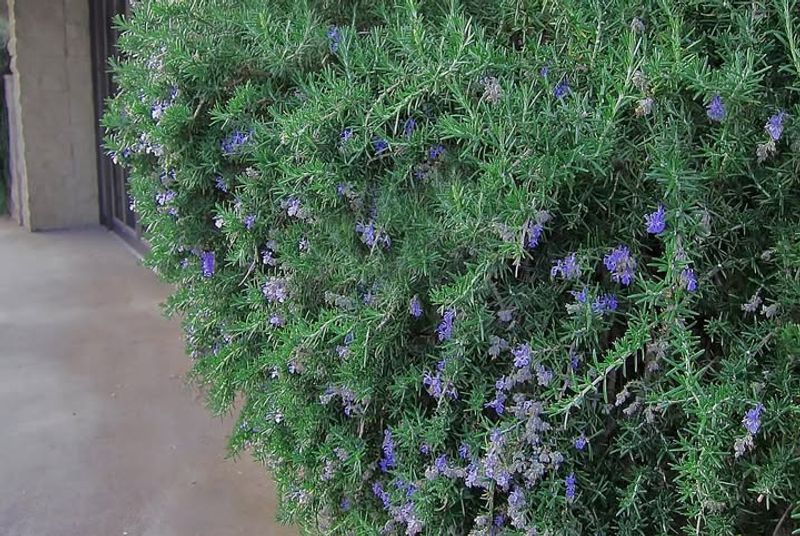
The distinctive fragrance of rosemary creates a welcoming, spa-like atmosphere in your yard that enhances relaxation and makes outdoor time more enjoyable for everyone.
Simply brushing against the plants releases essential oils that fill the air with a clean, herbal scent reminiscent of Mediterranean hillsides and coastal gardens.
This natural aromatherapy effect can reduce stress and improve mood, making your backyard a true retreat from daily pressures and busy modern life schedules.
Homeowners who entertain outdoors find that the pleasant rosemary scent impresses guests and creates memorable experiences without needing artificial fragrances or chemical air fresheners.
The aroma intensifies on warm, sunny days when the sun heats the foliage, making summer afternoons spent near the fence line particularly pleasant and inviting.
Unlike overpowering floral scents that some people find overwhelming, rosemary’s clean fragrance appeals to most people and rarely triggers allergies or sensitivities to smells.
Gardeners often mention how the scent of rosemary reminds them of favorite vacation destinations or family recipes, creating positive emotional connections to their outdoor spaces.
Creating a sensory-rich environment with fragrant plants like rosemary transforms an ordinary yard into a special place where family and friends naturally want to gather.