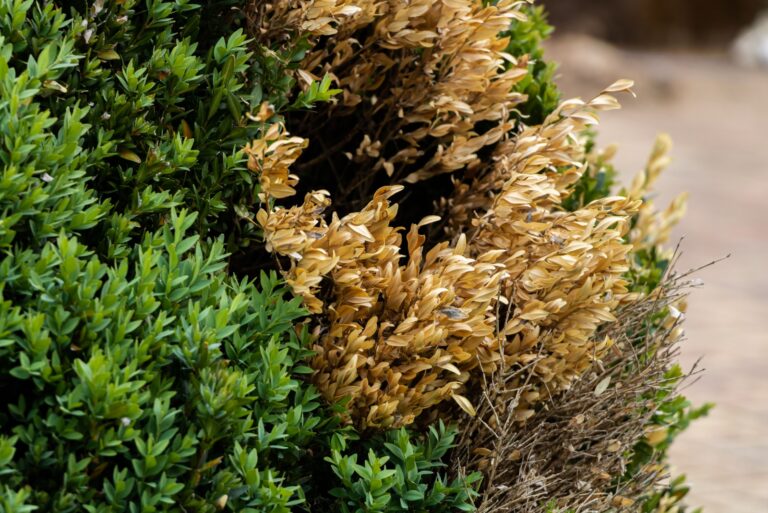
Why Roses Struggle In Michigan And The Most Common Cold Weather Problems
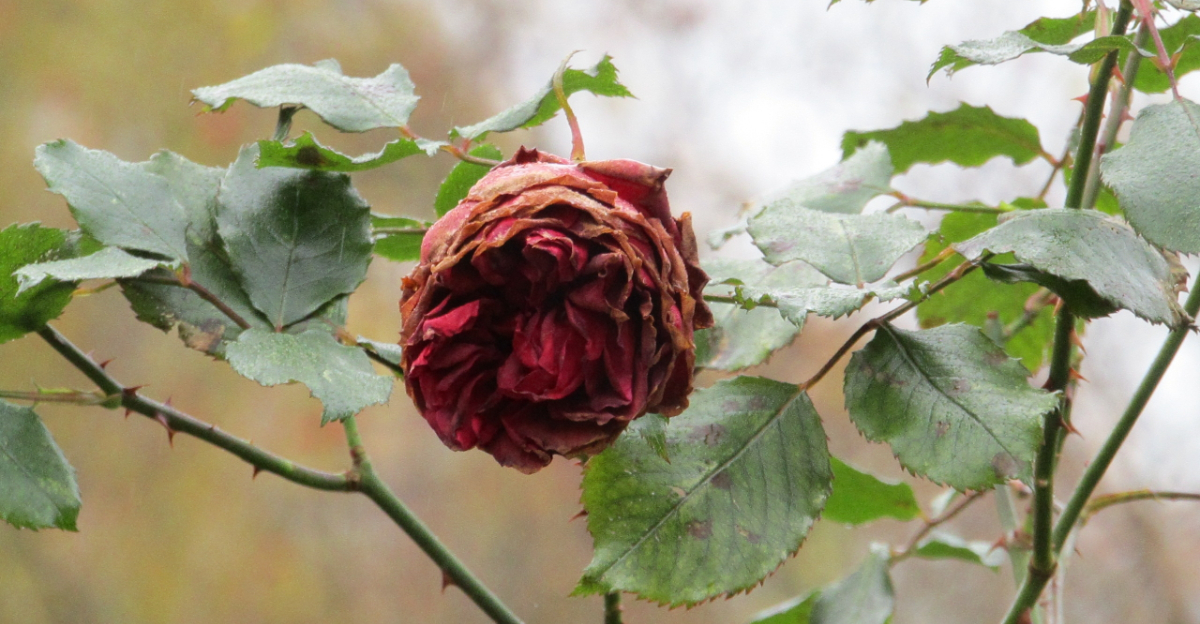
Growing roses in Michigan can be frustrating, especially after a long winter. Many gardeners expect roses to bounce back in spring, but cold weather often leaves them weak, damaged, or slow to recover.
Freezing temperatures, strong winds, and repeated freeze thaw cycles can take a serious toll before the growing season even begins.
One of the most common problems is winter damage to canes, where exposed stems dry out or die back after months of cold air and wind.
Roots can also suffer when the ground repeatedly freezes and thaws, loosening the soil and stressing the plant. Sudden temperature drops, especially without steady snow cover, often make things worse.
Even hardy rose varieties can struggle under these conditions. Knowing what causes winter damage helps gardeners protect their roses better and gives plants a stronger chance to recover once warmer weather returns.
Winter Kill From Extreme Cold
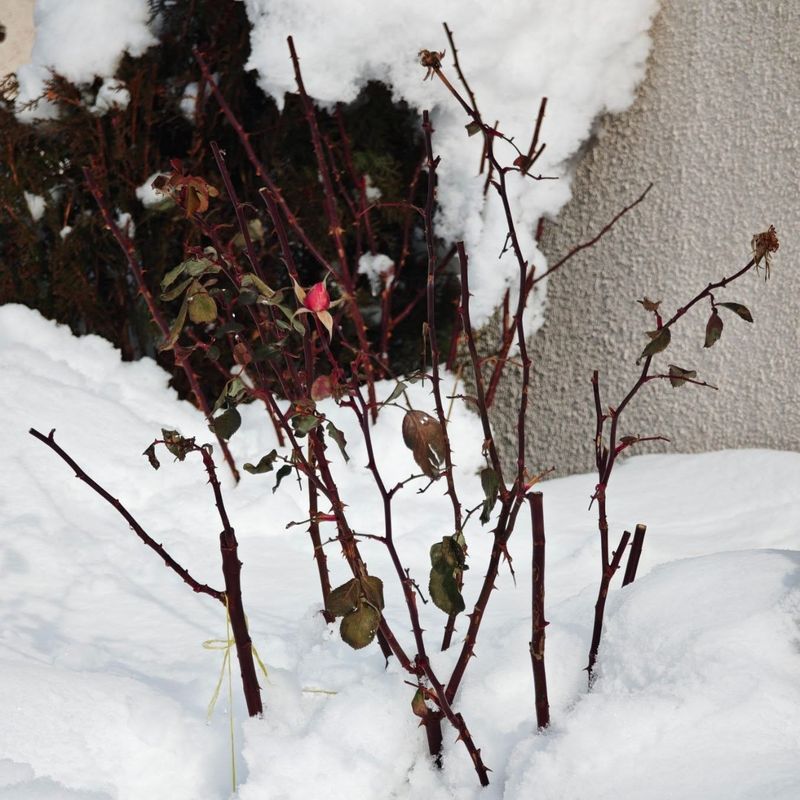
Michigan’s brutal winter temperatures regularly plummet below negative ten degrees Fahrenheit in growing zones four and five. These extreme conditions spell trouble for tender rose varieties that simply cannot withstand such harsh cold.
The freezing air penetrates deep into plant tissues, causing cellular damage that shows up as blackened stems and shriveled buds come springtime.
Hybrid tea roses and floribundas are especially vulnerable to this kind of severe temperature stress. When water inside plant cells freezes, it expands and ruptures cell walls, essentially damaging the plant from the inside out.
This process happens quickly during those bitter cold snaps that Michigan experiences regularly throughout winter months.
Protecting your roses requires advance planning before the first hard freeze arrives in your area. Mounding soil around the base of each plant creates insulation that helps maintain more stable temperatures.
Adding a thick layer of mulch over the mounded soil provides extra protection against temperature extremes.
Consider choosing hardier rose varieties bred specifically for cold climates if you live in northern Michigan.
Shrub roses and species roses typically handle freezing temperatures much better than their more delicate cousins. Proper winter preparation combined with smart variety selection helps your roses survive even the coldest Michigan winters successfully.
Frost Cracks In Stems
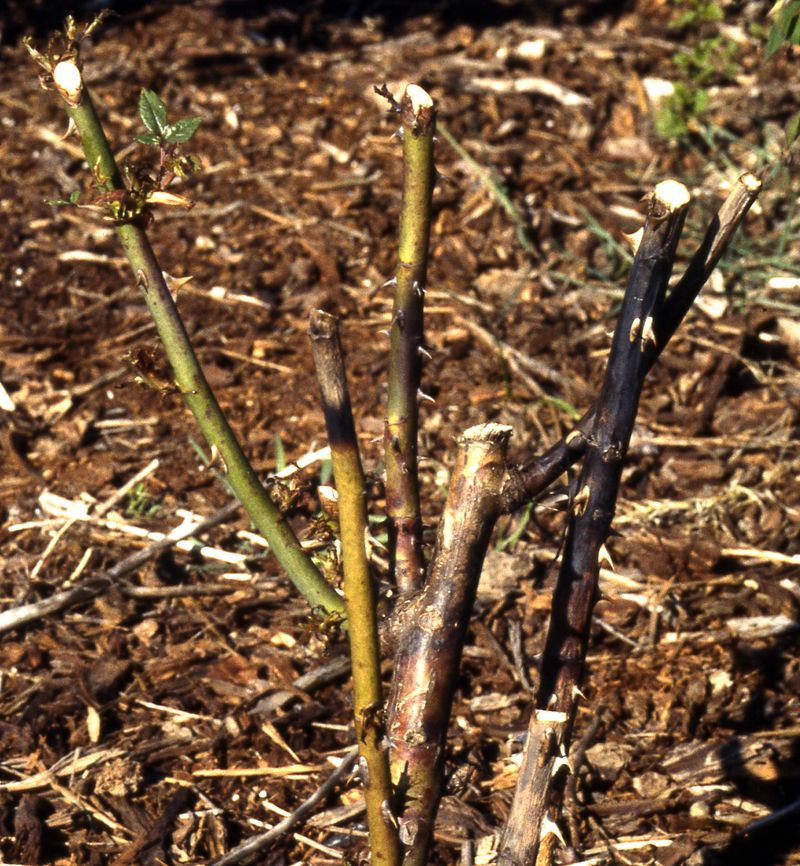
Rapid temperature swings create serious problems for rose canes throughout Michigan’s unpredictable winter season.
When temperatures drop suddenly after a mild day, the outer bark contracts faster than the inner wood. This uneven contraction causes vertical splits called frost cracks that run along the length of canes.
These cracks expose vulnerable inner tissues to harsh elements and invite disease organisms to enter. Bacteria and fungi find these openings perfect entry points, leading to infections that spread throughout the plant.
The damage often goes unnoticed until spring when you see blackened areas spreading from the crack sites.
Young canes with smooth, thin bark are particularly susceptible to this type of splitting damage.
Older, thicker canes develop more protective bark layers that resist cracking better during temperature fluctuations. However, even mature canes can split during especially severe temperature changes common in Michigan winters.
Wrapping vulnerable canes with burlap or special tree wrap helps prevent frost cracking on prized specimens.
The wrapping material moderates temperature changes by providing an insulating layer between the bark and frigid air. Remove wraps in early spring to prevent moisture buildup that encourages rot.
Inspect all canes carefully each spring for signs of frost damage and splitting. Prune away any cracked sections promptly to prevent disease spread and encourage healthy new growth.
Dieback On Canes
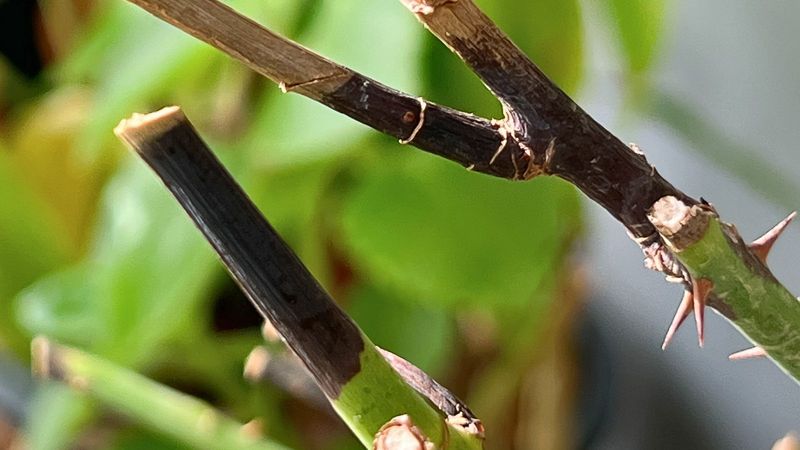
Blackened or brown canes signal one of the most common cold weather problems Michigan rose gardeners encounter.
Cold damage travels through canes from the tips downward, causing tissue to darken and shrivel. This condition, called dieback, results when freezing temperatures overwhelm the plant’s ability to protect its above-ground growth.
The damage becomes obvious once spring arrives and you expect to see green growth emerging. Instead, you find canes that remain brown or black, feeling brittle and lifeless to the touch.
These affected sections cannot produce flowers or foliage, requiring removal before healthy growth can proceed.
Dieback significantly delays your rose’s flowering schedule since the plant must generate entirely new canes.
Energy that would normally go into producing buds and blooms gets redirected to rebuilding the damaged structure. Some seasons, heavily affected roses may not flower at all until late summer.
Proper pruning technique becomes essential when dealing with dieback on your Michigan roses each spring.
Cut back to healthy white or light green tissue, making clean cuts just above an outward-facing bud. Sterilize pruning tools between cuts to avoid spreading any disease that might be present.
Prevention works better than treatment for this frustrating problem affecting Michigan rose gardens.
Adequate winter protection, including mounding and mulching, reduces the severity of dieback considerably. Choosing cold-hardy varieties suited to your specific growing zone also minimizes this common issue.
Root Damage From Frozen Soil
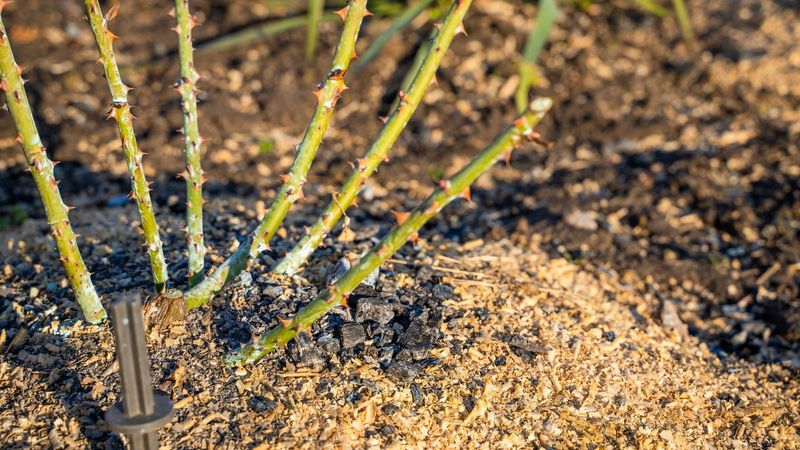
Underground, where you cannot see it, another serious problem threatens your Michigan roses throughout winter. Extended periods of frozen soil can severely damage the shallow root systems that roses depend on.
When ground freezes solid for weeks or months, ice crystals form within root tissues, causing the same cellular damage that affects above-ground parts.
Roses develop most of their feeder roots in the top twelve inches of soil. This zone freezes completely during typical Michigan winters, putting these vital roots at risk.
Damaged roots cannot absorb water or nutrients effectively once spring thaws the ground, leaving plants stressed and struggling.
Signs of root damage often appear as slow spring growth and yellowing foliage despite adequate watering.
The plant looks thirsty even when soil moisture seems fine because damaged roots cannot function properly. Recovery takes time as the rose slowly generates new root growth to replace what winter destroyed.
Deep mulching before ground freezes solid provides crucial protection for rose root systems in Michigan.
Apply four to six inches of organic mulch over the root zone, extending beyond the drip line. This insulating layer prevents soil from freezing as deeply and moderates temperature fluctuations.
Snow actually helps protect roots by adding another insulating layer over mulch and soil. Resist the urge to clear snow away from rose beds, as that white blanket provides valuable temperature protection.
Combining proper mulching with natural snow cover gives roots their best chance of surviving Michigan’s frozen winters intact.
Snow And Ice Pressure

Heavy snow and ice accumulation creates physical stress that can permanently damage rose structures throughout Michigan winters.
Climbing roses and large shrub roses are especially vulnerable when snow piles up or ice coats their canes. The sheer weight bends canes beyond their breaking point, snapping them or pulling them away from supports.
A single heavy, wet snowfall can deposit enough weight to break multiple canes on an unprepared rose. Ice storms prove even more destructive, coating every surface with a thick, heavy glaze.
The accumulated weight increases dramatically as more precipitation falls, stressing canes until they simply give way.
Damage from snow and ice often goes beyond simple breaks, affecting the overall shape and structure.
Bent canes may not break immediately but develop weak spots that fail later or grow in awkward directions. Climbing roses torn from their supports require extensive retraining once growing season returns.
Gentle removal of heavy snow from rose canes during and after storms prevents much of this damage.
Use a broom to carefully brush snow off, working from bottom to top to avoid breaking frozen canes. Never try to remove ice coatings, as you will likely cause more damage than the ice itself.
Proper support systems installed before winter help climbing and shrub roses withstand snow and ice loads better.
Secure canes firmly to sturdy supports, and consider loosely tying them together for mutual support. Some gardeners successfully protect vulnerable roses by building simple shelters over them for the winter months.
Desiccation Winter Burn
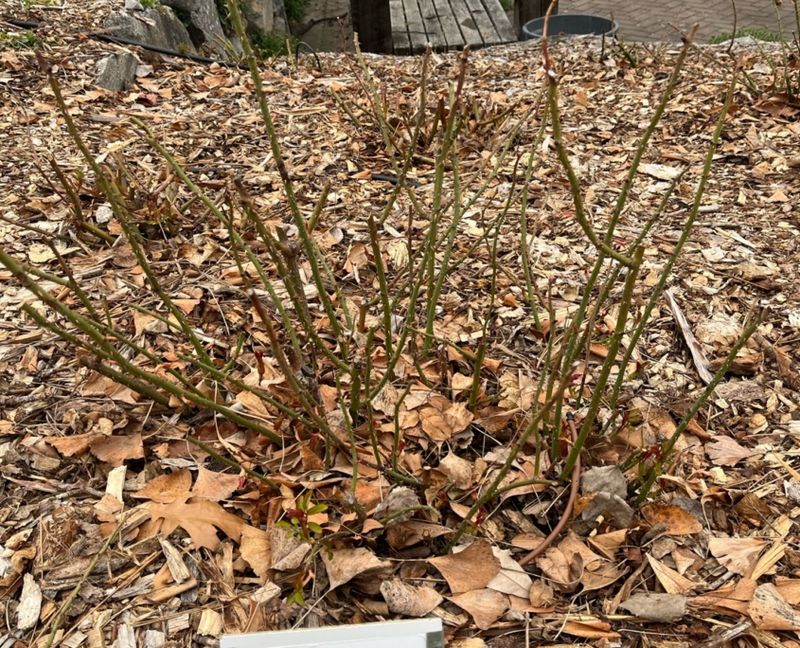
Winter burn, also called desiccation, occurs when cold winds strip moisture from exposed rose canes faster than roots can replace it.
Frozen ground prevents roots from absorbing water, while harsh Michigan winds continue pulling moisture from plant tissues. This combination leaves canes dried out and damaged, showing brown tips and shriveled bark come spring.
Evergreen or semi-evergreen roses suffer especially severe desiccation damage during Michigan winters with persistent winds. The foliage continues losing moisture through tiny pores even when temperatures drop below freezing.
Without access to soil moisture, leaves turn brown and crispy, eventually dropping off completely. South and west-facing exposures experience the worst desiccation problems because they receive more winter sun and wind.
The sun warms canes during the day, opening pores and increasing moisture loss. Then nighttime temperatures plunge again, freezing any remaining moisture and causing additional damage.
Creating windbreaks around rose plantings significantly reduces desiccation damage in exposed Michigan gardens. Burlap screens, snow fencing, or evergreen boughs arranged on the windward side block harsh winds effectively.
These barriers slow wind speed without completely blocking air circulation, which remains important for plant health.
Anti-desiccant sprays applied in late fall provide another layer of protection against winter moisture loss. These products coat canes and foliage with a thin, breathable film that reduces water evaporation.
Reapply according to product directions, as protection breaks down over time and with weather exposure.
Improper Mulching
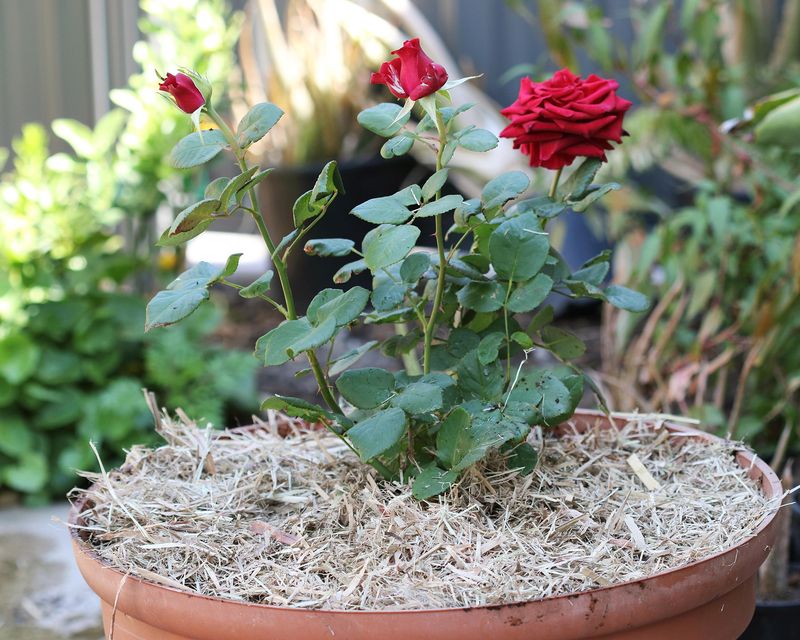
Mulching seems straightforward, but getting it wrong causes serious problems for Michigan roses during winter months.
Too little mulch fails to provide adequate insulation, leaving roots vulnerable to freezing temperatures and frost heaving. Conversely, piling mulch too deeply or too close to canes traps excessive moisture that encourages rot and fungal diseases.
Many gardeners make the mistake of mulching too early in fall before plants have properly hardened off. This keeps soil warm longer, delaying the natural dormancy process that prepares roses for winter.
Plants that enter winter without proper hardening suffer more damage when severe cold finally arrives.
The wrong mulch materials also create problems rather than solving them. Fresh wood chips or high-nitrogen materials continue decomposing throughout winter, generating heat that confuses dormant plants.
Heavy, compacted mulches like wet leaves mat down and suffocate roots by blocking air exchange. Proper mulching technique starts with timing application after several hard frosts have induced dormancy.
Apply four to six inches of loose, organic material like shredded bark or pine needles around each plant. Keep mulch pulled back a few inches from the base of canes to prevent moisture buildup and rot.
Remove or pull back mulch gradually in spring as temperatures warm and new growth begins.
Leaving heavy mulch in place too long keeps soil cold and wet, delaying spring growth and encouraging disease. Proper mulch management throughout the year keeps your Michigan roses healthy and protected without creating new problems.
Late Frosts In Spring

Just when you think winter has finally released its grip, Michigan springs often deliver one more nasty surprise. Late frosts strike after roses have begun actively growing, catching tender new shoots and developing buds completely unprepared.
These unexpected freezes damage or destroy the season’s first flush of blooms, setting your garden back by weeks.
New growth emerges soft and succulent, filled with moisture that freezes easily when temperatures drop unexpectedly.
Frozen tissues turn black and mushy within hours, collapsing as they thaw. Flower buds are particularly vulnerable, with even light frosts causing them to brown and fail to open properly.
Michigan gardeners often face the difficult decision of whether to protect roses when late frost threatens.
The effort required to cover multiple plants seems daunting, especially if you have already put away winter protection supplies. However, a single night of unexpected frost can wipe out weeks of anticipated blooms.
Monitoring weather forecasts closely during April and May helps you prepare for potential late frost events. Keep frost blankets, old sheets, or burlap readily available for quick deployment when forecasts predict temperatures near freezing.
Cover plants completely in the evening, securing covers so wind cannot blow them off overnight.
Remove covers promptly the next morning once temperatures rise above freezing to prevent overheating. Leaving covers on during sunny spring days can actually damage plants more than the frost would have.
Some gardeners delay spring pruning until after the last expected frost date, leaving extra cane length as insurance against late cold snaps.
Disease Pressure Exacerbated By Cold
Cold-stressed roses enter spring in a weakened state that makes them sitting ducks for disease problems. The energy spent recovering from winter damage leaves less available for mounting strong defenses against pathogens.
Black spot, powdery mildew, and canker diseases take advantage of this vulnerability, establishing infections that plague plants throughout the growing season.
Damaged canes with frost cracks and wounds provide perfect entry points for canker-causing fungi. These diseases spread through vascular tissues, girdling canes and causing dieback that extends beyond the original cold damage.
What started as simple frost injury becomes a serious disease problem requiring aggressive pruning.
Weakened roots struggle to support vigorous foliage growth, resulting in sparse, stressed plants with poor air circulation.
This creates ideal conditions for black spot and powdery mildew to develop and spread rapidly. The combination of stress and favorable disease conditions often results in severe infections early in the season.
Preventive fungicide applications starting at bud break help protect cold-stressed roses from disease establishment. Choose products labeled for black spot and powdery mildew, following application schedules carefully throughout spring.
Organic options like neem oil or copper-based sprays work well when applied consistently before disease symptoms appear.
Good sanitation practices become even more important for roses recovering from cold stress and winter damage.
Remove and destroy all pruned material promptly, as it may harbor disease organisms. Rake up and dispose of old mulch and fallen leaves that could contain overwintering fungal spores ready to infect vulnerable spring growth.