Why Salamanders Are Becoming More Common In North Carolina Mulch Beds
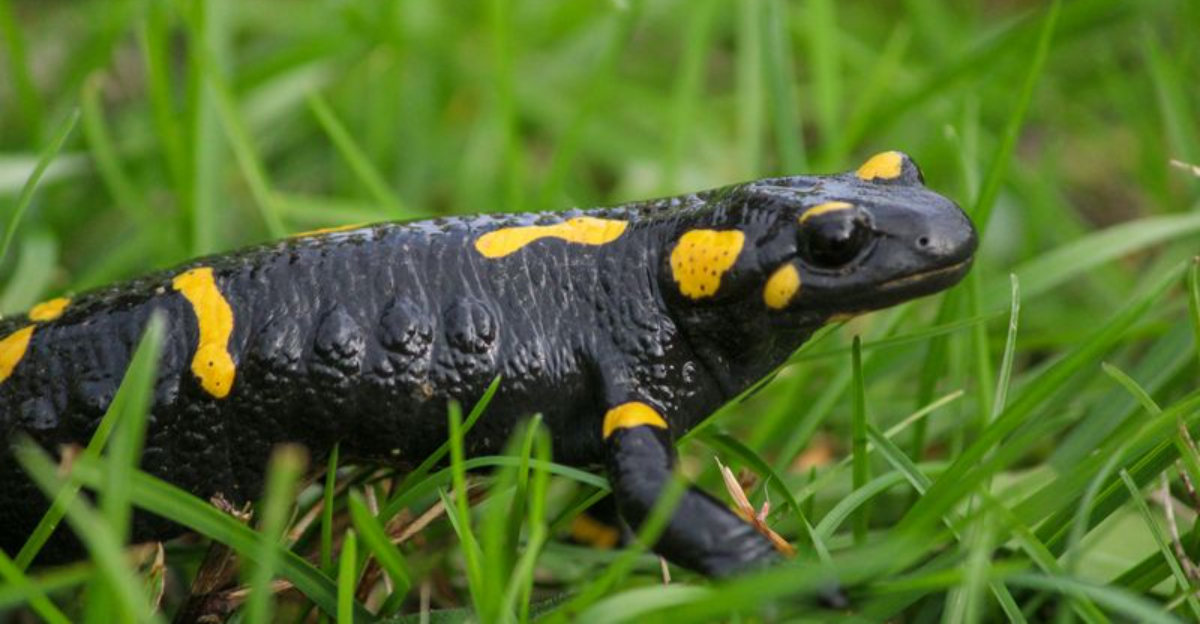
Salamanders are showing up more often in North Carolina mulch beds, catching many gardeners off guard during routine yard work.
Warm winters, frequent rain, and moisture holding mulch create ideal hiding spots that mimic the damp forest floors salamanders naturally prefer.
Thick layers of bark and leaf mulch stay cool and dark, giving these amphibians protection from heat, predators, and drying out.
As development reduces nearby natural habitat, mulch beds become a convenient substitute right next to homes and gardens.
Their presence often signals healthy soil conditions, even if the sudden movement under mulch can be a surprise at first.
1. Mulch Provides Perfect Moisture Levels
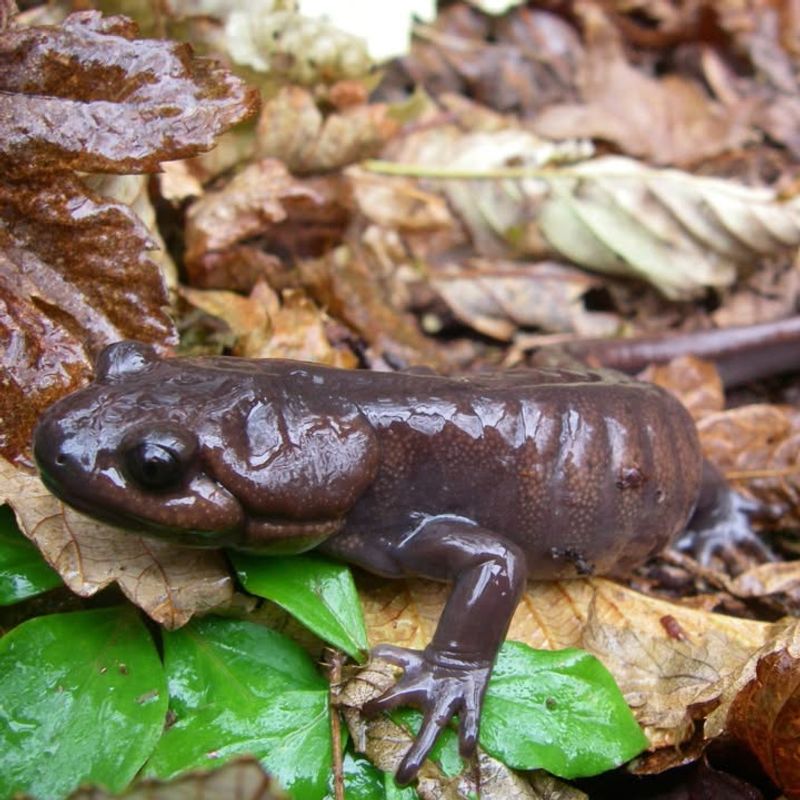
Salamanders need constant moisture to survive because their skin absorbs water directly from their surroundings rather than drinking through their mouths like mammals do.
Mulch beds retain water exceptionally well, creating a damp environment that stays moist even during dry spells when other areas become parched and inhospitable.
Organic mulch materials like wood chips and shredded bark hold moisture between their pieces, forming tiny pockets of humidity that salamanders absolutely love and seek out.
Homeowners across North Carolina often water their mulch beds regularly, which maintains the consistent dampness that these amphibians require for their delicate skin to function properly.
Without adequate moisture, salamanders would dry out quickly, so they gravitate toward mulch beds where conditions remain stable and supportive of their biological needs.
The layer of mulch also prevents rapid evaporation from the soil underneath, ensuring that moisture stays trapped near the surface where salamanders spend most time.
Rainfall soaks into mulch and releases slowly over time, providing a steady supply of hydration that keeps the microenvironment perfectly balanced for amphibian residents.
This moisture retention makes mulch beds far superior to bare soil or grassy areas, which dry out faster and offer less protection from temperature fluctuations.
Salamanders can burrow slightly into the mulch layers, surrounding themselves with dampness that protects their respiratory systems and prevents dehydration throughout the day and night.
2. Abundant Insect Populations Attract Them
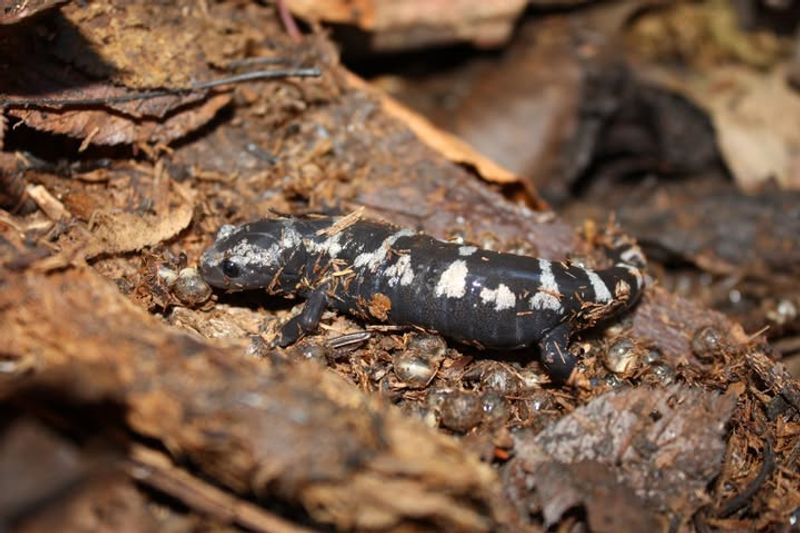
Mulch beds become bustling hubs of insect activity because decomposing organic matter attracts bugs that feed on the rotting wood, leaves, and other plant materials.
Salamanders are carnivorous hunters that feast on small invertebrates, making mulch beds an all-you-can-eat buffet that satisfies their dietary needs without requiring much effort or travel.
Common mulch residents include beetles, ants, spiders, millipedes, and various larvae that provide nutritious meals for hungry salamanders prowling through the layers at night.
Gardens throughout North Carolina create ideal conditions for these insect populations to explode, especially when mulch is refreshed regularly and kept moist for optimal decomposition.
The abundance of prey means salamanders can establish territories in mulch beds, knowing they will have reliable food sources throughout the active seasons of spring and summer.
Hunting in mulch requires less energy than searching through leaf litter or under rocks, since insects are concentrated in a relatively small, accessible area that salamanders patrol.
The decomposition process itself generates heat, which attracts even more insects seeking warmth, creating a self-sustaining ecosystem that benefits both the bugs and their amphibian predators.
Salamanders use their keen sense of smell and motion detection to locate prey hidden within the mulch layers, making them efficient hunters in this rich environment.
Homeowners who notice salamanders in their mulch can feel confident that these creatures are controlling pest populations naturally, reducing the need for chemical interventions in gardens.
3. Mulch Offers Protection From Predators
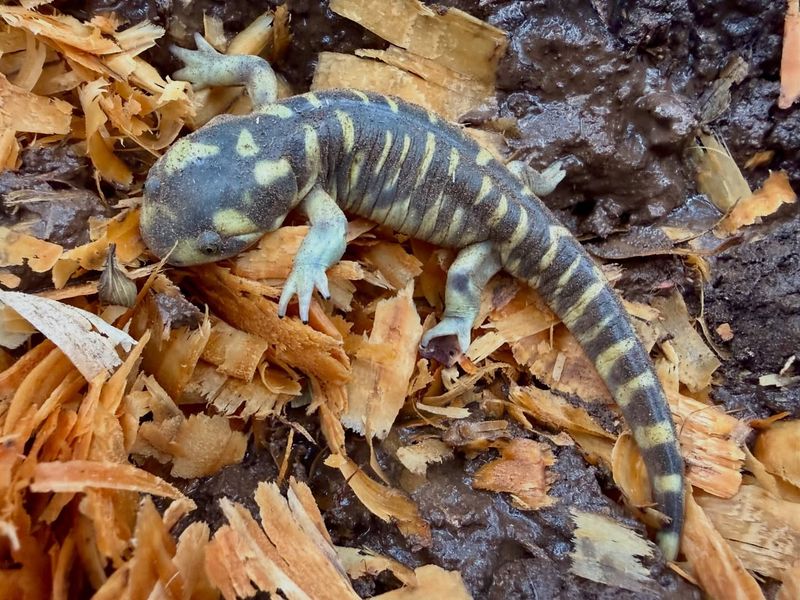
Salamanders face numerous threats from birds, snakes, raccoons, and other animals that view them as tasty snacks, so finding safe shelter is essential for survival.
Mulch beds provide excellent cover because the loose, layered material creates countless gaps and crevices where salamanders can hide from hungry predators scanning the landscape.
Unlike open lawns or exposed soil, mulch allows salamanders to burrow quickly when danger approaches, disappearing into the dark spaces where larger animals cannot easily reach.
The texture of shredded bark and wood chips makes it difficult for predators to search thoroughly, giving salamanders a significant advantage when avoiding detection throughout the day.
Many North Carolina homeowners pile mulch several inches deep, creating even more protective layers that salamanders can use as safe zones during vulnerable periods like molting or resting.
Birds have trouble spotting salamanders against the dark, mottled background of mulch, which provides natural camouflage that helps these amphibians blend seamlessly into their surroundings.
Snakes and other ground predators must work harder to hunt in mulch beds because the loose material shifts underfoot, alerting salamanders to approaching danger before threats arrive.
The protective qualities of mulch beds allow salamander populations to thrive because more individuals survive to reproductive age, increasing overall numbers in gardens and landscaped areas.
Salamanders can remain hidden for extended periods, emerging only at night or during rain when predator activity decreases and hunting conditions become safer for these cautious creatures.
4. Temperature Regulation Keeps Them Comfortable
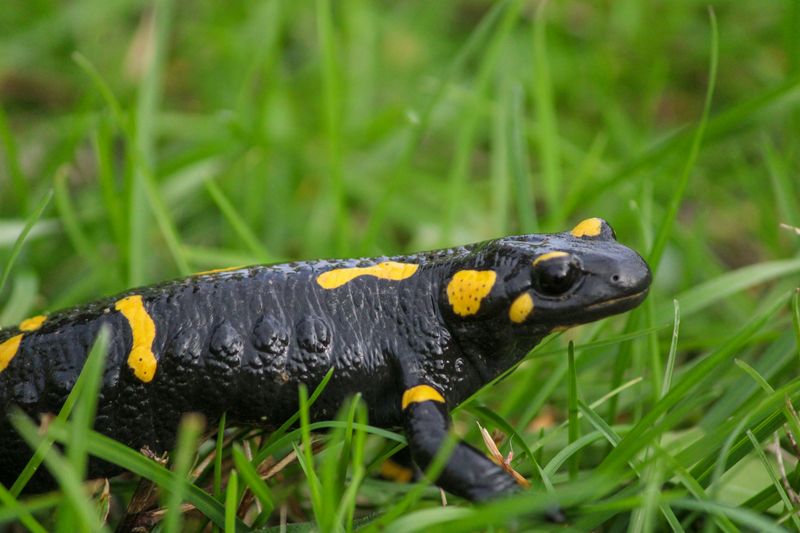
Salamanders are cold-blooded creatures that cannot generate their own body heat, so they rely entirely on external environments to maintain comfortable temperatures throughout the year.
Mulch acts as natural insulation, buffering extreme temperature swings that would otherwise make gardens inhospitable during hot summer afternoons or chilly spring mornings in North Carolina.
During scorching days, the top layer of mulch absorbs heat while the deeper layers remain cool, allowing salamanders to retreat downward when surface temperatures become uncomfortable.
Conversely, mulch traps warmth from the soil during cooler periods, creating a stable microclimate that prevents salamanders from becoming too cold and sluggish to function.
This temperature regulation is especially important in regions with variable weather patterns, where sudden shifts could otherwise stress salamander populations and limit their activity periods significantly.
Bare soil or concrete surfaces experience dramatic temperature fluctuations that make them unsuitable for salamanders, while mulch beds maintain consistency that supports year-round or seasonal residence.
Homeowners who mulch heavily provide salamanders with thermal refuges where they can escape environmental extremes, making gardens more attractive than natural habitats lacking such reliable insulation.
Salamanders can adjust their depth within the mulch layers based on temperature needs, moving up when seeking warmth and burrowing down when cooling off is necessary.
The decomposition process within mulch generates mild heat, further enhancing the temperature stability that makes these beds so appealing to amphibians seeking comfortable living conditions in North Carolina.
5. Habitat Loss Pushes Them Into Gardens
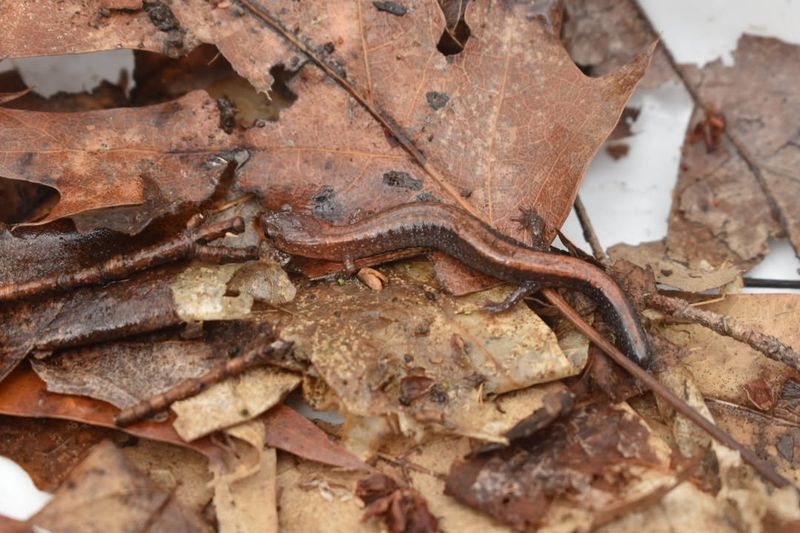
Urban and suburban development across North Carolina has dramatically reduced natural salamander habitats like forests, wetlands, and stream banks where these amphibians historically thrived in abundance.
As construction projects clear land for homes, roads, and commercial buildings, salamanders lose the moist, sheltered environments they need and must search for alternative locations nearby.
Mulch beds in residential gardens have become substitute habitats that mimic some conditions of natural environments, offering moisture, food, and shelter that displaced salamanders desperately require.
Many salamander species show remarkable adaptability, learning to colonize human-created landscapes when their original homes disappear under concrete, asphalt, or maintained lawns that lack suitable features.
Gardens with generous mulch applications essentially create artificial woodland floors that salamanders recognize as viable living spaces, even though they exist within developed neighborhoods rather than forests.
Population pressures force salamanders to explore new territories, and mulch beds represent some of the few remaining options in areas where natural habitat has been fragmented or eliminated.
North Carolina residents unknowingly provide refuge for these displaced creatures by maintaining mulch beds that function as ecological lifelines in otherwise inhospitable suburban and urban landscapes.
Conservation biologists note that garden habitats, while imperfect, help sustain salamander populations that might otherwise decline dramatically as development continues to expand throughout the region.
Salamanders appearing in mulch beds signal both habitat loss and the resilience of these creatures, which adapt to human environments when necessary for survival and reproduction.
6. Chemical-Free Environments Support Populations
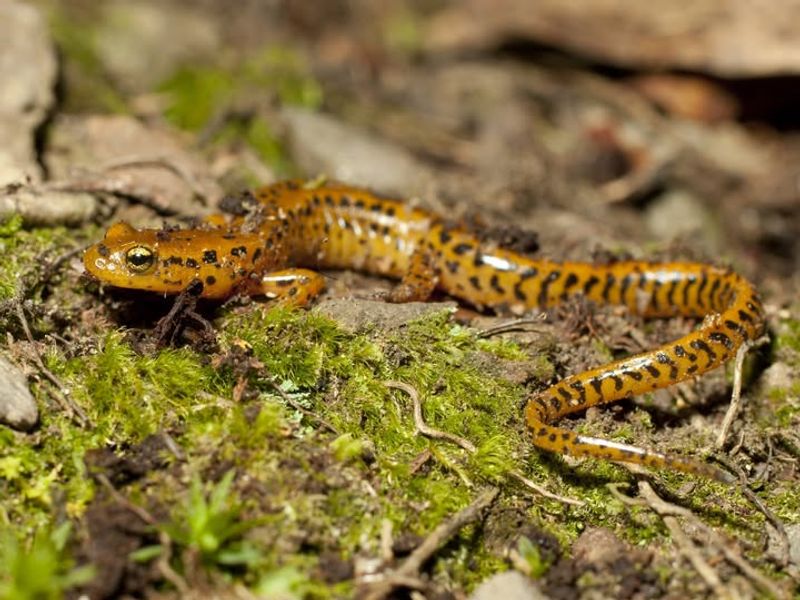
Salamanders possess highly permeable skin that absorbs substances directly from their environment, making them extremely sensitive to pesticides, herbicides, and other chemical treatments used in landscaping.
Homeowners who choose organic gardening methods and avoid chemical applications create safe havens where salamander populations can establish themselves without facing toxic threats to their health.
Mulch beds maintained without synthetic fertilizers or pest controls become refuges for amphibians that cannot survive in chemically treated lawns or agricultural areas filled with harmful substances.
Increasing awareness about environmental impacts has led many North Carolina residents to adopt eco-friendly practices, inadvertently making their gardens more welcoming to salamanders and other wildlife.
Organic mulch itself contains no harmful additives when sourced from natural wood products, providing a clean substrate that supports salamanders rather than poisoning them through skin contact.
Gardens that embrace natural pest control through beneficial insects and amphibians create balanced ecosystems where salamanders thrive while helping homeowners manage unwanted bugs without chemical interventions.
Salamander presence often indicates good environmental quality because these sensitive creatures avoid contaminated areas, serving as living indicators of healthy, chemical-free garden conditions in residential neighborhoods.
As more people in North Carolina reject chemical lawn treatments, salamander populations benefit from expanded safe zones where they can feed, reproduce, and live without exposure to toxins.
The shift toward sustainable landscaping practices has created a network of backyard habitats that collectively support larger salamander populations than would exist in chemically managed environments.
7. Climate Patterns Favor Mulch Habitats
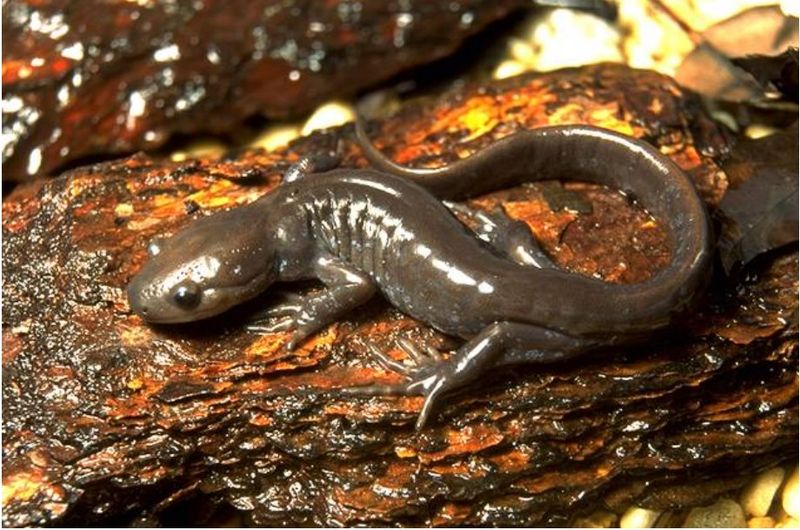
Changing climate patterns have altered precipitation and temperature cycles in North Carolina, creating conditions that make mulch beds even more critical for salamander survival than before.
Increased variability in rainfall means natural habitats experience more extreme wet and dry periods, while mulch beds buffer these fluctuations by retaining moisture during droughts and draining during floods.
Warmer temperatures extend the active season for salamanders, giving them more time to feed and reproduce, which increases the likelihood of encountering them in garden mulch beds.
Mulch beds act as climate refuges where salamanders can ride out environmental stresses that make natural habitats temporarily unsuitable, such as prolonged dry spells or unseasonable heat.
North Carolina experiences humid summers that promote fungal growth and insect activity in mulch, creating ideal conditions that salamanders exploit for feeding and maintaining proper skin moisture levels.
Spring and fall rains saturate mulch beds thoroughly, triggering increased salamander activity as they emerge to hunt, mate, and explore territories within gardens and landscaped areas nearby.
Climate-driven habitat changes in forests and wetlands may be pushing salamanders toward more stable environments like mulch beds, which humans maintain consistently regardless of weather variations.
Gardeners who refresh mulch regularly ensure that these beds remain attractive to salamanders even as broader climate patterns shift, providing reliable habitat features that natural areas cannot guarantee.
The intersection of climate change and human landscaping practices has created unexpected benefits for salamanders, whose populations increasingly depend on maintained garden habitats throughout North Carolina communities.