Why Snow Mold Is Becoming A Bigger Issue For Iowa Lawns This Winter
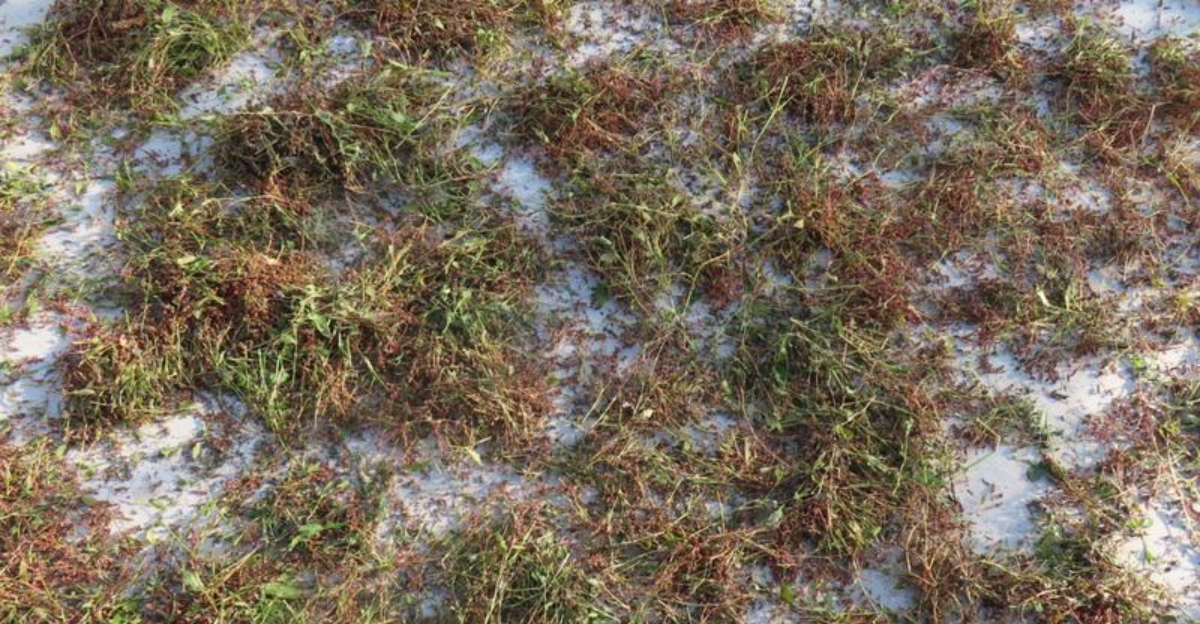
Snow mold is showing up more often on Iowa lawns this winter, leaving pale patches once snow starts melting away.
Long snow cover, mild stretches, and lingering moisture are creating conditions that favor fungal growth more than many homeowners expect.
Understanding why this issue is increasing helps explain what lawns are experiencing now and what can be done before spring damage becomes harder to reverse.
1. Warmer Winter Temperatures Create Perfect Conditions
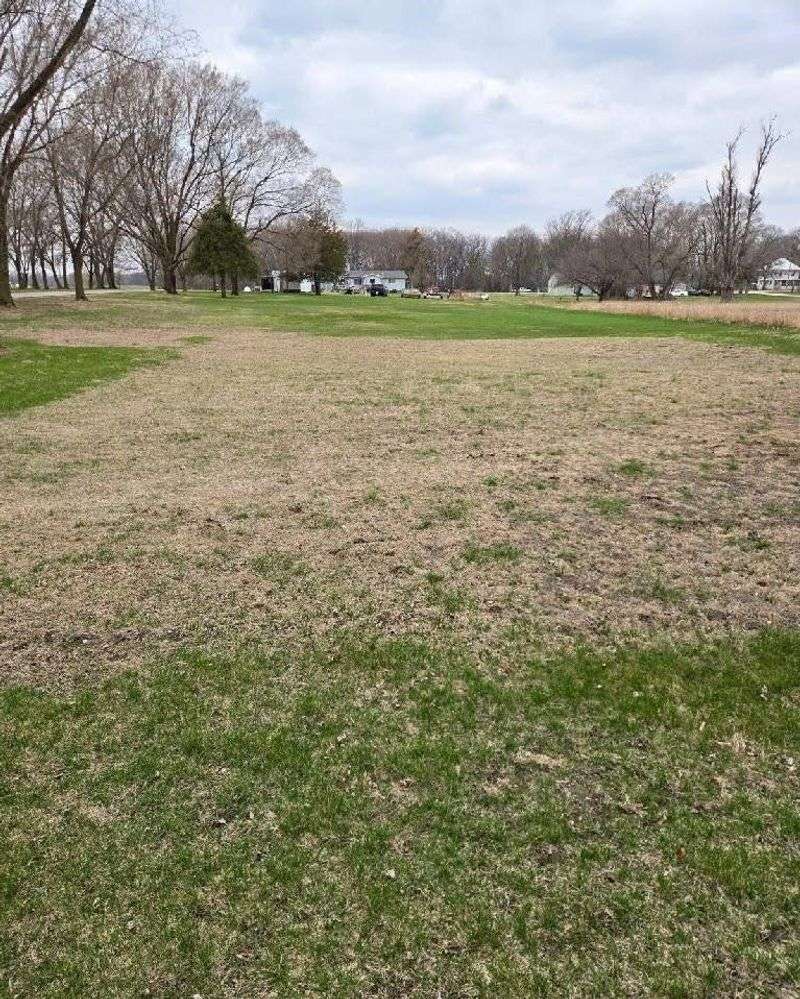
Climate patterns across Iowa have shifted noticeably over recent years, bringing warmer winters that create ideal breeding grounds for troublesome snow mold fungi.
When temperatures hover near freezing instead of staying consistently cold, moisture gets trapped under snow and creates a damp environment where mold thrives rapidly.
Grass remains vulnerable because it stays wet longer without proper drainage or air circulation, especially when snow melts and refreezes in cycles repeatedly.
Iowa lawns face increased risk during these fluctuating conditions because fungi spread faster when temperatures stay moderate instead of dropping to harsh, frozen levels.
Homeowners should monitor weather patterns carefully and prepare lawns accordingly by raking leaves and debris before the first snowfall arrives in their neighborhood.
Proper lawn preparation helps reduce moisture buildup and limits the damp conditions that allow snow mold to establish itself and spread across vulnerable grass.
Taking preventive steps during fall months protects Iowa yards from developing severe mold issues that require expensive treatments and extensive repairs come springtime.
2. Heavy Snowfall Followed By Slow Melting Encourages Growth
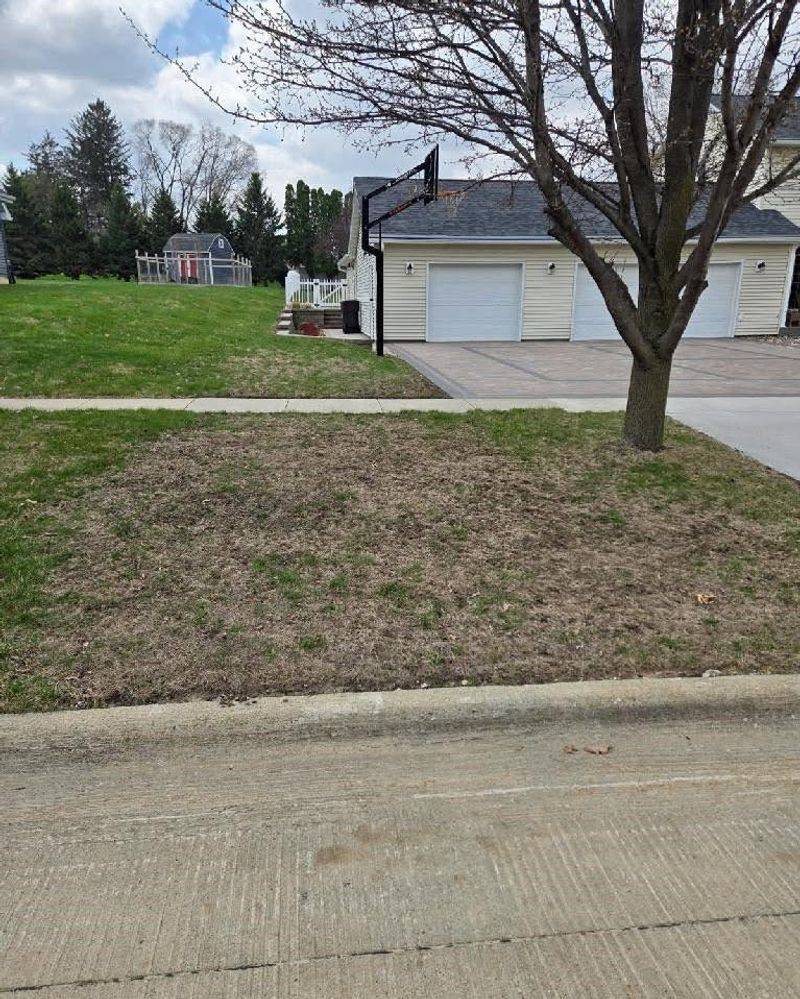
Thick snow blankets that sit on Iowa lawns for extended periods create dark, insulated environments where snow mold fungi flourish without interruption or exposure.
Grass underneath heavy snow stays moist and lacks oxygen, which weakens plant tissues and makes them easy targets for fungal infections that spread quickly.
Slow melting periods worsen the problem because lawns remain waterlogged longer, giving mold spores ample time to colonize grass blades and root systems effectively.
Iowa residents living in areas with poor drainage or compacted soil face even greater challenges since water pools instead of soaking into ground layers.
Aerating lawns during fall helps improve drainage and allows air to reach grass roots, reducing the risk of prolonged moisture exposure under snow cover.
Homeowners should also avoid piling snow from driveways and sidewalks onto grass areas, as this creates extra-thick layers that take much longer to melt.
Strategic snow management and proper lawn care before winter arrives significantly reduce the likelihood of severe snow mold outbreaks damaging Iowa yards come spring.
3. Increased Lawn Fertilization In Late Fall Fuels The Problem
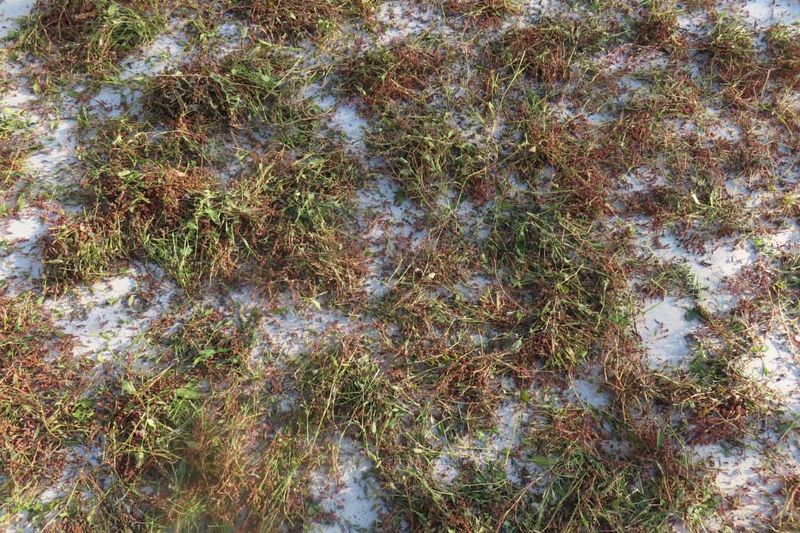
Many Iowa homeowners apply nitrogen-rich fertilizers late in the season hoping to boost grass health, but this practice actually encourages rapid, weak growth vulnerable to mold.
Lush grass that grows quickly during fall has softer tissues that break down more easily when trapped under snow for weeks or months at a time.
Fungi feed on this tender plant material, spreading aggressively across lawns and creating large patches of damaged grass that become visible after snow melts away.
Experts recommend stopping nitrogen applications by early October across Iowa to allow grass to harden off naturally before winter weather arrives and snow accumulates.
Slow-release fertilizers applied earlier in fall provide nutrients without stimulating excessive growth that makes grass more susceptible to fungal infections and winter damage.
Homeowners should focus on strengthening root systems rather than promoting blade growth during late autumn months, ensuring grass stays resilient throughout Iowa’s unpredictable winter season.
Proper fertilization timing protects lawns from becoming easy targets for snow mold while still maintaining healthy grass that recovers quickly when warm spring weather returns.
4. Compacted Snow From Foot Traffic Worsens Damage
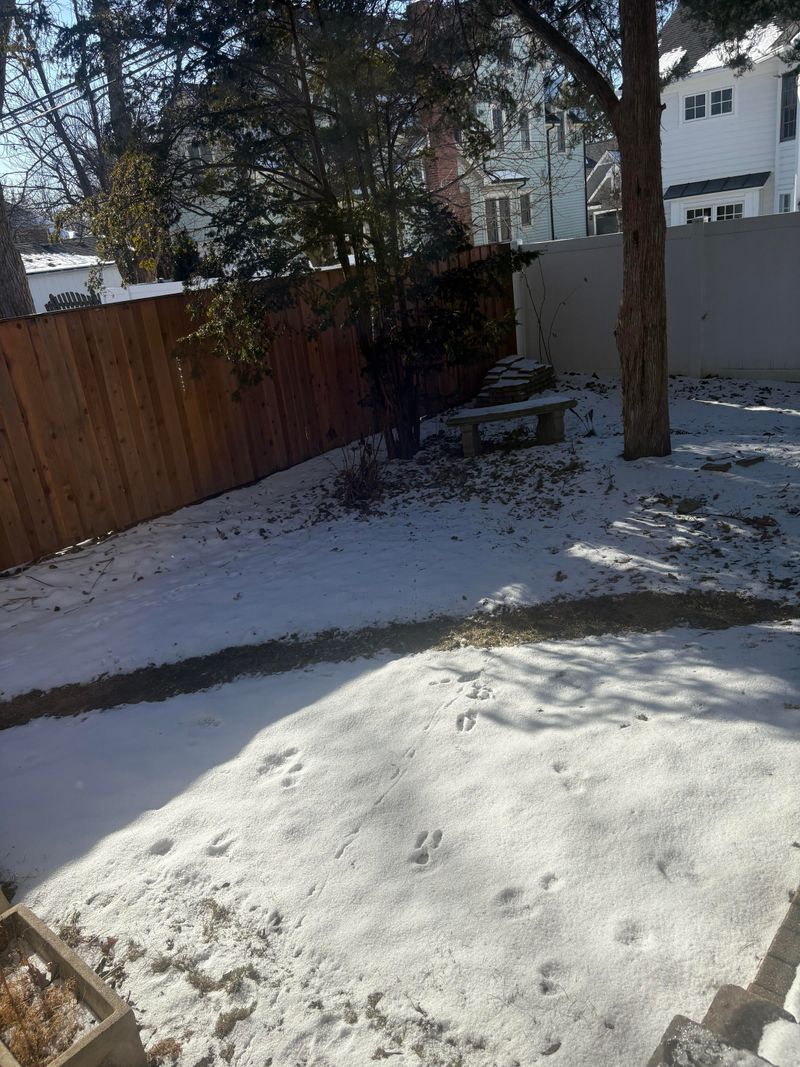
Walking across snow-covered lawns in Iowa seems harmless, but foot traffic compacts snow and creates dense layers that restrict airflow and trap moisture underneath.
Compacted snow takes longer to melt and keeps grass pressed down flat, preventing air circulation and creating perfect conditions for mold spores to germinate.
Areas near sidewalks, driveways, and entryways suffer most because people repeatedly walk the same paths, crushing snow into hard, icy barriers over grass blades.
Iowa homeowners should encourage family members and visitors to use designated walkways instead of cutting across lawns, especially during heavy snow accumulation periods.
Children playing in yards also contribute to compaction, so creating designated snow play areas away from main lawn sections helps protect grass from damage.
Once spring arrives, compacted zones often show the worst snow mold damage, requiring extra attention like reseeding and soil aeration to restore healthy growth.
Protecting Iowa lawns from foot traffic during winter months prevents unnecessary compaction and significantly reduces the severity of snow mold outbreaks across residential properties.
5. Poor Fall Cleanup Leaves Debris That Traps Moisture
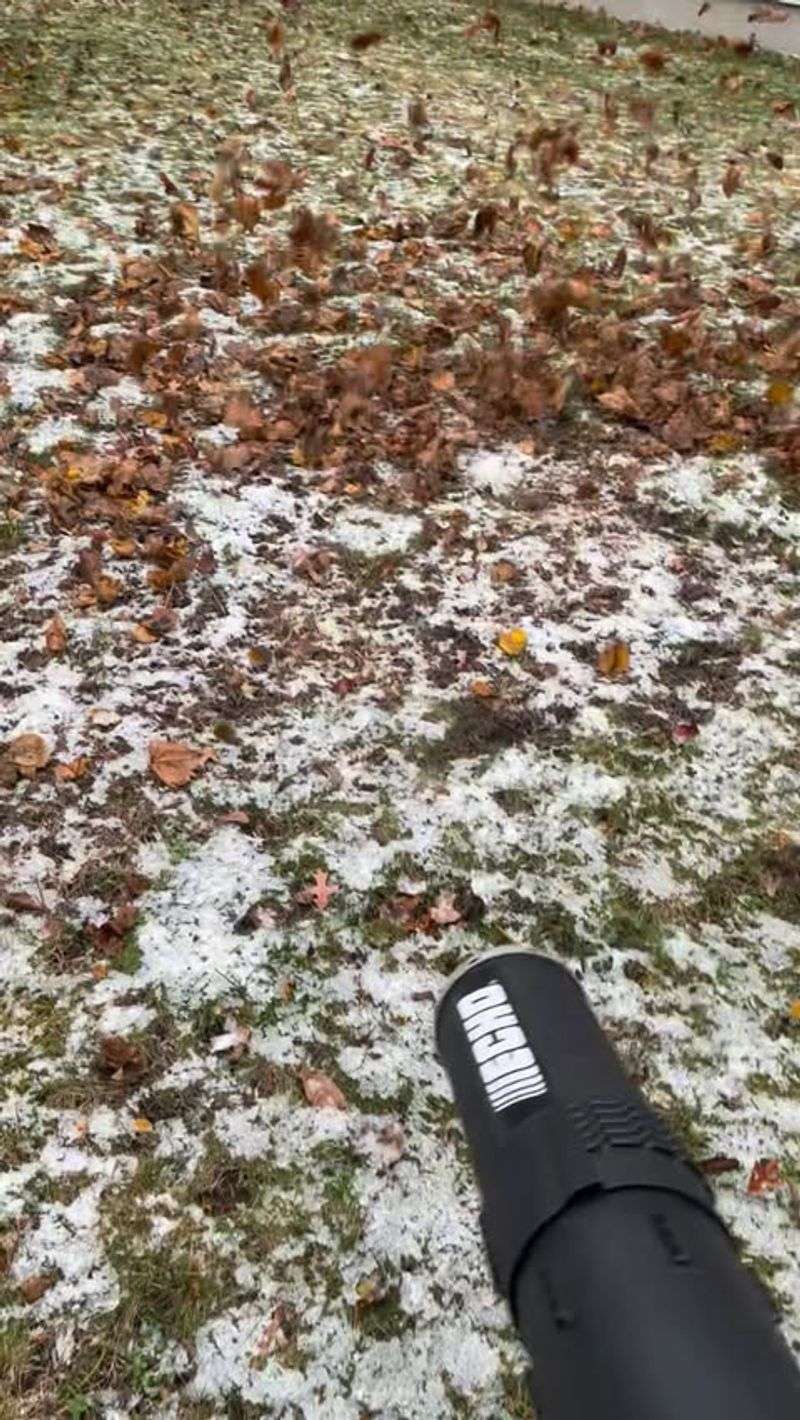
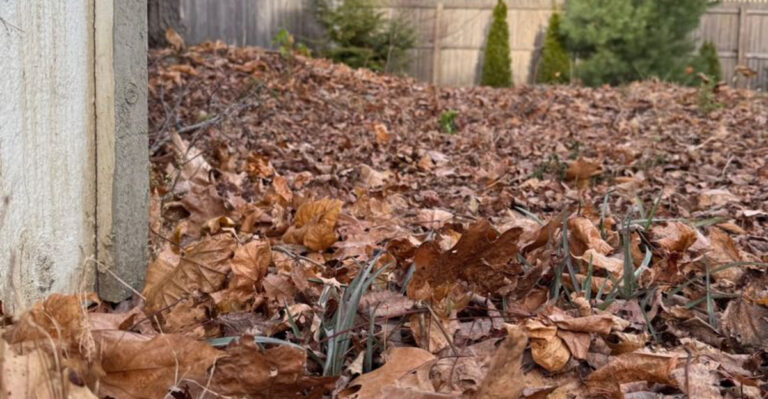
Leaves, grass clippings, and other organic debris left on Iowa lawns during fall create insulating layers that hold moisture against grass and promote mold development.
When snow covers these materials, decomposition accelerates and produces heat and humidity that provide ideal conditions for fungal spores to multiply and spread rapidly.
Matted leaves especially create barriers that prevent air movement and trap water, causing grass underneath to weaken and become highly susceptible to infection issues.
Iowa residents should rake and remove all leaves before the first significant snowfall to ensure grass enters winter clean and able to breathe properly.
Mowing lawns shorter than usual during the final cut of the season also reduces the amount of plant material available for fungi to colonize.
However, avoid cutting grass too short, as blades need some length to protect crowns and root systems from freezing temperatures and harsh winter conditions.
Thorough fall cleanup remains one of the most effective preventive measures Iowa homeowners can take to minimize snow mold risk and protect lawn health.
6. Shade And Poor Air Circulation Increase Vulnerability
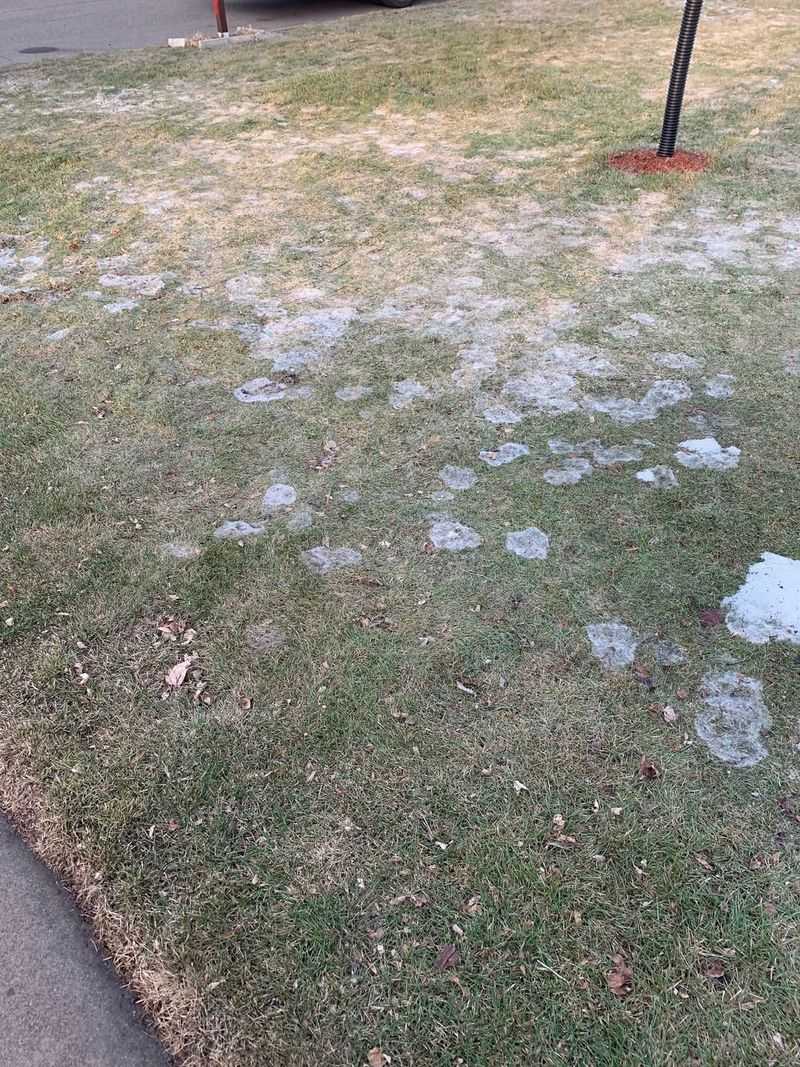
Lawns in shaded areas across Iowa face higher snow mold risk because snow lingers longer and grass stays damp without direct sunlight to aid drying.
Trees, buildings, and fences block wind flow and create pockets where moisture accumulates, giving fungi extended opportunities to establish themselves and spread across grass.
North-facing sections of yards receive less sun exposure during winter months, making them prime locations for mold outbreaks that require extra attention and preventive care.
Iowa homeowners with heavily shaded properties should consider pruning tree branches to allow more light and air to reach grass areas throughout the growing season.
Improving drainage in shaded zones by adding soil amendments or installing French drains helps water move away from grass instead of pooling underneath snow cover.
Selecting grass varieties that tolerate shade better also strengthens lawns and makes them more resistant to fungal infections during Iowa’s challenging winter weather conditions.
Addressing shade and circulation issues proactively reduces snow mold severity and helps lawns recover faster once spring temperatures warm and growing conditions improve significantly.
7. Fungicide Applications Offer Limited Protection Without Proper Timing
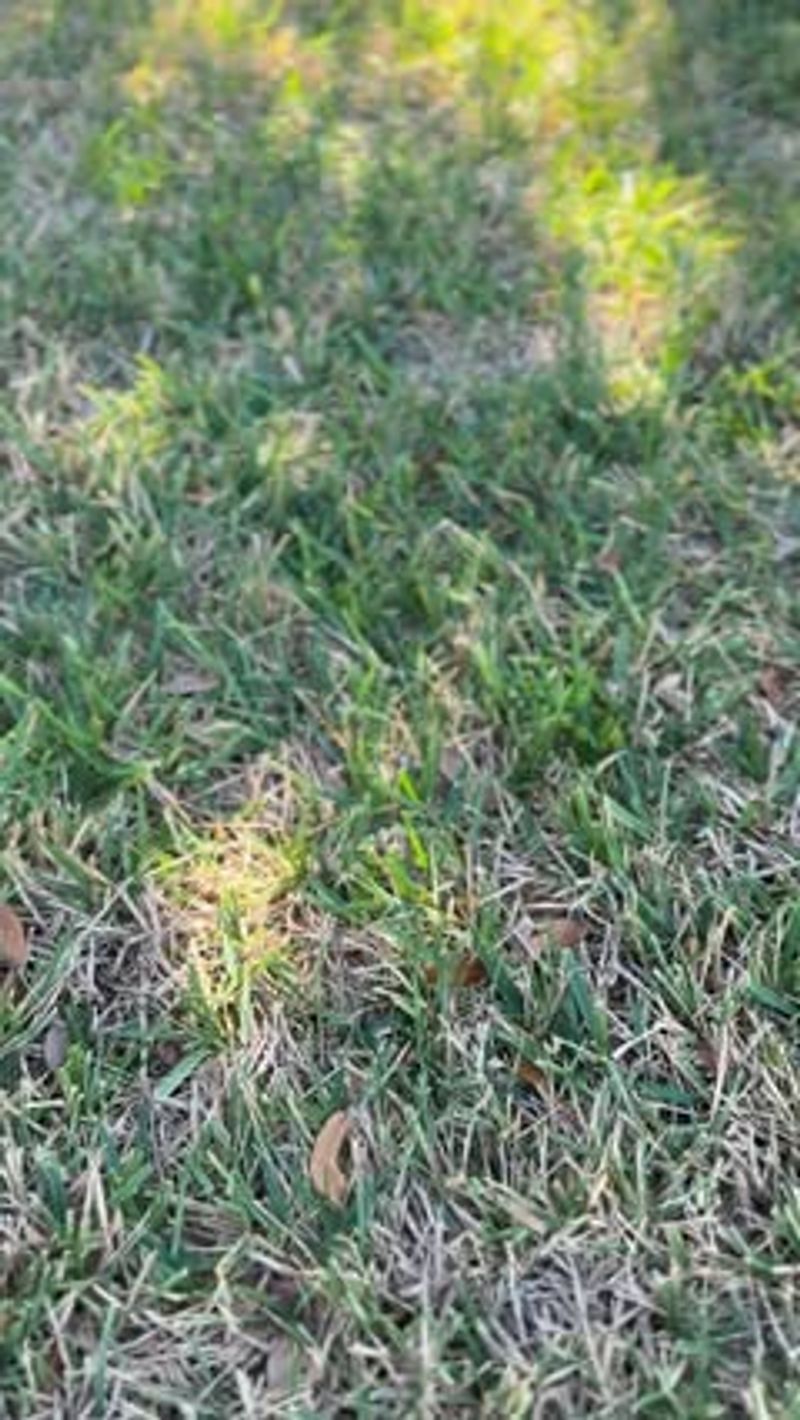
Some Iowa homeowners apply fungicides hoping to prevent snow mold, but these treatments work only when applied at the right time and under appropriate conditions.
Fungicides must be applied in late fall before snow arrives, giving chemicals time to bond with grass and create protective barriers against fungal spore germination.
Applying treatments too early or too late reduces effectiveness significantly, leaving lawns vulnerable despite the expense and effort invested in chemical applications and coverage.
Iowa’s unpredictable weather makes timing challenging, so homeowners should consult local extension services or lawn care professionals for guidance on optimal application windows in their region.
Cultural practices like proper mowing, raking, and aeration often provide better long-term protection than fungicides alone, especially when combined with good lawn management habits.
Fungicides should be considered a supplemental tool rather than a primary defense, particularly for lawns with severe recurring mold problems across multiple winter seasons.
Iowa residents who choose fungicide applications must follow label instructions carefully and understand that chemicals alone cannot solve problems caused by poor lawn care practices.
8. Spring Recovery Requires Immediate Action And Patience
Once snow melts and reveals mold damage across Iowa lawns, immediate action helps grass recover faster and prevents further deterioration of affected areas and sections.
Gently raking affected spots removes matted grass and allows air to reach crowns and soil, encouraging new growth as temperatures warm and conditions improve gradually.
Avoid aggressive raking or dethatching immediately after snow melts, as grass remains fragile and excessive disturbance can cause additional damage to recovering plant tissues.
Iowa homeowners should wait until grass begins actively growing before applying fertilizers or reseeding bare patches, giving existing plants time to regain strength naturally.
Light fertilization with balanced nutrients supports recovery without overwhelming stressed grass that is still adjusting to changing weather and soil conditions after winter dormancy.
Most lawns show significant improvement within four to six weeks once temperatures stay consistently warm and grass resumes normal growth patterns across Iowa yards.
Patience remains crucial during spring recovery, as rushing treatments or expecting instant results often leads to disappointment and potentially worsens damage instead of helping lawns heal.