Why Snowy Owls Are Appearing Again In Michigan This Winter And Why Experts Are Concerned
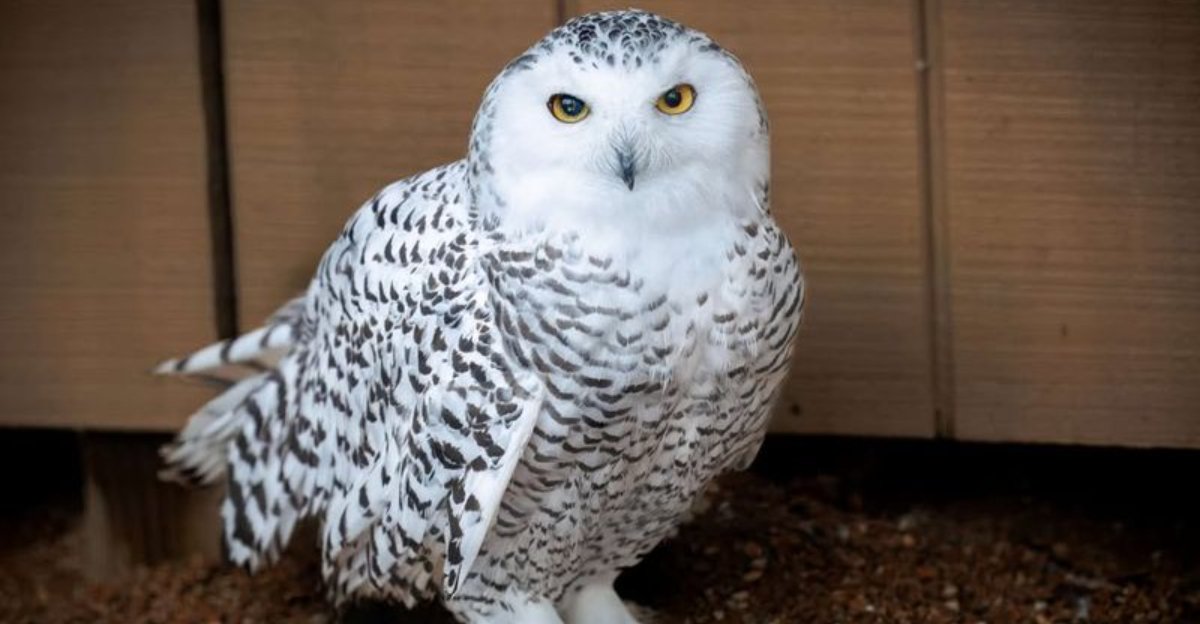
Seeing a snowy owl in Michigan feels magical—like spotting a piece of the Arctic dropped into a winter field.
Their ghostly white feathers and piercing yellow eyes make them impossible to forget.
But while sightings are thrilling, experts say there’s more to the story than meets the eye.
Snowy owls don’t migrate south without reason.
When they appear in Michigan, it’s often tied to food shortages, climate shifts, or population pressures far north.
These “irruption” years bring owls into unfamiliar territory, where survival isn’t guaranteed.
Wildlife experts are urging residents to admire from a distance.
Well-meaning attention, drones, and close approaches can stress these birds when they’re already struggling.
For Michigan birdwatchers, snowy owls are both a wonder and a warning—a reminder that changes happening far away are rippling closer to home.
It’s Part Of An “Irruption” Event, Not Normal Migration
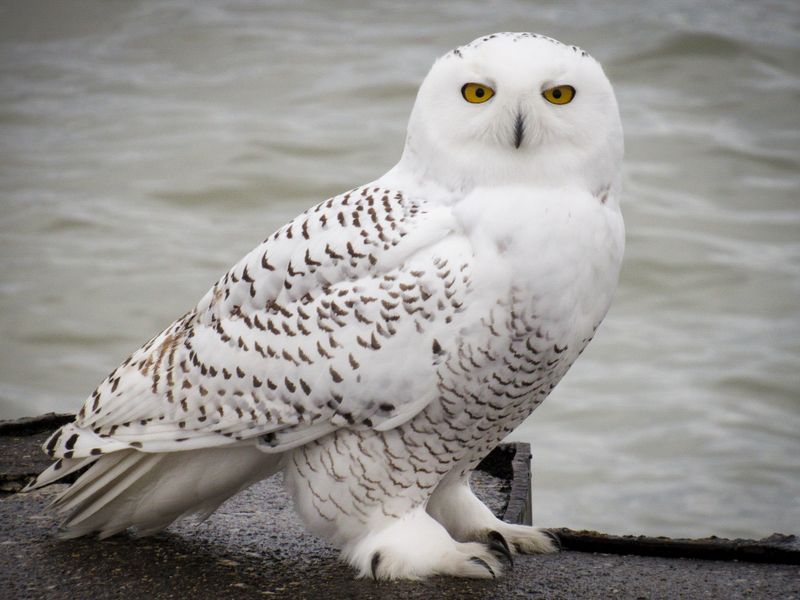
When snowy owls show up in Michigan, they’re not following a regular seasonal route like geese or robins.
Instead, these Arctic visitors are experiencing what scientists call an “irruption”—a dramatic, unpredictable movement far beyond their usual range.
Unlike migration, which happens on a predictable schedule, irruptions occur sporadically when conditions in the far north become challenging.
Snowy owls typically spend their entire lives in the Arctic tundra, where they’ve adapted perfectly to harsh, frozen environments.
During irruption years, however, ecological pressures force these normally sedentary birds to travel hundreds or even thousands of miles south.
Michigan becomes an unexpected stopover because its landscape offers some similarities to their Arctic home.
Biologists have documented irruptions happening roughly every four to five years, though the pattern isn’t perfectly consistent.
Each event can bring dozens or even hundreds of snowy owls into the Great Lakes region.
Understanding that these aren’t migrating birds but rather refugees from northern hardships helps explain why experts monitor them so closely.
The owls aren’t choosing to come here—they’re being pushed out by circumstances beyond their control.
Recognizing this distinction is crucial for appreciating both the wonder and the underlying concern these sightings represent.
Food Shortages In The Arctic Are A Major Driver
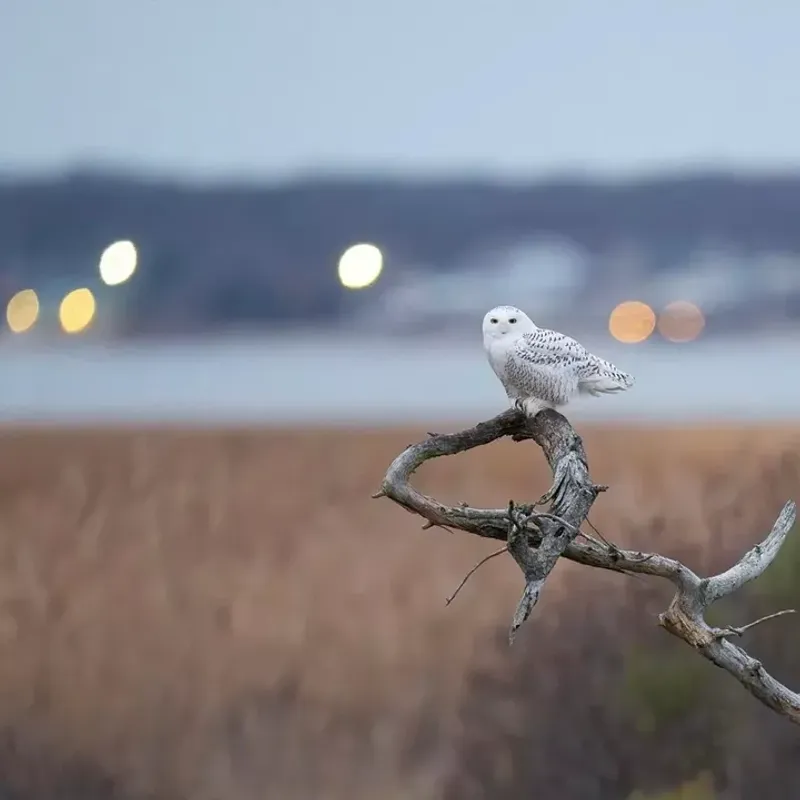
Lemmings form the cornerstone of a snowy owl’s diet in their Arctic homeland.
These small rodents are so important that snowy owl breeding success and survival directly depend on lemming abundance.
In years when lemming populations crash—which happens in natural cycles—snowy owls face serious food shortages.
A single snowy owl can consume three to five lemmings daily, and a nesting pair with chicks needs far more.
When lemming numbers plummet, adult owls struggle to find enough food for themselves, let alone their young.
This scarcity triggers the irruption behavior that brings them to places like Michigan.
Rather than starve in the Arctic, owls travel south hoping to find alternative prey such as voles, mice, rabbits, and waterfowl.
The problem is that these substitute food sources aren’t always plentiful or easy to catch in unfamiliar territory.
Snowy owls evolved as lemming specialists, and switching to different prey requires adjustment and energy.
Scientists studying these population cycles have noticed that irruption years consistently follow lemming declines in the Arctic.
This connection shows how deeply interconnected Arctic ecosystems are and why disruptions in one species ripple through others.
Food scarcity doesn’t just push owls south—it sends them on a desperate journey with uncertain outcomes.
Many Owls Seen Are Young And Inexperienced
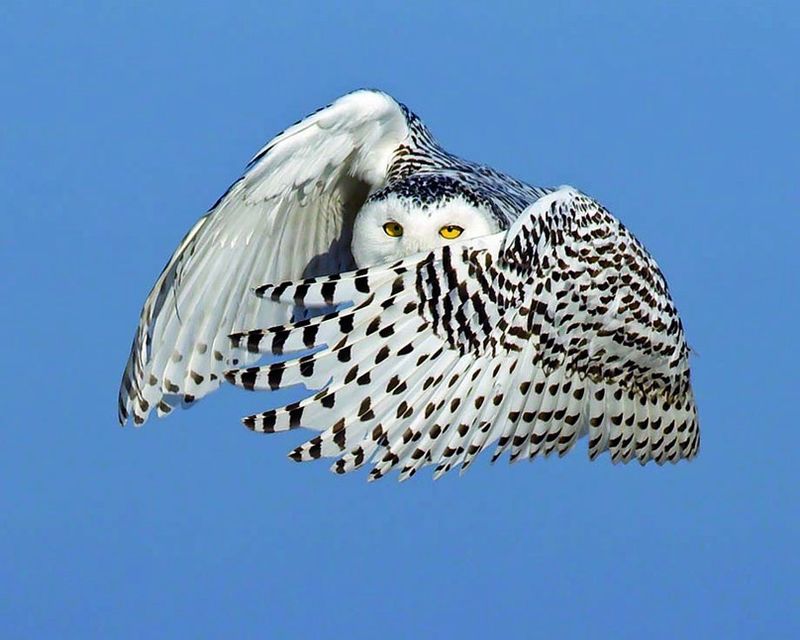
Look closely at the snowy owls appearing in Michigan, and you’ll notice many have dark brown barring across their white feathers.
These markings are the telltale sign of juvenile birds, typically in their first or second year of life.
Young snowy owls are disproportionately represented during irruption events because they lack established hunting territories back home.
Adult owls with successful territories are more likely to stay put and defend their familiar grounds even when food becomes scarce.
Juveniles, meanwhile, have no such attachments and are more willing—or forced—to wander in search of better conditions.
Their inexperience makes them especially vulnerable during these long-distance movements.
These young birds haven’t yet perfected their hunting skills or learned to recognize the best habitats.
They may land in unsuitable areas, struggle to find adequate prey, or fail to avoid human-related hazards.
Wildlife biologists tracking banded owls have confirmed that juveniles make up the majority of irruption participants.
This pattern raises concerns because these are the birds that represent the future breeding population.
If large numbers of young owls perish during irruptions, it could impact the species’ long-term stability.
Their presence in Michigan is both a testament to their determination and a reminder of the risks they face.
Michigan’s Open Landscapes Mimic Arctic Habitat

Snowy owls don’t perch in dense forests or hide among thick vegetation like many owl species.
Instead, they prefer wide-open spaces where they can scan for prey and spot potential threats from far away.
This preference evolved in the treeless Arctic tundra, where visibility stretches for miles in every direction.
Michigan offers surprisingly similar environments during winter months, which is why displaced snowy owls find it attractive.
Agricultural fields, frozen lakeshores, airport runways, and coastal dunes all resemble the flat, open tundra these birds know instinctively.
The lack of trees doesn’t bother them—in fact, it makes them feel more at home.
Snowy owls often choose elevated perches like fence posts, hay bales, or small mounds that give them a commanding view.
These vantage points let them hunt using their exceptional vision and hearing, just as they would on Arctic ice.
Michigan’s Great Lakes coastlines are particularly popular because the open water and sandy beaches create tundra-like conditions.
Airports have also become common snowy owl hotspots, though this creates its own set of problems.
The habitat similarity explains why Michigan sees more snowy owls than heavily forested neighboring states.
For owls displaced from their Arctic home, these open Michigan landscapes offer the closest thing to familiar territory they can find this far south.
Increased Human Interaction Puts Owls At Risk

Arctic tundra is one of the least populated places on Earth, where snowy owls rarely encounter humans or human infrastructure.
When they arrive in Michigan, everything changes dramatically.
Suddenly these birds find themselves navigating a landscape filled with cars, power lines, buildings, and curious people.
Vehicle strikes represent one of the most serious threats to snowy owls during irruptions.
Owls hunting along roadsides or perching on highway signs can be struck by passing traffic, especially during low-light conditions.
Power lines pose another significant hazard—owls unfamiliar with these obstacles can collide with them during flight.
Airport environments, despite their habitat similarities, bring risks from aircraft that can strike owls on runways.
Human disturbance also affects owl behavior in ways that reduce their survival chances.
When people approach too closely, owls must flee, burning precious energy reserves they need for hunting and staying warm.
Repeated disturbances can force owls away from good hunting areas into less suitable habitats.
Dogs off-leash can chase and stress owls, and even well-meaning photographers can inadvertently cause harm by getting too close.
These human-related dangers didn’t exist in the owls’ Arctic home, and they have no evolutionary adaptations to cope with them.
Every interaction with human infrastructure or activity adds risk to an already challenging situation.
Some Owls Arrive In Poor Physical Condition

Wildlife rehabilitators and biologists examining snowy owls during irruption years often make troubling discoveries.
Many birds arrive in Michigan already underweight, exhausted, or showing signs of starvation.
The journey south isn’t a leisurely flight—it’s a desperate search for food that burns tremendous energy.
Owls that were already struggling with food shortages in the Arctic must fly hundreds of miles while their body condition continues to deteriorate.
By the time they reach Michigan, some are so weakened they can barely hunt effectively.
Experts can assess an owl’s condition by observing its behavior and physical appearance.
Healthy snowy owls are alert, active hunters with full, rounded body profiles.
Compromised birds sit listlessly, show prominent breastbones, and may allow closer human approach because they lack energy to flee.
Some owls are found grounded, too weak to fly, or sitting in the same spot for days.
These observations raise serious concerns about survival rates during major irruption events.
Even owls that appear healthy upon arrival face the challenge of finding sufficient food in an unfamiliar environment.
Those already in poor condition have even slimmer chances of making it through the winter.
The fact that many owls begin their Michigan stay already compromised suggests that conditions in the Arctic were severe enough to push out even vulnerable individuals.
Climate Change Is Likely Increasing Irruption Frequency
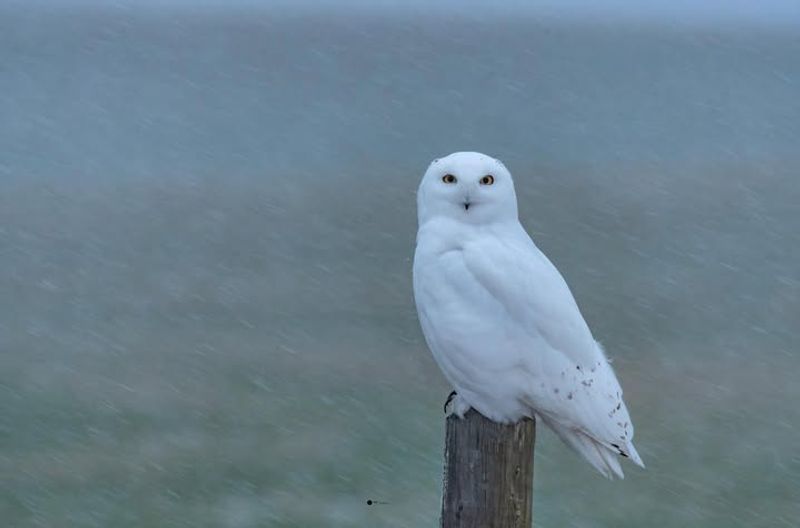
Scientists studying long-term patterns have noticed something concerning about recent snowy owl irruptions.
These events seem to be happening more frequently and with less predictability than historical records suggest.
Climate change is altering Arctic ecosystems in profound ways that directly affect snowy owls and their prey.
Warming temperatures are changing snow cover patterns, which impacts lemming populations in complex ways.
Lemmings depend on stable snow cover for winter survival, creating tunnels beneath the snow where they’re protected from predators and extreme cold.
When winter temperatures fluctuate—bringing thaws, rain-on-snow events, and ice formation—lemming habitat quality declines.
These disruptions can cause lemming population crashes to occur more frequently or unpredictably.
Changing vegetation patterns in the warming Arctic also affect lemming food sources and habitat.
As the tundra ecosystem shifts, the delicate predator-prey relationships that sustained snowy owls for thousands of years are being disrupted.
Some researchers suggest that more frequent irruptions might become the new normal as Arctic conditions continue changing.
This possibility raises concerns about whether snowy owl populations can sustain themselves under these new pressures.
Climate change doesn’t just affect temperatures—it reshapes entire ecosystems, and snowy owls are experiencing the consequences firsthand.
Each irruption may be a signal that their Arctic home is becoming less stable and less hospitable.
Public Attention Can Stress The Birds
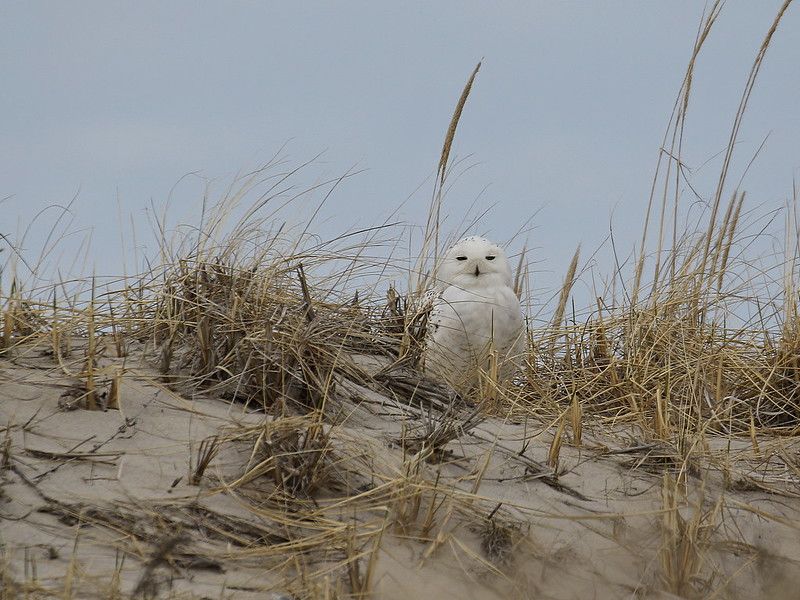
News of a snowy owl sighting spreads quickly through social media and birding networks.
Within hours, a single owl can attract dozens or even hundreds of eager observers, photographers, and curious residents.
While this enthusiasm is understandable, it creates serious problems for the birds themselves.
Snowy owls need to spend their daylight hours resting and conserving energy for nighttime hunting.
When crowds gather, the constant human presence prevents owls from resting properly.
Photographers trying to get closer for better shots can cause owls to flush repeatedly, forcing them to expend precious energy.
Some people unintentionally approach too closely, not realizing that even distant disturbances affect owl behavior.
Studies have shown that wildlife repeatedly disturbed by humans show elevated stress hormones and reduced hunting success.
For a snowy owl already struggling in an unfamiliar environment, this added stress can make the difference between survival and starvation.
Experts recommend observing snowy owls from at least 200 feet away, using binoculars or telephoto lenses for closer views.
If an owl is looking directly at you, changing position, or showing signs of agitation, you’re too close.
Wildlife agencies sometimes rope off areas around popular owl locations to protect the birds from excessive attention.
Responsible observation means prioritizing the owl’s wellbeing over getting the perfect photograph or close-up view.
The best way to appreciate these magnificent visitors is from a respectful distance that allows them to rest and hunt undisturbed.
Rescue And Rehabilitation Calls Increase During Irruptions
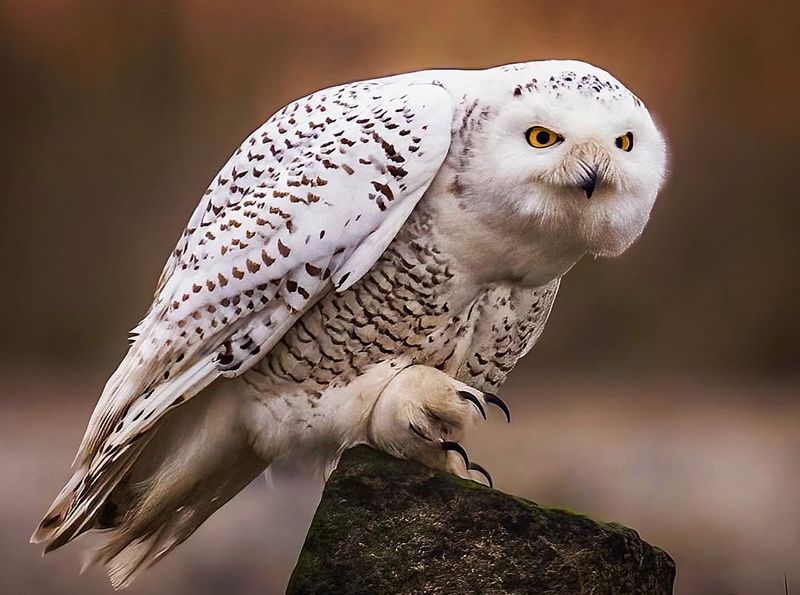
Michigan’s wildlife rehabilitation centers see a dramatic spike in snowy owl cases during irruption winters.
Calls come in about owls that have been struck by vehicles, found grounded and unable to fly, or observed behaving abnormally.
These facilities provide critical care for injured and starving owls, but irruption years stretch their resources thin.
Each snowy owl requires specialized care, appropriate housing, and a diet of whole prey animals like rats and mice.
Treating injuries, addressing starvation, and providing rehabilitation takes time, space, and money that many centers struggle to provide.
Some owls arrive too compromised to save, while others recover and can eventually be released back into suitable habitat.
Rehabilitators work closely with veterinarians experienced in raptor care to give each owl the best chance.
During major irruption events, a single facility might receive a dozen or more snowy owls in one winter—far more than typical years.
This influx affects the center’s ability to care for other native wildlife species that also need help.
Donations and volunteer support become especially important during these challenging periods.
Wildlife experts emphasize that not every grounded owl needs rescue—some are simply resting and will move on naturally.
However, truly injured or starving birds benefit enormously from professional intervention.
The increased rehabilitation demands during irruptions highlight both the vulnerability of displaced owls and the dedication of those working to help them.
Experts Stress Observation, Not Intervention

When you spot a snowy owl in Michigan, your first instinct might be to help or interact with it.
Wildlife biologists have clear guidance: observe from a distance and let professionals handle any intervention.
Snowy owls are wild predators perfectly capable of caring for themselves under the right conditions.
A perched owl that appears to be resting is likely doing exactly what it needs to do—conserving energy between hunting sessions.
Approaching, attempting to feed, or trying to capture an owl causes far more harm than good.
Feeding wildlife disrupts natural behavior, can transmit diseases, and may cause owls to associate humans with food.
Well-meaning attempts to “rescue” healthy owls can result in unnecessary stress and even injury to both the bird and the person.
Snowy owls have powerful talons and can inflict serious wounds when frightened or handled improperly.
If you encounter an owl that appears genuinely injured—unable to fly, bleeding, or in obvious distress—contact a licensed wildlife rehabilitator immediately.
Provide the location and describe the situation, but don’t attempt to capture or transport the bird yourself unless instructed by professionals.
Most importantly, spread the word about responsible owl observation within your community.
Social media posts about snowy owl sightings should include reminders about keeping distance and respecting the birds.
By observing responsibly and educating others, you help ensure these remarkable Arctic visitors have the best possible chance of surviving their Michigan stay.