Why Soil Microbe Health Is Becoming Important For Iowa Gardeners
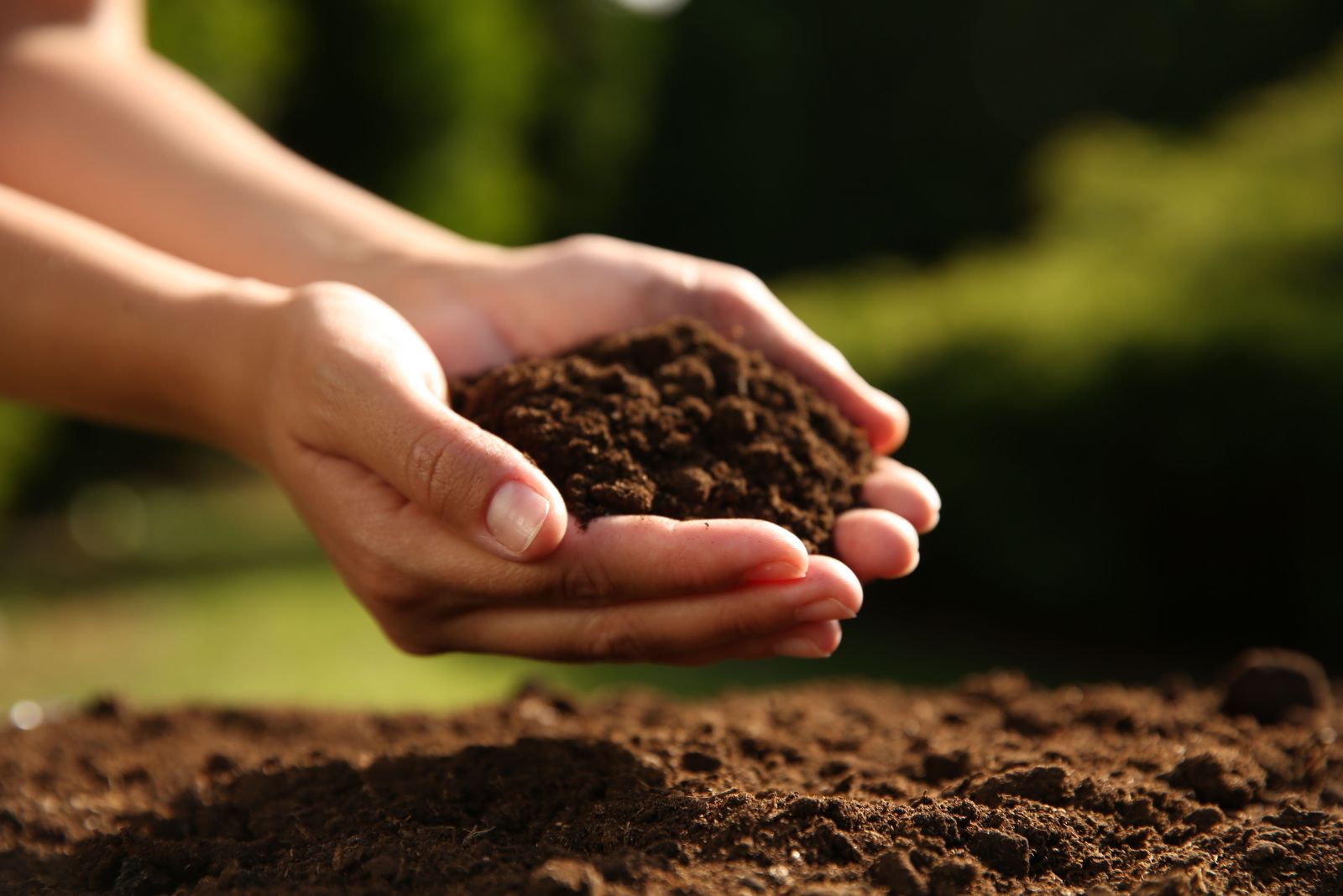
Not long ago, most Iowa gardeners focused on what they could see above the soil.
Big leaves, tall stems, and full harvests stole the spotlight.
Lately, attention has shifted to what’s going on beneath the surface.
Soil microbes, tiny as they are, have become the quiet workhorses that many gardeners now swear by.
Iowa soil takes a beating from long winters, heavy planting, and changing weather patterns.
Over time, this can leave the ground tired and compacted.
That’s when healthy microbes step in like a pit crew, breaking down organic matter and helping plants get the nutrients they need.
When microbes thrive, gardens tend to follow suit.
Gardeners are catching on that chemical shortcuts only go so far.
Building living soil creates lasting results instead of quick fixes.
Healthier soil holds water better, feeds plants more evenly, and stands up to stress when conditions turn rough.
The growing focus on soil microbe health reflects a back-to-basics approach.
Iowa gardeners are learning that strong roots start with healthy soil life.
By caring for the unseen helpers underground, they are setting their gardens up for steadier growth, better yields, and fewer headaches season after season.
1. Better Nutrient Availability For Growing Plants
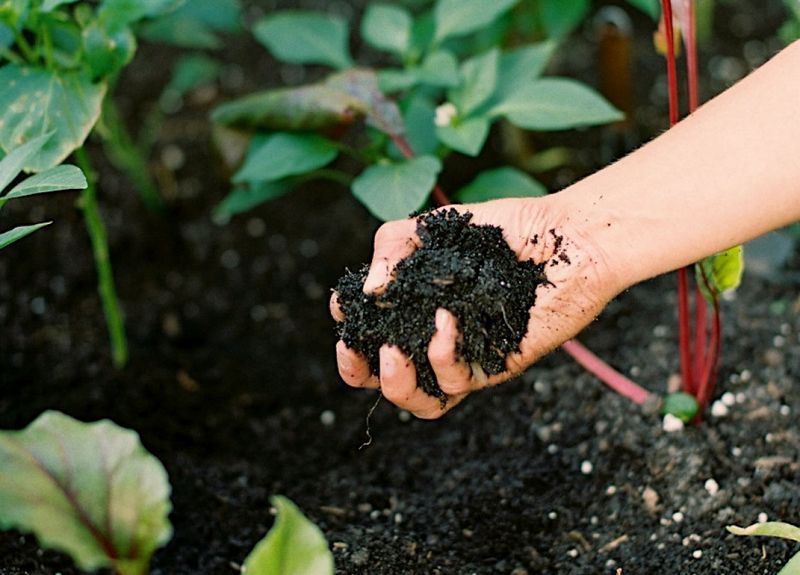
Soil microbes act like tiny factories that transform nutrients into forms plants can actually use.
Nitrogen, phosphorus, and other essential elements often sit locked up in the soil, unavailable to plant roots until bacteria and fungi break them down.
When Iowa gardeners nurture their soil microbes, they essentially hire millions of workers to feed their plants naturally.
Chemical fertilizers can provide a quick boost, but they don’t build long-term soil health the way microbes do.
Microorganisms create a steady supply of nutrients throughout the growing season, matching what plants need as they develop.
This biological process reduces the need for repeated fertilizer applications, saving both money and time.
Iowa’s clay-heavy soils particularly benefit from active microbial communities.
These organisms produce substances that help break down clay particles and improve soil structure.
Better structure means roots can access nutrients more easily, leading to stronger, more productive plants.
Gardeners across Iowa are discovering that compost, mulch, and reduced tilling all support microbial populations.
These simple practices create an environment where beneficial organisms thrive.
The result is soil that works harder for you, delivering nutrients when and where plants need them most, season after season.
2. Improved Water Retention During Dry Spells
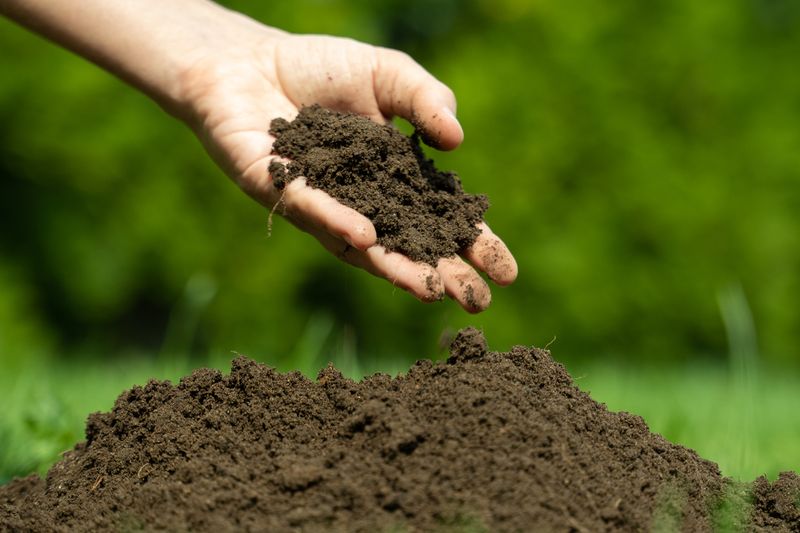
Anyone who has gardened in Iowa knows how unpredictable summer rainfall can be.
One week brings thunderstorms, the next brings scorching heat with barely a drop of moisture.
Healthy soil microbes help gardens survive these swings by improving the soil’s ability to hold onto water when it does rain.
Microorganisms produce sticky substances called polysaccharides that act like tiny sponges in the soil.
These compounds bind soil particles together into larger clumps, creating spaces that trap and hold moisture.
Soil with good microbial activity can retain significantly more water than lifeless, compacted dirt.
Fungal networks deserve special mention here.
Mycorrhizal fungi form thread-like structures that spread throughout the soil, increasing the surface area available to absorb water.
These fungal highways also help transport moisture directly to plant roots, even when the surrounding soil starts drying out.
For Iowa gardeners facing increasingly variable weather patterns, building microbial health offers practical drought insurance.
Gardens with active soil life require less frequent watering and bounce back faster after dry periods.
Plants develop deeper, more extensive root systems when microbes improve soil structure, giving them access to moisture reserves deeper underground.
3. Natural Disease Suppression Without Harsh Chemicals
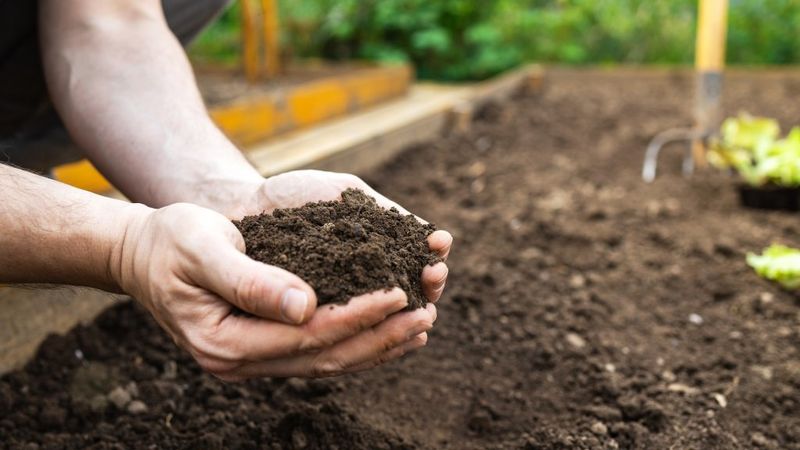
Plant diseases can devastate a garden faster than almost anything else.
Root rot, wilts, and leaf spots all threaten Iowa gardens every season.
What many gardeners don’t realize is that healthy soil microbes provide a first line of defense against these problems, often preventing disease before it starts.
Beneficial bacteria and fungi occupy space and consume resources that harmful organisms need to survive.
This competition for territory and food keeps pathogen populations in check naturally.
Some microbes even produce antibiotic compounds that directly suppress disease-causing organisms in the soil.
Research shows that soils rich in diverse microbial communities experience fewer disease outbreaks.
The variety matters, different beneficial organisms target different pathogens.
Iowa gardeners who build biological diversity in their soil essentially create a security system that works day and night.
Reducing chemical inputs becomes easier when soil biology is strong.
Fungicides and bactericides often harm beneficial microbes along with the harmful ones, weakening the soil’s natural defenses.
By focusing on microbial health through organic matter additions and gentle practices, gardeners can grow healthier plants with fewer interventions and less reliance on synthetic products that may have unintended consequences.
4. Enhanced Soil Structure For Easier Root Growth

Imagine trying to push your way through concrete versus walking through a well-maintained park.
That’s the difference plants experience between compacted soil and soil with good structure.
Microbes play a starring role in creating the kind of loose, crumbly texture that roots love to explore.
Bacteria and fungi produce glue-like substances that bind tiny soil particles into stable aggregates.
These clumps create a network of passages and air pockets throughout the soil.
Roots can easily navigate these spaces, spreading out to access water and nutrients across a larger area.
Iowa’s heavy clay soils especially benefit from microbial activity.
Clay particles naturally stick together in dense, airless masses that roots struggle to penetrate.
Active soil biology gradually transforms this challenging material into a more workable medium with better drainage and aeration.
Earthworms work alongside microbes to improve structure, but they rely on bacterial and fungal populations to break down organic matter into forms they can digest.
This partnership creates channels and improves soil tilth throughout the root zone.
Gardeners who protect and feed soil microbes find their soil becomes easier to work with over time, requiring less physical effort and producing stronger, more resilient plants.
5. Reduced Need For Synthetic Fertilizers And Amendments
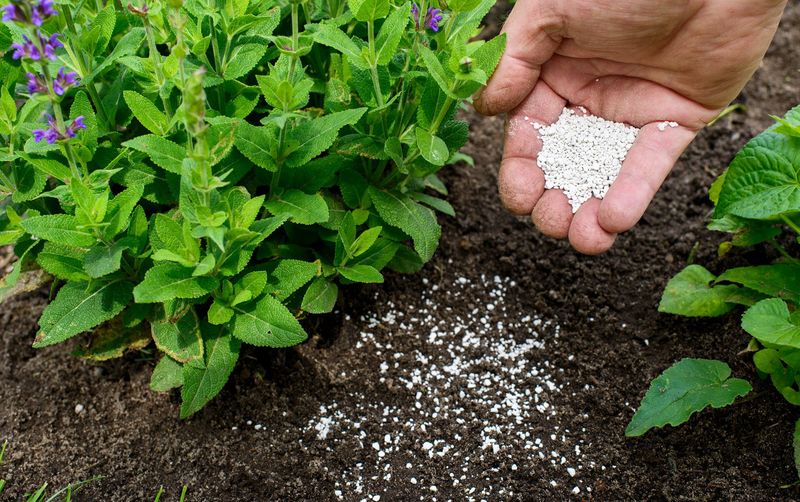
Fertilizer costs have climbed steadily in recent years, putting pressure on gardening budgets across Iowa.
Many gardeners are discovering that investing in soil biology offers a more economical long-term approach.
When microbial populations are thriving, they provide many of the same benefits that expensive amendments promise.
Nitrogen-fixing bacteria deserve particular attention.
These remarkable organisms pull nitrogen from the air and convert it into forms plants can use, essentially manufacturing fertilizer right in the soil.
Other microbes break down organic matter, releasing stored nutrients gradually throughout the season.
Synthetic fertilizers can actually harm soil microbes when overused.
High salt concentrations from chemical inputs disrupt microbial communities and reduce their effectiveness.
This creates a cycle where gardeners need to apply more fertilizer each year because the soil’s natural fertility-building capacity has been damaged.
Iowa gardeners who transition to microbe-friendly practices often see their fertilizer needs drop significantly within a few seasons.
Compost, cover crops, and mulch all feed soil organisms while improving fertility.
The initial investment in these materials pays dividends as soil becomes more self-sustaining.
Gardens require fewer purchased inputs while producing better results, making this approach both environmentally friendly and economically sensible for households watching their budgets.
6. Climate Resilience In Changing Iowa Weather
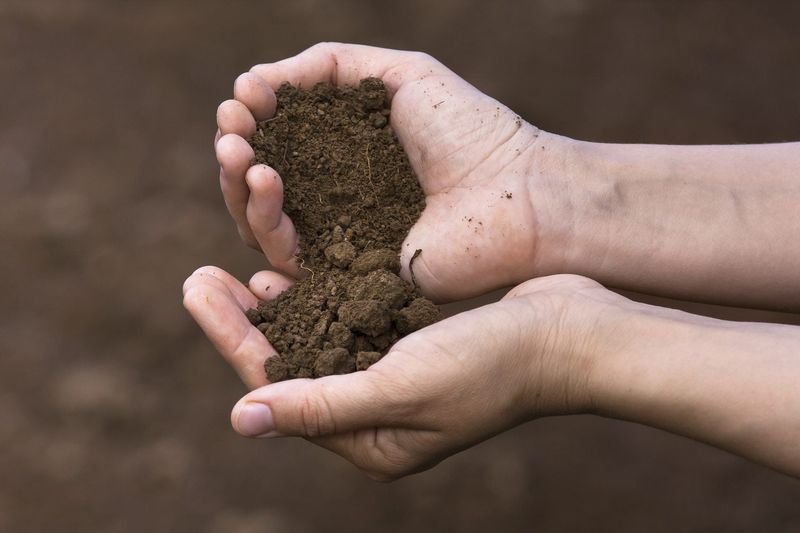
Iowa’s weather has become less predictable over the past decade.
Late spring freezes, summer heat waves, and unpredictable rainfall patterns challenge even experienced gardeners.
Soil rich in microbial life helps plants adapt to these stresses, providing a buffer against environmental extremes.
Microbes help plants cope with stress through multiple mechanisms.
Some produce hormones that trigger stress-response systems in plants, essentially training them to handle difficult conditions.
Others improve nutrient availability during challenging periods when plants need extra resources to recover.
Temperature fluctuations affect soil biology less than they affect plants directly.
While a late frost might damage tender leaves, soil microbes continue working underground, supporting root health and helping plants bounce back.
This underground support system becomes increasingly valuable as weather patterns shift.
Carbon sequestration by soil microbes also contributes to climate stability on a larger scale.
Healthy microbial communities help soil store carbon rather than releasing it into the atmosphere.
Iowa gardeners participating in this process contribute to broader environmental solutions while building resilient gardens that perform well regardless of what weather arrives.
The connection between small-scale soil health and large-scale climate issues makes microbial stewardship meaningful on multiple levels.
7. Healthier Produce With Better Nutrient Density
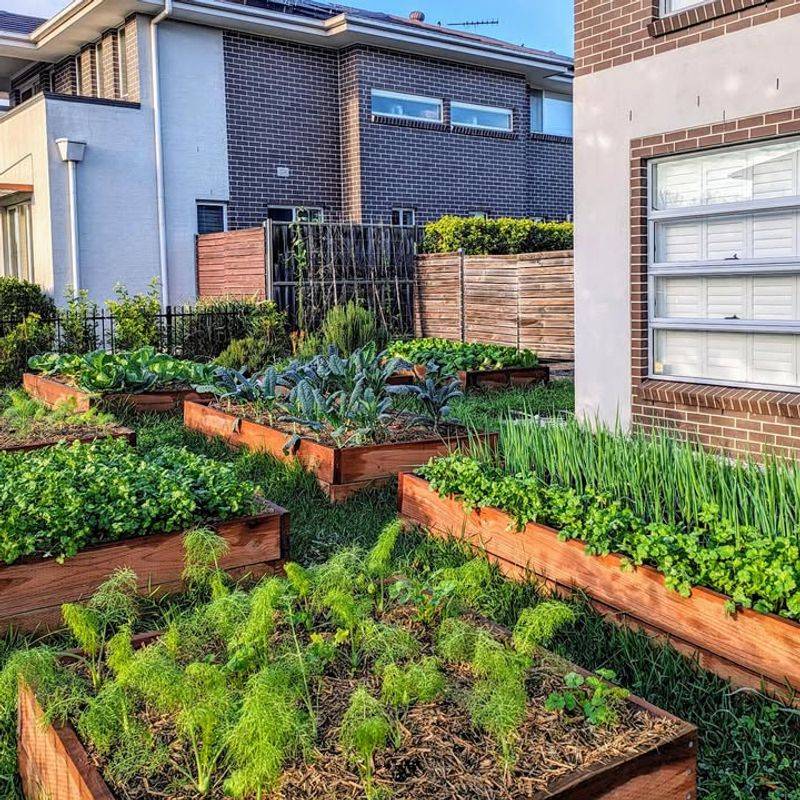
Growing your own food in Iowa means more than just saving money at the grocery store.
Gardens with healthy soil microbes produce vegetables and fruits with higher levels of vitamins, minerals, and beneficial compounds.
The difference in taste and nutrition can be remarkable compared to produce from depleted soils.
Microbes facilitate the uptake of micronutrients that plants need in small amounts but that are crucial for human health.
Zinc, iron, selenium, and other trace minerals become more available when soil biology is diverse and active.
Plants growing in biologically rich soil can access these elements more efficiently.
Flavor compounds in fruits and vegetables are often linked to the same pathways that produce nutrients.
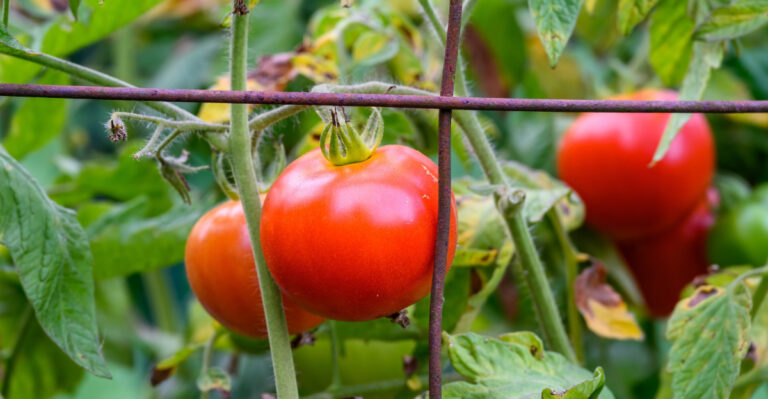
Tomatoes grown in microbially active Iowa soil taste noticeably better than those from sterile or depleted ground.
The complex interactions between roots and soil organisms influence everything from sugar content to aromatic compounds.
Families concerned about nutrition find that focusing on soil health delivers benefits that go beyond yield.
A smaller harvest from biologically rich soil may actually provide more nutritional value than a larger harvest from depleted ground.
For Iowa gardeners growing food for their tables, investing in microbial health means investing in the wellness of everyone who eats from the garden.
8. Support For Beneficial Insects And Garden Ecosystem
Gardens function as miniature ecosystems where everything connects in surprising ways.
Soil microbes form the foundation of this web, supporting not just plants but also the beneficial insects and other creatures that make gardens productive and beautiful.
Iowa gardeners who nurture soil life often notice improvements throughout their entire garden environment.
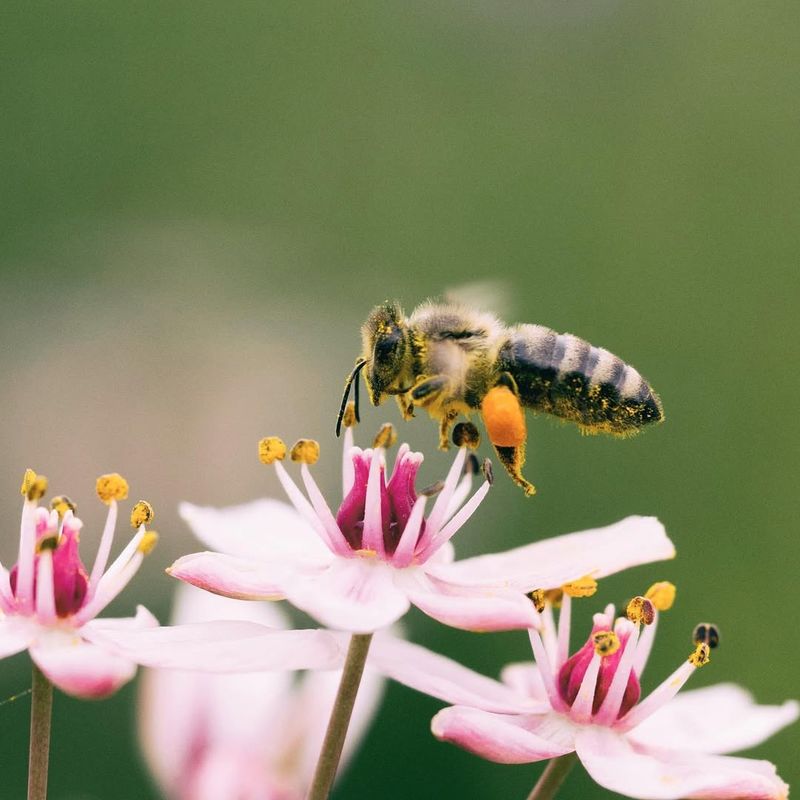
Healthy plants supported by good soil biology produce more flowers and nectar, attracting pollinators like bees and butterflies.
These insects need strong plant communities to survive, and strong plants depend on healthy soil.
The connection flows both directions, creating positive feedback loops throughout the garden.
Ground-dwelling beneficial insects such as ground beetles rely on soil health too.
These predators help control pest populations while depending on the moisture and structure that microbial activity provides.
Soil rich in organic matter offers habitat for countless organisms that contribute to pest management and pollination.
Birds, toads, and other garden visitors benefit from the insect populations that healthy soil supports.
Iowa gardeners building microbial health create habitat that extends far beyond the soil itself.
This holistic approach to gardening recognizes that everything from microscopic bacteria to visiting songbirds plays a role in garden success, and it all starts with caring for the living soil beneath our feet.