Why Some Crape Myrtles Leaf Out Much Later In North Carolina

As spring settles into North Carolina, many crape myrtles begin to show fresh leaves and signs of new growth. But not all of them follow the same schedule.
While some trees are already filling out, others may still look bare, leaving gardeners wondering if something is wrong. This uneven timing can be surprising, especially when the trees are growing in the same yard.
Weather patterns, soil conditions, and even the type of crape myrtle can all play a role in when leaves appear. Cooler nights, late cold snaps, or slower warming soil can delay growth more than you might expect.
In many cases, the tree is simply taking its time rather than struggling. Once you understand why some crape myrtles leaf out later, it becomes easier to stay patient and know when it is time to step in or just let nature do its work.
1. Natural Variation Between Crape Myrtle Varieties
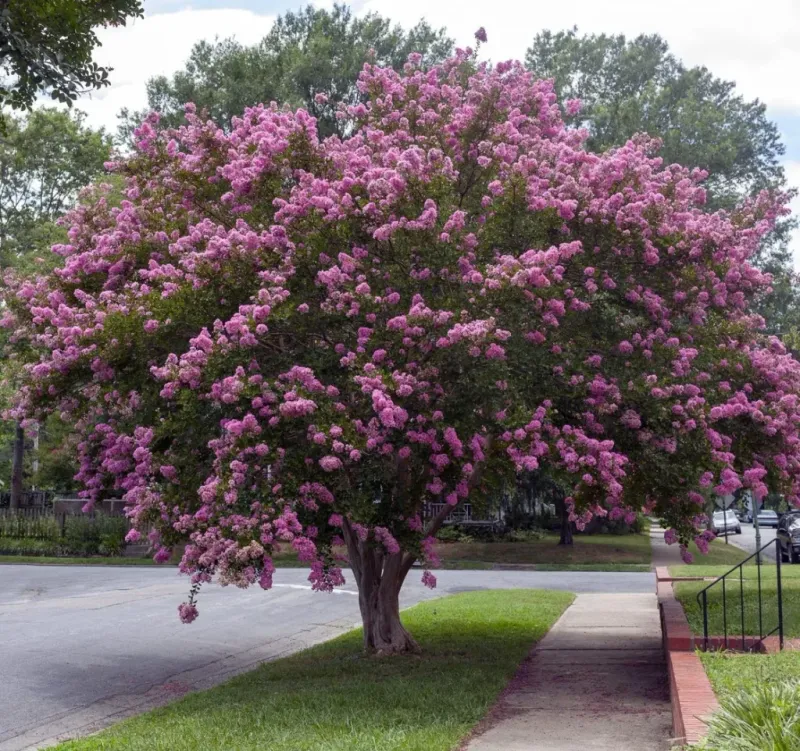
Not every crape myrtle follows the same schedule, and that is actually by design. Hundreds of named cultivars exist, and each one carries its own genetic blueprint that determines when it breaks dormancy in spring.
Some varieties are simply programmed to wake up later, no matter where they are planted in North Carolina.
Across the Piedmont, Coastal Plain, and Mountains, you will notice this difference playing out in yards and neighborhoods every single spring.
A Natchez crape myrtle might be pushing out bright new leaves while a nearby Dynamite or Black Diamond variety still looks completely dormant. Both trees are perfectly healthy, just running on different internal clocks.
Gardeners sometimes panic when one tree looks bare next to a leafed-out neighbor, but variety differences are one of the most common and harmless explanations. Before assuming anything is wrong, take a moment to identify which cultivar you have.
A quick scratch test on a small twig can also reassure you. If the layer just beneath the bark shows green, your tree is alive and simply taking its time.
Trusting the process and knowing your specific variety can save a lot of unnecessary worry during those early spring weeks in North Carolina.
2. Cooler Spring Temperatures In The Mountains
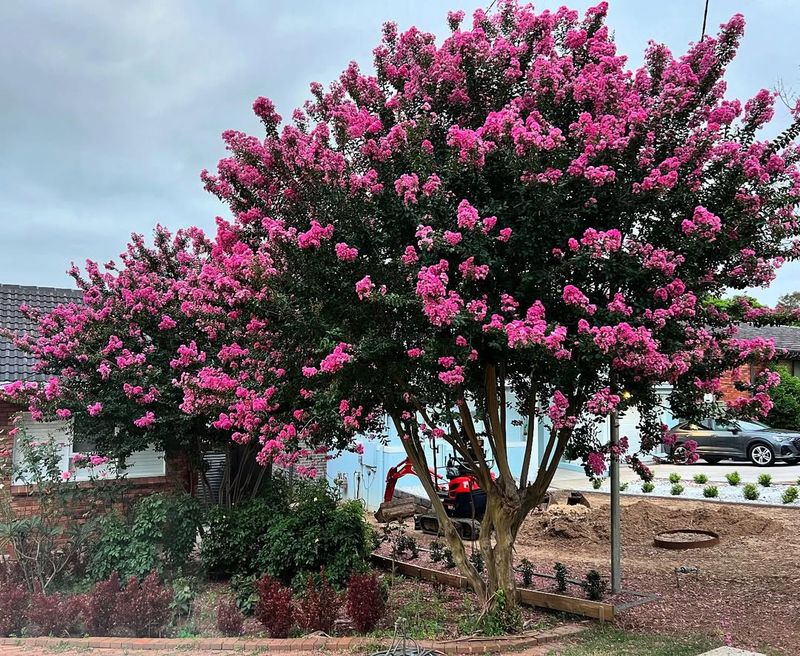
Spring arrives differently depending on where you live in North Carolina, and the Mountains region plays by its own rules.
Towns like Boone, Asheville, and Brevard sit at much higher elevations than Charlotte or Raleigh, which means air temperatures stay cooler longer and soil takes more time to warm up after winter.
Crape myrtles respond directly to soil and air temperature cues when deciding to break dormancy. In the Mountains, those warm signals simply arrive weeks later than they do down in the Piedmont or along the Coastal Plain.
A crape myrtle in Boone might not show leaves until late April or even early May, while the same variety planted in Wilmington could be fully leafed out by late March.
Elevation plays a huge role in this timing gap, and understanding it helps mountain gardeners stay patient and relaxed during spring. The cooler nights at higher altitudes keep soil temperatures low even when daytime feels pleasant.
Crape myrtles are smart enough not to rush, because pushing out tender new growth during a cold snap would set them back further. Mountain gardeners across North Carolina should expect a later start and simply enjoy the anticipation of watching those first green buds finally appear on a warm April morning.
3. Microclimates Affect Soil And Air Warming

Your yard is not just one single environment, even if it looks that way at first glance. Different spots within the same property can have noticeably different temperatures, moisture levels, and sunlight exposure, and those differences are called microclimates.
A crape myrtle planted in a shaded corner near a fence will experience spring very differently from one planted in the open sun just twenty feet away.
North-facing slopes, areas shaded by large trees or buildings, and spots exposed to consistent cold winds all warm up more slowly in spring. Soil in these locations holds onto winter cold longer, which delays the temperature signals that tell a crape myrtle to start growing.
Even in warmer parts of North Carolina like the Piedmont and Coastal Plain, a poorly placed tree can behave like it is living somewhere much cooler.
Gardeners who notice one crape myrtle lagging behind another in the same yard should take a close look at the surrounding conditions. Is that slower tree in a shadier spot?
Does water tend to pool there after rain? These small environmental details add up quickly and can easily explain a two to four week difference in leaf-out timing.
Adjusting placement or improving drainage around future plantings can make a real difference in how quickly your North Carolina crape myrtles respond to spring warmth each year.
4. Late Cold Snaps Slow Spring Growth
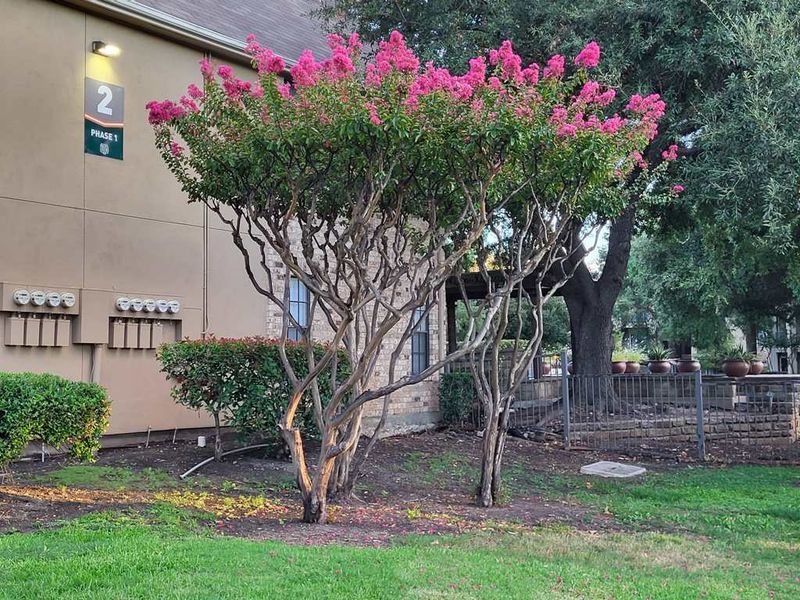
Spring in North Carolina can be wonderfully warm one week and surprisingly cold the next. Those unexpected temperature drops, sometimes called late cold snaps or late frosts, can catch crape myrtles right in the middle of waking up and essentially hit the pause button on their growth.
It happens more often than most gardeners expect, especially in the Piedmont and Mountain regions where spring weather stays unpredictable well into April.
When a crape myrtle begins pushing out tender new buds and then gets hit with a night below freezing, the plant pulls back and focuses on protecting itself rather than continuing to grow.
You might notice buds that were just starting to swell suddenly stop developing for a week or two.
The tree is not struggling, it is simply being cautious and waiting for more stable conditions before committing to full growth.
After the cold passes and temperatures settle back into a consistent warm range, the crape myrtle will resume its normal growth pattern. Gardeners across North Carolina often see this happen two or even three times in a single spring before trees finally leaf out fully.
Watching the ten-day forecast during early spring can help you understand why your tree seems to be moving in slow motion. Patience during this back-and-forth weather period is truly the best tool any North Carolina gardener can have.
5. Plants Prioritize Root Recovery Before Top Growth
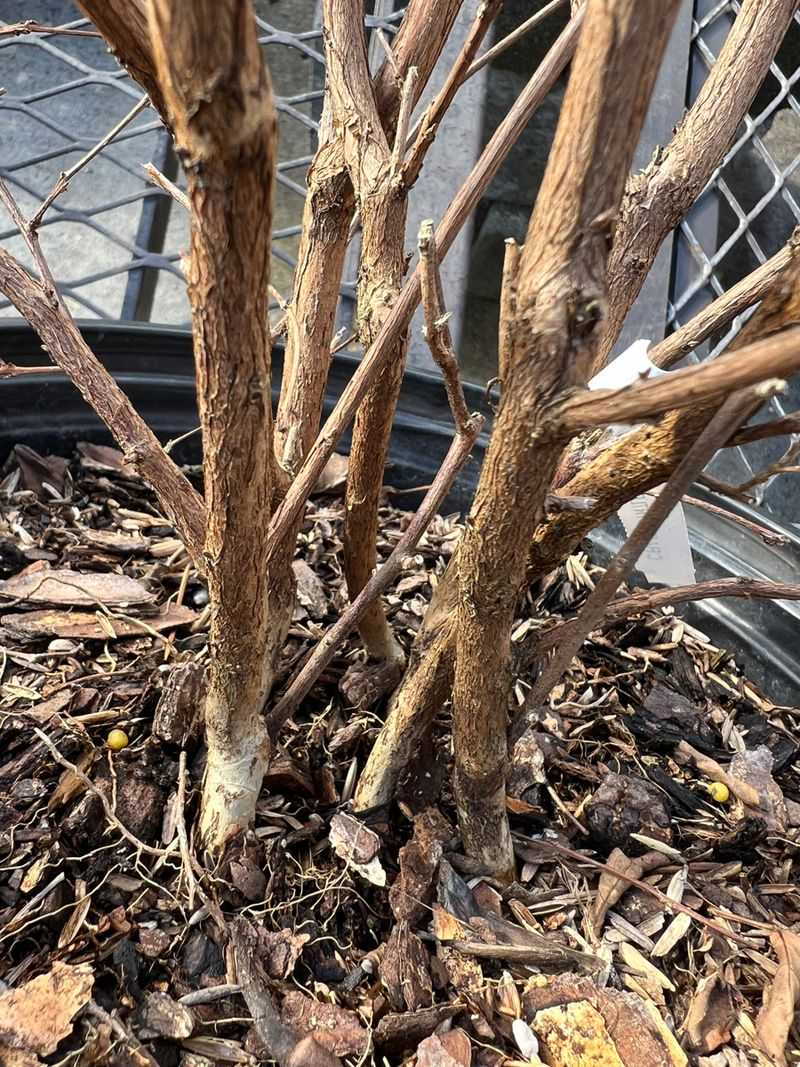
Roots always come first. That is one of the most important things to understand about how crape myrtles manage their energy after a tough winter or a recent transplant.
Before a crape myrtle puts any effort into pushing out new leaves, it focuses on making sure the root system is healthy, stable, and ready to support the growth that is coming.
In North Carolina, this is especially relevant for trees planted in heavy clay soils, which are very common across the Piedmont region. Clay holds moisture and stays cold longer than sandy or loamy soils, which means roots in clay take more time to fully activate in spring.
A recently transplanted crape myrtle, or one that experienced significant winter stress, will often delay top growth by several weeks while it quietly works on root recovery underground.
From the outside, the tree looks completely dormant and unresponsive, but a lot is actually happening below the surface. Gardeners who recently moved a crape myrtle to a new spot in their North Carolina yard should expect a slower spring performance that first year.
Keeping the root zone mulched, watered appropriately, and free from competition will speed up recovery. Once the roots feel strong and settled, the top growth will follow quickly and the tree will reward your patience with a full flush of beautiful new leaves.
6. Pruning Timing Influences Visible Growth
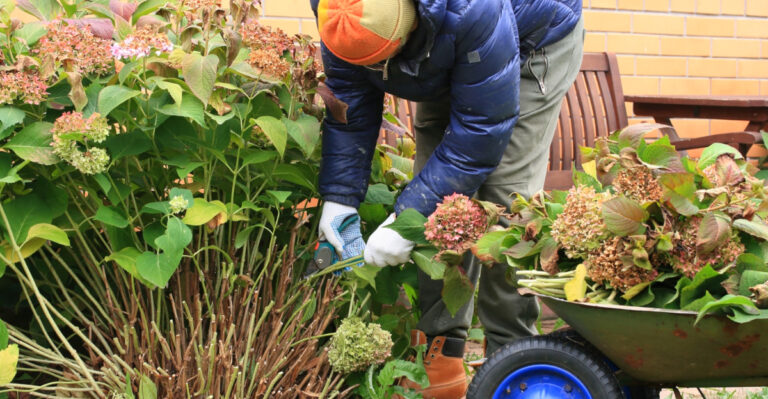
Pruning has a bigger influence on leaf-out timing than most people realize, and the difference is not always about the tree being slow.
When you prune a crape myrtle late in the season, closer to when growth would naturally begin, you are essentially removing the buds that were already preparing to open.
The tree then has to redirect its energy toward forming new growth points, which takes extra time.
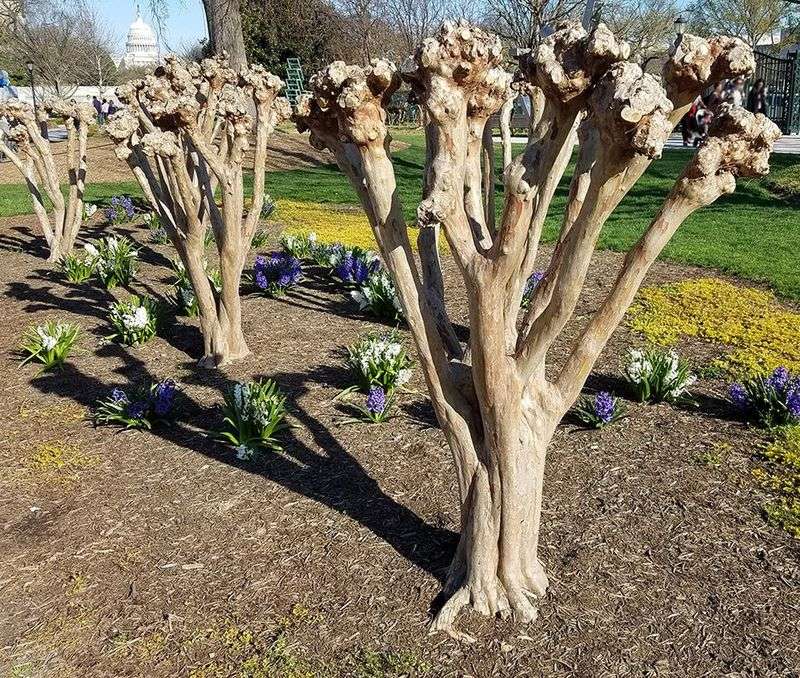
Heavy or aggressive pruning, sometimes called crape murder in gardening circles, creates a similar delay. When large portions of the canopy are removed all at once, the tree must regrow a significant amount of structure before visible leafing really takes off.
North Carolina gardeners who prune late or prune hard often wonder why their trees look so far behind, when the answer is sitting right there in the pruning decision itself.
There is also an important difference between actual delayed growth and simply perceived delay. A freshly pruned tree looks bare because the cut ends have no buds showing yet, even if new growth is quietly activating at the base of each cut.
Timing your pruning for late winter, before buds begin to swell, gives crape myrtles the best possible head start. In North Carolina, that window typically falls between late February and mid-March, depending on your region and the specific variety growing in your yard.
7. Some Branches Experienced Winter Damage
Winter in North Carolina can range from mild and brief to surprisingly harsh, depending on the year and the region.
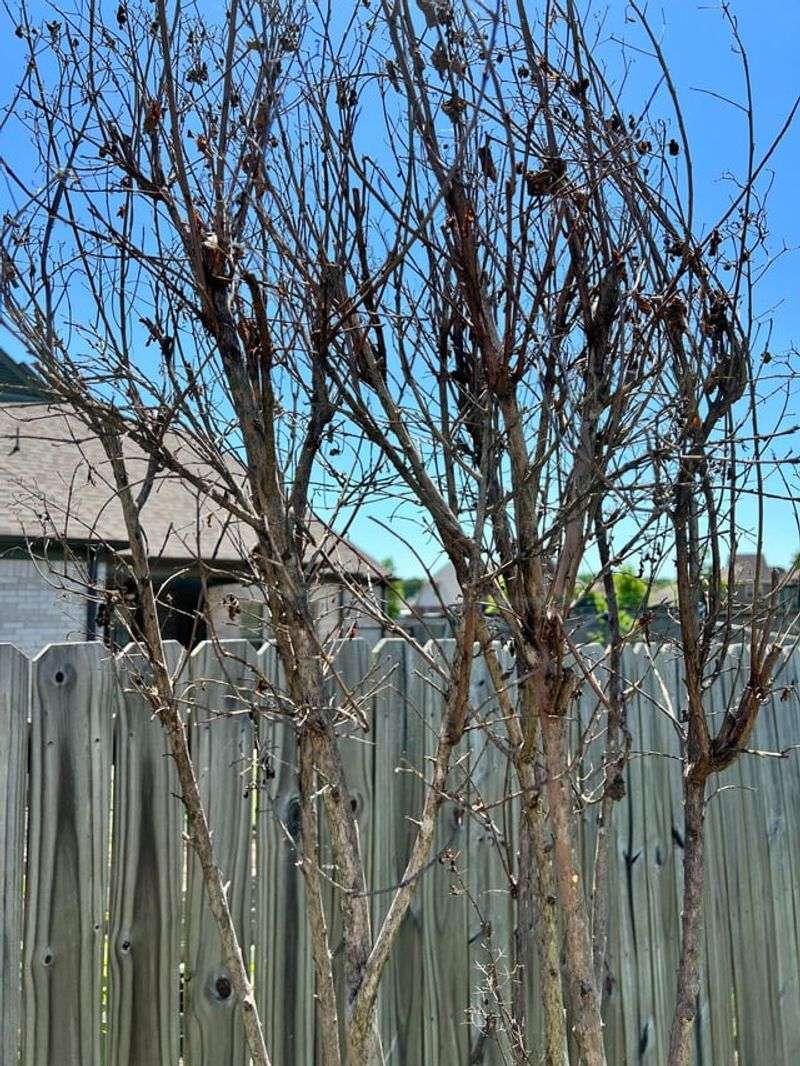
When temperatures drop low enough for long enough, some of the thinner or more exposed branches on a crape myrtle can experience cold damage that prevents them from leafing out in spring.
The rest of the tree may look perfectly fine and full of green growth, while those specific branches remain bare and unresponsive.
This kind of uneven leafing can look alarming at first, but it does not mean the entire tree is struggling. Healthy sections with undamaged tissue will continue to leaf out normally, often with strong and vigorous growth.
The damaged sections simply cannot produce new leaves because the living tissue inside those stems was compromised during the coldest nights of winter.
Identifying which branches are still viable is straightforward with a simple scratch test. Use your fingernail or a small knife to lightly scratch the bark on a questionable branch.
If the tissue underneath shows green or cream color, the branch is alive and may still leaf out with more time. If it looks brown and dry all the way through, that section is no longer viable and can be removed.
Gardeners across North Carolina, especially those in the Mountains and upper Piedmont, should check branches this way before making any hasty pruning decisions early in spring.