Why Some Flowering Vines In North Carolina Still Fail To Leaf Out In April
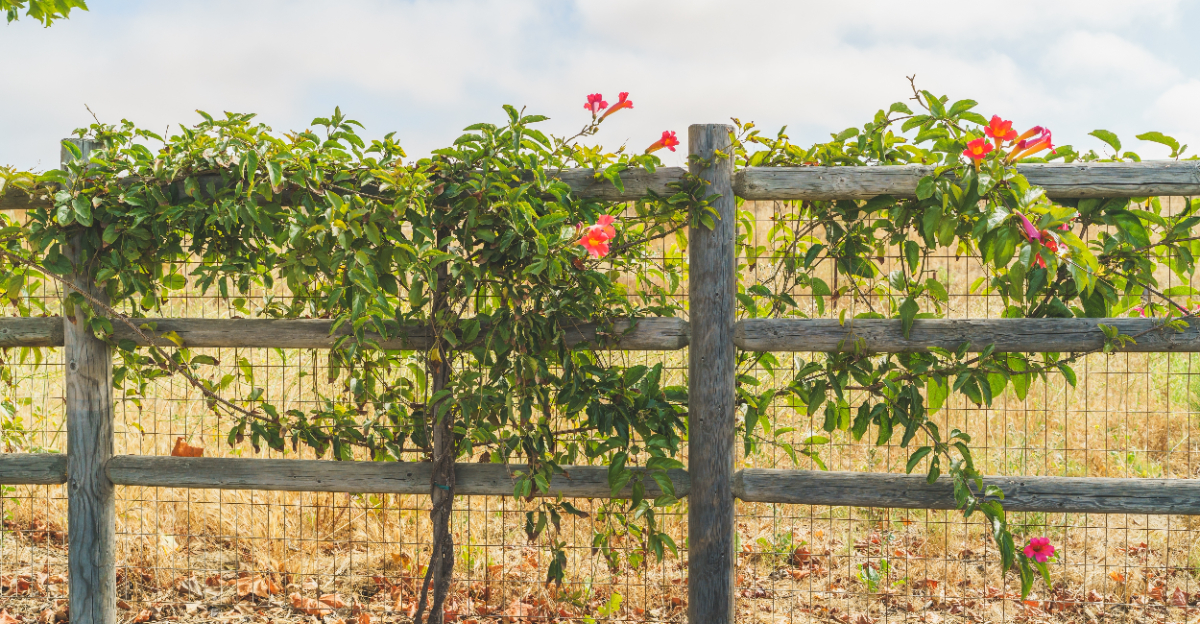
By April, many gardens across North Carolina are starting to fill in with fresh green growth, so it can be worrying when a flowering vine still looks bare. While nearby plants are leafing out and gaining strength, some vines seem stuck, showing little to no signs of life.
It is easy to assume something went wrong, but the reason is not always obvious. Several factors can slow things down, especially in a state with changing spring weather.
Late cold snaps, uneven soil temperatures, or even the natural growth habits of certain vines can delay new leaves. Some plants simply take longer to wake up, even when conditions seem right.
What looks like a problem at first may just be a matter of timing. Once you understand why some flowering vines lag behind in April, you can decide whether to wait it out or step in to help them recover.
1. Late Winter Cold Damaged Buds Or Stems
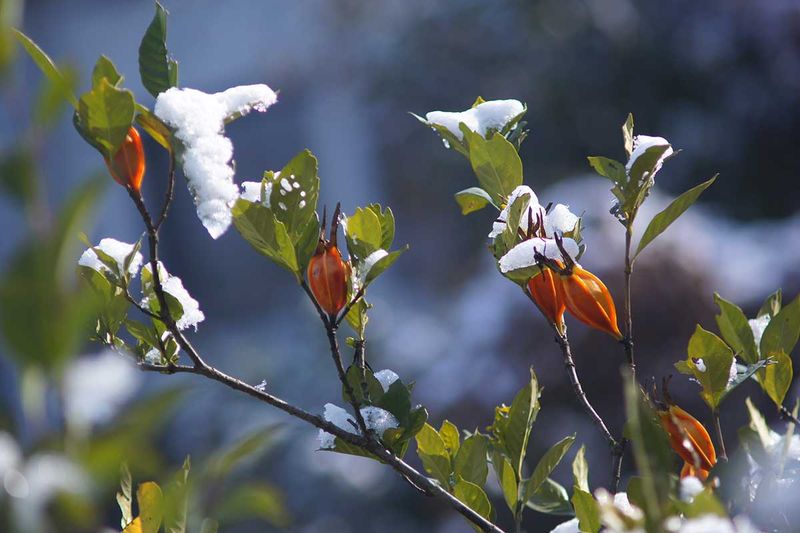
Most gardeners in North Carolina know that late winter can be sneaky. Temperatures may climb into the 60s one week, tricking vines into pushing out early growth, and then a sharp freeze rolls through and damages that tender new tissue almost overnight.
This is especially common in the Piedmont and Mountain regions, where temperature swings are wide and unpredictable.
When buds and stems get hit by freezing temperatures after early growth starts, the plant tissue can turn mushy or brown inside.
From the outside, stems may look fine, but a gentle scratch test on the bark can reveal whether the tissue underneath is still green and healthy or has turned tan and dry.
Gardeners often notice in April that affected vines simply refuse to push new leaves, or only a few weak shoots appear near the base.
The good news is that many vines survive cold damage and push new growth from lower stems or roots when conditions improve. Give your vine until mid to late April before making any decisions.
Remove any obviously brittle or hollow stems with clean pruners, and water consistently as temperatures stabilize.
North Carolina gardeners in the Foothills and Mountains should be especially patient, since spring arrives later at higher elevations and recovery takes more time than in warmer coastal areas.
2. The Vine Blooms On Old Wood And Was Pruned Too Late
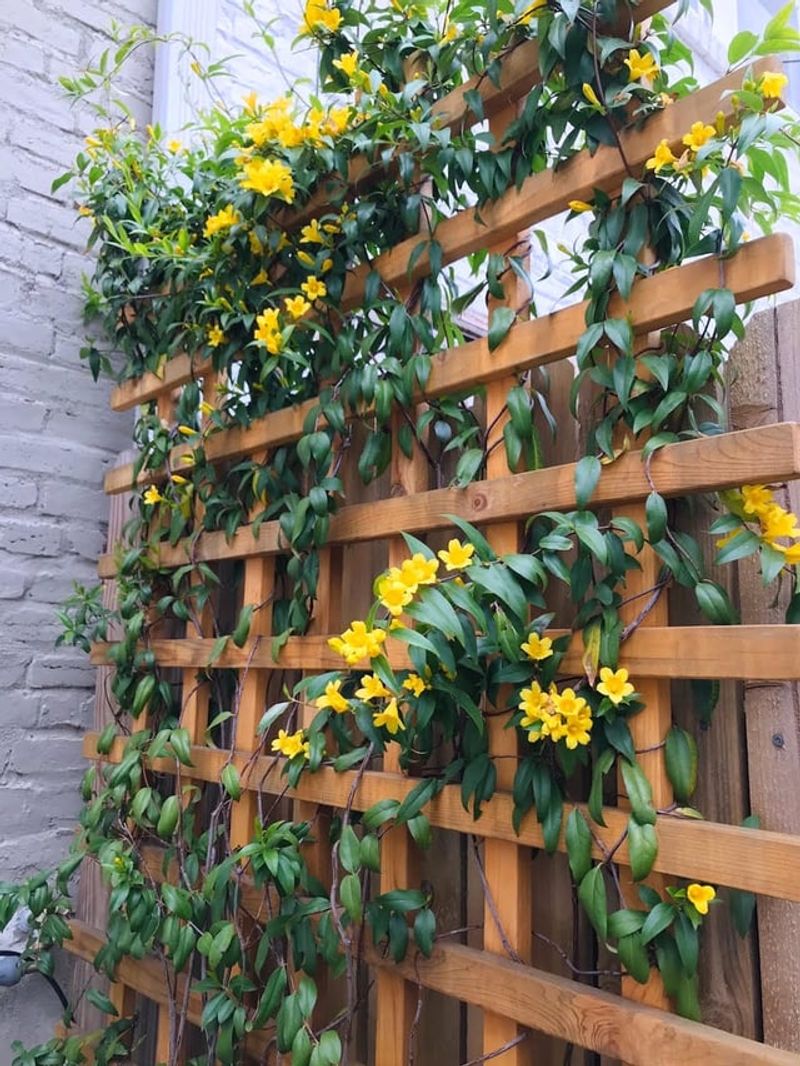
Pruning at the wrong time is one of the most common reasons flowering vines in North Carolina show up bare in April.
Many popular vines, including some clematis varieties, wisteria, and Carolina jessamine, produce their blooms on old wood, meaning the buds that will open in spring were already set during the previous growing season.
When gardeners prune these vines in late winter or early spring, those precious buds get removed before they ever get the chance to open. What follows is a vine that looks perfectly healthy but stubbornly refuses to leaf out or bloom the way it should.
It is not struggling with cold or disease, it simply had its growth potential cut away before the season even began.
Knowing your vine’s pruning group makes a real difference. Vines that bloom on old wood should be pruned right after flowering, not before.
In North Carolina, that often means waiting until late spring or early summer to pick up your pruners. If you are unsure which type you have, hold off on pruning entirely for one season and observe when and where blooms appear.
That one season of patience will tell you everything you need to know and help you avoid a bare, flowerless vine the following April.
3. Natural Late Leaf-Out Timing For Certain Species
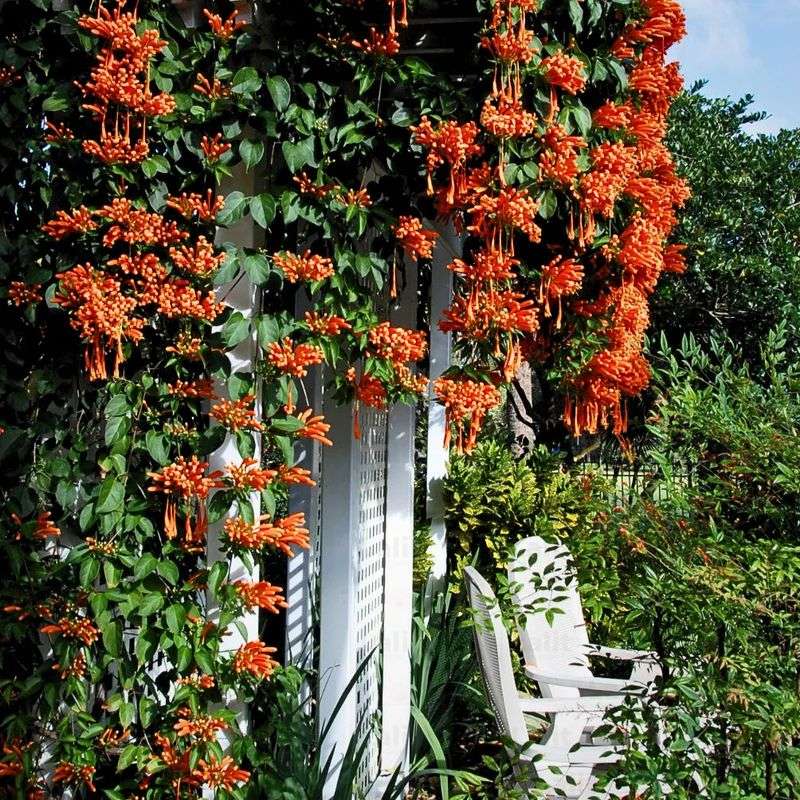
Not every flowering vine in North Carolina follows the same spring schedule, and that surprises a lot of gardeners who expect everything to green up at the same time.
Some species are simply programmed to wait, holding off on new growth until soil temperatures are consistently warm and nighttime lows stay reliably above freezing.
Trumpet vine, for example, is famously slow to wake up in spring and often looks completely bare well into April.
In the North Carolina Mountains, this delayed schedule is even more noticeable. Cooler air and slower-warming soils push back leaf-out by several weeks compared to the Coastal Plain or Piedmont.
A vine that looks ready to bloom in April near Raleigh might not show any movement until early May near Asheville, and that is completely normal behavior for certain species.
The best way to tell the difference between natural late leaf-out and actual damage is a simple scratch test. Use your fingernail or a small knife to lightly scratch the bark on a stem.
If the tissue underneath is green and moist, the vine is alive and just taking its time. If it feels dry and looks brown or tan all the way through, that section may not recover.
Most late-leafing vines reward patient gardeners with a full flush of growth once temperatures consistently hit the right range.
4. Root Stress From Winter Soil Conditions
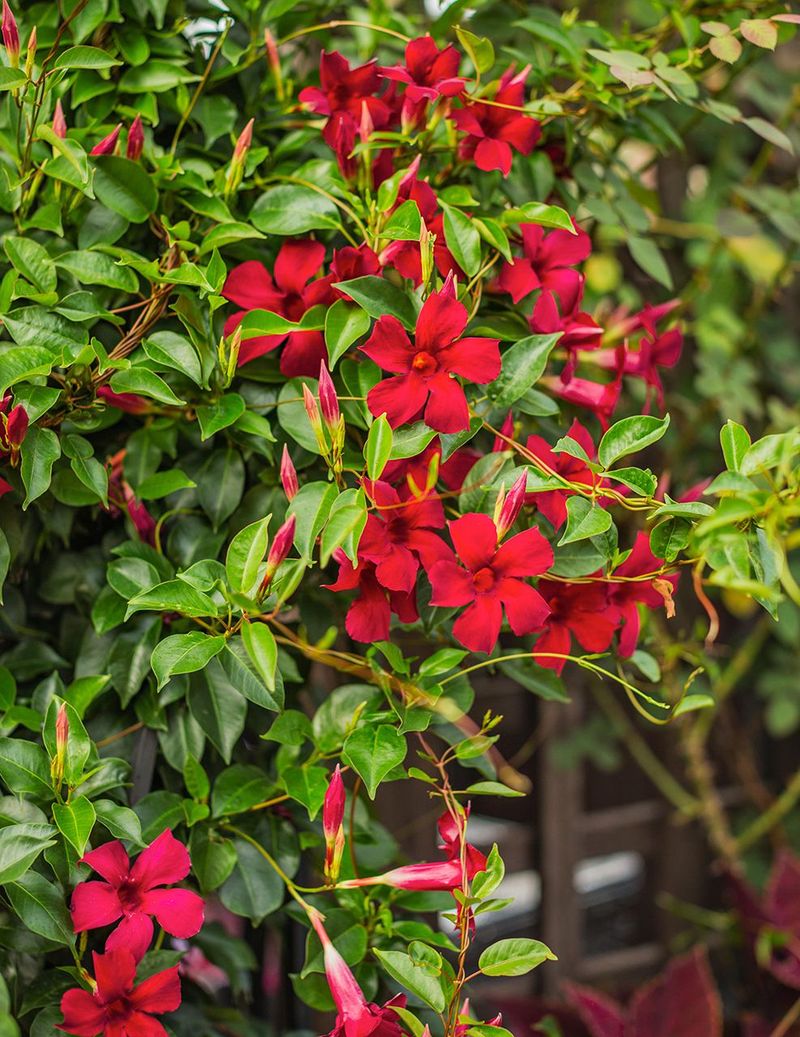
What happens underground during winter matters just as much as what happens above it. North Carolina has incredibly varied soil types, from the heavy clay soils common across the Piedmont to the sandier soils found throughout the Coastal Plain.
Each of these soil types creates a different set of challenges for vine roots trying to survive winter and power up spring growth.
Heavy clay holds onto moisture long after rain events, and when temperatures drop, that waterlogged soil can suffocate roots or cause them to rot.
Sandy soils, on the other hand, drain so quickly that roots may dry out during dry winter stretches, leaving the vine without enough stored energy to push strong growth in spring.
Either extreme puts real stress on the root system, and that stress shows up in April as slow, patchy, or completely absent leaf-out.
Improving soil conditions is the most reliable long-term fix. Adding organic compost to clay soils helps drainage and root health, while mulching over sandy soils helps retain winter moisture.
North Carolina gardeners should also avoid walking or working around vine bases during wet winters, since compacting already struggling soil only makes root stress worse.
If your vine seems slow every April, consider doing a soil test through the NC Cooperative Extension, which can reveal drainage issues, pH imbalances, or nutrient gaps that are holding your vine back from its full spring potential.
5. Planting Location Is Too Shaded Or Exposed

Where you plant a vine in your North Carolina yard has a bigger impact on spring leaf-out than most gardeners realize. Shade is one of the most overlooked culprits when vines fail to wake up on time in April.
Spots that receive heavy shade from buildings, large trees, or fences stay cooler longer in spring, and the soil underneath warms up much more slowly than sunny areas nearby.
Flowering vines need warmth at the root zone to trigger spring growth, and shaded planting spots simply do not deliver that warmth early enough.
The result is a vine that sits dormant weeks longer than it should, making it look like something is seriously wrong when the real issue is just a lack of sunlight and soil warmth.
On the flip side, vines planted in overly exposed spots with no wind protection can suffer more cold damage during late winter freezes, setting back leaf-out in a different way.
Microclimates across North Carolina vary widely, even within a single yard. A south-facing brick wall creates a warm, sheltered microclimate perfect for encouraging early growth, while a north-facing fence line stays cold and shaded well into spring.
Evaluating your vine’s location honestly can help you decide whether to relocate it or add reflective mulch and windbreaks to improve conditions. Small adjustments to planting spots can make a noticeable difference in how quickly your vine greens up each April.
6. The Vine Experienced Stress During The Previous Growing Season
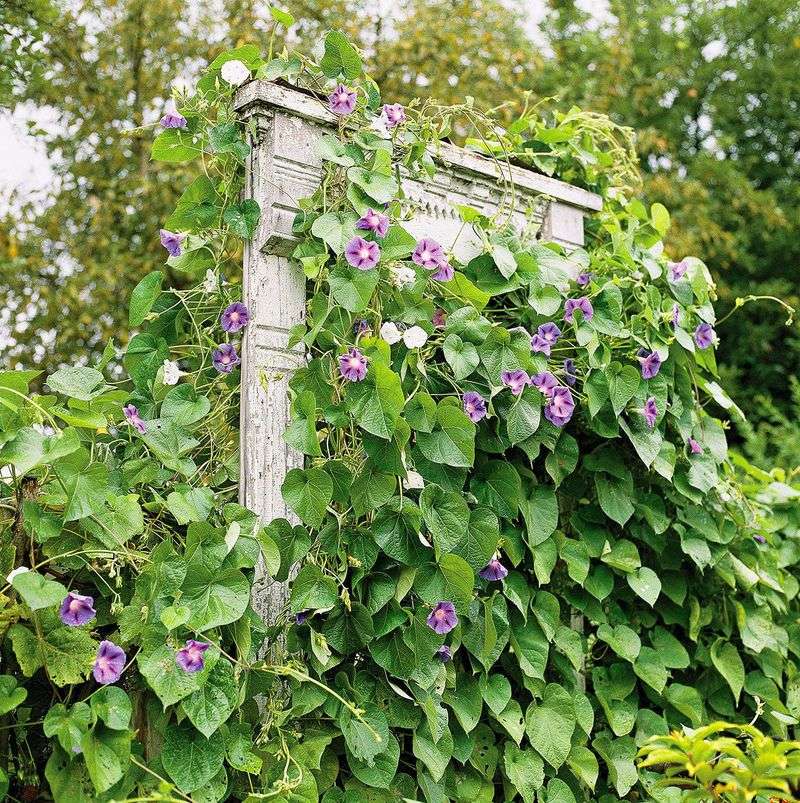
A vine that struggled through a tough summer often carries that struggle into the following spring. North Carolina summers can be brutal, with stretches of intense heat, drought conditions, and high humidity that push plants to their limits.
When a vine spends months fighting to survive rather than thriving, it burns through its stored energy reserves instead of building them up for winter and spring regrowth.
Drought stress is one of the biggest contributors to poor spring performance. Vines that did not get enough water during the previous summer often enter winter in a weakened state, with smaller root systems and less stored carbohydrate energy.
When April arrives and conditions warm up, these vines simply do not have enough fuel to push strong new growth. You might see a few weak shoots appear and then stall, or growth may start unevenly, with some sections leafing out while others remain bare.
Recovery is absolutely possible, but it requires consistent support through the growing season.
Deep, regular watering during dry periods, a balanced slow-release fertilizer applied in early spring, and a layer of organic mulch around the base can all help a stressed vine rebuild its strength.
North Carolina gardeners who noticed their vines struggling last summer should watch those plants closely this April and give them extra attention rather than waiting to see what happens on its own.
7. The Plant Is No Longer Viable After Winter Conditions
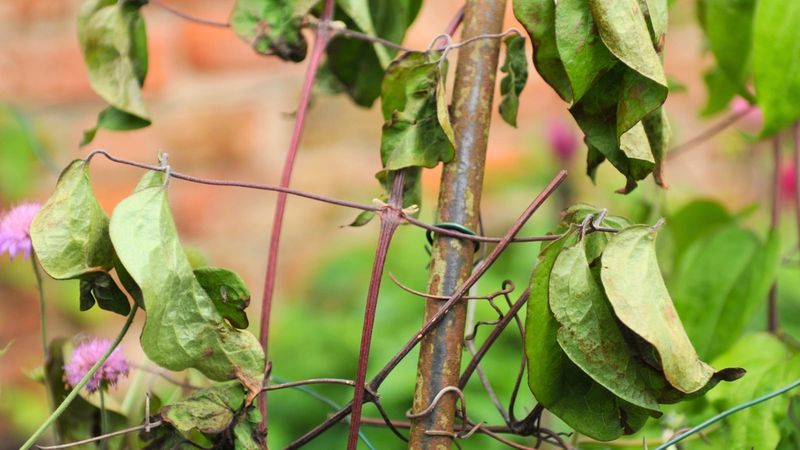
Sometimes a flowering vine simply does not make it through a North Carolina winter, and recognizing that early saves you weeks of waiting and wondering.
Extended cold spells, repeated freeze-thaw cycles, or root damage from soggy winter soil can all push a vine beyond its ability to recover.
By April, most vines should show at least some signs of life, and the absence of any growth at all is worth investigating closely.
The scratch test is your most reliable tool here. Work your way down the vine from the tips toward the base, scratching the outer bark gently on multiple stems.
Healthy tissue will be green and slightly moist underneath. Tissue that is brown, dry, or hollow throughout the stem is no longer functioning.
If you reach the base of the vine and even the lowest stems show no green tissue, the root system may have been compromised as well.
Before you replace the plant entirely, check the root zone by carefully digging a few inches down near the base. Firm, light-colored roots are a positive sign that the plant may still push growth from below the soil surface.
Soft, dark, or mushy roots suggest the vine will not recover and replacement is the right move.
North Carolina gardeners should choose a replacement variety well-suited to their specific region, whether that is the humid Coastal Plain, the variable Piedmont, or the cooler Mountain zone, to avoid repeating the same outcome next spring.