Why Some Georgia Gardens Stay Waterlogged In Spring And How To Fix It
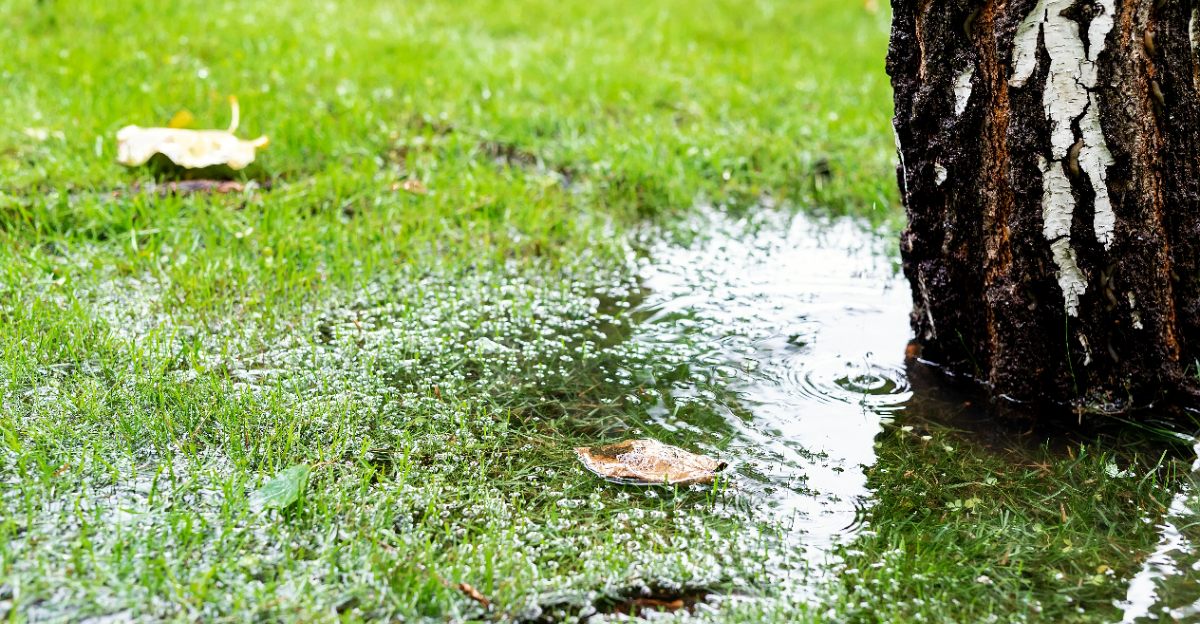
Spring can feel like the moment everything in a Georgia garden should start thriving, but sometimes the soil tells a different story.
Patches stay soggy long after the rain stops, plants look stressed instead of refreshed, and growth just doesn’t take off the way it should. It can be frustrating when all the effort put into planting and care seems to stall for no clear reason.
The truth is, excess moisture often builds up quietly and shows up in ways that are easy to miss at first. What looks like a simple watering or drainage issue can actually come from a mix of factors working together beneath the surface.
Once those signs start showing, it helps to know what is really going on and how to get things back on track before it affects the entire garden.
1. Clay Soil Slows Drainage And Keeps Water Sitting
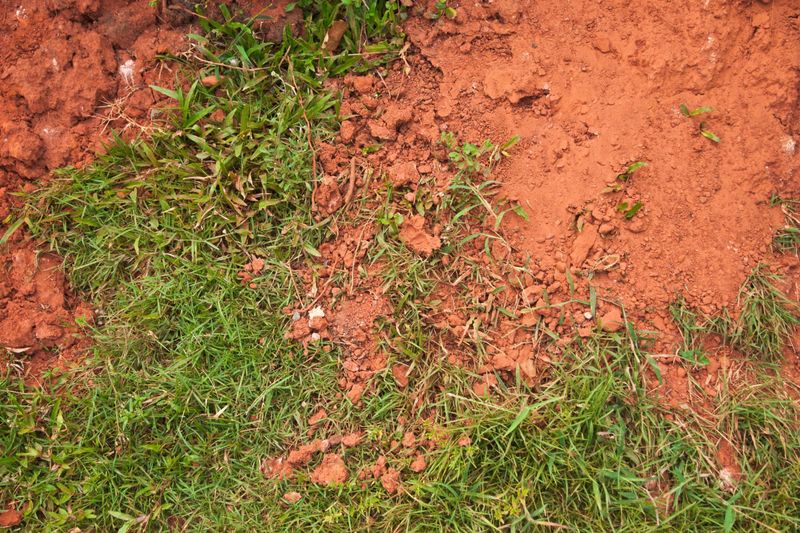
Georgia’s red clay is stubborn, and if you have ever tried to dig into it after a rainstorm, you already know the struggle. Clay particles are tiny and pack tightly together, leaving almost no room for water to move through.
When rain falls faster than the soil can absorb it, the water has nowhere to go and just sits right there on the surface.
Unlike sandy soils that drain quickly, clay holds onto moisture for a long time. Roots sitting in saturated clay are cut off from oxygen, which slows growth and weakens plants over time.
Spring rains in Georgia can be heavy and frequent, which makes the problem even worse when clay soil is involved.
Loosening the top layer of clay with a garden fork can help a little, but it is usually not enough on its own. Mixing in organic matter like compost or aged pine bark makes a real difference by creating spaces between soil particles where water can travel through more freely.
Adding a two to three inch layer of compost worked into the top eight inches of soil is a practical starting point for improving clay-heavy beds.
Results take time and usually require repeated amendments over multiple seasons, but even modest improvements in soil texture can reduce how long water sits after a heavy spring rain in Georgia.
2. Frequent Spring Rain Saturates Soil Quickly
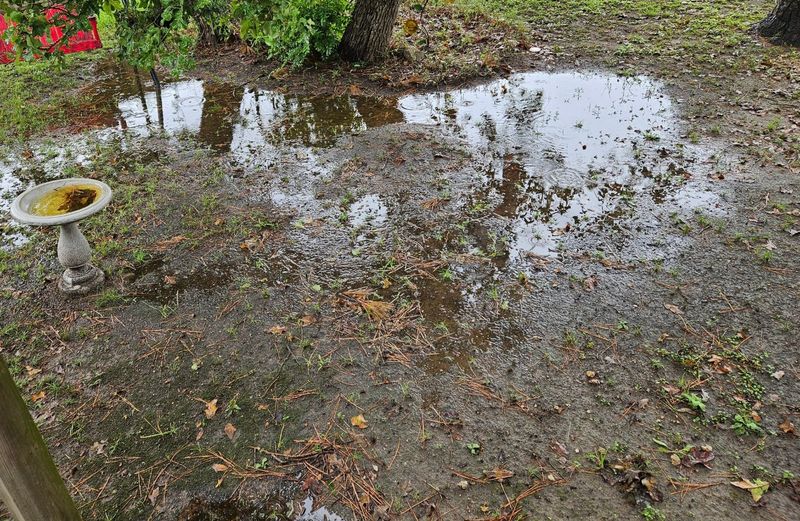
Georgia spring weather does not ease you in gently. March through May can bring steady, heavy rainfall that drops inches of water in a short stretch of time.
Even soil that drains reasonably well can get overwhelmed when rain keeps coming before the ground has a chance to dry out between storms.
Saturated soil loses its ability to absorb more water once all the air pockets fill up. At that point, every new drop of rain either runs off the surface or just adds to the standing water already sitting in low spots.
Roots in waterlogged soil struggle to function because they need both moisture and oxygen to stay healthy, and saturated conditions cut off that oxygen supply.
Tracking rainfall patterns in your yard can actually be useful. Noticing which areas stay wet the longest after a storm tells you exactly where drainage improvements are needed most.
Raised beds are one option that works well in Georgia gardens with chronic spring saturation, since elevating the soil even six to eight inches puts roots above the worst of the waterlogged zone.
Mulching garden paths also reduces compaction from foot traffic during wet weather, which helps maintain whatever drainage capacity the soil already has.
Staying off saturated soil entirely when possible is one of the simplest and most overlooked habits a Georgia gardener can build during the rainy spring season.
3. Low Areas In The Yard Collect And Hold Water
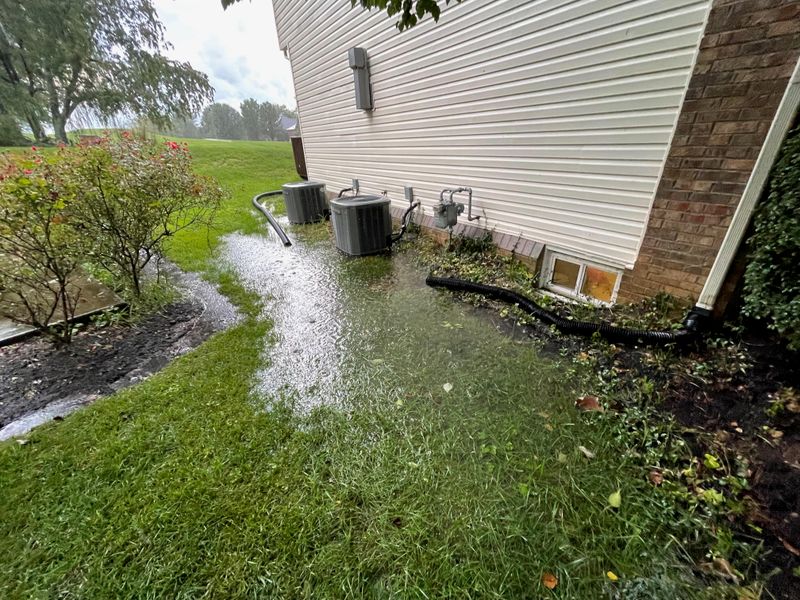
Water follows gravity, and in any yard with uneven ground, it will find the lowest spot and settle there. Low areas in Georgia gardens act like shallow bowls, collecting runoff from surrounding higher ground and holding it long after the rest of the yard has dried out.
Sometimes these depressions are obvious, but others are subtle enough that you only notice them after a good rain.
A yard that was graded improperly during construction, or one that has settled unevenly over the years, often develops these problem zones.
Tree roots that have shifted soil, old garden beds that sank after organic matter broke down, or areas where topsoil was removed during landscaping work can all create low pockets that catch and hold water.
Spotting them is easier when you walk your yard during or right after a heavy spring rain in Georgia.
Filling in low spots with quality topsoil is one straightforward fix. Building the fill area up slightly higher than the surrounding grade helps ensure water moves away from it rather than pooling again.
For deeper or more persistent depressions, layering topsoil and compost together gives the area better long-term drainage capacity. Grass or groundcover planted over the filled area helps stabilize the soil so it does not sink again quickly.
Addressing low spots directly tends to produce noticeable results within a season or two, though some areas may need a second round of fill if settling continues after the first application.
4. Loosening Soil Helps Water Drain More Easily
Compacted soil is one of the most common drainage problems in Georgia yards, and it often builds up quietly over time.
Foot traffic, lawn equipment, and even heavy rainfall pounding bare soil can press particles together until the ground becomes nearly as firm as pavement in some spots.
Water cannot move through it efficiently, so it pools on top instead.
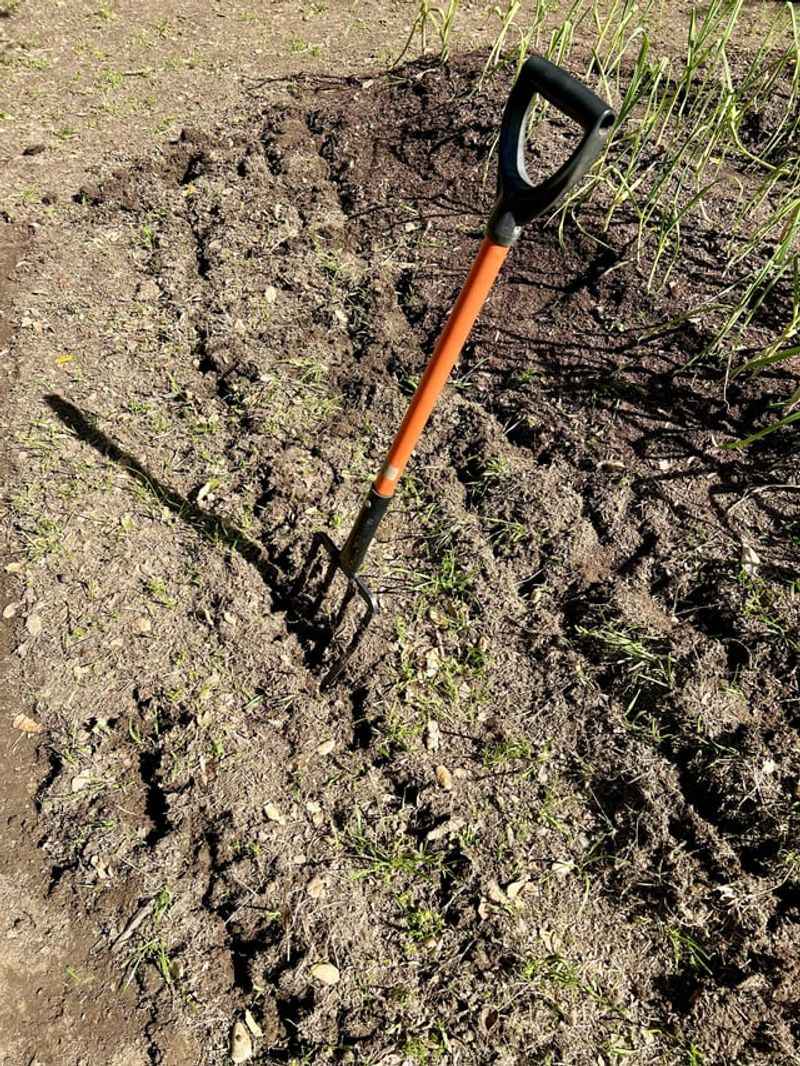
Breaking up compaction does not require expensive equipment. A sturdy garden fork pushed eight to ten inches into the soil and rocked back and forth creates channels that let both air and water move deeper into the ground.
Doing this across a waterlogged bed before the spring planting season gives roots a better environment to grow into. Repeat the process in fall and again in early spring for areas that compact quickly.
Core aeration using a mechanical aerator is worth considering for larger lawn areas in Georgia that stay soggy. The machine pulls out small plugs of soil, leaving holes that allow water to filter down rather than run off.
Leaving those plugs on the surface to break down naturally adds a bit of organic matter back to the soil as well. For garden beds specifically, working in coarse compost while loosening the soil at the same time addresses both compaction and drainage in one step.
Consistent aeration over two or three seasons tends to produce gradual but real improvement in how quickly water moves through previously compacted areas.
5. Adding Compost Improves Soil Structure Over Time
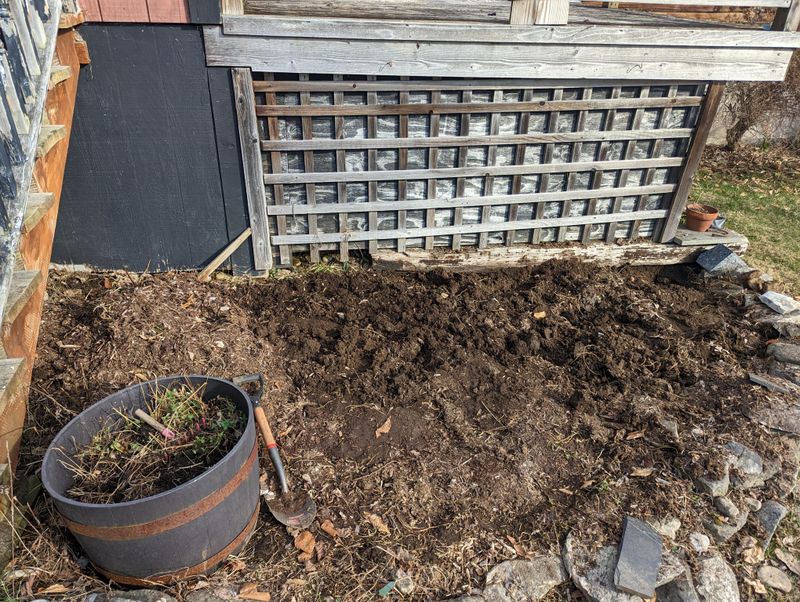
Few things do more for a Georgia garden with drainage problems than consistent compost applications. Compost is not a quick fix, but over one to three seasons of regular use, it genuinely changes how soil behaves.
Clay soils loosen up, water moves through more freely, and roots have an easier time spreading out into healthy ground rather than sitting in soggy, compacted zones.
Compost works by adding organic matter that binds clay particles into larger clumps called aggregates. Those clumps create pore spaces in the soil where water and air can travel.
The more organic matter present, the better the soil structure becomes. A two to three inch layer worked into the top eight inches of a garden bed is a reasonable starting point, and repeating the process each spring and fall builds real improvement over time.
Locally available compost materials in Georgia include aged pine bark, composted leaves, and municipal compost sold through many county extension programs.
Mixing different types of organic matter tends to produce better results than relying on one source alone.
Avoid adding uncomposted wood chips directly into soil since they can tie up nitrogen as they break down. Finished compost that looks dark, crumbly, and earthy is what you want for soil amendment work.
Over multiple seasons, gardeners in Georgia who add compost consistently often notice that their beds drain faster after rain and dry out more evenly, which makes spring planting conditions significantly more manageable and predictable.
6. Correcting Grading Moves Water Away From Problem Areas
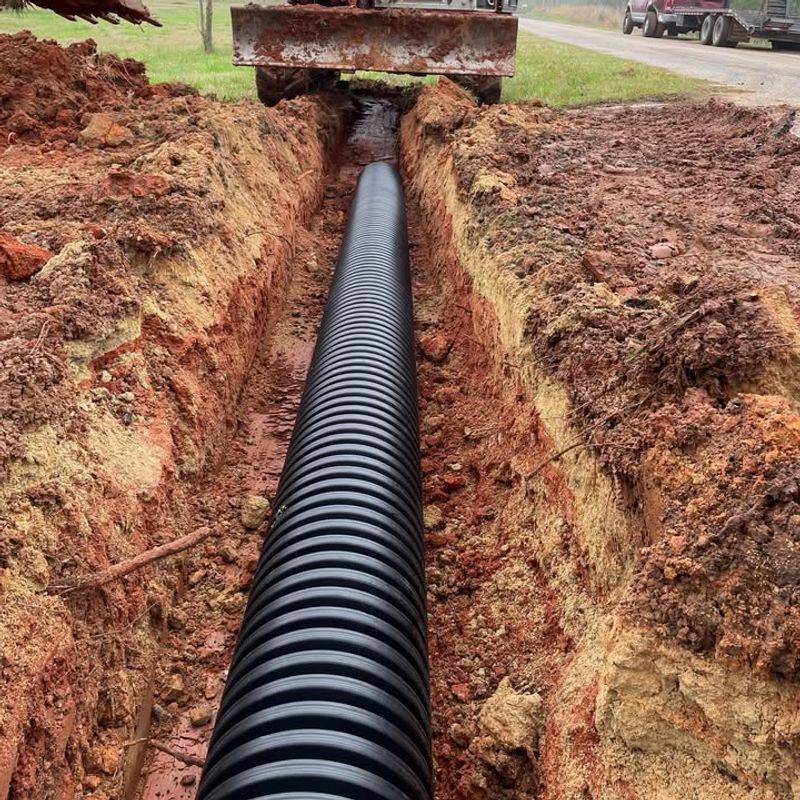
Grading is basically the slope of your yard, and it has more influence on where water ends up than most people realize.
Ideally, the ground should slope away from garden beds, foundations, and planting areas at a gentle angle so rainwater moves off rather than sitting still.
When that slope is flat or tilted the wrong direction, water collects in places you do not want it.
Regrading a yard sounds complicated, but small corrections are something many Georgia homeowners can handle themselves with a wheelbarrow, topsoil, and a long rake.
The general target is a slope of about one inch of drop for every ten feet of horizontal distance moving away from structures and garden beds.
Even subtle adjustments can redirect where water flows during a heavy spring rain and prevent it from pooling in the same low spots repeatedly.
Larger grading projects, especially ones involving significant soil movement or areas near a home’s foundation, are worth having a professional evaluate before starting. Redirecting too much water toward a neighbor’s property or into an area that cannot handle it can create new problems.
In Georgia, where spring rains can be intense, getting the grading right around raised beds, vegetable gardens, and flower borders pays off over multiple seasons.
Adding a gentle berm, which is a low mound of soil, along one edge of a problem area can also redirect water flow without requiring full regrading of the entire yard. Small changes tend to add up noticeably over time.
7. Simple Drainage Solutions Help Prevent Standing Water
Sometimes soil amendments and regrading are not enough on their own, especially in Georgia yards where clay is deep, rainfall is heavy, and low spots are persistent.
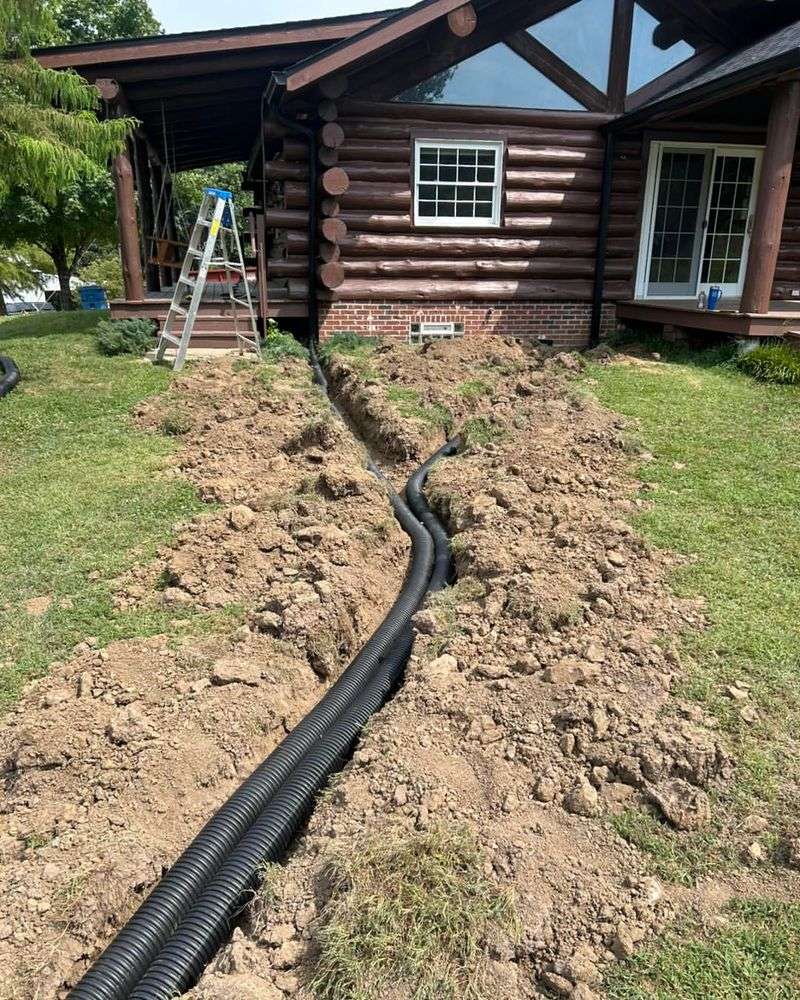
Adding a physical drainage system gives excess water a clear path to exit the area rather than just sitting in place. Several options exist depending on how severe the problem is and how much work you want to take on.
A French drain is one of the more practical solutions for moderately to severely waterlogged garden areas.
It involves digging a trench, lining it with landscape fabric, filling it with gravel, and running a perforated pipe through it that carries water away from the problem zone.
Placement matters, so the trench needs to be positioned where it can intercept water before it reaches the garden beds or planted areas.
Outlet points should direct water toward a dry well, a lower area of the property, or a street drain where allowed by local ordinance.
Simpler options like dry creek beds or gravel-filled trenches without pipe can also slow down runoff and reduce pooling in smaller problem areas.
Raised beds with open bottoms placed over well-draining fill material are another low-effort approach that works consistently in Georgia’s spring conditions.
Swales, which are shallow channels dug to redirect surface water, can be shaped into the landscape without looking out of place when planted with moisture-tolerant groundcovers.
No single solution fits every yard, but combining two or three of these approaches usually produces a meaningful reduction in standing water through Georgia’s wet spring season.