Why Some Hummingbirds Never Leave California In Winter
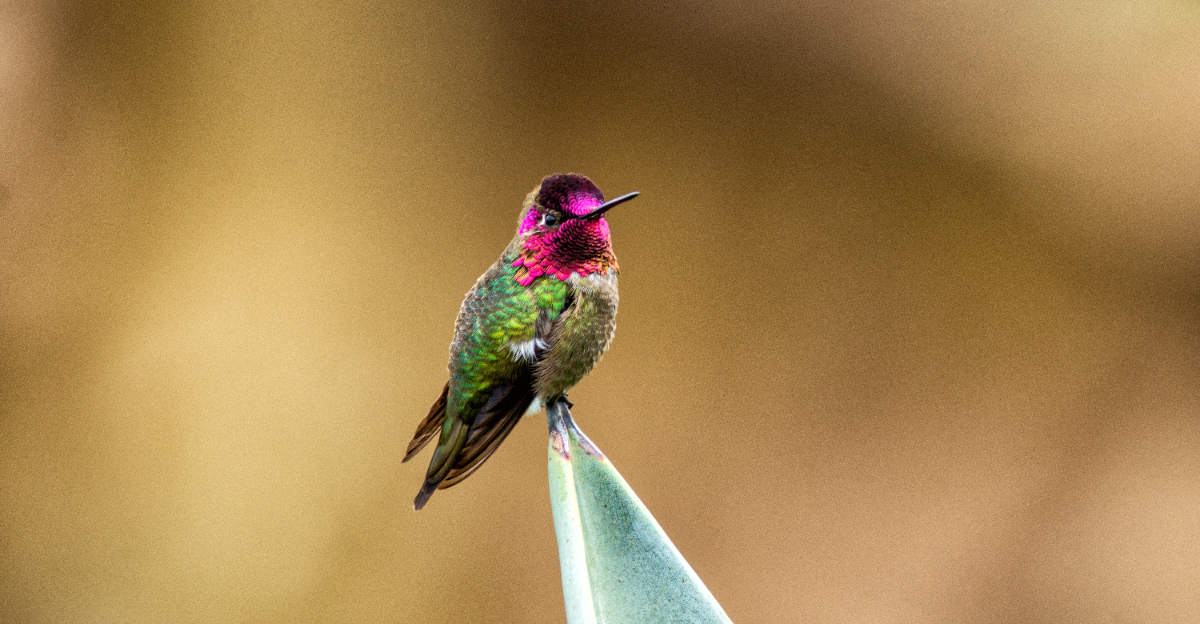
Tiny, dazzling, and full of attitude, hummingbirds bring life to California gardens all year long.
While many birds head south when temperatures drop, some hummingbirds decide to stay put through winter, zipping around backyards and feeders like little jewels in the cool air.
It feels almost magical to spot that flash of emerald or ruby on a chilly morning. So what makes these fearless fliers stick around when others migrate?
California’s mild coastal climate, winter-blooming flowers, and reliable food sources create a perfect refuge for species like Anna’s hummingbird. Over time, some have even adapted to cooler nights and shorter days, turning the Golden State into their permanent home.
Their nonstop energy, bold personalities, and surprising resilience make winter birdwatching far more exciting than most people expect. Keep an eye on your garden, because these tiny residents might be visiting even on the coldest mornings.
1. Meet California’s Year-Round Hummingbirds
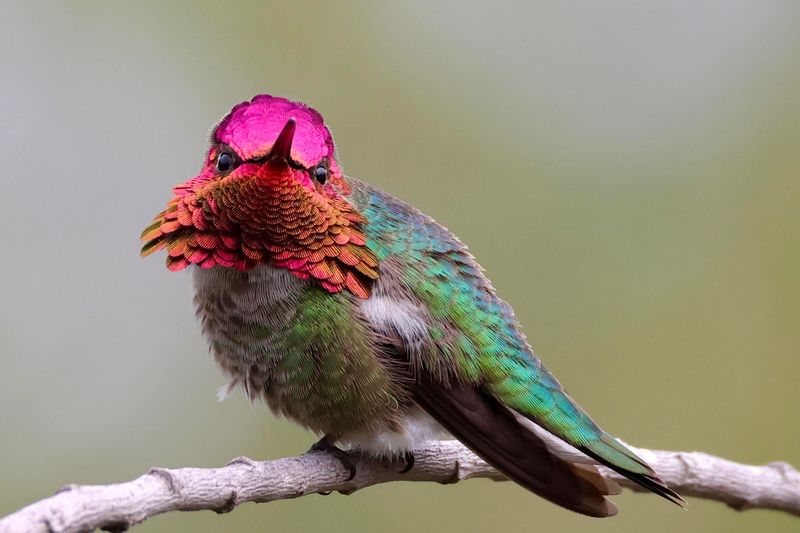
When you spot a hummingbird hovering near your window in winter, chances are good it’s an Anna’s hummingbird. These remarkable birds have become California’s most common year-round residents, thriving in gardens from San Diego to the Bay Area.
Unlike their migrating cousins, Anna’s hummingbirds have adapted so well to California conditions that leaving simply isn’t part of their survival strategy.
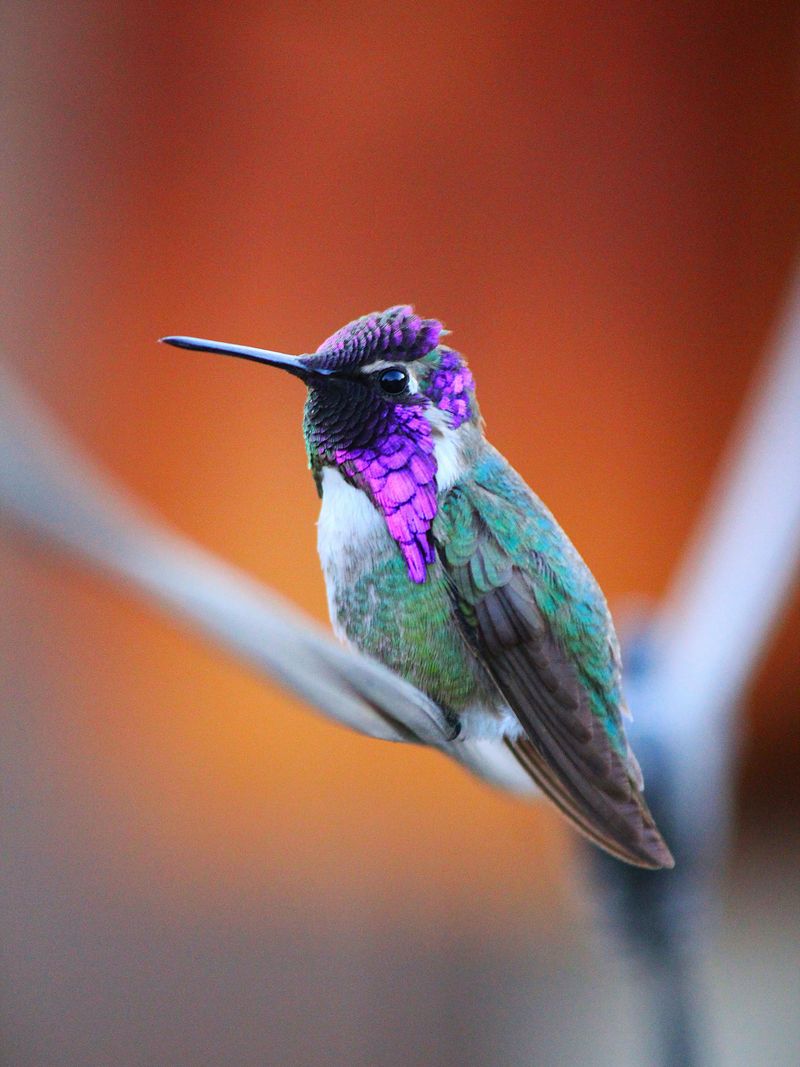
Allen’s hummingbirds also stick around in coastal areas, particularly in Southern California where winters stay especially mild. You’ll recognize them by their copper-colored backs and the males’ brilliant orange throats.
Both species have evolved to take advantage of California’s winter-blooming plants and the abundance of backyard feeders that caring residents maintain.
What makes these birds different from migrants is their ability to enter a state called torpor on cold nights, essentially lowering their metabolism to conserve energy.
This adaptation, combined with reliable food sources and mild temperatures, means they can survive comfortably without the dangerous journey south.
Watching them defend their territory even in winter shows just how confident they are in their decision to stay.
2. How Mild Winters Make Staying Possible
Step outside on a January afternoon in most California regions and you’ll understand immediately why hummingbirds don’t bother migrating.
Temperatures often hover in the 50s and 60s, with sunny days that feel downright pleasant compared to the rest of the country.
This Mediterranean climate creates an environment where staying put makes more sense than expending precious energy flying hundreds of miles to find similar conditions.
Coastal areas benefit from ocean influence that moderates temperature swings, preventing the harsh freezes that would threaten hummingbird survival.
Inland valleys might get chillier at night, but daytime warmth returns quickly, giving birds ample opportunity to feed and restore their energy reserves.
Even mountain foothill regions rarely experience prolonged cold snaps that would make food completely unavailable.
The lack of snow cover in most California habitats means nectar sources and insects remain accessible throughout winter months.
While a hummingbird in Montana faces frozen landscapes and zero food options, a California hummingbird can still find blooming flowers and hunt tiny insects on mild winter days.
This reliability transforms California from a temporary stopover into a permanent home where survival doesn’t require an exhausting migration.
3. The Flowers That Feed Them All Winter
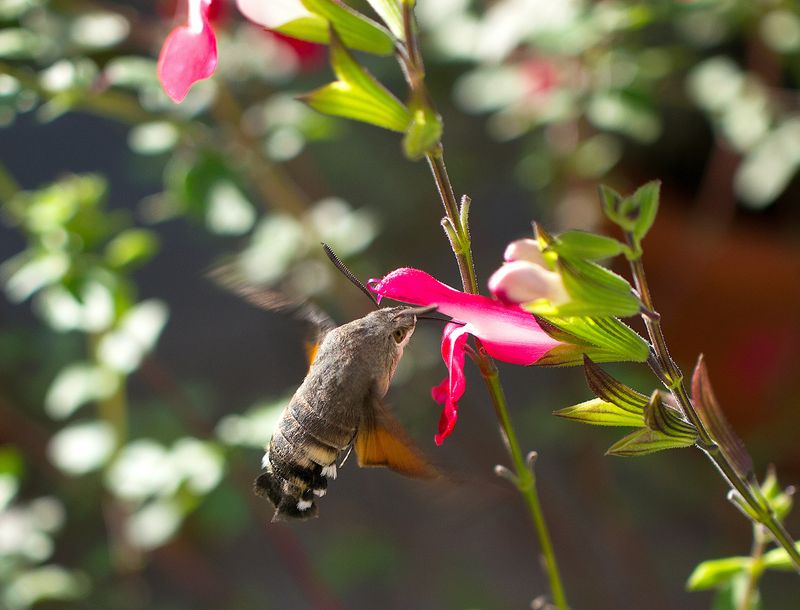
Your winter garden can become a hummingbird restaurant if you plant the right species. California fuchsia keeps producing its brilliant red tubular flowers well into fall and sometimes through mild winters, offering concentrated nectar when other food sources diminish.
Manzanita shrubs bloom as early as December in many regions, their delicate pink and white flowers packed with the sugary fuel hummingbirds need to maintain their incredibly fast metabolism.
Grevillea varieties imported from Australia have become winter staples in California gardens, blooming reliably during the coldest months with exotic spider-like flowers that hummingbirds absolutely adore.
Native currants start flowering in late winter, bridging the gap between deep winter and spring abundance.
Even non-native plants like flowering quince and winter-blooming salvias contribute to the buffet that makes staying in California viable.
The key is having overlapping bloom times so there’s never a complete gap in nectar availability. Hummingbirds remember which gardens provide consistent food sources and will establish territories around reliable feeding areas.
By planting a succession of winter bloomers, you’re not just decorating your yard but actually supporting the survival strategy that allows these birds to remain year-round residents rather than migrants.
4. Why Migration Isn’t Always Necessary
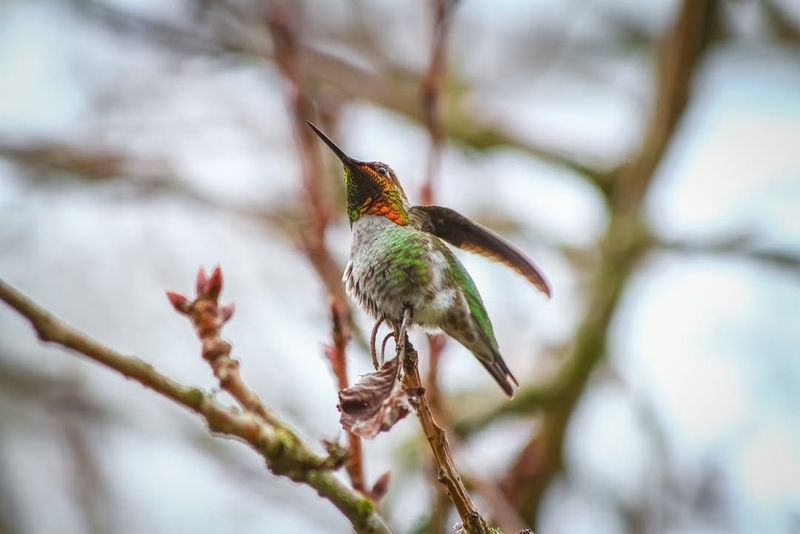
Migration carries enormous risks that many people don’t consider. Every year, countless hummingbirds die during their journeys south, succumbing to storms, predators, exhaustion, or simply running out of fuel before reaching the next feeding station.
When you’re a bird weighing less than a nickel with a heart rate exceeding 1,200 beats per minute, every decision about energy expenditure becomes a fight for survival.
California’s resident hummingbirds have essentially done the math and found that staying put offers better survival odds than gambling on a dangerous migration.
The energy required to fly to Mexico or Central America could instead be used to defend a good territory here, build up fat reserves for cold nights, and get a head start on breeding when spring arrives.
Evolution favors strategies that work, and clearly staying in California works remarkably well.
Additionally, migration timing can be tricky with climate change altering traditional patterns. Birds that migrate risk arriving at destinations where food sources haven’t yet appeared or have already passed.
California residents avoid this mismatch entirely by staying where they can observe and respond to local conditions in real-time. They’re not being lazy; they’re being smart about resource management and survival.
5. How Feeders Help Hummingbirds Survive Cold Months
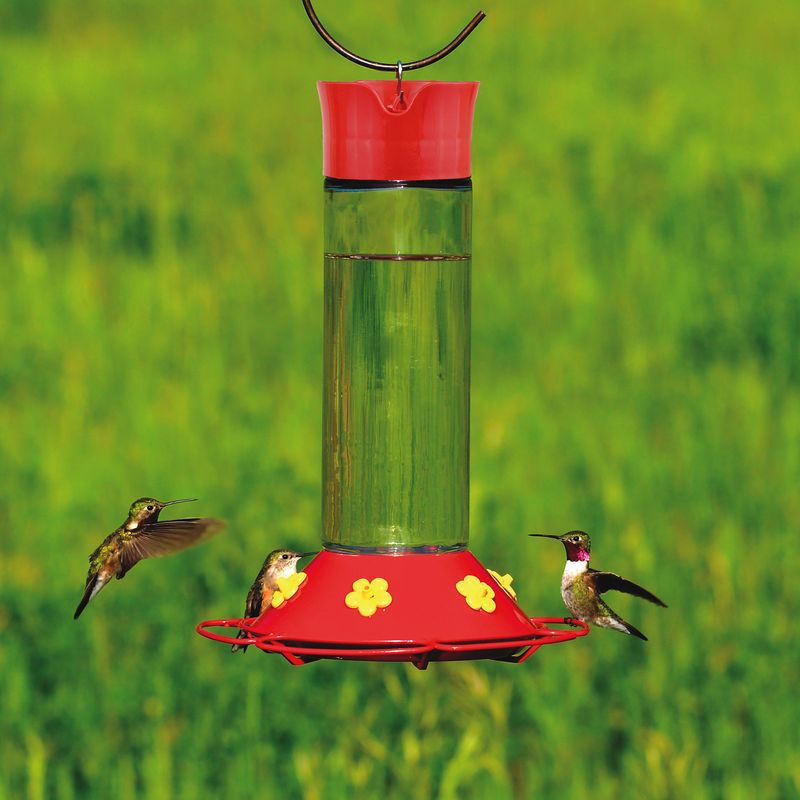
Maintaining a hummingbird feeder through winter might seem unnecessary, but it can literally save lives during the occasional cold snap or rainy period when natural nectar becomes temporarily unavailable.
The simple sugar-water solution you provide acts as an emergency fuel station, allowing birds to quickly restore energy reserves after a cold night or during extended cloudy weather when they can’t forage as effectively.
The recipe stays the same year-round: one part white sugar to four parts water, with no red dye needed. Change the solution every three to five days even in winter, as fermentation can occur and make birds sick.
Clean your feeder thoroughly with hot water each time you refill it to prevent mold growth, which becomes more problematic in winter’s damp conditions.
Position your feeder in a spot that gets morning sun to help warm the solution and make it more appealing on chilly mornings. If you live in an area that occasionally freezes, consider bringing the feeder inside overnight and putting it back out at first light, or use a feeder with a built-in heater.
Many California hummingbirds time their morning routines around reliable feeders, visiting them immediately after emerging from their overnight torpor state when they desperately need quick energy.
6. The Role Of Coastal And Urban Microclimates
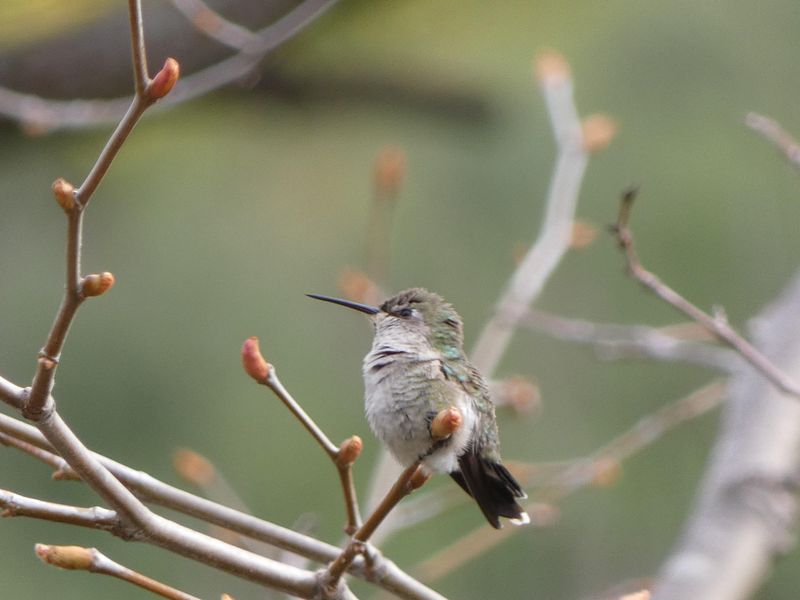
Cities and coastal areas create surprisingly warm pockets that make winter survival even easier for resident hummingbirds. Buildings, pavement, and walls absorb heat during the day and release it slowly at night, raising temperatures several degrees compared to rural areas.
This urban heat island effect means a hummingbird roosting near your house might experience temperatures five to ten degrees warmer than one in open countryside just a few miles away.
Coastal regions benefit from ocean temperatures that rarely fluctuate dramatically, creating stable conditions year-round. Morning fog might seem gloomy to us, but it actually prevents heat loss overnight and moderates temperature extremes.
Hummingbirds in places like San Francisco, Santa Barbara, or San Diego enjoy some of the mildest winter conditions in the entire country, making migration completely unnecessary.
Even within your own yard, microclimates exist. South-facing walls that catch winter sun create warm zones where plants bloom earlier and insects become active sooner.
Sheltered courtyards protected from wind allow hummingbirds to conserve energy that would otherwise be spent fighting gusts. Smart birds learn these patterns and position their territories to take maximum advantage of these warmer spots, essentially creating their own customized winter habitat.
7. How These Tiny Birds Handle Chilly Nights
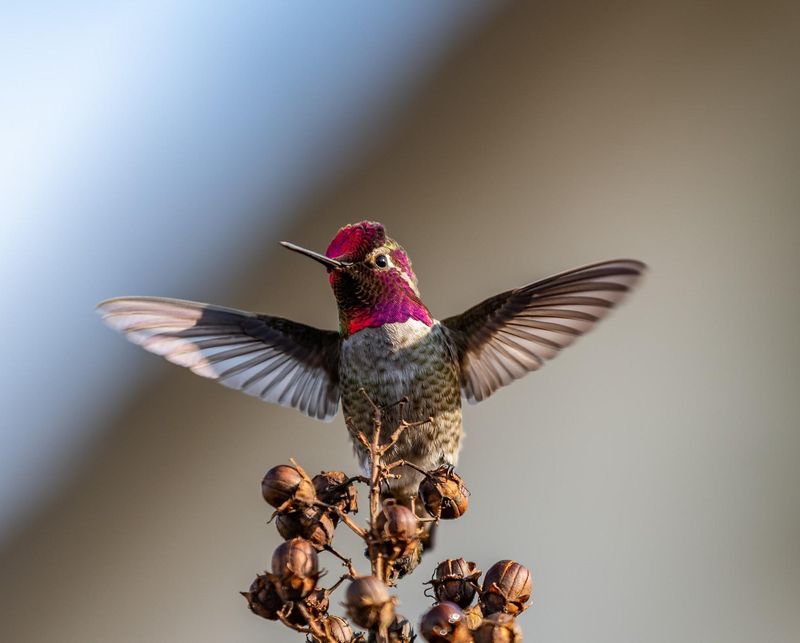
Hummingbirds possess an almost magical ability to survive cold nights that would seem impossible for such tiny creatures.
Their secret weapon is torpor, a state of deep sleep where body temperature drops from around 107 degrees Fahrenheit to as low as 48 degrees, and heart rate plummets from over 1,000 beats per minute to fewer than 50.
This dramatic slowdown reduces energy consumption by up to 95 percent, allowing them to survive on the fat reserves they built up during the previous day.
Entering torpor isn’t without risks. Birds become completely vulnerable to predators and can’t respond to threats.
Waking up requires significant energy and time, sometimes taking 20 minutes or more as they slowly rev their metabolism back to normal operating speed.
That’s why you might notice hummingbirds seeming sluggish or unresponsive in early morning hours before the sun warms them sufficiently.
California’s relatively mild nights make torpor a viable strategy rather than a desperate gamble. In regions where temperatures regularly drop below freezing for extended periods, even torpor can’t prevent fatal heat loss.
But in most California locations, overnight lows stay well above the danger zone, allowing hummingbirds to successfully use this remarkable adaptation and wake up ready to feed and defend their territories each morning.
8. What Winter Survival Means For Spring Breeding
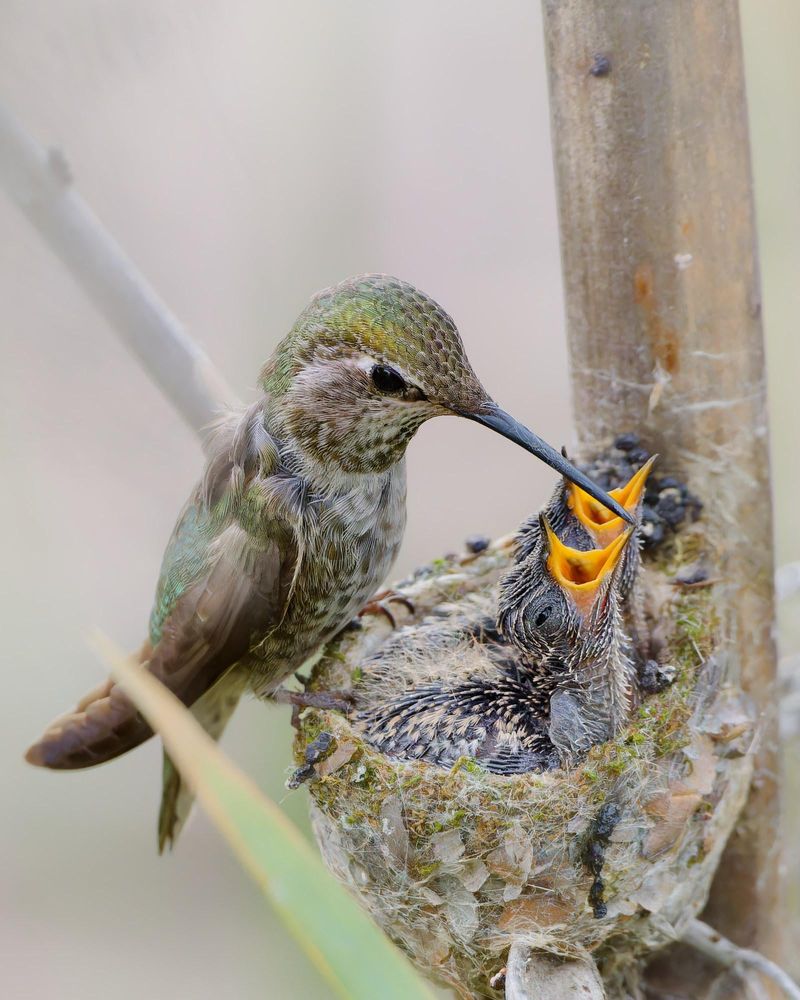
Resident hummingbirds gain a massive competitive advantage by staying in California through winter.
While migrating species are still thousands of miles away, Anna’s hummingbirds begin their breeding season as early as December in Southern California and January farther north.
Males establish territories, perform their spectacular dive displays, and mate with females who then build nests and lay eggs weeks or even months before migrants return.
This early start means resident hummingbirds can potentially raise multiple broods during the extended California growing season. Their offspring mature and claim territories before the summer migrants even arrive, giving them first choice of the best feeding and nesting sites.
It’s a huge evolutionary advantage that rewards the strategy of staying rather than leaving.
Female hummingbirds build incredibly intricate nests using spider silk, plant down, and lichen, camouflaging them perfectly on tree branches.
Starting construction in winter when deciduous trees are still bare might seem risky, but the mild weather allows them to work steadily, and their nests become even better hidden once spring foliage emerges.
By the time migrating hummingbirds arrive in April or May, resident pairs may already be feeding their second clutch of chicks.
9. How You Can Support Winter Hummingbirds
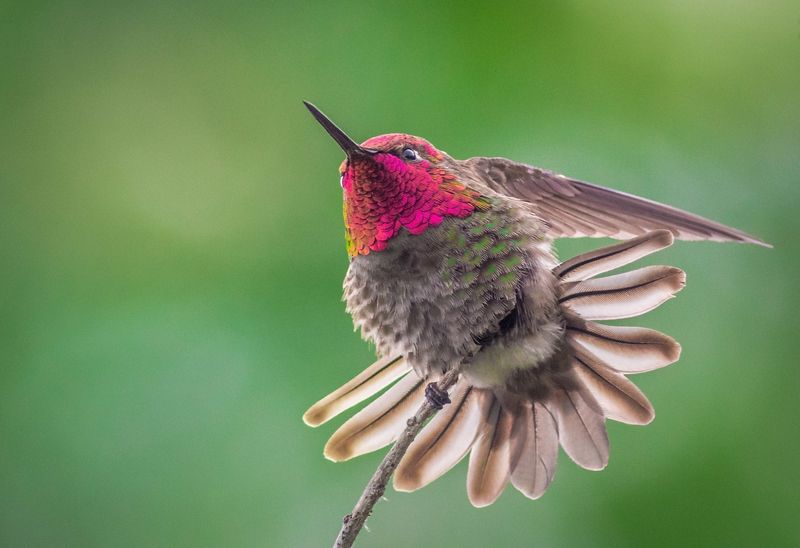
Creating a hummingbird-friendly winter habitat requires surprisingly little effort but makes an enormous difference to resident birds.
Start by planting winter-blooming natives like California fuchsia, manzanita, and currant, spacing them throughout your garden so birds can efficiently move between food sources.
Add a few non-native winter bloomers like grevillea or flowering quince to extend the buffet even further, ensuring something is always in flower.
Maintain at least one feeder year-round, cleaning and refilling it regularly even when you think birds aren’t using it much. On cold mornings or during rainy spells, your feeder might be the only reliable food source available.
Position it where you can easily see it from inside your home since watching winter hummingbirds can brighten even the grayest days.
Avoid pruning too aggressively in fall, as dense vegetation provides crucial shelter and roosting spots for cold nights. Leave some dead flower heads standing since they harbor tiny insects that supplement hummingbird diets.
Provide a shallow water source with a dripper or mister, as birds need to drink and bathe even in winter.
By making these simple accommodations, you’re supporting the remarkable adaptation that allows these incredible birds to call California home every single day of the year.