Why Some Ohio Gardeners Bury Rusty Nails Near Tomato Plants
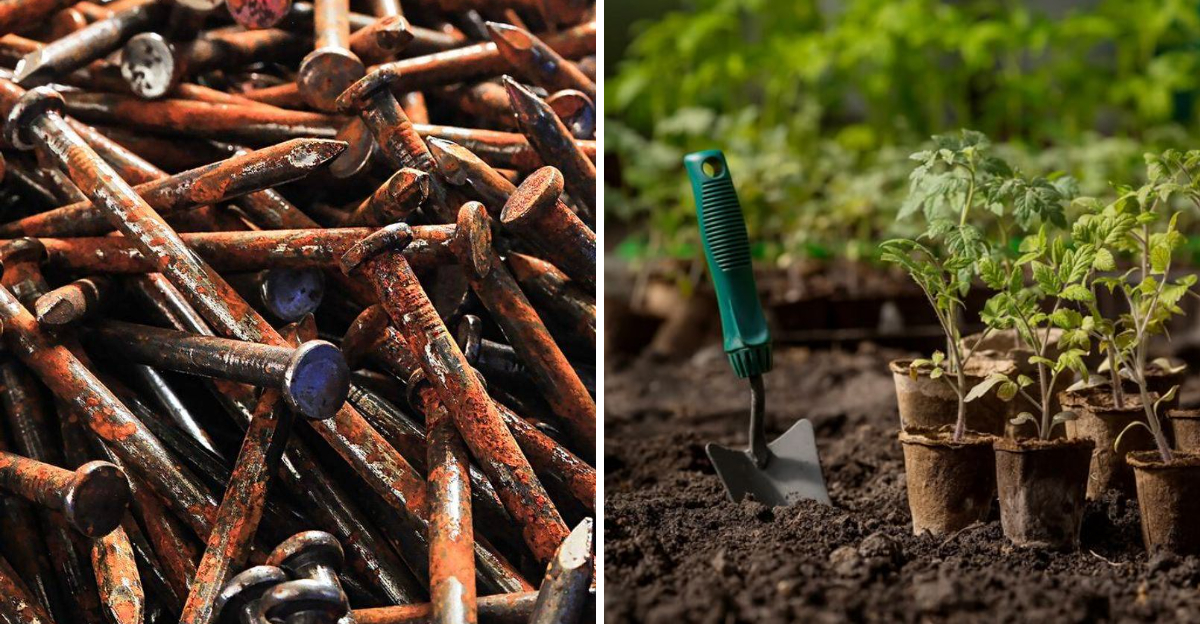
Every spring across Ohio, tomato season begins with time honored rituals passed down through generations. Gardeners swap seeds, study the weather, and prepare their soil with care.
But in many backyards, there is one unusual tradition that always sparks curiosity. Some Ohio gardeners quietly bury rusty nails beside their tomato plants, convinced this old trick helps grow bigger, healthier fruit.
The idea sounds simple. Tomatoes need iron, nails contain iron, so the plants should benefit.
For decades, neighbors, grandparents, and garden club friends have shared this tip as trusted wisdom. Yet modern soil science raises an important question.
Does burying rusty nails actually help tomatoes thrive, or is it just another gardening myth that refuses to fade? Before you tuck a handful of old nails into your garden this season, it is worth understanding what really happens in the soil and what truly helps Ohio tomatoes grow strong and productive.
1. Rusty Iron Sounds Powerful But Doesn’t Really Work
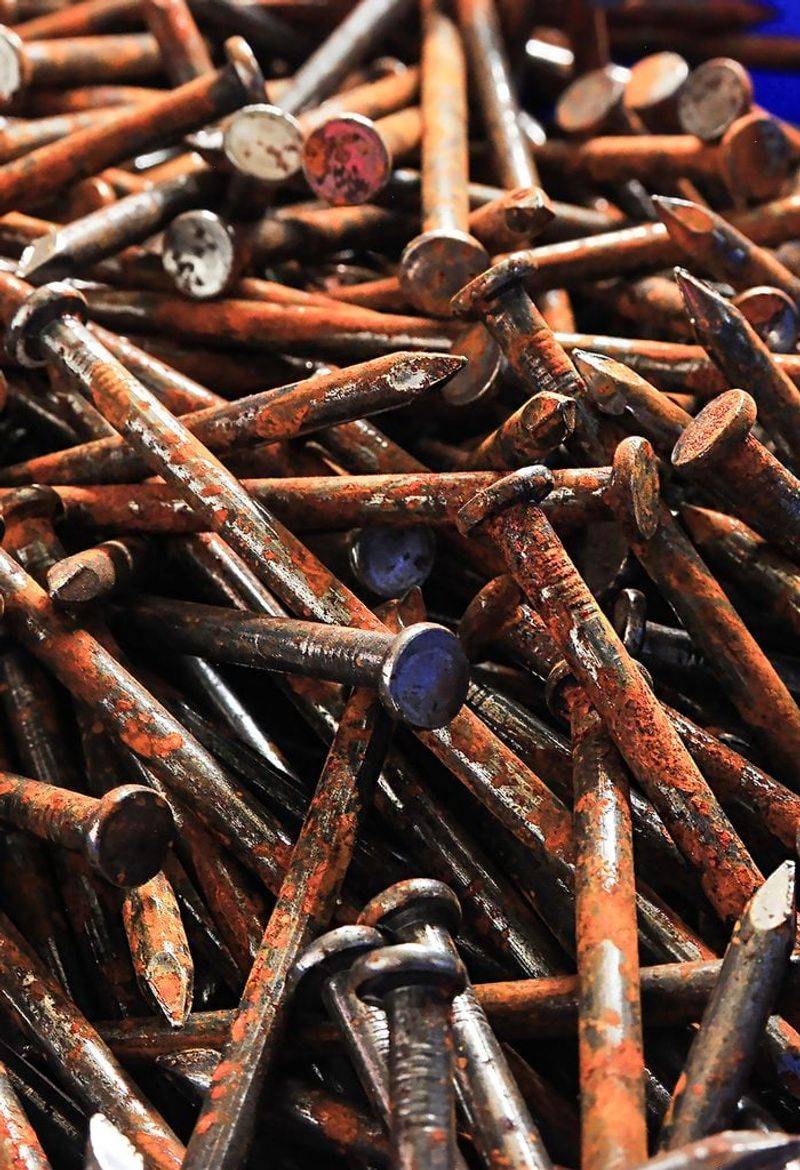
Many Ohio gardeners believe rusty nails provide a quick iron boost to tomato plants. The reality falls far short of these expectations.
While tomatoes do need iron for healthy growth, the metal in buried nails releases so slowly that plants rarely benefit from it.
Rust forms when iron oxidizes, creating iron oxide compounds. These compounds don’t dissolve easily in soil water, which means plant roots struggle to absorb them.
Even in moist Ohio clay or loam, the process takes months or even years to release meaningful amounts of iron.
Scientific studies consistently show minimal impact on tomato growth from buried nails. The iron that does release often binds tightly to soil particles rather than becoming available to roots.
Ohio’s neutral to slightly alkaline soils in many regions make iron absorption even more difficult.
Gardeners who see improvements after burying nails likely benefit from other factors. Better watering habits, increased attention to the plants, or naturally adequate soil iron levels deserve the credit.
The nails themselves contribute almost nothing to plant health, despite the persistent folklore suggesting otherwise.
2. Old-School Gardening Secrets That Don’t Always Deliver
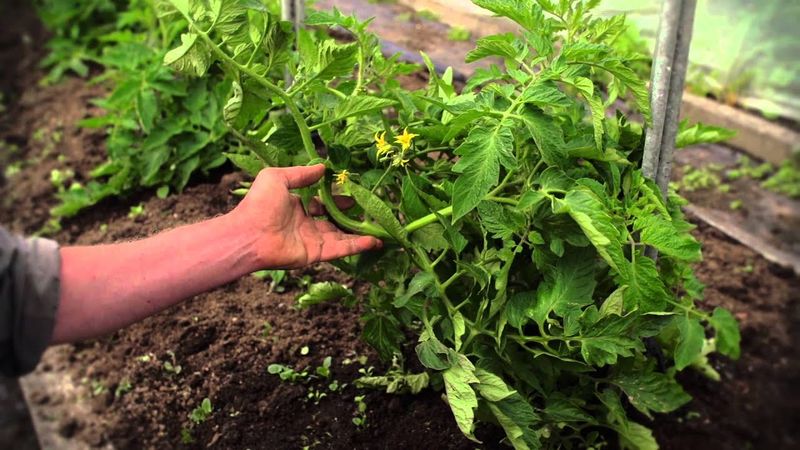
Grandparents and great-grandparents across Ohio taught this nail-burying technique as essential tomato wisdom. Old farming almanacs and Depression-era gardening guides recommended the practice when commercial fertilizers were expensive or unavailable.
The tradition stuck, even as better options emerged.
Family gardening knowledge gets passed down with love and good intentions. However, not every old method stands up to modern understanding.
Burying nails won’t harm your plants in small amounts, but it won’t consistently boost fruit production or plant vigor either.
Ohio’s diverse soil types—from heavy clay in the southwest to sandy loam in the northwest—all respond differently to buried metal. None show reliable improvement from this technique.
The iron remains locked in forms plants cannot use efficiently.
Gardeners continue the practice partly from nostalgia and partly from hope. When tomatoes thrive, the nails get credit.
When crops struggle, other factors get blamed. This confirmation bias keeps the myth alive despite evidence showing the method delivers inconsistent results at best in Ohio growing conditions.
3. Slow-Release Rust Feeds The Soil… If You’re Lucky
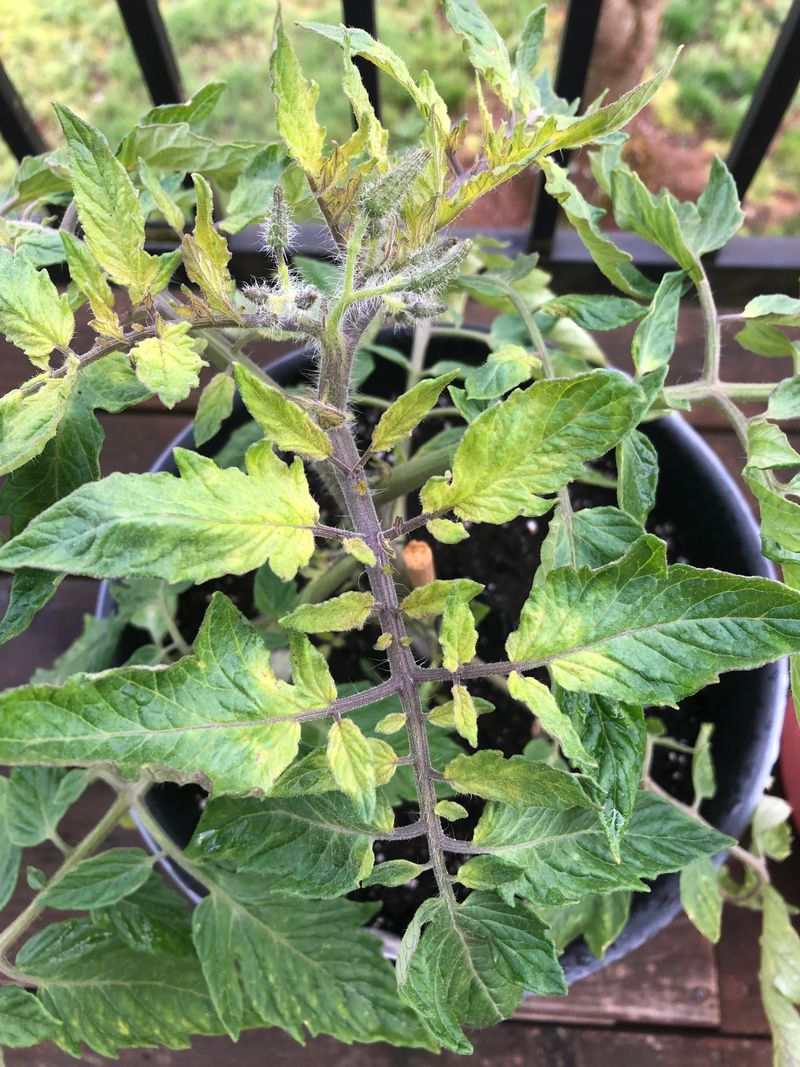
Rust does eventually break down and release trace amounts of iron into surrounding soil. The keyword here is “trace.” The decomposition happens so gradually that most tomato plants finish their growing season before absorbing meaningful quantities.
Soil moisture levels dramatically affect how quickly iron becomes available. Wet conditions speed up oxidation, while dry spells slow it down.
Ohio’s variable summer weather means unpredictable release rates, making this method unreliable for consistent results.
Soil acidity plays another crucial role in iron availability. Acidic soils help dissolve iron compounds, while neutral or alkaline soils lock them up tight.
Many Ohio gardens have pH levels between 6.5 and 7.5, which isn’t ideal for iron absorption from rusty metal.
Better alternatives exist for supplying iron to tomato plants. Chelated iron products dissolve quickly in water and provide immediate plant nutrition.
Composted manure adds iron along with other essential nutrients. Blood meal offers organic iron in forms roots can actually use.
These proven methods work faster and more reliably than hoping rusty nails will eventually help your Ohio tomatoes.
4. Acidic Soil Might Help, But It’s Not A Miracle
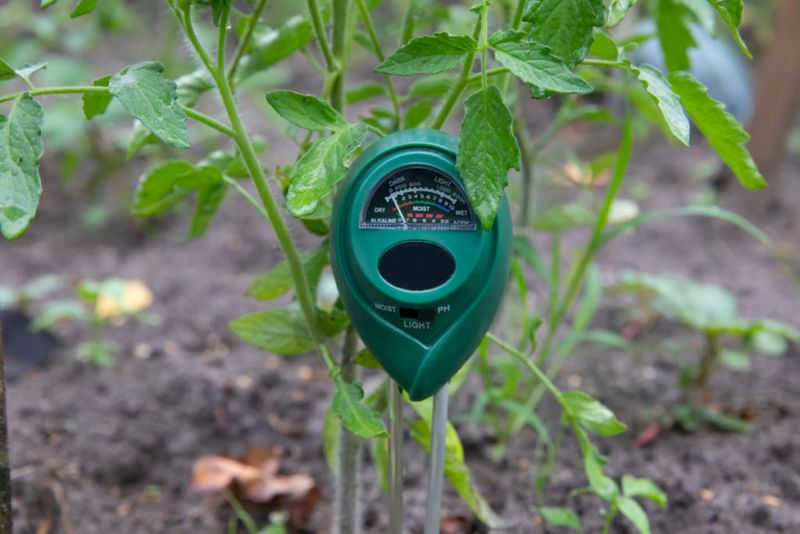
Lower pH levels can increase iron solubility in soil. This fact gives the nail-burying trick a tiny bit of scientific credibility.
However, slightly more available iron doesn’t translate to dramatically better tomato growth or bigger harvests.
Testing your Ohio garden’s pH takes minutes with an inexpensive kit from any garden center. Most tomatoes prefer pH between 6.0 and 6.8, which supports decent nutrient availability.
If your soil falls in this range, buried nails offer virtually no advantage.
Adjusting soil pH requires careful work with sulfur or lime products. Making soil more acidic just to help rusty nails release iron makes little sense.
You’d achieve better results by adding proper iron supplements or organic matter that naturally contains available iron.
Composted leaves, aged manure, and quality compost all improve iron availability while enhancing overall soil health. These amendments benefit tomatoes far beyond what trace iron from nails could provide.
Ohio gardeners get more value from proper soil preparation than from relying on buried metal as a symbolic gesture toward plant nutrition.
5. Tiny Nails, Big Tomato Dreams That Rarely Materialize
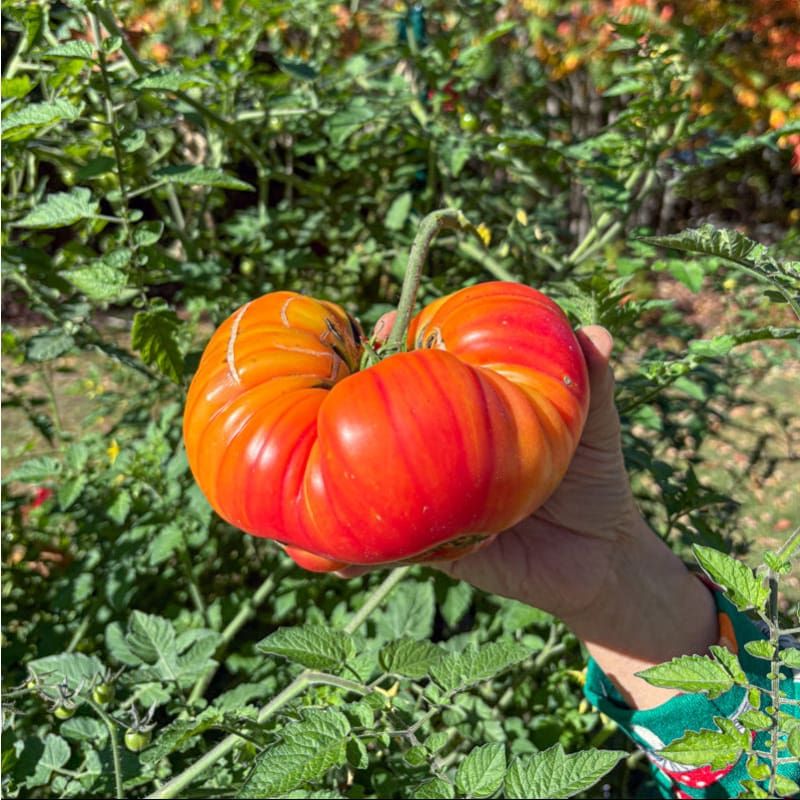
Gardeners imagine burying a few nails will transform their tomato patch into a bumper crop wonderland. The expectation rarely matches reality.
Ohio gardens that produce impressive tomatoes do so because of proper care, not because of buried hardware.
Stories circulate about neighbors who swear their nail trick created prize-winning tomatoes. Close examination usually reveals these gardeners also provided excellent soil preparation, consistent watering, proper fertilization, and attentive pest management.
The nails were just along for the ride.
This misconception persists because people want simple solutions to complex gardening challenges. Burying nails feels like discovering a secret shortcut.
In truth, healthy tomato plants need balanced nutrition, adequate water, full sun, and protection from diseases and pests.
Ohio’s growing season offers about 150-180 frost-free days for tomatoes to mature. Success during this window depends on fundamentals like choosing appropriate varieties, hardening off transplants properly, and maintaining consistent soil moisture.
Rusty nails contribute essentially nothing to these critical factors. Gardeners who focus energy on proven techniques rather than folklore consistently harvest better crops throughout Ohio’s diverse growing regions.
6. Tradition Vs. Science In Your Garden
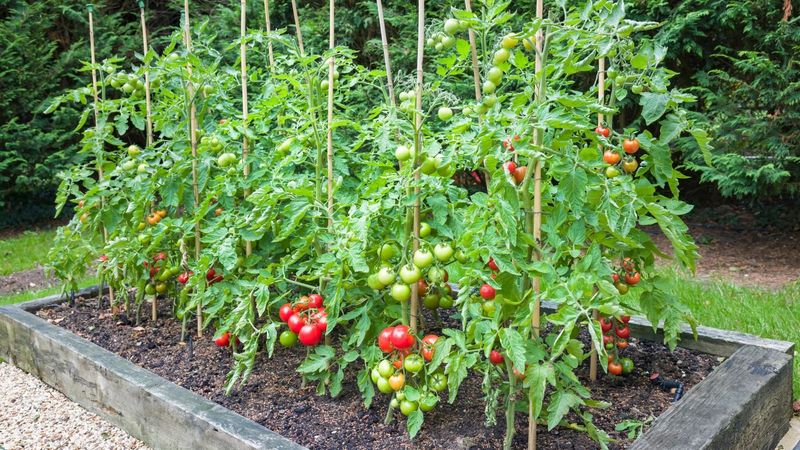
Gardening bridges generations through shared practices and beloved rituals. The nail-burying tradition represents this connection to the past, even when scientific evidence shows minimal benefit.
Understanding both perspectives helps gardeners make informed choices.
Some Ohio gardeners continue burying nails purely for sentimental reasons. The practice reminds them of parents or grandparents who lovingly tended their own tomato patches.
This emotional connection holds value beyond measurable plant growth.
Science-based gardening relies on soil tests, proven amendments, and research-backed techniques. These methods consistently produce healthier plants and larger harvests across Ohio’s varied climate zones.
They don’t require faith or luck—just proper application and patience.
Honoring tradition doesn’t mean rejecting modern knowledge. Gardeners can bury a ceremonial nail while also providing proper fertilization and care.
The key is recognizing which practices actually support plant health versus which ones simply maintain family customs. Ohio’s successful gardeners often blend old wisdom with new understanding, keeping traditions alive while ensuring their tomatoes receive nutrition that actually works.
7. Avoid The Metal Mistakes
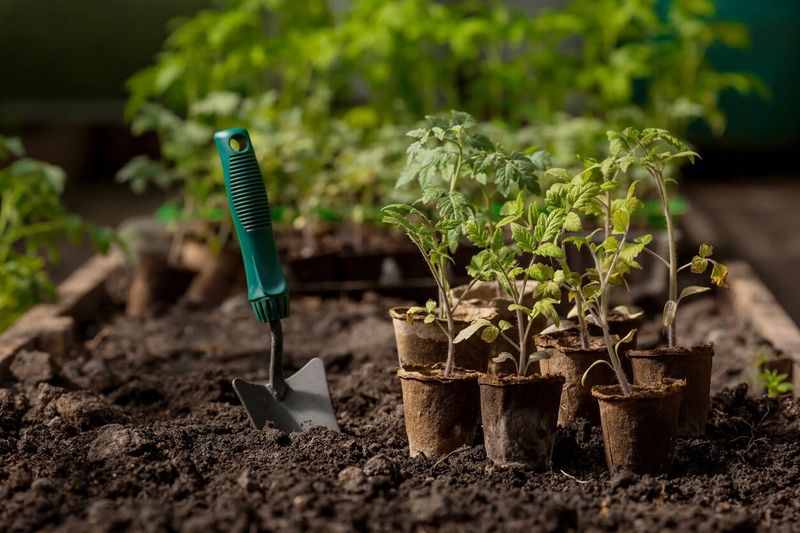
Not all nails are created equal when it comes to garden safety. Galvanized nails contain zinc coatings that can leach into soil and potentially harm plants or accumulate in edible produce.
Painted or coated nails introduce unknown chemicals that don’t belong in vegetable gardens.
If you insist on trying this traditional method in your Ohio garden, use only plain iron nails without any surface treatments. Even then, use them sparingly—one or two per plant maximum.
Excessive metal in soil can create long-term contamination issues.
Proper placement matters if you choose to experiment. Bury nails several inches from the plant stem to avoid root damage during placement.
Never put nails where you might accidentally step on them or where they could rust into sharp hazards.
Better yet, skip the nails entirely and use safer iron sources. Chelated iron sprays provide immediate results without contamination risks.
Organic matter like compost supplies iron along with beneficial microorganisms. Blood meal offers concentrated iron in forms plants readily absorb.
These alternatives work better than buried hardware while keeping Ohio garden soil clean and healthy for years of productive growing.
8. Rusty Nails Won’t Grow Tomatoes, But Good Gardening Will
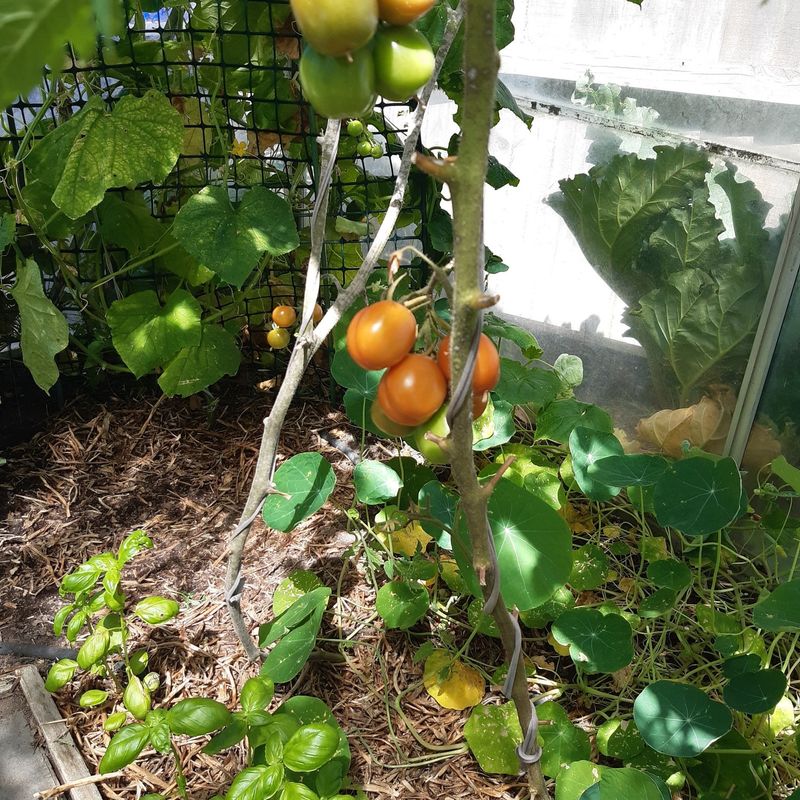
Burying rusty nails beside tomato plants is a tradition rooted more in hope than in science. While iron is essential for healthy growth, the tiny amounts released from old nails rarely make any real difference during a single growing season.
Most thriving Ohio tomato gardens succeed because of good soil, steady watering, full sun, and proper care, not buried hardware.
There is nothing wrong with honoring old gardening traditions, but your tomatoes will thank you more for compost, balanced nutrients, and consistent attention than for a handful of rusty metal. In the end, great harvests do not come from shortcuts.
They come from solid gardening basics done well.