Why Some Oregon Gardens Stay Behind In Spring

You walk through one neighborhood in early spring, and everything looks alive and moving. A few streets over, gardens still feel stuck, like they haven’t quite caught up yet.
It’s something many Oregon gardeners notice but don’t always understand. It can even feel frustrating when your own yard seems slower than others nearby.
The difference isn’t always about effort or experience. Often, it comes down to conditions that aren’t obvious at first glance, like soil temperature, light exposure, or how moisture lingers after winter.
Oregon’s varied landscape means no two gardens warm up at the same pace. Even small differences can slow things down without making it obvious why.
Once you start looking a little closer, the pattern becomes easier to spot, and those slow starts begin to make a lot more sense.
1. Cold, Slow-Warming Soil Holds Plants Back
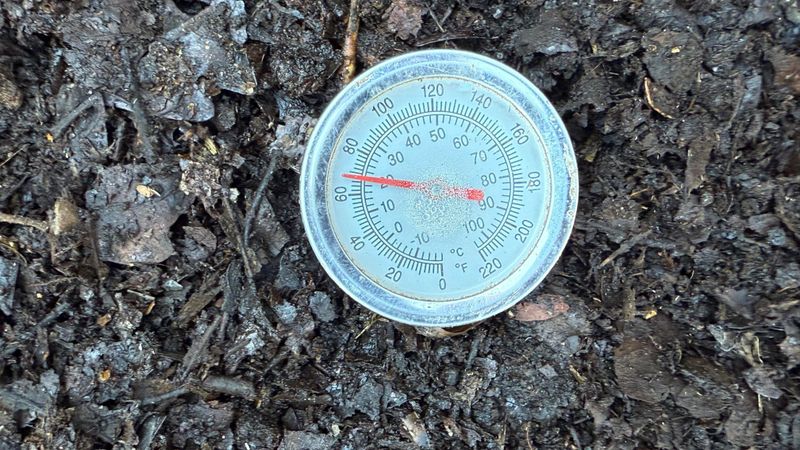
Soil temperature is one of the most overlooked reasons why Oregon gardens get off to a slow start each spring. Most gardeners watch the calendar instead of the ground, but what really matters is what is happening just below the surface.
When soil temperatures stay below 50 degrees Fahrenheit, roots struggle to absorb water and nutrients efficiently.
Oregon winters are long and wet, which means the ground holds onto cold much longer than gardeners expect. Even when daytime air temperatures feel mild and pleasant, the soil a few inches down can still be surprisingly frigid.
Plants sitting in cold soil may look healthy on the outside but are barely doing anything underground.
A simple soil thermometer is one of the best tools an Oregon gardener can own. Push it about three inches into the ground to get an accurate reading.
If the temperature reads below 50 degrees, hold off on planting warm-season crops like tomatoes, peppers, and squash.
Covering garden beds with black plastic sheeting or dark-colored row covers a few weeks before planting can help warm the soil faster. Raised beds also tend to warm up more quickly than in-ground beds because they have better drainage and more sun exposure on all sides.
Small adjustments like these can give your Oregon garden a real head start.
2. Heavy Spring Rain Slows Growth In Poorly Drained Beds
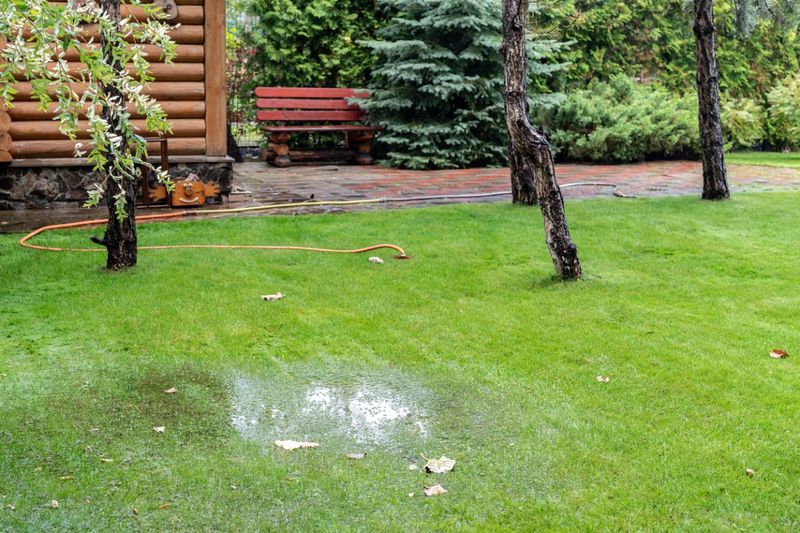
Oregon is famous for its rainy springs, and while that moisture is usually welcome, too much of it can cause serious problems in garden beds that do not drain well. When water sits around plant roots for too long, the roots are cut off from oxygen.
Without oxygen, roots cannot function properly, and the whole plant suffers as a result.
Clay-heavy soils, which are common throughout the Willamette Valley and many other parts of Oregon, are especially prone to waterlogging. Water moves through clay very slowly, leaving roots sitting in soggy conditions for days at a time.
Plants in these conditions often look yellow, stunted, or just plain miserable even when they are getting plenty of rain.
One of the best ways to fix drainage problems is to raise your beds. Even a simple raised bed just six to eight inches tall can dramatically improve drainage and give roots a much healthier environment.
Adding organic matter like compost and improving overall soil structure helps water move away from roots more efficiently.
Another great fix is mixing compost into heavy clay soil each season. Over time, organic matter breaks up the tight clay structure and creates more space for water and air to move through.
Oregon gardeners who tackle drainage issues early in the season tend to see much stronger spring growth across all their beds.
3. Too Little Sun Keeps Coastal Gardens Cooler For Longer
Along the Oregon coast, spring sunshine is often in short supply. Coastal fog, heavy cloud cover, and persistent marine layer conditions can block sunlight for days at a time.
Without enough direct sun, plants simply cannot photosynthesize at full speed, which means slower growth, fewer flowers, and a garden that feels weeks behind inland areas.
Most vegetable crops and flowering plants need at least six hours of direct sunlight each day to perform their best. In coastal Oregon towns like Astoria, Newport, and Coos Bay, hitting that six-hour mark can be genuinely challenging during April and May.
Even sun-loving plants like roses and tomatoes will drag their feet when the sky stays grey day after day.
Choosing the sunniest spot in your yard is the most practical starting point for coastal Oregon gardeners. Even a few extra minutes of direct light each day can make a meaningful difference over a full growing season.
Avoid planting near fences, buildings, or hedges that cast shade during the morning hours when light is most valuable.
Selecting plant varieties that are bred for cooler, cloudier conditions is another smart move. Look for short-season vegetable varieties labeled as suitable for the Pacific Northwest or marine climates.
These plants are specifically developed to make the most of limited sunlight and cooler temperatures, making them a much better fit for Oregon coastal gardens.
4. Trees And Shade Can Delay Early Season Growth
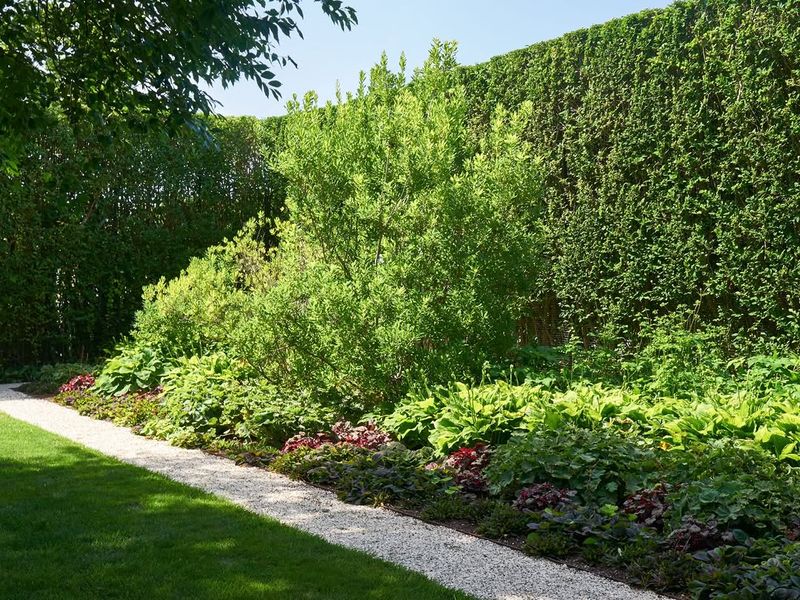
A big, beautiful tree in your yard can be one of your greatest assets in summer, providing shade and cooling things down on hot days. But in spring, those same trees can work against your garden.
Before deciduous trees fully leaf out, they still cast shadows and block light for a portion of the day, slowing growth in nearby beds.
Evergreen trees are even more of a challenge for Oregon gardeners. Douglas firs, hemlocks, and cedars, which are incredibly common throughout Oregon, keep their needles year-round.
Garden beds planted beneath or beside these trees receive reduced sunlight every single month, not just in winter. Plants growing in these spots often struggle to build up enough energy to take off in spring.
Roots from nearby trees are another hidden issue. Tree roots spread far beyond the visible canopy, sometimes reaching twenty feet or more from the trunk.
These roots compete aggressively with garden plants for water and nutrients, leaving vegetables and flowers with less of both right when they need them most.
If moving your garden beds is not an option, try brightening shaded spots by painting nearby fences or walls white to reflect more light onto plants. You can also choose shade-tolerant crops like lettuce, spinach, and kale, which actually prefer cooler, lower-light conditions.
Working with the light you have, rather than fighting it, is a strategy that pays off for Oregon gardeners every season.
5. Wind Stress Can Slow Plants Even When Soil Is Moist
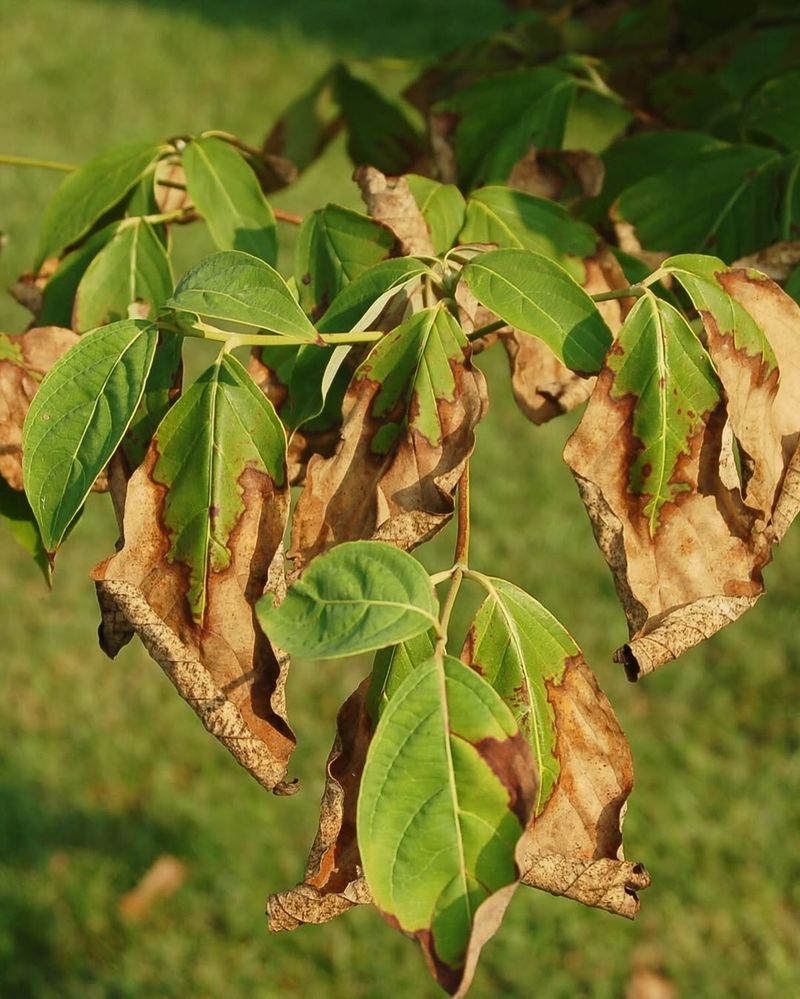
Wind is one of those garden problems that does not always get the attention it deserves. Oregon, particularly along the coast and in open valley areas, experiences strong spring winds that can stress plants significantly.
Even when soil moisture is perfectly fine and temperatures are reasonable, persistent wind can pull moisture out of leaves faster than roots can replace it.
This process, called transpiration stress, causes leaves to curl, brown at the edges, or drop off entirely. Young seedlings are especially vulnerable because their root systems are not yet deep enough to keep up with the moisture demand that wind creates.
A seedling that looks perfectly planted on Monday morning can look completely exhausted by Friday afternoon if wind has been blowing steadily all week.
Creating windbreaks is one of the most effective things Oregon gardeners can do to protect spring plants. A row of tall shrubs, a wooden fence, or even a temporary burlap barrier can reduce wind speed dramatically on the leeward side.
Even reducing wind by fifty percent can make a noticeable difference in how quickly plants establish and grow.
When hardening off transplants before moving them outdoors, gradually expose them to wind over several days rather than placing them directly in a breezy spot. Starting seedlings in a sheltered corner of the garden and moving them to more exposed beds once they are stronger is a practical approach that works well across many Oregon growing regions.
6. Compacted Soil Makes Spring Conditions Even Tougher

Walk through your garden beds enough times over winter and you will end up with soil that is packed down tight. Compacted soil is a widespread problem in Oregon gardens, especially in areas that receive heavy foot traffic or are worked with heavy equipment.
When soil particles are pressed together, there is very little room left for air, water, or roots to move through freely.
Roots need loose, aerated soil to spread out and anchor plants properly. In compacted ground, roots hit resistance almost immediately and are forced to stay shallow.
Shallow roots mean plants are more vulnerable to drought, more easily tipped over by wind, and far less able to absorb the nutrients they need to grow strong in spring.
The good news is that compaction is fixable with some patient effort. Using a broadfork or garden fork to loosen soil without completely turning it over is a great technique that preserves soil structure while creating pathways for roots and water.
Avoid working soil when it is wet, as this actually makes compaction worse and can damage the structure you are trying to improve.
Setting up permanent pathways in your Oregon garden is one of the best long-term solutions. When you always walk in the same spots, you protect your growing areas from being packed down.
Raised beds with defined edges are especially helpful because they naturally discourage anyone from stepping in the growing zone, keeping the soil loose and ready for roots season after season.
7. Cold Weather Naturally Slows Vegetable Growth

Vegetables have a built-in speed limit when temperatures drop. Most warm-season crops like beans, cucumbers, and corn simply refuse to grow quickly when nighttime temperatures dip below 55 degrees Fahrenheit.
Oregon springs, even in warmer inland areas like the Willamette Valley, regularly see cold nights well into May and sometimes even June at higher elevations.
Cool-season crops like peas, spinach, and broccoli handle Oregon spring temperatures much better, but even they slow down noticeably when temperatures hover near freezing. A light frost can set back young transplants by a week or more, and repeated cold snaps throughout spring can keep a garden running in slow motion for the entire early season.
Floating row covers are one of the simplest and most affordable tools for keeping vegetable beds warmer at night. These lightweight fabric covers trap heat from the soil and can raise temperatures inside the cover by several degrees.
For Oregon gardeners trying to push the season earlier, row covers can be the difference between harvesting tomatoes in August versus waiting until late September.
Cold frames and low tunnels are another excellent option for extending the warm season in Oregon. A cold frame is basically a bottomless box with a clear lid that acts like a mini greenhouse.
Positioning cold frames against a south-facing wall maximizes heat absorption during the day, and the stored warmth helps protect plants through cool Oregon spring nights without any extra heating equipment needed.
8. Beds Without Added Organic Matter Warm And Drain More Slowly

Soil that has not been fed with organic matter over the years tends to be dense, pale, and slow to respond to spring conditions. Organic matter, which includes compost, aged manure, and decomposed leaves, does something remarkable to soil.
It improves drainage in clay-heavy ground, helps sandy soil hold more moisture, and most importantly, it makes soil darker in color, which means it absorbs more heat from the sun.
Oregon soils vary widely depending on where you garden. The Willamette Valley has some naturally fertile ground, but years of gardening without replacing organic matter will deplete even the best soil.
Coastal and mountain soils in Oregon tend to be lower in nutrients and organic content to begin with, making regular additions of compost even more critical for those gardeners.
Adding two to three inches of compost to your beds each spring before planting is one of the most effective habits an Oregon gardener can build. Work it into the top six inches of soil with a fork or tiller, and you will notice the difference almost immediately.
The soil will feel lighter, smell earthy and alive, and warm up noticeably faster than beds left without any additions.
Mulching over compost-amended beds with straw or shredded leaves helps lock in warmth and moisture once plants are established. Over time, this mulch breaks down and adds even more organic content to the soil.
Oregon gardeners who commit to feeding their beds consistently year after year end up with soil that practically grows plants on its own come spring.