Why Some Oregon Plants Suddenly Explode With Growth In March
Every year it happens like clockwork. March rolls around in Oregon and suddenly plants go wild.
One week your garden looks quiet and sleepy. The next week everything is bursting with new leaves, shoots, and flowers like someone flipped a giant growth switch.
If you have ever walked outside and thought, “Wait… that plant was tiny last week,” you are definitely not imagining things. Oregon gardens can transform almost overnight in early spring. It is one of the most exciting moments of the gardening season.
So what is going on here? Why do so many plants suddenly wake up and grow like crazy in March? Let us find out!
Longer Days Trigger Growth
Sunlight is like a switch for plants. When days get longer in March, Oregon plants sense the change and start growing fast.
This process is called photoperiodism, which simply means plants respond to how many hours of light they get each day.
During winter, Oregon gets fewer than ten hours of daylight. But by March, that jumps to over eleven hours.
That extra light gives plants the energy signal they have been waiting for all season. Leaves use sunlight to make food through photosynthesis, and more light means more food, which means more growth.
You can actually use this knowledge in your own garden. If you want to give plants a head start, try using a grow light indoors in late February.
This tricks plants into thinking spring has arrived early. Seedlings started under lights often grow stronger and faster than ones started later outside.
Oregon gardeners who understand light cycles tend to have healthier, more productive gardens. Paying attention to daylight hours is one of the simplest and most powerful tools any gardener can use.
Nature is always keeping track, even when we forget to.
Warmer Soil Wakes Roots
Most people watch the air temperature to decide when spring has arrived. But plants pay more attention to what is happening underground.
Soil temperature is one of the biggest reasons Oregon plants suddenly explode with growth every March.
When soil warms up to around 50 degrees Fahrenheit, roots start waking up. They begin absorbing water and nutrients much more efficiently.
Cool-season vegetables like kale, peas, and spinach actually thrive in Oregon soil temperatures between 50 and 65 degrees. That is exactly what March delivers across much of the state, from the Willamette Valley to the southern coast.
You can check your own soil temperature using an inexpensive soil thermometer. Push it about two inches into the ground and wait a minute for a reading.
If your soil hits 50 degrees, it is time to plant cold-hardy crops. Many Oregon gardeners are surprised to learn their soil is already warm enough to support growth while there is still frost in the air.
Roots work quietly beneath the surface, fueling the big burst of growth you see above ground in early spring. Warm soil is truly where the action begins every year.
Winter Rain Fuels Plants
Oregon is famous for its rainy winters, and that reputation pays off big in March. All that rainfall soaks deep into the ground, filling the soil with moisture that plant roots can pull from as the season warms up.
Water is a key ingredient in photosynthesis, and without enough of it, growth slows to a crawl.
March in Oregon often brings a mix of heavy rain and brief sunny breaks. That combination is almost perfect for plant growth.
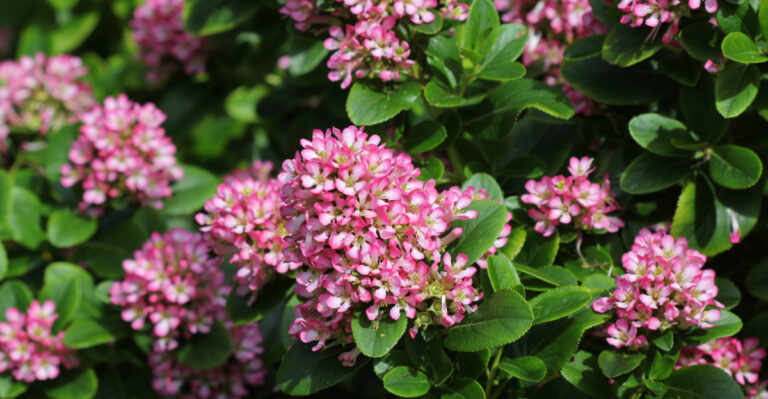
The rain keeps moisture levels high while the sun provides the energy plants need to turn that water into new leaves and stems. Native plants like Indian Plum and Red-Flowering Currant are especially good at taking advantage of this wet-and-warm pattern.
Gardeners should be careful not to overwater during this time, though. Oregon soils can hold a lot of moisture, and adding more on top of natural rainfall can cause problems like root rot.
Check your soil before watering by pressing a finger about an inch deep. If it still feels damp, wait a day or two.
Letting nature do the watering for you in March is usually the smartest move any Oregon gardener can make during early spring.
Dormant Buds Begin Opening
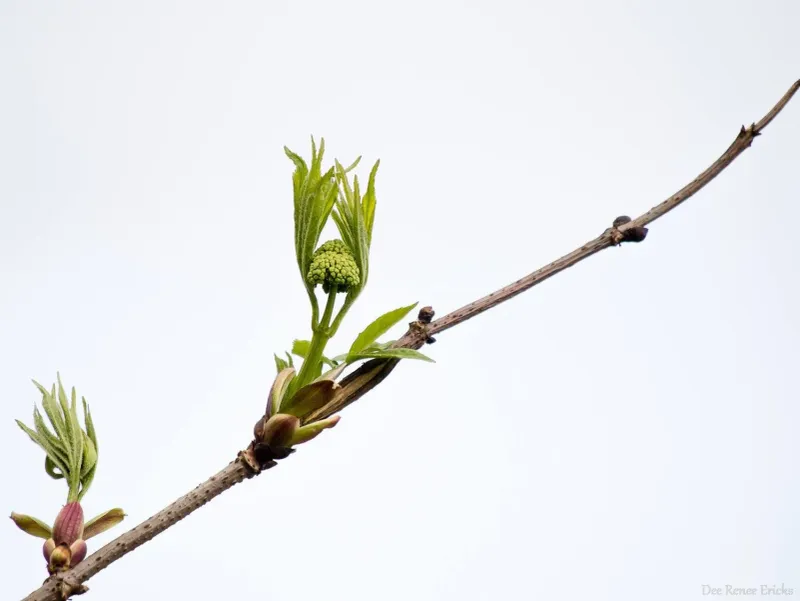
All winter long, plants in Oregon have been holding a secret. Tucked inside tiny, tightly wrapped buds are fully formed leaves and flowers, just waiting for the right moment.
When March arrives with its longer days and warmer temperatures, those buds finally begin to open.
Bud dormancy is a survival strategy plants use to protect tender new growth from harsh winter conditions. A waxy coating and tightly packed layers keep the delicate tissue safe from freezing temperatures and drying winds.
But once the plant senses that conditions are improving, it starts releasing hormones that signal the buds to swell and open. Oregon Grape is one great example, with its bright yellow flower clusters often appearing by early March in warmer parts of the state.
Watching buds open is one of the most satisfying signs of spring. You can actually track this in your own yard by picking a branch and watching it daily.
Each day, the bud gets a little bigger and the outer layers start to peel back. This process, called bud break, signals that the plant is fully out of dormancy and ready for a season of active growth.
It is one of nature’s most reliable signs that Oregon spring has truly arrived.
Soil Nutrients Become Active
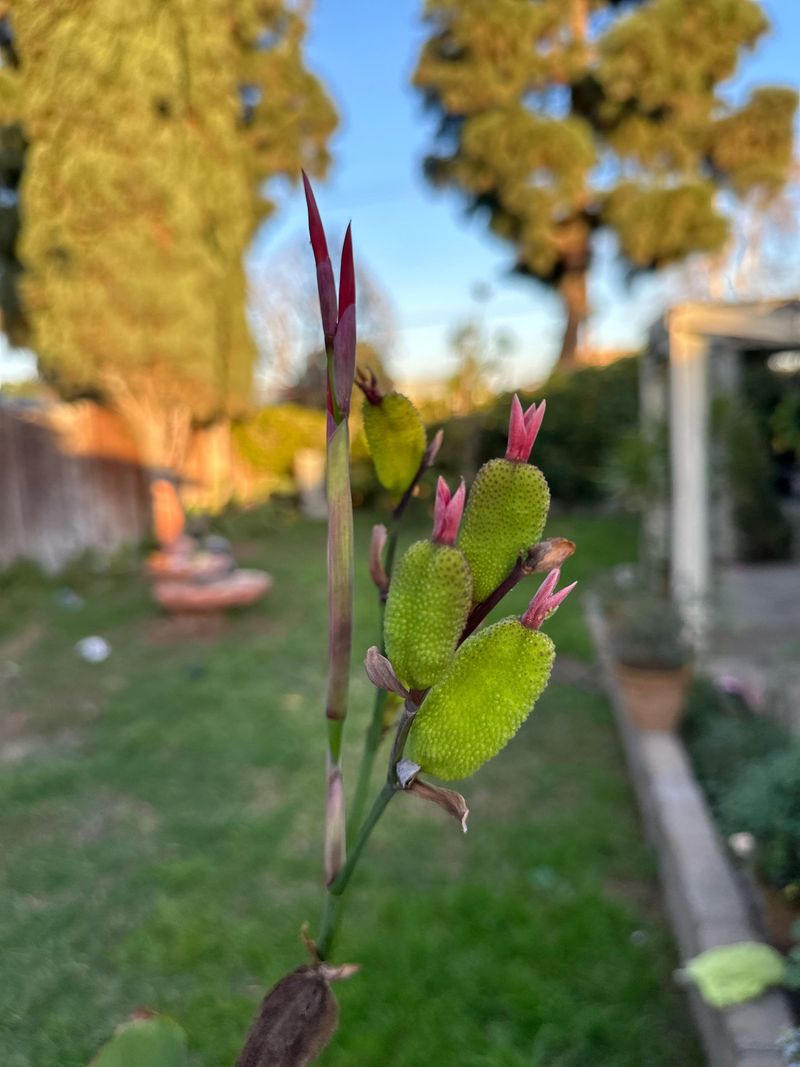
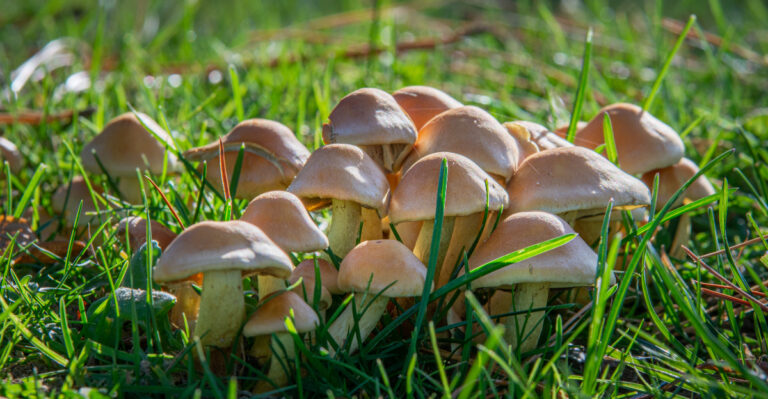
Healthy soil is alive. Billions of tiny microbes, fungi, and bacteria live in the ground, and their job is to break down organic matter into nutrients that plants can actually use.
The catch is that these microbes slow way down when temperatures drop. That is why plants seem to pause in winter even when the soil is full of good stuff.
March changes everything. As Oregon soil warms up, microbial activity kicks back into high gear.
Nutrients like nitrogen, phosphorus, and potassium become available again. Plant roots can suddenly absorb all the food they need to fuel rapid growth.
This is why you often see plants shoot up so quickly once spring truly arrives. It is not just warmth and light, it is a whole underground ecosystem waking up at the same time.
You can support this process in your own Oregon garden by adding compost in late February or early March. Compost feeds soil microbes and improves the structure of the soil so roots can spread more easily.
Avoid tilling your soil too aggressively, as this disrupts the fungal networks that help plants absorb nutrients. Healthy soil biology is the foundation of a thriving spring garden, and March is the perfect time to give that biology a boost.
Cool Spring Temperatures Help
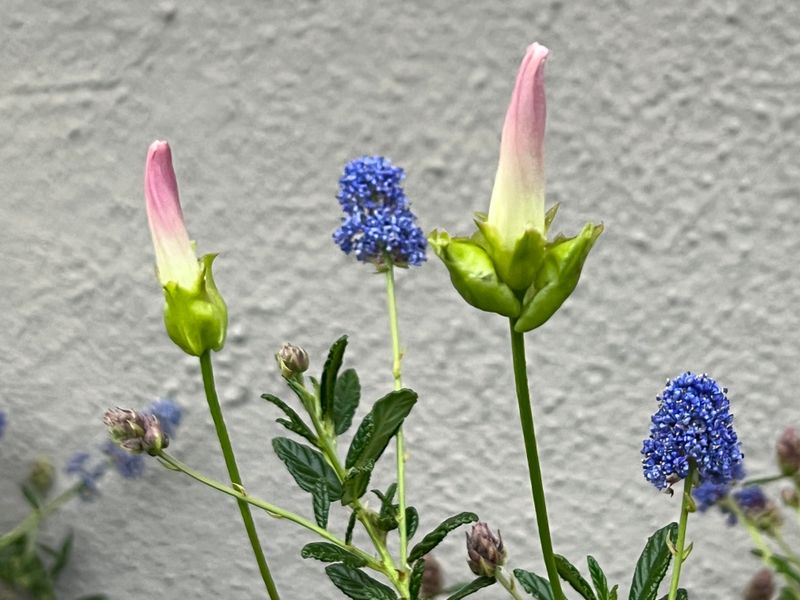
It might sound backwards, but cool temperatures are actually one of the reasons so many Oregon plants grow so well in March. Many of the state’s native plants and popular garden crops are what scientists call cool-season plants.
They actually prefer temperatures between 45 and 65 degrees Fahrenheit, which is exactly what Oregon delivers in early spring.
Crops like arugula, spinach, kale, and peas grow fastest and taste best when temperatures stay on the cooler side. Hot weather can cause these plants to bolt, which means they rush to produce seeds instead of leaves or pods.
Oregon’s mild March climate keeps that from happening, allowing plants to focus their energy on lush, steady vegetative growth instead.
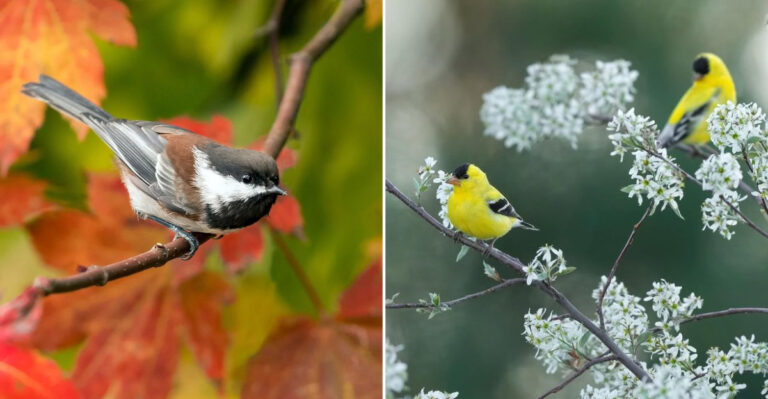
Even many native Oregon shrubs and wildflowers have adapted over thousands of years to thrive in exactly these conditions. Plants like Indian Plum and Oregon Grape bloom in cool weather because their pollinators, early bees and hummingbirds, are also most active during mild spring temperatures.
Gardeners in the Willamette Valley and along the Oregon coast have a real advantage here. That cool, damp March air that might make you reach for a jacket is actually the secret ingredient behind some of the most impressive early-season plant growth anywhere in the Pacific Northwest.
How To Support Rapid Growth
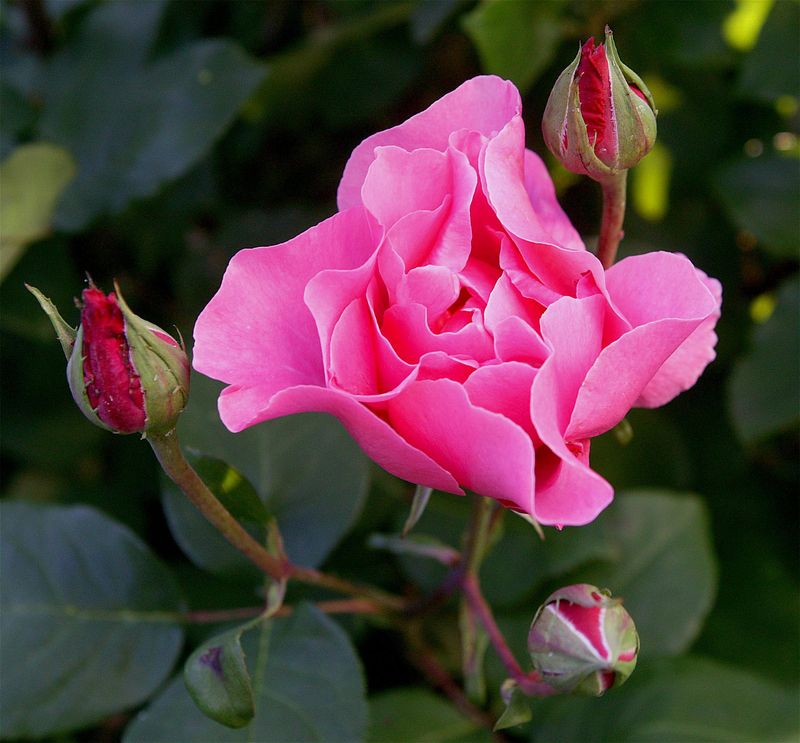
Knowing why Oregon plants grow so fast in March is great. Knowing how to help them grow even better is even greater.
A few simple steps can make a real difference in how your garden performs during this exciting season.
Start by clearing away any dead material left over from winter. Old stems and leaves can block light and hold too much moisture against new growth.
Once the garden is clean, add a layer of compost about two inches thick over your planting areas. Compost feeds the soil and helps it hold moisture evenly, which is important during Oregon’s unpredictable March weather patterns.
Next, pay attention to spacing. Plants that are crowded compete for light, water, and nutrients.
Give each plant enough room to spread out as it grows through spring. If you are starting seeds indoors, a simple grow light set to run for fourteen hours a day mimics the longer daylight hours that Oregon plants naturally respond to in March.
Water carefully, checking soil moisture before adding more. And remember, mulching around the base of plants helps keep soil temperature steady during cool nights.
Small, consistent efforts in March set the stage for a thriving Oregon garden all the way through summer and beyond.