Why Some Piedmont Plants Struggle On The North Carolina Coast
Gardening along the North Carolina coast offers a striking shift from the rolling Piedmont, where the dense red clay gives way to ancient, porous sands.
While these regions are geographically close, the transition from the central hills to the Atlantic shoreline presents a dramatic environmental gauntlet for any traditional inland plant.
Coastal growers must contend with the relentless salt spray and constant ocean breezes that can rapidly dehydrate foliage designed for the sheltered Piedmont.
Furthermore, the sandy soil of the Tidewater region drains at an accelerated rate, requiring a completely different approach to hydration and nutrient retention than the moisture-holding clays of the interior.
Navigating these stark contrasts is the secret to establishing a resilient maritime landscape that avoids the typical pitfalls of regional transplanting.
By acknowledging these distinct atmospheric pressures, you can select varieties that embrace the coastal humidity and salt-laden air, ensuring a vibrant and enduring garden retreat.
1. Higher Humidity On The Coast
Walk outside on a summer morning along the North Carolina coast, and the air almost feels like a warm, wet towel. That thick, heavy humidity is one of the first things Piedmont plants notice when they are moved to a coastal setting.
Back in the Piedmont, the air tends to be drier, and plants there have adapted to those conditions over many years.
When humidity stays high day after day, moisture clings to leaves and stems, creating the perfect environment for fungal problems. Powdery mildew, leaf spot, and root rot are common issues that show up quickly in plants that are not built for coastal dampness.
These conditions can weaken a plant fast, making it struggle even when everything else seems fine.
Gardeners in coastal North Carolina can help by choosing planting spots with good airflow and avoiding overhead watering. Spacing plants farther apart also reduces moisture buildup between leaves.
If you love a particular Piedmont plant, look for disease-resistant varieties that have a better shot at handling the extra moisture near the shore. Raised beds with well-draining soil can also make a huge difference for plants that prefer drier conditions.
Small changes in how you set up your garden can go a long way toward keeping humidity-sensitive plants healthier along the coast.
2. Sandy And Poorly Drained Soils

Picture squeezing a handful of Piedmont soil and feeling that dense, clay-rich texture pack together in your palm. Now picture coastal North Carolina soil slipping right through your fingers like sand at the beach.
That difference is a big deal for plants that spent their whole lives rooted in heavy, nutrient-holding clay soils.
Sandy coastal soils drain water so fast that plant roots barely get a chance to absorb the moisture they need. Nutrients wash away quickly too, leaving behind a lean environment that many Piedmont plants simply are not equipped to handle.
The result is often a stressed plant that looks pale, grows slowly, or just refuses to take off the way it would back in the Piedmont.
One of the best fixes is to work organic matter into your coastal garden beds before planting. Compost, aged wood chips, and other amendments help sandy soil hold water and nutrients much longer.
Mulching around plants also slows down moisture loss between waterings. Drip irrigation is another smart tool for coastal gardeners because it delivers water slowly right where roots can use it.
With some extra prep work, you can make coastal North Carolina soil friendlier for plants that prefer something richer and more substantial underfoot. Patience and good soil prep really pay off here.
3. Salt Exposure From The Ocean
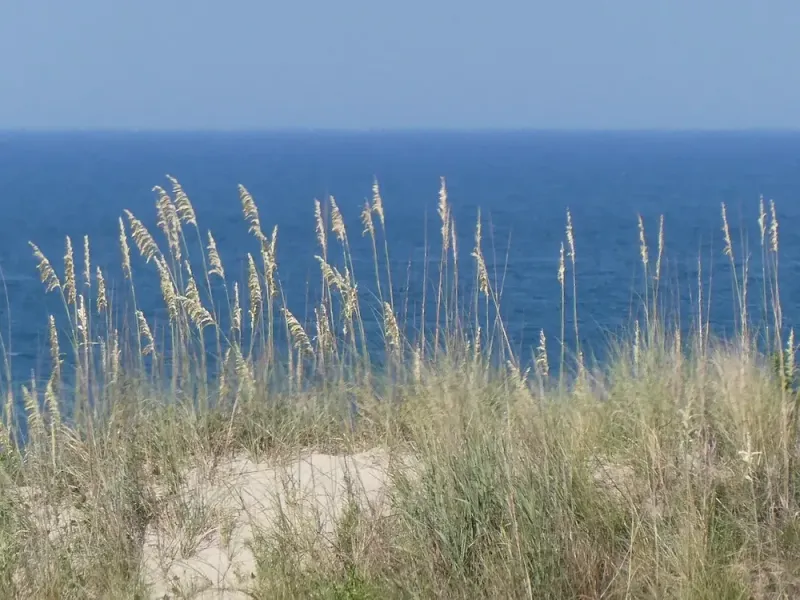
Salt is everywhere along the North Carolina coast, and not just in the ocean water. Sea spray rides the wind inland, settling on leaves, stems, and soil with every passing breeze.
For plants from the Piedmont region, which rarely encounter any salt at all, this constant exposure can cause serious problems over time.
When salt lands on leaves, it pulls moisture out of the plant tissue through a process called osmotic stress. The edges of leaves start turning brown and crispy, a condition gardeners often call leaf scorch or salt burn.
Roots can also suffer when saltwater runoff soaks into the soil, making it harder for plants to absorb fresh water even when rainfall is plentiful.
Piedmont plants like certain native azaleas, trilliums, and woodland ferns have no natural defenses against salt stress. They simply were not built for life near the ocean.
If you want to grow these plants in a coastal North Carolina yard, placing them in sheltered spots away from direct ocean-facing winds can reduce salt exposure significantly.
Rinsing plants with fresh water after storms also helps wash away salt deposits before they cause lasting harm.
Selecting naturally salt-tolerant plants as companions can act as a windbreak, giving your Piedmont favorites a bit of extra protection from the salty coastal air that rolls in off the Atlantic.
4. Strong And Relentless Coastal Winds
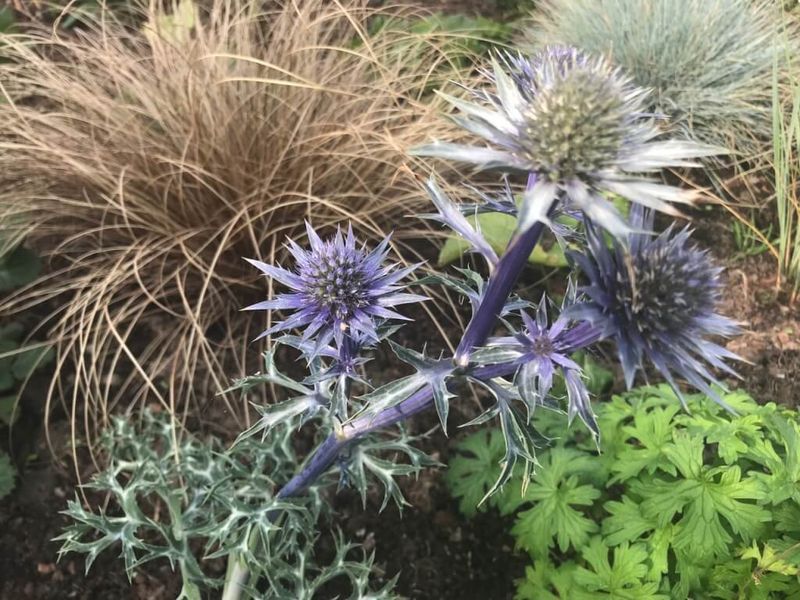
Anyone who has spent a breezy afternoon near the North Carolina shoreline knows that coastal winds are no joke. They blow in strong and steady, sometimes for hours at a time, carrying salt and moisture with them.
For plants from the Piedmont, which typically grow in more sheltered valleys and forested areas, this kind of wind exposure is a real shock.
Strong winds pull moisture out of leaves faster than roots can replace it, a process called desiccation. Stems snap or bend under the pressure, and shallow-rooted plants may actually shift in the loose coastal sand over time.
Even plants that survive the physical stress of wind often look ragged, with torn leaves and lopsided growth pointing away from the prevailing breeze.
Planting windbreaks using native coastal species is one of the most effective strategies for protecting vulnerable plants. Wax myrtle, yaupon holly, and live oak are excellent choices that naturally handle North Carolina coastal winds without much fuss.
Staking young transplants during their first season also helps them stay upright while roots establish a firmer grip in the sandy soil. Choosing compact or low-growing Piedmont plants rather than tall, leggy varieties can also reduce wind damage.
Over time, with the right setup and plant partners, even some wind-sensitive Piedmont species can find a comfortable home in a well-designed coastal North Carolina garden.
5. Warmer Coastal Temperatures Year-Round
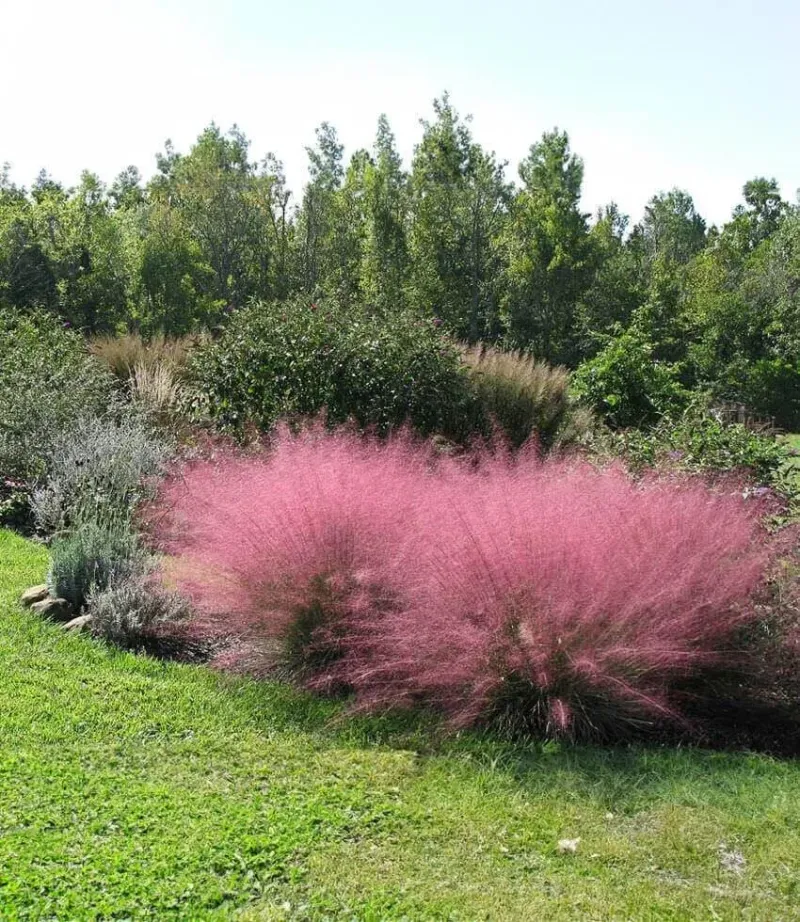
Temperatures along the North Carolina coast tend to stay warmer longer than in the Piedmont, thanks to the ocean’s ability to hold and release heat slowly.
While that might sound pleasant for gardeners, it creates real problems for plants that evolved in the cooler, more variable climate of the Piedmont interior.
Some plants simply need a proper cool-down period each year to stay healthy and productive. Heat stress shows up in different ways depending on the plant. Some develop scorched or yellowing leaves during the hottest months.
Others stop flowering early, drop their buds, or just look exhausted by midsummer. Plants that rely on cool nights to trigger blooming or fruiting can get thrown completely off schedule by the consistently warm coastal climate of North Carolina.
Watering deeply and consistently during summer heat is one of the most helpful things a coastal gardener can do. Applying a thick layer of mulch around the base of plants keeps roots cooler and reduces soil moisture loss during the hottest stretches.
Afternoon shade from taller plants or structures also gives heat-sensitive Piedmont species a break from the intense coastal sun. If you plan your garden layout thoughtfully, it is possible to create cooler microclimates even in a warm coastal North Carolina yard.
Paying attention to which spots stay shadier in the afternoon can make a noticeable difference for struggling plants.
6. Frequent And Powerful Coastal Storms
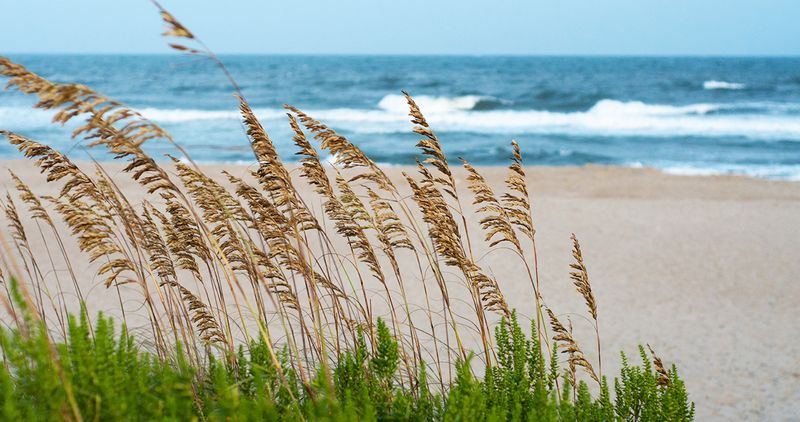
Storms along the North Carolina coast are a regular part of life, from tropical systems in summer to powerful nor’easters in fall and winter. These storms bring heavy rain, violent winds, and sometimes storm surge that pushes saltwater far inland.
For Piedmont plants already dealing with unfamiliar conditions, a major storm can be the tipping point that pushes them over the edge.
Flooding is one of the biggest storm-related threats for Piedmont plants near the coast. Many of them come from well-drained upland environments and have shallow root systems that are not built to sit in waterlogged soil for days at a time.
Prolonged flooding starves roots of oxygen and can lead to rapid decline, especially in plants that have not had time to fully establish themselves.
Gardeners in coastal North Carolina can prepare for storm season by choosing raised planting beds that drain quickly after heavy rainfall. Anchoring plants with stakes before storm season also helps reduce wind damage during rough weather.
After any major storm, check your plants carefully and remove any broken or damaged stems to help the plant recover faster. Flushing the soil with fresh water after a storm surge event helps wash away salt that may have settled into the ground.
Building resilience into your garden through good drainage and strong plant selection makes a big difference when the next storm rolls through the Carolina coast.
7. Soil pH Differences Along The Shore
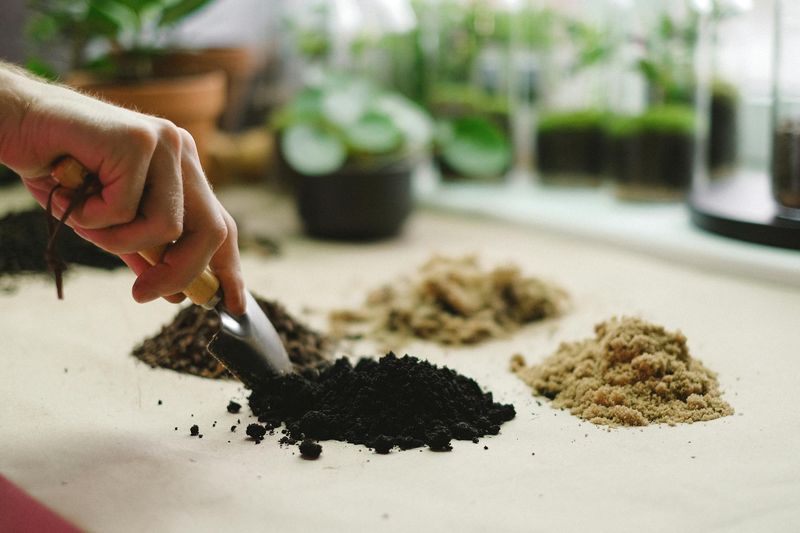
Soil chemistry might not be the most exciting gardening topic, but it has a huge impact on how well plants grow.
The pH level of soil controls how easily plant roots can absorb nutrients, and getting it wrong can leave plants looking yellow and weak even when the soil seems perfectly healthy otherwise.
Along the North Carolina coast, soil pH tends to shift in ways that many Piedmont plants are simply not prepared for.
Coastal soils influenced by saltwater intrusion can become more alkaline over time, while some areas near marshes lean more acidic depending on organic matter and drainage patterns.
Many Piedmont plants prefer a neutral to slightly acidic pH range and can struggle when conditions shift too far in either direction.
Nutrient deficiencies in iron, manganese, and magnesium are common symptoms of a pH mismatch, showing up as yellowing leaves with green veins, a condition called chlorosis.
Testing your soil before planting is one of the smartest steps any coastal North Carolina gardener can take. The NC Cooperative Extension offers affordable soil testing services that give you a clear picture of what your soil needs.
Based on the results, you can add sulfur to lower pH or lime to raise it, bringing the soil closer to what your plants prefer. Matching the right plant to your actual soil conditions, rather than guessing, saves a lot of time and frustration in the long run.
8. Less Protection From Frost And Cold Snaps
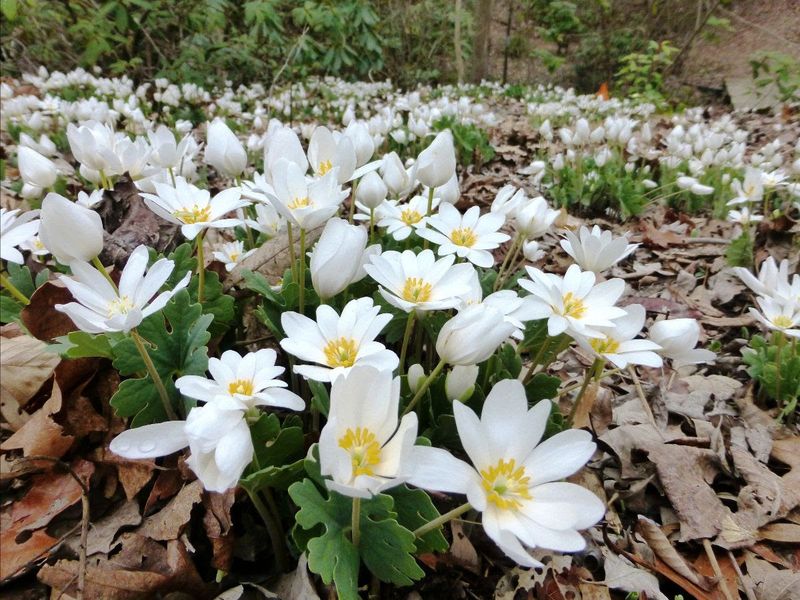
Here is something that surprises a lot of gardeners new to the North Carolina coast: less frost is not always a good thing. Piedmont plants have adapted to a climate that includes regular cold periods in winter, which help them time their growth cycles correctly.
The warmer coastal winters can confuse these plants, causing them to break dormancy and bloom weeks earlier than they should.
Early blooming sounds lovely, but it comes with real risk. A sudden late cold snap, which still happens along the North Carolina coast even in March or April, can damage tender new buds and young shoots that emerged too soon.
The plant ends up spending a lot of energy on growth that gets damaged, leaving it weaker for the rest of the growing season. This cycle can repeat year after year, slowly wearing down a plant that might have thrived just fine in the Piedmont.
Watching local frost date forecasts closely is a must for coastal North Carolina gardeners growing Piedmont species. Keeping frost cloth or lightweight garden blankets on hand lets you protect early-emerging plants on short notice.
Planting in spots that stay a bit cooler in late winter, such as north-facing beds or areas shaded by structures, can also slow down premature growth.
Sometimes a small adjustment in planting location makes all the difference between a plant that thrives and one that struggles every single spring along the Carolina coastline.