Why Some Plants Attract More Wildlife Than Others In Michigan Gardens
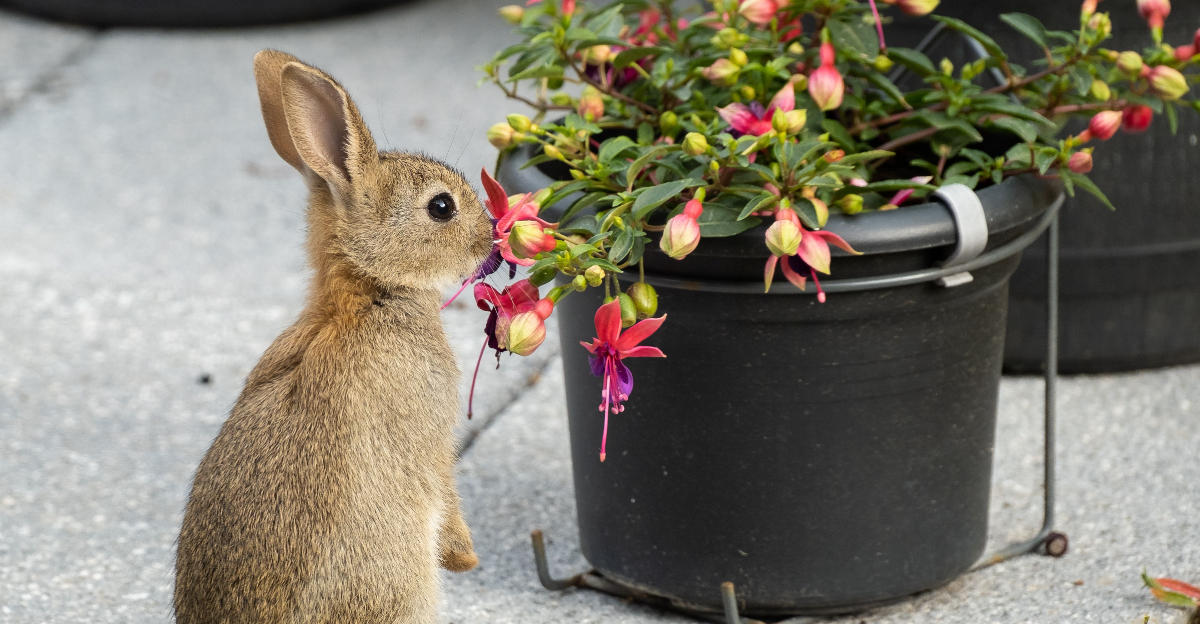
Some plants do more than fill space in a Michigan garden. They turn it into a place full of movement, sound, and life.
One yard may seem quiet, while another nearby is visited by birds, bees, butterflies, and helpful insects all day long. The difference often comes down to the plants growing there.
Some offer nectar, seeds, shelter, or berries that wildlife needs, while others may look nice but give almost nothing back.
Native plants usually have the strongest pull because local wildlife has relied on them for a long time.
Bloom time, plant shape, and even leaf type can also make a big difference. For gardeners who want more than just pretty flowers, this is where things get interesting.
The right plants can turn an ordinary yard into a much more active and rewarding space without making it feel wild or messy.
1. Native Plants Match Local Wildlife Needs
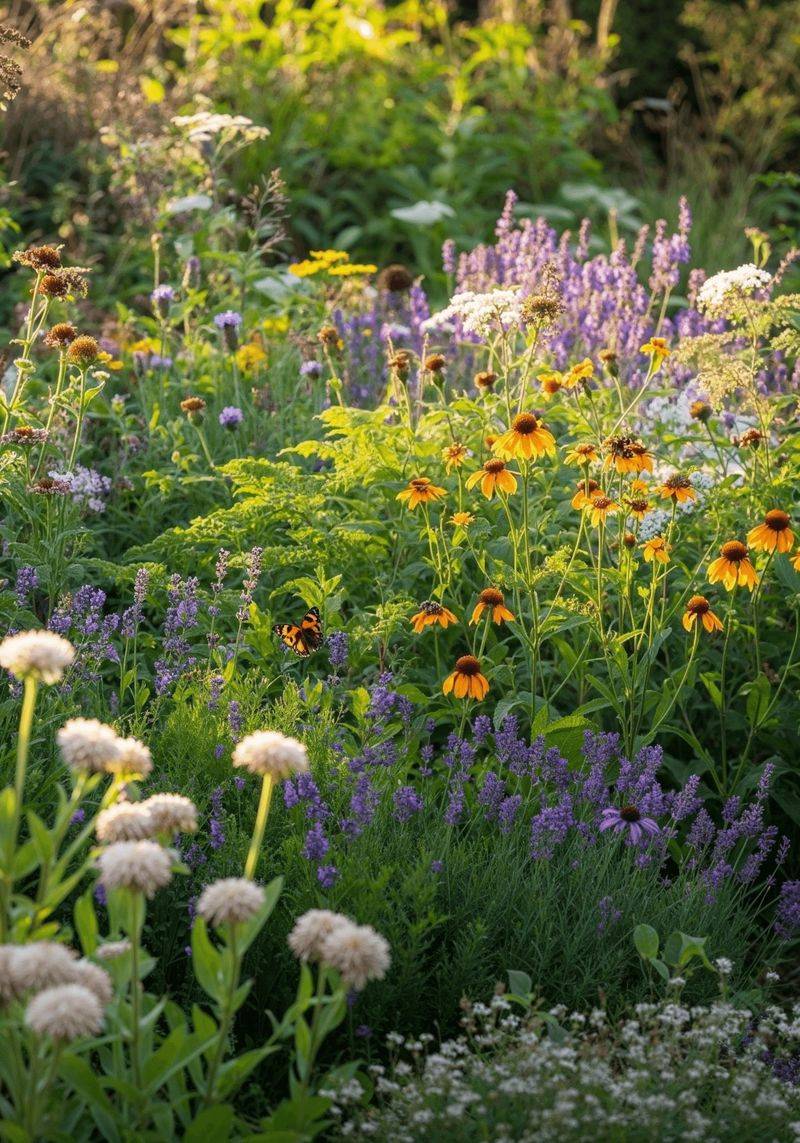
Common Milkweed and Purple Coneflower have been growing wild across Michigan for thousands of years, and local wildlife evolved right alongside them.
That long shared history means native insects, birds, and mammals recognize these plants as reliable food and habitat.
Non-native plants, no matter how pretty, simply do not carry those same ecological signals. Native plants like Asclepias syriaca produce nectar in a form that perfectly suits Michigan’s native bees and monarch butterflies.
The leaves, seeds, and stems of native species also serve as host plants for caterpillars and other insects that birds depend on for feeding their young.
A garden filled with natives essentially becomes a full-service restaurant for local wildlife. Research from Michigan State University Extension confirms that native plantings support significantly more biodiversity than non-native alternatives.
When you swap out ornamental exotics for species like Echinacea purpurea, you are offering wildlife exactly what they evolved to use.
Michigan gardeners who prioritize natives often notice a dramatic uptick in bird and pollinator activity within just one or two growing seasons.
The connection between native plants and native wildlife is not just beneficial, it is absolutely essential for a thriving backyard ecosystem.
2. Plants That Produce Nectar And Pollen Attract Pollinators
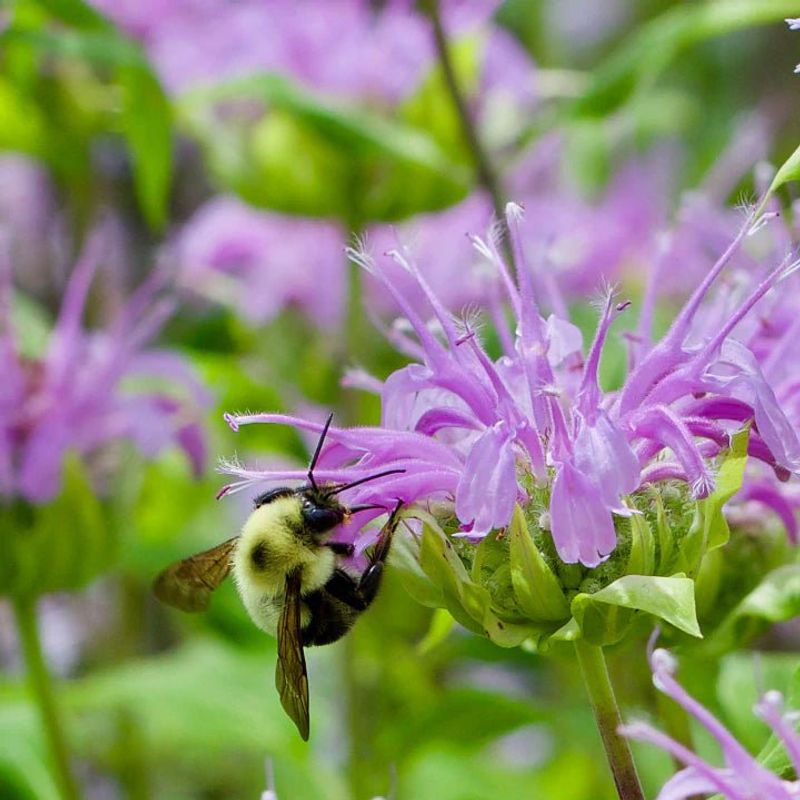
Walk past a patch of Bee Balm on a warm Michigan afternoon and the buzzing is almost deafening in the best possible way.
Plants rich in nectar and pollen act like natural magnets for bees, butterflies, moths, and hummingbirds.
The more accessible and abundant that food source is, the more pollinators will show up and keep coming back.
Monarda didyma, commonly called Bee Balm, produces tubular red flowers that are perfectly shaped for ruby-throated hummingbirds and long-tongued bees.
Solidago canadensis, or Canada Goldenrod, is a late-season powerhouse that feeds dozens of pollinator species right through early fall in Michigan.
Together, these two plants can extend your garden’s pollinator season from early summer all the way to the first frost.
Bloom timing matters enormously because pollinators need consistent food from spring through fall.
Planting a variety of nectar-rich species that flower at different times ensures no hungry pollinator goes without.
Michigan gardeners can think of it like scheduling shifts at a restaurant, keeping the kitchen open all season long.
When pollinators have reliable food, they establish territories in your garden and return year after year, making your outdoor space increasingly lively with each passing season.
3. Berry And Seed-Producing Plants Feed Birds
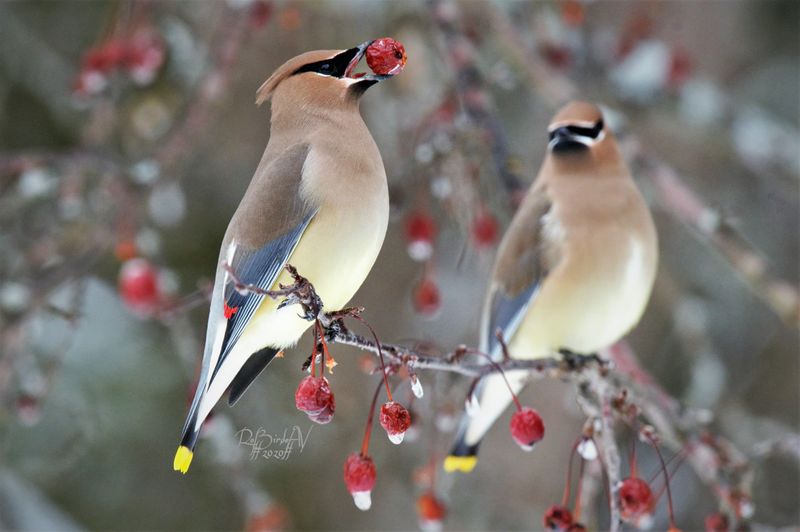
Cedar waxwings will strip a Serviceberry shrub bare in a single afternoon, and watching them do it is one of the great joys of Michigan gardening.
Birds are highly visual foragers, and plants that produce bright, abundant berries or seed heads get noticed fast. Once birds discover a reliable food source in your garden, they return season after season.
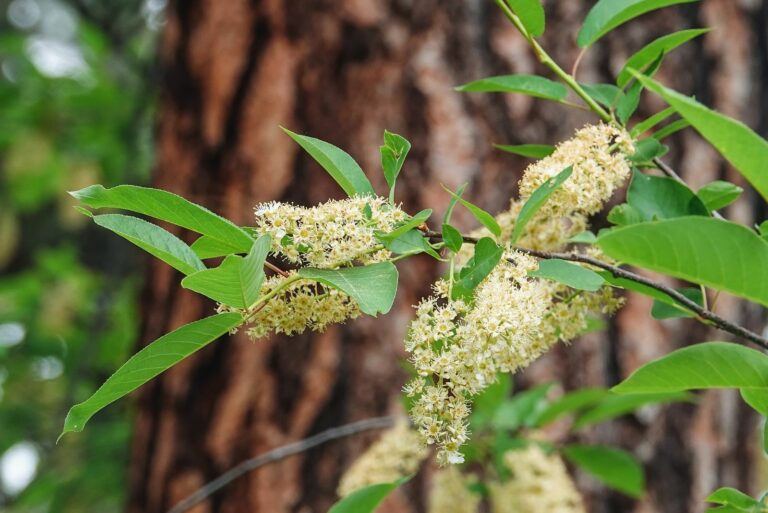
Amelanchier canadensis, commonly known as Serviceberry, produces small blueberry-like fruits in early summer that attract a wide variety of Michigan songbirds.
Sambucus canadensis, or American Elderberry, offers clusters of dark purple berries in late summer that are irresistible to thrushes, warblers, and other migratory species passing through the state.
Both shrubs also provide nesting cover, making them doubly valuable. Seed-producing plants like black-eyed Susans and coneflowers are equally important, especially heading into fall and winter when fresh berries are gone.
Goldfinches, chickadees, and nuthatches cling to dried seed heads and pick them clean over several weeks.
Leaving spent flower heads standing rather than cutting them back gives Michigan birds a critical food source during colder months.
Gardeners who plant a mix of berry and seed producers essentially run a year-round bird buffet right outside their windows, which makes every season worth watching closely.
4. Dense Growth Provides Shelter And Nesting Sites
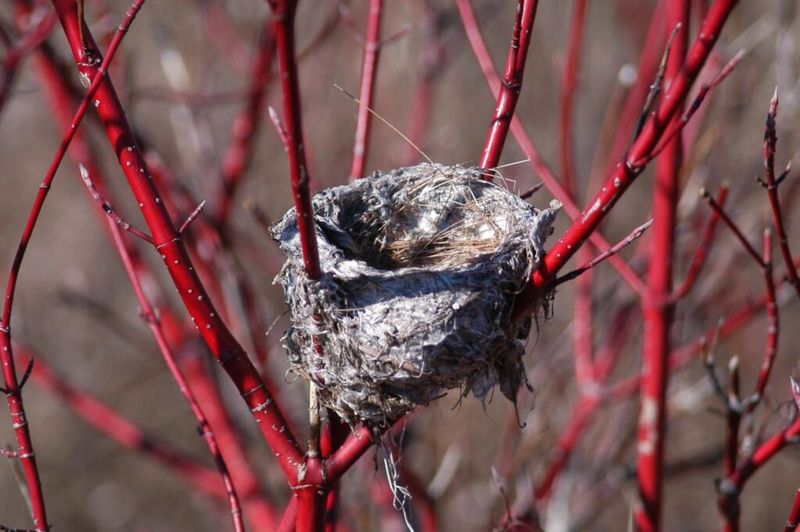
Not every creature that visits your garden is there for food. Many birds, small mammals, and insects are searching for a safe place to hide, rest, or raise a family.
Dense shrubs and grassy clumps offer exactly that kind of protective cover, and plants that grow thick and full tend to attract far more wildlife than sparse, open ones.
Cornus sericea, or Red Osier Dogwood, forms tight thickets of red-stemmed branches that provide excellent cover for sparrows, wrens, and cottontail rabbits in Michigan gardens.
The shrub’s layered structure creates natural hiding spots at multiple heights, making it useful for ground-nesting birds as well as those that prefer slightly elevated locations.
Panicum virgatum, known as Switchgrass, adds another dimension by offering dense grass clumps where insects overwinter and ground-dwelling birds find protection.
Shelter plants are especially valuable during Michigan’s harsh winters and during spring nesting season when wildlife is most vulnerable.
A garden that includes a mix of dense shrubs, ornamental grasses, and layered plantings essentially becomes a neighborhood for local wildlife rather than just a feeding stop.
Think of it as offering both a meal and a place to stay. Michigan gardeners who include shelter plants consistently report seeing more wildlife activity throughout the entire year, not just during peak growing season.
5. Leaf Texture And Chemistry Affect Browsing
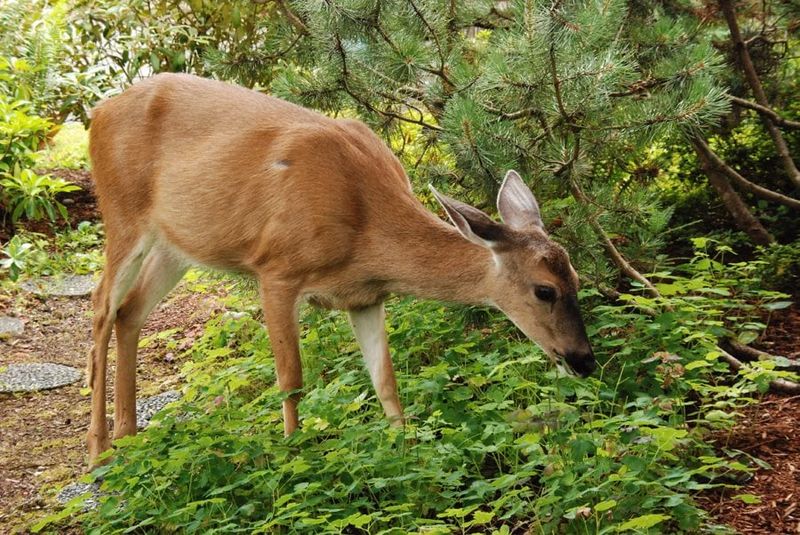
Ever wonder why deer mow down your hostas but completely ignore the lavender growing right next to them?
Leaf texture and plant chemistry play a huge role in which animals eat which plants, and understanding this can completely change how you design a Michigan garden.
Some plants practically advertise themselves as a meal, while others send clear chemical signals to stay away.
Plants with soft, tender, moisture-rich leaves are highly attractive to deer and rabbits because they are easy to chew and digest.
In contrast, plants with hairy, waxy, or leathery surfaces create a physical barrier that most browsers find unappealing.
Aromatic plants like catmint, sage, and wild bergamot contain volatile oils that many mammals actively avoid, which is why herb gardens in Michigan often look untouched even when deer pressure is high.
This dynamic shapes wildlife attraction in an interesting way. While deer-resistant plants keep large browsers away, they often still attract pollinators and beneficial insects that are unbothered by strong scents.
Gardeners in Michigan can use this knowledge strategically, placing soft-leafed plants near water features to draw deer for observation, while protecting prized perennials with aromatic or textured neighbors.
Understanding plant chemistry helps you predict which animals will visit your garden and where they will spend most of their time, giving you real control over your wildlife experience.
6. Long Bloom Periods Provide Consistent Food
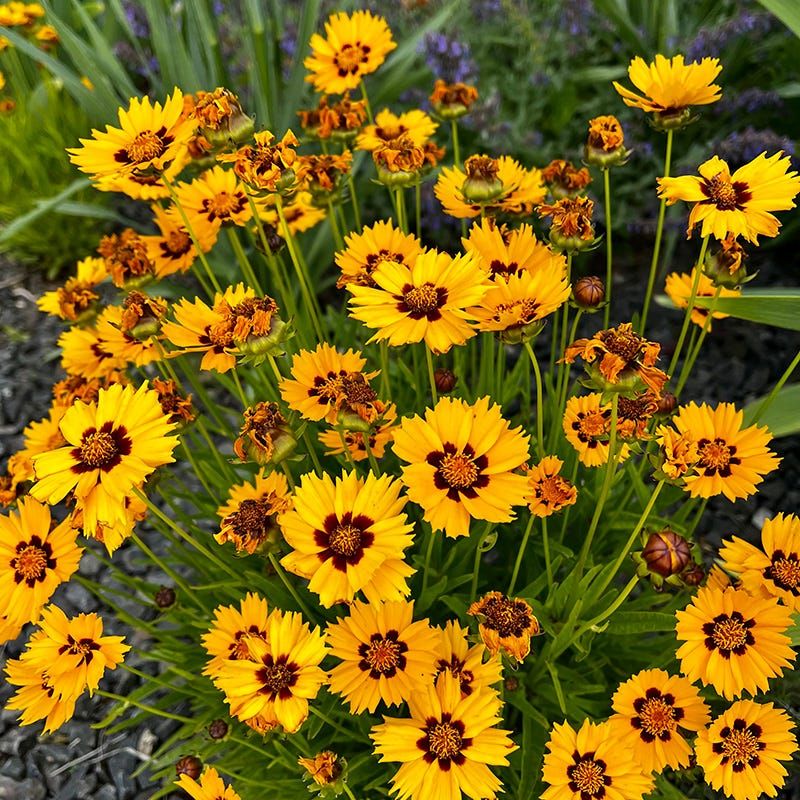
Some plants bloom for two weeks and then go quiet for the rest of the season. Others keep flowering for two to three months straight, and wildlife absolutely notices the difference.
A plant that blooms long and consistently becomes a cornerstone of any Michigan wildlife garden because it offers food when other sources may be running low.
Coreopsis lanceolata, commonly called Lanceleaf Coreopsis, is one of Michigan’s most reliable long-blooming natives, producing cheerful yellow flowers from late spring through midsummer and sometimes beyond with occasional deadheading.
Bees, small butterflies, and beetles visit the flowers regularly throughout that entire stretch, building a dependable foraging pattern around the plant.
Once wildlife learns a plant is consistently available, they return to it repeatedly rather than searching elsewhere.
Pairing long-blooming plants with species that flower at different times creates a seamless chain of food availability across the entire growing season.
Michigan gardeners can think of it as building a relay race where one plant hands off to the next without any gap in the food supply.
Pollinators that have consistent access to nectar and pollen are healthier, more productive, and more likely to nest nearby.
A garden designed around long bloom periods rewards both the gardener and the wildlife with months of visible, exciting activity from the first warm days of spring through late fall.
7. Water Access Increases Wildlife Activity
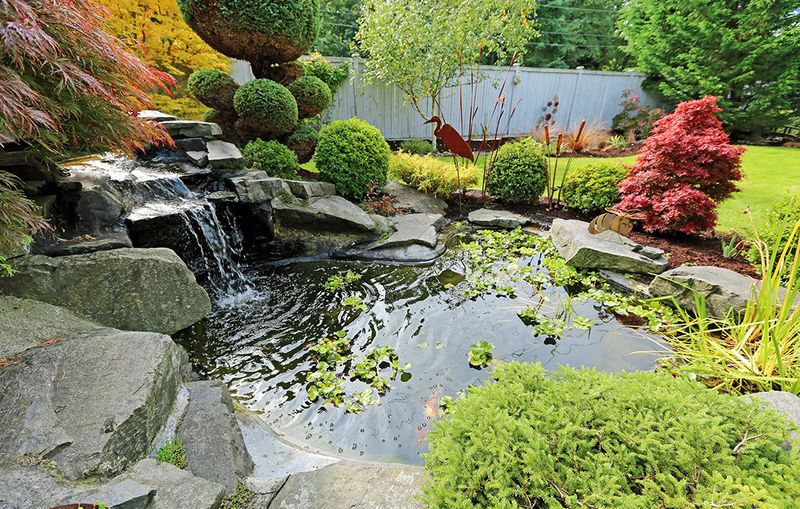
Add a simple water feature to your Michigan garden and watch what happens within days.
Birds that never visited before suddenly appear for a bath. Frogs settle in around the edges. Dragonflies patrol the surface.
Water is one of the most powerful wildlife attractors a gardener can offer, and plants that thrive in or near moist conditions amplify that effect dramatically.
Iris versicolor, known as Blue Flag Iris, is a stunning native plant that thrives in Michigan’s wet soils and along pond edges.
Its bold purple blooms attract native bees and hummingbirds, while its thick foliage provides cover for frogs, salamanders, and aquatic insects.
Wetland areas in Michigan consistently show higher wildlife diversity than dry upland sites, and even a small backyard pond planted with natives like Blue Flag Iris can replicate that effect on a smaller scale.
Moisture also supports plant health, which means lush, productive growth that provides more food and shelter for visiting wildlife.
Birds use shallow water features for drinking and bathing year-round, while amphibians rely on consistent moisture for reproduction.
Michigan gardeners who combine water features with moisture-loving native plants essentially create a micro-habitat that functions like a miniature wetland.
The combination of water, food, and shelter in one small area makes your garden irresistible to a surprisingly wide range of local wildlife species.
8. Seasonal Timing Matches Wildlife Life Cycles
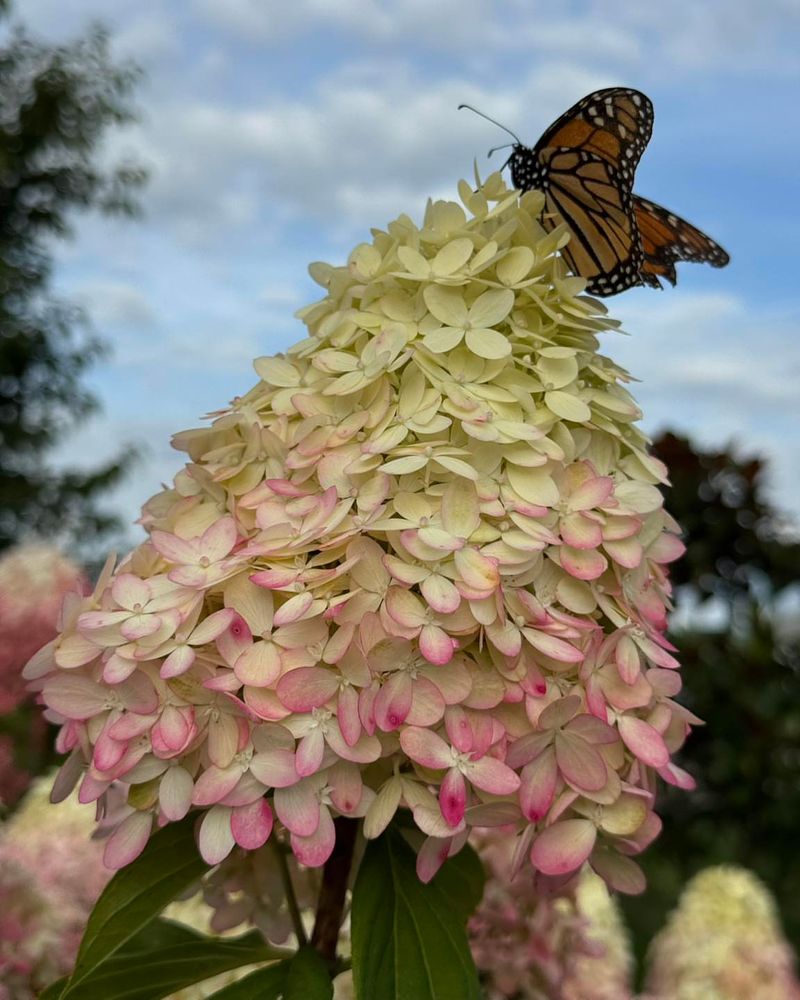
Timing is everything in nature, and the most wildlife-friendly gardens in Michigan are the ones that sync their plant choices with the life cycles of local animals.
A plant that blooms at exactly the right moment can make a critical difference for a migrating butterfly or a bee colony trying to build up reserves before cold weather arrives.
Getting that timing right is both a science and a satisfying puzzle.
Symphyotrichum novae-angliae, or New England Aster, is one of Michigan’s most important late-season plants because it blooms in September and October when very few other nectar sources remain.
Monarch butterflies fueling up for their long migration south depend heavily on this plant, as do bumblebee queens preparing for winter.
Without late-season bloomers like New England Aster, many wildlife species would struggle to complete their annual cycles successfully.
Early spring bloomers like native willows and wild columbine serve an equally important role by feeding queen bumblebees and early-emerging native bees before most garden plants have even leafed out.
Michigan gardeners who map out their garden’s bloom sequence from March through November create a living calendar that supports wildlife at every critical stage of the year.
Planting with seasonal timing in mind transforms a beautiful garden into a genuinely functional habitat, one that wildlife returns to reliably because it always has exactly what they need, exactly when they need it.