Why South Carolina Residents Are Skipping Lawn Grass This Year
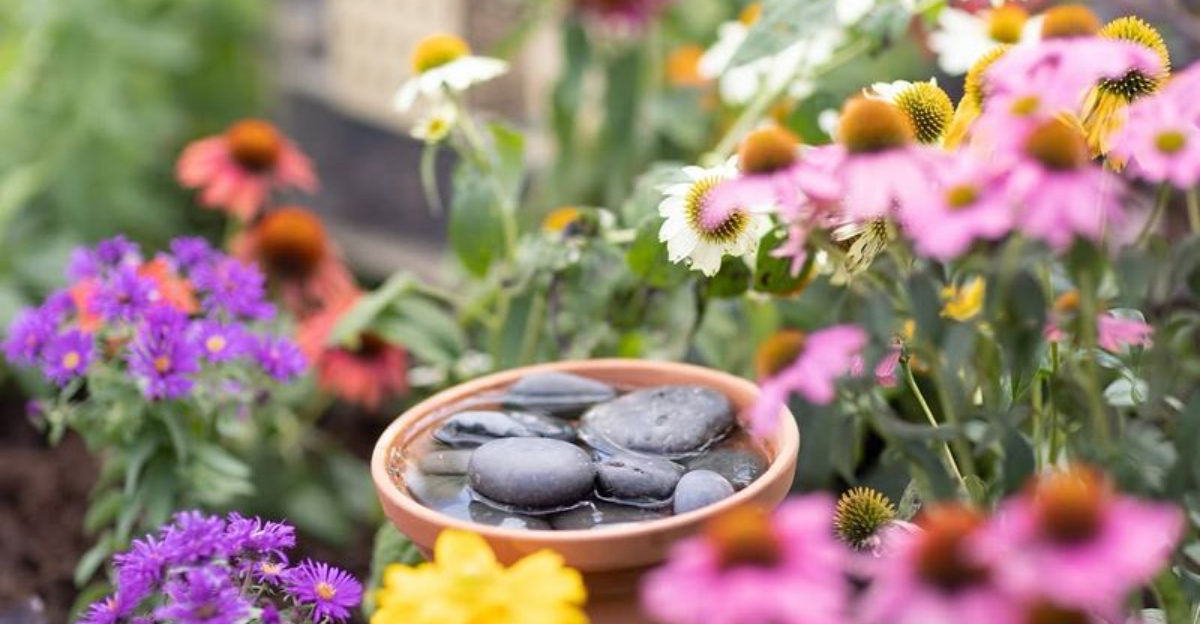
South Carolina lawns are going through a major makeover, and traditional grass is losing its popularity fast.
Homeowners across the Palmetto State are ditching their old-fashioned grass lawns for exciting new alternatives that save time, money, and effort.
From Charleston to Greenville, people are discovering that skipping grass doesn’t mean sacrificing a beautiful yard.
Water Bills Keep Climbing Higher
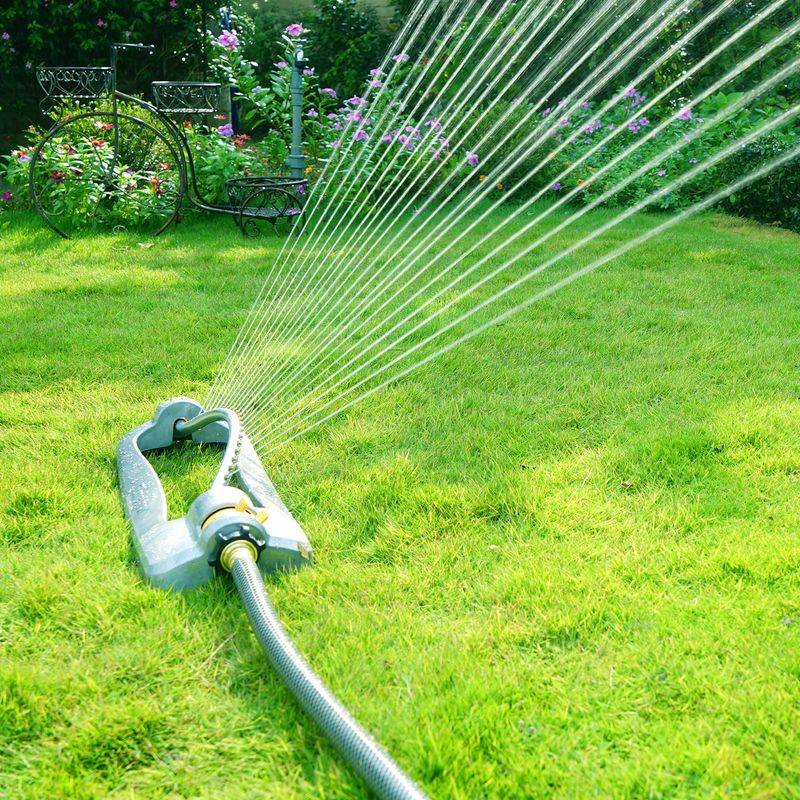
South Carolina summers bring scorching heat that turns grass lawns into thirsty monsters.
Traditional grass needs about one inch of water per week, which means running sprinklers constantly during those brutal 95-degree days.
Many homeowners are watching their water bills double or even triple during peak summer months.
Drought conditions have become more common in recent years across the state.
When water restrictions kick in, keeping grass green becomes nearly impossible without breaking the rules.
Families are realizing that pouring hundreds of gallons of water onto their lawns every week just doesn’t make financial sense anymore.
Alternative ground covers like clover, moss, or native plants need far less water to stay healthy and attractive.
Some homeowners are saving over $100 monthly by making the switch.
That extra money can go toward family vacations, home improvements, or building up savings instead of literally watching it soak into the ground and evaporate under the hot Carolina sun.
Mowing Takes Up Precious Weekend Time
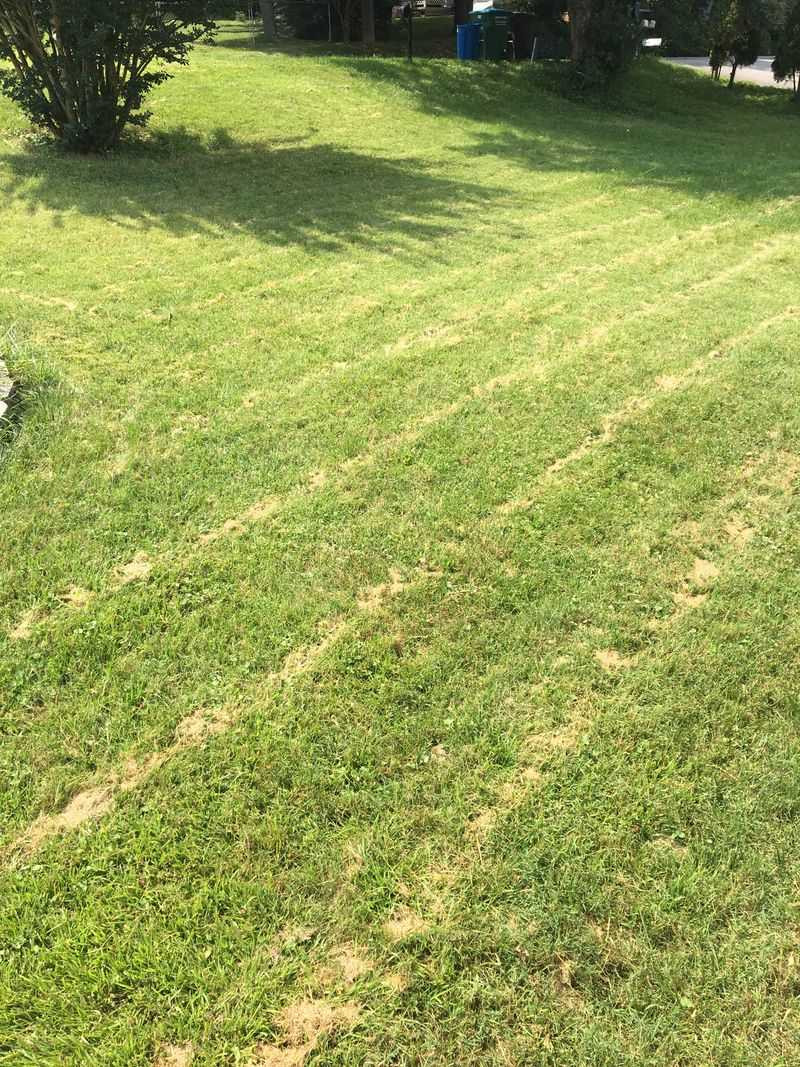
Every Saturday morning, the neighborhood symphony of lawnmowers begins at sunrise.
Grass grows relentlessly during South Carolina’s long growing season, which stretches from March clear through November.
Most homeowners end up mowing every single week, sometimes twice a week during spring’s explosive growth period.
Each mowing session eats up at least an hour, not counting the time spent edging, trimming, and cleaning up afterward.
That’s roughly 40 to 50 hours per year spent pushing a mower back and forth across the same patch of ground.
Families are starting to question whether that time could be better spent at the beach, exploring state parks, or simply relaxing with loved ones.
Grass-free yards eliminate this endless chore completely.
Imagine reclaiming every weekend without worrying about the lawn getting shaggy.
Ground covers like creeping thyme or native wildflowers stay low naturally, requiring maybe one or two trims per year at most.
Freedom from the mower means more time for the activities that actually matter to you and your family.
Fertilizers And Chemicals Cost A Fortune
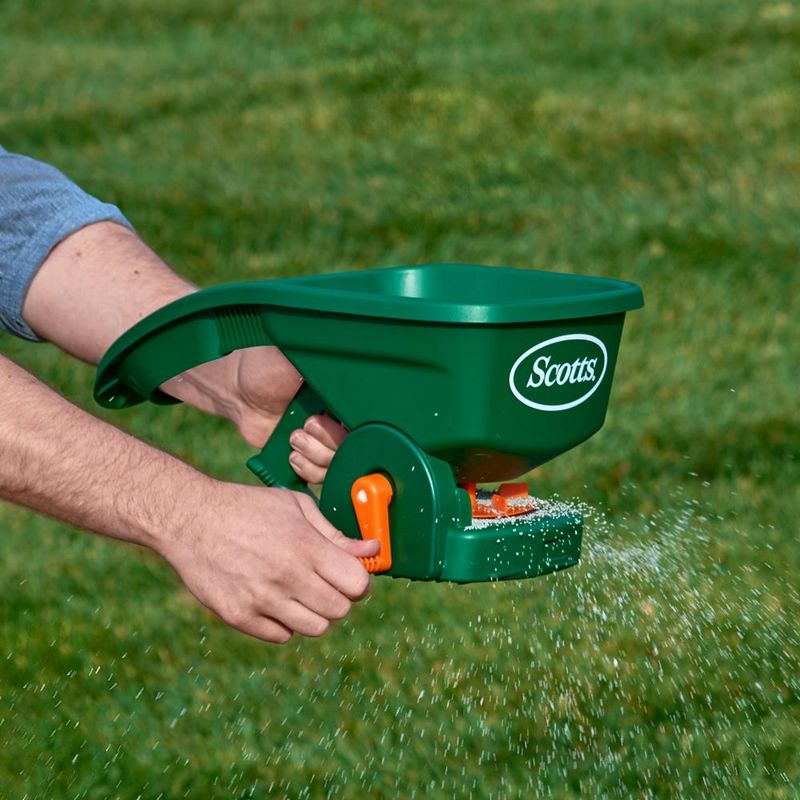
Keeping grass looking magazine-perfect requires a steady stream of products that add up quickly.
Pre-emergent herbicides, post-emergent weed destroyers, fertilizers, fungicides, and insecticides all promise a lush green carpet.
A typical lawn maintenance schedule involves applying something new every few weeks throughout the growing season.
Professional lawn care services charge $50 to $100 per treatment, with most programs requiring six to eight applications yearly.
DIY approaches seem cheaper initially, but bags of fertilizer and bottles of chemicals still cost $300 to $500 annually for an average-sized yard.
Many South Carolina residents are tired of spending grocery money on their grass.
Native plants and alternative ground covers evolved to thrive in local conditions without chemical assistance.
They resist local pests naturally and don’t need synthetic fertilizers to look their best.
Going grass-free means keeping that money in your pocket instead of spreading it across your yard.
Plus, you’ll avoid storing potentially dangerous chemicals in your garage where curious kids or pets might find them.
Environmental Concerns Are Growing
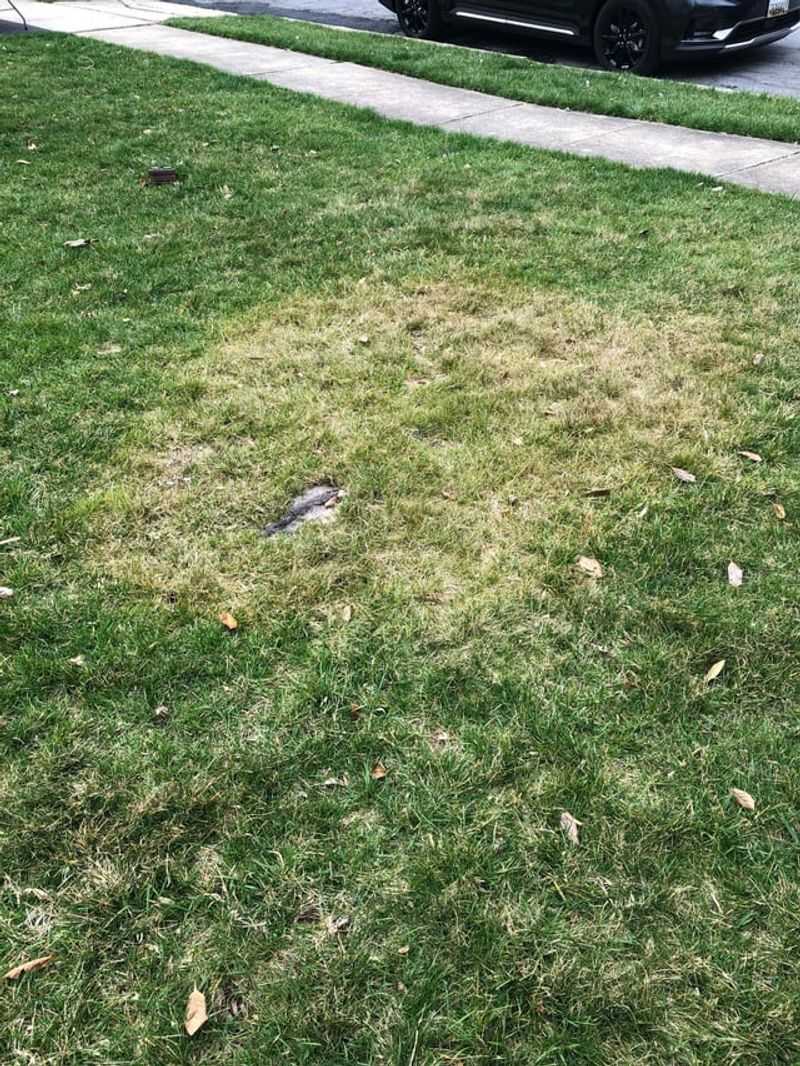
More South Carolina residents are waking up to the environmental impact of traditional lawns.
Chemical runoff from fertilizers and pesticides flows into storm drains, eventually reaching rivers, lakes, and coastal waters.
These pollutants harm fish, damage ecosystems, and contribute to algae blooms that close beaches and destroy marine life.
Gas-powered mowers produce surprising amounts of air pollution too.
Running a typical lawn mower for one hour creates as much smog-forming pollution as driving a new car for over 100 miles.
Multiply that by millions of lawns across the state, and the environmental cost becomes staggering.
Choosing native plants and eco-friendly landscaping helps restore natural habitats for birds, butterflies, and beneficial insects.
Native gardens support pollinators that our food supply depends on.
They filter rainwater naturally, reduce erosion, and actually improve soil health over time instead of depleting it.
Making environmentally responsible choices feels good and sets a positive example for neighbors and future generations who will inherit the world we’re shaping today.
Native Plants Require Less Maintenance
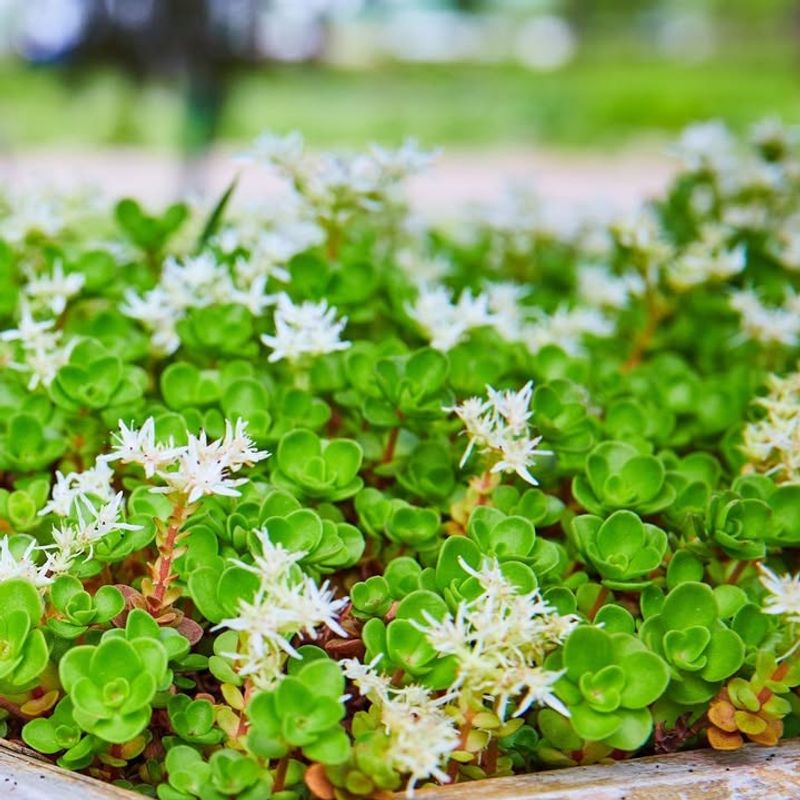
Plants that evolved in South Carolina over thousands of years know exactly how to handle local conditions.
Native species like beautyberry, Carolina jessamine, and muhly grass thrive in the state’s clay soils, humidity, and temperature swings without babysitting.
They’ve adapted perfectly to local rainfall patterns and don’t throw tantrums during dry spells.
Once established, native gardens practically take care of themselves.
Their deep root systems find water far below the surface where grass roots never reach.
They resist local diseases and pests because they developed alongside them, creating natural balance.
You won’t spend weekends diagnosing brown spots or fighting invasive weeds that crowd out struggling grass.
Maintenance drops to occasional weeding and maybe one yearly trim to keep things tidy.
Many native plants actually look better with a slightly wild, natural appearance rather than the rigid uniformity that grass demands.
Homeowners discover they can enjoy a beautiful, colorful yard that changes with the seasons without becoming enslaved to constant upkeep.
The landscape works with nature instead of fighting against it every single day.
Pollinators Need Our Help
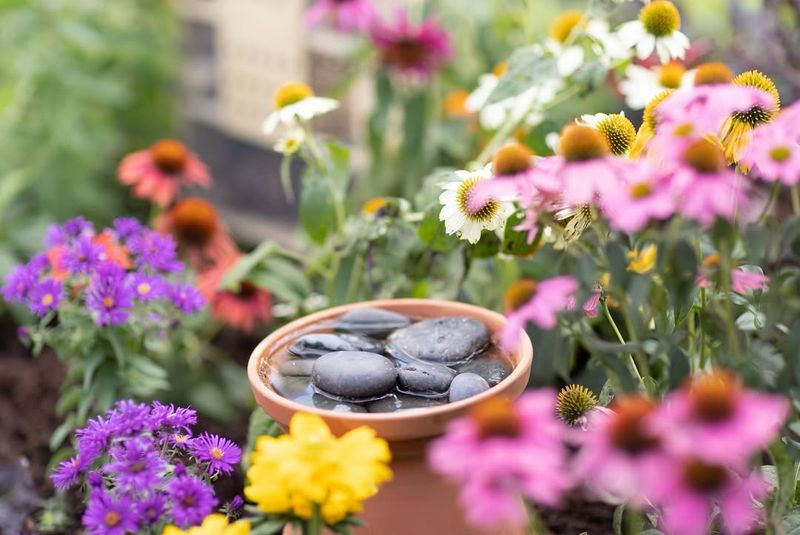
Bee populations have dropped dramatically over recent decades, and butterflies are disappearing too.
Grass lawns offer absolutely nothing for these crucial creatures that pollinate one-third of the food we eat.
A grass monoculture is essentially a food desert for insects that keep our ecosystems functioning.
South Carolina homeowners are transforming their yards into pollinator havens filled with native flowers.
Plants like coneflowers, black-eyed Susans, and bee balm provide nectar and pollen throughout the growing season.
Watching hummingbirds, butterflies, and bees visit your garden creates a connection to nature that a plain grass lawn never could.
Kids especially love observing the wildlife that colorful native gardens attract.
It’s like having a nature documentary playing right outside your window every day.
Creating pollinator habitat isn’t just environmentally responsible—it’s genuinely rewarding and educational.
Each flower you plant becomes a tiny restaurant for creatures that desperately need our support.
Your yard can become part of the solution instead of contributing to the problem of habitat loss that’s pushing many species toward extinction.
Climate Change Makes Grass Harder To Grow
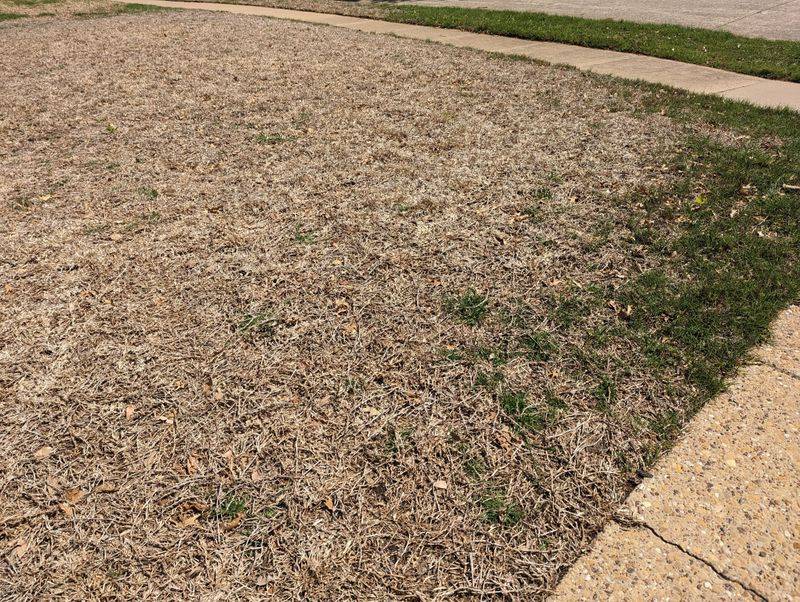
Weather patterns across South Carolina have become increasingly unpredictable and extreme.
Longer droughts followed by intense rainfall events make maintaining healthy grass incredibly challenging.
Grass evolved for consistent, moderate conditions that simply don’t exist anymore in many areas.
Heat waves are lasting longer and pushing temperatures higher than ever recorded.
Grass goes dormant or withers completely when stressed by extended heat and drought.
Then sudden downpours create flooding and fungal diseases that turn lawns into muddy, patchy messes.
Fighting these climate-driven problems feels like battling nature itself.
Alternative landscaping options prove far more resilient when weather turns extreme.
Drought-tolerant ground covers survive dry periods that would destroy grass completely.
Deep-rooted native plants handle both floods and droughts without missing a beat.
Adapting your landscape to match the new climate reality makes more sense than stubbornly trying to maintain grass that’s increasingly unsuited to current conditions.
Smart homeowners are choosing plants that work with the climate instead of against it.
Property Values Can Actually Increase
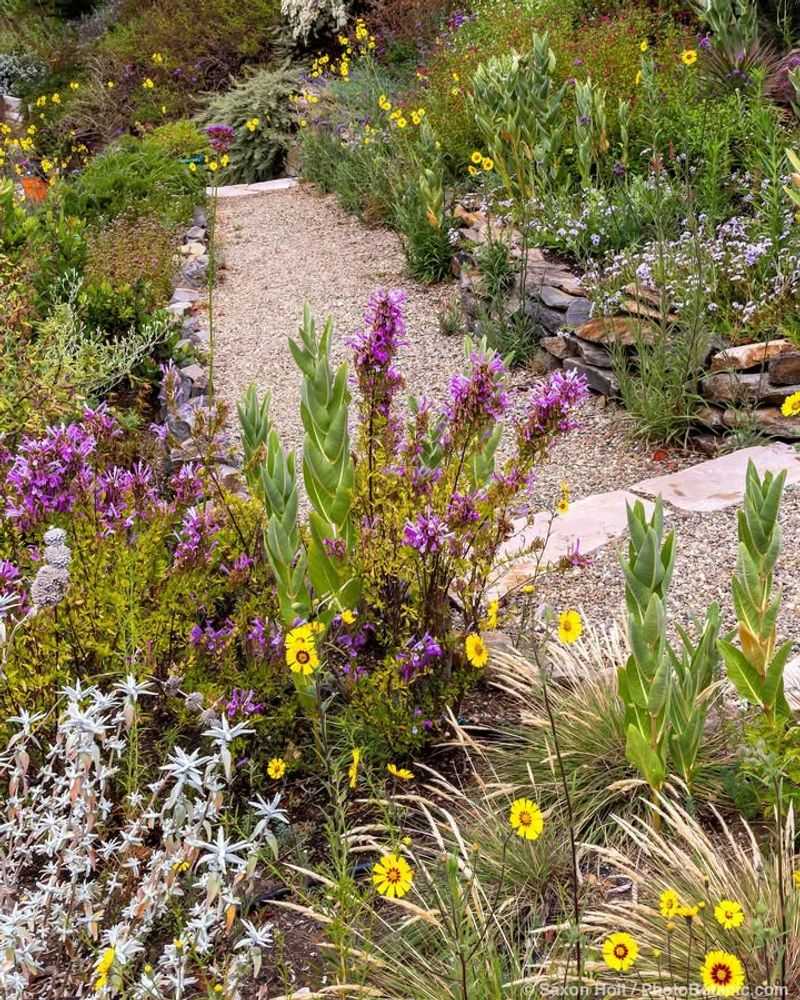
Contrary to old assumptions, well-designed grass-free landscaping often boosts home values.
Professional landscaping with native plants, attractive ground covers, and thoughtful design creates serious curb appeal that catches buyers’ attention.
Unique, beautiful yards stand out in a sea of boring grass lawns.
Buyers increasingly value low-maintenance landscaping that won’t demand constant attention and expense.
Young families want more time for activities rather than yard work.
Retirees seek homes they can manage easily without hiring expensive lawn services.
Marketing a home as eco-friendly and water-wise appeals to environmentally conscious buyers willing to pay premium prices.
Real estate agents report that distinctive, professionally landscaped yards with native plants often sell faster than traditional grass lawns.
Buyers recognize the long-term savings on water, chemicals, and maintenance.
The key is quality design and execution—a well-planned native garden looks intentional and attractive, not neglected.
Investing in professional landscape design pays dividends when it’s time to sell, while also letting you enjoy a stunning, unique yard every single day you live there.
Grass Allergies Affect Many Families
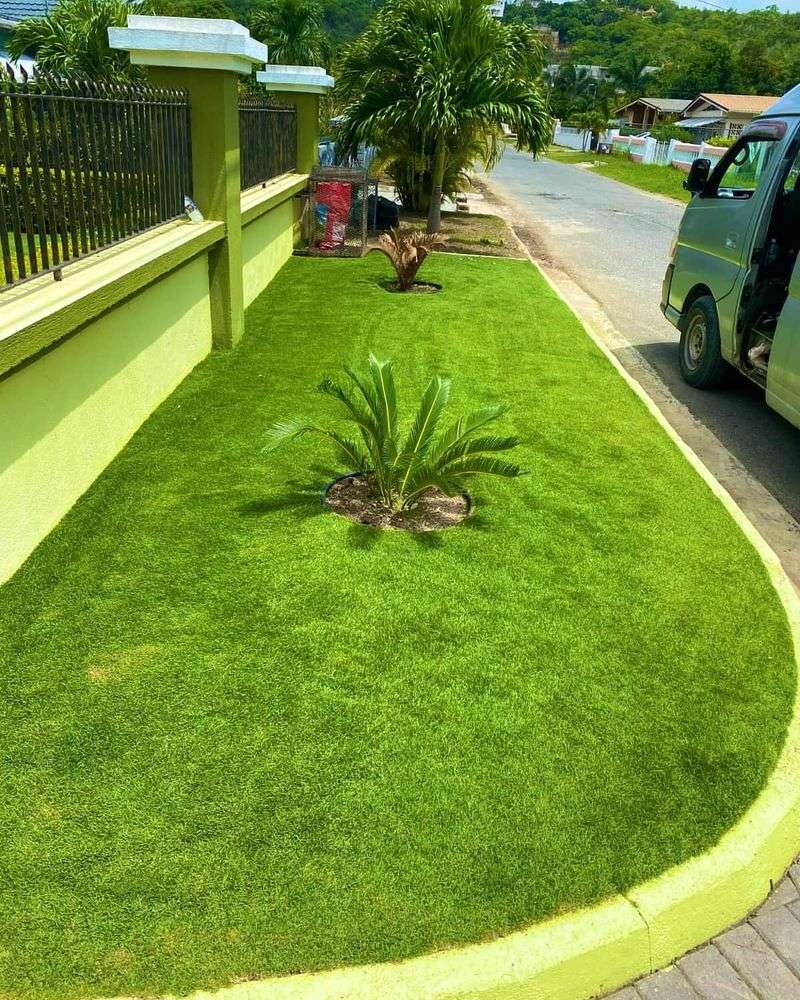
Grass pollen ranks among the most common allergens affecting millions of Americans.
Spring and summer in South Carolina bring misery to allergy sufferers as grass releases massive amounts of pollen into the air.
Sneezing, itchy eyes, congestion, and breathing difficulties keep people trapped indoors during beautiful weather.
Mowing grass stirs up pollen and sends it airborne in concentrated clouds.
Many homeowners suffer allergic reactions every time they cut their lawns, turning necessary maintenance into a health hazard.
Children playing on grass often develop skin irritation and respiratory symptoms that limit their outdoor fun.
Replacing grass with non-allergenic ground covers eliminates this problem completely.
Options like moss, clover, and many native plants produce minimal pollen or types that don’t trigger human allergies.
Families discover they can actually enjoy their yards without constant sniffling and sneezing.
Kids can play outside freely without coming inside covered in hives.
Creating an allergy-friendly landscape means everyone can breathe easier and spend more time outdoors enjoying fresh air and sunshine without suffering for it later.
Creative Landscaping Offers More Beauty
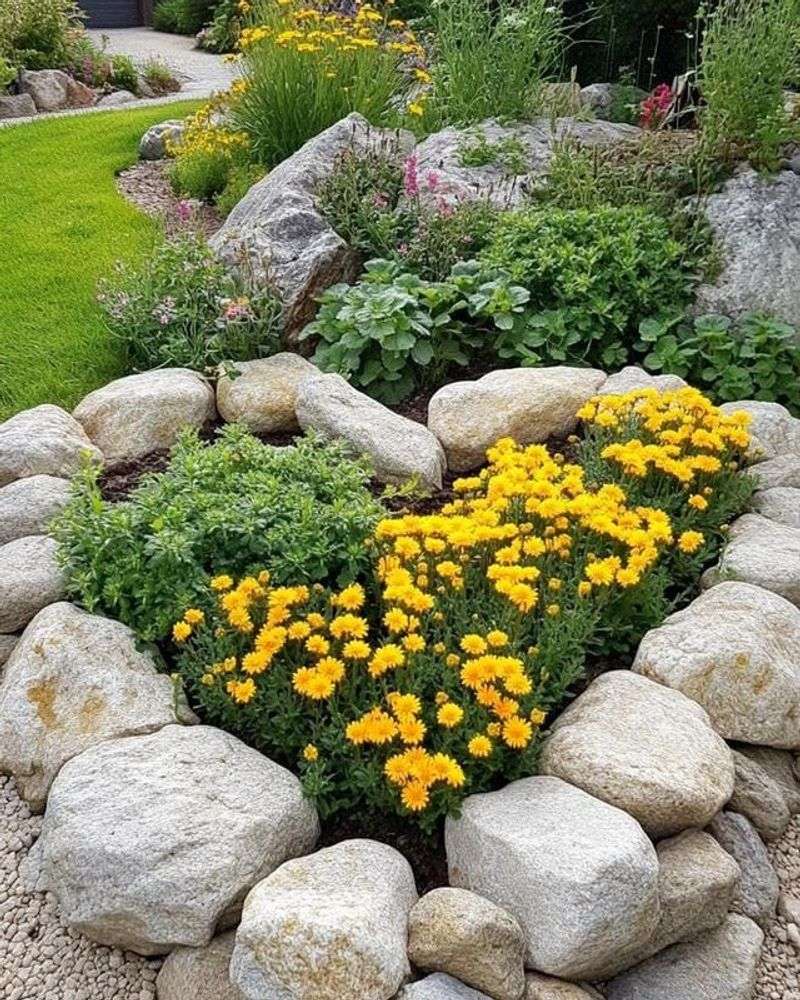
Grass lawns all look basically identical—flat, green, and boring.
South Carolina homeowners are discovering that ditching grass opens up incredible creative possibilities.
Imagine a yard bursting with colorful flowers, interesting textures, and visual interest that changes throughout the seasons instead of staying the same monotonous green year-round.
Alternative landscaping lets you express personality and style in ways grass never could.
Create a peaceful meditation garden with native ferns and woodland plants.
Design a vibrant butterfly garden that explodes with color from spring through fall.
Install a charming ground cover like creeping phlox that blankets your yard in purple blooms each spring.
Mixing different plants creates layers of height, color, and texture that make your yard genuinely unique.
Ornamental grasses, flowering perennials, and evergreen shrubs combine into living artwork that evolves constantly.
Neighbors will actually stop to compliment your yard instead of just walking past another forgettable grass lawn.
Your outdoor space becomes an extension of your home’s personality, a place that brings joy and pride rather than just another chore on the weekend to-do list.