Why Squirrels Are Burying Nuts In Oregon Flower Beds Right Now
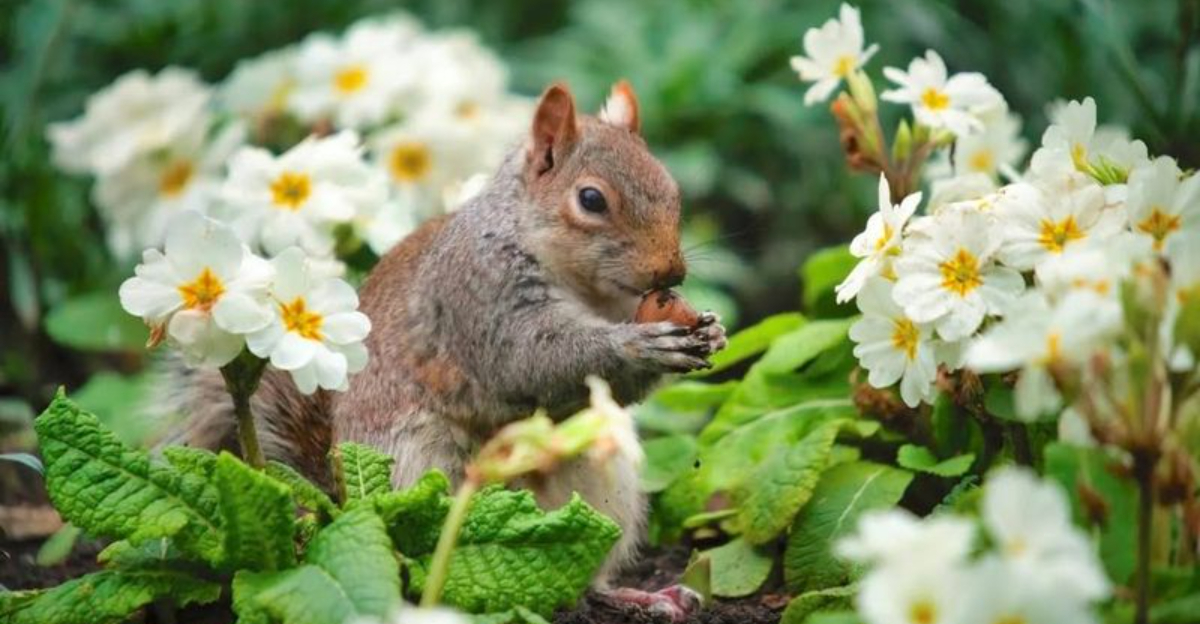
If squirrels seem extra busy digging up Oregon flower beds lately, there is a good reason behind it.
What looks like mischief is actually a natural behavior tied to the changing seasons.
As cooler weather sets in, squirrels shift into high gear, preparing for leaner months ahead.
Flower beds, with their soft soil and rich cover, make perfect hiding spots for buried food.
Unfortunately, that means carefully planted bulbs and roots often get caught in the middle.
While it may feel personal, squirrels are simply following instincts that have kept them alive for generations.
Understanding why they behave this way can make their actions less frustrating.
With the right approach, homeowners can protect their gardens while letting wildlife carry on.
Sometimes knowing the cause of a problem is half the battle in learning how to manage it without constant conflict.
They Are Storing Food For Winter
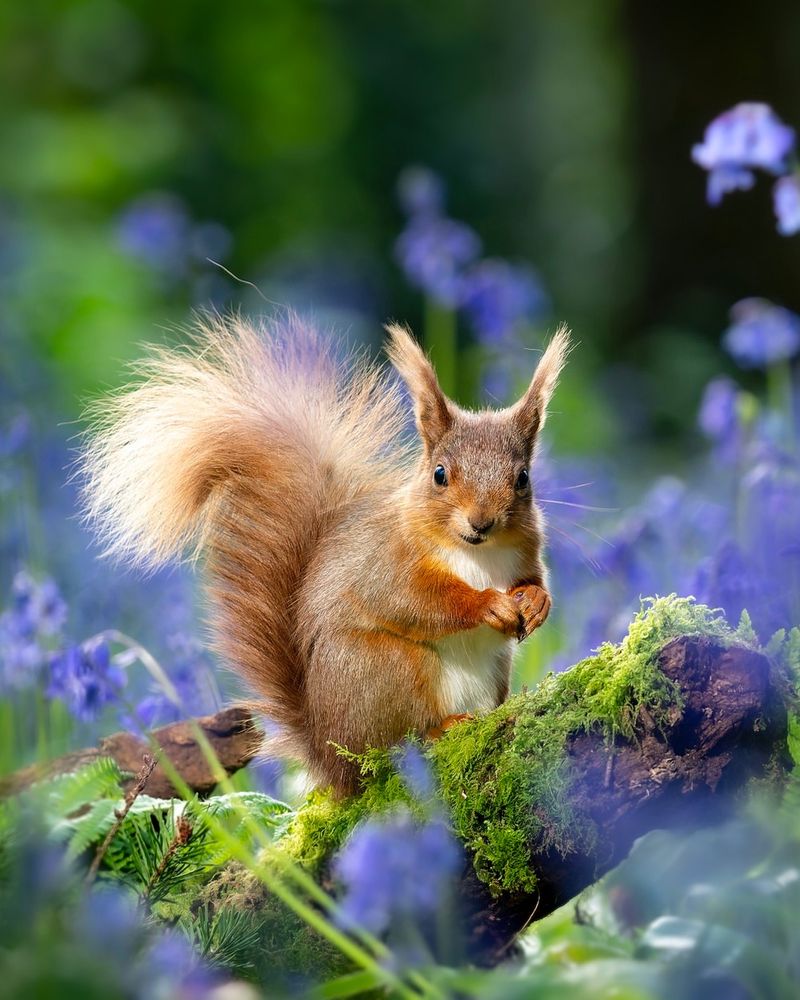
Squirrels have an incredible instinct called scatter-hoarding that drives them to bury nuts throughout the fall season.
This behavior is not random or playful—it is a survival strategy that has been passed down through countless generations.
When winter arrives and fresh food becomes scarce, these resourceful animals rely on their hidden stashes to stay nourished and healthy.
In Oregon, where winters can be unpredictable and food sources fluctuate, squirrels work overtime to prepare for leaner times.
They carefully select prime nuts like acorns, hazelnuts, and walnuts, then transport them to safe hiding spots.
Your flower bed, with its soft and accessible soil, becomes an ideal storage vault.
Squirrels can bury dozens of nuts in a single day, creating a network of food caches across multiple locations.
This scatter-hoarding technique ensures that even if one stash is discovered by another animal, plenty of backup supplies remain hidden.
The squirrel’s remarkable memory helps it relocate most of these buried treasures when hunger strikes.
Watching this industrious behavior reminds us how nature equips animals with the tools they need to thrive through changing seasons.
Flower Beds Offer Easy Digging
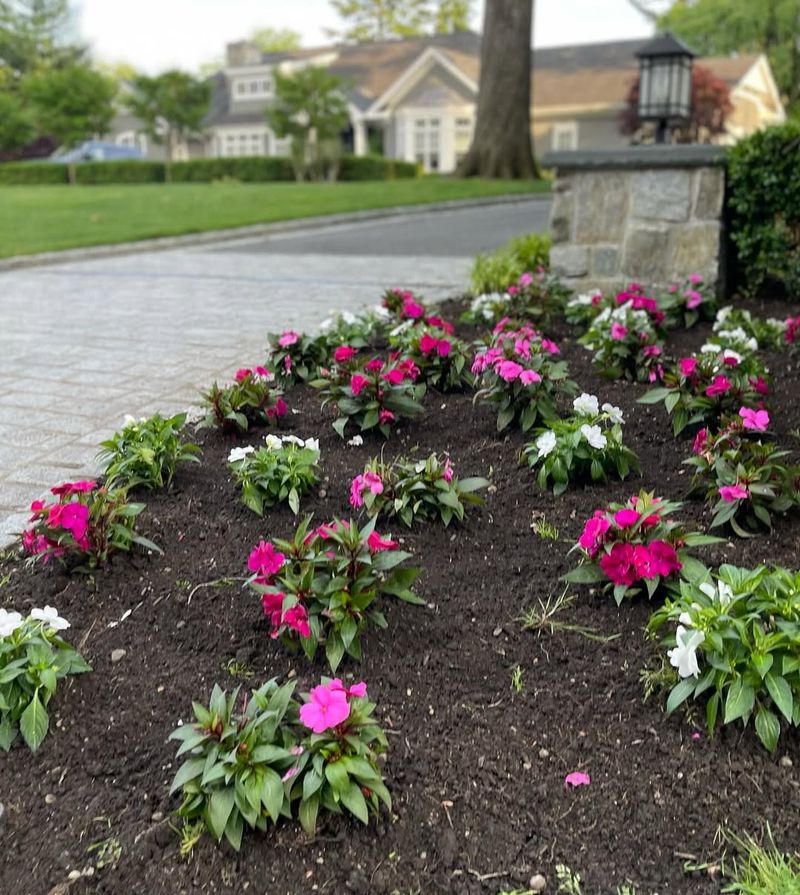
Garden soil that has been lovingly tended and enriched by gardeners becomes irresistibly attractive to squirrels looking for convenient burial spots.
Unlike the hard-packed dirt found in wild areas or under trees, flower bed soil is typically loose, moist, and easy to excavate.
Squirrels can dig quickly and efficiently, spending less energy on each burial.
Oregon gardeners often add compost, mulch, and organic matter to their flower beds, which creates a texture that is perfect for digging.
This fluffy soil allows squirrels to create neat little holes in seconds, tuck their precious nuts inside, and cover them back up without much effort.
The moisture level in well-watered flower beds also plays a role.
Damp soil is much easier to move than dry, compacted ground, making your garden beds the path of least resistance.
Squirrels are smart enough to recognize these ideal conditions and will return to the same spots repeatedly throughout the season.
If you notice fresh digging marks every morning, it is because your flower beds have earned a reputation as the neighborhood’s easiest and most efficient nut storage facility.
Bulbs And Roots Provide Shelter For Hidden Nuts

Your carefully planted bulbs and established perennial roots create natural pockets and hiding places that squirrels find absolutely perfect for their food storage needs.
The spacing between tulip bulbs, daffodil clusters, and other flowering plants forms a three-dimensional landscape underground.
Squirrels instinctively recognize these gaps as secure spots where their nuts will be protected from weather and other animals.
Plant roots also help stabilize the soil around buried nuts, preventing them from shifting or washing away during Oregon’s frequent autumn rains.
This natural reinforcement keeps the stash exactly where the squirrel left it, making retrieval much easier later.
The presence of bulbs and roots also provides camouflage.
When a squirrel buries a nut near existing plants, the disturbed soil blends in more naturally with the surrounding garden activity.
Other foraging animals may overlook these spots because they appear to be part of the established garden structure rather than fresh digging sites.
Squirrels have learned through generations of experience that planting their nuts among your plants offers multiple advantages—protection, stability, and concealment all in one convenient location.
Your Yard Has Become Part Of Their Territory

Squirrels are territorial creatures that establish familiar routes and zones where they feel safe and comfortable conducting their daily activities.
Once your yard becomes part of a squirrel’s regular territory, it will return again and again to bury food in locations it knows well.
This familiarity is crucial for successful food retrieval later in the season.
Oregon neighborhoods with mature trees, bird feeders, and gardens create ideal squirrel habitats.
Your property may sit right in the middle of a squirrel’s established home range, making your flower beds a natural choice for food storage.
Squirrels memorize landmarks like fences, garden ornaments, and specific plants to help them remember where they buried each nut.
Your yard’s unique features become mental markers in their spatial memory system.
By repeatedly visiting your garden, squirrels reinforce their territorial claim and become more confident in their food-hiding activities.
They may even defend these spots from other squirrels who try to move in.
If you see the same squirrel visiting your flower beds day after day, it has officially adopted your yard as part of its survival territory and considers your garden a trusted resource.
Recent Tree Drops Increase Nut Availability
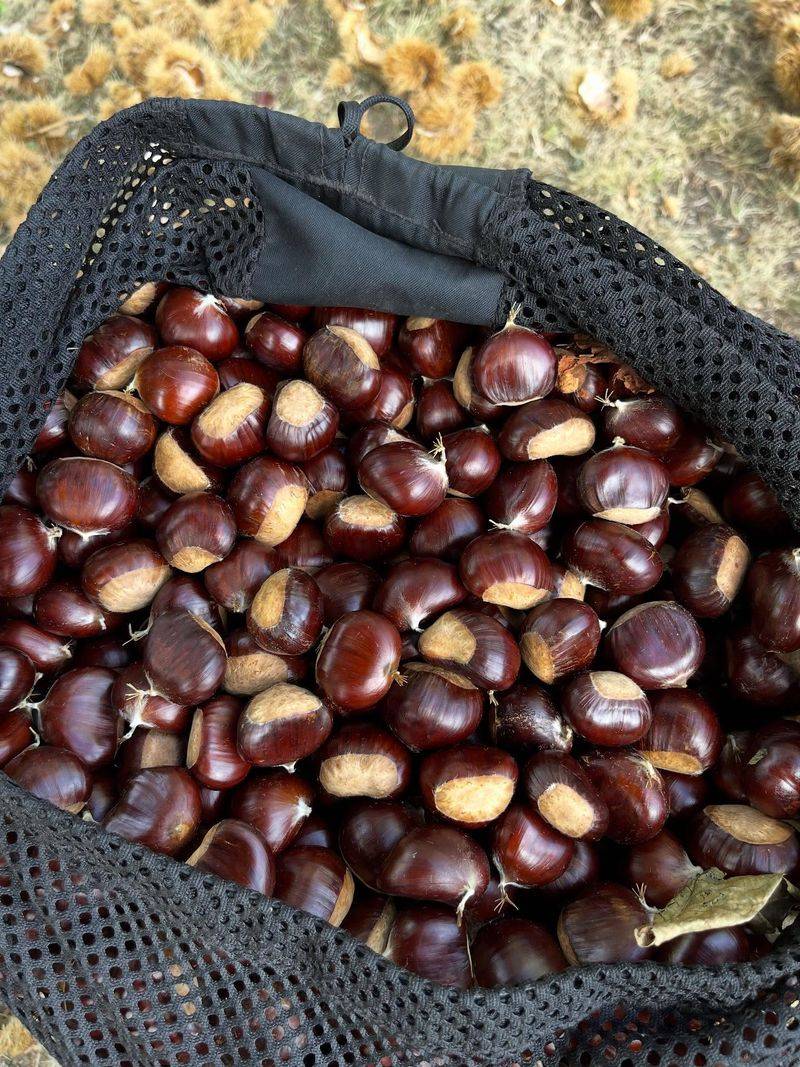
Fall in Oregon brings a spectacular bounty of nuts as native trees like oaks, filberts, and walnuts release their heavy annual crops.
This seasonal abundance triggers a feeding frenzy among local squirrel populations.
When nuts suddenly cover the ground beneath mature trees, squirrels shift into overdrive, gathering and burying as many as they can before other animals claim them.
Oregon oak trees produce especially large acorn crops every few years in what scientists call a mast year.
During these boom times, squirrels have far more food than they can eat immediately, so they focus on storage.
Your flower beds become convenient depositories for this overflow of nuts.
Squirrels will carry acorns, hazelnuts, and walnuts considerable distances from the parent tree to bury them in diverse locations.
This behavior actually benefits the forest ecosystem because forgotten nuts often sprout into new trees.
The timing of tree drops and squirrel burying activity are perfectly synchronized through millions of years of evolution.
When you see increased digging in your garden during peak nut-drop season, you are witnessing an ancient partnership between trees and squirrels playing out right in your backyard.
They Are Trying To Outsmart Other Wildlife

Competition for food resources is fierce in the animal world, and squirrels have developed clever strategies to protect their hard-earned supplies from thieves.
Birds, other squirrels, and even small mammals will happily steal buried nuts if they discover them.
To combat this threat, squirrels practice scatter-hoarding—spreading their food across many different locations rather than storing everything in one place.
Your flower bed is just one piece of a much larger storage network.
By diversifying their cache sites, squirrels ensure that even if a rival discovers one stash, plenty of others remain safe and untouched.
Squirrels also engage in deceptive behavior, sometimes pretending to bury a nut while actually keeping it in their mouth and burying it elsewhere.
This trickery confuses watching competitors who might try to steal the food later.
Oregon gardens with multiple hiding spots—flower beds, vegetable patches, and lawn edges—allow squirrels to maximize their scatter-hoarding strategy.
The more diverse the landscape, the better their chances of outsmarting food thieves.
Next time you see a squirrel glancing around nervously while digging, it is likely checking for competitors and strategizing about the safest burial location.
Flower Beds Retain Nut Smells Better Than Grass
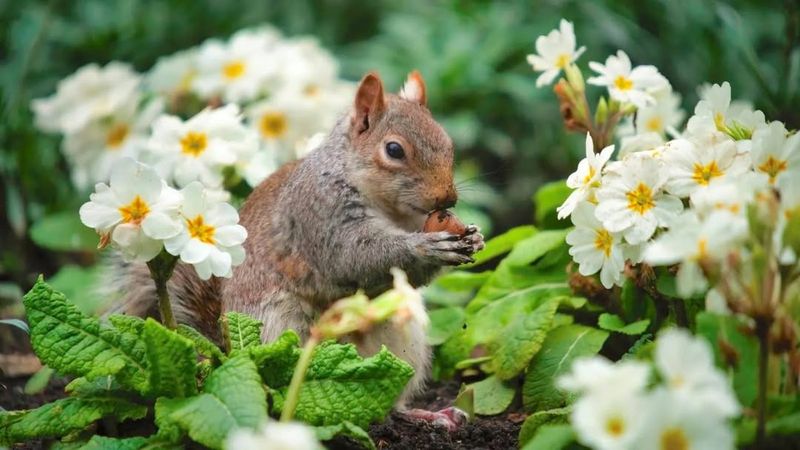
Squirrels rely heavily on their exceptional sense of smell to relocate buried nuts months after hiding them beneath the soil.
Flower bed soil, which is typically richer in organic matter and retains moisture better than grass or bare ground, holds scent molecules more effectively.
This makes it easier for squirrels to sniff out their hidden treasures when they return hungry in winter.
The composition of garden soil—with its compost, mulch, and decomposing plant material—creates a stable environment where the distinctive smell of buried nuts remains detectable for extended periods.
Grass, by contrast, has dense root systems that can interfere with scent trails.
Squirrels also mark their burial sites with scent glands, adding another layer of olfactory information to help them remember exact locations.
The soft texture of flower bed soil absorbs and preserves these scent markers better than harder surfaces.
Oregon’s moist climate further enhances this effect, as humidity helps preserve smells in the soil.
When a squirrel returns to your flower bed in January looking for food, it is following an invisible scent map that leads directly to its buried nuts.
This remarkable sensory ability makes your garden an ideal storage location from the squirrel’s perspective.
Instincts Trigger Extra Stashing Before Cold Spells
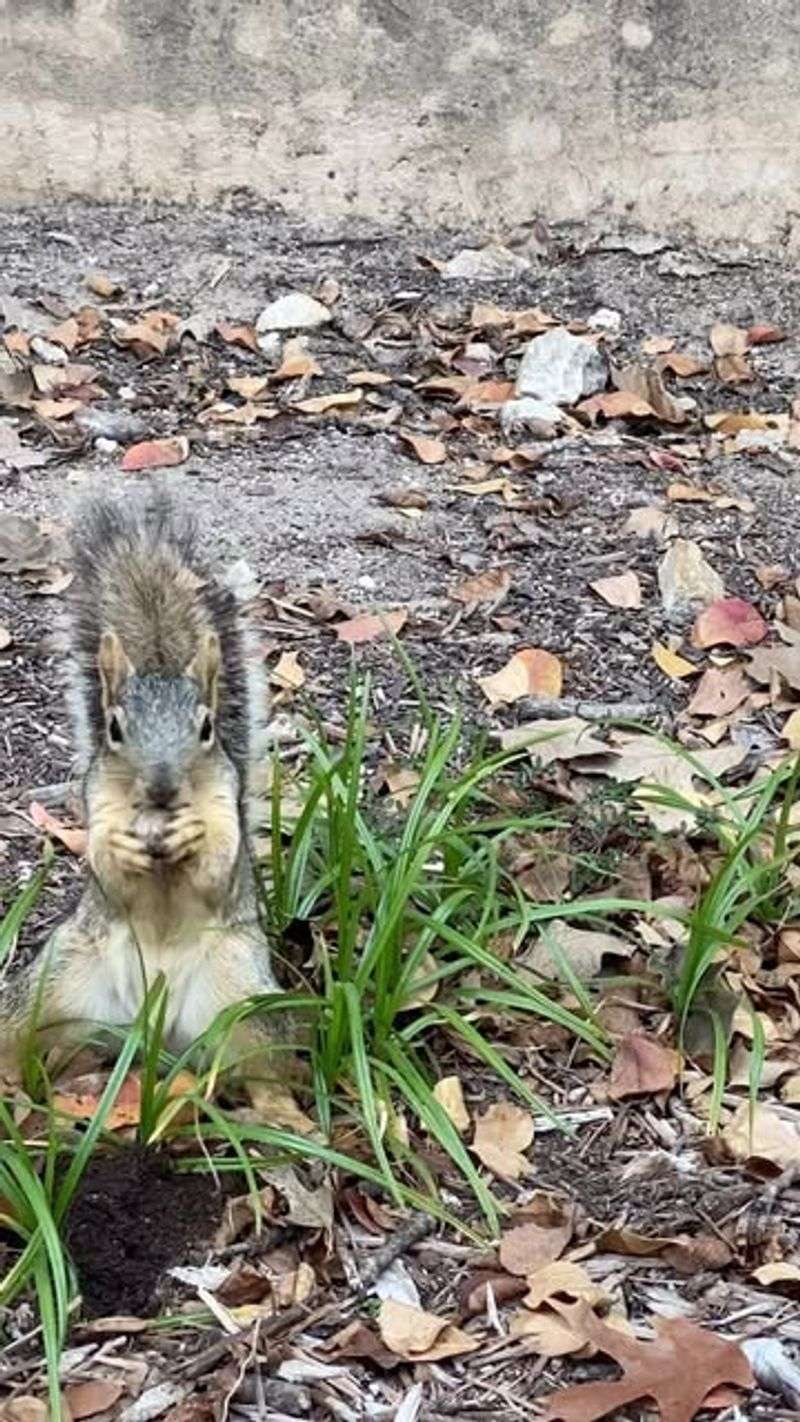
Squirrels possess an almost supernatural ability to sense approaching weather changes, and these instincts drive them to intensify their food-storing activities before cold fronts arrive.
When barometric pressure drops and temperatures begin to fall, squirrels feel an urgent need to stockpile as much food as possible.
This hardwired response has been honed over countless generations to help them survive harsh conditions.
In Oregon, where autumn weather can shift rapidly from mild to cold, squirrels respond by working at a frantic pace during the days leading up to storms or temperature drops.
Your flower beds may suddenly see a surge of digging activity as squirrels rush to complete their preparations.
This behavior is not learned but instinctual, triggered by environmental cues that humans might not even notice.
Changes in daylight length, temperature patterns, and even wind direction all signal to squirrels that winter is approaching.
The urgency you observe in their movements—the quick digging, the hurried covering of holes, the constant back-and-forth trips—reflects genuine biological programming.
Squirrels do not procrastinate when it comes to survival.
Watching this instinct-driven behavior unfold in your garden offers a fascinating glimpse into how wildlife prepares for seasonal challenges.
They Often Forget Some Stashes And That Helps Your Garden
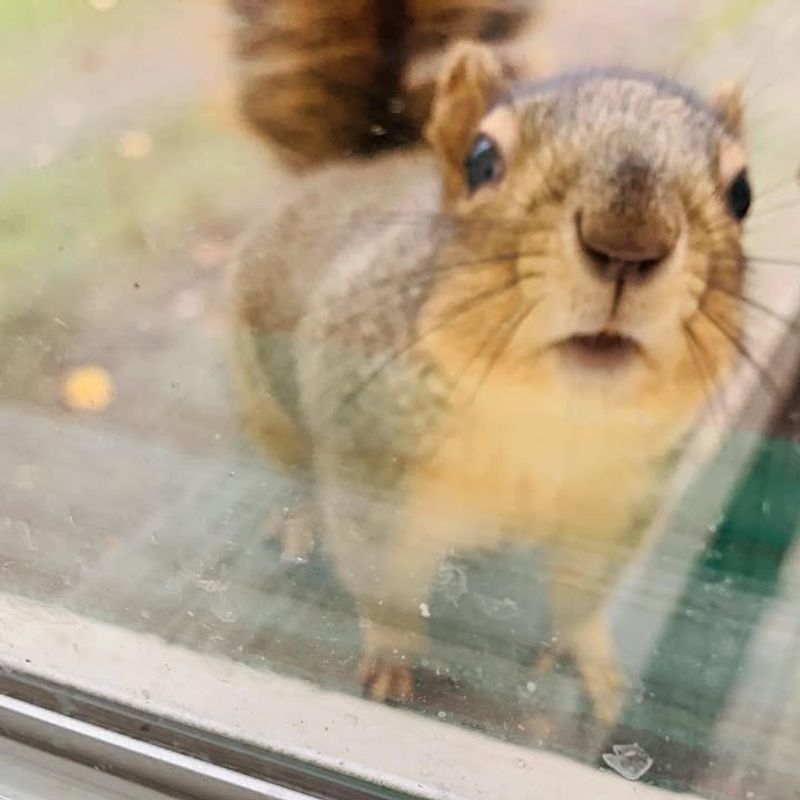
Despite their impressive memory skills, squirrels inevitably forget the locations of some buried nuts, and this forgetfulness creates unexpected benefits for your garden ecosystem.
Forgotten nuts remain in the soil through winter and spring, and many of them germinate into seedlings.
Your flower bed might sprout tiny oak trees, filbert saplings, or walnut seedlings as a direct result of squirrel activity.
This accidental planting service has shaped Oregon’s forests for thousands of years.
Squirrels are actually one of nature’s most effective tree planters, distributing seeds far from parent trees and helping forests expand and regenerate.
In your garden, these volunteer seedlings can be transplanted to other areas of your property or shared with neighbors.
Some gardeners appreciate the free native plants, while others simply enjoy watching nature’s planting process unfold.
The relationship between squirrels and trees is a beautiful example of mutualism—both species benefit from the interaction.
Trees get their seeds dispersed and planted, while squirrels get nutritious food.
Next spring, if you notice a tiny tree sprouting in your flower bed, you can thank the forgetful squirrel who buried that nut last fall and never came back to retrieve it.
Your Landscaping Creates Safe Zones For Hiding Food
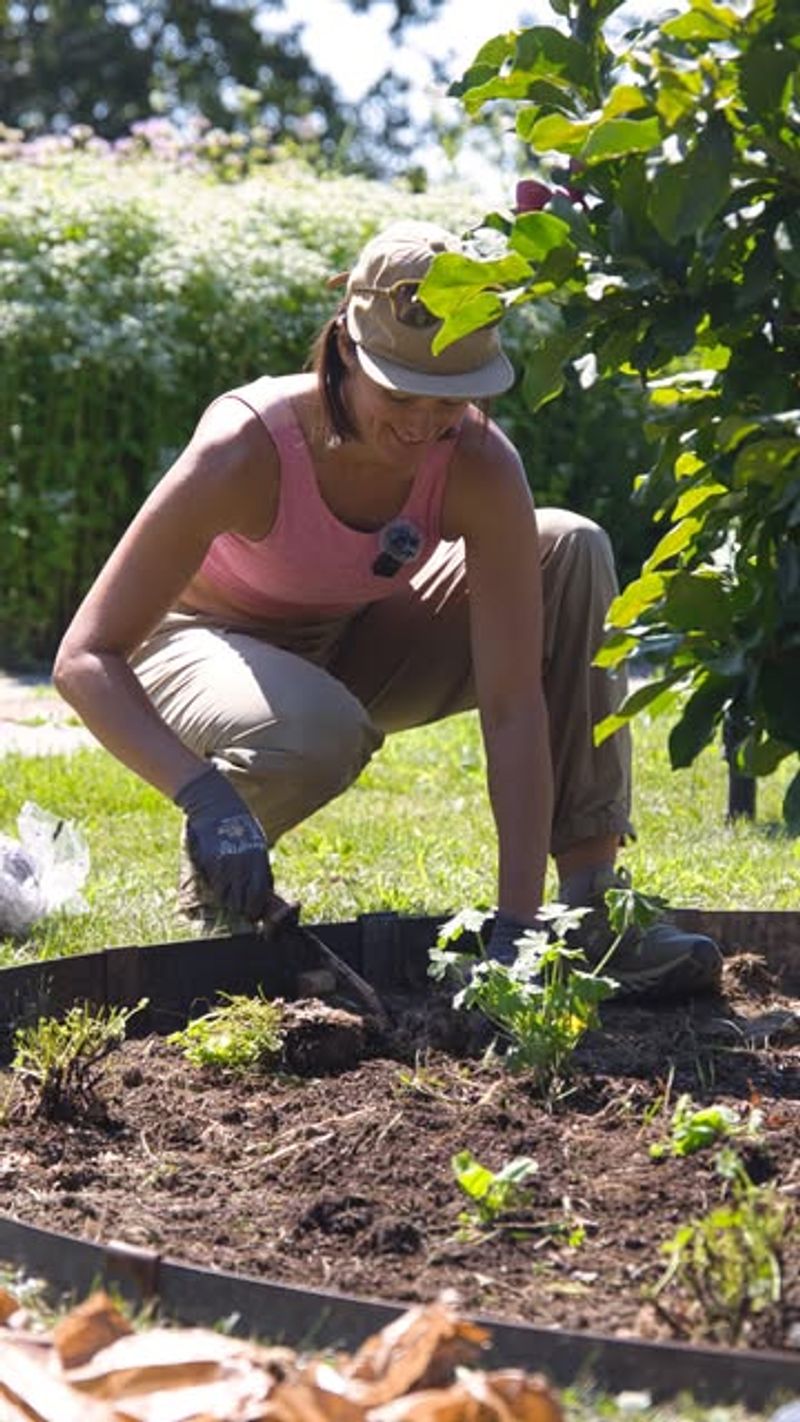
Thoughtfully designed landscaping with shrubs, borders, and mulched areas provides squirrels with the security they need to bury food without fear of predators.
Squirrels are vulnerable when they are focused on digging and burying nuts, so they prefer locations that offer quick escape routes and visual cover.
Your flower beds, surrounded by bushes and garden features, create these protected zones.
Oregon gardens often include native shrubs like Oregon grape, salal, and rhododendrons that provide excellent cover for nervous squirrels.
These plants allow squirrels to work while staying partially hidden from hawks, cats, and other potential threats.
Mulch layers also contribute to the feeling of safety because they muffle sounds and provide a soft landing surface.
Squirrels can dig quietly without attracting unwanted attention from predators or competitors.
Garden borders, raised beds, and decorative edging create physical boundaries that help squirrels feel more secure.
These features break up open spaces and provide psychological comfort while they conduct their important storage work.
When you design your garden with layers and variety, you inadvertently create an ideal environment for squirrel activity.
Your landscaping choices directly influence how comfortable squirrels feel using your flower beds as their personal food storage system.