Why Tennessee Homeowners Are Seeing Sudden Pine Tree Loss
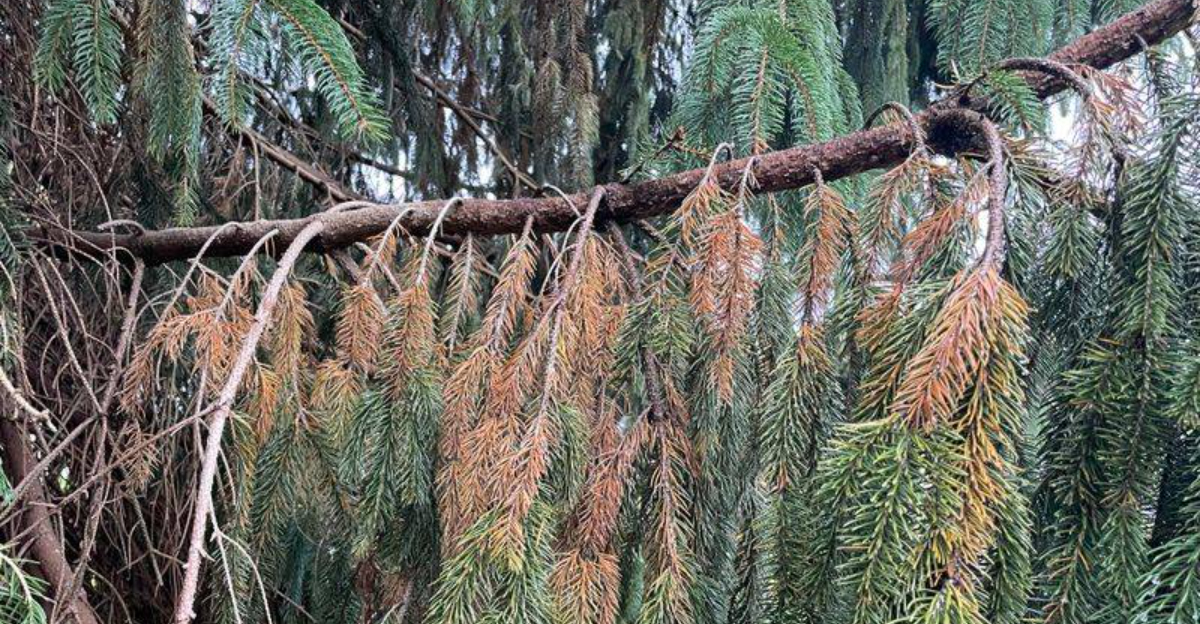
Across Tennessee, pine trees that once stood tall now fade fast, catching homeowners off guard.
One season the yard looks solid as a rock, the next it tells a different story, with brown needles, bare branches, and sudden collapse.
This shift feels like a bolt from the blue, yet it rarely comes without warning.
Heat stress, insects, disease, and weather swings stack the deck against these trees, often striking in quick succession.
Pines may look tough as nails, but even they have a breaking point.
When conditions line up just right, decline moves at warp speed and leaves little room for rescue.
Many property owners assume age or bad luck takes the blame, but deeper forces often sit behind the scenes.
Southern Pine Beetle Infestations
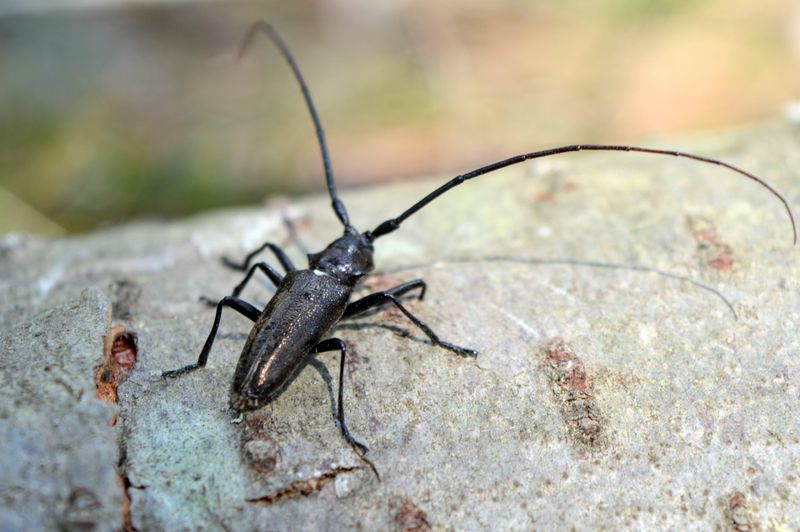
Tiny invaders no bigger than a grain of rice have become one of the biggest threats to pine trees across Tennessee.
Southern pine beetles bore into the bark and create winding tunnels that block the flow of water and nutrients throughout the tree.
Once a tree becomes infested, it can show signs of stress within just a few weeks.
Needles start turning red or yellow, and small holes appear in the bark, often accompanied by white pitch tubes that look like tiny popcorn kernels.
These beetles tend to attack trees that are already weakened by drought or other stressors, but they can also target healthy pines when populations explode.
The insects spread quickly from tree to tree, sometimes wiping out entire groves in a single season.
Warm winters have allowed beetle populations to thrive in Tennessee, leading to more frequent and severe outbreaks.
If you notice sawdust at the base of your pine or woodpecker activity increasing, beetles might already be at work.
Early detection is crucial because once an infestation takes hold, it’s nearly impossible to save the affected tree.
Removing infested trees promptly can help protect nearby pines from the same fate.
Drought Stress And Water Shortages
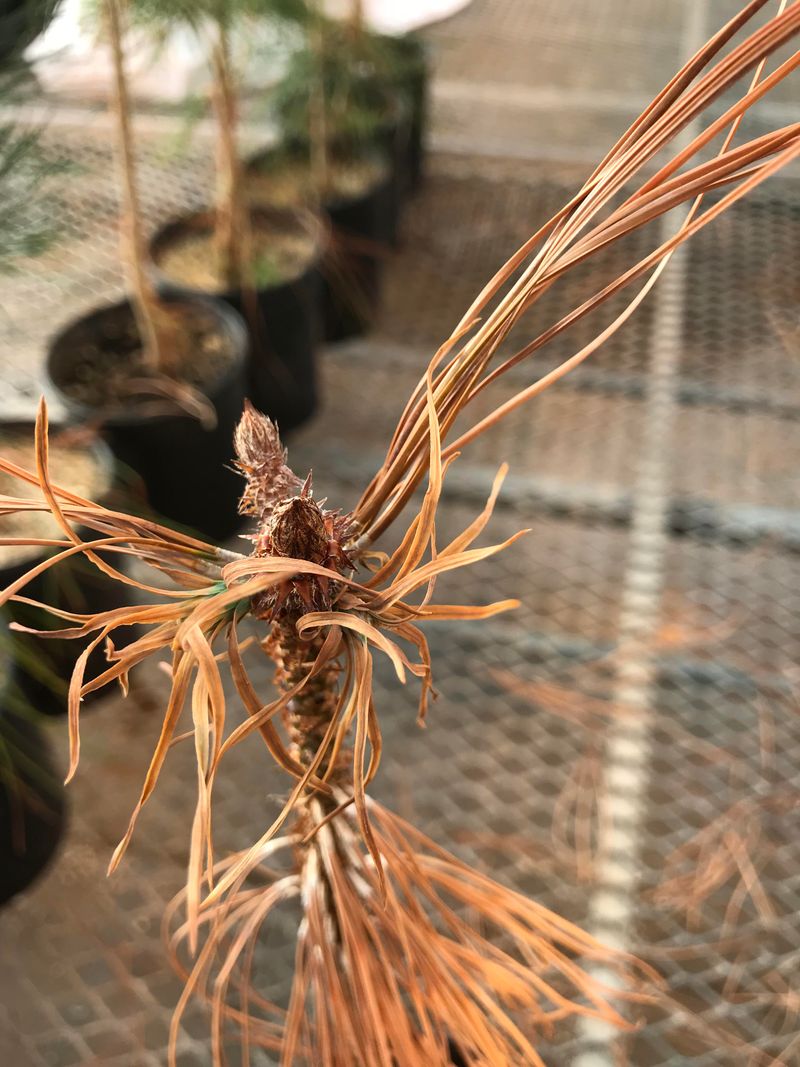
Water is the lifeblood of every tree, and when rainfall becomes scarce, pine trees suffer more than many homeowners realize.
Tennessee has experienced several periods of extended drought in recent years, leaving soil dry and roots struggling to find moisture.
Pine trees have shallow root systems compared to hardwoods, which makes them especially vulnerable during hot, dry spells.
When a pine doesn’t get enough water, it responds by closing its stomata—tiny pores on the needles—to conserve moisture.
This survival mechanism slows down photosynthesis and weakens the tree overall.
Stressed pines become easy targets for pests and diseases that normally wouldn’t pose a serious threat.
Needles may turn brown starting from the tips, and branches can become brittle and drop prematurely.
Young pines and those planted in sandy or rocky soil are at the highest risk because they have less access to deep groundwater.
Homeowners can help by watering deeply but infrequently during dry periods, focusing on the root zone rather than the foliage.
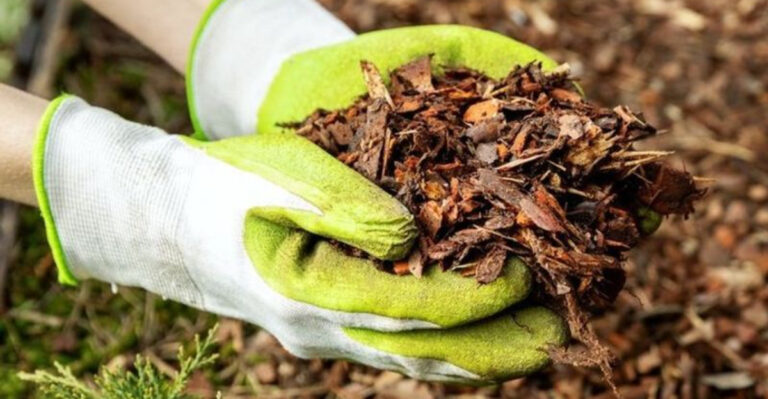
Mulch around the base also helps retain soil moisture and keeps roots cooler during the hottest months.
Root Rot Diseases From Poor Drainage
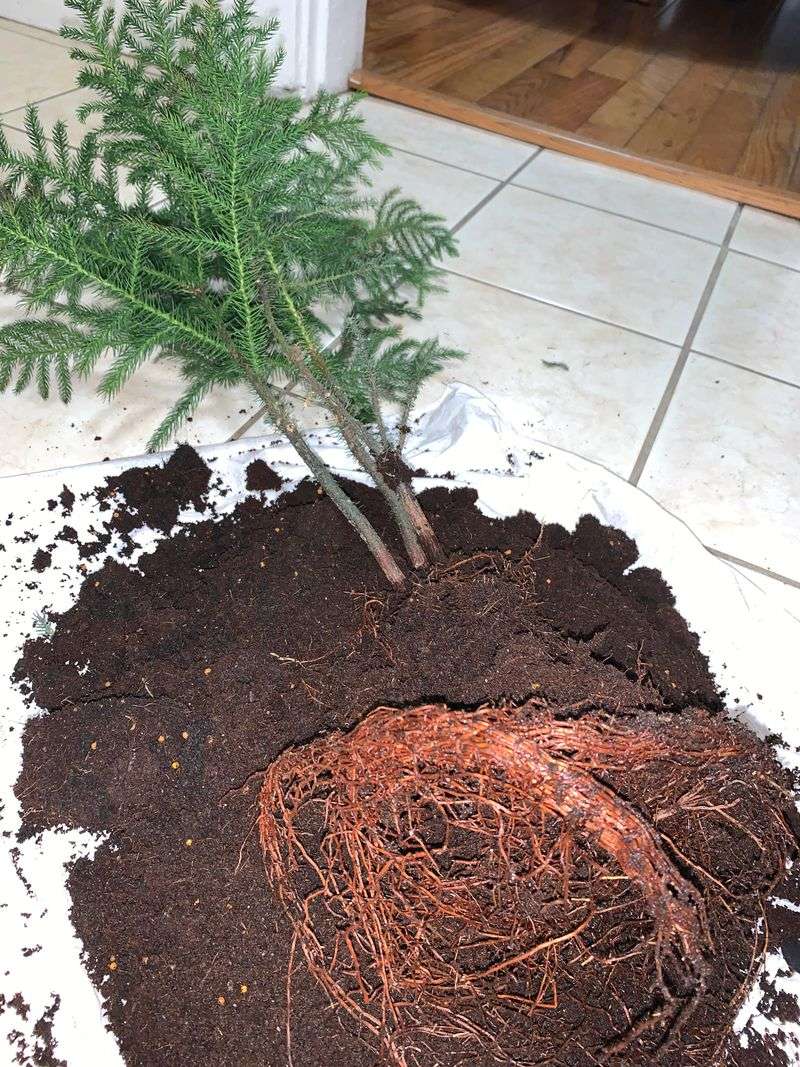
Just as too little water can harm pines, too much water creates a different but equally serious problem.
Root rot diseases thrive in soggy, waterlogged soil where oxygen levels drop and harmful fungi take over.
Tennessee’s clay-heavy soils can trap water around roots, especially in low-lying areas or places with poor grading.
When roots sit in saturated soil for extended periods, they begin to decay and lose their ability to absorb nutrients.
Phytophthora and other fungal pathogens attack weakened roots, spreading through the soil and infecting nearby trees as well.
Above ground, the symptoms often appear gradually—needles fade to a dull green, then yellow, and eventually brown.
The tree may lean or become unstable as the root system deteriorates beneath the surface.
Heavy rains combined with compacted soil create perfect conditions for root rot to develop and spread.
Homeowners should avoid planting pines in areas where water tends to pool after storms.
Improving drainage through French drains, grading adjustments, or raised planting beds can make a significant difference.
Once root rot sets in, treatment options are limited, making prevention the best strategy.
Needle Blight Fungal Infections
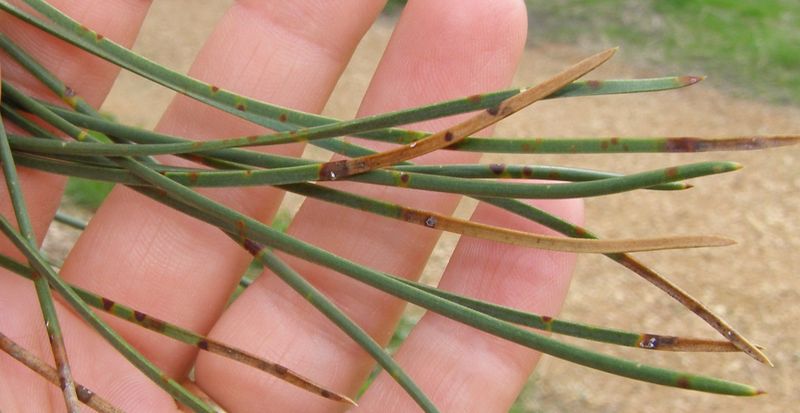
Fungal diseases that target pine needles have become increasingly common across Tennessee, especially during wet springs and humid summers.
Needle blight infections cause needles to develop brown or black spots, eventually leading to premature needle drop.
Dothistroma and brown spot needle blight are two of the most frequent culprits, spreading through rain splash and wind.
Spores land on healthy needles and germinate when conditions are moist, creating lesions that interrupt the needle’s ability to photosynthesize.
Over time, infected needles turn completely brown and fall off, leaving branches bare and exposed.
Repeated infections weaken the tree year after year, reducing its vigor and making it more susceptible to other threats.
Younger trees and certain pine species like Austrian and Scots pines are particularly prone to these blights.
Crowded plantings with poor air circulation create ideal conditions for fungi to spread rapidly from tree to tree.
Homeowners can reduce the risk by spacing trees properly and removing fallen needles that harbor spores.
Fungicide applications in early spring may help protect valuable specimen trees, but they need to be timed correctly to be effective.
Pruning lower branches improves airflow and reduces moisture retention around the foliage.
Ice And Storm Damage Weakening Trees
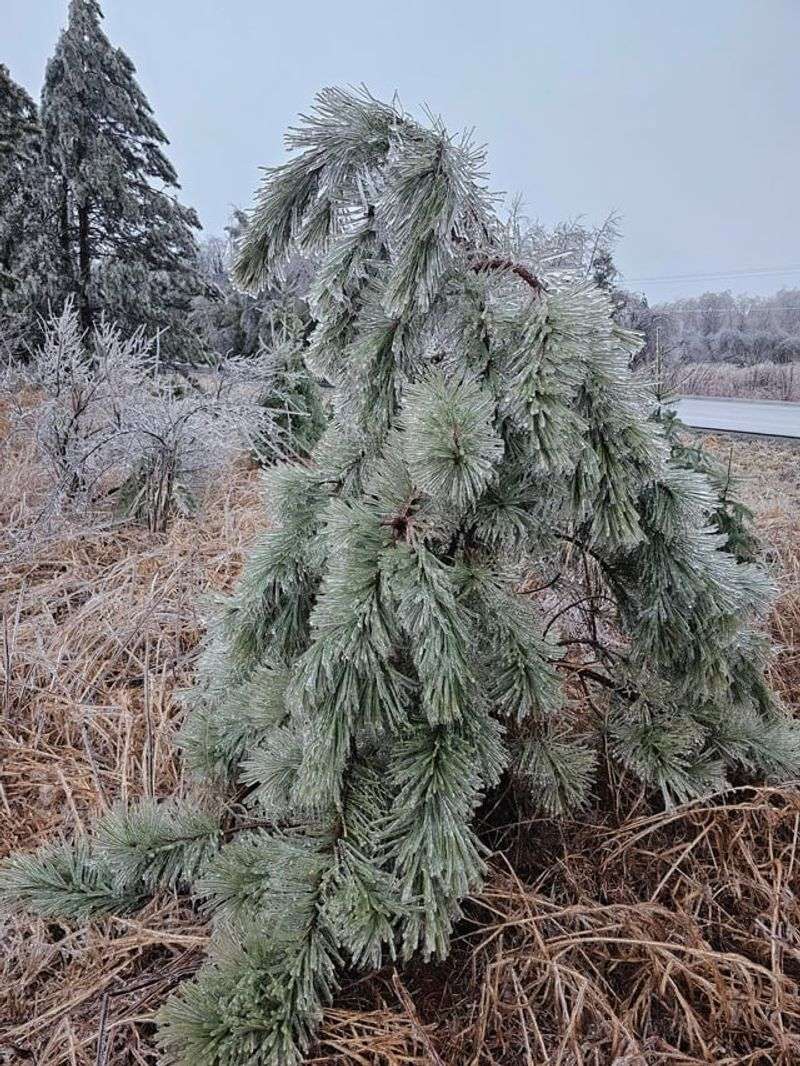
Tennessee winters can bring unpredictable weather, from heavy ice storms to strong winds that wreak havoc on pine trees.
Ice accumulation weighs down branches, causing them to snap or split away from the trunk.
Even after the storm passes, the damage continues as broken branches create entry points for pests and diseases.
Pines with multiple trunks or weak branch angles are especially vulnerable to structural failure during severe weather events.
Once the protective bark is torn or cracked, moisture seeps into the wood and fungi begin to colonize the wounded tissue.
Over time, these injuries compromise the tree’s overall health and stability, leading to decline that may not become obvious until months later.
Strong winds can uproot shallow-rooted pines or cause them to lean dangerously, putting nearby structures and power lines at risk.
Homeowners should inspect trees after major storms and remove any hanging or broken branches promptly.
Proper pruning techniques help trees develop stronger structure and better withstand future weather challenges.
Young pines benefit from staking and support during their first few years, giving roots time to anchor firmly in the soil.
Regular tree health assessments can identify weak points before they become serious problems.
Soil Compaction And Construction Impact
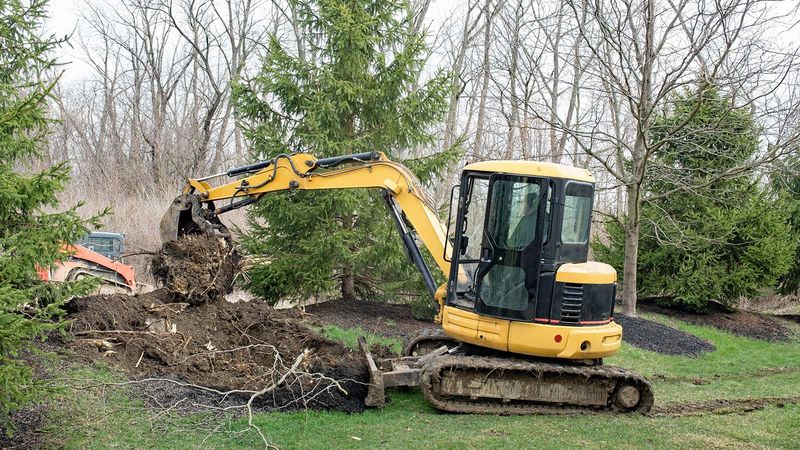
Building projects and heavy equipment can silently harm pine trees long before visible symptoms appear on the branches.
Soil compaction from vehicles, foot traffic, or construction machinery crushes the tiny air pockets that roots need to breathe and grow.
Pines have extensive but shallow root systems that spread far beyond the drip line, making them vulnerable even when work happens several feet from the trunk.
Compacted soil prevents water and nutrients from reaching roots effectively, slowly starving the tree over time.
Grade changes that add or remove soil around the root zone can be equally damaging, altering drainage patterns and oxygen availability.
Trenching for utilities or drainage lines often severs major roots, destabilizing the tree and reducing its ability to absorb resources.
Symptoms may not show up immediately—it can take months or even years for a tree to display signs of stress from construction damage.
Needles gradually thin out, growth slows, and the tree becomes more susceptible to secondary problems like beetles or disease.
Protecting the critical root zone with fencing during construction is essential for preserving existing trees.
Aerating compacted soil and adding organic matter can help restore some function to damaged areas.
Consulting an arborist before breaking ground can save valuable trees from unnecessary harm.
Pine Wilt Disease From Nematodes
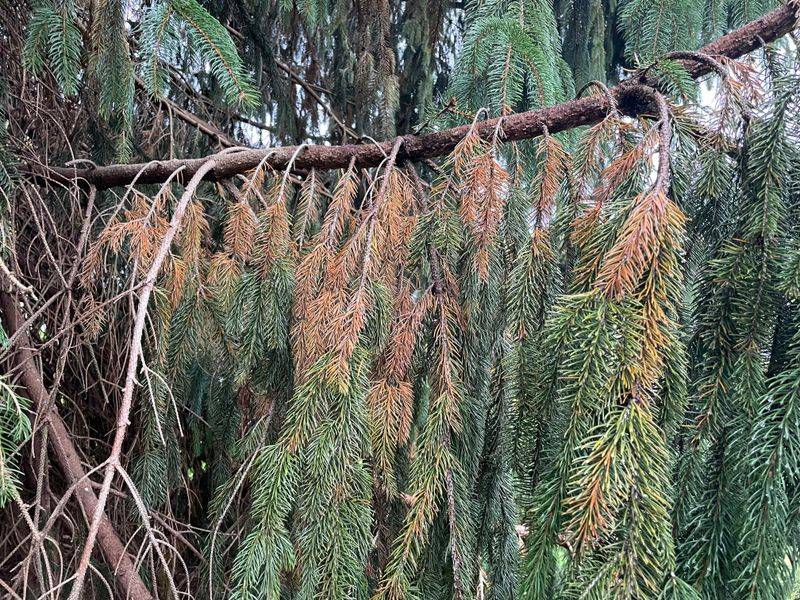
A microscopic enemy has been quietly spreading through Tennessee pine populations, causing rapid decline that often catches homeowners off guard.
Pine wilt disease results from tiny roundworms called pinewood nematodes that invade the tree’s water-conducting tissues.
These nematodes are carried from tree to tree by pine sawyer beetles, which feed on stressed or freshly cut pine wood.
Once inside a tree, the nematodes multiply quickly and block the flow of water, causing needles to wilt and fade almost overnight.
The disease moves so fast that a healthy-looking pine can turn completely brown within just a few weeks.
Scots and Austrian pines are most susceptible, though other species can also become infected under the right conditions.
There is no cure for pine wilt once a tree is infected, and the nematodes remain in the wood even after the tree declines.
Removing affected trees immediately and disposing of the wood properly helps prevent beetles from spreading the disease further.
Avoid storing or leaving pine logs and firewood near healthy trees during the warmer months when beetles are most active.
Chipping or burning infected wood can eliminate the nematodes and break the cycle.
Planting resistant pine species reduces the risk of future outbreaks in your landscape.
Age-Related Decline And Natural Lifespan
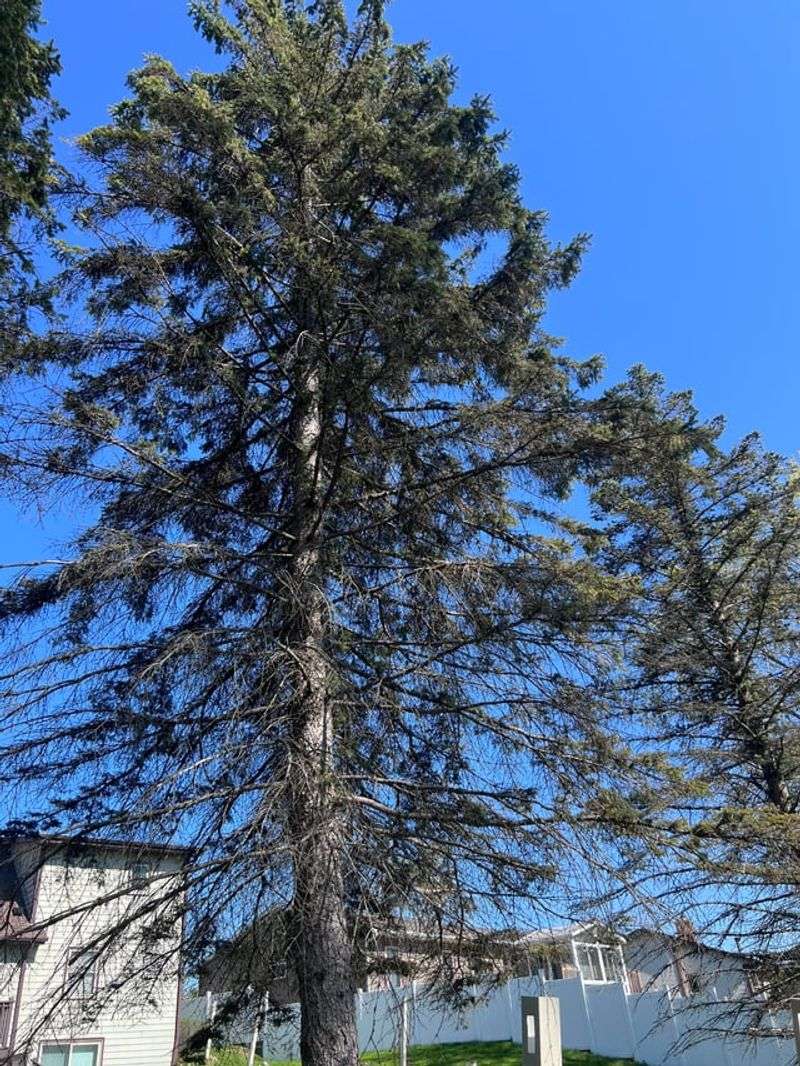
Not every pine tree loss stems from pests or disease—sometimes trees simply reach the end of their natural lifespan.
Most pine species live between 50 and 150 years depending on the variety and growing conditions.
As pines age, their growth slows, and they become less able to fend off stressors that younger trees would handle easily.
The crown thins out gradually, with fewer new needles produced each year and older needles dropping more frequently.
Bark may become deeply furrowed and cracked, and branches can become brittle and prone to breakage.
Older trees also develop weaknesses in their root systems, making them more vulnerable to windthrow during storms.
While it’s natural to want to save every tree, sometimes the kindest and safest choice is to remove a declining pine before it becomes hazardous.
Mature pines near homes, power lines, or high-traffic areas pose risks if large branches or the entire tree were to fall unexpectedly.
Homeowners can plan ahead by planting younger trees to replace aging specimens, ensuring continuous canopy cover and landscape beauty.
Regular inspections by a certified arborist can help determine whether an older pine is still structurally sound or if removal should be considered.
Celebrating the life of a mature tree while planning for the future keeps your property safe and attractive.