Why That Clump In Your Oklahoma Tree Probably Isn’t A Bird Nest
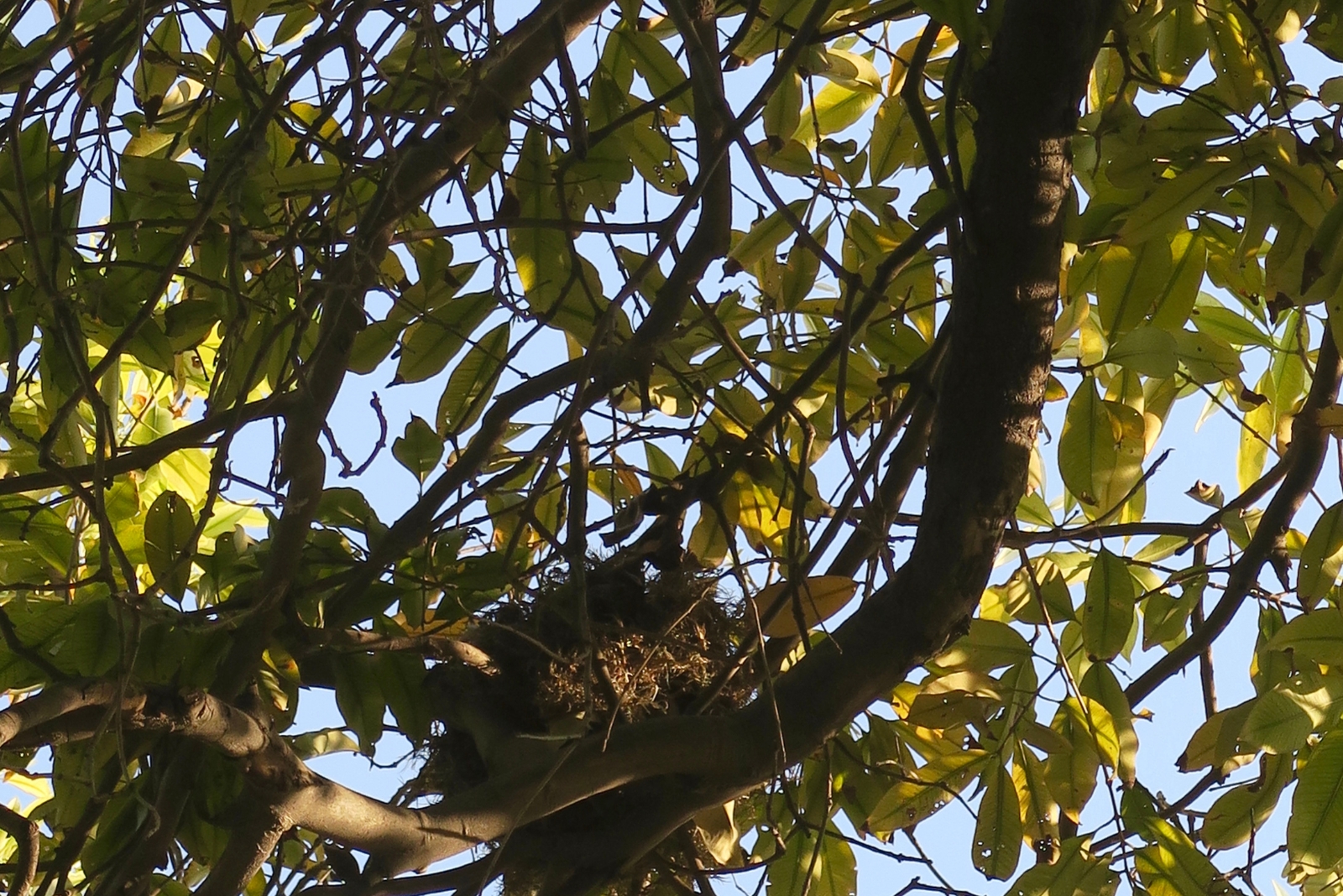
Oklahoma trees can hide some strange-looking clumps that fool almost everyone at first glance. I remember spotting one in my yard and immediately assuming a bird built it.
A closer look proved it was something completely different. Once you know what these clusters really are, they stop being such a mystery.
1. Squirrel Dreys Look Deceptively Similar
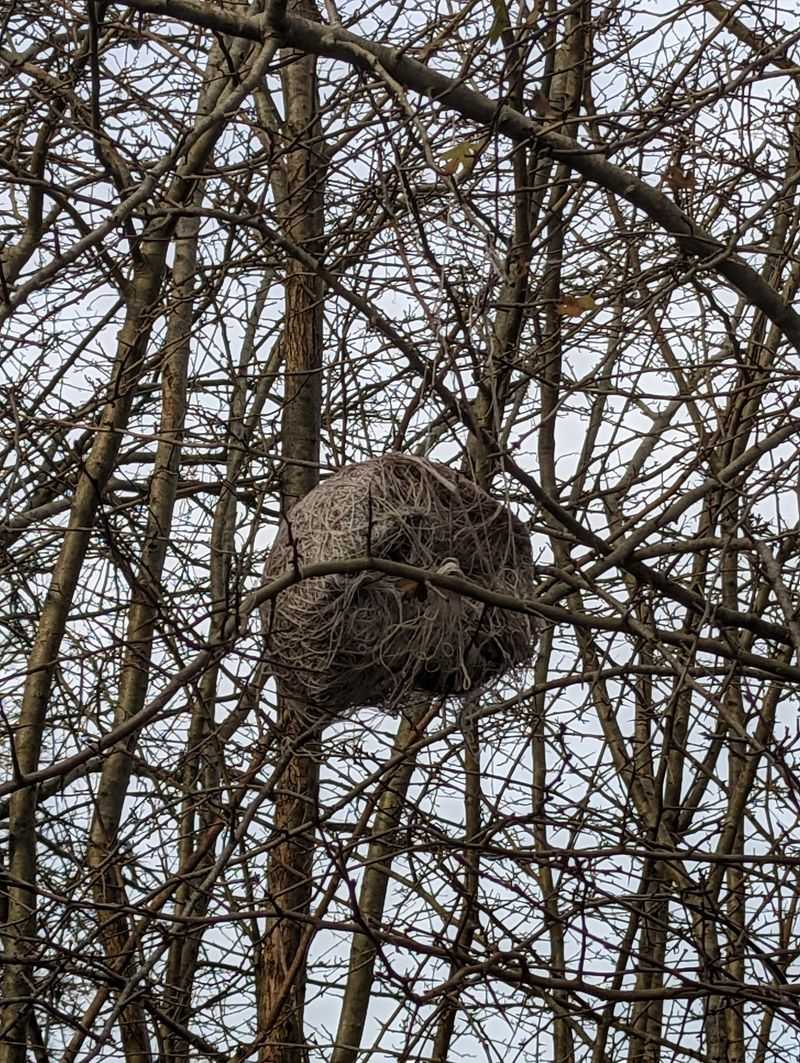
Squirrels build leafy homes called dreys that often fool people into thinking they’re bird nests. Oklahoma’s fox squirrels and gray squirrels construct these round bundles using leaves, twigs, and bark strips.
Dreys typically appear larger and messier than most bird nests, sitting in tree forks or against trunks. During fall and winter in Oklahoma, these structures become more visible as surrounding leaves drop away.
If you see the clump being used during cold months, it’s almost certainly a squirrel home rather than a bird nest.
2. Mistletoe Creates Dense Green Clusters
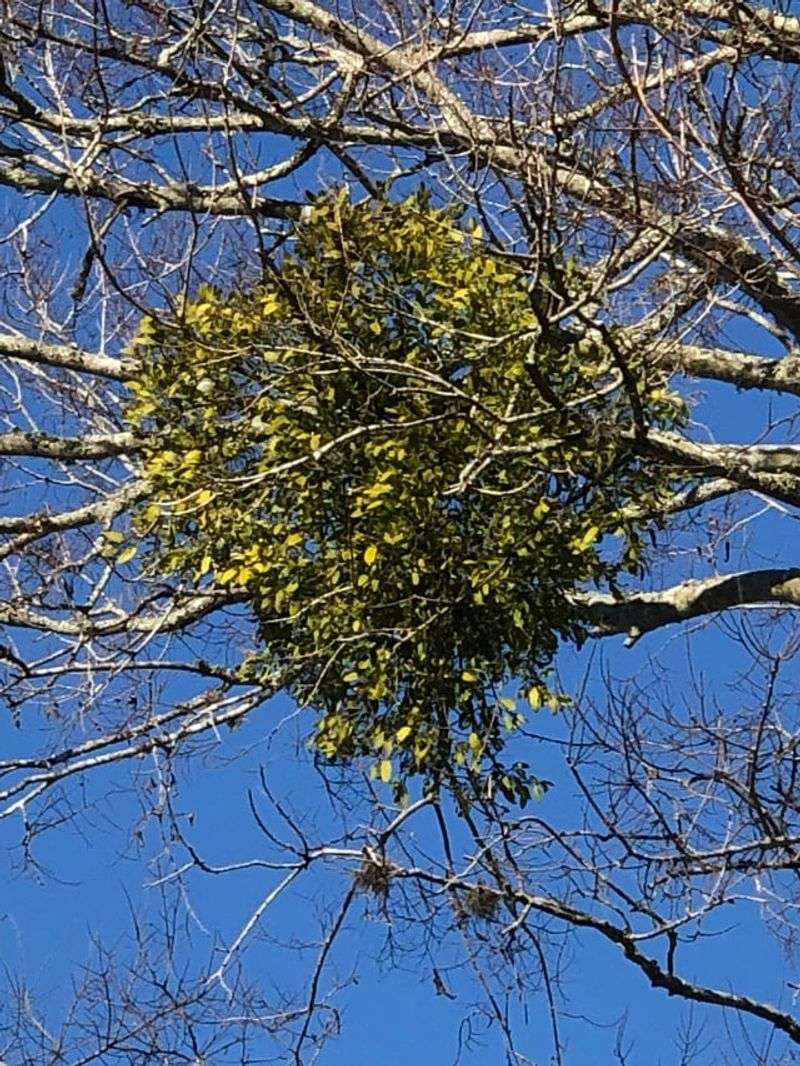
Mistletoe is a parasitic plant that grows directly on tree branches throughout Oklahoma, creating ball-shaped green masses. Unlike nests, mistletoe stays green year-round and continues growing larger over time.
Oak trees and elm trees across Oklahoma commonly host these persistent plants. The clumps have thick, waxy leaves that look nothing like nest materials when you examine them closely.
Mistletoe actually steals water and nutrients from its host tree, which can weaken or damage Oklahoma trees if left unchecked for years.
3. Witch’s Broom Disease Causes Weird Growth
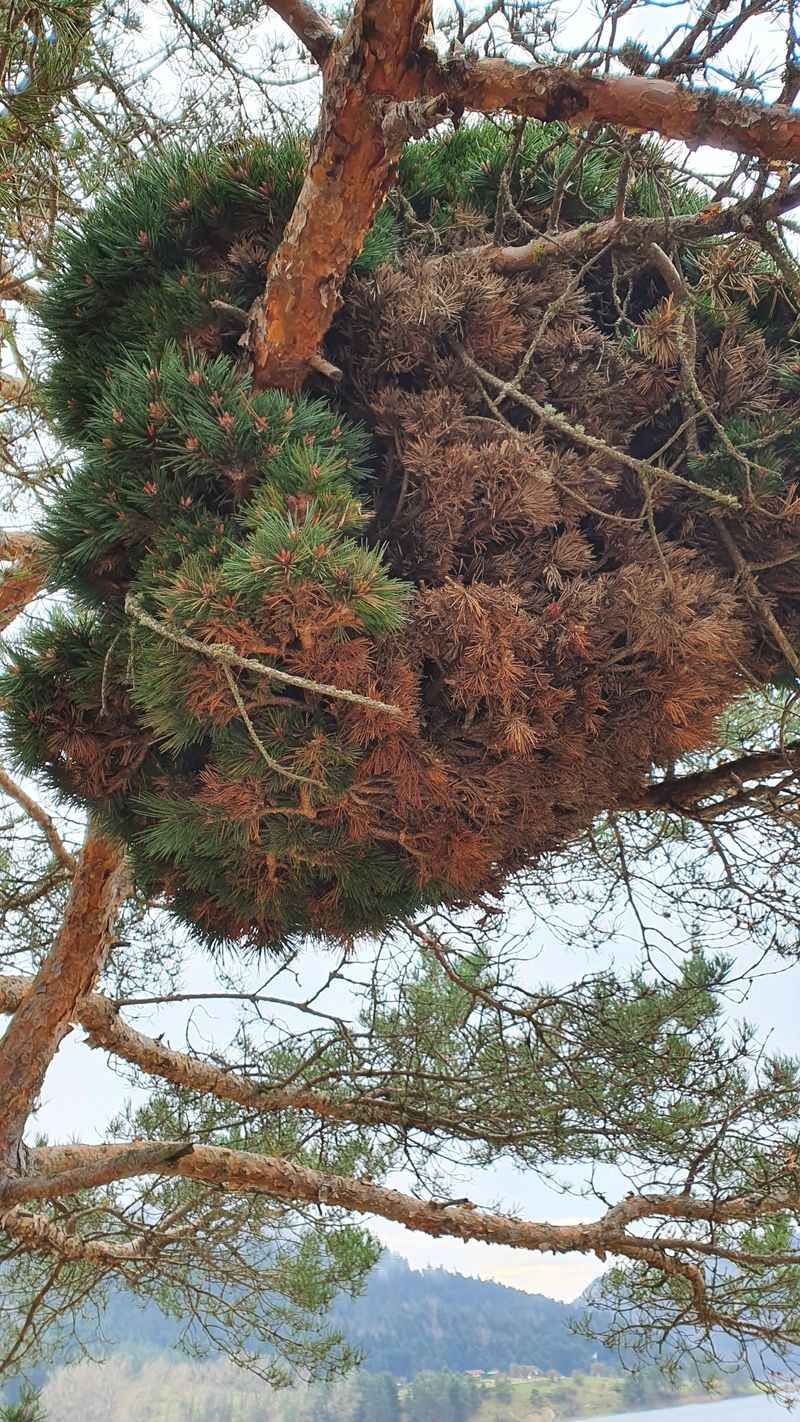
Certain fungal infections and mites cause trees to grow abnormal twig clusters called witch’s brooms. These bunches of densely packed branches look like tangled bird nests from a distance.
Oklahoma’s hackberry trees frequently develop these strange growths, which stay attached permanently and grow year after year. The twigs branch out excessively in one spot, creating a bushy mass that never falls down.
Unlike actual nests, witch’s brooms are living parts of the tree itself, not something built by animals.
4. Wasp Nests Hang Like Paper Balls
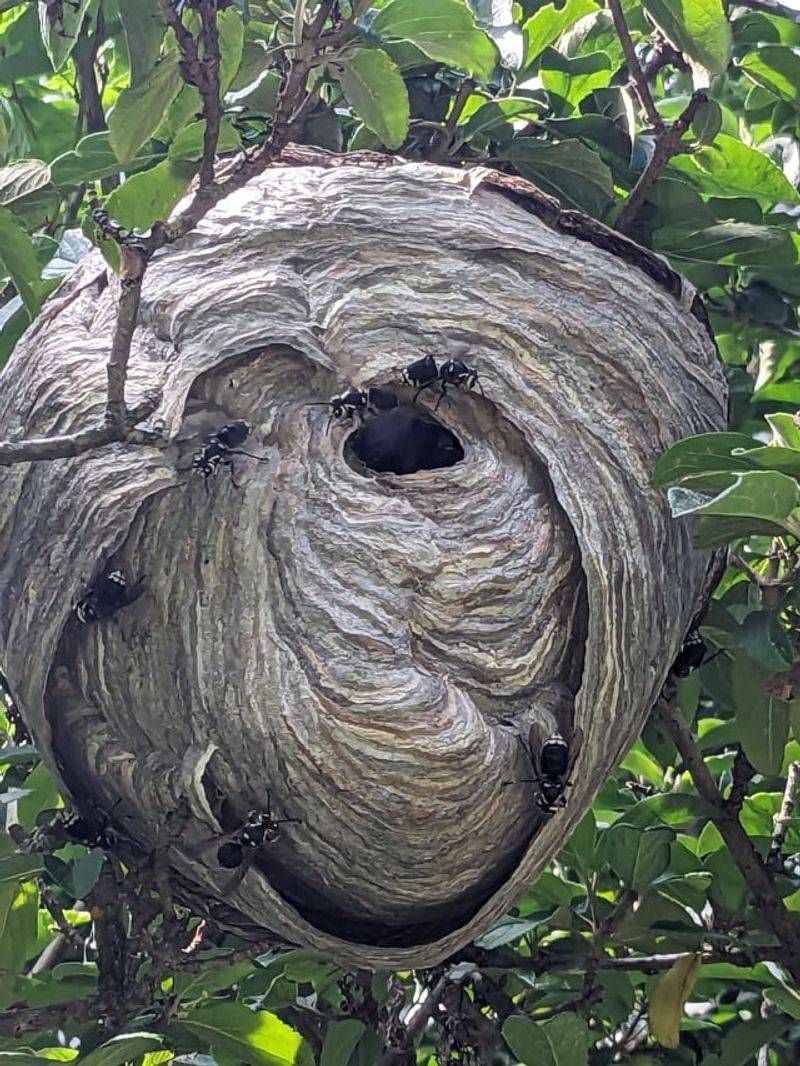
Paper wasps and bald-faced hornets construct papery gray or brown nests that dangle from Oklahoma tree branches. These nests have a distinctive paper-like texture made from chewed wood fibers mixed with wasp saliva.
During summer months across Oklahoma, these nests can grow basketball-sized and might be mistaken for unusual bird homes. However, their smooth, layered exterior looks completely different from twiggy bird nests.
Always keep your distance from suspected wasp nests, especially during Oklahoma’s warm months when colonies are most active and defensive.
5. Bagworm Cases Cluster Together
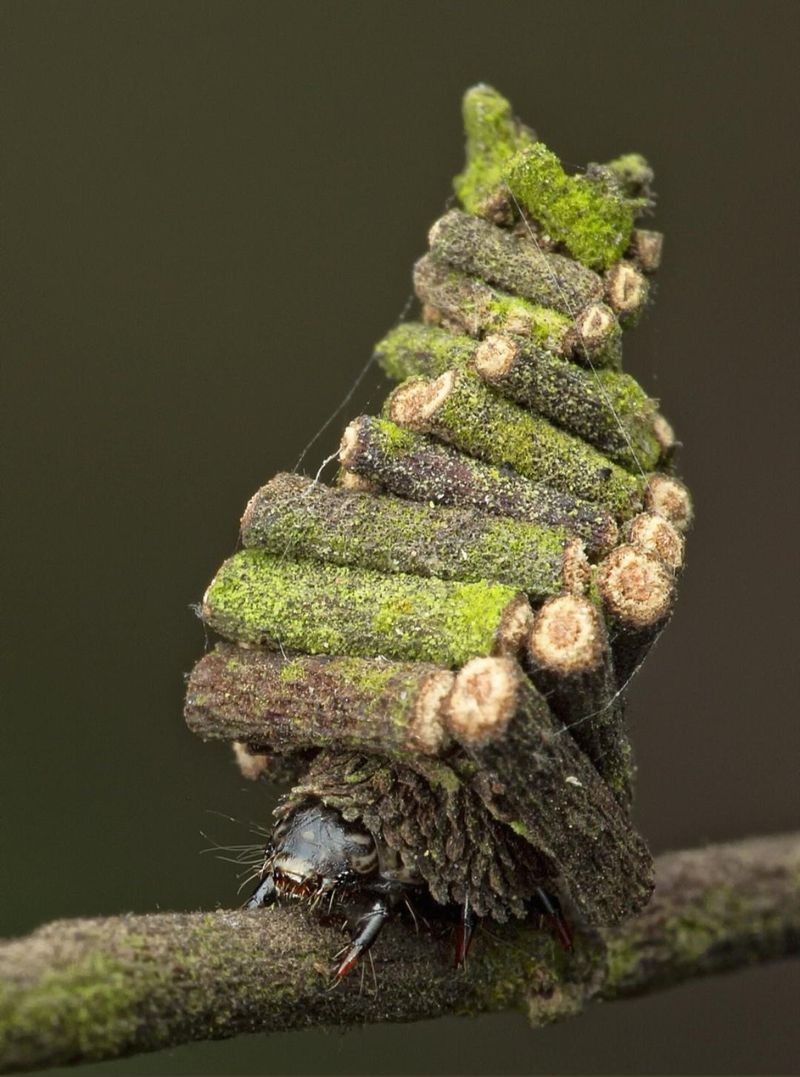
Bagworms are caterpillars that build protective cases from silk and plant materials, creating small cone-shaped structures on Oklahoma trees. When dozens cluster together on one branch, they can resemble a messy nest from afar.
Oklahoma’s juniper trees and arborvitae shrubs commonly suffer from bagworm infestations. Each individual case measures only one to two inches long, but grouped together they form noticeable clumps.
These pests can seriously damage or kill Oklahoma evergreens if populations aren’t controlled during spring and early summer months.
6. Abandoned Leaf Piles From Storms
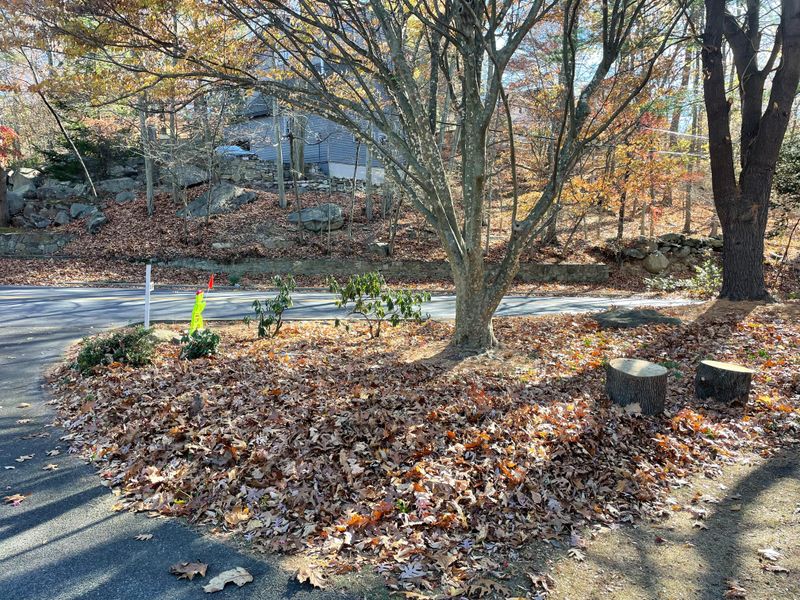
Oklahoma’s frequent thunderstorms and high winds often lodge loose branches, leaves, and debris into tree forks, creating nest-like accumulations. Wind can wedge materials so firmly that they stay put for months or even years.
Tornadoes and severe weather common to Oklahoma can deposit surprising items high in trees, from plastic bags to entire branches from other trees. These random collections lack the careful construction patterns that birds use when building nests.
After major storms pass through Oklahoma, check your trees for these accidental clumps that fooled nobody into building them.
7. Galls Form Unusual Bumps and Clusters
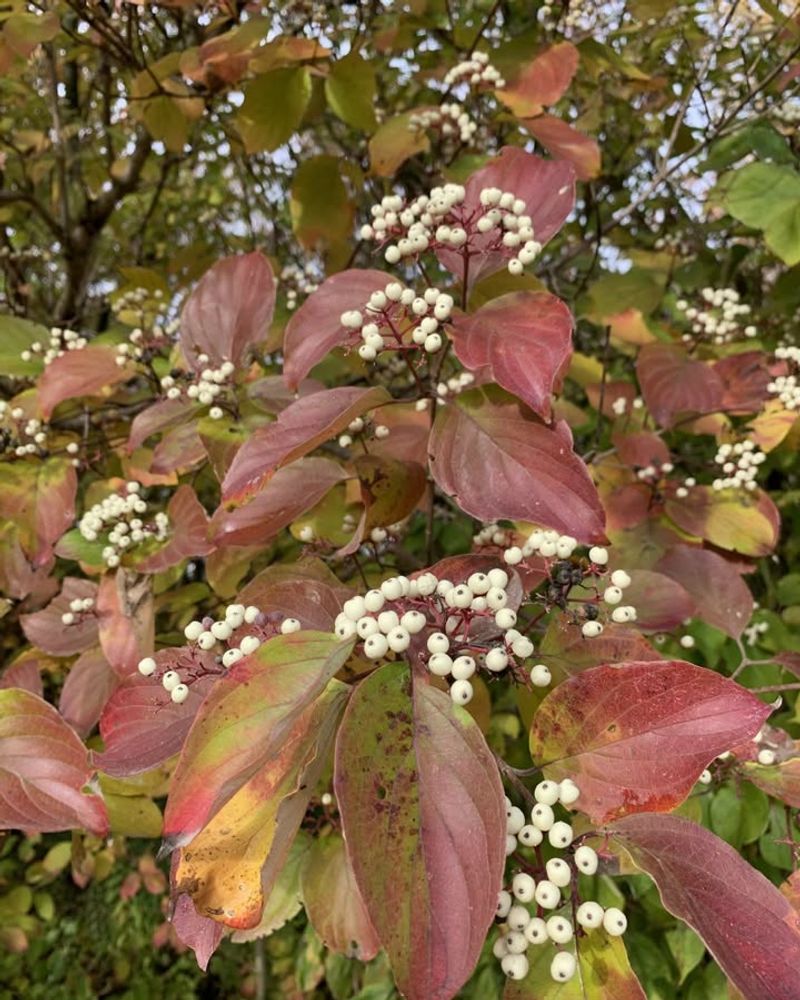
Tree galls are abnormal growths caused by insects, mites, or fungi that trigger unusual cell development in Oklahoma trees. Some galls create clustered, lumpy formations that might look like nests to casual observers.
Oak trees throughout Oklahoma frequently develop various types of galls, from small ball-shaped growths to larger irregular clusters. Galls are actually part of the tree’s tissue, not separate structures built by creatures.
While they look strange, most galls don’t seriously harm Oklahoma trees and simply add character to your backyard landscape throughout the seasons.