Why This Native Flower Used To Grow Near Every Ohio Farmhouse
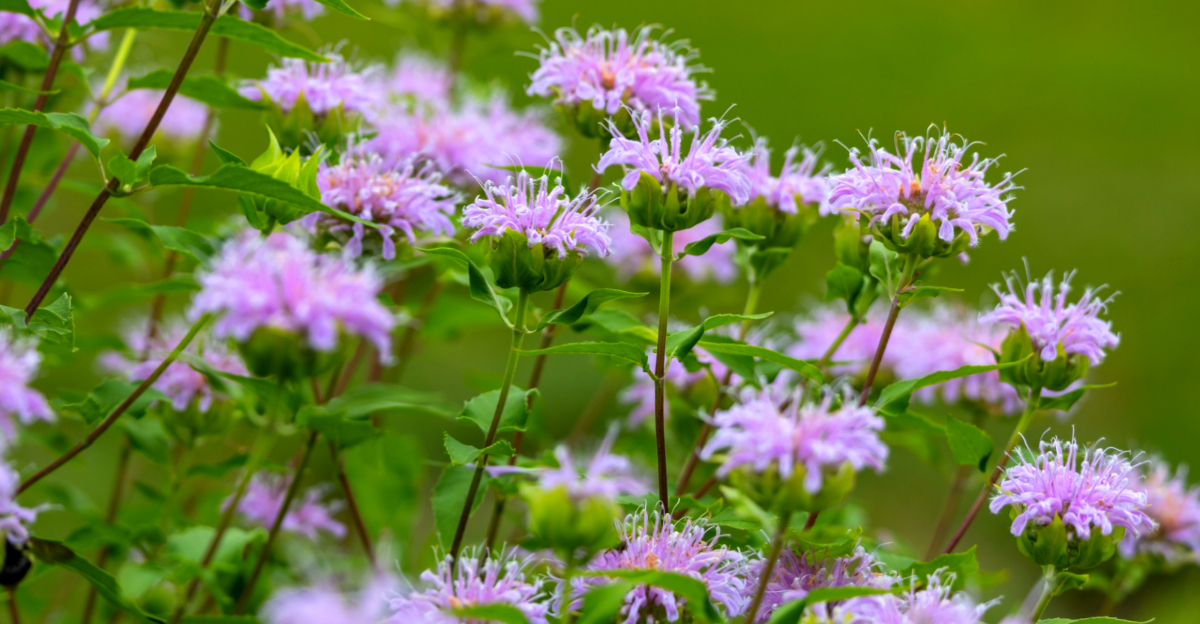
Old Ohio farmhouses were often surrounded by plants that had to do more than just look pretty. They needed to handle the weather, fit the landscape, and bring something useful to the yard through the long growing season.
Wild Bergamot, with its soft lavender blooms and fragrant leaves, fit that role beautifully. It looked right at home near fence rows, open fields, and sunny garden edges, adding color without feeling fussy or out of place.
For generations, this Ohio native would have blended naturally into the kind of practical, hardworking landscape that shaped so many rural home places.
1. Wild Bergamot Fit Naturally Into Old Ohio Farmhouse Landscapes
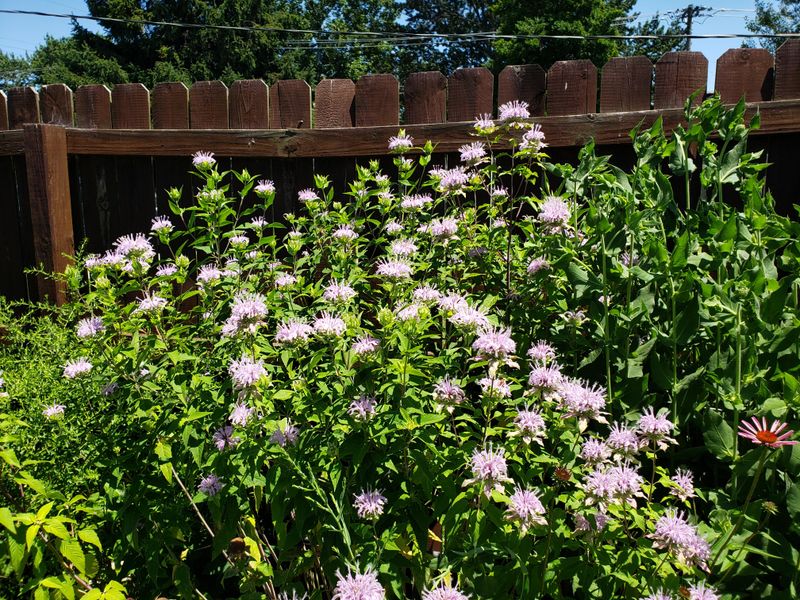
Old fence rows and sunny field edges around Ohio home places had a kind of unplanned beauty that came from plants choosing their own spots.
Wild Bergamot was one of those plants that seemed to belong wherever it appeared, spreading gently along borders, filling in open ground, and softening the edges between cultivated yards and open land.
It was native to Ohio and much of the eastern and central United States, so it was already adapted to the soil types, rainfall patterns, and seasonal rhythms that Ohio gardeners knew well.
Unlike introduced ornamentals that needed coaxing and extra care, Wild Bergamot had evolved alongside the landscape.
It grew in clumps that expanded slowly over time, eventually forming loose colonies that looked at home near a barn foundation or along a sunny path.
Farmhouse plantings often favored plants that could handle some neglect, and this one delivered on that expectation reliably.
The plant’s upright stems, which typically reach two to four feet tall, gave it a natural structure that worked well in informal settings. Whether it was tucked beside a vegetable garden or left to spread along a field margin, it contributed to the layered, lived-in look that old Ohio farmsteads often had.
It was not a showy specimen plant – it was a working part of the landscape, and that made it feel genuinely at home.
2. This Native Flower Thrived With Very Little Fuss
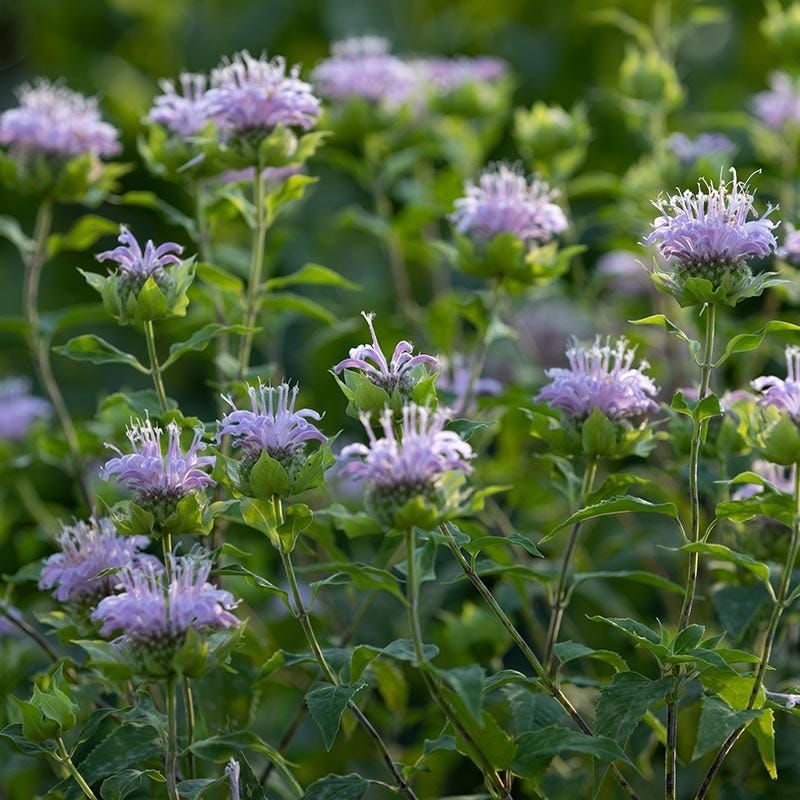
Farmhouse gardeners across Ohio did not have unlimited time for fussy plants that needed constant attention.
The flower beds and borders around working farms had to take care of themselves through busy planting seasons, dry spells, and stretches when nobody had time to water or fuss.
Wild Bergamot suited that reality well because it was genuinely low-maintenance once it settled into a sunny, well-drained spot.
It grows best in full sun and tolerates a wide range of soil types, including the rocky, clay-heavy, or sandy soils that show up across different parts of Ohio.
It does not need fertilizing, and it tends to resist most common pests and diseases when given good air circulation.
Established clumps can handle dry conditions for extended periods, which made them practical for spots that did not benefit from regular watering.
Young plants benefit from occasional moisture in their first growing season while their root systems develop, but after that they largely look after themselves.
The clumping habit means the plant stays somewhat contained rather than taking over a bed aggressively, though it will spread gradually by rhizomes over several years.
Gardeners who want to keep it tidy can divide clumps every few years in early spring, but even that step is optional.
For a plant that asks so little and gives back so much in bloom and fragrance, Wild Bergamot was a sensible choice for anyone working a busy Ohio farm.
3. Fragrant Leaves Made It Easy To Notice And Appreciate
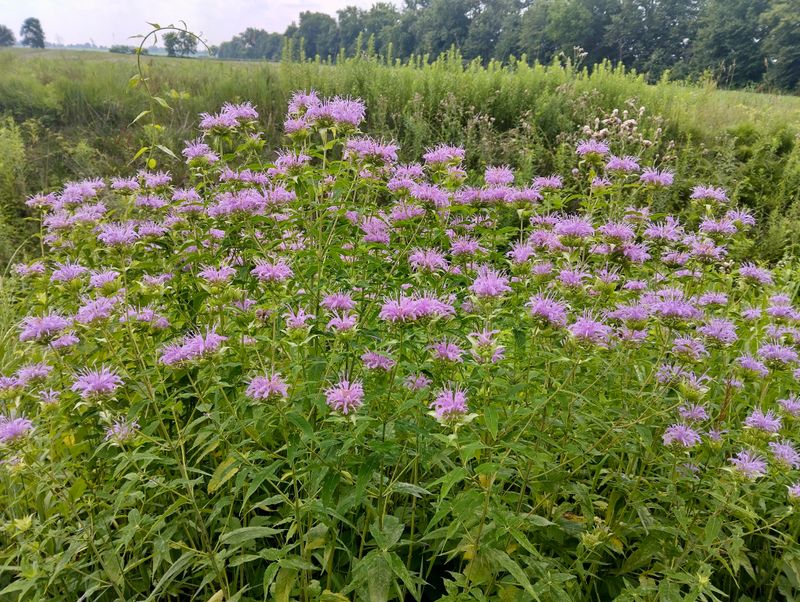
Brush against a stand of Wild Bergamot on a warm Ohio afternoon and the scent is immediately noticeable – a fresh, herbal fragrance that falls somewhere between oregano and thyme with a hint of something floral underneath.
The leaves carry aromatic oils that release easily when touched or when the summer sun warms them through the day.
That quality alone made the plant memorable to anyone who spent time near it.
The fragrance comes from compounds found throughout the plant’s foliage and stems, and it is strong enough to detect even when passing nearby without touching. This made Wild Bergamot a sensory presence in the landscape that went beyond just visual appeal.
On a breezy summer day near an Ohio farmhouse, a patch of Wild Bergamot added a layer of fragrance that was both pleasant and familiar.
Historically, the aromatic leaves were used in teas and as a culinary herb in some traditions, reflecting the plant’s close relationship with other members of the mint family.
While those uses are less common today, the fragrance remains one of the plant’s most appealing traits for gardeners who want more than just color from their plantings.
The scent also tends to discourage deer browsing to some degree, which is a practical bonus in many Ohio rural and suburban settings where deer pressure on gardens is a real concern worth considering.
4. Pollinators Helped Make It A Busy Part Of The Summer Yard
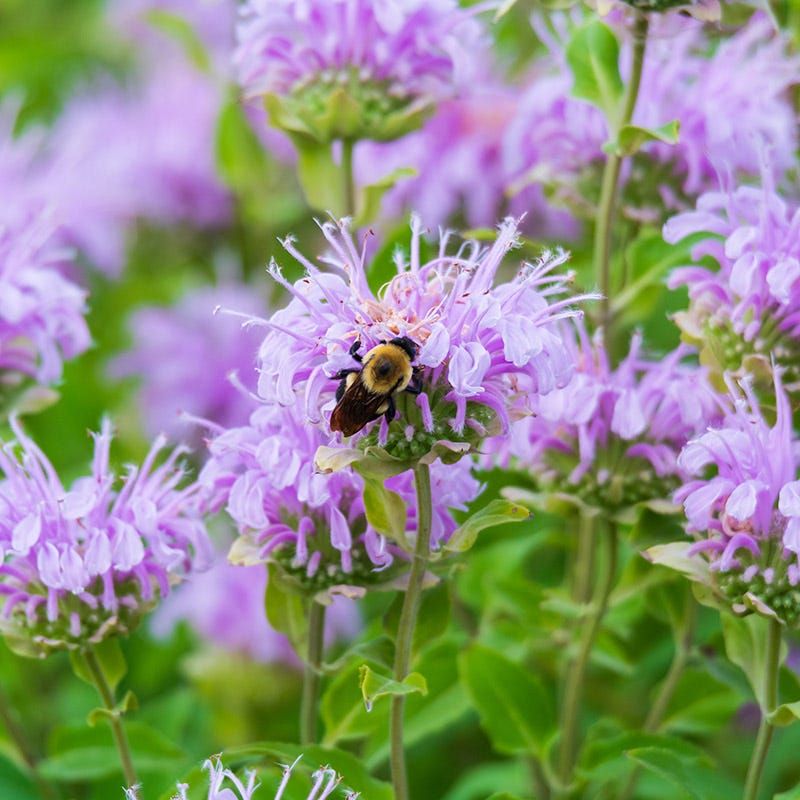
Summer afternoons near a patch of Wild Bergamot in Ohio have a particular kind of energy.
The tubular lavender flowers are shaped in a way that attracts a long list of native bees, bumblebees, hummingbirds, and butterflies, turning an ordinary garden corner into a lively hub of pollinator activity from roughly late June through August.
Few native plants pack that much wildlife value into a single blooming season.
Bumblebees are among the most frequent visitors, and their size makes them well-suited to the flower’s structure. Native bees of many species also work the blooms steadily throughout the day.
Hummingbird moths – those fascinating daytime fliers that hover like tiny hummingbirds – are commonly seen at Wild Bergamot flowers in Ohio, adding an element of surprise and delight for anyone watching the garden.
The pollinator value of this plant is not just a pleasant bonus – it connects the garden to the broader landscape in a meaningful way.
Native pollinators depend on native plants for the specific nutritional resources they evolved alongside, and Wild Bergamot is considered a high-value plant for supporting native bee populations in particular.
For an Ohio farmhouse yard that grew vegetables, fruit trees, or berry patches nearby, having a reliable pollinator magnet in bloom during midsummer was genuinely useful.
The activity around a blooming clump of Wild Bergamot reminded people that a healthy yard was a working ecosystem, not just a tidy patch of grass.
5. Wild Bergamot Handled Dry Ohio Summers Better Than Many Flowers
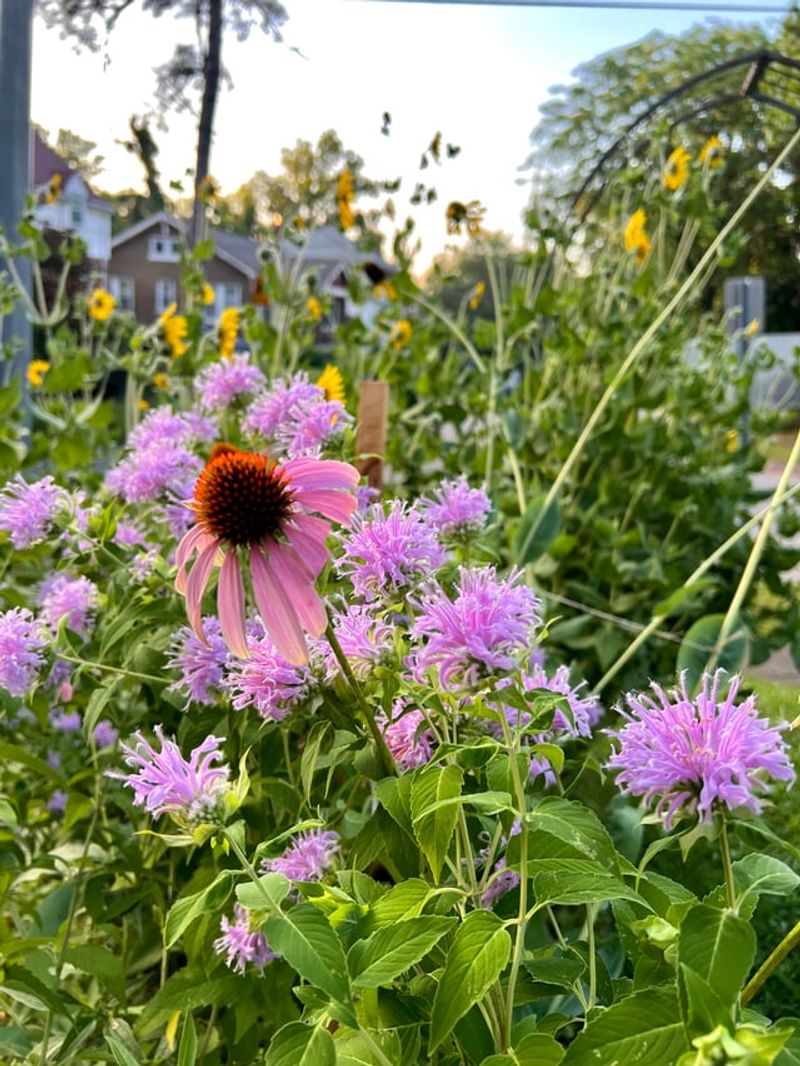
Ohio summers can turn hot and dry in a hurry, especially across the western and central parts of the state where clay soils bake hard and shallow-rooted plants struggle.
A flower that could hold its own through a dry July or August without wilting, yellowing, or dropping its blooms was worth keeping around, and Wild Bergamot earned that reputation honestly.
The plant’s deep, fibrous root system allows it to reach moisture that surface-rooted annuals cannot access during dry stretches.
Once established – usually by the second growing season – it can go through extended dry periods without significant stress, continuing to bloom and look presentable even when rainfall is scarce.
That kind of resilience was valuable on a working farm where ornamental watering was rarely a priority.
It also tolerates the kind of lean, rocky, or gravelly soils that show up in fence rows and field margins across Ohio, places where richer garden soil was never added.
In fact, overly fertile or consistently wet soils can actually reduce the plant’s vigor over time and make it more prone to powdery mildew, a common fungal issue in the genus.
Giving it a sunny, moderately dry spot is the most straightforward way to keep it healthy and blooming well year after year.
For Ohio gardeners dealing with challenging dry sites, Wild Bergamot is one of the more dependable native options available for those conditions.
6. Its Soft Purple Blooms Brightened Fields, Edges, And Garden Beds
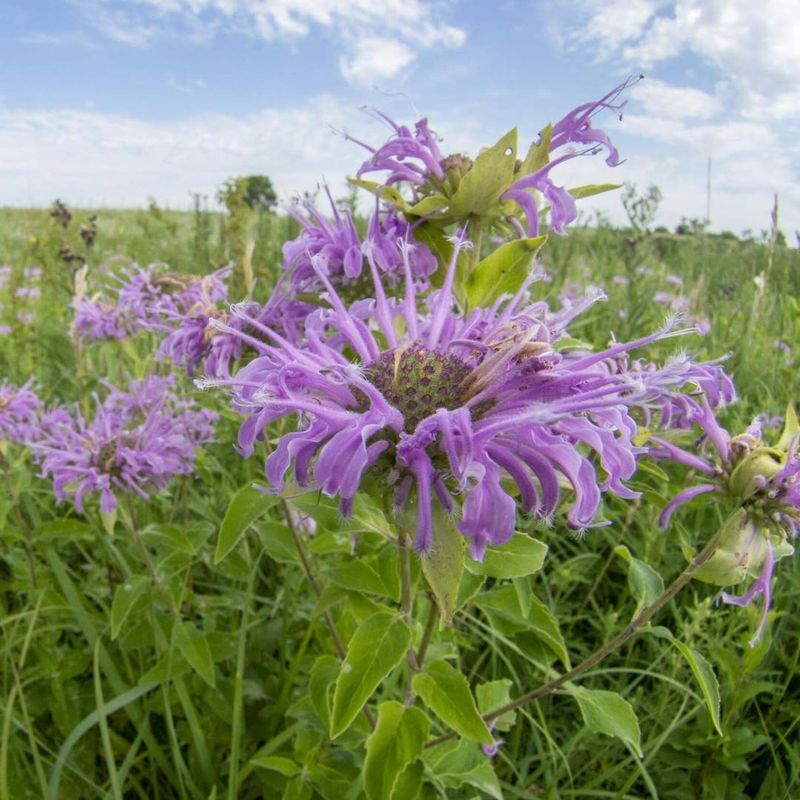
There is something quietly striking about a stand of Wild Bergamot in full bloom along an Ohio field edge in July.
The flowers are not bold or flashy in the way of a cultivated hybrid, but the soft lavender-purple color has a natural elegance that holds up well in the landscape.
Each flower head is made up of many small tubular florets arranged in a rounded cluster, creating a layered, textured look that catches the eye without overwhelming the scene.
The color works especially well in mixed native plantings alongside yellow flowers like Black-eyed Susans or the warm tones of early goldenrod.
That kind of combination, lavender and gold, was the kind of unplanned summer palette that old Ohio farmhouse yards sometimes achieved simply by letting native plants do their thing along sunny borders and open ground.
Bloom time typically runs from late June into August in most Ohio locations, which fills a useful gap in the midsummer garden when some spring bloomers have finished and fall color has not yet begun.
The dried seed heads that follow are also attractive in an informal way, holding their shape into autumn and providing some seed for birds.
For a plant that requires so little effort, the visual contribution of Wild Bergamot through the heart of an Ohio summer is genuinely substantial and easy to appreciate from a distance or up close.
7. This Native Plant Brought Beauty And Everyday Use To The Landscape
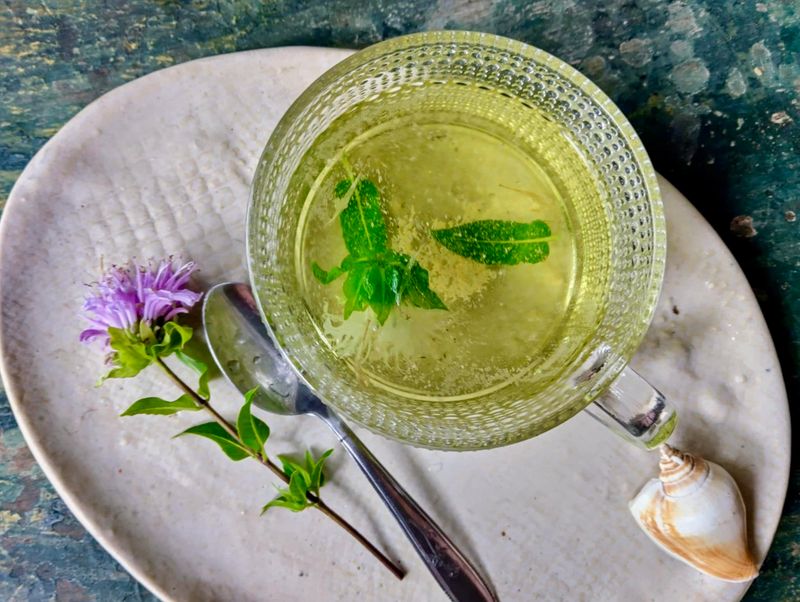
Plants that pulled double duty were especially valued near Ohio farmhouses, where every square foot of a yard or garden was expected to contribute something practical. Wild Bergamot fit that expectation in a few different ways.
Beyond its role as an ornamental and pollinator plant, it had a long history of use among Native American communities and early settlers as an herbal plant with culinary and medicinal applications.
The leaves and flowers were used to make teas that were thought to support digestion and overall well-being, and the plant’s connection to the broader mint family gave it a familiar, approachable character for people already comfortable with herbs like spearmint or lemon balm.
The dried leaves held their fragrance well, making them useful for simple herbal preparations or just for adding a pleasant scent to a room.
It is worth noting that herbal uses should always be approached thoughtfully, and the plant’s historical role in traditional medicine does not substitute for professional health guidance.
Still, knowing that a plant had practical household value alongside its beauty made it a more natural choice for farmhouse settings where utility and aesthetics were expected to go hand in hand.
Wild Bergamot occupied that comfortable middle ground between a garden flower and a working herb, and that dual identity likely contributed to how naturally it showed up in and around Ohio home landscapes for generations.
8. Wild Bergamot Still Looks Right At Home Near An Ohio Farmhouse
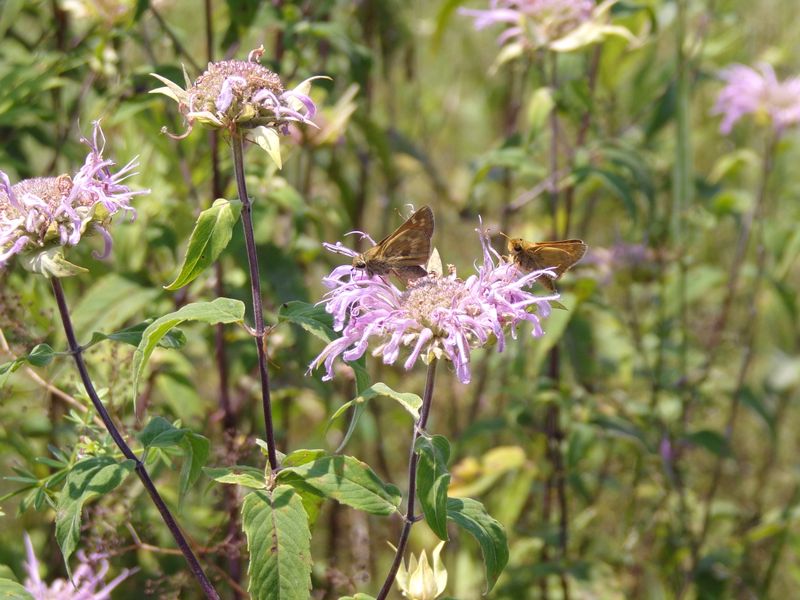
Gardening trends come and go, but the case for Wild Bergamot near an Ohio home has not changed much over the decades.
The plant still grows well in the same conditions it always preferred – sunny, reasonably well-drained spots with average soil – and it still brings the same combination of fragrance, color, and pollinator activity that made it a natural fit for old farmhouse landscapes.
For anyone restoring or re-imagining a rural Ohio property, it remains one of the most historically and ecologically appropriate choices available.
Modern Ohio gardeners are increasingly drawn to native plantings that reduce maintenance, support local wildlife, and connect their yards to the regional landscape.
Wild Bergamot checks each of those boxes without requiring a major investment of time or money.
It is widely available from native plant nurseries and native plant sales across Ohio, and it establishes readily from transplants in spring or early fall.
Planting it along a sunny fence line, at the edge of a lawn, or in a mixed native border near a home gives it room to spread gradually into the kind of informal colony that looks most natural.
A few clumps near a porch or along a path bring the fragrance close enough to enjoy on a summer evening.
For a plant with deep roots in Ohio’s native landscape, Wild Bergamot has a way of making any home feel a little more connected to the land around it.