Why This Painful Native Plant Is Quickly Taking Over South Carolina Woodlands
South Carolina’s woodlands are changing, and one painful native plant is at the center of growing concern.
Once a quiet part of the forest understory, it’s now spreading aggressively along trails, property lines, and disturbed land—often leaving painful reminders behind.
Warmer winters, heavier rains, and increased development have created ideal conditions for this plant to thrive.
Without the natural checks that once limited its growth, it’s expanding faster than many landowners expect.
For hikers, hunters, and homeowners, encounters are becoming far more common—and far more uncomfortable.
Because it’s native, many people assume it should be left alone.
But experts warn that rapid expansion can crowd out other plants and disrupt local ecosystems.
Its presence isn’t just a nuisance; it’s reshaping woodland dynamics.
South Carolina residents are being urged to learn how to identify and manage it safely.
Sometimes the biggest environmental challenges don’t come from invasive outsiders—but from familiar plants responding aggressively to a changing world.
It’s Devil’s Walking Stick (Aralia Spinosa), A Native Species
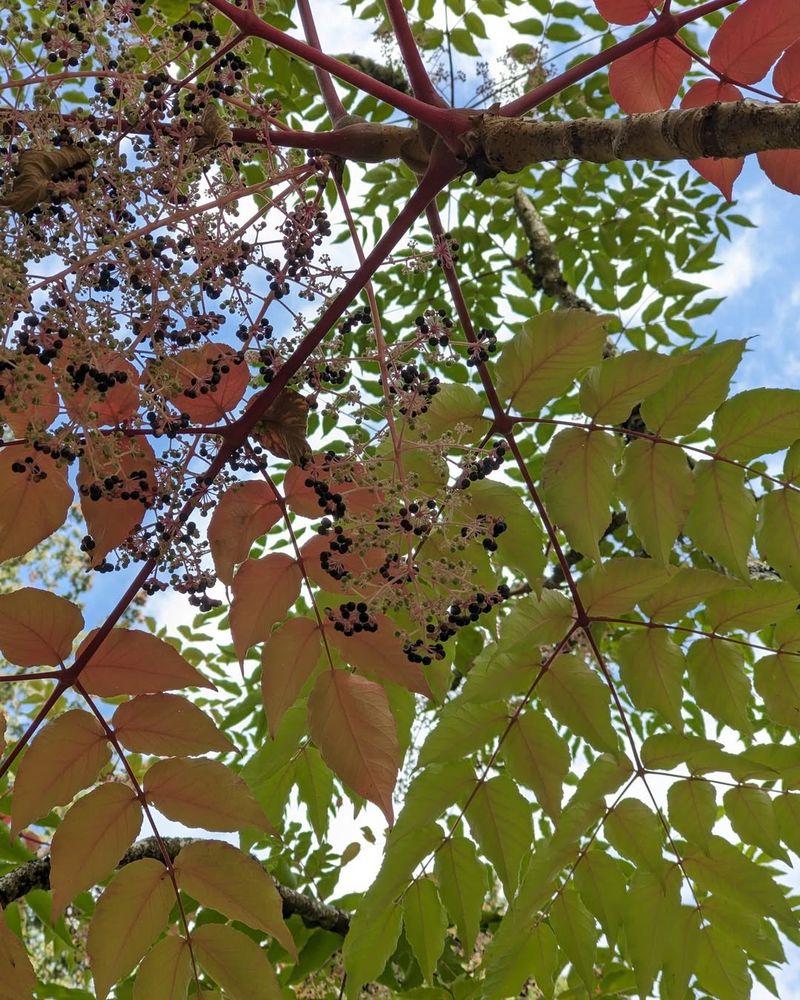
The culprit behind those painful encounters in South Carolina forests goes by the memorable name of Devil’s Walking Stick.
Aralia spinosa stands as a true native species, having called these woodlands home for thousands of years before European settlement.
Many people mistakenly assume any aggressively spreading plant must be invasive, but native species can absolutely expand their range when conditions favor them.
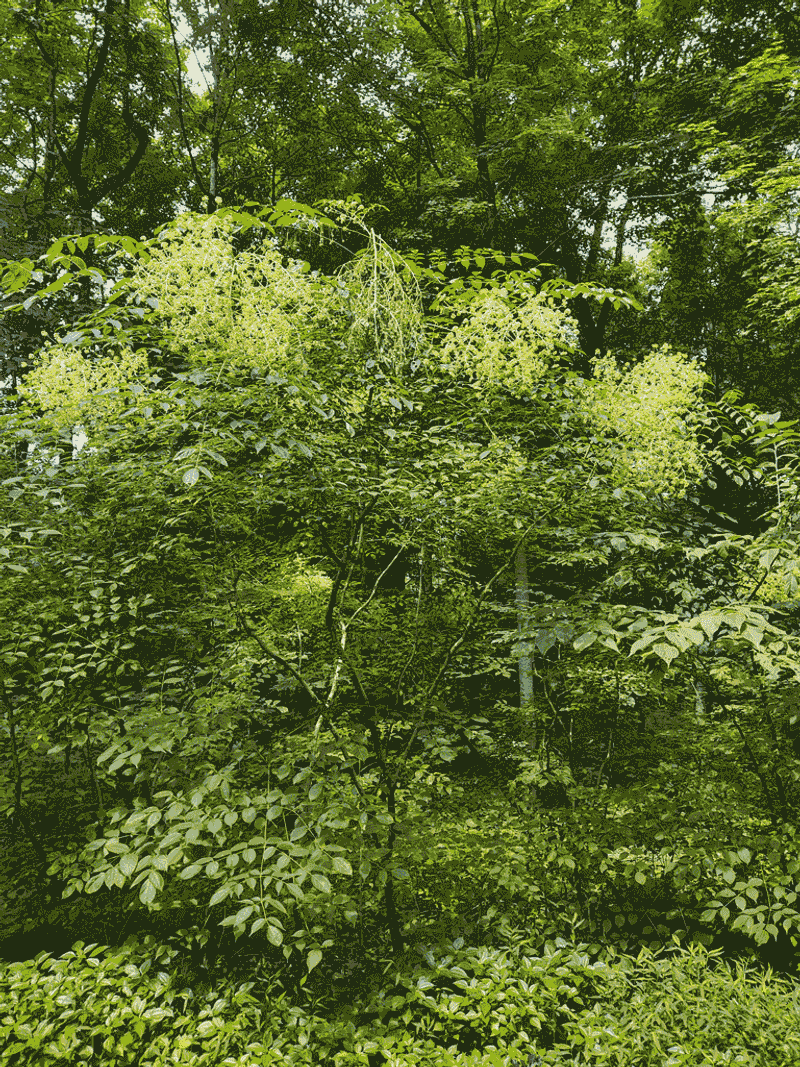
This small tree or large shrub typically reaches fifteen to twenty feet tall, though some specimens stretch even higher.
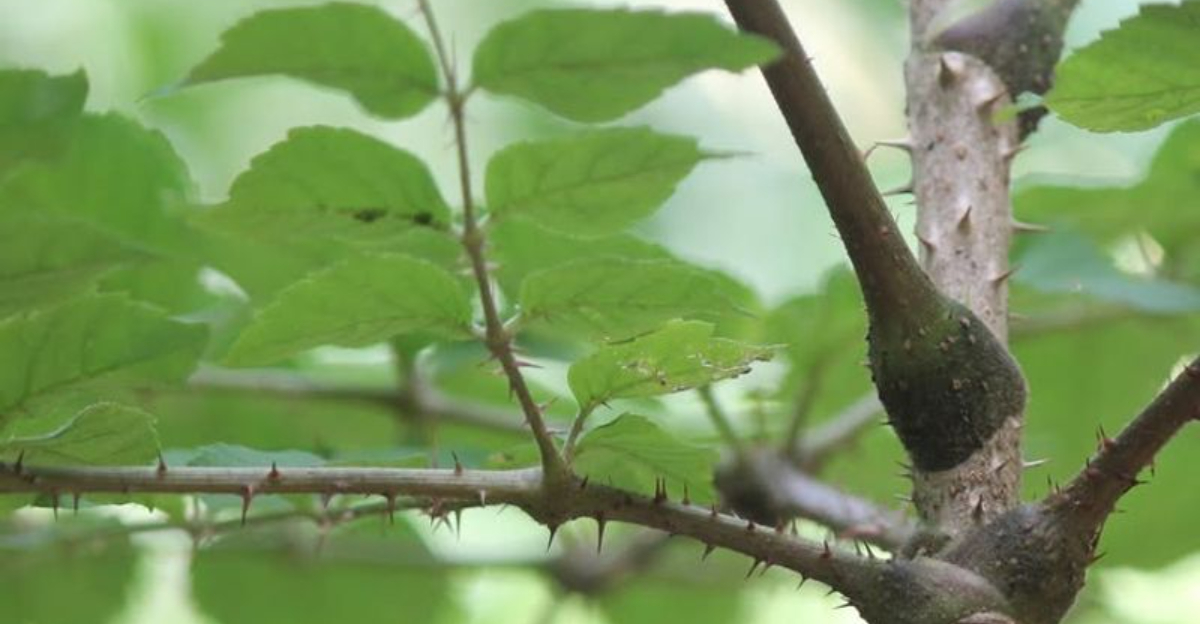
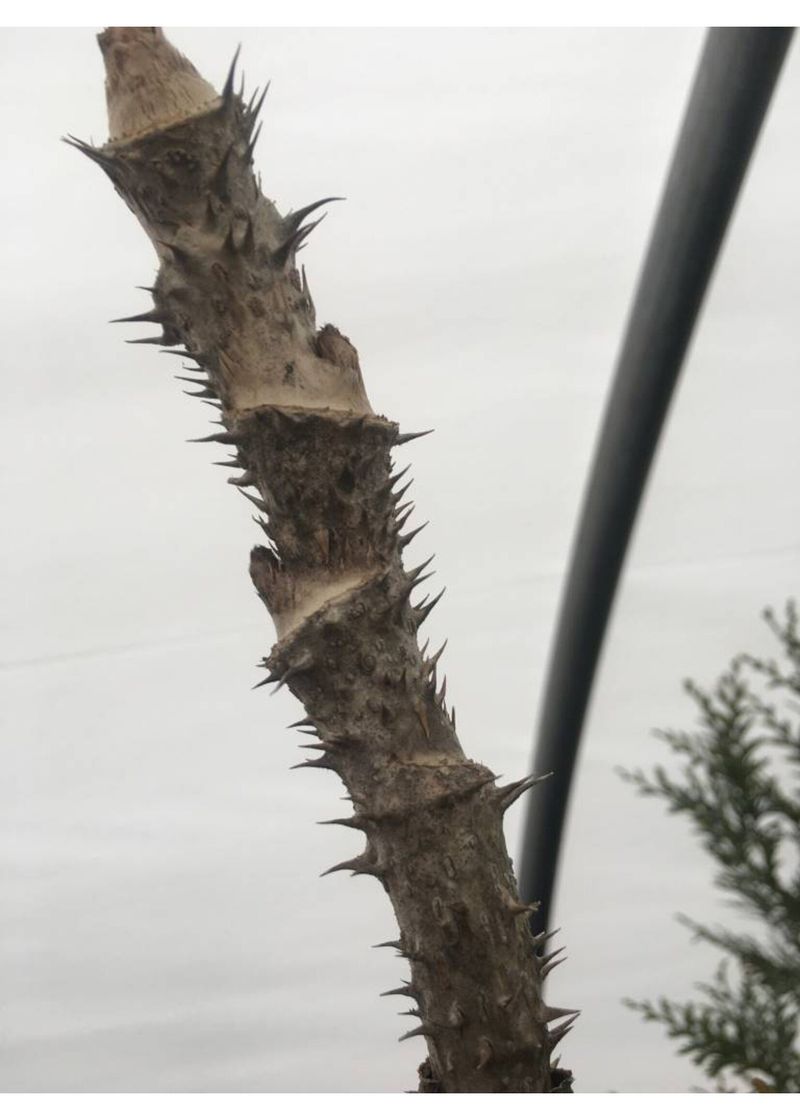
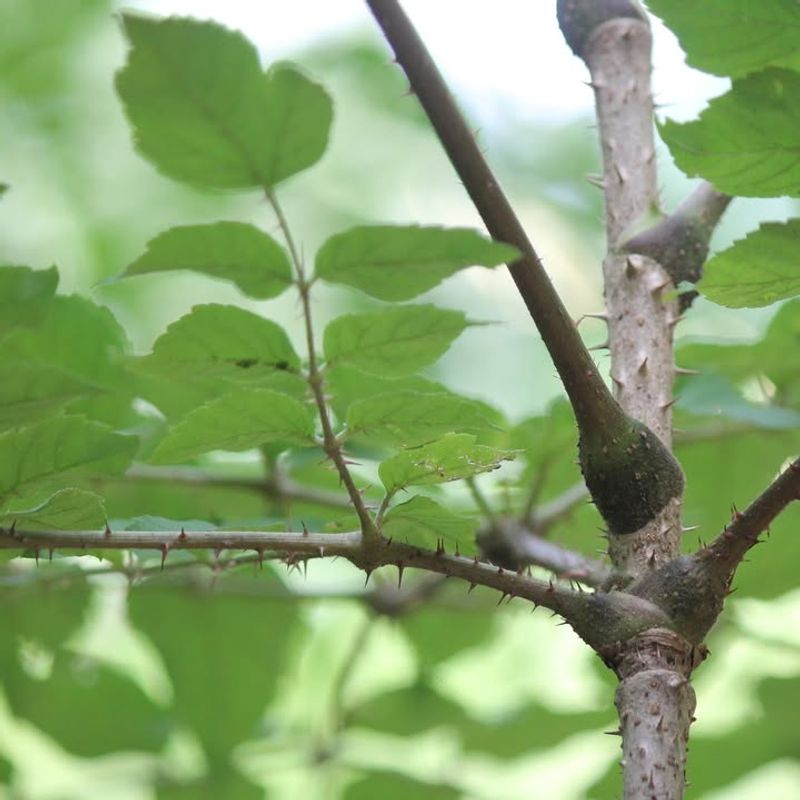
Sharp spines cover nearly every surface—the trunk, branches, and even the leaf stems—creating a formidable defense system that few creatures dare challenge.
Native status doesn’t mean a plant will always stay in balance with its surroundings.
When environmental conditions shift, certain native species gain advantages over others, leading to population explosions.
Devil’s Walking Stick benefits from multiple modern changes to South Carolina forests, allowing it to claim territory once occupied by a diverse mix of understory plants.
Understanding its native origins helps land managers approach control efforts thoughtfully, balancing ecological value with management needs.
This plant belongs in South Carolina ecosystems but may need occasional management when it dominates too heavily.
It Spreads Rapidly Through Underground Root Suckers
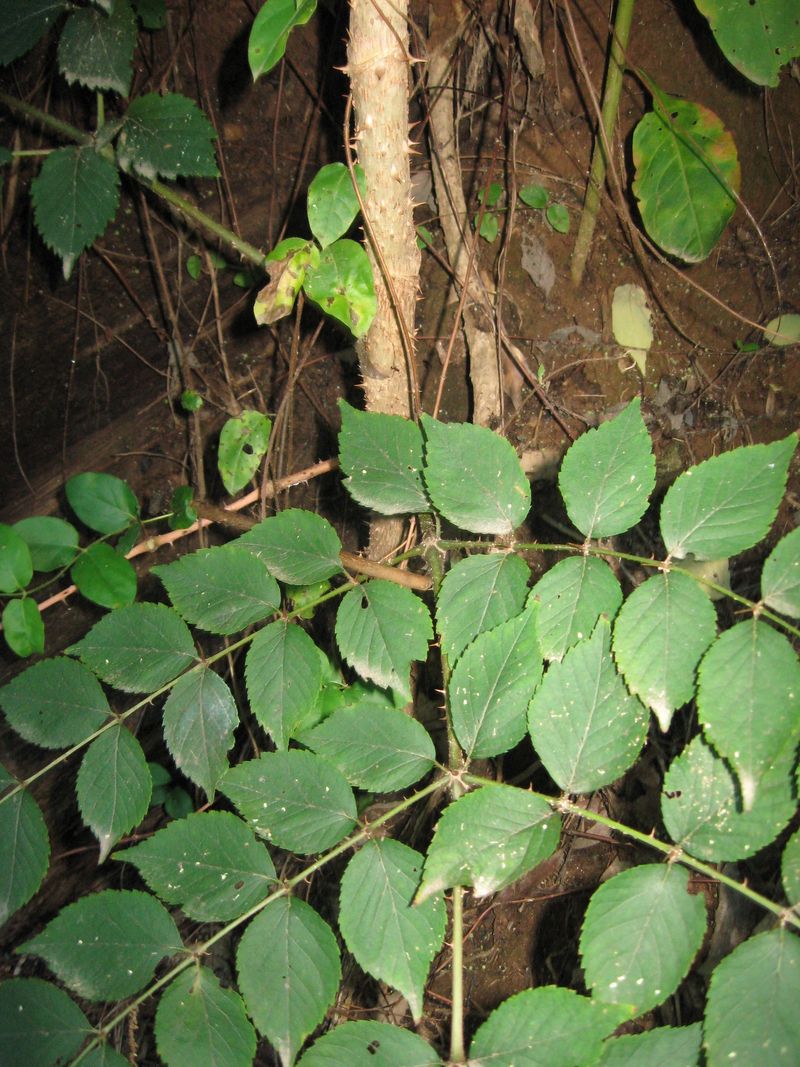
Underground, Devil’s Walking Stick operates like a botanical invasion force, sending horizontal roots in multiple directions from established plants.
These spreading roots produce new shoots called suckers that emerge from the soil sometimes several feet away from the parent stem.
What appears to be multiple individual plants often represents a single genetic individual with numerous connected stems.
This cloning strategy allows the plant to expand its territory methodically, adding new stems to the colony perimeter each growing season.
A single plant might produce a dozen or more new shoots annually, gradually forming dense thickets that exclude other vegetation.
The root system remains connected underground, allowing established portions of the colony to support newly emerging shoots with water and nutrients.
This gives Devil’s Walking Stick a significant advantage over plants that must grow entirely from seed.
Colonies can persist for decades, continuously expanding outward while older central stems eventually age and decline.
The overall colony survives and thrives regardless of what happens to individual stems.
Forest managers trying to control Devil’s Walking Stick quickly discover that removing visible stems accomplishes little when the root system remains intact underground, ready to send up replacement shoots the following spring.
Deer Avoid It Because Of Its Sharp Spines
White-tailed deer populations across South Carolina have reached historically high numbers in many areas, creating intense browsing pressure on woodland plants.
Deer consume vast quantities of vegetation, selectively eating tender shoots, leaves, and stems from plants they find palatable.
This heavy browsing removes competition that might otherwise keep Devil’s Walking Stick in check.
However, deer give Devil’s Walking Stick a wide berth thanks to its formidable armor of sharp spines.
A deer attempting to browse this plant would quickly regret the decision, receiving painful jabs to its sensitive nose and mouth.
After one unpleasant encounter, deer learn to avoid these spiny stems entirely, focusing their appetites on less defended plants instead.
This creates a feedback loop where deer browsing actually benefits Devil’s Walking Stick by removing its competitors.
Forests with high deer populations often develop understories dominated by thorny, toxic, or otherwise unpalatable species.
Devil’s Walking Stick thrives in this environment, expanding freely while more palatable plants get eaten back repeatedly.
Land managers attempting to restore diverse forest understories must address both deer overpopulation and aggressive plant species simultaneously, as controlling one without the other rarely produces lasting results.
Birds Disperse Seeds Over Wide Areas
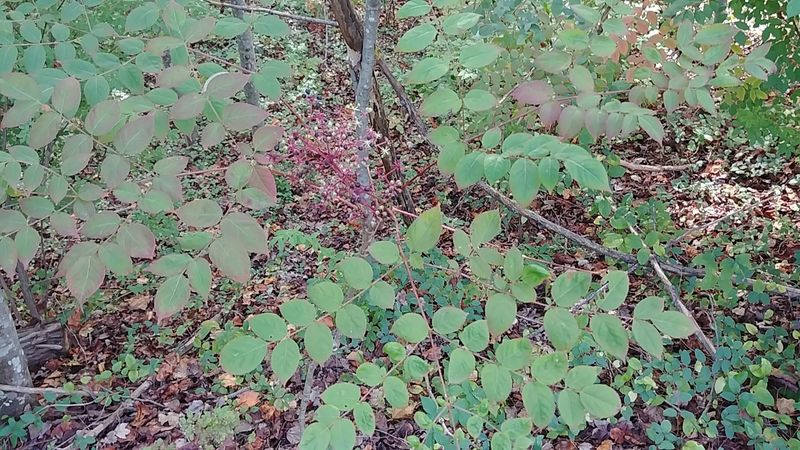
Each autumn, Devil’s Walking Stick produces clusters of small, dark purple berries that ripen just as migrating birds pass through South Carolina.
These berries provide valuable nutrition during critical migration periods, attracting numerous bird species that feast on the abundant fruit.
Birds digest the berry flesh but pass the seeds through their digestive systems intact, often depositing them far from the parent plant.
A single bird might visit multiple locations during a day of foraging, effectively planting Devil’s Walking Stick seeds across a wide geographic area.
This dispersal mechanism allows the plant to colonize new woodland patches that might be miles away from existing populations.
Seeds deposited in bird droppings often come with a small amount of fertilizer, giving them a slight establishment advantage.
The plant produces berries prolifically, with mature specimens generating thousands of seeds annually.
Even if only a small percentage of these seeds land in suitable locations and successfully germinate, the sheer numbers ensure steady population expansion.
Forest fragments separated by developed land still receive regular seed deliveries via bird dispersal, allowing Devil’s Walking Stick to maintain genetic connectivity across fragmented landscapes.
This aerial seed distribution network operates continuously, ensuring the plant can colonize virtually any woodland patch within bird flight range of existing populations.
It Thrives In Poor, Dry, Or Compact Soils
Many woodland plants require rich, moist, well-drained soil to flourish, but Devil’s Walking Stick demonstrates remarkable tolerance for challenging conditions.
Compacted soils resulting from construction activity, recreational use, or natural processes pose few problems for this adaptable species.
Its vigorous root system penetrates tough ground that would discourage more delicate plants.
Eroded slopes where topsoil has washed away, exposing subsoil with poor nutrient content, still support healthy Devil’s Walking Stick populations.
The plant’s ability to thrive on these degraded sites gives it access to territory that remains largely uncontested by other species.
Drought tolerance represents another significant advantage in South Carolina’s variable climate.
While the state receives ample rainfall overall, summer dry spells can stress many plants.
Devil’s Walking Stick weathers these periods better than many competitors, maintaining growth while other species struggle.
Sandy soils that drain quickly and hold few nutrients, common in parts of South Carolina, suit this plant perfectly.
Urban and suburban woodlands often feature degraded soils from decades of disturbance, creating ideal conditions for this tough species.
Land managers working to restore diverse plant communities on poor sites must first improve soil conditions or accept that Devil’s Walking Stick will likely dominate until soil quality improves naturally over many years.
Warmer Temperatures Extend Its Growing Season
Climate data from South Carolina shows a clear warming trend over recent decades, with average temperatures rising and frost-free periods lengthening.
These changes benefit fast-growing native species like Devil’s Walking Stick that can take advantage of extended growing seasons.
Earlier spring warmth triggers growth sooner, while later fall frosts allow the plant to photosynthesize and grow for additional weeks each year.
Even small extensions of the growing season can translate to significant increases in total annual growth when compounded over multiple years.
Devil’s Walking Stick responds to favorable temperatures with rapid stem elongation and leaf production.
Warmer overnight temperatures particularly benefit this species, as plants don’t need to expend as much energy maintaining themselves during cool nights.
More energy can instead go toward growth and reproduction.
Milder winters also increase survival rates for younger stems that might otherwise suffer frost damage.
The plant’s range has historically been limited somewhat by cold temperatures at its northern extent, but warming trends may be relaxing this constraint.
In South Carolina, where the species already thrived, warmer conditions simply amplify its competitive advantages.
Scientists studying forest dynamics expect continued warming to favor aggressive native species adapted to warm conditions, potentially reshaping understory plant communities throughout the Southeast.
Human Cutting Often Triggers More Growth
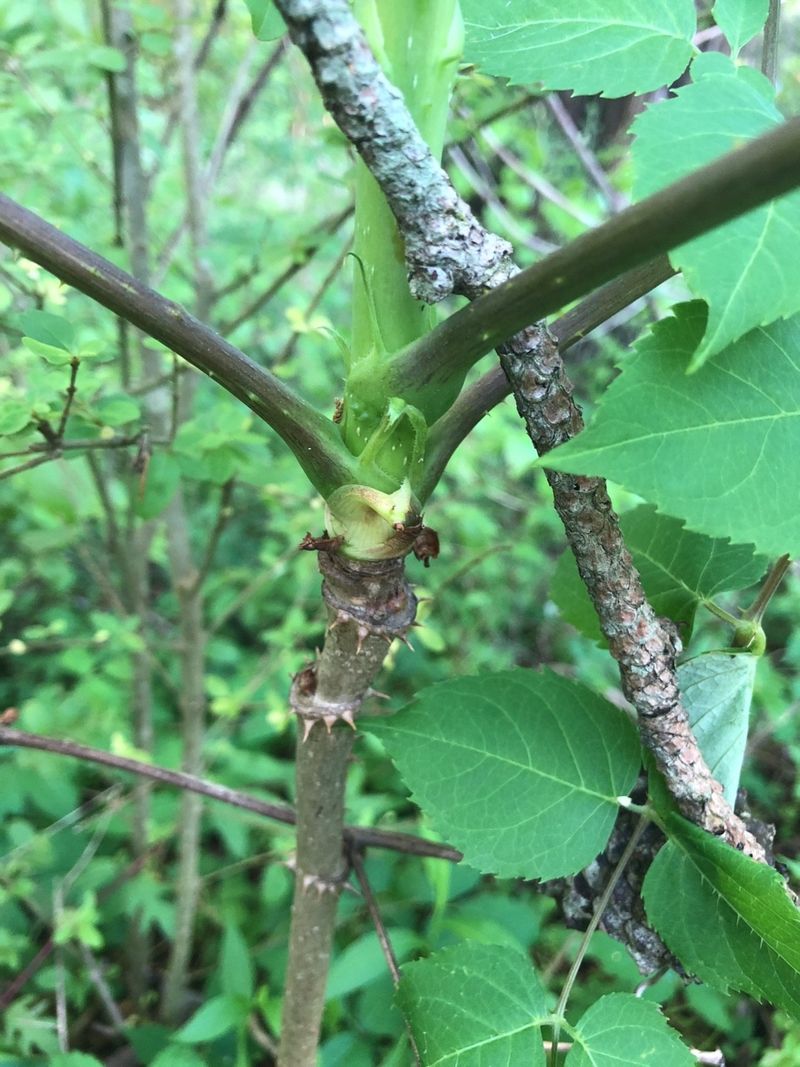
Property owners encountering Devil’s Walking Stick often reach for cutting tools, hoping to remove the painful plants from trails or yards.
Unfortunately, this seemingly logical approach frequently backfires, resulting in more stems than existed before cutting.
When the above-ground portion of a Devil’s Walking Stick gets cut or damaged, the intact root system responds by activating dormant buds.
These buds rapidly develop into new shoots, often producing multiple stems where only one existed previously.
The plant essentially interprets cutting as damage requiring urgent replacement growth.
This response evolved to help the species recover from natural disturbances like falling branches or animal damage.
Well-meaning humans inadvertently trigger this survival mechanism, accelerating the plant’s spread rather than controlling it.
Effective control requires either repeated cutting that eventually exhausts root reserves, or careful application of appropriate herbicides to the cut stems.
Many people give up after seeing their cutting efforts produce denser growth, allowing the plant to expand unchecked.
Land managers working with Devil’s Walking Stick must educate property owners about proper control techniques to prevent counterproductive management attempts.
The plant’s vigorous resprouting ability represents a significant challenge for control efforts and contributes substantially to its expanding range across South Carolina woodlands.
Its Ecological Value Discourages Aggressive Removal
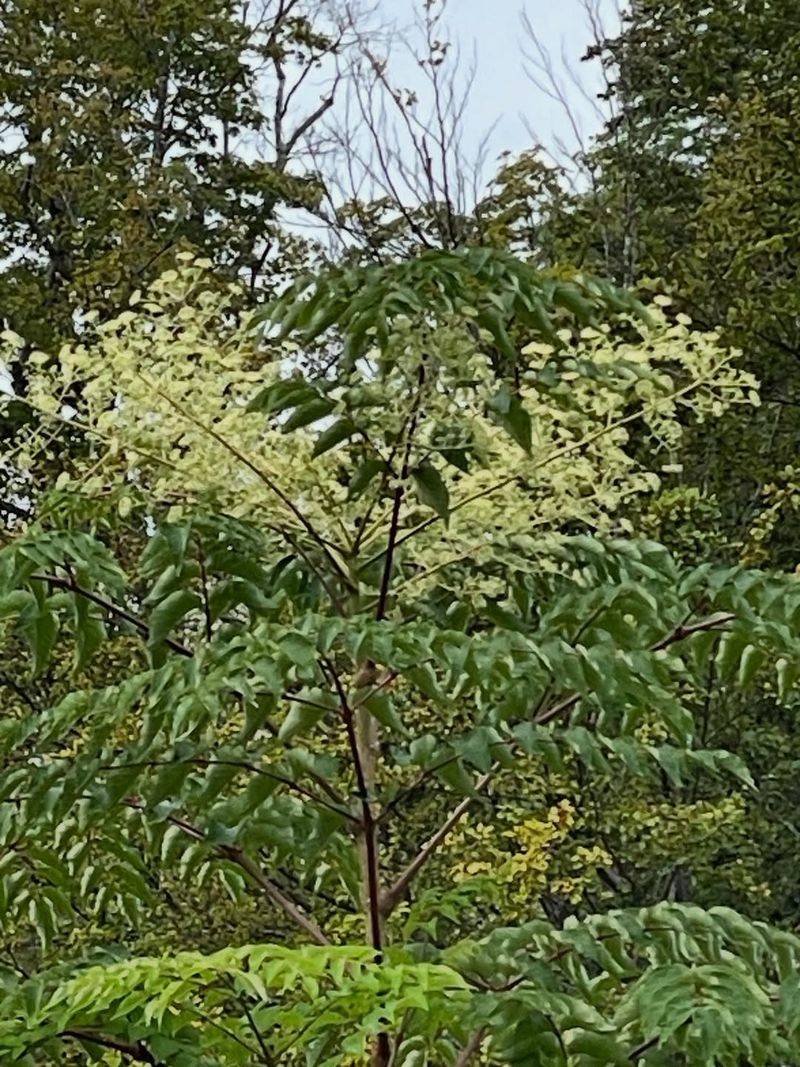
Despite its painful spines and aggressive growth, Devil’s Walking Stick provides significant ecological benefits that complicate management decisions.
The plant produces large clusters of small white flowers in mid to late summer, blooming when many other woodland plants have finished flowering.
This late-season nectar and pollen source attracts numerous native bees, butterflies, and other pollinating insects that depend on continuous food availability.
Ecologists studying pollinator communities have documented dozens of insect species visiting Devil’s Walking Stick flowers.
The subsequent berry crop feeds migrating and resident birds, contributing to wildlife nutrition during critical periods.
Dense thickets provide nesting sites and protective cover for small birds and mammals seeking refuge from predators.
Land managers working in natural areas must balance the plant’s aggressive tendencies against its ecological contributions.
Complete removal might harm pollinator and bird populations that depend on the resources Devil’s Walking Stick provides.
Many managers adopt a compromise approach, controlling the plant in high-use areas while tolerating it in more remote locations.
This ecological value creates a natural brake on aggressive control efforts, allowing populations to persist and expand in areas where conservation goals take priority over human comfort and convenience.