Why This Painful Native Plant Is Spreading Across Kentucky Woodlands
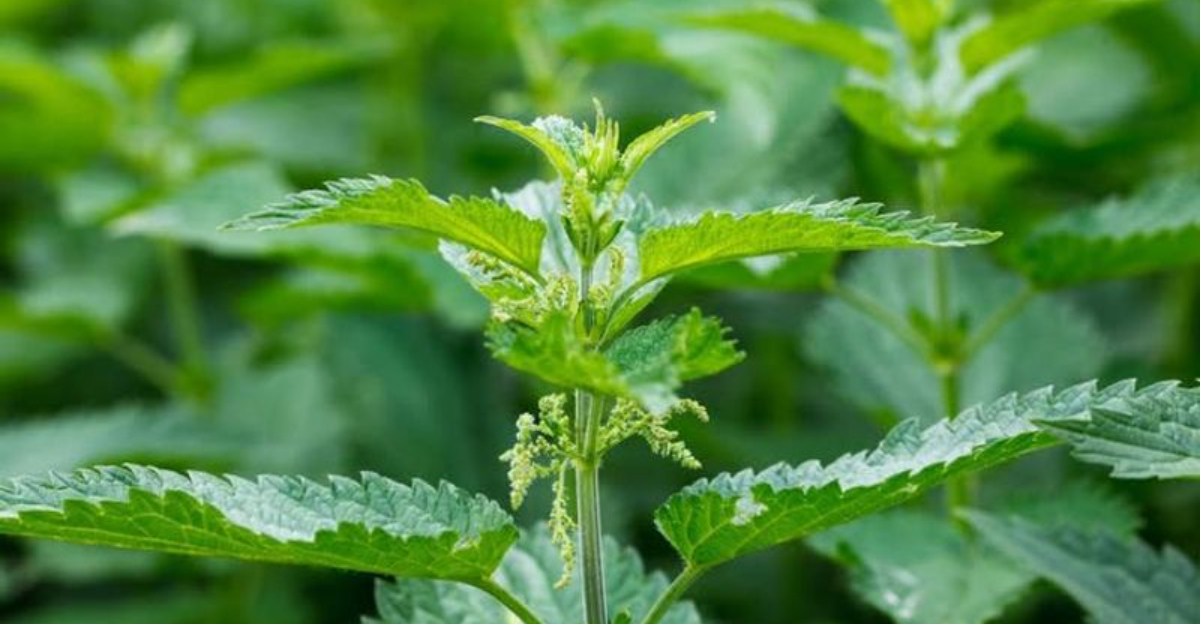
Stinging nettle has become an increasingly common sight in Kentucky woodlands, and if you’ve ever accidentally brushed against this plant, you know exactly why it earned its painful reputation.
The tiny hairs covering its leaves and stems inject chemicals that cause an immediate burning sensation, making it one of the most memorable plants you’ll encounter on a hike through the Bluegrass State.
Despite its uncomfortable sting, this native plant is spreading rapidly across forests, trails, and disturbed areas throughout Kentucky, leaving many people wondering why it seems to be everywhere lately.
Understanding the reasons behind stinging nettle’s expansion can help us appreciate its role in local ecosystems while also learning how to coexist with this prickly neighbor that’s claiming more territory each year.
1. Rich Soil Conditions Favor Nettle Growth
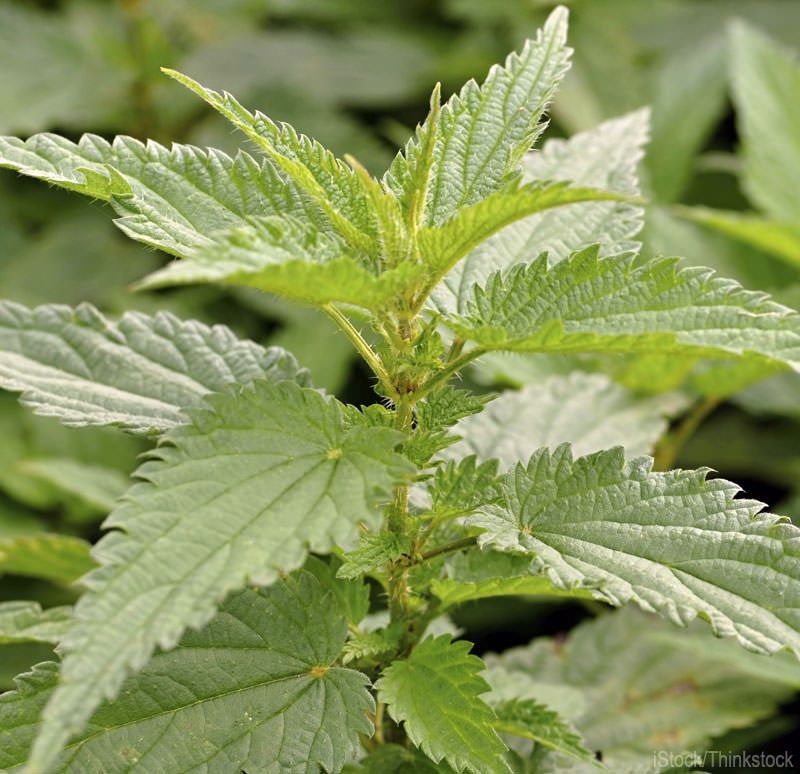
Stinging nettle absolutely loves nutrient-rich soil, and Kentucky woodlands provide exactly what this plant needs to flourish.
When soil contains high levels of nitrogen and phosphorus, nettle plants respond by growing taller, spreading faster, and producing more of those painful stinging hairs.
Many areas across Kentucky have experienced increased soil fertility due to natural decomposition processes and runoff from surrounding areas, creating perfect conditions for nettle expansion.
Agricultural activities near woodland edges often contribute extra nutrients to forest soils through fertilizer runoff and organic matter.
These enriched soils act like a welcome mat for stinging nettle, which outcompetes other plants that prefer less fertile ground.
Once nettle establishes itself in these nutrient-dense areas, it forms thick patches that can spread several feet each growing season.
Kentucky’s limestone bedrock also plays a role in creating the alkaline to neutral soil conditions that nettle prefers.
As rainwater filters through leaf litter and interacts with the underlying geology, it creates an ideal pH balance for nettle growth.
This combination of rich nutrients and favorable soil chemistry explains why you’ll often find dense nettle stands in Kentucky valleys and bottomlands where soil quality is particularly high.
Understanding soil preferences helps explain why nettle appears more abundant in certain Kentucky locations than others.
Areas with disturbed or enriched soil, such as old homesteads, livestock pastures, or composting sites within woodlands, become hotspots for nettle colonization.
The plant’s ability to thrive in these conditions ensures its continued spread across suitable habitats throughout the state.
2. Disturbance And Human Activity Create Opportunities
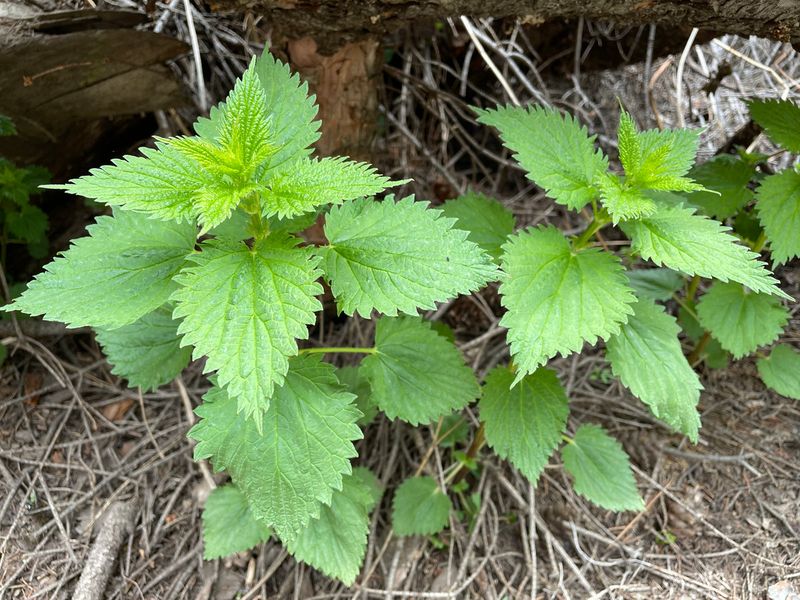
Human activity in Kentucky woodlands has unintentionally rolled out the red carpet for stinging nettle expansion.
Every time someone clears a trail, removes trees, or disturbs the forest floor, they create open spaces where sunlight reaches the ground and competition from established plants decreases.
Nettle seeds, which can remain viable in the soil for years, quickly germinate when these disturbances occur, taking advantage of the newly available resources.
Logging operations, trail maintenance, and construction projects near wooded areas all contribute to nettle spread across Kentucky.
The heavy machinery used in these activities compacts and disturbs soil while also transporting nettle seeds on tires and equipment.
Within a single growing season, a previously nettle-free disturbed area can become covered with these plants, especially if the soil was already nutrient-rich.
Recreational activities like hiking, mountain biking, and horseback riding also play a role in nettle dispersal throughout Kentucky woodlands.
As people and animals move through forests, they inadvertently carry seeds on clothing, fur, and equipment, depositing them in new locations.
Trailside areas often show the heaviest nettle growth because they experience regular disturbance and receive more sunlight than the dense forest interior.
Even well-intentioned land management practices can encourage nettle expansion if not carefully planned.
Brush clearing, invasive species removal, and habitat restoration projects temporarily disrupt plant communities, giving nettle an opportunity to establish itself before other native plants can fill the space.
This pattern repeats across Kentucky wherever human activity intersects with suitable nettle habitat, contributing significantly to the plant’s increasing presence.
3. Climate Patterns Support Extended Growing Seasons
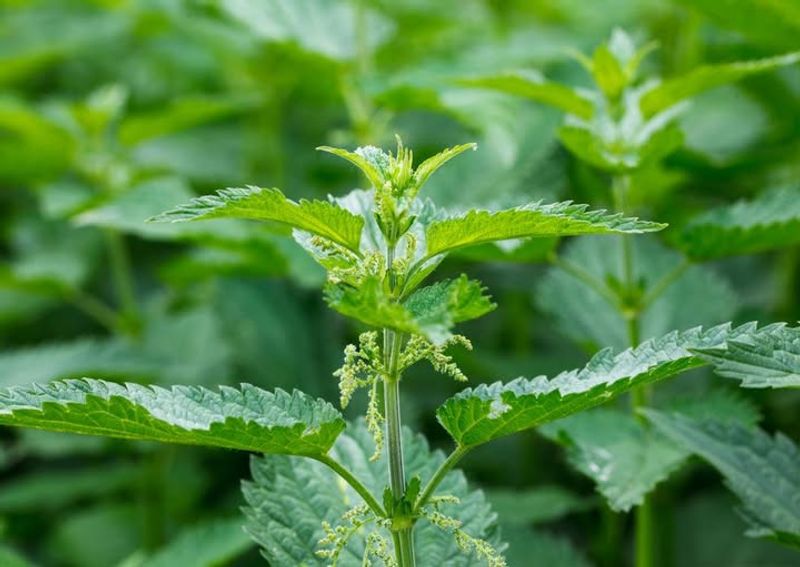
Kentucky’s changing climate patterns have created longer growing seasons that benefit stinging nettle more than many other woodland plants.
Warmer spring temperatures arrive earlier each year, allowing nettle to emerge from dormancy sooner and begin its aggressive growth phase while other plants are still waking up.
This head start gives nettle a competitive advantage, enabling it to claim space and resources before slower-growing native species can establish themselves.
Mild winters across Kentucky have also contributed to nettle’s expansion by allowing the plant’s extensive root systems to survive more reliably.
While the above-ground portions wither away each fall, the underground rhizomes remain alive and ready to sprout when conditions improve.
Fewer extreme cold snaps mean more nettle roots survive winter, leading to denser populations the following spring.
Extended fall warmth provides nettle with additional weeks of photosynthesis and energy storage before dormancy.
This extra growing time allows plants to build more robust root systems that can support even larger colonies the next year.
Kentucky’s increasingly temperate autumn weather has essentially given nettle bonus weeks to strengthen and spread throughout woodland areas.
Rainfall patterns in Kentucky have also shifted to include more intense precipitation events interspersed with dry periods.
Stinging nettle handles these fluctuations remarkably well due to its deep root system, which accesses moisture even during short droughts.
Meanwhile, the heavy rains help disperse nettle seeds across watersheds and creek beds, introducing the plant to new areas throughout Kentucky’s interconnected woodland systems, further accelerating its spread across the region.
4. Wildlife Movement Aids Seed Distribution
Kentucky’s abundant wildlife population unknowingly serves as a transportation network for stinging nettle seeds throughout woodland areas.
Deer, raccoons, opossums, and other mammals regularly travel through nettle patches while foraging, and the small seeds easily attach to their fur or get ingested and later deposited elsewhere.
This natural seed dispersal system has proven remarkably effective at spreading nettle to remote woodland locations that humans rarely visit.
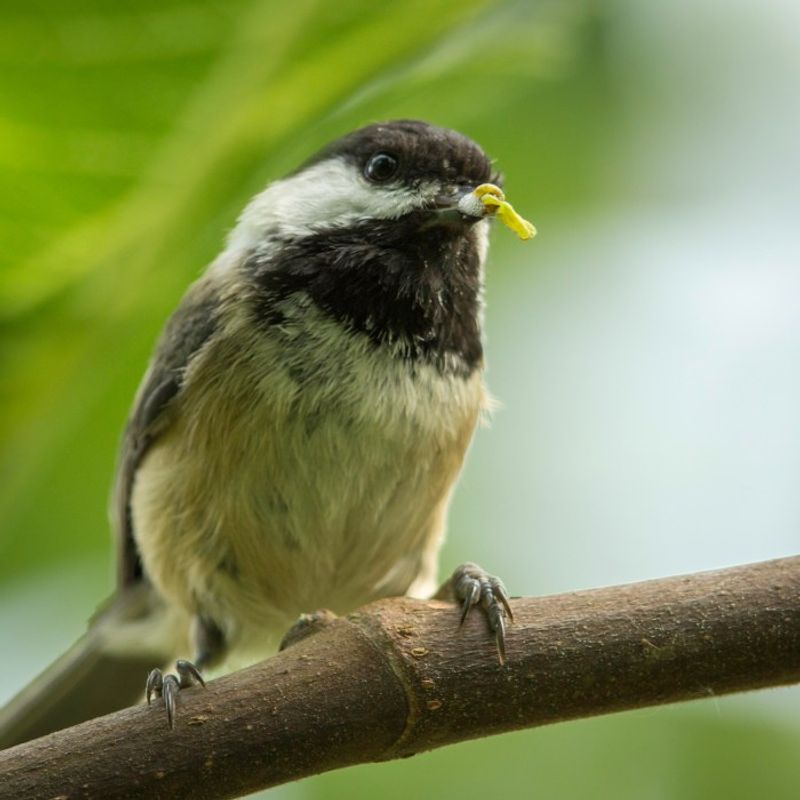
Birds also contribute significantly to nettle distribution across Kentucky forests, though in less obvious ways than mammals.
While most birds avoid eating nettle seeds directly, they often disturb the plants while foraging for insects, causing ripe seeds to scatter across the forest floor.
Additionally, birds that nest in or near nettle stands may accidentally transport seeds on their feathers or in nesting materials, introducing the plant to new areas.
Deer populations in Kentucky have increased substantially over recent decades, and their movement patterns directly influence where nettle spreads.
These animals create well-worn trails through woodlands, and nettle frequently establishes itself along these paths where soil compaction and regular disturbance create favorable conditions.
As deer travel between feeding and bedding areas, they continuously spread nettle seeds across vast distances, connecting isolated populations and creating new colonies.
Even smaller animals like squirrels and chipmunks play a role in nettle expansion throughout Kentucky woodlands.
These creatures cache seeds for winter food supplies, and forgotten stashes often germinate the following spring in unexpected locations.
The cumulative effect of countless wildlife interactions with nettle plants has created an efficient biological dispersal system that operates continuously throughout the year, ensuring the plant’s presence expands steadily across Kentucky’s forested landscape.
5. Lack Of Natural Predators And Competition
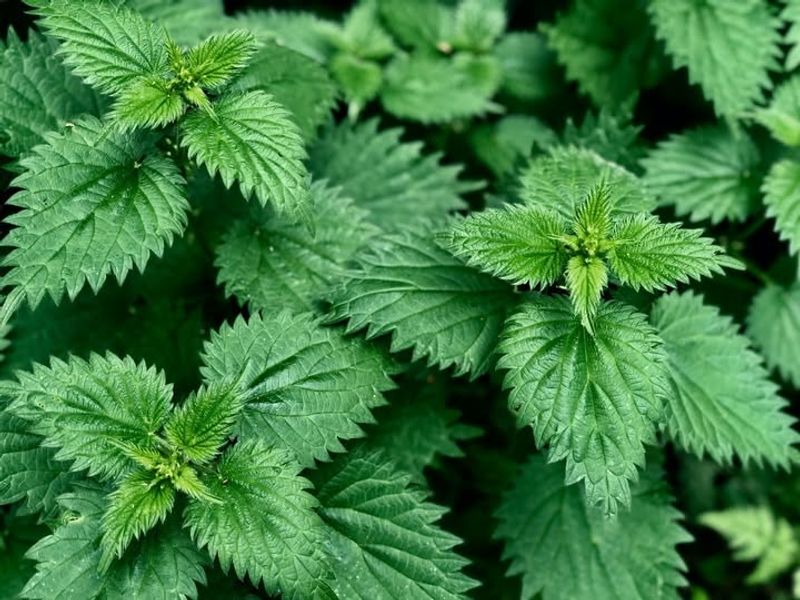
Few plants or animals in Kentucky woodlands are willing to tangle with stinging nettle, giving it a significant advantage in the competition for space and resources.
The plant’s defensive hairs containing formic acid, histamine, and other irritating chemicals effectively deter most herbivores from browsing on its leaves.
This natural protection allows nettle to grow undisturbed while deer, rabbits, and other animals consume surrounding vegetation, inadvertently giving nettle more room to expand.
Most insects also avoid stinging nettle, though a few specialized species have adapted to feed on it without harm.
However, these nettle-specific insects remain relatively uncommon in Kentucky and don’t consume enough plant material to control nettle populations significantly.
Without substantial predation pressure, nettle plants can direct their energy toward growth and reproduction rather than recovering from browsing damage like many other woodland plants must do.
Native plant species that might compete with nettle for resources often struggle to establish themselves in areas where nettle has already gained a foothold.
The plant’s dense growth habit shades out seedlings of other species, while its extensive root system efficiently captures available water and nutrients.
This competitive dominance becomes particularly pronounced in disturbed areas across Kentucky where plant diversity has already been reduced by human activity.
Chemical compounds released by nettle roots may also inhibit the germination and growth of certain nearby plants through a process called allelopathy.
While research specific to Kentucky ecosystems continues, this potential chemical warfare gives nettle yet another advantage over competing vegetation.
Combined with physical defenses and aggressive growth habits, the lack of effective natural controls has allowed stinging nettle to spread relatively unchecked through suitable habitats across Kentucky woodlands.
6. Efficient Reproduction Through Seeds And Roots
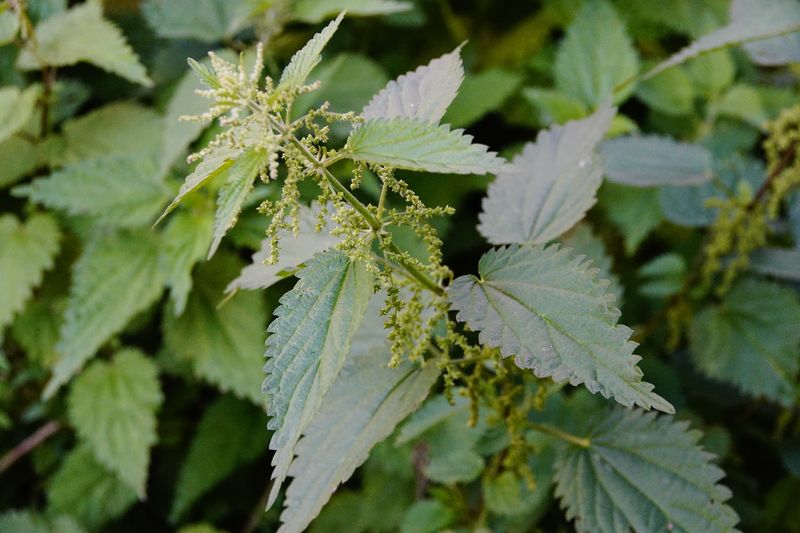
Stinging nettle employs a remarkably effective dual reproduction strategy that ensures its continued expansion across Kentucky woodlands.
Each mature plant produces thousands of tiny seeds annually, which the wind easily carries to new locations or which animals transport on their bodies.
These seeds can remain dormant in the soil for several years, waiting for ideal conditions to germinate, essentially creating a seed bank that guarantees future nettle populations even if current plants are removed.
Even more impressive than seed production is nettle’s ability to spread vegetatively through underground rhizomes that extend horizontally through the soil.
These creeping root systems can travel several feet from the parent plant each growing season, sending up new shoots wherever conditions prove favorable.
A single nettle plant in a Kentucky woodland can theoretically create an entire colony covering hundreds of square feet within just a few years through this underground expansion method.
Breaking or cutting nettle stems often backfires as a control method because any root fragments left in the soil can regenerate into new plants.
This resilience makes nettle particularly difficult to remove once it establishes itself in Kentucky forests and explains why populations persist even after apparent removal efforts.
The plant’s ability to bounce back from disturbance actually contributes to its spread, as careless removal attempts often fragment roots and create multiple new plants instead of eliminating the original.
Nettle’s reproductive versatility means it can adapt to various situations across Kentucky woodland environments.
In open, sunny spots, seed production dominates, ensuring long-distance colonization of new areas.
In shadier locations with established soil, rhizome expansion takes precedence, allowing nettle to gradually claim territory from neighboring plants through persistent underground growth that continues year after year.
7. Adaptation To Various Woodland Conditions
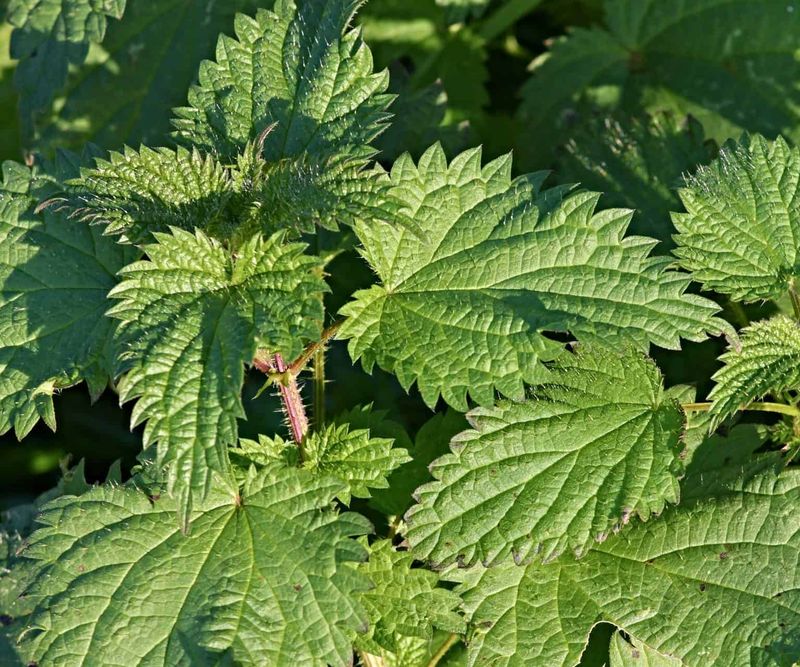
Stinging nettle demonstrates remarkable flexibility in adapting to diverse conditions found throughout Kentucky woodlands, which explains its ability to colonize so many different habitats.
While the plant prefers moist, nutrient-rich soils in partially shaded areas, it can also tolerate full sun, temporary flooding, and even moderately dry conditions once established.
This adaptability means nettle can thrive along stream banks, forest edges, trail sides, and even within dense woodland interiors across Kentucky.
Temperature tolerance also contributes to nettle’s success throughout the state’s varied geography.
From the cooler mountain regions of eastern Kentucky to the warmer lowlands in the west, nettle populations flourish wherever adequate moisture and nutrients exist.
The plant’s ability to go dormant during unfavorable conditions and quickly resume growth when circumstances improve allows it to persist through Kentucky’s occasionally unpredictable weather patterns.
Nettle’s root system shows impressive adaptability to different soil types found across Kentucky woodlands.
Whether growing in heavy clay soils, sandy loams, or rocky ground near limestone outcrops, the plant adjusts its root architecture to maximize resource acquisition.
This flexibility enables nettle to establish itself in locations where more specialized plants might struggle, giving it access to a broader range of potential habitats.
The plant even adapts its growth form based on environmental conditions in Kentucky forests.
In sunny, nutrient-rich locations, nettle grows tall and produces abundant foliage, while in shadier or less fertile areas, it remains shorter but still manages to survive and reproduce.
This phenotypic plasticity ensures nettle can maintain populations across a spectrum of woodland conditions, making it one of the most versatile native plants spreading through Kentucky’s diverse forest ecosystems and contributing to its seemingly unstoppable expansion.