Why This Painful Native Plant Is Spreading Through Virginia Woodlands
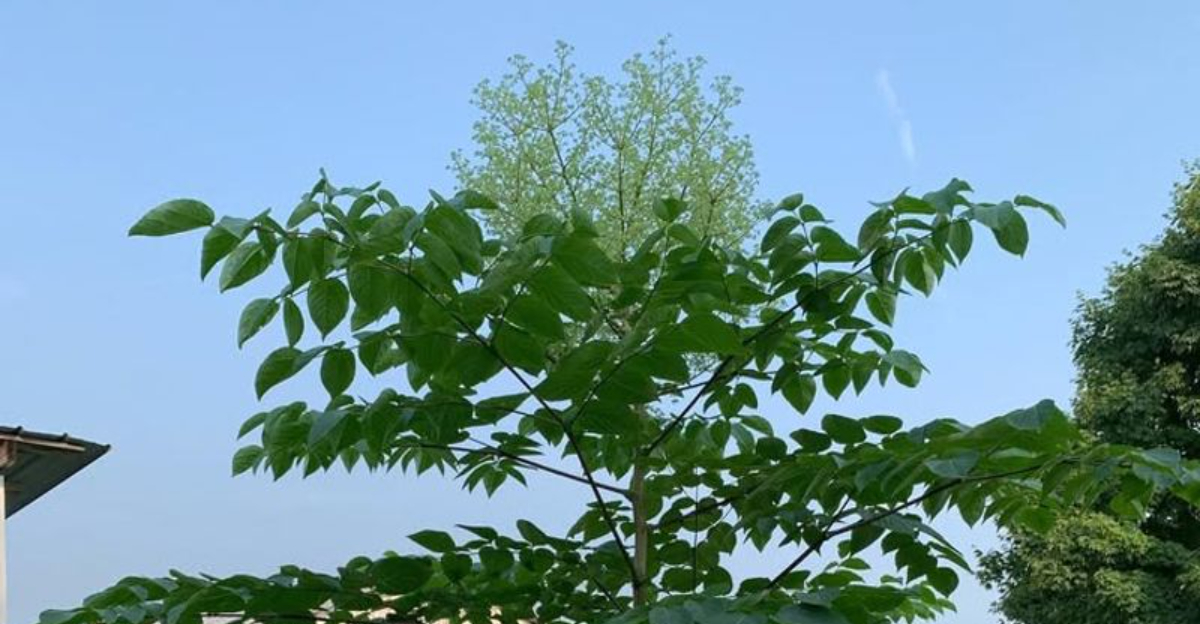
Virginia’s woodlands are changing, and hikers are learning the hard way that not every native plant is friendly.
A once-overlooked species is spreading rapidly, and its reputation for causing painful reactions is making it impossible to ignore.
What was once part of a balanced ecosystem is now tipping the scales.
This plant thrives in disturbed soils and changing conditions, taking advantage of warmer temperatures and shifting land use.
As forests are fragmented and edges expand, it finds room to grow—and spread.
For those brushing past it unknowingly, the consequences can linger far longer than the encounter itself.
Understanding why this plant is flourishing is the first step toward managing it.
Ecologists and land managers are working to strike a balance between respecting native species and protecting people and wildlife.
Its spread is a reminder that “native” doesn’t always mean harmless—and that even familiar landscapes require renewed attention as conditions change.
Native Status Gives It A Competitive Advantage
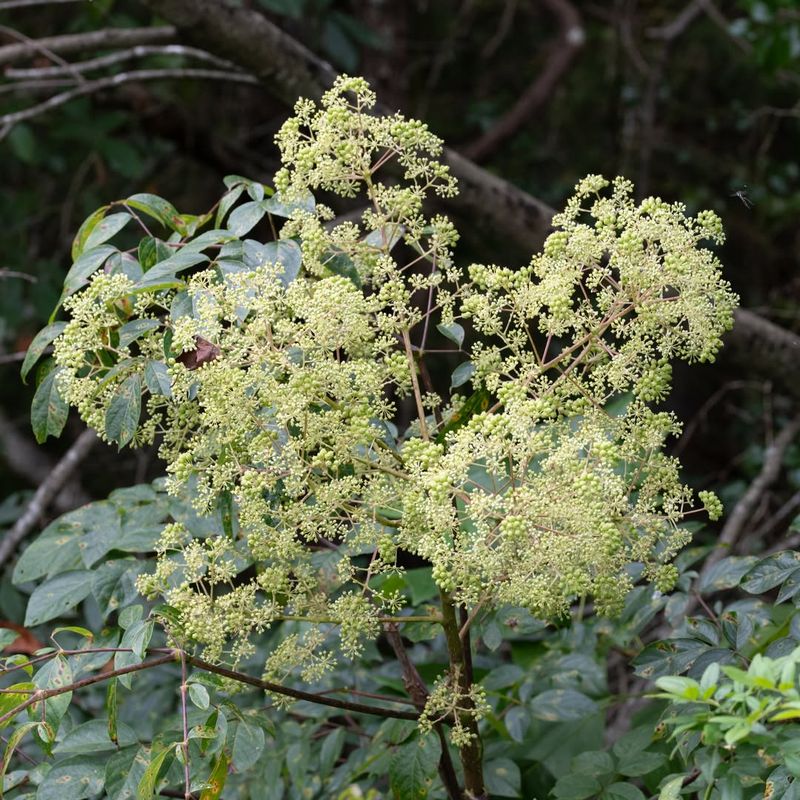
Being born and raised in Virginia gives Devil’s Walking Stick a huge head start over plants from other places.
This shrub has spent thousands of years adapting to Virginia’s specific soil types, rainfall amounts, and temperature swings.
Its roots know exactly how to find nutrients in local clay and loam soils that frustrate many garden plants.
When spring rains arrive, this native plant responds immediately because it’s genetically programmed to match Virginia’s weather patterns.
Summer droughts that stress non-native species barely slow down Devil’s Walking Stick because its ancestors survived the same conditions for generations.
The plant’s internal clock matches perfectly with Virginia’s frost dates, allowing it to leaf out at the safest time each spring.
This home-field advantage means Devil’s Walking Stick doesn’t waste energy adjusting to unfamiliar conditions like imported species must.
While exotic plants struggle to establish roots and figure out the local climate, this native is already thriving and spreading.
Its deep understanding of Virginia’s ecosystem lets it grab resources faster than competitors who are still learning the ropes.
This natural compatibility with local conditions makes Devil’s Walking Stick incredibly efficient at colonizing available space in Virginia woodlands.
Thrives In Disturbed Forest Areas
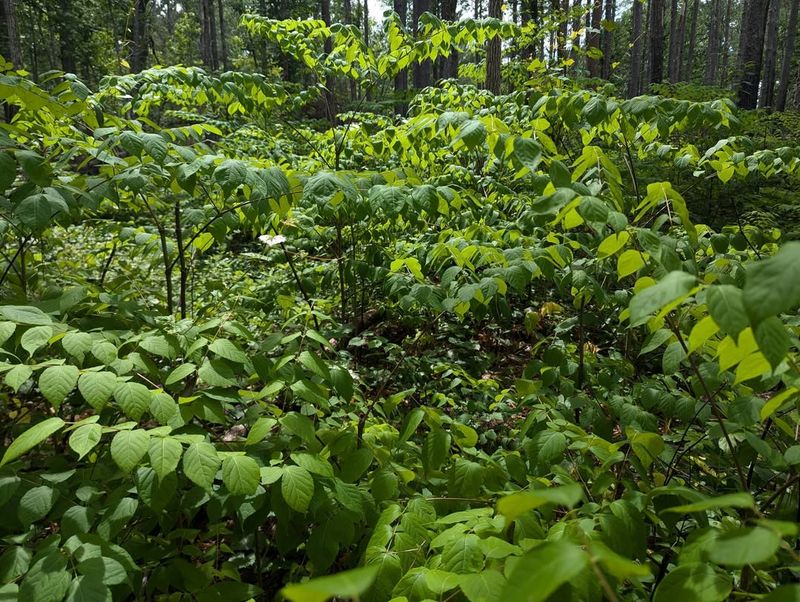
Wherever humans or nature shake things up in the forest, Devil’s Walking Stick sees an opportunity and rushes in.
Logging operations that clear patches of trees create perfect sunny openings where this opportunistic plant quickly establishes itself.
Storm damage from high winds or ice can knock down mature trees, and within months, thorny shoots appear in the newly exposed soil.
Trail maintenance crews who clear vegetation along hiking paths inadvertently create ideal conditions for Devil’s Walking Stick to colonize.
New housing developments at woodland edges disturb the soil and remove competing vegetation, rolling out the welcome mat for this aggressive grower.
The plant acts like nature’s first responder, arriving quickly at disturbed sites before slower-growing trees and shrubs can take hold.
Its seeds germinate rapidly in bare soil where sunlight suddenly reaches the forest floor after years of shade.
Once established in these disturbed zones, the plant forms dense thickets that prevent other species from reclaiming the space.
Road construction, utility line clearing, and even deer trails provide additional disturbance that Devil’s Walking Stick exploits.
This ability to capitalize on disruption gives it a major advantage in forests experiencing increased human activity and natural disturbances.
Spreads Aggressively Through Root Suckers
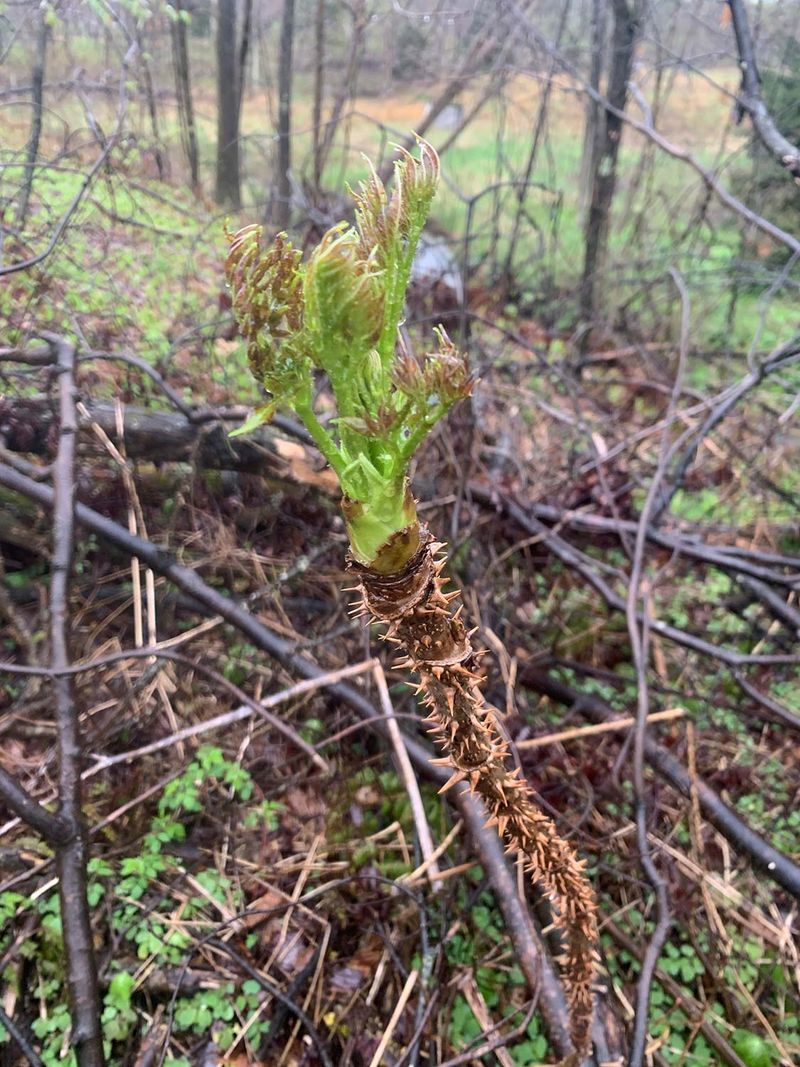
Underground, Devil’s Walking Stick operates like a hidden army sending out troops in all directions.
The plant produces thick rhizomes that creep horizontally through the soil, sometimes traveling several feet from the parent plant.
These underground stems send up new shoots called root suckers that emerge as separate-looking plants but remain connected below ground.
What appears to be a small group of individual plants is often actually one massive organism linked by a network of roots.
Each year, the colony expands outward as rhizomes push into new territory and sprout additional stems.
A single plant can produce dozens of suckers in just a few growing seasons, creating an increasingly dense thicket.
Even if you remove the main stem, the root system remains alive underground and simply sends up more shoots.
This vegetative reproduction strategy is far more efficient than relying solely on seeds for expansion.
The connected root system also shares resources, so younger shoots benefit from the established roots of older stems.
In Virginia’s moist woodland soils, these rhizomes spread particularly well, allowing colonies to double or triple in size within a few years.
This underground expansion strategy makes Devil’s Walking Stick incredibly difficult to control once it establishes a foothold.
Reduced Deer Browsing Pressure

While deer munch their way through most woodland plants, they give Devil’s Walking Stick a hard pass.
The plant’s stems are armed with thousands of sharp, needle-like spines that make it completely unappetizing to browsing animals.
Even hungry deer during tough winters avoid this thorny shrub, choosing to eat almost anything else available first.
This protection from browsing gives Devil’s Walking Stick a massive survival advantage in forests with high deer populations.
Competing plants like young oak saplings, wildflowers, and other shrubs get repeatedly browsed by deer, weakening or eliminating them.
Meanwhile, Devil’s Walking Stick grows unchecked, gaining height and spreading without the setback of having its tender shoots nibbled away.
In areas where deer have overpopulated, the plant actually benefits from increased browsing pressure on its competitors.
The more deer eat surrounding vegetation, the more space and resources become available for this protected species.
Some forest managers have noticed that areas with heavy deer pressure show the most dramatic increases in Devil’s Walking Stick colonies.
The plant’s defensive spines essentially create a deer-free zone where it can thrive while other species struggle.
This freedom from herbivory allows every bit of energy to go toward growth and reproduction rather than replacing browsed foliage.
Strong Regrowth After Cutting Or Damage
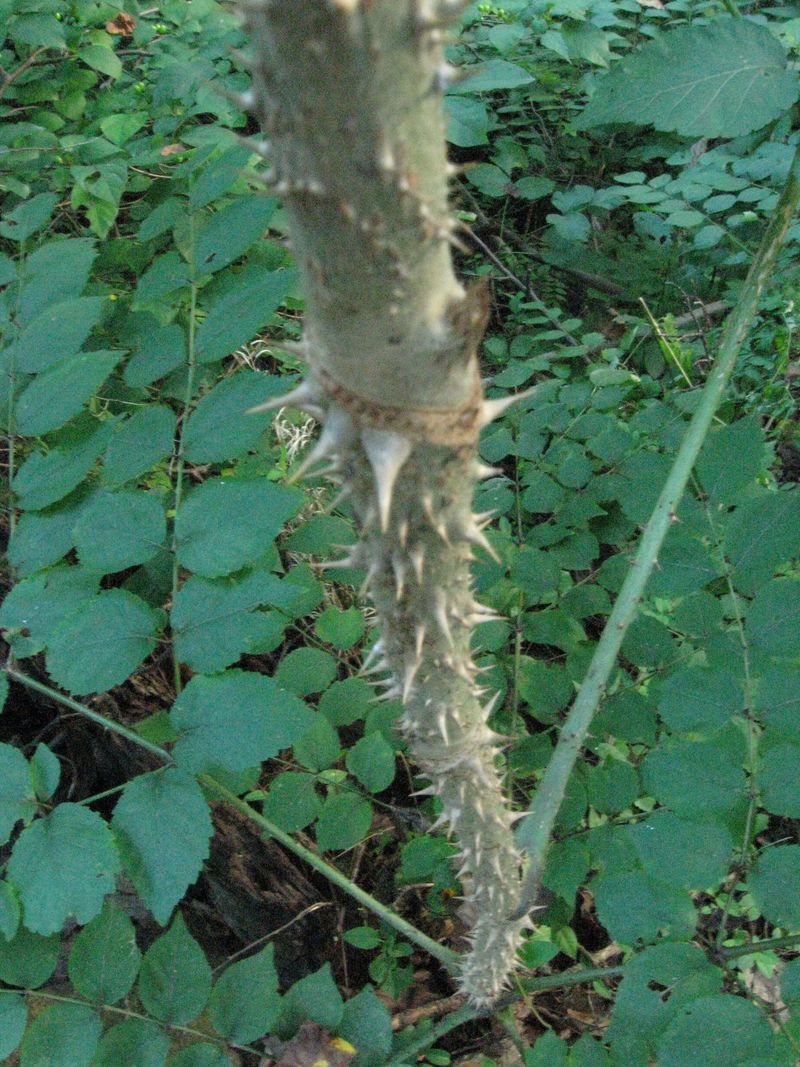
Trying to control Devil’s Walking Stick by cutting it down often backfires in spectacular fashion.
When someone chops down a stem, the plant interprets this as an attack and responds by sending up multiple replacement shoots.
Instead of eliminating one stem, cutting can result in five or ten new shoots emerging from the disturbed root system.
This vigorous regrowth response actually accelerates the plant’s spread rather than slowing it down.
The phenomenon occurs because cutting removes the main stem’s dominance, triggering dormant buds in the roots to activate simultaneously.
Landowners who mow or brush-hog areas with Devil’s Walking Stick often find thicker, denser growth returning the following season.
Even damage from storms, falling branches, or animal activity can stimulate this multiplication effect.
The new shoots often grow faster than the original stem, quickly regaining lost height within a single growing season.
This resilience makes mechanical control methods frustrating and often counterproductive without follow-up treatments.
Forest managers have learned that simple cutting without addressing the root system just creates more problems.
The plant’s ability to bounce back stronger after damage ensures its continued expansion in managed and unmanaged woodlands alike.
This remarkable regenerative capacity ranks among the most challenging aspects of controlling Devil’s Walking Stick populations.
Bird-Dispersed Seeds Aid Expansion
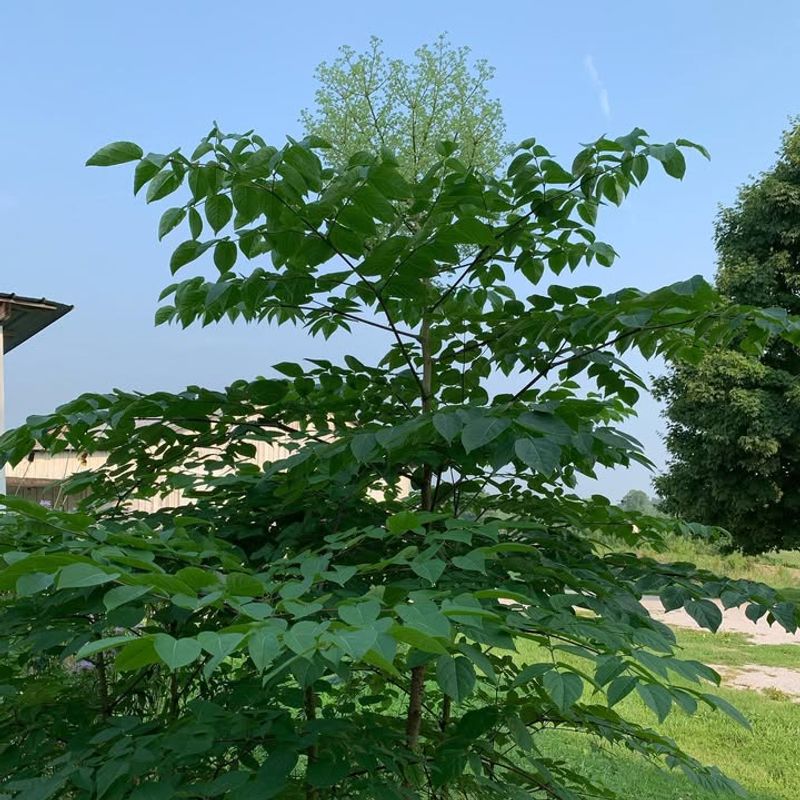
Birds love the dark purple berries that Devil’s Walking Stick produces in late summer and fall.
Robins, thrushes, and other fruit-eating birds feast on these berry clusters, then fly off to perch elsewhere in the forest.
As they digest the fruit, the seeds pass through their digestive systems and get deposited far from the parent plant.
This bird-powered seed dispersal allows Devil’s Walking Stick to colonize new areas sometimes hundreds of yards away.
A single bird can spread dozens of seeds across a wide territory during its daily foraging activities.
The berries ripen just as many migratory birds are passing through Virginia, creating perfect timing for long-distance dispersal.
Unlike wind-dispersed seeds that might only travel a few feet, bird-carried seeds can jump across valleys, roads, and other barriers.
The seeds arrive at new locations already packaged in a nutritious fertilizer coating from the bird’s droppings.
This dispersal method helps explain why isolated Devil’s Walking Stick colonies suddenly appear in previously unaffected woodland areas.
Birds don’t avoid the thorny stems when harvesting berries because the fruit clusters hang clear of the worst spines.
Each berry contains several seeds, so a single productive plant can generate thousands of potential new colonies through bird dispersal.
This partnership with birds gives Devil’s Walking Stick a powerful advantage in spreading throughout Virginia’s interconnected forest landscapes.
Warmer Temperatures Extend The Growing Season
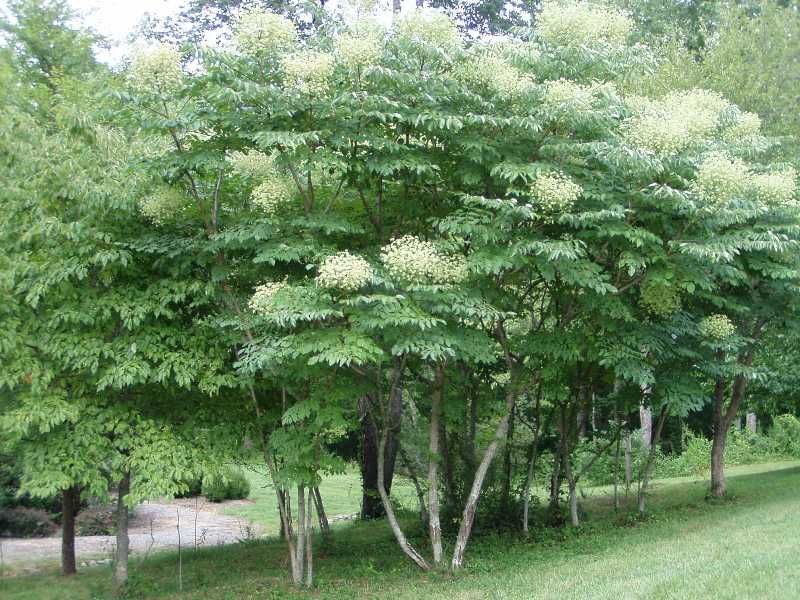
Climate shifts in Virginia have created longer growing seasons that particularly benefit fast-growing plants like Devil’s Walking Stick.
Warmer spring temperatures arrive earlier each year, allowing this opportunistic species to leaf out before many competing plants.
Getting a head start on the growing season means capturing more sunlight before the forest canopy fully closes overhead.
The extended warm period in fall also gives Devil’s Walking Stick extra weeks to photosynthesize and store energy for next year’s growth.
Milder winters with fewer extreme cold snaps reduce stress on the plant’s root systems and above-ground stems.
With more frost-free days each year, the plant can allocate more resources to growth and reproduction rather than cold tolerance.
Taller stems resulting from longer growing seasons produce more berries, which means more seeds for birds to spread.
The plant reaches reproductive maturity faster in warmer conditions, allowing younger colonies to start producing seeds sooner.
Competing native plants adapted to cooler historical temperatures may grow more slowly under these changing conditions.
Devil’s Walking Stick essentially gets a performance boost from the same climate changes that stress other woodland species.
Earlier spring growth also means earlier flowering, which can attract more pollinators when fewer competing flowers are available.
These temperature-related advantages help explain the plant’s accelerating expansion across Virginia’s warming woodlands.
Low Competition In Shaded Understories
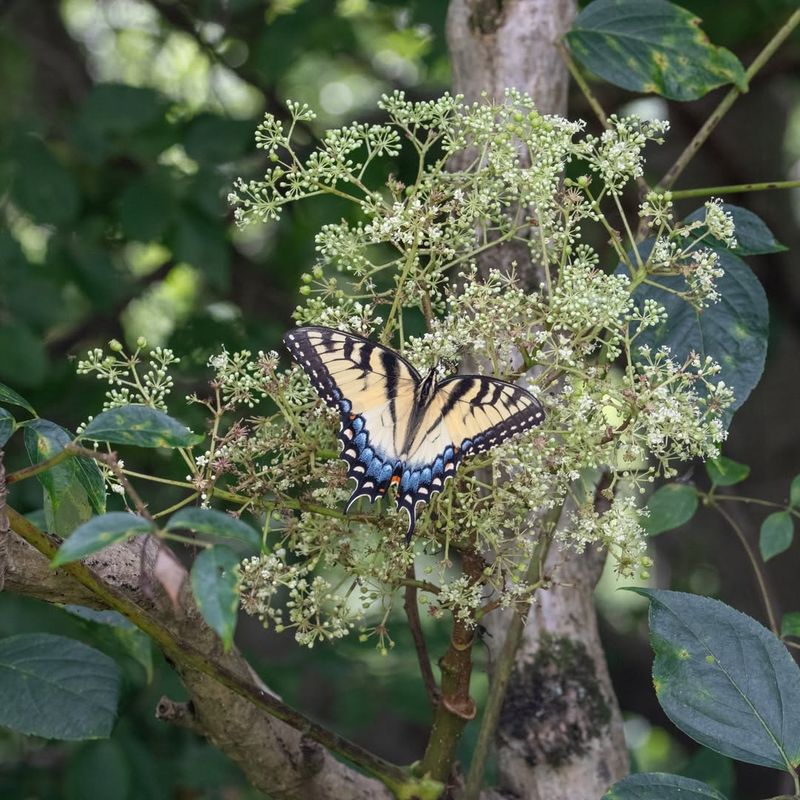
Many aggressive plants need full sun to thrive, but Devil’s Walking Stick performs well in the dappled shade beneath forest canopies.
This shade tolerance opens up vast areas of woodland understory where sun-loving competitors cannot establish successfully.
The plant’s large compound leaves efficiently capture whatever sunlight filters through the trees overhead.
While it grows taller and faster in sunny clearings, it can still spread steadily in partial shade conditions.
Forest understories often have reduced competition because fewer species can photosynthesize efficiently in low light.
Devil’s Walking Stick fills this ecological niche, thriving in conditions that exclude many other shrubby species.
Mature forests with closed canopies would normally resist invasion by light-demanding plants, but this shade-tolerant species slips right in.
The ability to grow in both sun and shade makes Devil’s Walking Stick incredibly versatile in colonizing different forest types.
Young plants can establish under the canopy, then shoot upward rapidly if a gap opens in the overhead trees.
This flexibility means the plant succeeds in early successional forests, mature woodlands, and everything in between.
Shade tolerance also allows colonies to persist even as the forest canopy closes around them over time.
While growth may slow in deep shade, the plants remain alive and ready to expand when conditions improve.
Human Avoidance Encourages Unchecked Growth
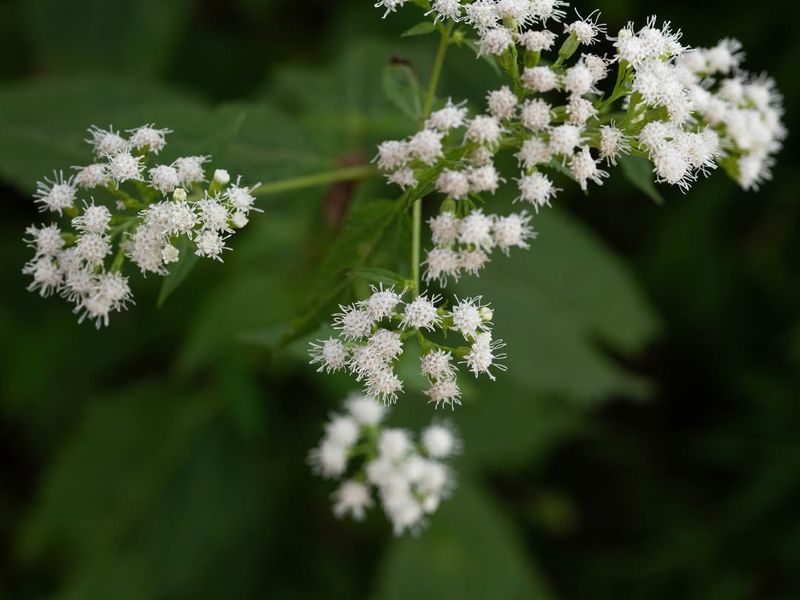
Nobody volunteers to wade into a thicket of Devil’s Walking Stick armed with pruning shears and a smile.
The plant’s fearsome spines create a powerful psychological barrier that discourages landowners from attempting removal.
Even professional land managers often prioritize controlling other invasive species that are less painful to handle.
This human avoidance means Devil’s Walking Stick colonies frequently go unmanaged for years, allowing unchecked expansion.
Property owners may notice the thorny thickets but decide the effort and pain involved in removal simply isn’t worth it.
The spines easily penetrate work gloves, clothing, and even leather boots, making physical removal genuinely hazardous.
Without regular management intervention, colonies expand steadily through root suckers and seed dispersal year after year.
Areas near trails, property boundaries, and recreational spaces often harbor growing populations that nobody wants to tackle.
The plant essentially protects itself through its weaponized appearance, creating a hands-off management situation.
Even when people do attempt removal, the painful experience often convinces them not to return for follow-up treatments.
This lack of consistent human pressure allows Devil’s Walking Stick to flourish in semi-managed landscapes across Virginia.
The combination of painful spines and aggressive regrowth creates a perfect storm of human avoidance that benefits the plant’s continued spread.