Why This Painful Native Plant Keeps Spreading Through Tennessee Woodlands
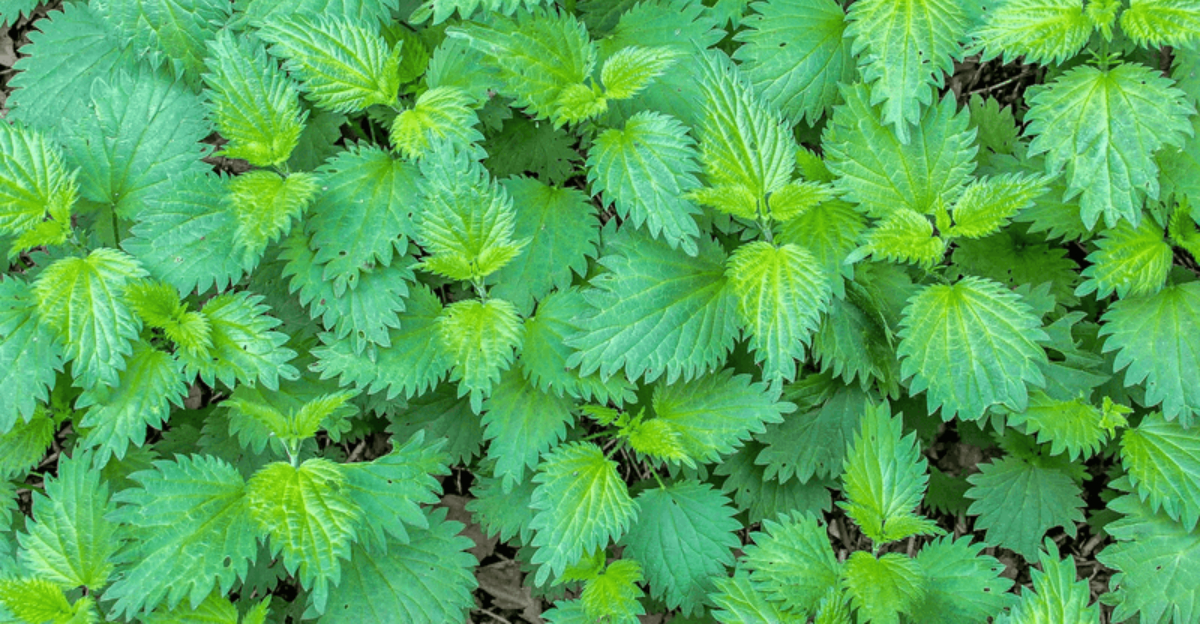
Walk through Tennessee woodlands and it doesn’t take long to notice a native plant that leaves a sharp reminder the moment skin brushes against it.
It spreads quickly along trails, stream edges, and shaded clearings, catching hikers and homeowners off guard every growing season.
The plant behind those painful encounters is stinging nettle, a fast-growing native that thrives in the exact conditions many woodlands naturally provide.
Its ability to return year after year makes encounters increasingly common in both rural and suburban areas across the state.
Understanding why it spreads so easily helps explain why Tennessee woodlands keep seeing more of it each season.
1. Rich Soil Conditions Fuel Rapid Growth
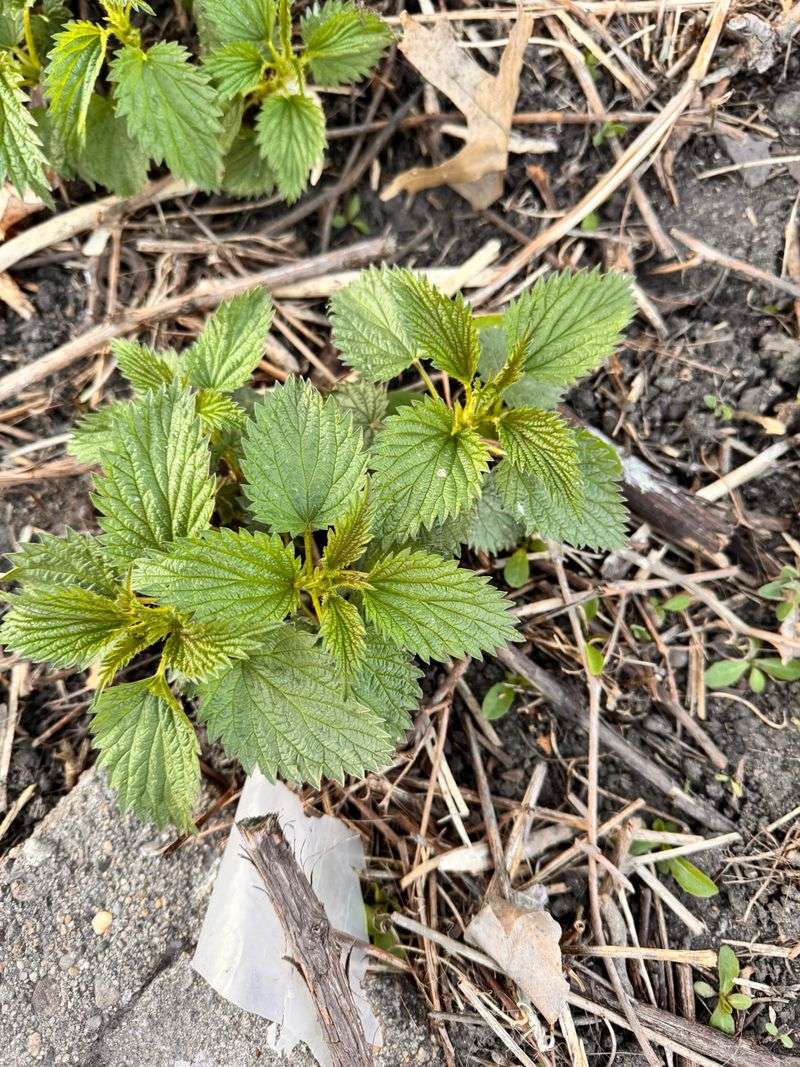
Tennessee woodlands offer incredibly fertile soil that provides stinging nettle with all the nutrients it needs to grow tall and spread quickly.
High nitrogen levels in forest floors create perfect conditions for this aggressive plant to establish deep root systems throughout the region.
Decomposing leaves and organic matter add constant nourishment, making woodland areas ideal habitats for nettle colonies to expand year after year.
Moisture-retaining soil keeps roots hydrated during dry spells, allowing the plant to survive when other vegetation struggles in Tennessee summers.
Forest canopies provide filtered sunlight that nettle prefers, creating shaded environments where it outcompetes sun-loving plants with ease.
Disturbed soil from fallen trees or foot traffic opens new spaces where nettle seeds can germinate and establish themselves rapidly.
Landowners often find that once nettle takes hold in nutrient-rich areas, removing it completely becomes an ongoing challenge requiring persistent effort.
Understanding soil quality helps explain why certain woodland sections develop dense nettle patches while other areas remain relatively clear throughout seasons.
This combination of rich soil, steady moisture, and partial shade creates a nearly perfect environment that allows stinging nettle to dominate large sections of Tennessee woodlands with ease.
2. Underground Rhizomes Ensure Persistent Comeback
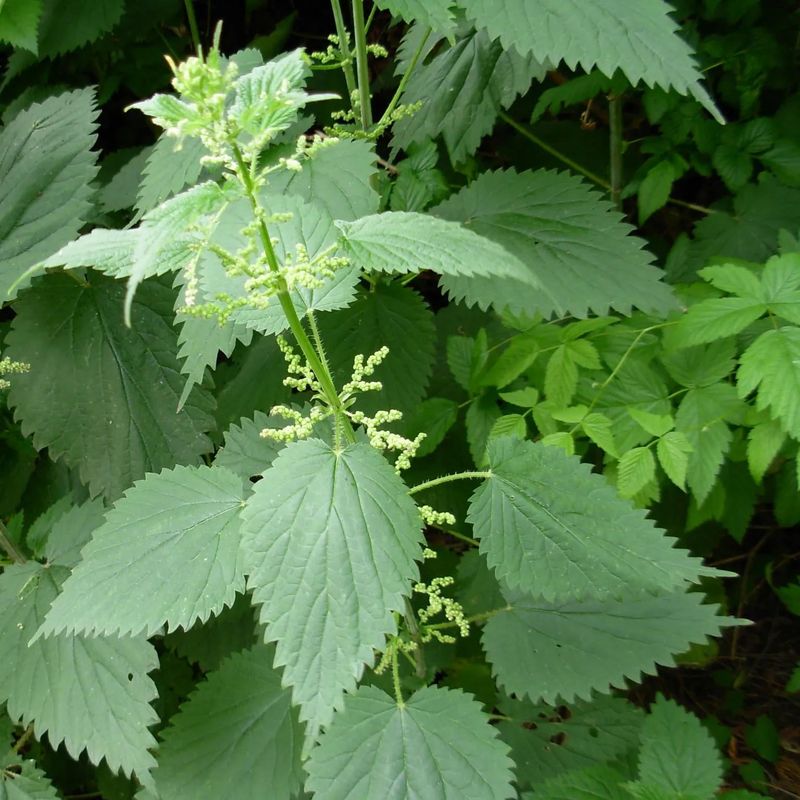
Stinging nettle spreads through extensive underground rhizome networks that can stretch several feet in all directions beneath the woodland surface.
These horizontal root systems store energy reserves that allow new shoots to emerge even after surface plants get cut or damaged.
Each rhizome segment can produce multiple growth points, creating dozens of new plants from a single established root system across Tennessee forests.
Breaking rhizomes during removal efforts often makes the problem worse, as each broken piece can potentially develop into a new plant.
Cold winter temperatures barely affect these underground structures, which remain dormant until spring warmth triggers vigorous regrowth throughout woodland areas.
Rhizomes can survive for years in the soil, waiting for favorable conditions to send up fresh shoots that quickly dominate spaces.
This underground persistence explains why nettle patches return season after season, frustrating property owners who thought they had successfully cleared areas.
Effective management requires targeting these hidden root systems rather than just removing visible growth that appears above ground in Tennessee woodlands.
3. Seeds Travel Far Through Wildlife and Wind
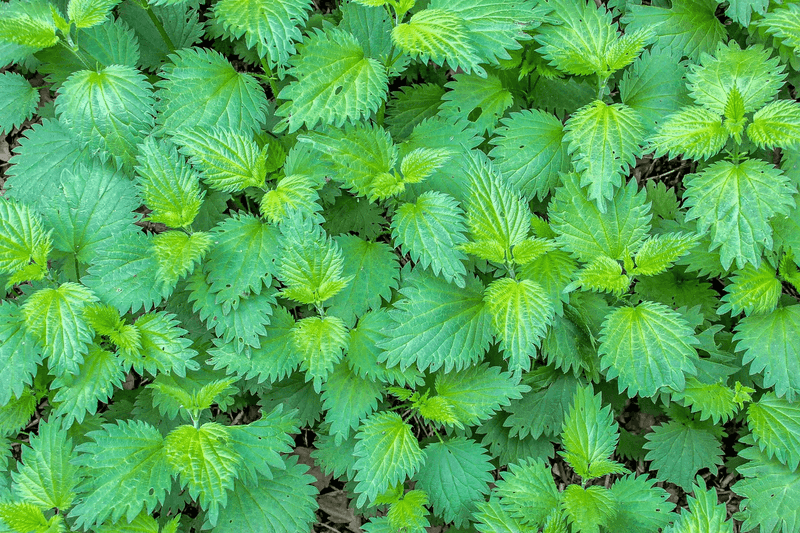
Stinging nettle produces thousands of tiny seeds that disperse through multiple methods, ensuring the plant colonizes new woodland areas across Tennessee.
Wind carries lightweight seeds considerable distances from parent plants, depositing them in fresh locations where they can establish new colonies easily.
Birds and small mammals inadvertently transport seeds on their fur or in droppings, spreading nettle to previously unaffected forest sections.
Water runoff during heavy rains washes seeds downhill into valleys and creek beds, where moist conditions help them germinate successfully.
Seeds remain viable in soil for several years, creating a persistent seed bank that can sprout when conditions become favorable.
Each mature nettle plant can produce hundreds of seeds annually, multiplying spread potential exponentially throughout Tennessee woodland ecosystems.
Human activity also contributes to dispersal when seeds stick to clothing, boots, or equipment that moves between different forest locations.
This multi-pronged dispersal strategy makes containment extremely difficult, as new plants can appear far from known nettle patches without warning.
4. Minimal Natural Predators Allow Unchecked Expansion
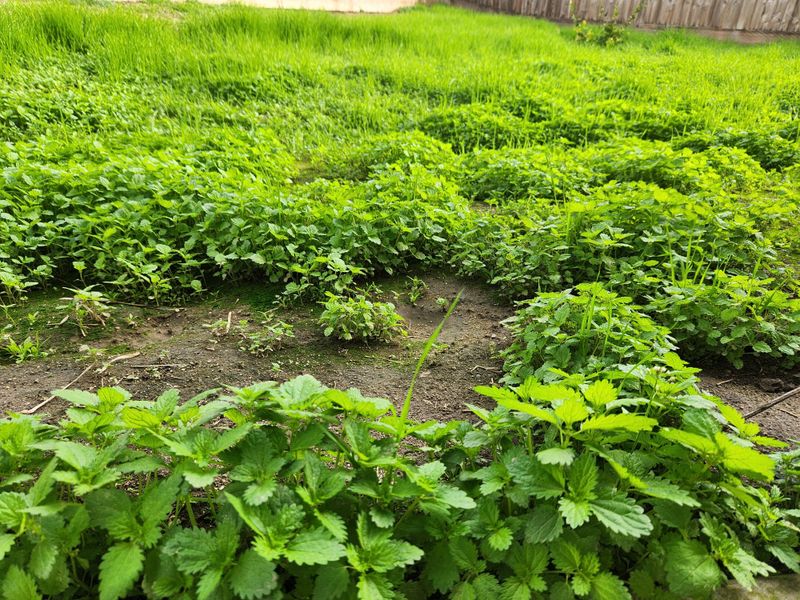
Few animals or insects feed on stinging nettle due to its defensive hairs, giving it a significant advantage over other woodland plants.
The plant’s stinging trichomes contain irritating chemicals that deter most herbivores from browsing, leaving nettle patches largely undisturbed in Tennessee forests.
Unlike many native plants that face pressure from deer and other wildlife, nettle thrives without natural population controls in woodland ecosystems.
This lack of predation means nettle can invest energy into growth and reproduction rather than defending against constant browsing pressure.
Some insects have adapted to feed on nettle, but their populations remain too small to significantly impact the plant’s spread.
Domestic animals also avoid nettle patches, allowing these areas to expand while surrounding vegetation gets grazed down in Tennessee pastures.
Without natural enemies to keep populations in check, nettle colonies can grow denser and larger each year across woodland properties.
This defensive advantage helps explain why nettle often dominates areas where other plants struggle to maintain their presence against browsing wildlife.
5. Human Disturbance Creates Perfect Entry Points
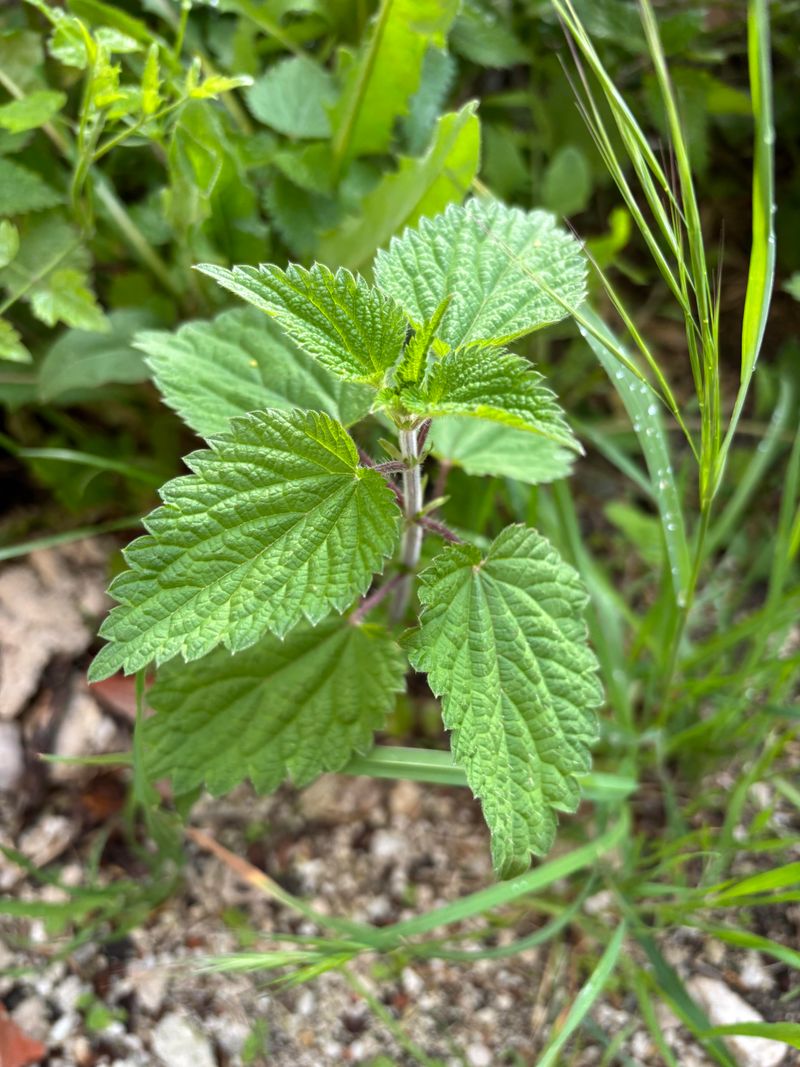
Logging operations, trail development, and recreational activities disturb forest floors, creating ideal conditions for stinging nettle colonization throughout Tennessee woodlands.
Compacted soil from foot traffic and machinery alters drainage patterns, often increasing moisture levels that nettle prefers for establishment.
Cleared areas where trees have been removed allow more sunlight to reach the ground, triggering dormant nettle seeds to germinate.
Construction projects near woodland edges introduce soil disturbance that breaks up existing plant communities, giving nettle opportunities to move in quickly.
ATV trails and erosion from poor drainage systems expose bare soil where nettle seeds can take root without competition from established plants.
Even well-meaning habitat restoration efforts can accidentally spread nettle if equipment carries seeds or rhizome fragments between different Tennessee forest locations.
Increased human access to previously remote woodland areas creates more disturbance points where nettle can gain footholds and begin spreading.
Understanding how our activities contribute to nettle expansion helps landowners make better decisions about managing woodland access and minimizing disturbance impacts.
6. Climate Conditions Favor Extended Growing Seasons
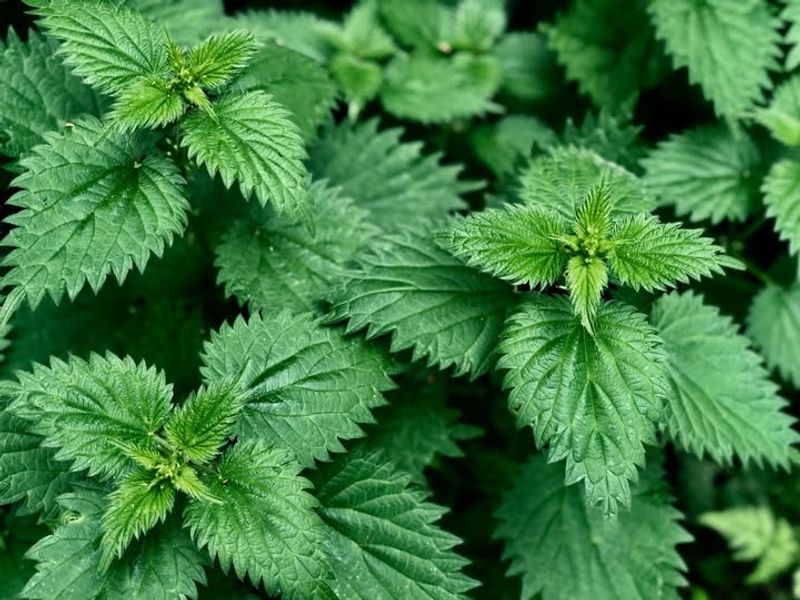
Tennessee’s temperate climate with mild winters and warm, humid summers creates nearly perfect conditions for stinging nettle to thrive year-round.
Spring arrives early in the region, giving nettle a head start on growth before many native woodland plants begin their seasonal cycles.
Abundant rainfall throughout most months keeps soil moisture levels high, eliminating drought stress that might otherwise limit nettle expansion in forests.
Warm temperatures extend the growing season well into fall, allowing nettle to produce multiple seed crops and strengthen root systems.
Climate patterns in Tennessee rarely include extreme cold snaps that might damage overwintering rhizomes or reduce population numbers significantly.
Humidity levels stay elevated during summer months, preventing the soil from drying out and creating ideal conditions for continuous nettle growth.
Occasional flooding in low-lying woodland areas actually benefits nettle by depositing nutrient-rich sediment and spreading seeds to new locations.
These favorable climate conditions mean nettle faces fewer environmental challenges than in regions with harsher weather, explaining its persistent presence across Tennessee.
7. Shade Tolerance Gives Competitive Advantage
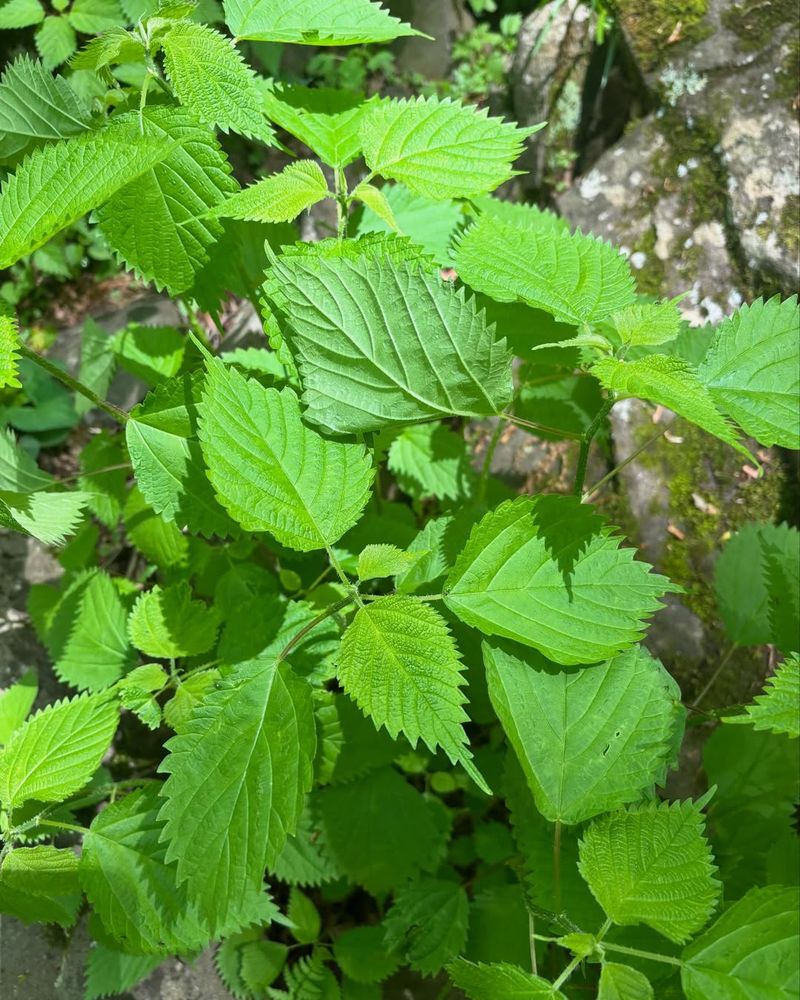
Stinging nettle thrives in partial shade conditions found beneath forest canopies, allowing it to dominate areas where sun-loving plants cannot compete.
Many woodland plants require full sunlight to photosynthesize efficiently, but nettle has adapted to make use of filtered light in Tennessee forests.
This shade tolerance means nettle can establish itself in mature woodlands where dense tree cover prevents most aggressive weeds from spreading.
Young nettle plants grow quickly even in low-light conditions, reaching heights that allow them to outcompete smaller native woodland species.
Forest edges provide transitional zones with varied light levels, creating perfect habitats where nettle can adjust to different exposure levels easily.
As trees leaf out in spring, many plants struggle with reduced sunlight, but nettle continues growing vigorously throughout Tennessee woodland understories.
This adaptability to shade gives nettle access to ecological niches that remain unavailable to plants requiring brighter conditions for successful establishment.
Understanding this competitive advantage helps explain why nettle persists in mature forests where other invasive species typically fail to gain footholds.
8. Allelopathic Properties Suppress Competing Plants
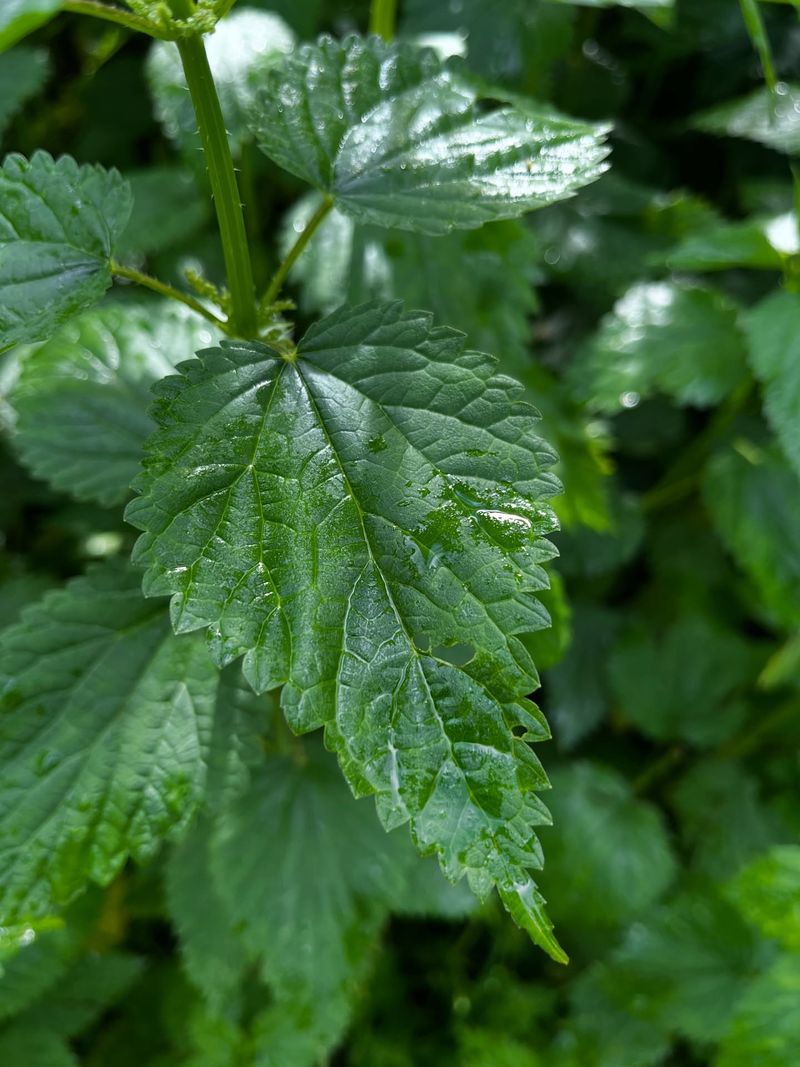
Stinging nettle releases chemical compounds into surrounding soil that inhibit seed germination and growth of nearby competing plant species in woodland areas.
These allelopathic substances give nettle an unfair advantage by creating zones where other plants struggle to establish themselves across Tennessee forests.
Root exudates from established nettle colonies alter soil chemistry in ways that favor nettle growth while suppressing native woodland plant communities.
This chemical warfare allows nettle to maintain dominance once it establishes itself, making natural succession and recovery extremely difficult without intervention.
Native plants that might otherwise reclaim disturbed areas find themselves unable to compete when nettle has already modified the soil environment.
The allelopathic effects can persist even after nettle removal, requiring time for soil chemistry to normalize before other plants successfully recolonize.
This hidden advantage helps explain why nettle patches often appear as monocultures with few other plant species growing within Tennessee woodland colonies.
Recognizing these chemical interactions helps land managers understand why simple removal efforts often fail to restore diverse native plant communities in affected areas.