Why This Unusual Plant Concerns Pennsylvania Gardeners?
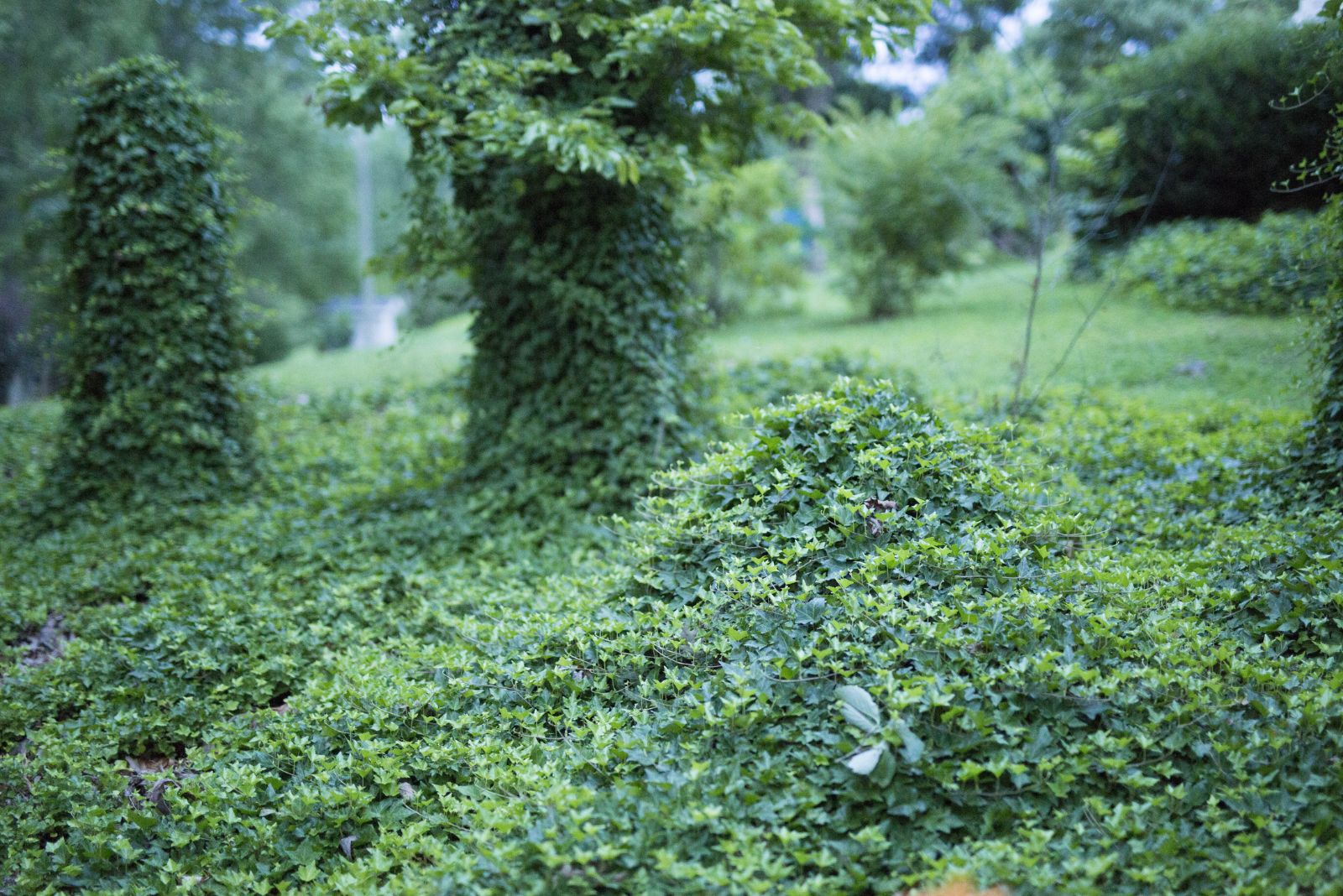
At first glance, it may look like just another fast growing vine stretching across fences, trees, and open ground. The deep green leaves seem harmless, even lush, as they spread quickly through the landscape.
Many gardeners in Pennsylvania notice it creeping in quietly, often before realizing how aggressive it can become.
This plant, known as kudzu, has earned a serious reputation for its rapid and overwhelming growth. Once it takes hold, it can cover shrubs, climb trees, and smother nearby plants by blocking sunlight.
What begins as a small patch can expand into a thick blanket of vines in a surprisingly short time. Controlling it requires patience, persistence, and early action.
Pennsylvania gardeners are growing more concerned as sightings increase. Understanding how kudzu spreads and why it is so difficult to manage is the first step toward protecting your garden, preserving local plant life, and preventing long term damage to your landscape.
1. Kudzu Grows At An Alarming Speed
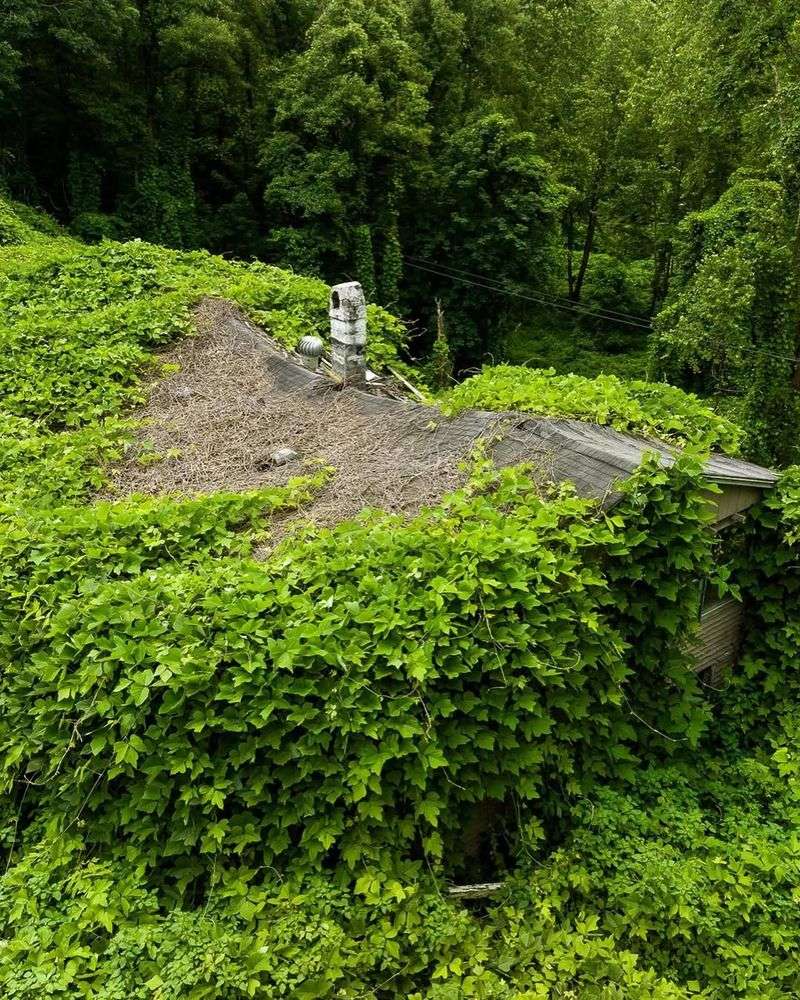
Picture waking up one morning to find your garden fence completely covered in thick green vines. That’s not an exaggeration when kudzu moves into your Pennsylvania yard. This plant holds the record as one of the fastest-growing vines on the planet.
Under ideal conditions, kudzu can shoot up a full foot in just 24 hours. During Pennsylvania’s warm summer months, when temperatures climb and rainfall is plentiful, kudzu goes into overdrive.
A small patch you noticed last week could blanket your entire garden bed by next month.
The speed catches people off guard. Many gardeners assume they have plenty of time to deal with a new vine creeping along their property line.
By the time they realize what’s happening, kudzu has already wrapped around shrubs, climbed up trees, and sent runners across the lawn.
What makes this growth rate particularly concerning is how kudzu doesn’t take breaks. Unlike many plants that slow down during cooler periods, kudzu keeps pushing forward as long as temperatures stay above freezing.
Pennsylvania’s increasingly mild autumns give kudzu extra weeks to spread.
The vine doesn’t just grow upward either. Underground, kudzu sends out thick roots called rhizomes that spread horizontally.
These hidden roots pop up as new plants several feet away from the original vine. Before you know it, what started as one small plant becomes dozens scattered across your property.
Gardeners throughout southeastern Pennsylvania have reported losing entire garden sections in a single growing season.
The plant moves faster than most people can keep up with, especially if they’re managing the property part-time or dealing with larger acreage. This incredible speed is why early detection matters so much.
2. It Smothers Trees And Plants
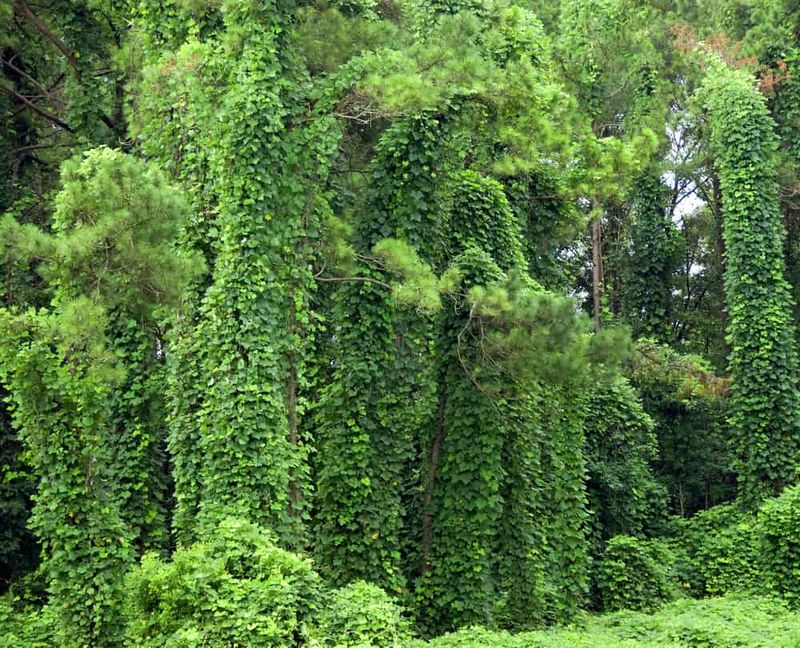
Walking through a kudzu-infested area feels like entering a green tunnel. The vines don’t just grow alongside other plants – they completely engulf them. Trees that stood tall for decades disappear under a thick blanket of kudzu leaves.
Sunlight is essential for every plant to make food through photosynthesis. When kudzu drapes over trees and shrubs, it blocks nearly all light from reaching the leaves underneath. Without sunlight, those plants slowly weaken and eventually stop growing altogether.
Pennsylvania forests contain valuable native species like oaks, maples, and hickories. These trees support local wildlife and maintain healthy ecosystems.
When kudzu takes over, it doesn’t discriminate, it smothers everything equally. Young saplings get covered first because they’re easier targets, but mature trees aren’t safe either.
Garden plants suffer the same fate. Your carefully tended roses, vegetable patches, and flowering shrubs become victims when kudzu moves in.
The vine grows so densely that it creates a solid canopy several feet thick. Nothing survives underneath this living ceiling.
The weight of kudzu vines adds another problem. As layers pile up, the sheer mass can bend branches and even snap smaller trees.
Combined with blocked sunlight, this physical pressure creates a double threat. Pennsylvania gardeners have watched prized ornamental trees succumb within two or three seasons.
Even after plants underneath stop functioning, kudzu keeps growing over them. The dry vegetation becomes hidden scaffolding that supports even more vine growth.
This creates a self-reinforcing cycle where kudzu uses its victims as ladders to spread further. Breaking this cycle requires immediate action, which is why Pennsylvania environmental groups emphasize early intervention.
3. It’s Very Difficult To Eradicate
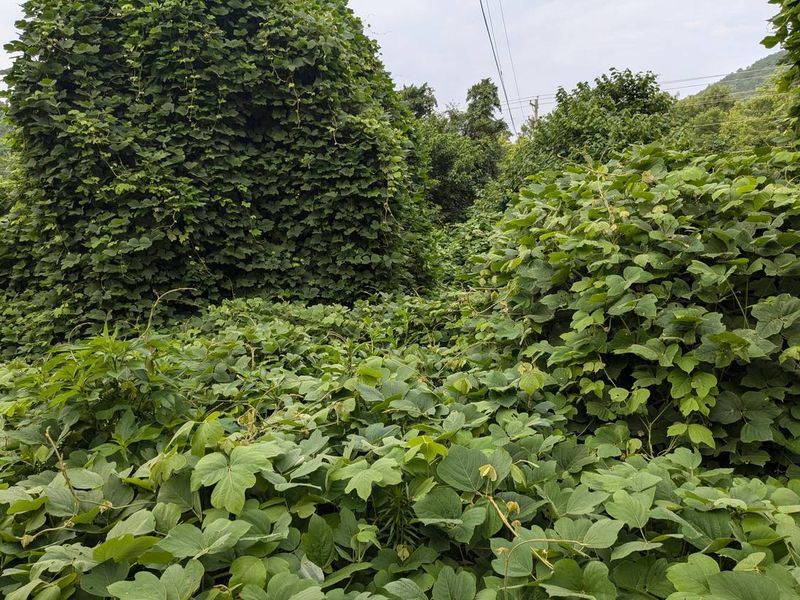
Most weeds pull out easily with a good tug. Kudzu laughs at that approach. Beneath every vine you see above ground sits a root system that can weigh hundreds of pounds and reach depths of 12 feet or more.
The plant stores energy in a massive structure called a root crown. This underground powerhouse sits just below the soil surface and can grow as large as a human torso.
Even if you cut every visible vine to the ground, that root crown sends up new shoots within days.
Pennsylvania landowners quickly discover that fighting kudzu requires commitment measured in years, not weekends.
Cutting vines repeatedly exhausts the root reserves, but you need to stay consistent. Miss a few weeks during summer, and the plant bounces back stronger than before.
Chemical treatments offer another option, but kudzu’s extensive root system makes even herbicides less effective. You need multiple applications timed precisely during the growing season.
Many property owners in Pennsylvania hire professionals because the process demands expertise and persistence.
Digging out roots sounds straightforward until you try it. The root crown anchors itself deep and spreads wide.
Excavating a mature kudzu plant means removing cubic yards of soil and root material. For every plant you dig up, you might find connected roots leading to three more nearby.
Mowing doesn’t work either. Kudzu vines simply regrow from the crown and from nodes along any stem segments left behind.
The plant evolved to survive grazing animals, so your lawn mower barely slows it down. Pennsylvania gardeners report spending entire summers battling single kudzu patches without complete success.
This resilience is exactly why prevention matters so much more than treatment.
4. It Can Damage Landscapes And Structures
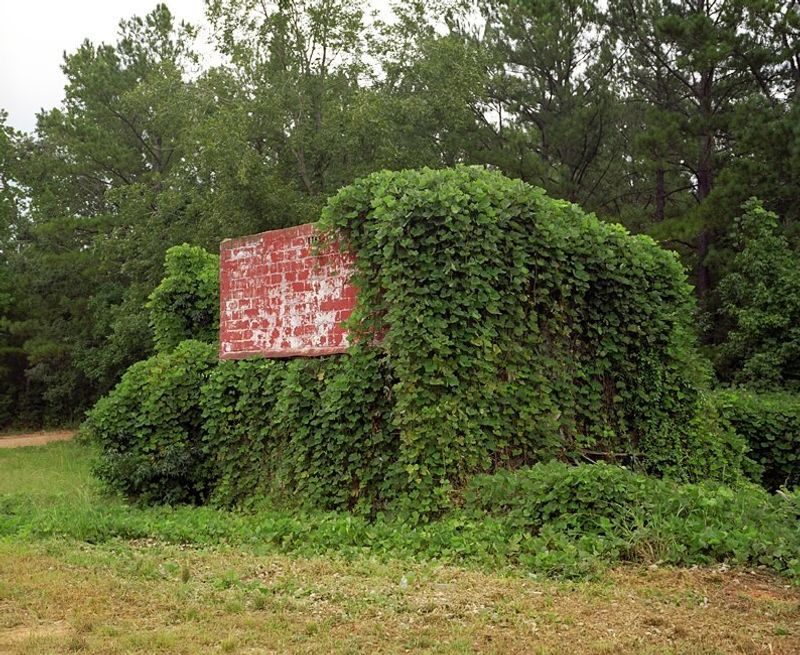
Kudzu doesn’t respect property boundaries or structures. The vines treat fences, sheds, and even houses as just more surfaces to climb.
What starts as a green decoration quickly becomes a maintenance nightmare. Small trees bear the brunt of kudzu’s weight. As vines pile on, branches bend lower and lower.
Eventually, the tree can’t support the load anymore and topples over. Pennsylvania homeowners have lost ornamental trees worth thousands of dollars this way.
Wooden structures face special risks. Kudzu vines work their way into every crack and crevice.
As stems thicken, they push apart boards and damage siding. The dense foliage traps moisture against wood, accelerating rot and inviting carpenter ants and termites.
Chain-link fences sag under kudzu’s weight. The vines weave through the links so thoroughly that removing them becomes nearly impossible without cutting the fence apart.
Many Pennsylvania property owners end up replacing entire fence sections rather than trying to clean them.
Garden sheds and outbuildings disappear completely under kudzu blankets. Once covered, these structures become inaccessible.
The trapped moisture and lack of ventilation cause accelerated deterioration. Roofs collect debris, gutters clog, and paint peels away unseen. Even paved areas aren’t safe. Kudzu sends runners across driveways and sidewalks.
The vines crack pavement as they grow, and the roots underneath can lift concrete slabs. Pennsylvania municipalities near kudzu infestations spend extra budget dollars repairing damaged infrastructure.
Unmanaged properties become completely overtaken within a few seasons. What was once a functional yard transforms into an impenetrable jungle of vines.
The property value drops significantly because potential buyers see the enormous cleanup costs involved. Keeping kudzu away from structures requires constant vigilance throughout Pennsylvania’s growing season.
5. It Threatens Native Ecosystems

Pennsylvania’s native plants evolved together over thousands of years. Each species fills a specific role in the local ecosystem. Kudzu barges into this balanced system like an uninvited guest who refuses to leave.
Native wildflowers need specific amounts of light, water, and nutrients. When kudzu blankets an area, it monopolizes all three resources.
Rare Pennsylvania species that already struggle in fragmented habitats face even worse odds when competing against kudzu’s aggressive growth.
Birds, insects, and small mammals depend on native plants for food and shelter. Kudzu creates what biologists call a “green desert” – lots of plant material but very little biodiversity.
Few native creatures eat kudzu or nest in its vines, so wildlife populations decline in infested areas.
Pennsylvania’s forests provide critical habitat for migrating songbirds. These birds need specific native plants that produce the insects and berries they depend on.
Kudzu-covered areas offer nothing for these travelers, effectively removing rest stops along their migration routes.
The problem compounds over time. As kudzu eliminates native plants, the soil chemistry changes.
Beneficial fungi and bacteria that support native species disappear. Even if you remove kudzu later, restoring the original plant community becomes much harder because the soil ecosystem has shifted.
Stream banks throughout Pennsylvania face particular danger. Kudzu grows enthusiastically in moist areas near water.
When it replaces native streamside vegetation, water quality suffers. Native plants filter runoff and stabilize banks, but kudzu’s shallow root structure allows more erosion and sediment pollution.
Conservation groups across Pennsylvania monitor kudzu spread carefully. They understand that protecting native ecosystems means stopping invasive species before they establish.
Once kudzu dominates an area, decades of ecological relationships unravel. Preventing that damage is far easier than trying to rebuild afterward.
6. Warming Climate May Help It Spread North
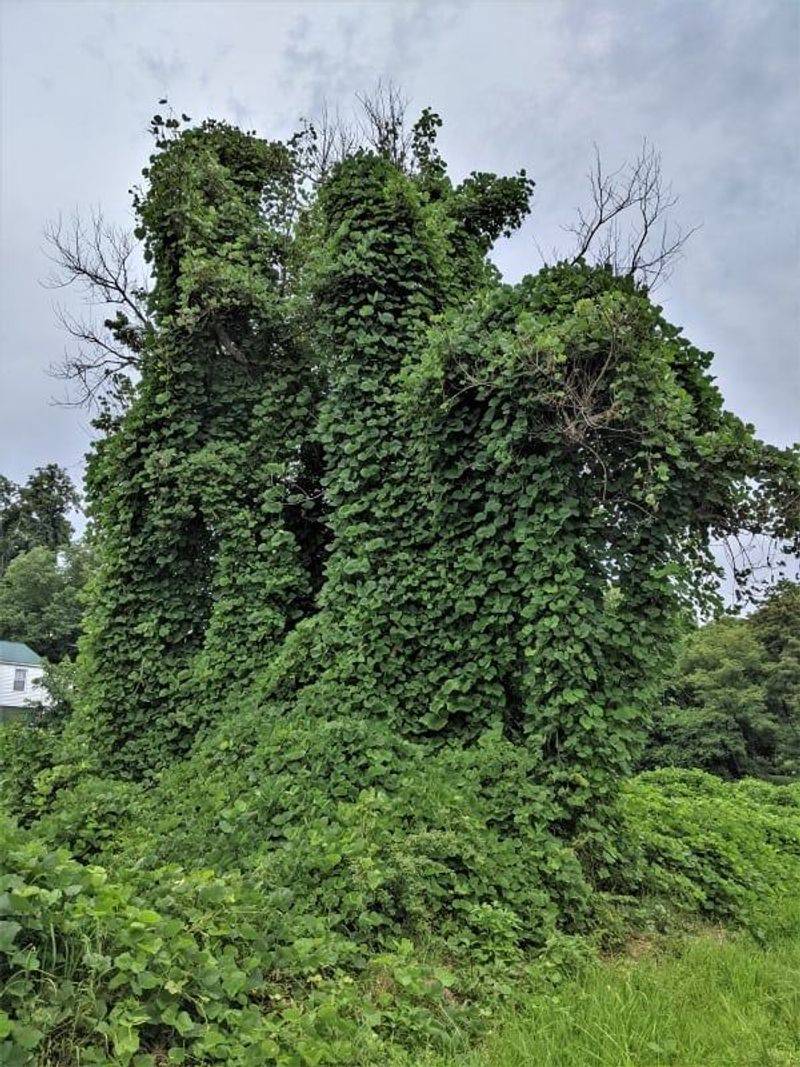
Kudzu traditionally thrived in the Deep South where winters stay mild. Pennsylvania’s cold winters once acted as a natural barrier, freezing kudzu vines back to the ground each year. That protection is weakening as climate patterns shift.
Average winter temperatures across Pennsylvania have risen noticeably over the past few decades. Milder winters mean kudzu roots survive more easily through the cold months.
Plants that would have frozen completely now bounce back each spring with established root systems ready to grow.
Growing seasons are stretching longer too. Pennsylvania gardeners notice frost arriving later in fall and ending earlier in spring.
These extra weeks give kudzu more time to spread and store energy in its roots. Stronger plants survive winter better and expand faster the following year.
Southern Pennsylvania counties already report established kudzu populations. These aren’t just isolated plants anymore—they’re spreading colonies that return year after year.
Areas near the Maryland border see the most activity, but reports come from increasingly northern locations.
Climate models predict continued warming trends. If temperatures keep rising, kudzu could eventually survive throughout Pennsylvania.
The state’s diverse habitats, from river valleys to mountain slopes, could all become vulnerable. What seems like a southern problem today might become a statewide crisis tomorrow.
Pennsylvania agricultural extension offices track kudzu sightings carefully. They encourage residents to report any suspicious vines early.
The goal is containing northern expansion before kudzu establishes the kind of massive infestations seen in Georgia and Alabama.
Environmental scientists view kudzu’s potential spread as a warning sign. If this plant can move north, other invasive species might follow similar patterns.
Pennsylvania’s changing climate creates opportunities for numerous non-native plants that previously couldn’t survive here. Kudzu just happens to be one of the most visible and destructive examples of this troubling trend.