Why Tomatoes Struggle In Cool North Carolina Mountain Springs And How To Fix It
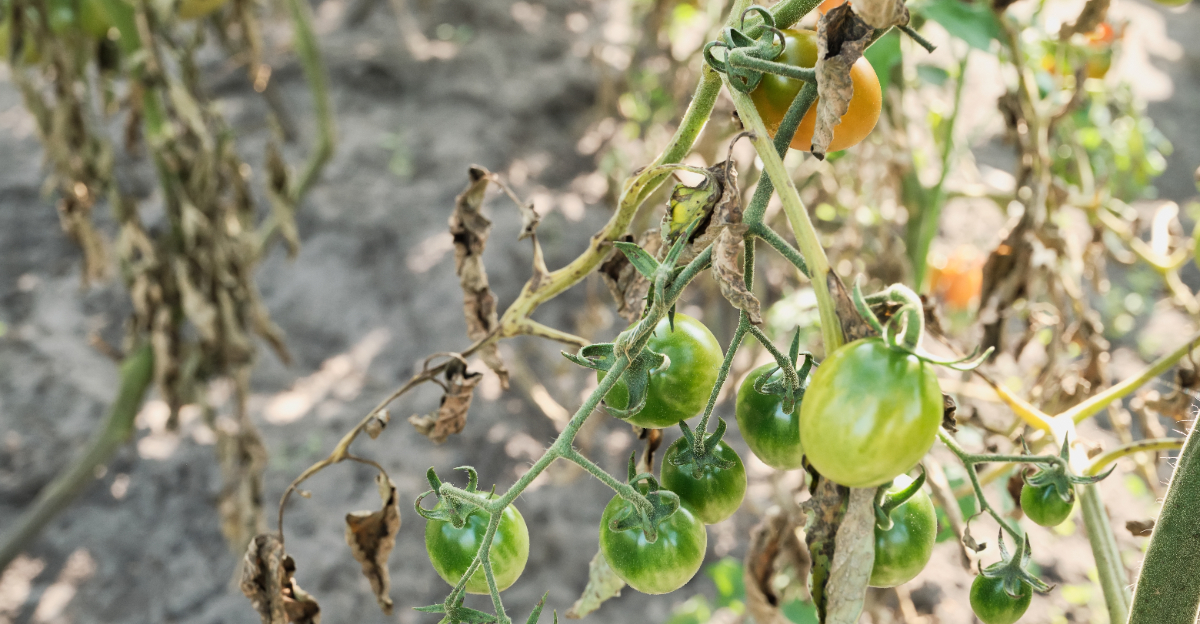
Tomatoes can be tricky to grow in the mountains of North Carolina, especially during the cool weeks of early spring.
While gardeners in other parts of the state may already be planting, higher elevations often deal with colder soil, lingering frost risk, and shorter growing windows.
These conditions can slow tomato growth and leave many gardeners wondering why their plants struggle to get started. Across the Mountain region, shifting spring weather plays a big role in how tomatoes perform.
A sudden cold night or soil that has not warmed enough can hold plants back just when they should be taking off. The good news is that these common challenges are easier to solve than many gardeners expect.
Once you understand what tomatoes need to thrive in North Carolina’s mountain climate, you can adjust your approach and set your plants up for a much stronger growing season.
1. Cold Soil Slows Root Growth
Reach your hand down into the soil on a cool March morning in the North Carolina mountains, and you might be surprised by how cold it actually feels.
Tomato roots need soil temperatures of at least 60 degrees Fahrenheit to grow well, and in mountain gardens, that warmth often does not arrive until late spring.
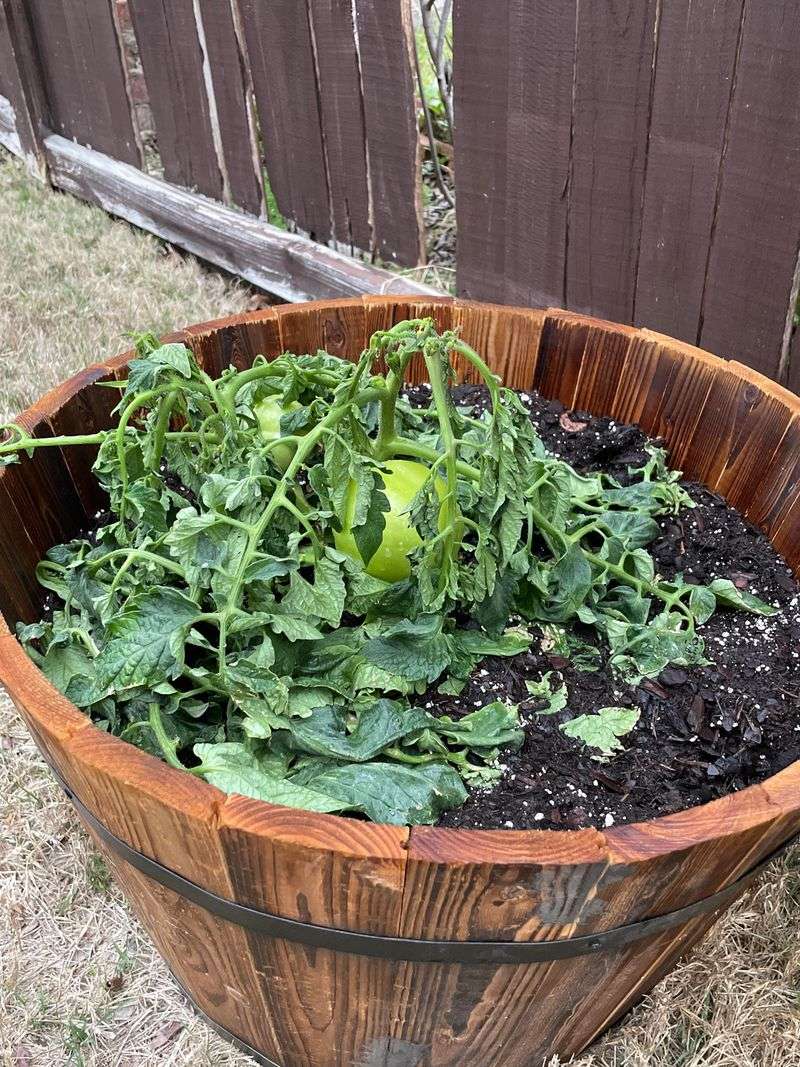
When the soil stays cold, roots struggle to spread, nutrients stay locked up, and your plants just sit there looking sad instead of taking off.
The fix is simpler than you might think. Black plastic mulch laid over your garden beds before planting is one of the most effective tools mountain gardeners have.
It absorbs heat from the sun during the day and holds it in the soil overnight, pushing temperatures up by 5 to 10 degrees in just a few days. That small change makes a big difference for root development.
Raised beds are another smart move for North Carolina mountain growers. Soil in raised beds warms up faster than ground-level soil because it gets more sun exposure on the sides.
Combine raised beds with black plastic mulch and you have a powerful combo that gives your tomato roots the warm, welcoming environment they need to grow strong and fast right from the start.
2. Late Spring Frosts Damage Leaves And Flowers
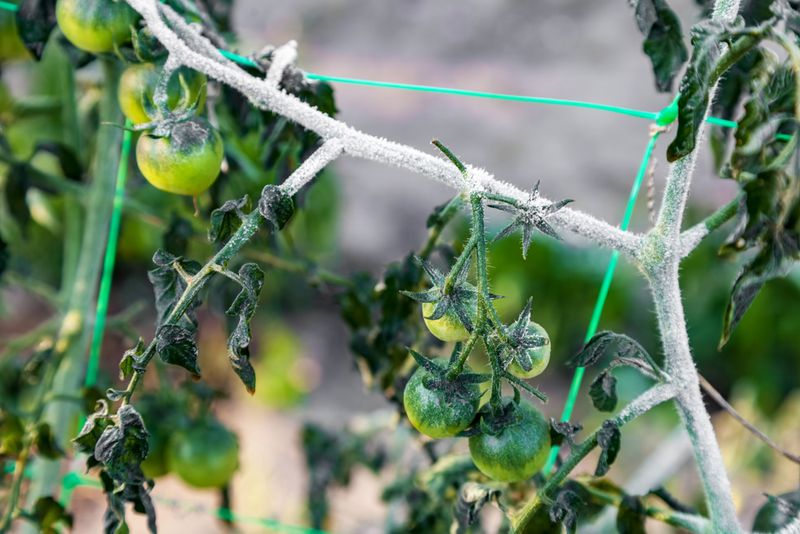
Just when you think spring has finally arrived in the North Carolina mountains, a surprise frost sneaks in overnight and catches your tomato plants completely off guard.
Mountain elevations above 2,500 feet can see freezing temperatures as late as mid-May, which is weeks after gardeners at lower elevations have already moved on.
A single cold night can wipe out tender new leaves and damage flower buds before they ever get a chance to set fruit.
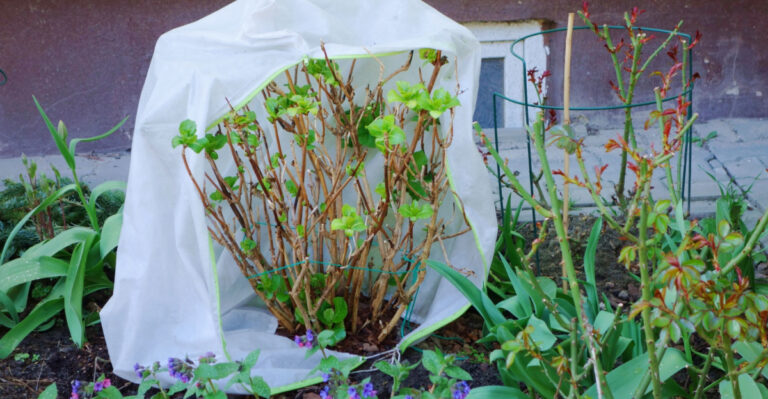
Frost cloth, also called row cover fabric, is one of the best investments a mountain gardener can make. You simply drape it loosely over your plants before sunset on cold nights and remove it in the morning once temperatures rise.
It traps warmth around the plant and can protect tomatoes down to around 28 degrees Fahrenheit, giving you a real safety net during those unpredictable spring nights.
Another solid strategy is to wait until after your area’s last average frost date before transplanting. In many parts of the western North Carolina mountains, that date falls between May 10th and May 20th depending on your exact elevation.
Checking with your local NC Cooperative Extension office gives you the most accurate guidance for your specific location.
Patience here pays off, because a healthy transplant put out at the right time will outperform an early one that suffered frost damage every single time.
3. Short Day Length Limits Growth Early

Here is something many gardeners overlook when they wonder why their tomatoes seem so slow in early spring.
Day length actually plays a big role in how fast tomato plants grow, and in the mountains of North Carolina, those early spring days are noticeably shorter than what tomatoes prefer.
Less light means slower photosynthesis, which means slower growth, and plants started outdoors too early simply cannot build the strong stems and leaf structure they need.
Starting your tomato seeds indoors under grow lights is the smartest way to get around this problem. Full-spectrum LED grow lights give seedlings the light intensity and duration they need regardless of what the sun is doing outside.
Set your lights on a timer for 14 to 16 hours per day, and your seedlings will grow faster, stronger, and with better root systems than anything started in a windowsill.
Begin seeds indoors about six to eight weeks before your planned outdoor transplant date. That timing lets your plants hit the ground running once warm weather arrives in the NC mountains.
By the time you move them outside, they will already be stocky, well-developed transplants ready to take advantage of longer summer days.
Grow lights are affordable and widely available, making this one of the easiest upgrades any mountain tomato grower can make to boost their early-season results.
4. Excess Rain Can Lead To Root Rot
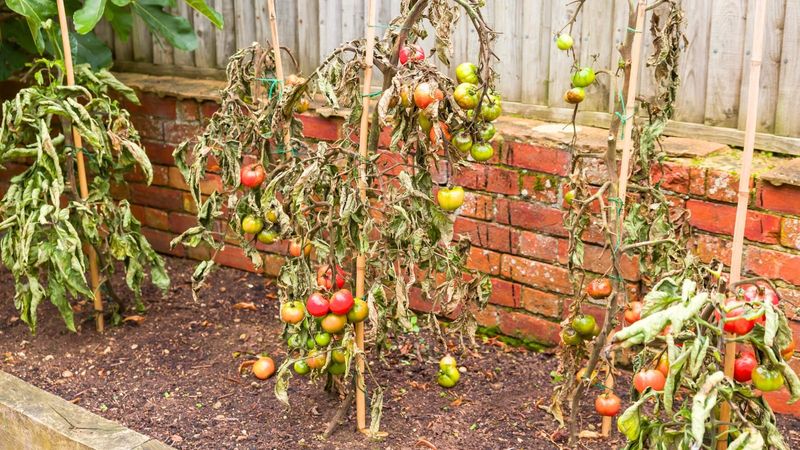
Spring rain in the North Carolina mountains can be relentless, and while water is essential for any garden, too much of it creates a serious problem for tomatoes.
When soil stays saturated for extended periods, the roots are starved of oxygen and become vulnerable to fungal diseases like Phytophthora and Pythium, which are the main culprits behind root rot.
Once root rot sets in, plants lose their ability to take up water and nutrients even when both are available.
Raised beds are the most reliable solution for mountain gardeners dealing with heavy spring rains. When you build a raised bed with a well-draining mix of compost, aged bark, and coarse sand or perlite, excess water moves through quickly and roots stay healthy.
Aim for beds that are at least 12 inches deep, which gives roots plenty of room and allows water to drain away from the root zone efficiently.
Containers with drainage holes are another great option for NC mountain growers who want more control over moisture levels.
You can move containers to sheltered spots during particularly heavy rain events, which gives you flexibility that in-ground planting simply does not offer.
Whichever method you choose, always avoid heavy clay soil for tomatoes in high-rainfall areas. Amending with organic matter every season keeps the soil loose, airy, and ready to handle whatever the mountain weather sends your way.
5. Poor Pollination Due To Cool Weather

Tomato flowers are built to be pollinated by vibration, which is why bees are so important to a productive tomato patch.
Cool, damp spring weather in the North Carolina mountains slows bees down significantly, and on cloudy days below 55 degrees Fahrenheit, you might not see a single pollinator visit your plants for hours.
Without that buzz and vibration, pollen stays stuck inside the flower, fruit does not set, and you end up with a plant full of blossoms but no tomatoes to show for it.
One of the easiest fixes is to shake your tomato plants gently by hand a couple of times each day during bloom. You do not need any special tool, just a light tap on the main stem or flower clusters mimics the vibration a bee would create.
Do this in the late morning when flowers are fully open and pollen is most active, and you will notice a big improvement in fruit set even on cooler days.
Planting pollinator-friendly flowers near your tomatoes is a longer-term strategy that pays off season after season. Marigolds, borage, and sweet alyssum all attract native bees and beneficial insects that are more cold-tolerant than honeybees.
In the western North Carolina mountains, native bumblebees are especially valuable because they remain active at cooler temperatures than other species. A little extra color in your garden goes a long way toward filling your harvest basket.
6. Delayed Transplanting Reduces Yield

Waiting too long to move tomatoes outside might feel like playing it safe, but in the short growing seasons of the North Carolina mountains, every week counts.
Tomatoes need a solid stretch of warm weather to grow, flower, and ripen fruit before cooler fall temperatures arrive.
If you transplant too late, your plants may produce plenty of flowers but run out of warm days before the fruit fully matures, leaving you with a disappointing harvest.
The solution starts long before transplant day. Sow your tomato seeds indoors six to eight weeks before your target transplant date, which in most NC mountain areas falls between May 10th and May 20th.
Starting on time means your seedlings are the right size and strength when warm weather arrives, and they can hit the ground growing instead of spending weeks recovering from a late start.
Hardening off your seedlings is a step that many gardeners skip, and it costs them. About one to two weeks before transplanting, begin setting your indoor-grown plants outside in a sheltered spot for a few hours each day.
Gradually increase their outdoor time over the following days, exposing them to more sun and breeze. This process toughens the stems and prepares the plant for outdoor conditions so that transplant day becomes a smooth transition rather than a shock.
Well-hardened transplants establish faster and produce more fruit throughout the NC mountain growing season.
7. High Elevation Wind Stresses Plants
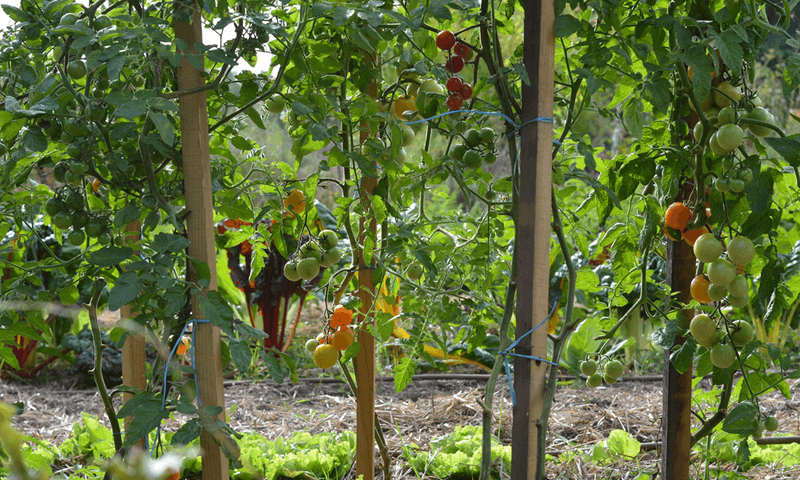
Anyone who has gardened at higher elevations in the North Carolina mountains knows that the wind can be relentless, especially in spring when plants are young and stems are still tender.
Strong gusts can snap stems, knock over unsupported plants, and dry out leaves faster than the roots can replace moisture.
Flowers can also drop before they get a chance to set fruit when wind is constant, which directly cuts into your tomato yield.
Staking your tomatoes right at transplant time is one of the smartest habits you can build. Drive a sturdy wooden or metal stake at least 12 inches into the ground next to each plant, then use soft garden twine or foam-padded clips to tie the main stem loosely as it grows.
Tomato cages work well too, especially for shorter determinate varieties, because they support the plant from multiple angles without restricting growth.
Windbreaks make a huge difference for mountain gardeners dealing with persistent gusts. A simple wooden fence, a row of shrubs, or even a temporary barrier made from burlap stretched between stakes can redirect wind away from your plants.
Position your windbreak on the side of your garden where the strongest winds typically come from, which in many western NC mountain locations is from the northwest.
Reducing wind exposure helps your tomatoes hold onto flowers, stay hydrated, and grow with far less stress throughout the season.
8. Soil Nutrient Imbalance
Mountain soils in North Carolina have a reputation for being naturally acidic, and while some plants love that, tomatoes are not big fans.
When soil pH drops below 6.0, important nutrients like phosphorus, calcium, and magnesium become harder for roots to absorb even when those nutrients are physically present in the ground.
Low potassium is another common issue in mountain soils, and without enough of it, tomato plants cannot build strong cell walls or move sugars efficiently through their stems and fruit.
Getting a soil test before planting is the most practical first step any NC mountain gardener can take. Your local NC Cooperative Extension office offers affordable soil testing, and the results tell you exactly what your soil needs.
If pH is too low, adding lime raises it into the ideal range of 6.2 to 6.8 for tomatoes. If nutrients are lacking, the test results will recommend specific amendments so you are not guessing.
Compost is the most reliable all-around soil amendment for mountain gardens. Working two to three inches of finished compost into your beds each season improves drainage, adds organic matter, and slowly releases a broad range of nutrients.
Balanced granular fertilizers labeled for tomatoes and vegetables can fill in specific gaps that compost alone does not cover.
Together, these two inputs create the rich, balanced growing environment that mountain tomatoes need to produce a full, satisfying crop from summer through early fall.
9. Overwatering Or Underwatering
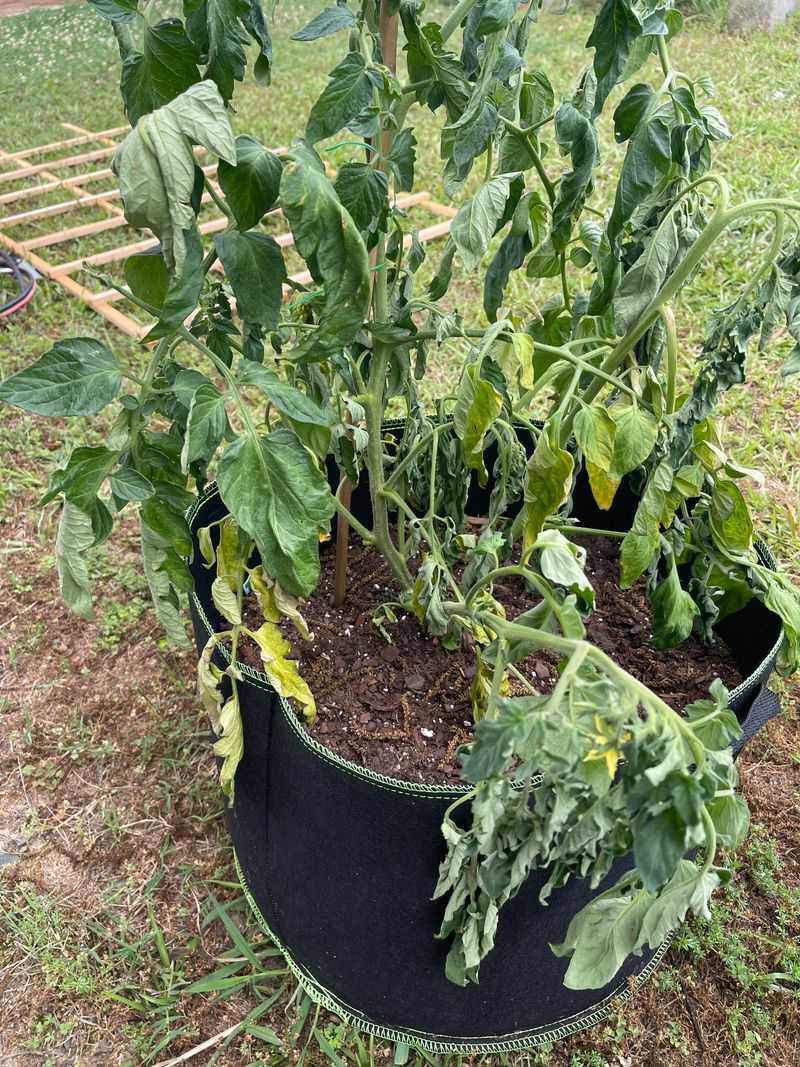
Inconsistent watering is one of the sneakiest problems in any tomato garden, and it is especially common in the mountain regions of North Carolina where weather can swing from dry and breezy to rainy and cool within the same week.
When tomatoes get too much water after a dry spell, or too little during a warm stretch, the plant reacts by pulling calcium unevenly into developing fruit.
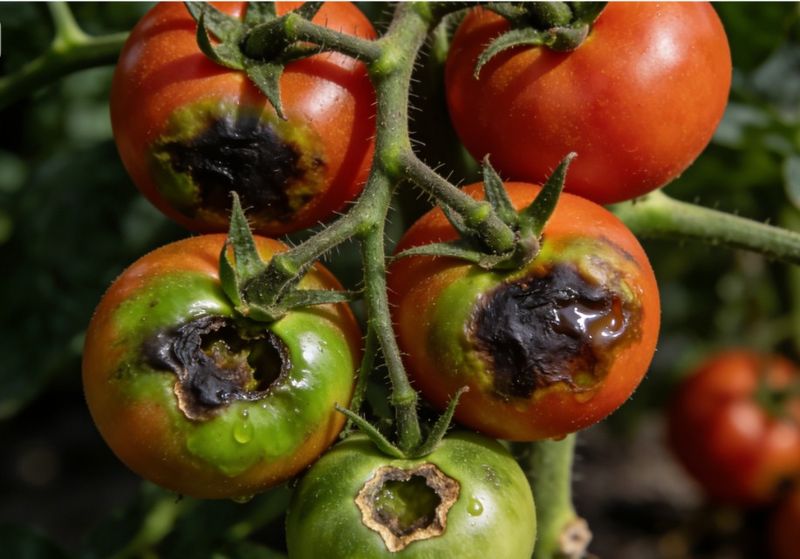
The result is blossom end rot, a dark, sunken spot on the bottom of the tomato that ruins the fruit before it even ripens.
The goal is to keep soil moisture consistent rather than swinging between wet and dry extremes.
Watering deeply two to three times per week during dry periods, rather than giving plants a little water every day, encourages roots to grow deeper into the soil where moisture is more stable.
Deep roots are better able to handle short dry spells without stressing the plant or affecting fruit quality.
Mulching around your tomato plants is one of the most effective ways to hold soil moisture steady between waterings.
A three-inch layer of straw, shredded leaves, or wood chips slows evaporation significantly and also keeps soil temperature more consistent on those cool NC mountain nights.
Drip irrigation is another excellent option for mountain gardeners because it delivers water directly to the root zone slowly and evenly, reducing both overwatering and underwatering risks with very little effort on your part.