Why Tufted Titmice Activity Is Spiking Across Kentucky Backyards This Winter
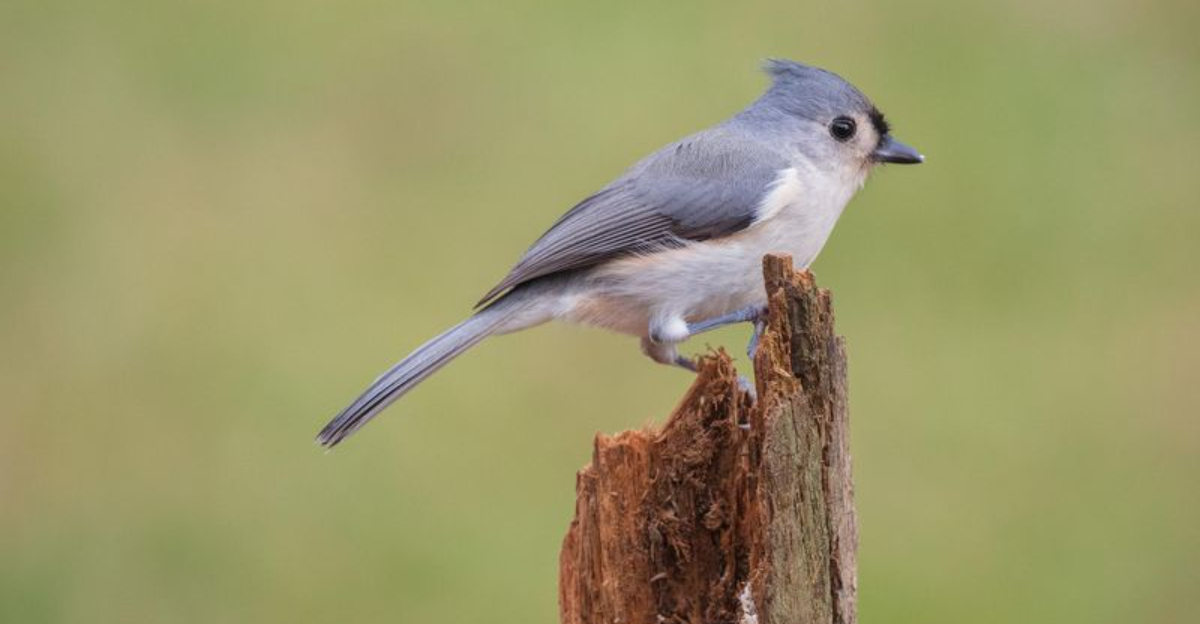
Kentucky birdwatchers are seeing more tufted titmice than ever this winter—and it’s no coincidence.
These lively gray birds are responding to changes in weather, food availability, and backyard habitats.
Cold temperatures push titmice closer to feeders and sheltered spaces, making them more visible and vocal.
Their bold behavior and curious nature only add to the impression that they’re everywhere at once.
For Kentucky homeowners, increased titmouse activity is a sign that backyards are meeting real winter needs.
When conditions get tough, these birds know exactly where to go.
Reliable Food Sources In Residential Yards
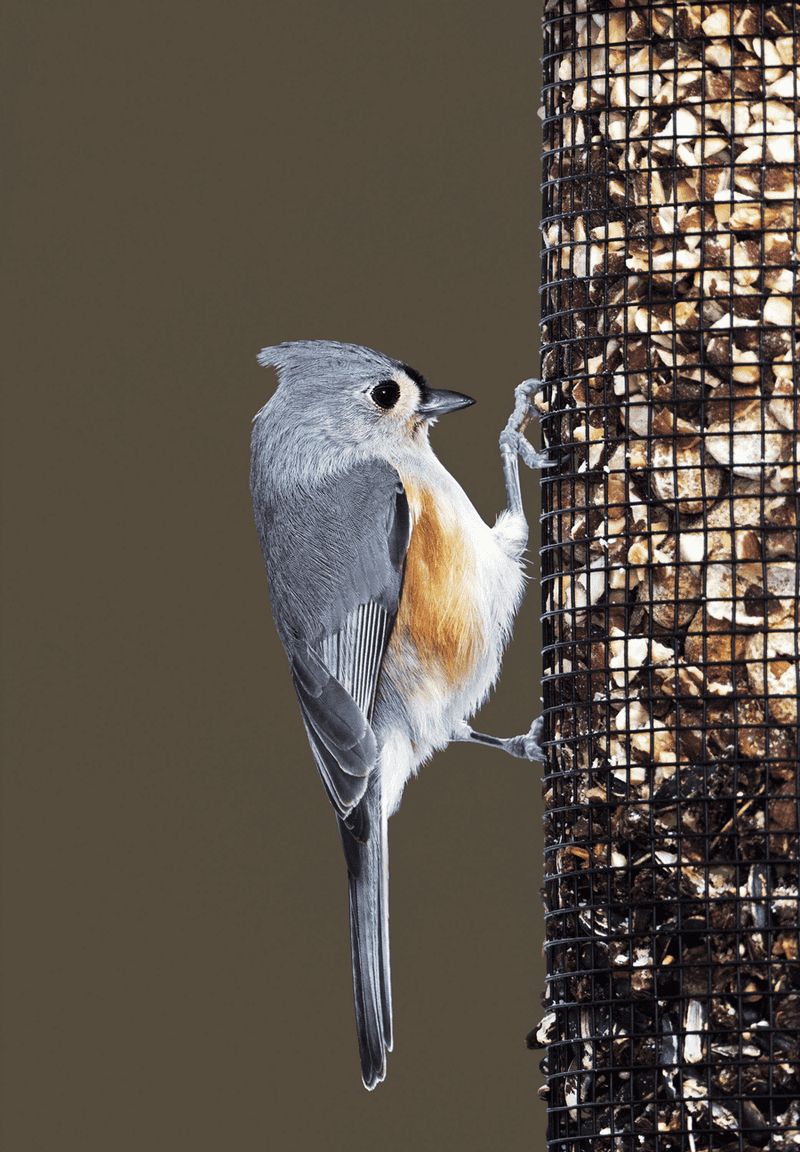
Backyard bird feeders have become lifelines for tufted titmice during Kentucky winters.
When natural food becomes scarce, these clever birds quickly learn where homeowners provide consistent meals.
Sunflower seeds, suet cakes, and quality seed mixes attract titmice day after day, creating reliable feeding stations they return to repeatedly.
Suet feeders prove especially popular because they offer high-energy fat content that helps birds maintain body heat during cold snaps.
Tufted titmice are smart foragers who remember productive feeding locations and share this information through their flock behavior.
Once a few birds discover a well-stocked feeder, word spreads quickly through their social networks.
Residential yards now provide more dependable nutrition than many wild areas where food availability fluctuates unpredictably.
Homeowners who maintain feeders through winter create hotspots of activity that concentrate bird populations in smaller areas.
This concentration makes titmice much more visible and creates the impression of increased numbers, even when populations remain stable.
Consistent feeding schedules train birds to visit at predictable times, increasing the likelihood that homeowners will notice their presence.
The combination of reliable food and convenient observation points explains why so many Kentuckians report seeing more titmice than ever before.
Milder Winter Temperatures Reduce Energy Stress
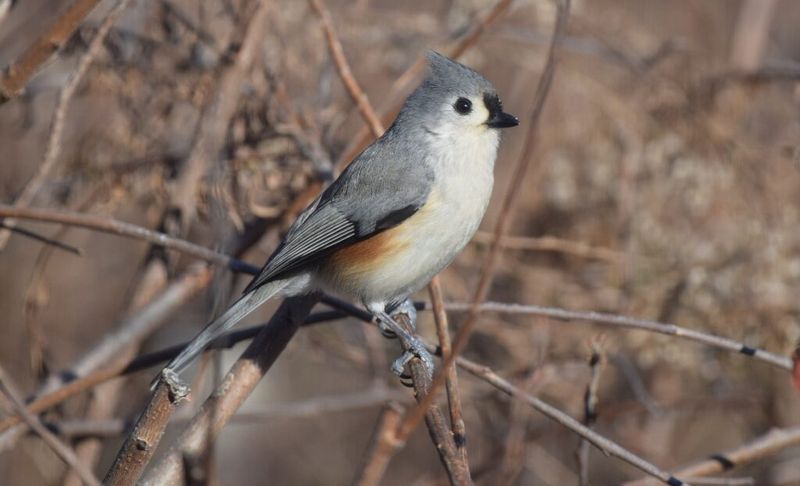
Warmer-than-average temperatures this winter have transformed how tufted titmice behave across Kentucky.
Instead of huddling in sheltered spots to conserve precious energy, these birds remain active throughout longer portions of the day.
Mild conditions mean they burn less energy staying warm, freeing them to forage, explore, and interact more visibly.
During harsh winters, birds typically minimize movement to preserve fat reserves needed for survival.
But when temperatures stay moderate, tufted titmice can afford to be bolder and more adventurous in their daily routines.
They venture into open areas more frequently and spend extended periods at feeders without the urgent need to retreat to shelter.
Climate patterns in recent years have produced winters with fewer extreme cold events and more days above freezing.
These conditions allow titmice to maintain higher activity levels that make them far more noticeable to casual observers.
Birds that might normally stay hidden in dense cover during bitter cold now perch openly on branches and visit feeders multiple times daily.
The reduced stress from milder weather also means birds maintain better body condition and exhibit more energetic behaviors.
Singing, territorial displays, and social interactions all increase when birds aren’t struggling just to survive frigid temperatures.
This heightened visibility contributes significantly to the perception that titmouse populations are spiking.
Strong Oak And Hardwood Mast Production
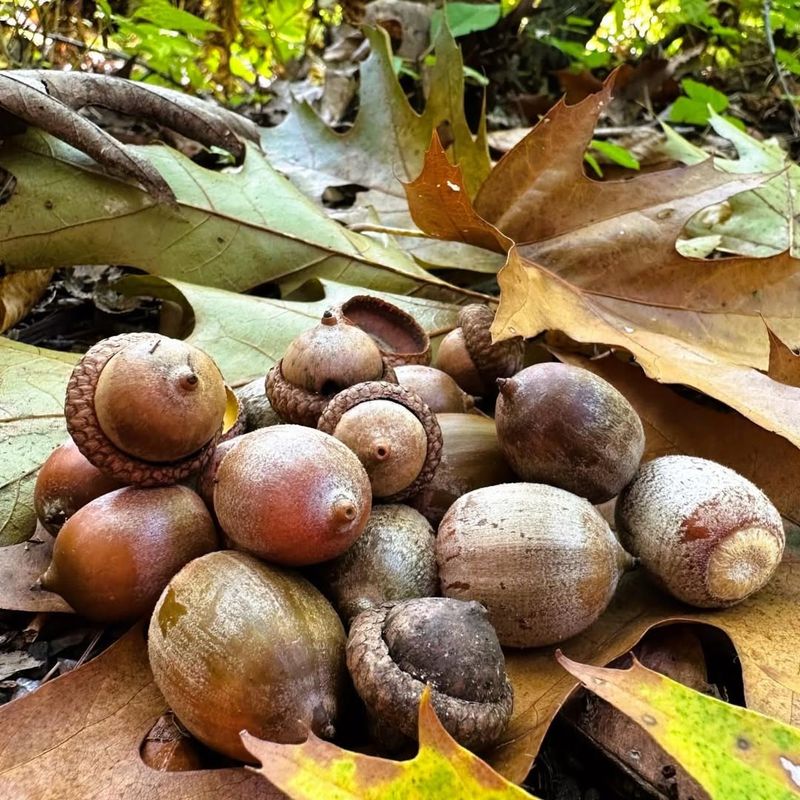
Kentucky’s oak and hardwood forests experienced exceptional mast production this year, creating abundant natural food supplies.
Acorns, beechnuts, and other tree seeds provide crucial winter nutrition that supports larger numbers of overwintering birds.
Tufted titmice excel at finding and storing these nutritious morsels, making them particularly successful during mast years.
When trees produce heavy seed crops, the effects ripple through the entire ecosystem.
Birds like titmice can find food more easily, spending less time searching and more time being visible in yards and gardens.
Woodland-edge properties benefit especially as birds move between forest food sources and residential areas with supplemental feeders.
Acorn fragments and hardwood seeds contain fats and proteins that help birds build the energy reserves needed for cold nights.
Tufted titmice have strong bills perfect for cracking open seeds and accessing the nutritious kernels inside.
They often carry food items to secure perches where they can work on tough shells without competition from other birds.
The abundance from strong mast years means more young birds survive their first winter, increasing local populations noticeably.
Homeowners near mature oak groves and mixed hardwood stands see the greatest concentration of titmouse activity.
Natural food abundance combined with backyard feeders creates ideal conditions that bring these birds into close contact with people.
Increased Use Of Mixed-Species Foraging Flocks
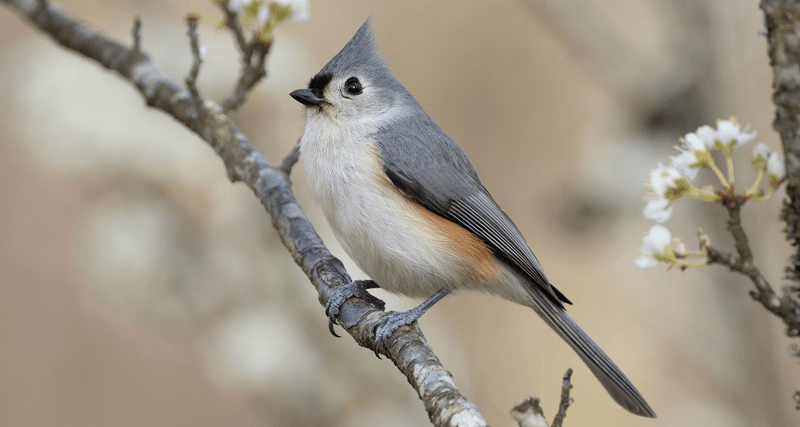
Winter survival strategies lead tufted titmice to join forces with other small songbirds in roving foraging flocks.
Chickadees, nuthatches, downy woodpeckers, and titmice band together for mutual protection and improved food-finding efficiency.
These mixed flocks create impressive displays of activity that catch attention far more effectively than solitary birds.
Flocking behavior offers significant advantages during Kentucky winters when predators like hawks hunt hungry birds.
More eyes mean better predator detection, allowing flock members to feed more confidently and spend less time watching for threats.
Tufted titmice often serve as sentinels, using their loud alarm calls to warn the entire group of approaching danger.
When a flock of eight to fifteen birds descends on a backyard, the sudden burst of activity is impossible to miss.
Birds move through yards systematically, checking feeders, inspecting bark crevices, and exploring branches before moving to the next location.
This coordinated movement creates waves of visible activity that make bird populations seem much larger than they actually are.
Homeowners may see the same flock circuit through their property multiple times daily on predictable routes.
The social nature of these flocks also increases vocalizations, making the birds more audible as well as visible.
Tufted titmice contribute distinctive calls that draw attention to the entire group’s presence in residential areas.
Loss Of Forest Habitat Pushes Birds Toward Neighborhoods
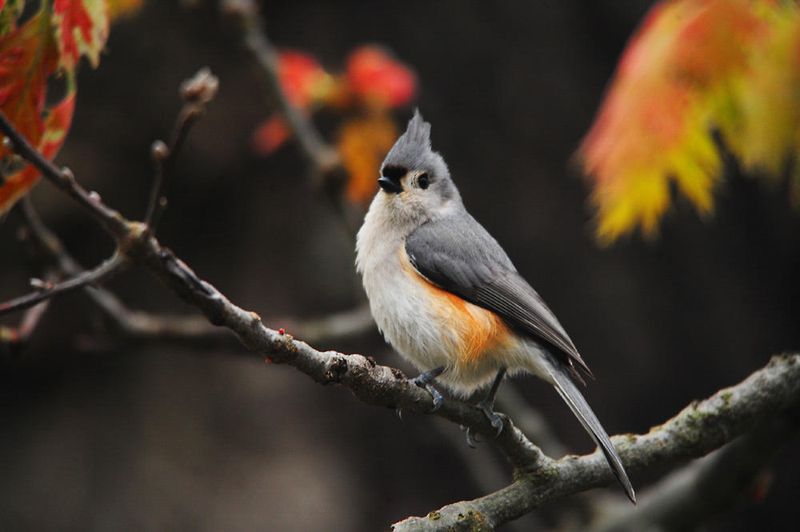
Development and habitat fragmentation continue reshaping Kentucky’s landscape, forcing wildlife to adapt to shrinking natural areas.
As forests become subdivided by roads, housing developments, and commercial projects, tufted titmice seek new territories that meet their needs.
Suburban and residential neighborhoods with mature trees and landscaping increasingly serve as substitute habitats for displaced birds.
Tufted titmice naturally prefer woodland edges where trees meet open areas, making older neighborhoods ideal environments.
Established yards with large oaks, maples, and native shrubs provide the vertical structure these birds need for nesting and foraging.
When natural forest edges disappear, birds find similar conditions in parks, greenways, and well-landscaped residential properties.
The transition from forest to neighborhood living happens gradually as birds discover that human-modified landscapes offer certain advantages.
Supplemental feeding, reduced competition from deep-forest species, and protection from some predators make yards attractive alternatives.
Once titmice establish territories in residential areas, they defend these spaces and return year after year.
Habitat loss doesn’t necessarily reduce overall titmouse populations but concentrates birds in smaller, more visible areas.
Homeowners who might never have ventured into forests to see these birds now find them visiting daily.
This geographic shift creates the strong impression of population increases even when birds are simply redistributing across available habitats.
Evergreen And Native Landscaping Provides Shelter
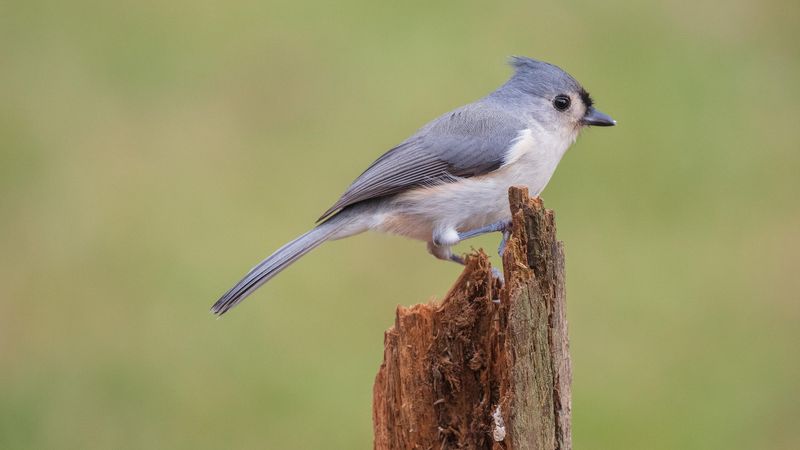
Thoughtful landscaping choices make Kentucky backyards irresistible to tufted titmice seeking winter refuge.
Evergreen shrubs like holly, juniper, and arborvitae provide dense cover that blocks wind and offers safe roosting sites during long winter nights.
Native plantings create microhabitats that feel familiar and secure, encouraging birds to linger rather than simply pass through.
During winter storms and temperature drops, quality shelter becomes just as important as food for bird survival.
Tufted titmice seek protected spaces where they can escape harsh weather while remaining close to feeding areas.
Yards with layered vegetation—tall trees, mid-height shrubs, and groundcover—offer multiple shelter options that accommodate different weather conditions.
The growing popularity of native plant gardening has unintentionally created better habitat for winter birds across Kentucky.
Native shrubs and trees provide not only shelter but also insects, seeds, and berries that supplement feeder offerings.
Homeowners who incorporate evergreens into their landscaping notice increased bird activity because these plants offer year-round benefits.
Roosting sites near reliable food sources allow titmice to minimize energy expenditure by reducing travel between feeding and resting areas.
Properties with both feeders and quality shelter become territory centers where birds spend entire days.
This concentration of activity in well-designed yards explains why some homeowners see constant titmouse presence while neighboring properties remain quiet.
Higher Overwinter Survival From Mild Previous Seasons
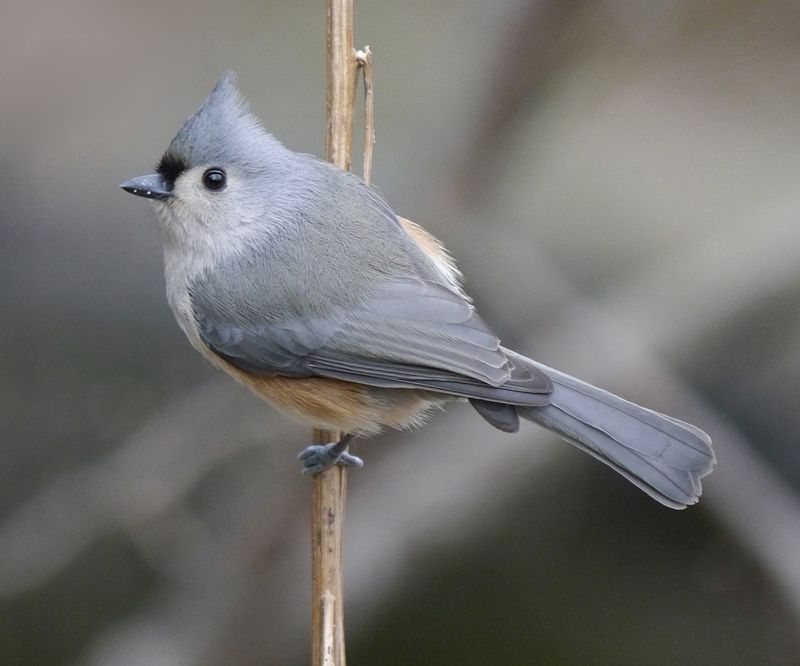
Successful breeding seasons combined with mild recent winters have boosted tufted titmouse populations across Kentucky.
When spring and summer conditions favor nesting success, more young birds survive to join the adult population.
Mild winters then allow higher percentages of these birds to survive until the following breeding season, compounding population growth.
Bird populations naturally fluctuate based on environmental conditions that affect reproduction and survival rates.
Several consecutive favorable years can produce noticeable increases in local bird numbers that become apparent during winter concentration periods.
Tufted titmice typically raise one brood of four to six young annually, so good breeding conditions quickly translate into more birds.
Young birds that survive their first winter often establish territories near where they were raised, increasing local densities.
Unlike migratory species that disperse across vast areas, tufted titmice remain relatively close to their natal territories.
This site fidelity means that population increases show up most dramatically in the specific regions where breeding success occurred.
Healthy birds exhibit more visible behaviors including singing, territorial displays, and bold foraging that make them more noticeable.
Well-nourished titmice maintain sleek plumage and energetic movements that contrast sharply with stressed or struggling individuals.
The overall vitality of the population contributes to the impression of increased numbers as birds behave more actively and confidently throughout winter months.
Increased Daytime Foraging To Prepare For Cold Nights

Winter days are short, giving tufted titmice limited time to gather the calories needed to survive long, cold nights.
These birds must consume enough food during daylight hours to fuel their high metabolism through darkness that can last fifteen hours or more.
Intense daytime foraging activity makes them highly visible as they work frantically to meet their energy requirements.
A titmouse can lose up to ten percent of its body weight overnight during cold weather, requiring immediate replenishment at dawn.
Morning and late afternoon represent critical feeding periods when birds are most active and least cautious about exposure.
Homeowners often notice concentrated activity during these times as birds prioritize feeding over safety.
Tufted titmice employ a strategy called scatter-hoarding, hiding food items in bark crevices and other locations for later retrieval.
This behavior increases their visible activity as they make multiple trips between feeders and storage sites.
Watching a single bird can give the impression of several individuals as it moves rapidly through the yard collecting and caching food.
The urgency of winter feeding drives birds to take risks they would avoid during other seasons.
They approach houses more closely, visit feeders more frequently, and spend less time hiding in dense cover.
This heightened visibility during peak foraging periods contributes significantly to reports of increased titmouse activity across Kentucky backyards this winter.
Greater Public Awareness And Bird Feeding Participation
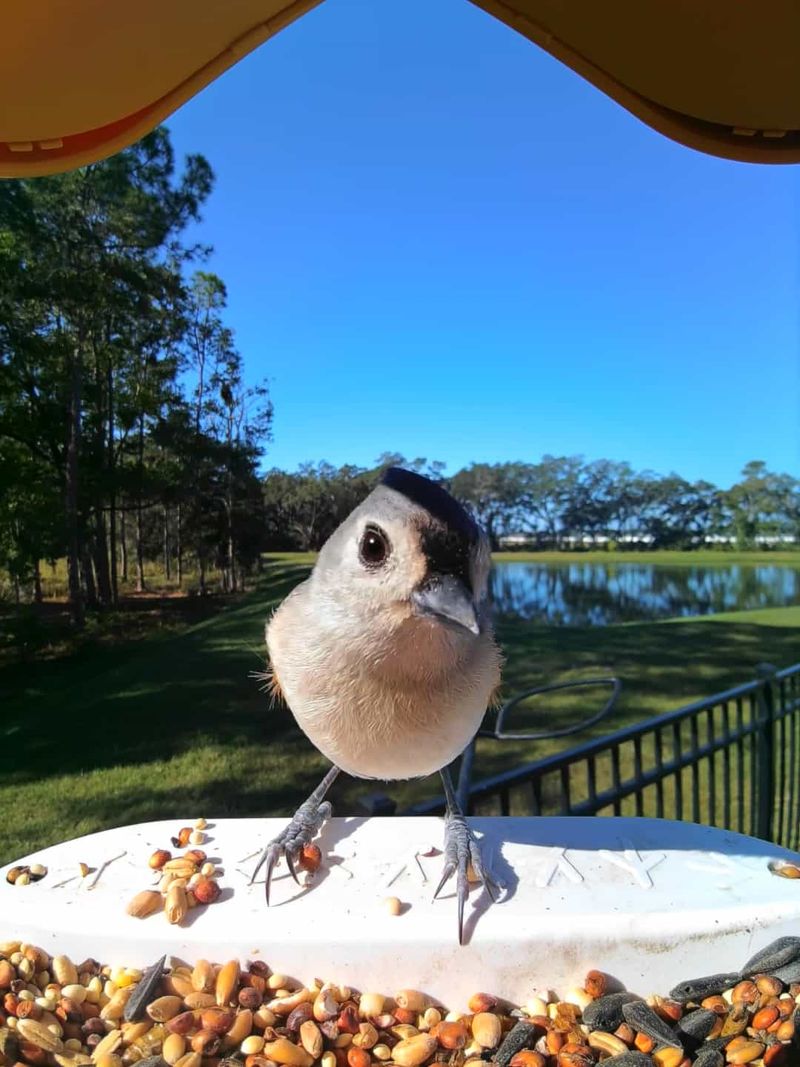
More Kentucky residents are feeding birds and paying attention to backyard wildlife than ever before.
The pandemic sparked renewed interest in nature observation as people spent more time at home looking for engaging activities.
This increased awareness means more eyes watching and more reports of bird activity, even when actual populations remain relatively stable.
Social media and online bird identification resources have made it easier for beginners to recognize and name the species visiting their yards.
Tufted titmice are distinctive with their perky crests and bold personalities, making them favorites among new bird watchers.
People who might have overlooked these birds in previous years now actively watch for them and share sightings with friends and online communities.
The bird feeding industry has grown substantially, with more homeowners investing in quality feeders, seed, and landscaping for wildlife.
As participation increases, so do reported observations of common species like tufted titmice.
What appears to be a population spike may partially reflect improved observation rather than actual numerical increases.
Community science projects and bird counts encourage participation from casual observers who contribute data about their backyard visitors.
This collective attention creates better documentation of bird activity patterns and seasonal movements.
The combination of genuine habitat and population changes with increased human awareness produces the perfect conditions for noticing and reporting higher titmouse activity throughout Kentucky this winter.