Why Utah Homeowners Should Avoid Pruning Fruit Trees Too Soon
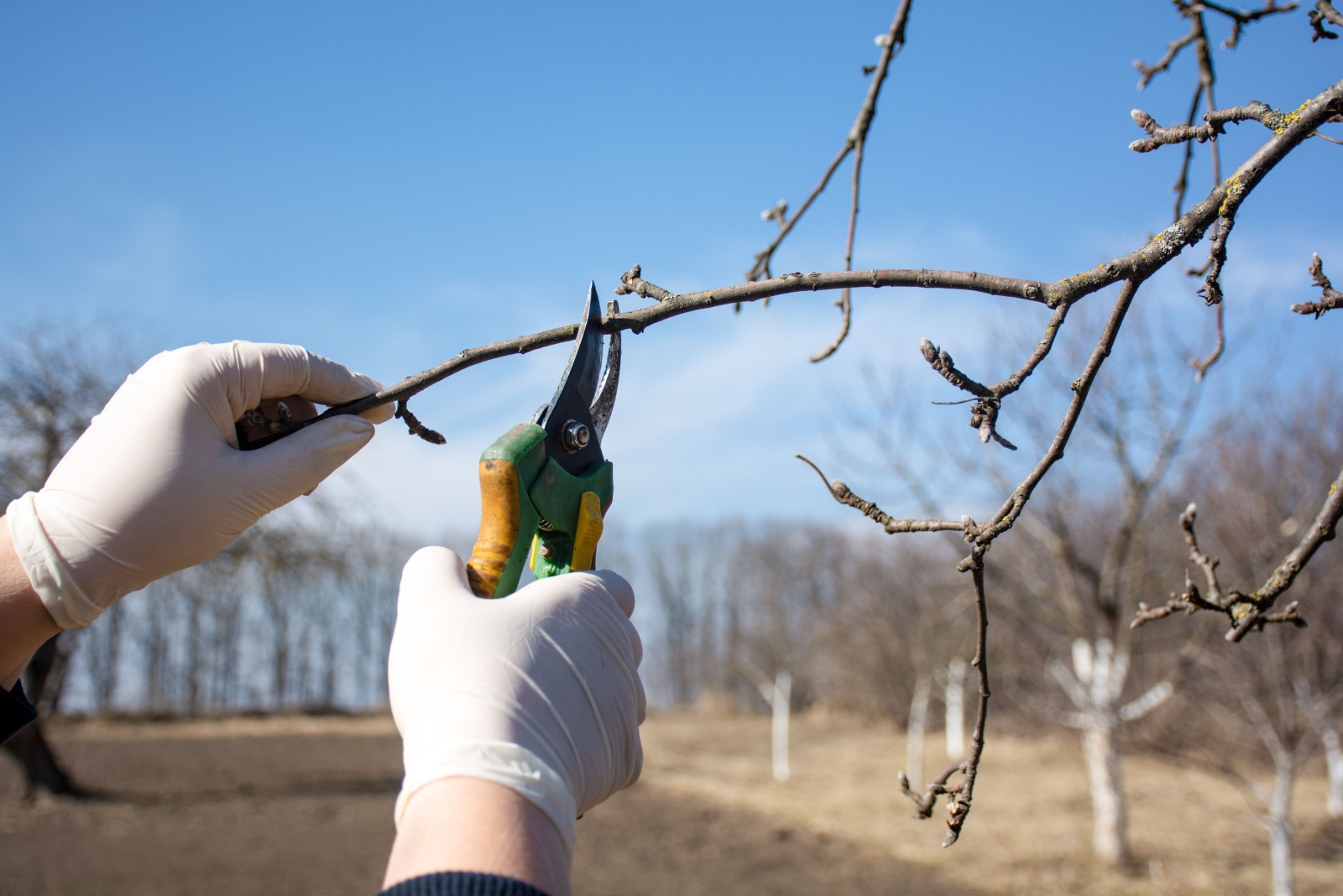
Utah yards promise crisp air, bold seasons, and fruit trees that stand as long-term investments.
One wrong cut, however, can turn high hopes into slim pickings.
Timing means everything in the Beehive State, and early pruning often opens the door to trouble.
As the old saying goes, haste makes waste, especially when cold snaps still lurk in the wings.
A tree may look ready on the surface, yet hidden stress tells a different story.
Fruit trees wake on their own schedule, not on a calendar date.
When blades meet branches too soon, trees lose protection, sap bleeds freely, and frost finds an easy target.
Damage may not show right away, which makes the mistake harder to spot.
By the time leaves falter or blooms fade, the horse has already left the barn.
With the right knowledge, homeowners can cut to the chase at the proper moment, safeguard future yields, and keep fruit trees thriving for years rather than courting setbacks that linger long after winter fades.
Winter Injury Risk Increases With Early Cuts
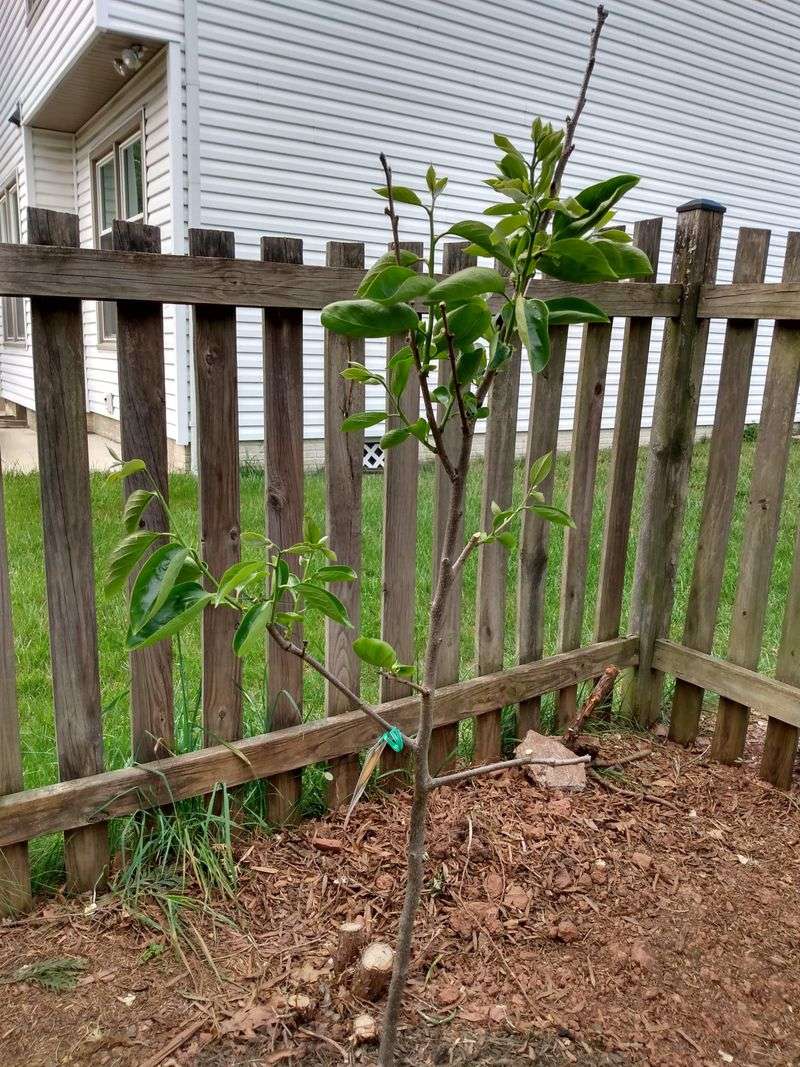
Pruning fruit trees before the coldest weather has passed leaves fresh wounds exposed to harsh winter conditions.
Utah winters can bring sudden temperature drops and freezing winds that damage newly cut branches.
When you prune too early, the tree hasn’t had time to prepare for healing during dormancy.
Fresh cuts become entry points for frost damage, which weakens the entire branch structure.
The exposed wood can crack and split when temperatures fluctuate between freezing and thawing.
Waiting until late winter or early spring gives your tree better protection against severe weather.
Trees naturally seal wounds more effectively when temperatures start warming up consistently.
Early pruning also removes protective bark before the tree is ready, leaving it vulnerable.
Branch dieback often occurs when cuts are made during the harshest winter months.
Your fruit tree needs time to adjust its energy reserves before healing begins.
By waiting for milder weather, you give your tree the best chance to recover quickly.
Patience with pruning timing protects your investment and keeps trees healthy for years to come.
Sap Flow Problems Cause Messy Bleeding
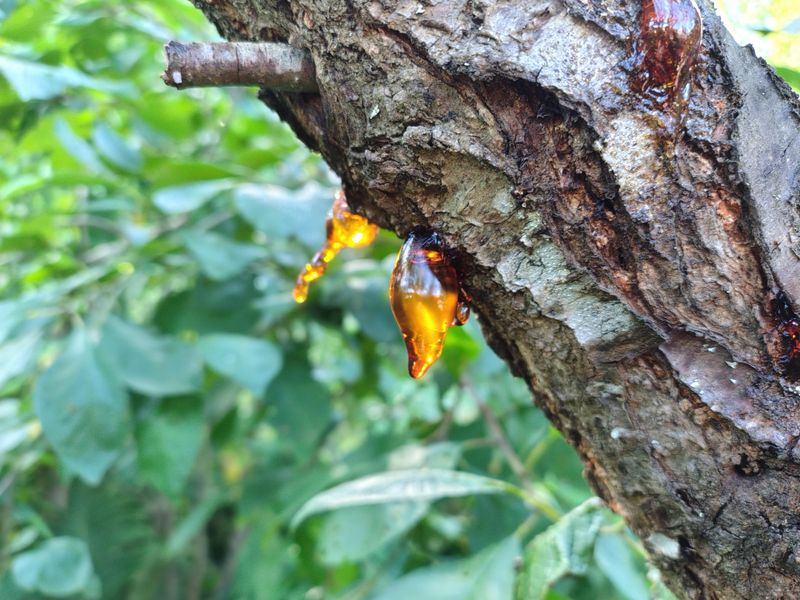
Have you ever noticed sticky sap oozing from a freshly pruned branch?
This happens when you prune certain fruit trees before their sap flow naturally slows down.
Cherry, plum, and apricot trees are especially prone to excessive sap bleeding.
When you cut branches too early in the dormant season, sap continues flowing from the wound.
This creates a sticky mess that attracts insects and can promote disease.
The constant sap flow also drains valuable nutrients the tree needs for spring growth.
Waiting until late dormancy or just before budbreak reduces this problem significantly.
Trees naturally begin slowing their sap movement as they prepare to wake up for spring.
Timing your pruning to match this natural cycle makes the process cleaner and healthier.
Excessive bleeding weakens the tree and makes it harder for wounds to seal properly.
You’ll notice less mess and better healing when you prune at the right time.
Observing your tree’s natural rhythms helps you become a better caretaker and ensures stronger growth for the coming season.
Disease Spores Thrive In Cool, Wet Conditions
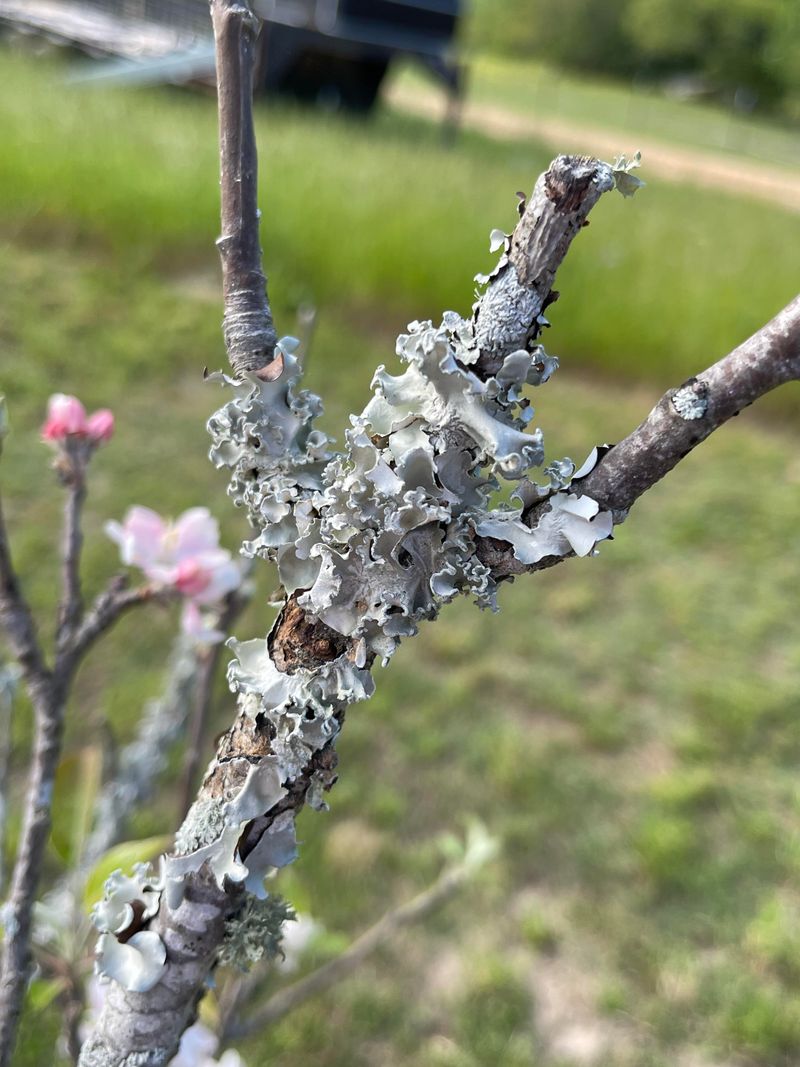
Fungal diseases love the cool, damp conditions that Utah experiences during late fall and early winter.
Pruning during these times creates fresh wounds that become perfect entry points for disease spores.
Fireblight, cytospora canker, and other infections spread easily through pruning cuts made at the wrong time.
When humidity is high and temperatures are moderate, spores can colonize wounds before they heal.
Your fruit tree’s natural defenses are weakest during deep dormancy and wet weather.
Waiting for drier, slightly warmer conditions reduces the risk of infection dramatically.
Late winter pruning allows wounds to dry out faster and begin healing immediately.
Many disease organisms are less active when temperatures rise above freezing consistently.
Pruning tools can also spread disease from tree to tree if used during high-risk periods.
Sterilizing your tools between cuts becomes even more important during wet seasons.
By timing your pruning carefully, you protect your entire orchard from potential outbreaks.
Healthy trees start with smart timing decisions that work with nature rather than against it.
Premature Growth Signals Confuse The Tree
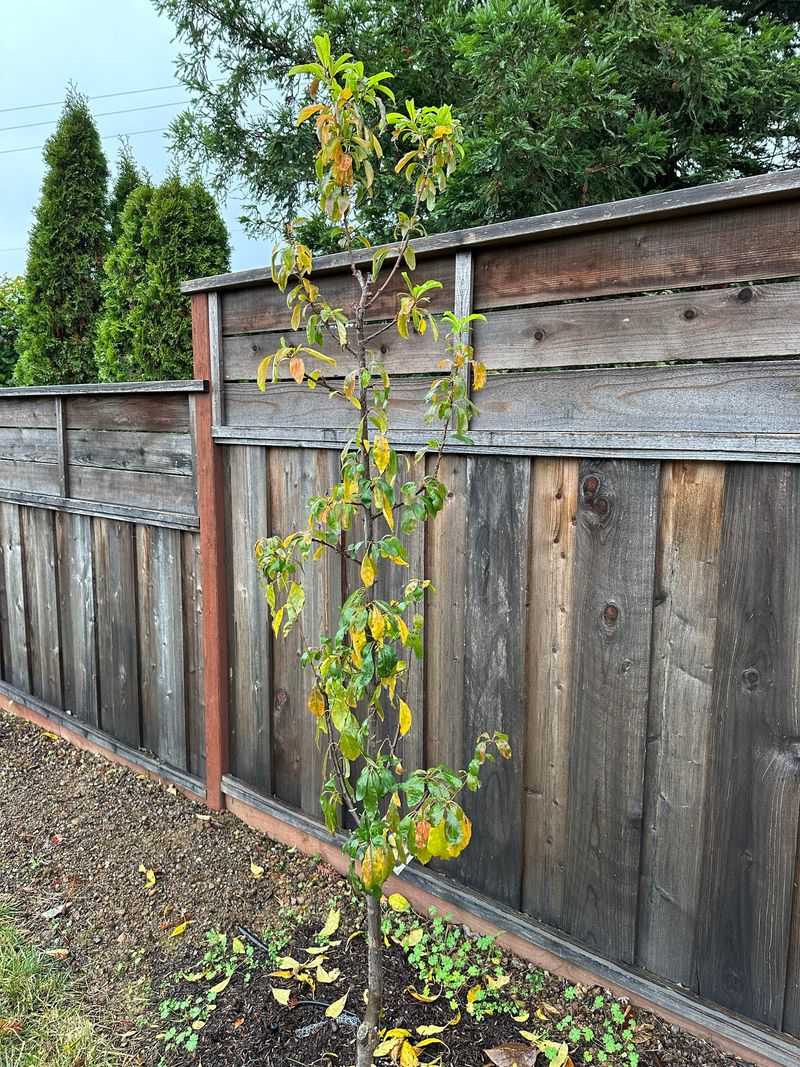
Fruit trees rely on environmental cues to know when spring has arrived and growth should begin.
Pruning too early sends mixed signals that can trigger premature budbreak during warm spells.
When new growth emerges too soon, it becomes vulnerable to late frosts that are common in Utah.
A single freezing night can damage or destroy tender new shoots and flower buds.
Your tree wastes precious energy producing growth that won’t survive the season.
This setback reduces your harvest and stresses the tree unnecessarily.
Waiting to prune until you’re closer to the last frost date keeps the tree in proper dormancy.
Trees need consistent signals that spring has truly arrived before investing energy in new growth.
Early pruning can also stimulate excessive vegetative growth at the expense of fruit production.
You want your tree focusing on flowers and fruit, not just leaves and branches.
Proper timing helps maintain the natural balance between growth and reproduction.
Your patience will be rewarded with better harvests and healthier trees that follow their natural schedule.
Stored Energy Reserves Get Wasted
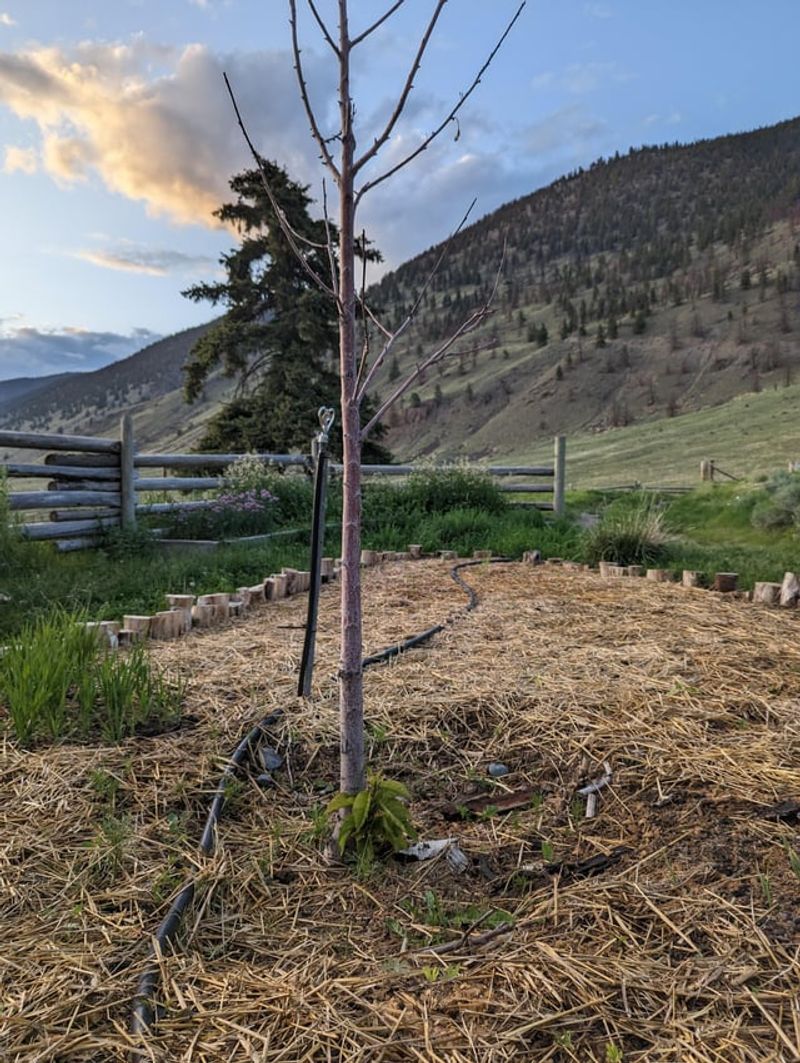
Throughout the growing season, your fruit tree stores carbohydrates in its roots, trunk, and branches.
These energy reserves are crucial for surviving winter and jumpstarting growth in spring.
When you prune too early, you remove branches that contain valuable stored nutrients.
The tree has already invested resources into those branches, and early removal wastes that investment.
Timing your pruning for late dormancy allows the tree to redistribute nutrients more efficiently.
As spring approaches, trees naturally move stored energy toward areas where new growth will occur.
Pruning after this redistribution begins means you’re removing less valuable stored food.
You also allow the tree to focus its remaining energy on the branches you’ve chosen to keep.
Early pruning forces the tree to reorganize its energy distribution during the coldest months.
This extra stress can weaken the tree and reduce its vigor come springtime.
A well-timed pruning lets your tree use its stored energy most effectively for strong spring growth.
Working with your tree’s natural energy cycle produces better results than rushing the process.
Healing Takes Longer In Cold Weather
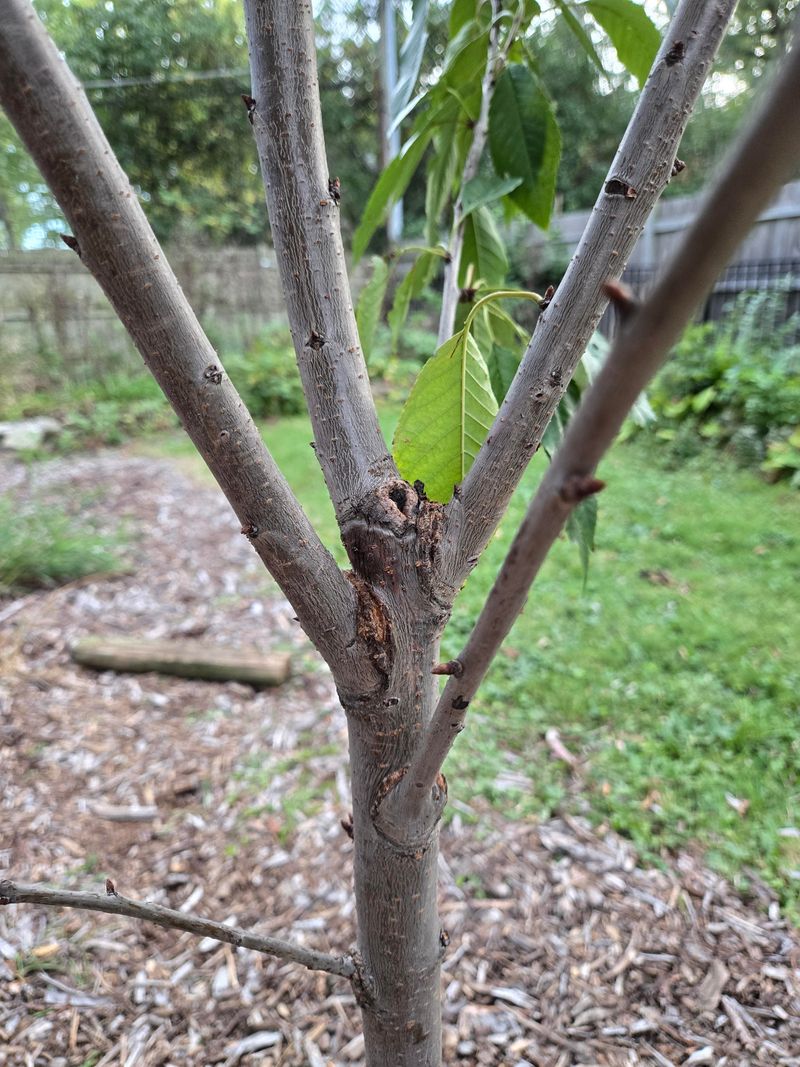
Trees heal pruning wounds by forming callus tissue that gradually seals the cut surface.
This healing process slows dramatically when temperatures stay cold for extended periods.
In Utah’s winter climate, wounds made too early can remain open for months.
The longer a wound stays open, the greater the chance for problems to develop.
Insects, diseases, and moisture can all penetrate through unhealed cuts.
When you prune closer to spring, rising temperatures speed up the healing response.
Cells divide faster and callus tissue forms more quickly in warmer conditions.
Your tree can seal wounds in weeks rather than months with proper timing.
Faster healing means less exposure to potential threats and better overall tree health.
Cold temperatures also slow the production of natural compounds that protect wounds.
Trees produce antimicrobial substances that help prevent infection, but cold weather reduces this production.
Waiting for warmer weather gives your tree the best conditions for rapid, complete healing that protects its long-term health.
Bloom Timing Gets Disrupted
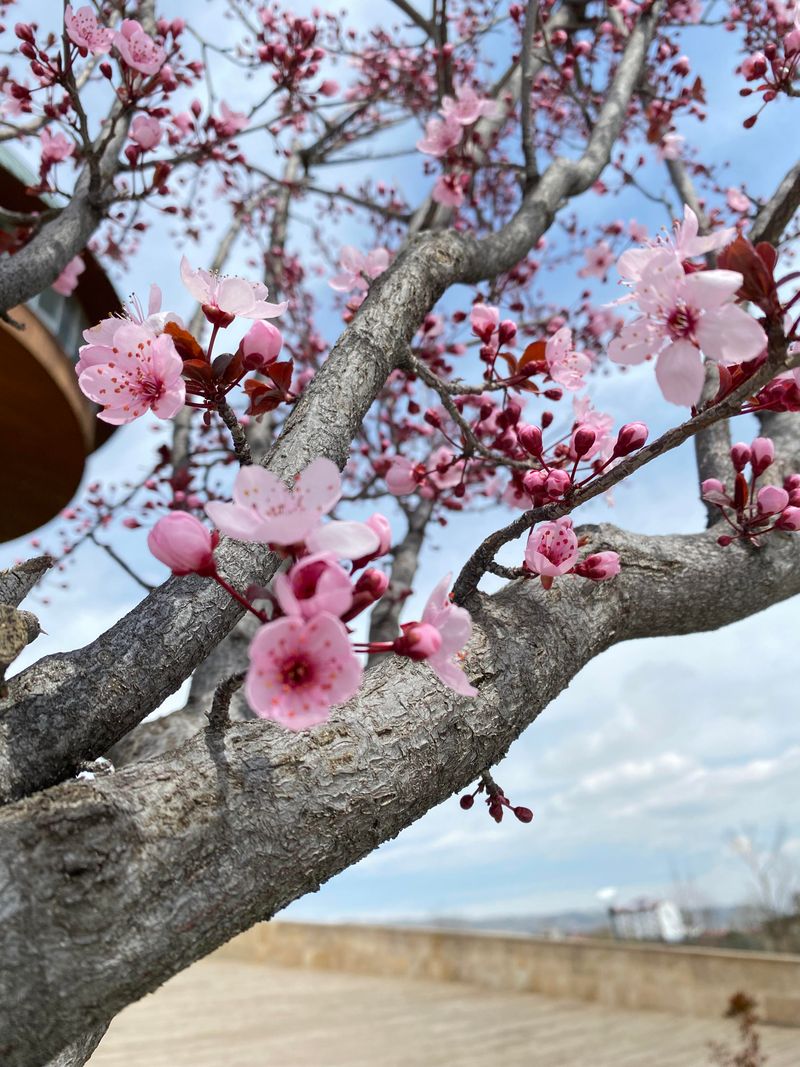
Fruit trees have carefully timed bloom schedules that match up with pollinator activity and favorable weather.
Pruning too early can disrupt this natural timing and affect when flowers appear.
Heavy early pruning may delay bloom, causing your tree to flower after other nearby trees have finished.
This creates pollination problems if your tree blooms when few pollinators are active or compatible trees aren’t flowering.
Poor pollination leads directly to reduced fruit set and smaller harvests.
You might also trigger uneven blooming where some branches flower much earlier than others.
This makes frost protection more difficult and can result in partial crop loss.
Proper pruning timing helps maintain consistent bloom schedules across your entire tree.
When all the flowers open around the same time, pollination happens more efficiently.
You also get better fruit sizing when the crop develops uniformly.
Late winter pruning respects the tree’s natural bloom cycle and supports optimal pollination.
Your reward is more consistent harvests with better fruit quality year after year.
Sunscald Damage Becomes More Likely
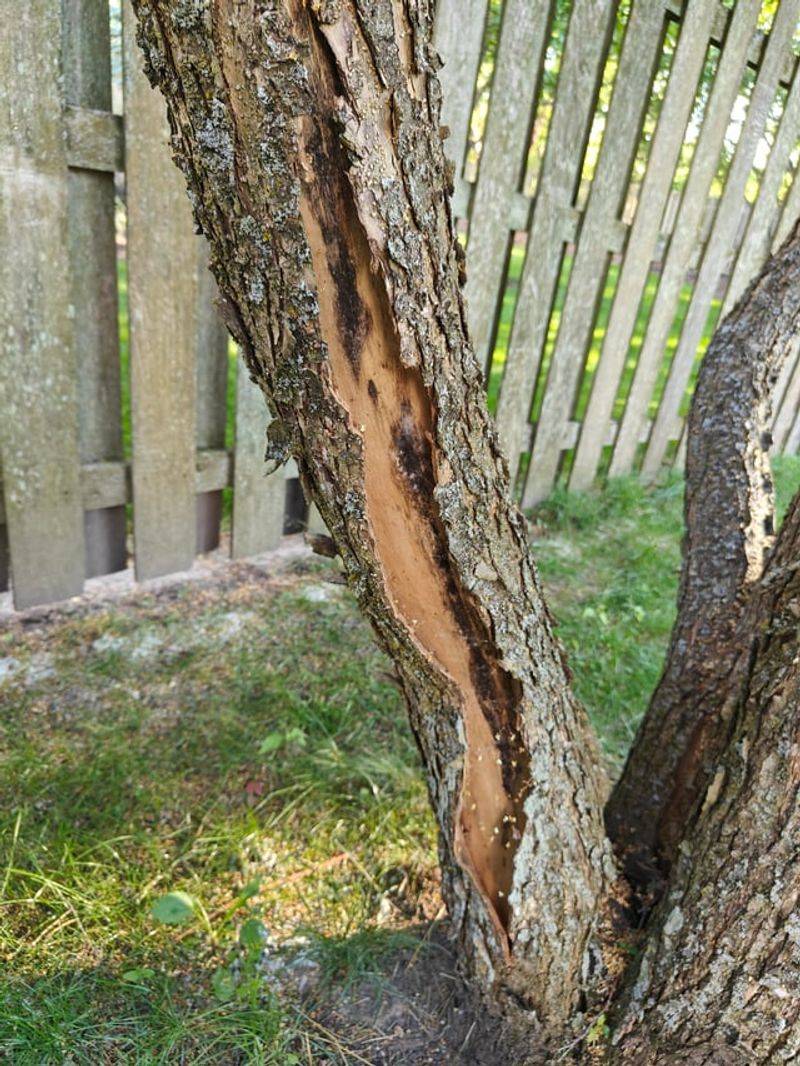
Utah’s intense winter sun combined with cold temperatures creates perfect conditions for sunscald.
This occurs when bark heats up during sunny winter days and then freezes rapidly at night.
Pruning too early removes protective branches that shade the trunk and main limbs.
Suddenly exposed bark hasn’t had time to develop the thicker protective layer it needs.
The southwest side of trees is especially vulnerable to this type of damage.
Sunscald causes bark to crack, peel, and separate from the wood beneath.
These injuries provide entry points for borers and diseases that can seriously harm your tree.
Waiting to prune until later in winter gives bark more time to adjust to sun exposure gradually.
As spring approaches, the risk of extreme temperature swings decreases significantly.
You can also plan your pruning to maintain some protective shading on vulnerable trunk areas.
Wrapping young tree trunks with white tree wrap provides additional protection if early pruning is necessary.
Preventing sunscald through proper timing keeps your fruit trees vigorous and productive for many seasons.