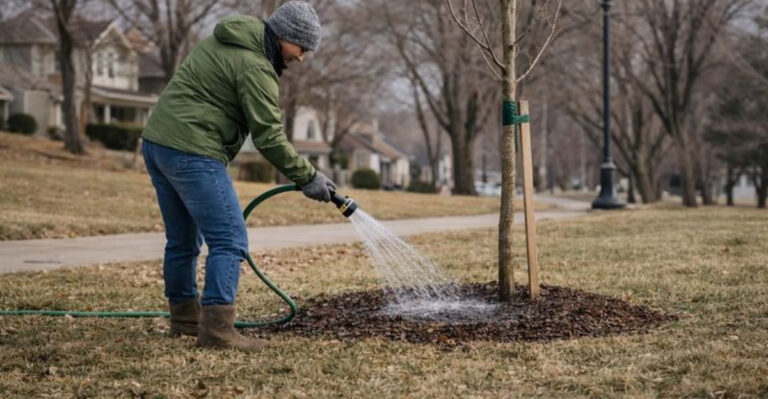
Why Utah Residents Should Examine Evergreens Branches Before Heavy Snow
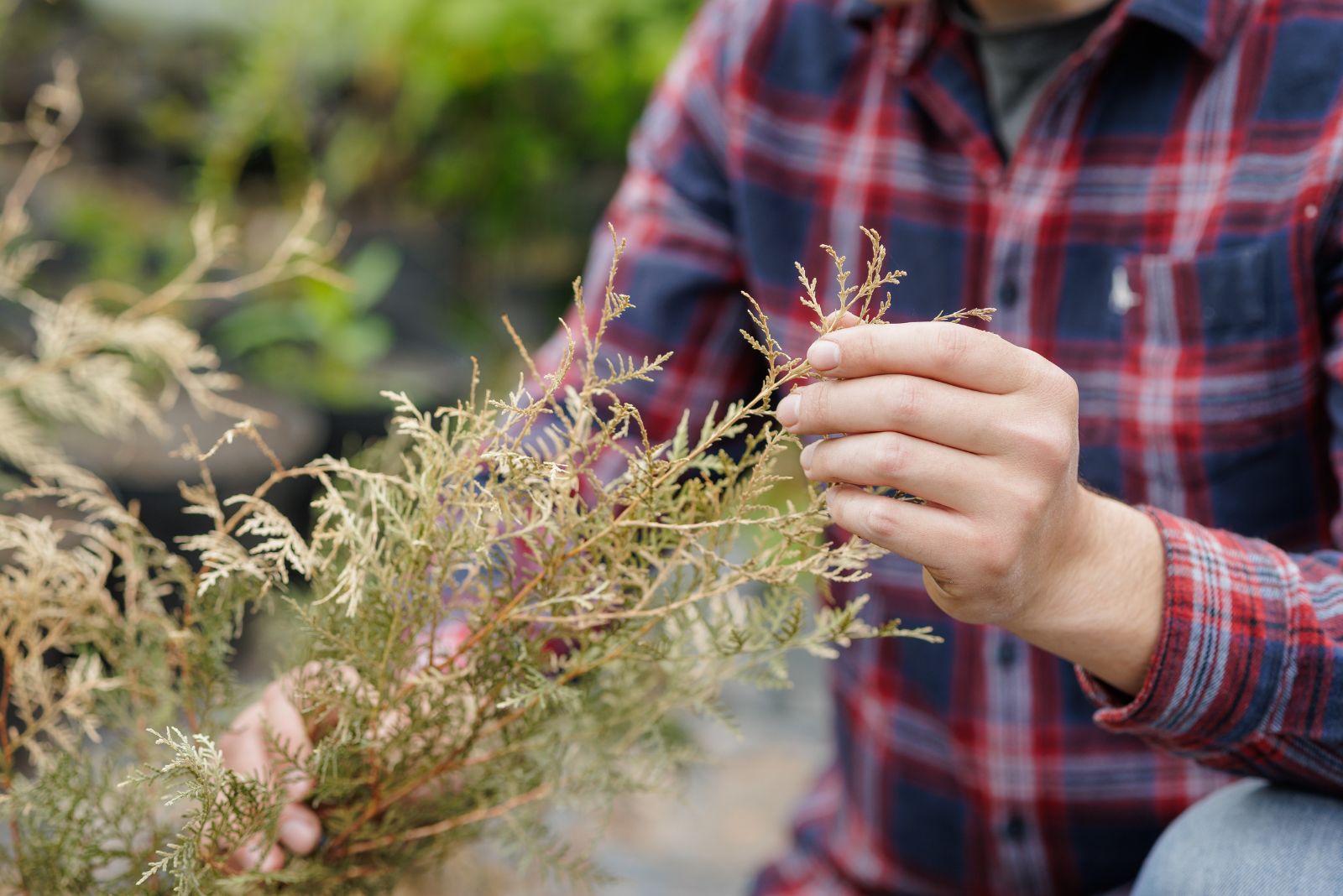
Utah winters can change gears fast, and when heavy snow rolls in, evergreens often take the hit first.
Those full, green branches look sturdy, but snow piles up quickly, adding weight that can bend, crack, or snap limbs without warning.
What starts as a peaceful winter scene can turn into broken branches and costly cleanup overnight.
Examining evergreen branches ahead of time helps homeowners stay one step ahead of the storm.
Weak, crowded, or poorly shaped branches act like magnets for snow, trapping moisture and weight where it does the most damage.
A quick check now can prevent branches from splitting down the middle or pulling the tree out of balance once snow stacks up.
Utah’s mix of dry air, heavy snowfall, and sudden temperature swings makes evergreens work overtime in winter.
Taking a closer look before storms hit protects trees, nearby structures, and walkways below.
It is a small effort that pays off big, saving time, money, and stress when winter weather shows its teeth.
In Utah, a little preparation goes a long way toward keeping evergreens standing tall all season long.
1. Prevent Property Damage From Falling Branches
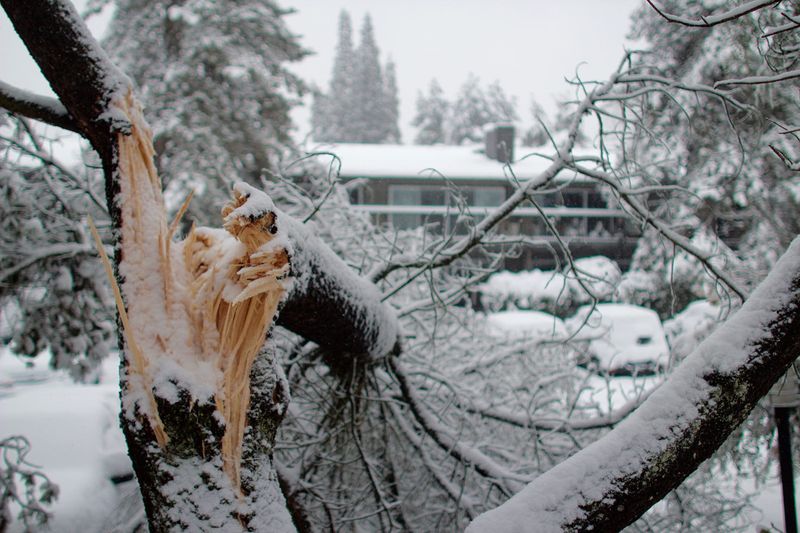
Snow accumulation on evergreen branches can lead to serious property damage if you’re not careful.
Branches that seem perfectly fine during summer and fall can become dangerous when loaded with heavy, wet snow common in Utah winters.
A single broken limb falling from height can crack roof shingles, dent vehicles, smash outdoor furniture, or damage fences and sheds below.
Inspecting your trees before winter storms arrive gives you the chance to identify branches that pose the greatest risk.
Look for limbs that hang directly over structures, driveways, or walkways.
Pay special attention to branches that already show signs of weakness, such as cracks, splits, or areas where bark has peeled away.
Removing or trimming problematic branches ahead of time is much easier and cheaper than dealing with emergency repairs after damage occurs.
Professional tree services in Utah stay busy during fall specifically because smart homeowners know prevention beats reaction.
The cost of trimming a few risky branches is nothing compared to replacing a damaged roof or repairing a crushed car.
Your homeowner’s insurance might not cover damage caused by neglected tree maintenance either.
Insurance companies often investigate whether property damage could have been prevented with reasonable care.
Showing that you inspected and maintained your trees demonstrates responsible homeownership.
Taking action before the first major snowfall protects your investment in your home and everything around it.
A simple walk around your yard with a critical eye can reveal potential problems you might otherwise miss until it’s too late.
2. Identify Weak Or Diseased Branches Before They Break
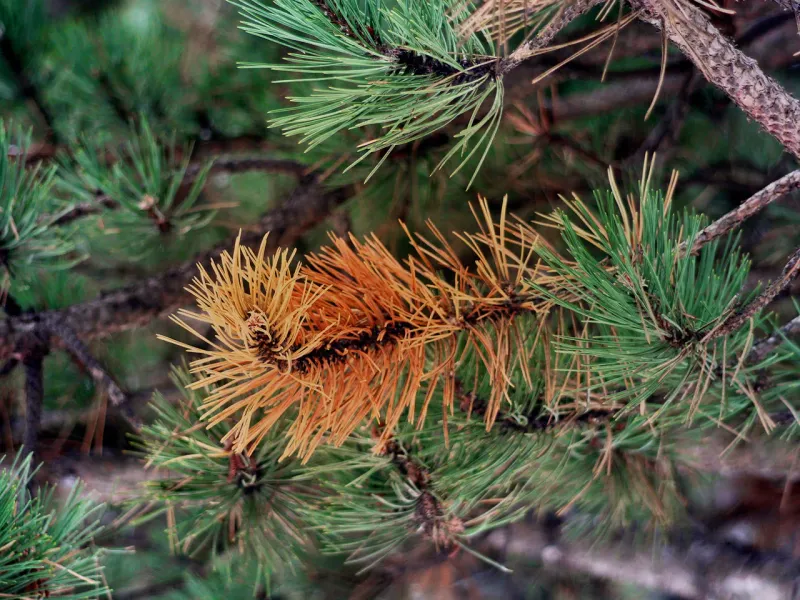
Not all branches are created equal when it comes to bearing snow weight.
Evergreens growing in Utah face various stresses throughout the year that can weaken their structure without obvious external signs.
Disease, insect damage, and previous storm injuries can all compromise branch strength long before you notice any problems.
A thorough inspection lets you spot warning signs that indicate a branch won’t survive heavy snow loading.
Discolored needles, unusual growth patterns, or sections of dry wood all signal potential failure points.
Branches with narrow attachment angles to the trunk are particularly vulnerable because they lack the structural support of wider connections.
Fungal infections are surprisingly common in Utah evergreens and can rot branches from the inside out.
The outside might look perfectly healthy while the interior wood has turned soft and weak.
Tapping suspected branches with a stick can sometimes reveal hollow sounds that indicate internal decay.
Bark beetles and other pests also compromise branch integrity by creating tunnels through the wood.
These tiny passages reduce the branch’s ability to handle stress loads.
If you notice small holes in the bark or sawdust-like material around the base of branches, pest damage might be present.
Finding these problems before winter arrives gives you time to remove compromised branches safely.
Waiting until snow weighs them down means they’ll likely break at the worst possible moment, creating hazards and making cleanup much more difficult in cold, snowy conditions throughout Utah’s winter months.
3. Protect Power Lines And Utilities From Tree Contact
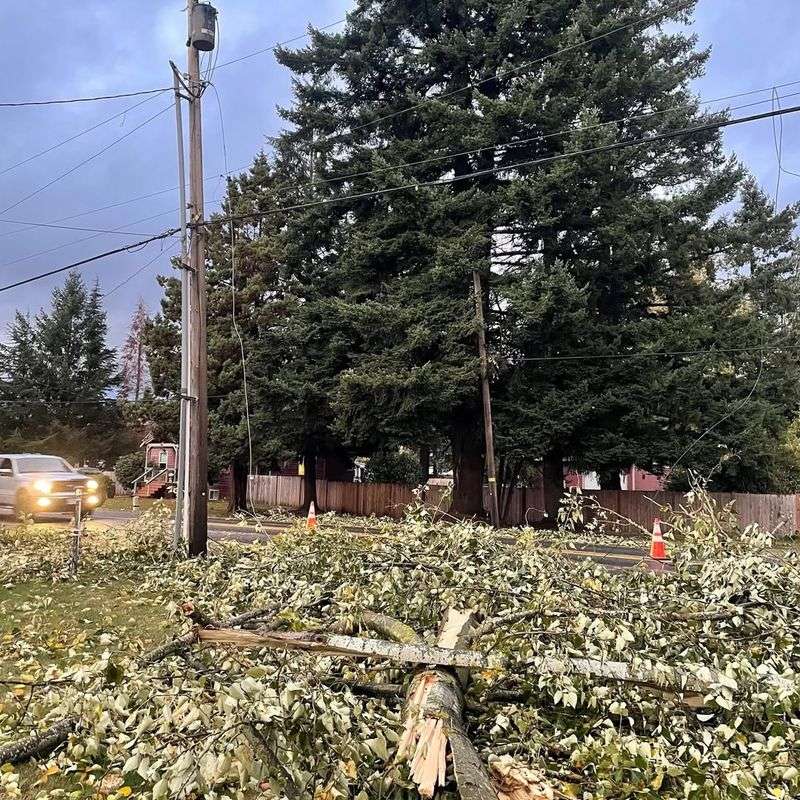
Power outages during Utah snowstorms often result from tree branches making contact with electrical lines.
Evergreens growing near utility infrastructure create special concerns because their branches can accumulate substantial snow weight and bend far beyond their normal positions.
When this happens, they can touch or fall onto power lines, causing outages that affect entire neighborhoods.
Checking the clearance between your evergreen branches and nearby power lines before winter is a safety priority.
Even branches that seem safely distant during dry weather can sag dramatically under snow load.
Remember that wet, heavy snow weighs much more than the light, fluffy powder many people imagine.
Utility companies maintain easements and have responsibility for trimming trees near their lines, but homeowners should still monitor the situation.
If you notice branches growing too close to power lines on your property, contact your utility provider rather than attempting to trim them yourself.
Working near power lines is extremely dangerous and should only be done by trained professionals with proper equipment.
Beyond power lines, consider other utilities like telephone and cable lines.
While these carry less immediate danger than electrical wires, damaged communication lines can leave you without phone or internet service during storms when you might need them most.
Utah’s winter weather can be unpredictable, making reliable communication especially important.
Taking time to assess the relationship between your evergreens and overhead utilities protects more than just your own household.
Preventing outages helps your entire community stay safe and connected during difficult winter weather conditions common throughout the state.
4. Maintain Safe Access To Walkways And Driveways
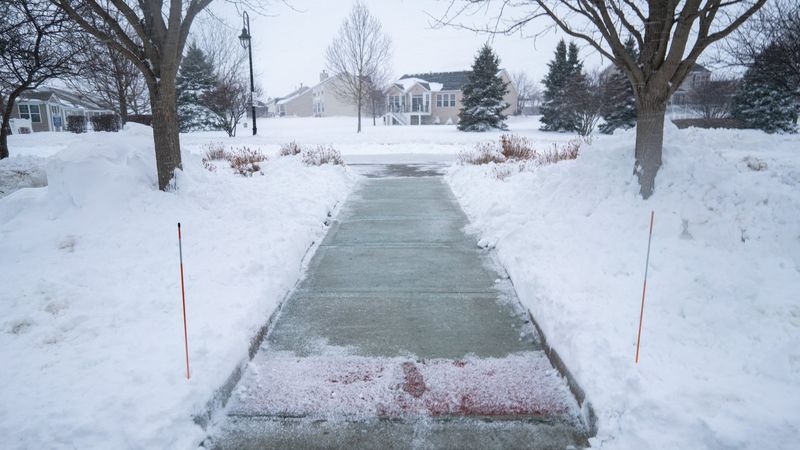
Getting in and out of your home safely matters even more when snow and ice make surfaces slippery.
Evergreen branches hanging low over walkways and driveways create obstacles that become genuinely hazardous during Utah winters.
Snow loading causes branches to droop even lower, sometimes blocking paths entirely or creating head-height hazards in areas where people regularly walk.
Walking under snow-covered branches means risking a cold shower of snow dumping on your head, which is unpleasant at best and potentially dangerous if the snow is heavy or icy.
Children, elderly family members, and guests unfamiliar with your property face particular risks from low-hanging branches they might not notice in time.
Vehicle clearance is another consideration for branches near driveways.
Branches that barely clear your car’s roof during summer can scrape paint or damage antennas when weighted down with snow.
Delivery trucks, emergency vehicles, and guests driving taller vehicles might not be able to access your property safely if branches block the way.
Inspecting these access areas before winter lets you trim back branches to maintain clear, safe passage.
Most experts recommend keeping at least eight feet of clearance over walkways and even more over driveways to account for snow loading.
This might seem excessive during warm weather, but Utah residents know how dramatically branches can sag under heavy snow.
Good visibility matters too.
Branches that obstruct views of your driveway entrance or sidewalk can hide approaching pedestrians, cyclists, or vehicles.
Trimming for safety creates better sightlines that help prevent accidents throughout the snowy season across residential areas in Utah.
5. Preserve The Health And Shape Of Your Trees
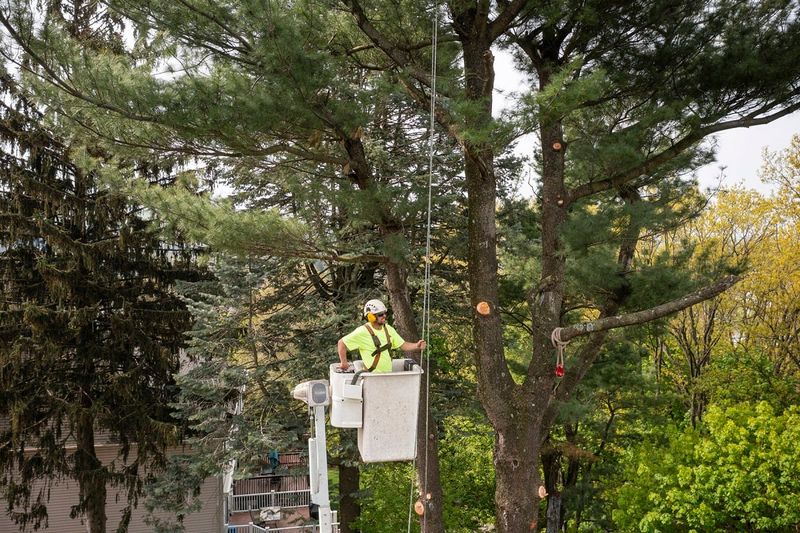
Evergreens that lose major branches to snow damage often never fully recover their attractive shape.
These trees grow slowly, and it can take years or even decades for them to fill in gaps left by broken limbs.
Pre-winter inspection and selective pruning helps maintain the natural beauty and symmetry that makes evergreens such popular landscaping choices throughout Utah.
Professional arborists understand how to shape evergreens properly while keeping them healthy.
Random breaks from snow damage rarely follow the tree’s natural growth patterns, leaving awkward gaps and unbalanced forms.
Strategic pruning before winter removes weight from vulnerable areas while preserving the tree’s overall appearance.
Healthy trees also resist disease and pest problems more effectively than damaged ones.
Each broken branch creates a wound where moisture, fungi, and insects can enter the tree.
Winter damage often goes untreated for months because homeowners don’t notice problems until spring or can’t access trees safely in snow.
This delayed response gives infections and infestations time to establish themselves.
Removing diseased or damaged branches before snow arrives improves air circulation through the tree’s canopy.
Better airflow reduces moisture buildup that promotes fungal growth, a common problem in Utah’s variable winter conditions where temperatures fluctuate between freezing and thawing.
The investment you’ve made in mature evergreens deserves protection.
These trees add significant value to your property and take many years to reach their full size and beauty.
Spending a little time and effort on preventive care preserves that investment and keeps your landscape looking its best year-round despite the challenges winter weather brings to the region.
6. Reduce Emergency Cleanup Work During Storms
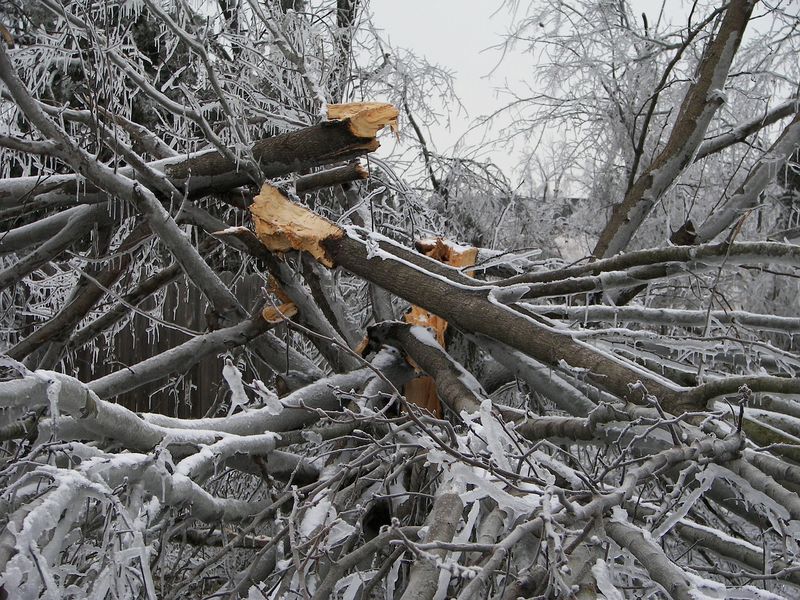
Nobody wants to deal with broken branches and tree debris during a snowstorm.
Cold temperatures, slippery conditions, and ongoing snowfall make cleanup dangerous and miserable.
Yet that’s exactly what happens when branches break under snow weight, forcing homeowners outside in the worst possible conditions to clear hazards and prevent further damage.
Emergency tree work during storms costs significantly more than preventive maintenance.
Tree service companies charge premium rates for urgent calls, especially during active weather events when demand is high and working conditions are difficult.
Many won’t even respond until the storm passes, leaving you to manage dangerous situations on your own.
Imagine trying to remove a large broken branch from your roof while snow continues falling and temperatures drop below freezing.
The branch is heavy, slippery, and awkward to handle.
The roof surface is icy and dangerous to walk on.
This scenario plays out across Utah every winter when homeowners neglect pre-season tree inspection.
Proactive branch removal happens on your schedule under safe, dry conditions.
You can take your time, use proper tools, and work carefully without the pressure of an emergency.
If the work is beyond your abilities, you can hire professionals during their off-peak season when rates are lower and scheduling is easier.
The peace of mind that comes from knowing your trees are ready for winter is valuable too.
Instead of worrying every time heavy snow falls, you can relax knowing you’ve already addressed potential problems.
That confidence makes Utah’s long winter season much more enjoyable for you and your entire family.
7. Ensure Safety For Family Members And Visitors

Your responsibility as a homeowner extends to everyone who comes onto your property.
Children playing in the yard, guests arriving for visits, and service providers accessing your home all depend on you to maintain safe conditions.
Evergreen branches weakened by disease, age, or previous damage become serious safety hazards when loaded with Utah’s heavy winter snow.
Kids love playing in snow, building forts, and having snowball fights under trees without thinking about what might be hanging overhead.
A branch breaking unexpectedly can cause serious injuries, especially if it falls from significant height.
Parents who inspect and maintain their trees before winter create safer play environments for their children and neighborhood friends.
Elderly family members and individuals with mobility challenges face particular risks from falling branches and low-hanging obstacles.
These individuals may have difficulty reacting quickly to avoid hazards or recovering from slips and falls caused by dodging tree debris.
Keeping clear, safe paths around your property shows consideration for people who might struggle with winter conditions.
Legal liability is another factor to consider.
If someone is injured on your property due to a hazard you could have reasonably prevented, you might face legal consequences.
Documentation showing you conducted regular tree inspections and maintenance demonstrates reasonable care and responsibility.
Mail carriers, delivery drivers, meter readers, and emergency responders all need safe access to your home.
Blocked walkways or dangerous overhead branches can prevent these essential services from reaching you.
In true emergencies, delays caused by tree hazards could have serious consequences.
Making sure your property remains accessible throughout winter protects everyone who might need to visit your Utah home during the snowy months ahead.