Why Viburnum Is The One Winter Plant Pennsylvania Gardens Need
Winter can make Pennsylvania gardens feel empty, but viburnum refuses to disappear quietly when everything else fades back.
Its structure, berries, and subtle winter interest give the landscape something to hold onto during the coldest months.
Gardeners start appreciating it most when snow settles in and the yard still looks alive instead of bare.
That reliability is exactly why viburnum earns its place as the one winter plant Pennsylvania gardens truly need.
1. Stunning Berry Displays Last All Winter Long
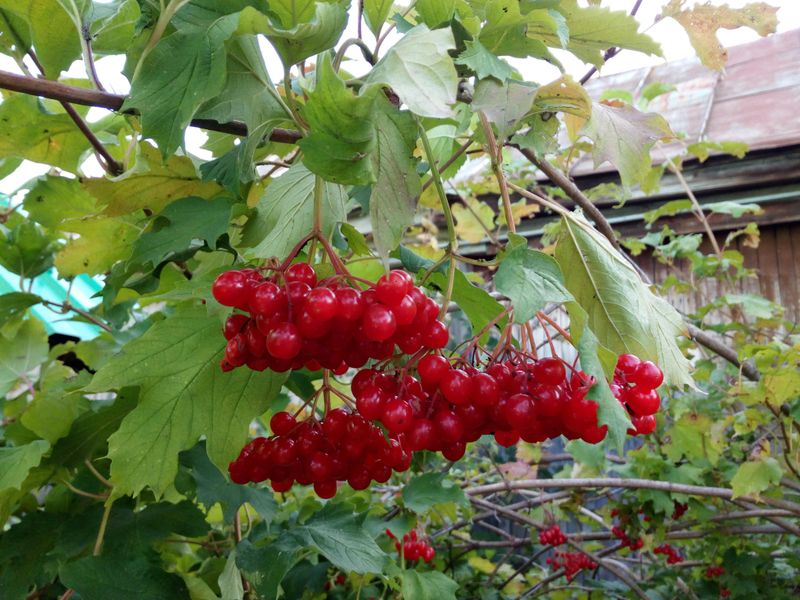
Bright red berries cluster along viburnum branches creating natural ornaments that catch your eye from across Pennsylvania yards during snowy days.
Most varieties produce fruit in fall that persists through winter providing constant color when everything else looks bare and lifeless outdoors.
Birds often leave these berries alone initially because they need time to soften making them available for longer viewing periods.
Homeowners appreciate how berry clusters contrast beautifully against white snow creating postcard-worthy scenes right outside their kitchen windows every morning.
Pennsylvania gardeners find viburnum berries more reliable than other winter plants since they stay attached even during strong wind storms.
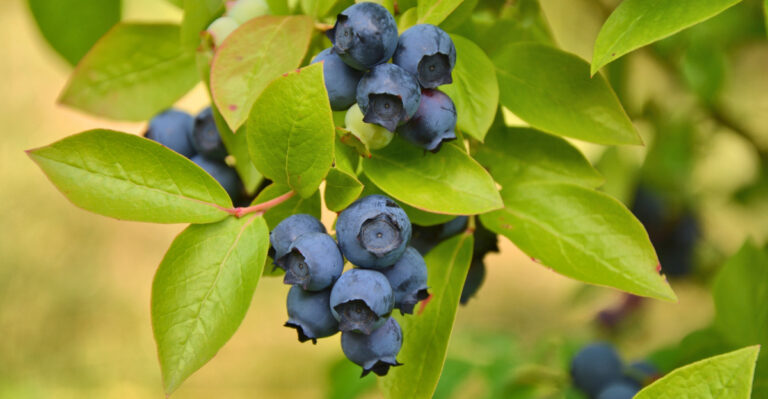
Some cultivars offer pink or blue-black berries instead of red giving you options to match your landscape design preferences perfectly.
Watching berries gradually change from green to vibrant colors provides entertainment throughout autumn as temperatures drop across the state gradually.
These persistent fruits make viburnum irreplaceable for anyone wanting year-round visual interest without replanting or constant garden maintenance work required.
During late winter, these berries become an important food source when natural options are scarce, quietly supporting local wildlife while still holding their visual appeal.
2. Provides Critical Food Source for Wildlife
Cardinals and robins rely on viburnum berries when natural food becomes scarce during harsh Pennsylvania winters with deep snowfall.
Over fifty bird species consume these nutritious fruits making your garden a vital stopover point for migrating flocks traveling southward.
Berries contain high fat content that helps birds maintain body heat during freezing nights when temperatures plummet below zero degrees.
Planting viburnum creates a backyard habitat where you can observe wildlife behavior without leaving your warm house on cold mornings.
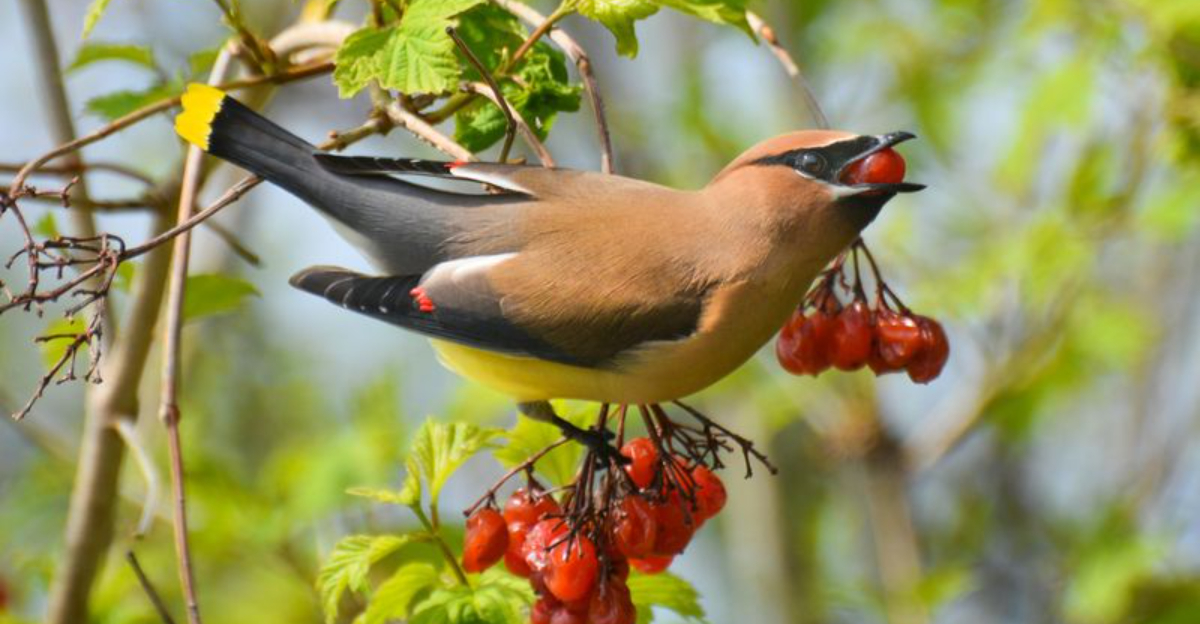
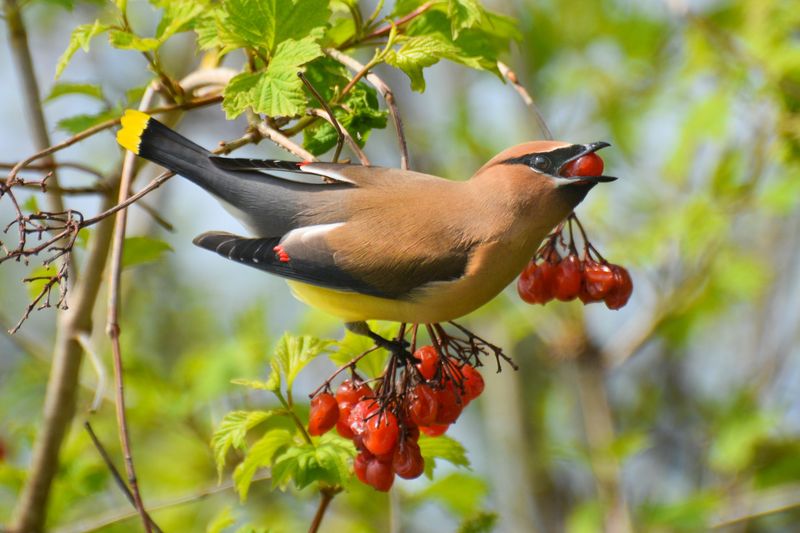
Pennsylvania residents enjoy watching cedar waxwings arrive in groups stripping berry-laden branches clean within just a few exciting hours.
Early spring migrants returning north find leftover berries providing much-needed energy after their exhausting journeys across multiple state boundaries.
Squirrels and small mammals also nibble on fallen berries beneath shrubs adding another layer of activity to your winter landscape.
Supporting local ecosystems through native plantings like viburnum demonstrates environmental stewardship while enhancing your property value and natural beauty significantly.
This steady food supply helps wildlife survive unpredictable winter weather while turning your garden into a living, moving scene even on the coldest Pennsylvania days.
3. Requires Almost Zero Maintenance Effort
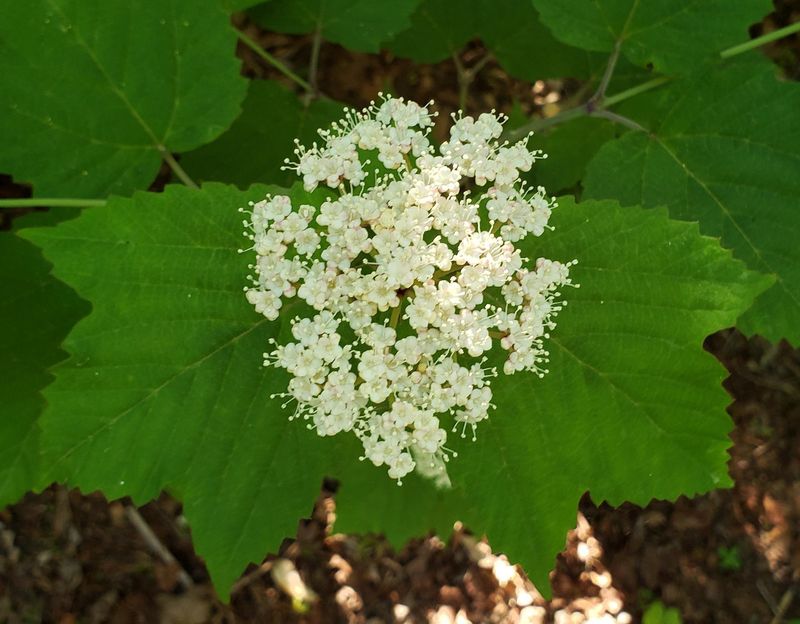
Viburnum shrubs grow independently once established needing no fertilizer applications or complicated care routines that overwhelm beginner Pennsylvania gardeners regularly.
These tough plants tolerate various soil types from clay to sandy loam making them adaptable to different neighborhoods across the state.
Pruning becomes optional since viburnum naturally develops attractive rounded shapes without constant trimming or shaping required by other ornamental shrubs.
Drought resistance means less watering during dry spells saving time and reducing water bills for homeowners concerned about conservation efforts.
Pennsylvania winters never damage healthy viburnum specimens because they evolved to withstand cold temperatures and heavy snow loads without protection.
Pest problems rarely occur with these hardy shrubs eliminating the need for chemical treatments that harm beneficial insects and pollinators.
Busy families appreciate how viburnum continues looking great despite neglect during hectic holiday seasons when garden chores get forgotten.
Choosing low-maintenance plants like viburnum frees up weekends for relaxation instead of endless yard work that exhausts your energy reserves.
This dependable performance makes viburnum a smart long-term choice for Pennsylvania landscapes where simplicity, resilience, and consistent beauty matter more than constant hands-on care.
4. Offers Incredible Four-Season Interest
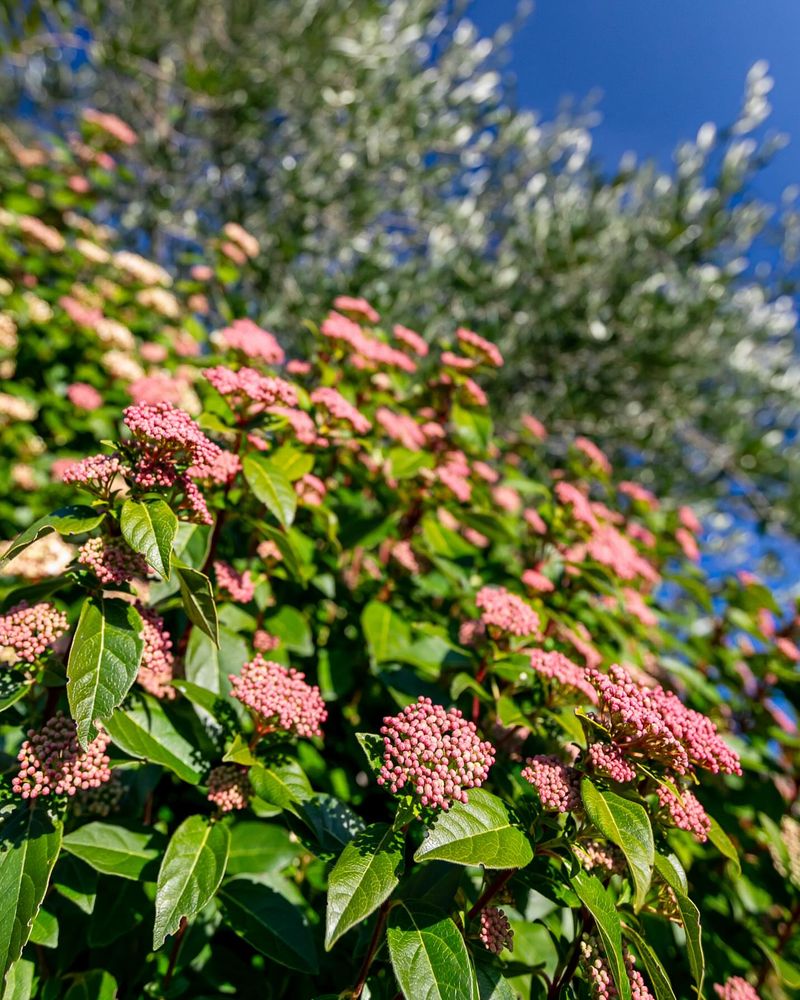
Spring brings fragrant white flower clusters that perfume entire Pennsylvania neighborhoods attracting butterflies and beneficial pollinators to your property.
Summer foliage creates dense green backdrops for colorful perennials while providing privacy screening along property lines and busy streets.
Autumn transforms leaves into brilliant shades of burgundy orange and purple rivaling any maple tree for spectacular fall color displays.
Winter reveals architectural branch structures decorated with persistent berries creating focal points when most plants disappear completely from view outdoors.
Pennsylvania homeowners get more value from viburnum than single-season plants because interest never stops regardless of weather conditions outside.
Landscape designers recommend viburnum for clients wanting dynamic gardens that change appearance throughout the year without requiring multiple plant purchases.
Photographing the same shrub across different seasons creates beautiful documentation of natural cycles happening right in your own backyard space.
Few plants deliver such consistent beauty making viburnum an intelligent investment for anyone serious about creating memorable outdoor living areas.
Seeing a single shrub shift moods with the seasons gives your yard a sense of rhythm that never feels flat or predictable.
5. Adapts Perfectly to Pennsylvania Climate Zones
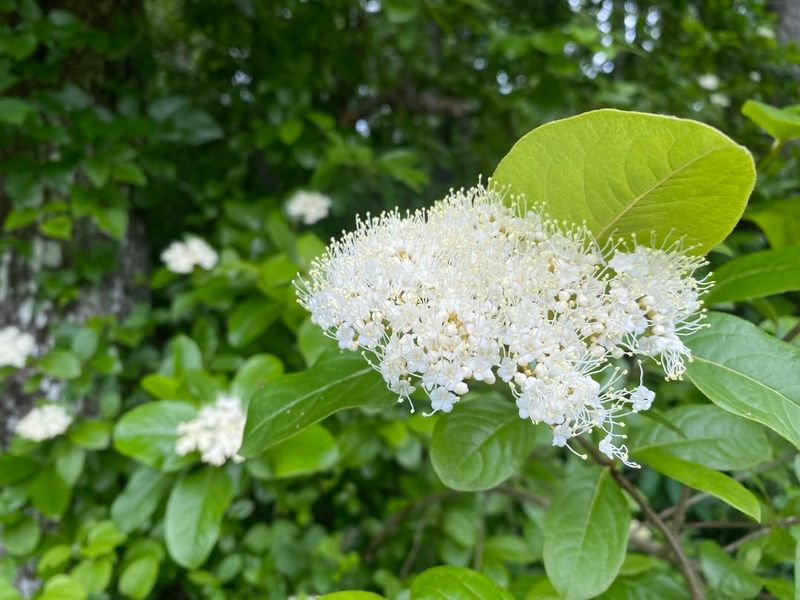
Most viburnum varieties thrive in USDA zones 4 through 8 covering every region of Pennsylvania from Philadelphia to Erie perfectly.
Native species like arrowwood viburnum evolved here over thousands of years making them naturally suited to local temperature fluctuations and rainfall.
Cold hardiness means no winter protection needed even in mountainous areas where temperatures regularly drop to negative fifteen degrees Fahrenheit.
Pennsylvania summers with high humidity never cause fungal problems for viburnum unlike other ornamental shrubs that require constant disease monitoring.
Spring frost events rarely damage flower buds because viburnum blooms later than early-flowering shrubs that lose blossoms to unexpected freezes.
Choosing regionally appropriate plants ensures success for novice gardeners who lack experience dealing with finicky specimens requiring special growing conditions.
Local garden centers across Pennsylvania stock multiple viburnum cultivars proving their popularity and reliable performance throughout the entire Commonwealth.
Matching plants to climate reduces frustration and wasted money spent replacing unsuitable species that struggle in our unique weather patterns.
This climate compatibility lets viburnum settle in quickly and perform reliably year after year without constant adjustments or corrective care from homeowners.
6. Creates Natural Privacy Screens Year-Round
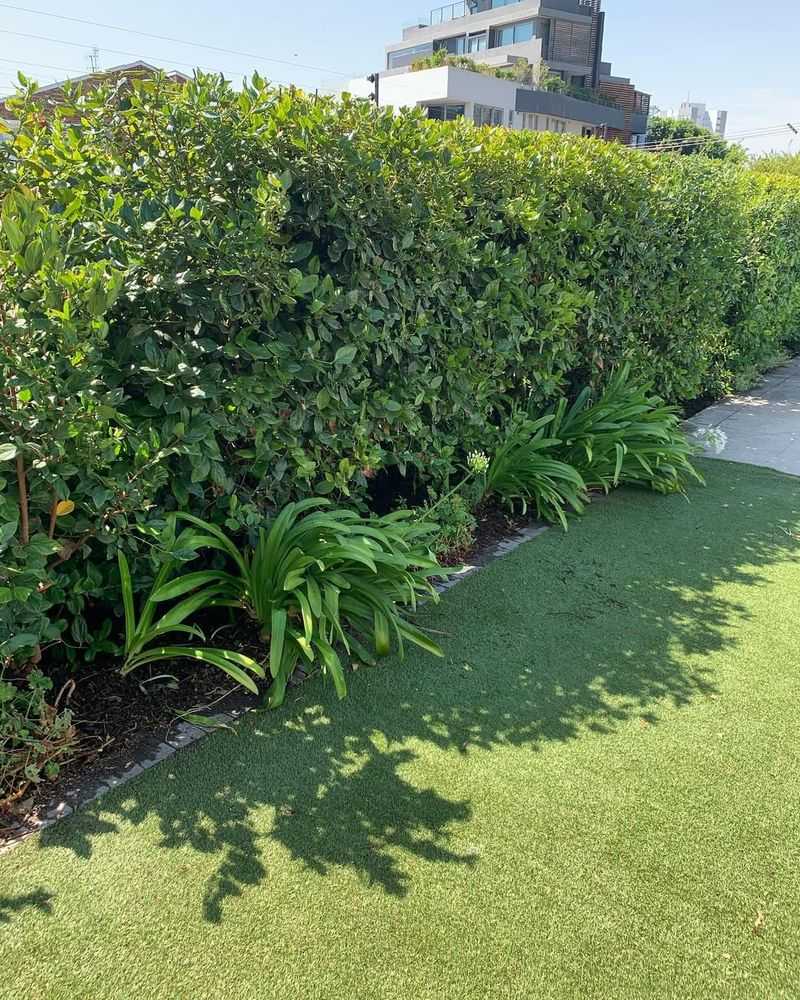
Dense branching patterns provide solid barriers blocking unwanted views from neighboring properties even after leaves drop during Pennsylvania winters completely.
Planting viburnum in rows creates living fences more attractive than artificial materials while supporting local wildlife populations simultaneously and beautifully.
Heights ranging from four to twelve feet accommodate different screening needs whether hiding air conditioners or creating secluded patio areas.
Evergreen varieties like leatherleaf viburnum maintain foliage throughout winter offering maximum privacy when deciduous trees stand bare and exposed.
Pennsylvania homeowners save money avoiding expensive fence installations by using fast-growing viburnum that fills in within just three growing seasons.
Natural screens reduce noise pollution from traffic and neighbors creating peaceful outdoor retreats perfect for morning coffee or evening relaxation.
Birds nesting within dense viburnum branches add delightful sounds to your private garden sanctuary during spring and summer breeding seasons.
Strategic placement along property boundaries increases home values while establishing clear territorial definitions without appearing hostile or uninviting to friendly neighbors.
As shrubs mature, their thick structure continues strengthening each year, making privacy feel more complete without needing replacements or added layers later on.
7. Supports Native Plant Conservation Efforts
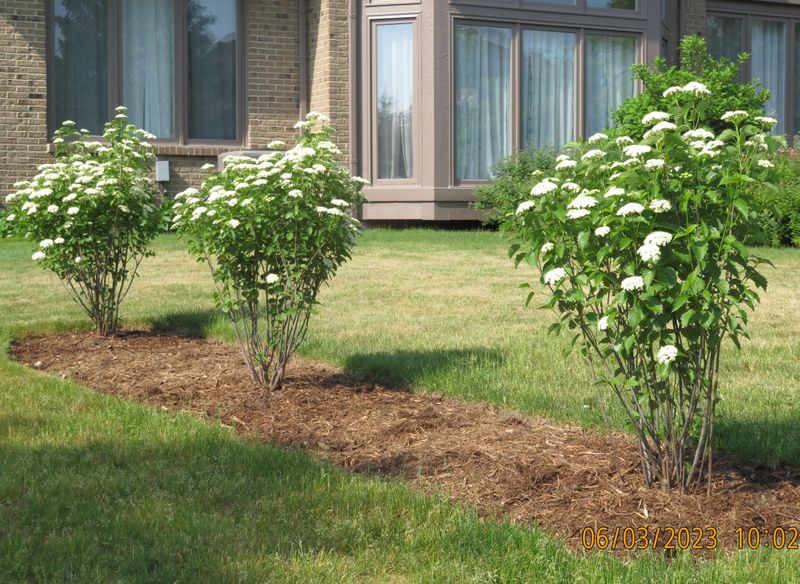
Choosing native viburnum species helps preserve Pennsylvania biodiversity by providing habitat for insects that evolved alongside these plants originally.
Many native viburnums face habitat loss from development making home gardens crucial refuges for preserving genetic diversity across the state.
Specialist insects like viburnum leaf beetles depend solely on these shrubs completing life cycles that support broader food webs locally.
Pennsylvania conservation groups encourage homeowners to replace invasive shrubs with natives like viburnum benefiting entire ecosystems beyond individual property boundaries.
Native plants require fewer resources than exotic species because they adapted to local conditions over millennia of natural selection processes.
Teaching children about native plants fosters environmental awareness and responsibility ensuring future generations value natural heritage found throughout the Commonwealth.
Participating in native plant movements connects you with community members sharing similar values about sustainability and ecological stewardship practices.
Every viburnum planted represents a small victory against habitat fragmentation threatening Pennsylvania wildlife populations that desperately need our help today.
Home gardens planted with native viburnum quietly extend natural corridors, allowing wildlife to move, feed, and survive within landscapes increasingly shaped by human development.
8. Delivers Exceptional Value for Your Investment
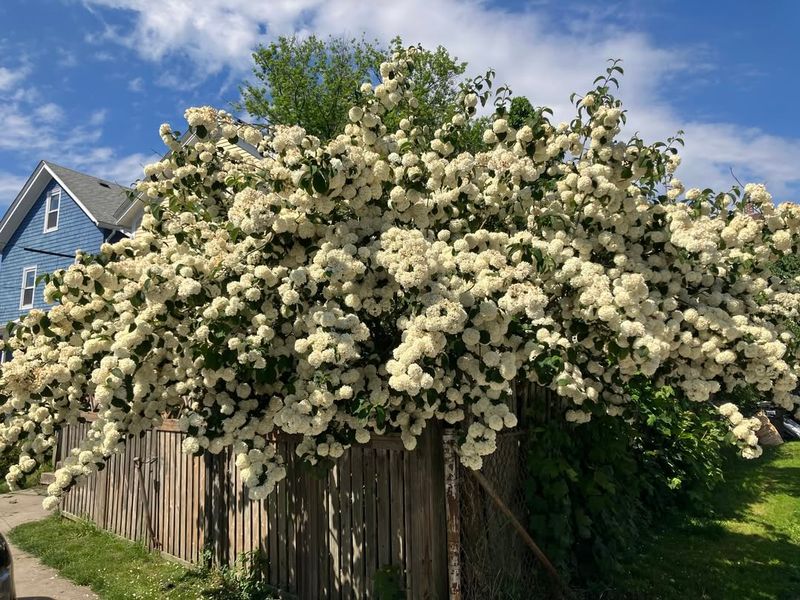
Purchasing one viburnum shrub provides decades of enjoyment since these long-lived plants often outlast homeowners who originally planted them.
Minimal care requirements mean lower long-term costs compared to high-maintenance plants needing constant fertilizers pesticides and professional pruning services.
Pennsylvania nurseries sell viburnum at reasonable prices making them accessible for gardeners working with limited budgets or starting new landscapes.
Increased property values result from mature landscaping featuring attractive shrubs that enhance curb appeal for potential buyers touring neighborhoods.
Energy savings occur when strategically placed viburnum windbreaks reduce heating costs by blocking cold winter winds from hitting house walls.
Propagating new plants from cuttings allows you to expand plantings without additional purchases sharing extras with friends and family members.
Avoiding plant replacements saves money and effort since viburnum rarely succumbs to problems that plague less resilient ornamental shrub varieties.
Smart gardening means choosing plants offering maximum returns with minimum inputs making viburnum the obvious choice for budget-conscious Pennsylvania residents.
Over time, that initial purchase quietly pays for itself many times over through savings, longevity, and a landscape that improves rather than declines with age.