Why Virginia Feeders Are Seeing More Tufted Titmice This Winter
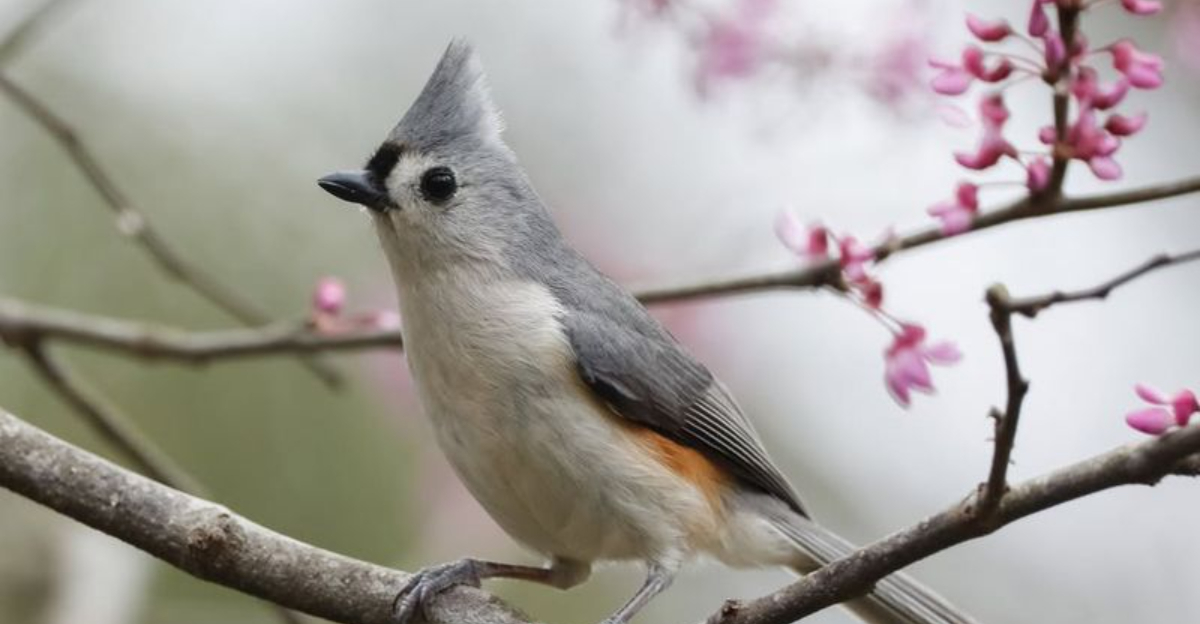
Winter has a way of reshuffling the deck in Virginia backyards, and tufted titmice are suddenly everywhere you look.
These small gray birds with big personalities are popping up at feeders like clockwork, darting in and out as if they are late for an appointment.
Their growing presence is no fluke.
When cold weather settles in, titmice shift their daily routines and lean harder on reliable food sources.
As insects disappear and natural seeds become harder to come by, feeders turn into a welcome safety net.
Tufted titmice are cautious by nature, but hunger can tip the scales.
They grab a seed, retreat to a nearby branch, and crack it open like a pro, repeating the routine from sunup to sundown.
Shrubs, mature trees, and sheltered yards make Virginia homes even more appealing during long stretches of cold.
Winter storms and temperature swings also push these birds closer to people.
Feeders offer steady meals when nature comes up short.
For many homeowners, seeing more tufted titmice is a sign that winter has hit its stride.
It also means your yard has become a trusted stop on their daily survival route, a small but important role in the bigger picture.
1. Abundant Food Sources At Backyard Feeders
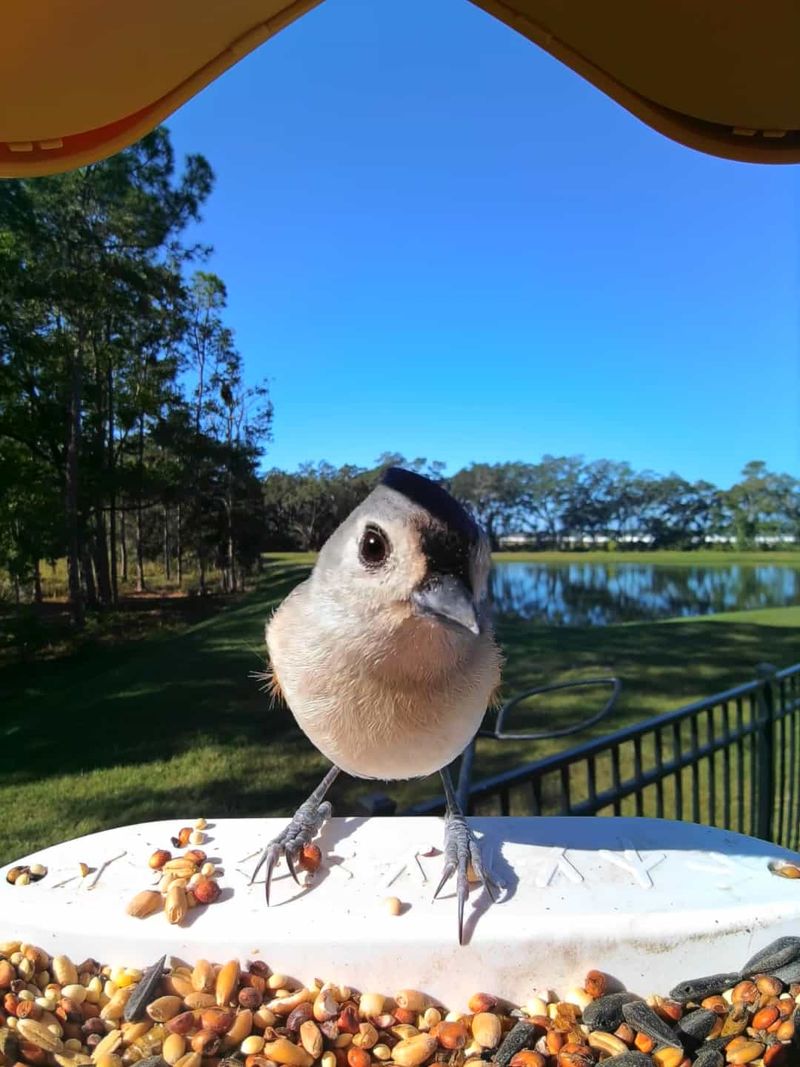
More Virginia homeowners than ever before are setting up bird feeders in their yards, creating an all-you-can-eat buffet for hungry Tufted Titmice.
These smart little birds have learned that backyard feeders offer reliable food throughout the cold months when natural sources become scarce.
Sunflower seeds, peanuts, and suet are particular favorites that keep them coming back day after day.
Virginia residents have become increasingly interested in backyard birding, especially since more people are spending time at home.
This growing hobby means more feeders are available across neighborhoods in Richmond, Arlington, Virginia Beach, and rural communities alike.
Tufted Titmice are quick learners who share information with their flock mates about good feeding spots.
Once one bird discovers your feeder, it will often bring its family and friends along for the feast.
The variety of seed types now available at garden centers makes it easier for bird enthusiasts to offer exactly what these birds prefer.
Black oil sunflower seeds are especially popular because they provide high energy that helps titmice survive freezing nights.
Consistency matters too, as birds remember which feeders stay stocked throughout winter.
Virginia homeowners who maintain their feeders regularly create dependable food stations that attract regular visitors.
Platform feeders and tube feeders both work well for these acrobatic birds.
Their strong feet allow them to cling to feeders while they grab seeds and fly off to crack them open on nearby branches.
This abundance of human-provided food has made Virginia neighborhoods prime real estate for Tufted Titmice looking to survive the winter months comfortably.
2. Milder Winter Temperatures In Recent Years
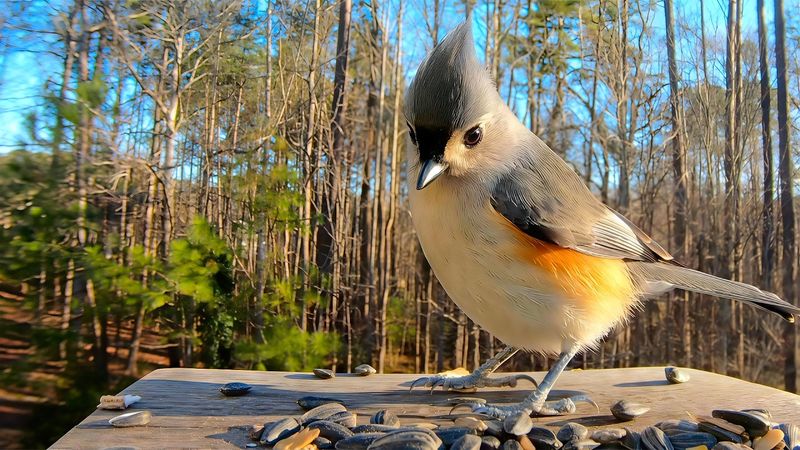
Climate patterns have shifted noticeably across Virginia, bringing warmer winter temperatures than previous decades.
These milder conditions make it easier for Tufted Titmice to survive and thrive during months that once posed greater challenges.
When temperatures stay above freezing more often, birds expend less energy trying to stay warm.
Virginia has experienced several winters with fewer extreme cold snaps and ice storms.
This weather pattern allows titmice to remain active and visible at feeders instead of hunkering down in sheltered spots during brutal cold spells.
Warmer winters also mean that natural food sources like insects hiding in tree bark remain more accessible.
While titmice still rely heavily on seeds during winter, the occasional insect snack provides valuable protein.
Snow cover tends to be less persistent in many Virginia regions now, which means ground-feeding opportunities last longer.
Birds can forage beneath trees and shrubs where seeds and nuts have fallen without battling through deep snowdrifts.
The comfortable temperatures encourage titmice to be more social and active throughout the day.
You might notice them visiting feeders more frequently because they are not conserving energy by staying still in protected areas.
Northern Virginia, the Shenandoah Valley, and coastal areas have all recorded temperature increases during winter months.
These regional changes create better survival conditions across the entire state.
Scientists tracking bird populations have noted that many species are adjusting their ranges northward as climates warm.
However, resident birds like Tufted Titmice are simply thriving better in their traditional Virginia habitats during these gentler winters.
3. Expanding Population And Breeding Success
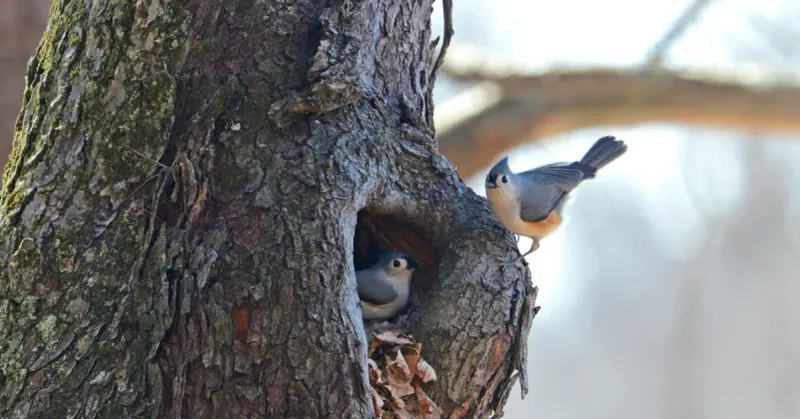
Tufted Titmouse populations have been growing steadily across Virginia for several years, leading to more birds at every feeder.
Successful breeding seasons have produced healthy offspring that survive into adulthood and join the winter feeding flocks.
When conditions are favorable, titmice pairs can raise multiple broods in a single year, significantly boosting local populations.
Virginia forests and suburban areas provide excellent nesting habitat with plenty of natural tree cavities and nest boxes.
These safe nesting spots allow parent birds to raise their young without as many threats from predators or harsh weather.
Young titmice often stay near their parents through their first winter, learning where the best food sources are located.
This family structure means that one breeding pair can bring several additional birds to your feeder by wintertime.
Conservation efforts across Virginia have helped protect woodland habitats that these birds need for nesting.
State parks, nature preserves, and backyard wildlife gardens all contribute to creating safe spaces where titmice populations can flourish.
Fewer pesticides in residential areas have also supported healthier bird populations.
When homeowners choose natural lawn care methods, they help ensure that insects remain available as food sources during breeding season when parent birds need protein-rich meals for their chicks.
Citizen science projects like the Christmas Bird Count show increasing numbers of Tufted Titmice being spotted across Virginia each year.
Birdwatchers in Charlottesville, Norfolk, and Roanoke have all reported seeing more of these charismatic birds.
A thriving population means competition for natural food increases, which drives more birds to seek out the reliable resources that backyard feeders provide throughout the commonwealth.
4. Increased Habitat Connectivity Through Suburban Growth
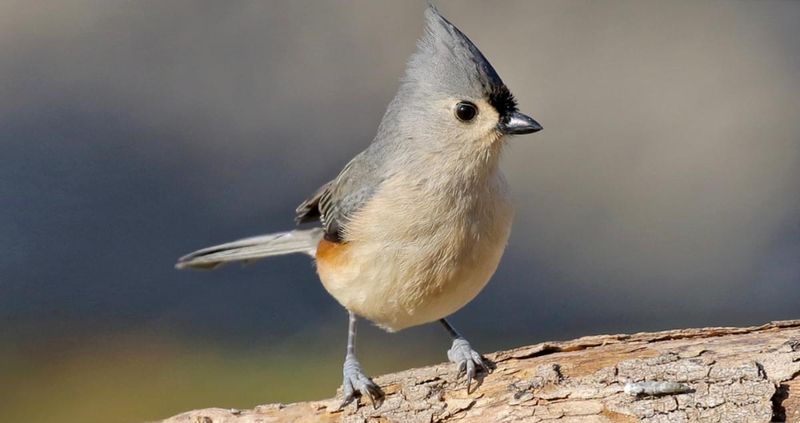
Virginia suburbs have expanded significantly, creating networks of tree-lined neighborhoods that connect larger forest patches.
This development pattern, while changing the landscape, has actually created corridors that allow Tufted Titmice to travel safely between natural woodlands and residential areas.
Birds can now move through neighborhoods filled with mature trees, shrubs, and gardens rather than crossing vast open spaces.
Suburban yards in areas like Fairfax County, Henrico County, and around Lynchburg often feature native trees and landscaping that provides both food and shelter.
Oak trees drop acorns, while berry-producing shrubs offer winter snacks that supplement feeder offerings.
Many Virginia homeowners are embracing wildlife-friendly landscaping practices that make their properties attractive to birds.
Native plant gardens, brush piles, and preserved dry trees create mini wildlife habitats right in residential neighborhoods.
This mosaic of yards, parks, and woodlots gives titmice more options for finding food and shelter throughout winter.
Rather than being confined to deep forests, they can exploit resources across a much larger area.
Bird feeders placed throughout these connected neighborhoods act like stepping stones, allowing titmice to move from one feeding station to another.
A bird might visit several different feeders in a single morning, maximizing its food intake.
Greenways and walking trails with preserved vegetation also help connect habitats across Virginia communities.
These protected corridors allow birds to travel safely while staying under tree cover that protects them from hawks and other predators.
The combination of suburban amenities and natural features has created surprisingly good habitat for adaptable species like Tufted Titmice, who thrive in these mixed environments better than in heavily developed or completely wild areas.
5. Natural Food Crop Variations In Forests
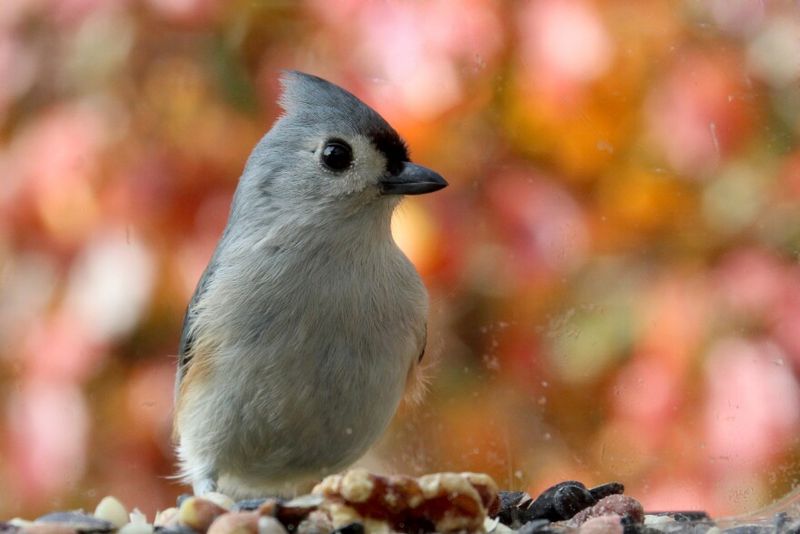
Some winters bring bumper crops of acorns, beechnuts, and other tree seeds, while other years produce much less natural food in Virginia forests.
This winter happens to be following a year when many tree species produced smaller seed crops than usual.
Oak trees, which typically provide abundant acorns for wildlife, had a lighter mast year across much of the state.
When natural food becomes scarce in woodlands, Tufted Titmice must search farther and wider for meals.
This search brings them out of deep forests and into yards where feeders offer guaranteed nutrition.
Forest ecosystems experience natural cycles in seed production, with boom years followed by bust years.
These patterns evolved as a survival strategy for trees, but they create challenges for the birds and mammals that depend on those seeds.
Virginia forests contain diverse tree species, from pines in the coastal plain to hardwoods in the mountains.
However, when multiple species simultaneously produce fewer seeds, the cumulative effect pushes more wildlife toward alternative food sources.
Tufted Titmice have excellent memories and can recall where they cached seeds months earlier.
During years with poor natural crops, these cached supplies run out faster, forcing birds to rely more heavily on feeders.
Birdwatchers in the George Washington National Forest and Shenandoah National Park have noticed this pattern, with more titmice appearing at campground feeders and picnic areas.
Even in protected natural areas, birds are seeking supplemental food from human sources.
Understanding these natural cycles helps explain why some winters bring exceptional numbers of birds to feeders.
It is not that more birds exist necessarily, but rather that existing populations are concentrating where food is most abundant and accessible.
6. Greater Awareness And Bird Identification Skills
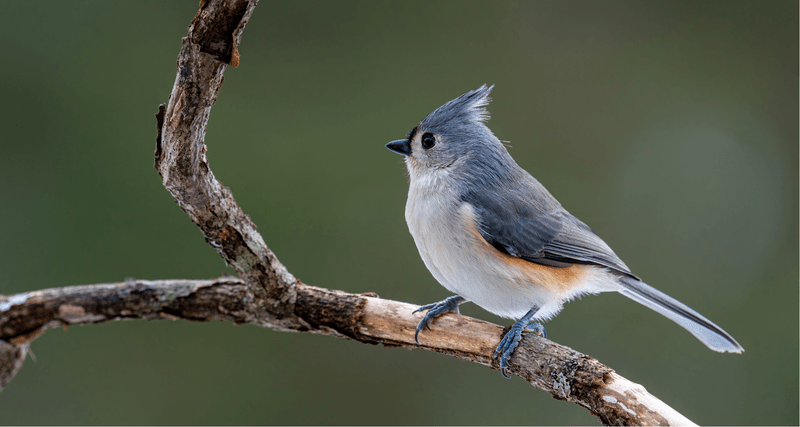
Bird watching has exploded in popularity across Virginia, with newcomers learning to identify species they may have overlooked before.
Tufted Titmice have always been common, but many people simply did not know what they were seeing until they started paying closer attention.
Now, with bird identification apps, online guides, and social media groups, more Virginians can correctly identify these distinctive birds.
Local Audubon chapters and nature centers throughout Virginia offer bird identification workshops that have introduced thousands of residents to the joy of bird watching.
Participants learn to recognize titmice by their gray plumage, peachy flanks, and that adorable pointed crest.
The COVID-19 pandemic sparked renewed interest in outdoor hobbies that could be enjoyed safely from home.
Bird watching became a favorite pastime for families spending more time in their yards, leading to increased observation and reporting of backyard visitors.
Social media platforms allow people to share photos and sightings instantly, creating communities of bird enthusiasts who help each other with identification.
When someone posts a picture asking what bird they saw, experienced birders quickly respond with answers.
This heightened awareness means that birds which were always present are now being noticed and counted.
Your feeder might not actually have more Tufted Titmice than last year, but you are now recognizing them every time they visit.
Citizen science projects like eBird encourage people to record their backyard observations, contributing to scientific understanding of bird populations.
Virginia participants have logged thousands of Tufted Titmouse sightings, creating valuable data about their distribution and abundance.
Better identification skills also help people understand bird behavior, making them more likely to notice patterns like increased feeder visits during certain weather conditions or times of day.
7. Social Flocking Behavior Draws More Visitors
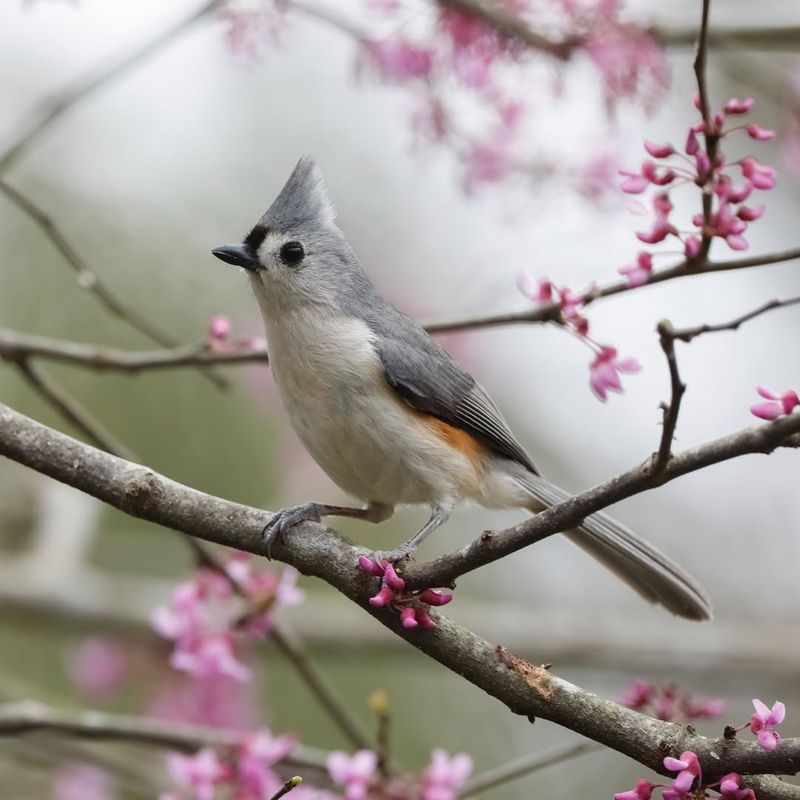
Tufted Titmice are highly social creatures that travel in mixed flocks with chickadees, nuthatches, and woodpeckers during winter months.
When one species discovers a good feeding location, the entire flock benefits from that information.
A single titmouse visiting your feeder might bring along a dozen other birds representing multiple species.
These mixed flocks provide safety in numbers, with many eyes watching for hawks and other predators.
Birds feel more confident visiting feeders when they are part of a group, leading to increased activity throughout the day.
Virginia winters see these social groups forming as soon as breeding season ends in late summer.
By the time cold weather arrives, established flocks have regular routes they follow through their territory, visiting reliable food sources.
Tufted Titmice often act as sentinels within these flocks, calling out warnings when danger approaches.
Their loud, clear voices alert other birds to potential threats, making them valuable flock members.
The social nature of these birds means they communicate about food sources too.
Their calls can actually attract other titmice from neighboring territories, especially when feeders are well-stocked and provide plenty for everyone.
Birdwatchers in Winchester, Staunton, and throughout the Piedmont region notice that once titmice start visiting, other species soon follow.
This creates lively feeding stations that provide entertainment and support entire bird communities.
Young birds learn from experienced flock members where to find food and how to access different feeder types.
This social learning means that knowledge about your feeder spreads through the local bird population, bringing more visitors over time as word gets around the neighborhood.