Why Virginia Gardeners Use Honey For Plant Propagation In December
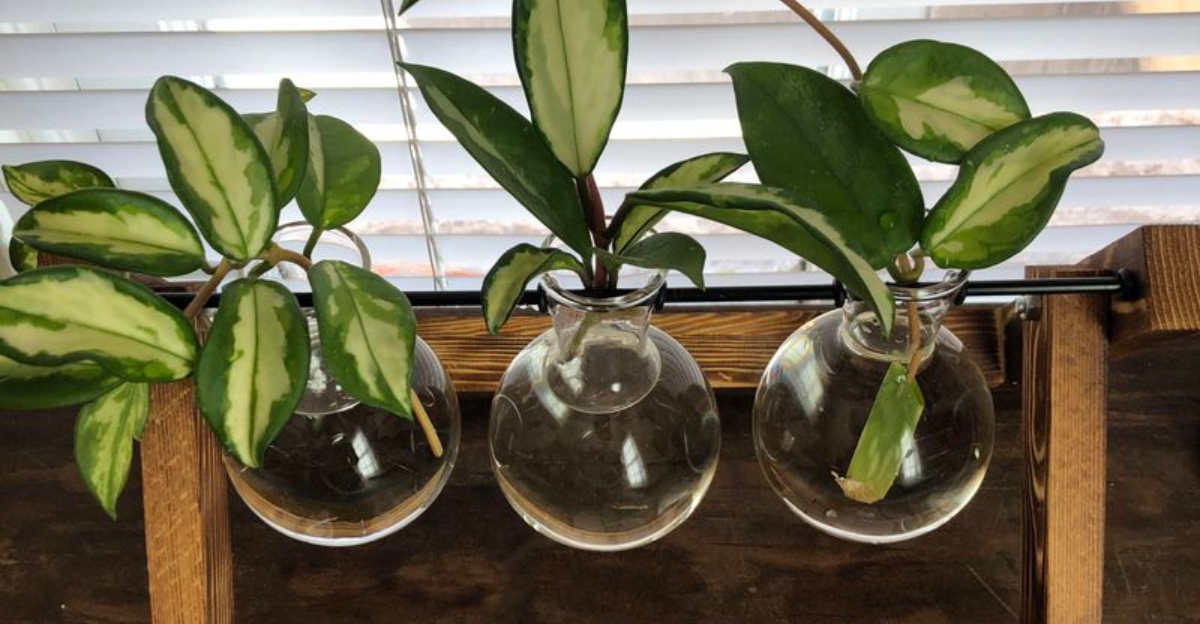
When winter settles into Virginia, many gardeners shift their focus from outdoor beds to indoor propagation projects—and honey plays an unexpectedly important role.
Known for its natural antibacterial properties, honey has long been used as a rooting aid that protects fresh cuttings from rot and infection.
December is an ideal month for propagation, especially for woody plants and houseplants that respond well to dormant-season cuttings.
Honey helps seal cut ends, retain moisture, and encourage early root development without the harshness of synthetic rooting hormones.
As more gardeners embrace sustainable, chemical-free methods, honey has emerged as a trusted tool that’s accessible, effective, and inexpensive.
Whether you’re multiplying herbs, ornamentals, or shrubs, winter propagation with honey offers a rewarding way to grow your garden from the warmth of your home.
Here’s why Virginia gardeners reach for honey when December arrives.
Honey Acts As A Natural Antibacterial Rooting Aid
Bacteria and fungi love the cool, damp conditions that come with December in Virginia.
When you take plant cuttings during this time, these unwanted visitors can quickly attack the exposed tissue and ruin your propagation efforts.
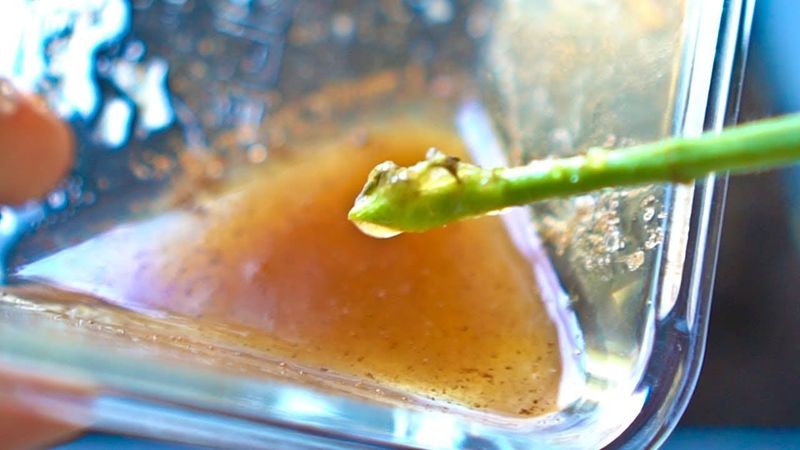
Honey contains powerful antimicrobial compounds that create an invisible shield around your cuttings.
The enzymes in honey produce hydrogen peroxide naturally, which fights off harmful microorganisms without using harsh chemicals.
This protection becomes especially valuable when you’re working with cuttings indoors, where moisture can collect on surfaces and create the perfect environment for fungal growth.
Virginia’s December weather brings plenty of gray, damp days that make infection risks higher than during sunny summer months.
By dipping your cutting ends in honey before placing them in rooting medium, you give them a fighting chance against these invisible threats.
The antibacterial action continues working for weeks, keeping the cutting healthy while it focuses energy on developing roots rather than fighting infection.
Many experienced gardeners report better success rates with honey-treated cuttings compared to untreated ones during winter months.
This simple step takes only seconds but can mean the difference between successful propagation and disappointing losses.
The natural protection honey offers makes it a trusted tool for December propagation projects throughout the state.
A Safe, Gentle Alternative To Synthetic Rooting Hormones
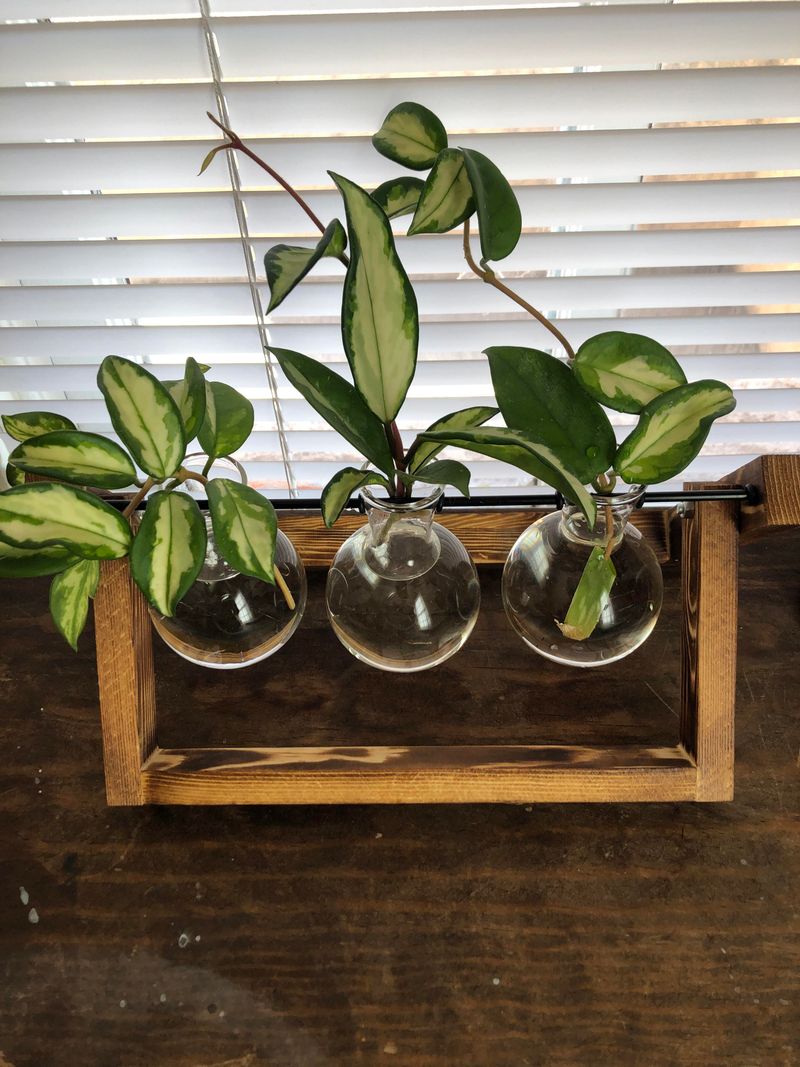
Commercial rooting hormones work well, but they’re not for everyone.
Some contain synthetic chemicals that Virginia gardeners prefer to avoid, especially when propagating plants destined for vegetable gardens or edible landscapes.
Honey provides a completely natural option that won’t introduce questionable substances into your growing environment.
December becomes prime time for indoor propagation projects when outdoor gardening slows down considerably.
Many folks use these quiet months to root cuttings from houseplants or prepare stems from outdoor plants they’ve brought inside for protection.
Using honey during these indoor projects means you won’t expose your family or pets to synthetic compounds in your living spaces.
The sticky substance is completely edible and safe to handle without gloves or special precautions.
Children can even help with propagation projects when honey serves as the rooting aid, turning winter plant care into a family activity.
Organic gardeners particularly appreciate honey’s chemical-free nature, as it aligns perfectly with their growing philosophy.
The substance contains natural sugars and nutrients that cuttings can actually use, unlike synthetic products that only stimulate hormone production.
This makes honey both a protective agent and a mild nutritional supplement for developing roots.
For anyone committed to natural gardening methods, honey represents the ideal propagation helper during winter’s indoor growing season.
Helps Seal Fresh Cuttings When Humidity Is Low Indoors
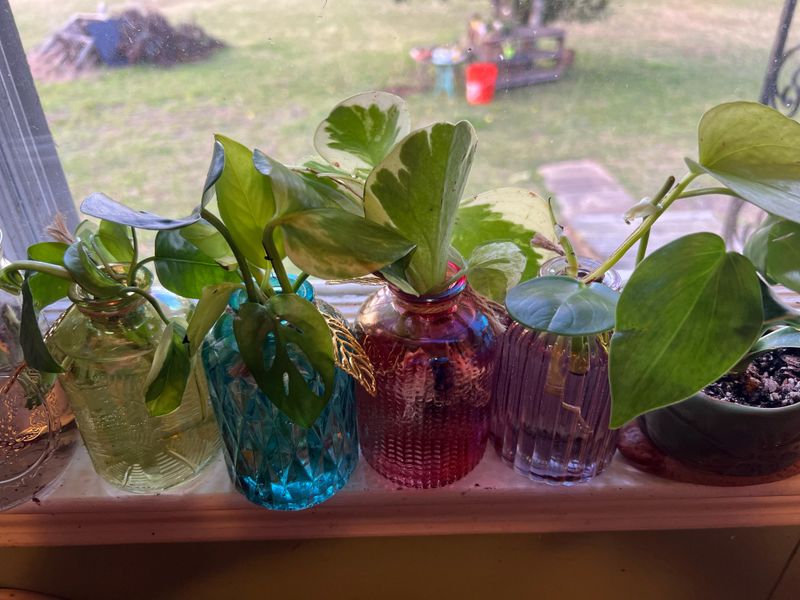
Virginia homes in December face a common problem: bone-dry indoor air.
Heating systems run constantly, stripping moisture from the atmosphere and leaving humidity levels far below what plants prefer.
Fresh cuttings suffer terribly in these conditions because their cut ends can dry out before roots even begin to form.
Honey’s thick, sticky consistency creates a physical seal over the exposed tissue at the base of each cutting.
This barrier prevents moisture from escaping through the wound, keeping the internal tissues hydrated even when surrounding air feels desert-dry.
The sealing effect is immediate and lasts for days, giving the cutting time to begin the callusing process that precedes root development.
Without this protection, many cuttings simply shrivel from the bottom up before they can establish themselves.
Gardeners notice this benefit most dramatically with succulent and semi-woody cuttings, which are particularly vulnerable to desiccation.
The honey coating also prevents air pockets from forming inside the stem tissue, which can block water uptake once roots do start growing.
This sealing property works alongside honey’s antimicrobial benefits, creating a double layer of protection for vulnerable plant material.
During December’s challenging indoor conditions, this moisture-preserving quality often makes the difference between success and frustration.
Virginia gardeners have learned to rely on honey specifically for this protective sealing action during the driest months indoors.
Ideal For Propagating Woody Stems Taken During Dormancy
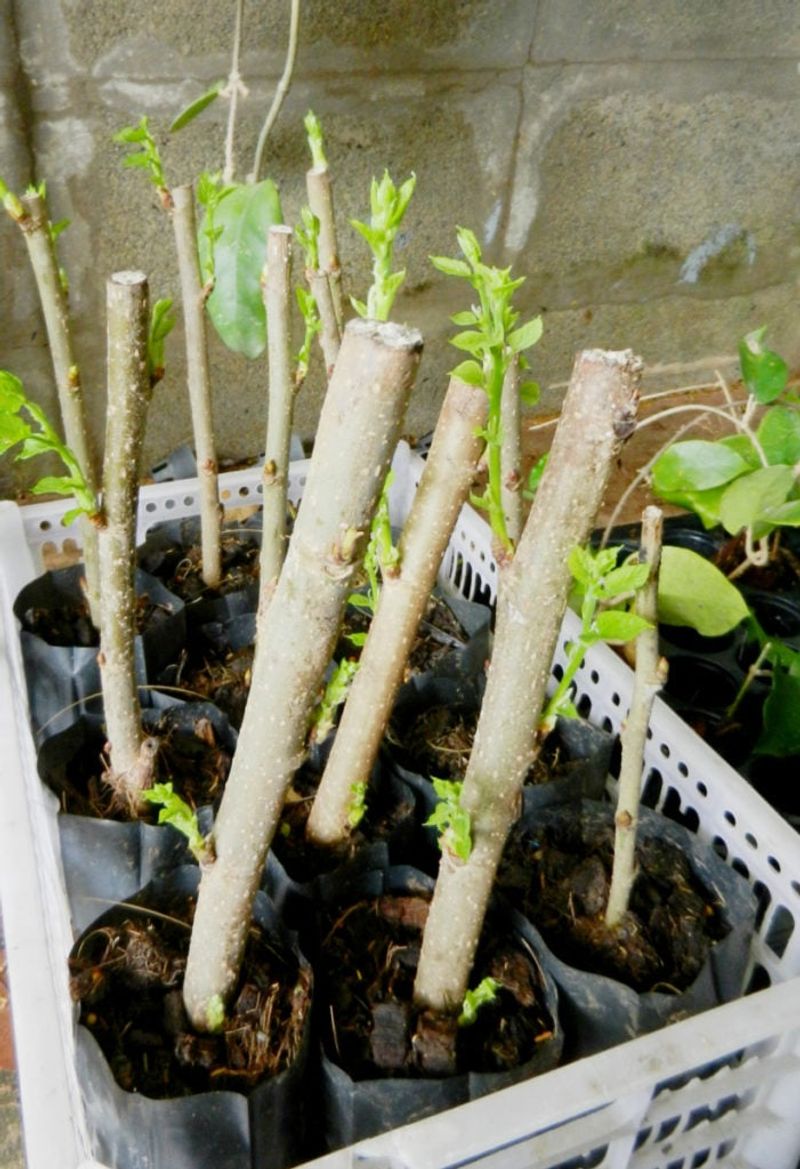
December marks the perfect time to take hardwood cuttings from many popular Virginia plants.
Figs, hydrangeas, roses, and elderberries all enter dormancy during winter, making their woody stems ideal candidates for propagation.
These dormant cuttings behave differently than the soft, green stems you might root during summer months.
Woody tissue takes longer to respond and needs extra protection while the internal processes of callusing and root formation slowly begin.
Honey excels with these tougher stems because it clings firmly to the bark and woody tissue, maintaining contact for extended periods.
The natural sugars in honey provide a gentle energy source that dormant tissue can access while developing the callus tissue that eventually produces roots.
This becomes especially important with hardwood cuttings, which rely on stored energy reserves rather than active photosynthesis during the rooting phase.
Many Virginia gardeners specifically time their winter pruning to coincide with propagation efforts, using honey on the best stems they remove.
The substance doesn’t interfere with dormancy but instead supports the cutting during its slow transition from dormant stem to actively rooting plant.
Elderberries and figs, both popular in Virginia gardens, respond particularly well to honey treatment on winter cuttings.
The combination of dormant timing and honey protection produces strong, healthy plants by the time spring warmth arrives.
Supports Indoor Propagation When Outdoor Soil Is Too Cold
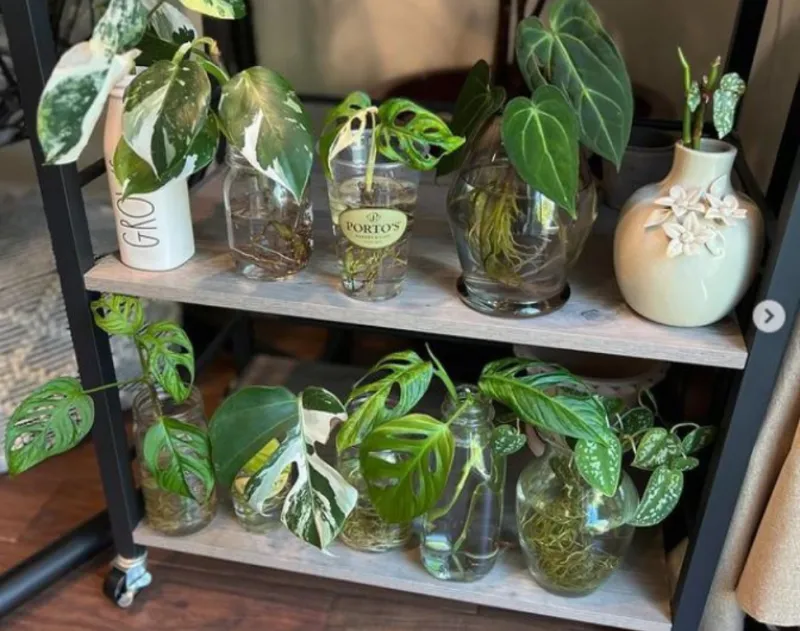
Step outside in December Virginia, and you’ll quickly understand why outdoor propagation isn’t happening.
Soil temperatures drop well below the range where root development can occur, often hovering in the 30s and 40s Fahrenheit.
These frigid conditions send any propagation efforts indoors, where controlled temperatures make rooting actually possible.
Indoor setups come with their own challenges, though, including the need for rooting mediums that stay consistently moist without becoming waterlogged.
Honey helps bridge these challenges by providing protection at the cutting’s base while it adjusts to indoor rooting conditions.
The substance doesn’t wash away quickly in moist potting mix or perlite, maintaining its protective and supportive properties throughout the rooting period.
Gardeners typically set up their indoor propagation stations near bright windows or under grow lights, creating mini-nurseries in spare rooms or basements.
Honey-treated cuttings in these setups show better resilience against the temperature fluctuations that can occur in homes, especially near windows.
The natural compounds in honey seem to help cuttings maintain stability during this vulnerable transition period.
Without the option of outdoor propagation, Virginia gardeners depend heavily on successful indoor methods during December.
Honey has earned its place as a reliable aid in these indoor setups, helping ensure that winter propagation efforts produce healthy plants ready for eventual outdoor planting.
Enhances Moisture Retention On Cut Surfaces
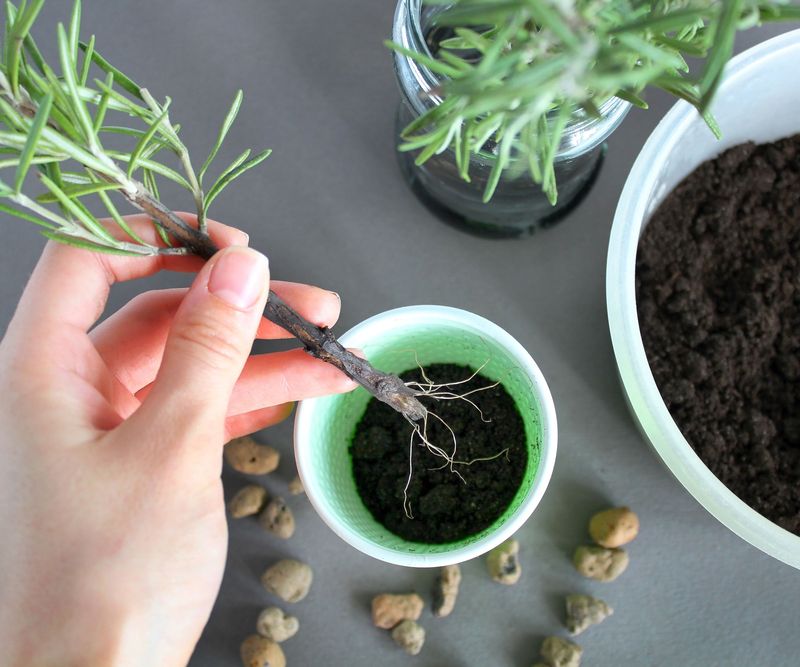
Beyond simply sealing cut ends, honey actively holds water molecules close to the tissue.
This humectant property means honey attracts and retains moisture from the surrounding environment, creating a consistently hydrated zone right where the cutting needs it most.
During December’s low-light conditions in Virginia, plants grow more slowly and use less water overall.
Cuttings taken during this period need steady, reliable moisture at their base without the soaking wetness that can cause rot.
Honey’s moisture-retention qualities create this ideal balance, keeping tissue hydrated without making it waterlogged.
The effect continues even as the rooting medium around the cutting goes through wet-dry cycles during the weeks-long rooting process.
Root formation requires consistent moIsture availability, and honey provides this microenvironment at the cellular level where new roots emerge.
Gardeners working with cuttings that are naturally slow to root particularly value this property.
Some plants can take six to eight weeks to show root development during winter’s short days and cool temperatures.
Throughout this extended period, honey continues holding essential moisture at the cut surface, preventing the desiccation that often ends propagation attempts.
This moisture-management benefit works hand-in-hand with honey’s other properties to create optimal conditions for root initiation and growth, even during December’s challenging circumstances for plant propagation in Virginia homes.
Fits Perfectly With Virginia’s Growing Interest In Natural Gardening
Walk through any Virginia garden center lately, and you’ll notice the expanding organic and natural products sections.
This reflects a statewide shift toward sustainable, chemical-free gardening methods that work with nature rather than against it.
Honey fits beautifully into this philosophy as a propagation tool that requires no manufacturing, processing, or synthetic ingredients.
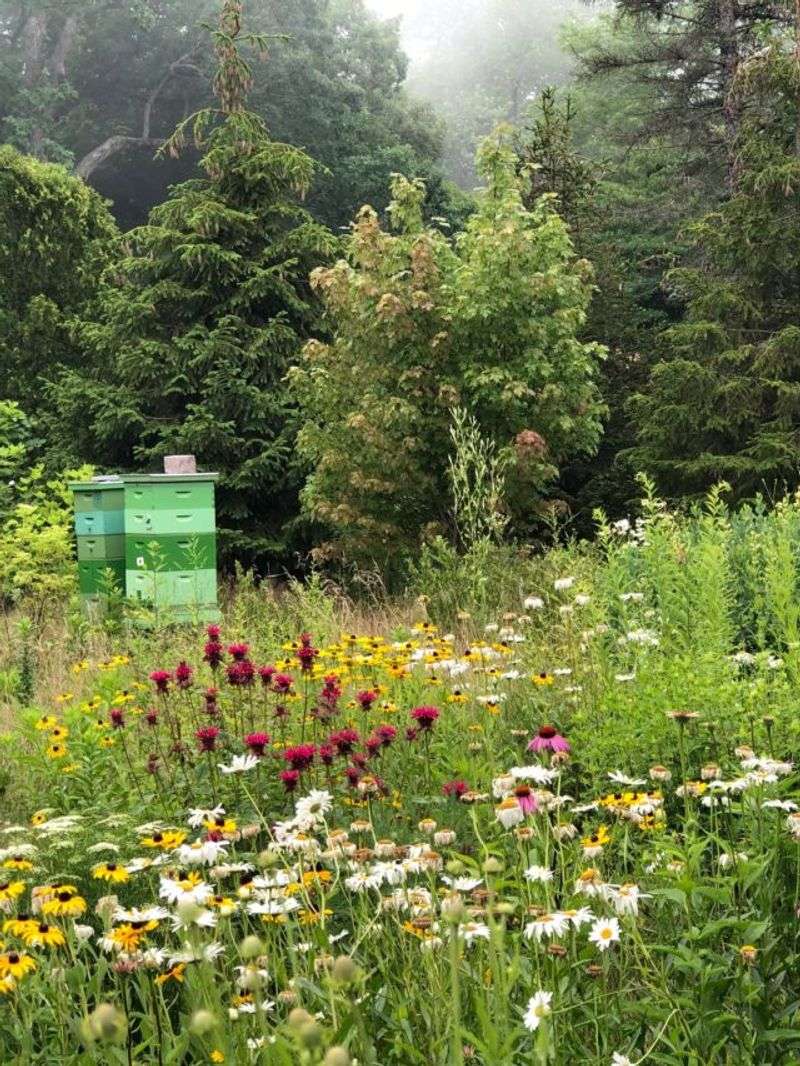
Local beekeepers throughout Virginia provide readily available honey, often at farmers markets and farm stands even during winter months.
Using local honey for propagation creates a complete circle of sustainable gardening, supporting both plant growth and local agricultural economies.
The simplicity appeals to gardeners who feel overwhelmed by the array of specialized products marketed for every garden task.
Honey reduces the need for multiple products, serving as rooting aid, antimicrobial protectant, and moisture manager all in one inexpensive jar.
December becomes an ideal time to experiment with natural methods since the slower pace allows for observation and learning without the rush of peak growing season.
Many Virginia gardening groups and online communities now share honey propagation tips, creating a knowledge base that reinforces this natural approach.
The method’s accessibility means gardeners at any skill level can try it without special equipment or training.
As environmental awareness continues growing across the state, honey represents exactly the kind of simple, effective, earth-friendly solution that modern Virginia gardeners seek for their winter plant projects.