Why Watering At Noon Puts California Plants At Risk During Heat Waves
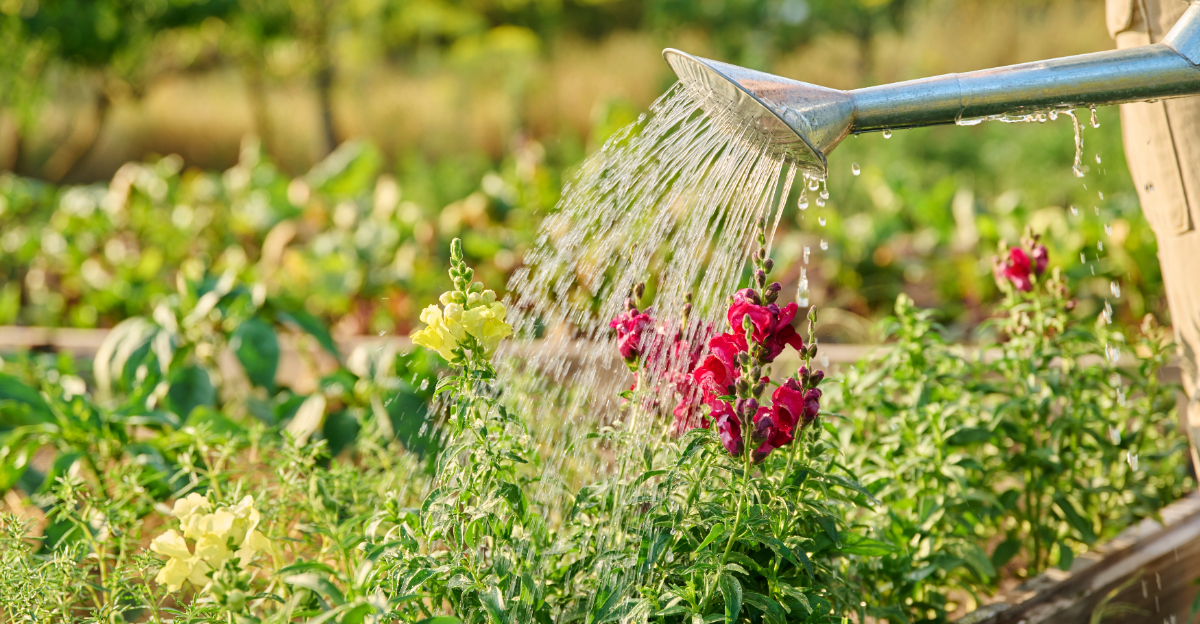
Noon watering during a heat wave feels like basic plant care, but California gardeners pay for that habit every summer.
Water droplets on leaves act like tiny lenses under intense sun, and scorch marks can appear before you finish your morning coffee.
Roots respond in ways most people don’t expect once temperatures climb past the mid-90s.
Instead of relief, the plant experiences shock as cool water meets scalding soil and the roots take longer to absorb what they need.
This pattern repeats from yard to yard across California, from the Central Valley to coastal neighborhoods. Gardeners think they’re helping their plants, but they’re adding stress at the exact moment those plants are most vulnerable.
That midday habit decides more than most people realize once a heat wave settles in. A few hours’ difference in timing can mean your garden survives August instead of needing replanting by September.
Midday Heat Causes Water To Evaporate Before Reaching Plant Roots
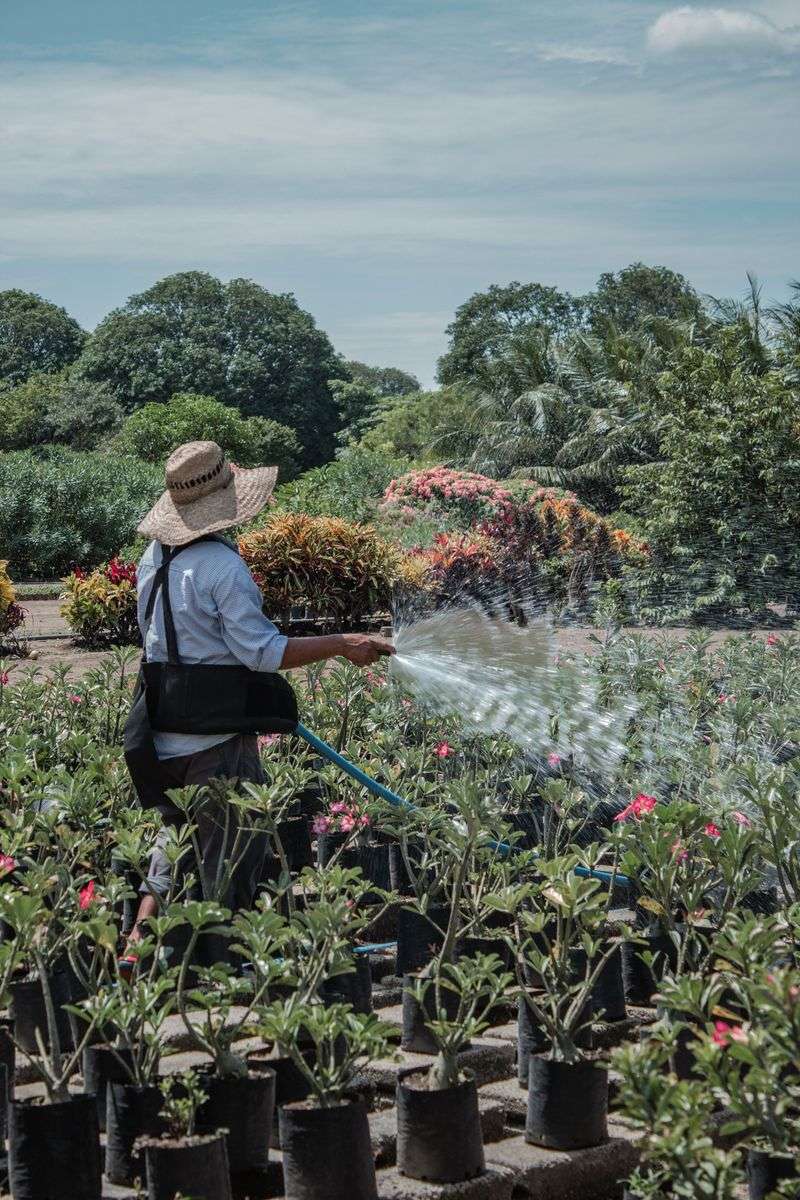
The ground is practically sizzling at noon. When temperatures climb past 95 degrees, water hits hot soil and vanishes almost instantly.
That is not an exaggeration. Surface moisture can vanish within minutes under peak summer sun.
Your plant roots sit several inches below the surface. By the time water starts moving downward, a large portion has already turned to vapor in the air.
This means your plant is getting far less moisture than you think. You might be watering for ten minutes, but the roots are only receiving a fraction of that effort.
Watering at noon during heat waves essentially cheats your plants out of the hydration they desperately need. The physics of evaporation work against every drop you pour.
Soil temperature at noon in a California summer can exceed 130 degrees at the surface. At that temperature, water skims the surface instead of soaking in.
Deeper root zones stay cooler, but water has to travel through that blistering top layer first. Very little of it makes the trip intact.
Switching your schedule to early morning is the simplest fix. Cooler soil temperatures allow water to penetrate deeply before the sun reaches full strength.
Roots absorb moisture more efficiently when the ground is cool. That single shift in timing makes every watering session dramatically more effective for your garden.
Wet Leaves Under Direct Sun Lead To Scorching And Burn Spots
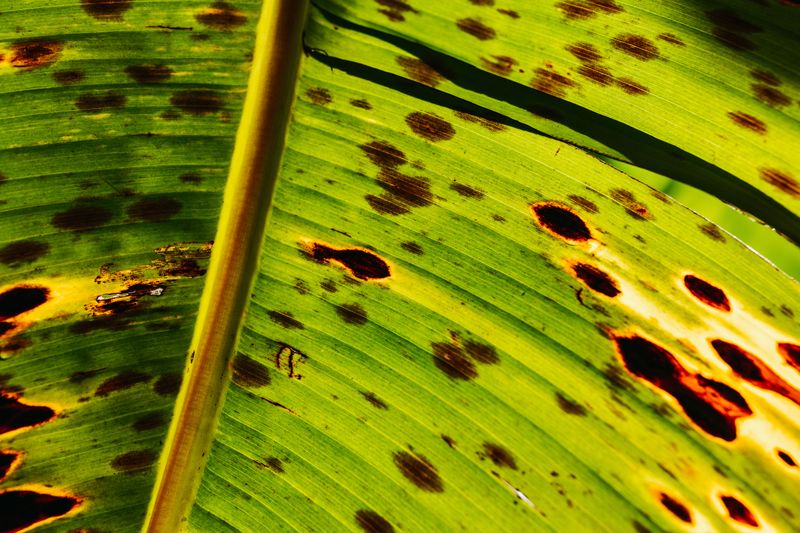
Water sitting on a leaf under intense midday sun disrupts how the leaf cools itself. The trapped heat that builds up underneath can damage the tissue there
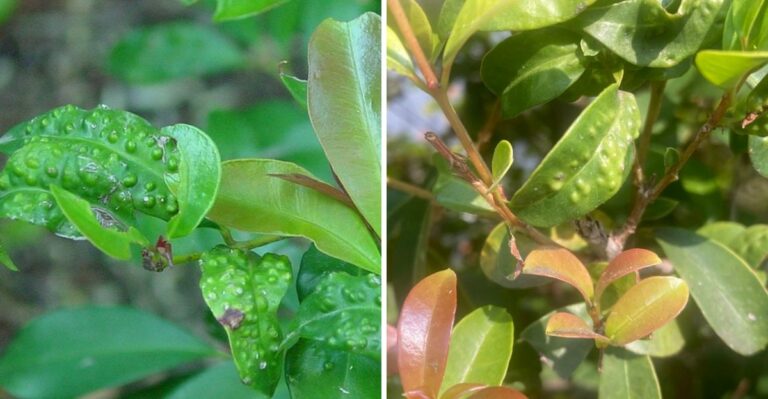
The result is those ugly brown or white spots you have probably noticed on your plants after a noon watering. Those marks are not disease, they are heat damage.
Scorched leaves cannot photosynthesize properly. Once that tissue is burned, the plant loses part of its food-making ability for the rest of the season.
Noon watering during heat waves in California makes this problem much worse because the sun angle is at its most intense. Direct overhead sunlight hits leaves at full force with zero relief.
Your California Garden Changes Every Week. Your Plan Should Too.
Gardening in California changes quickly throughout the season. Every Friday you’ll receive a simple weekly plan showing exactly what to plant, prune, fertilize, harvest, and protect so you never miss the right timing.
Even plants that normally tolerate full sun can show burn spots when wet leaves meet a 100-degree afternoon. The combination of moisture and extreme heat is the real culprit here.
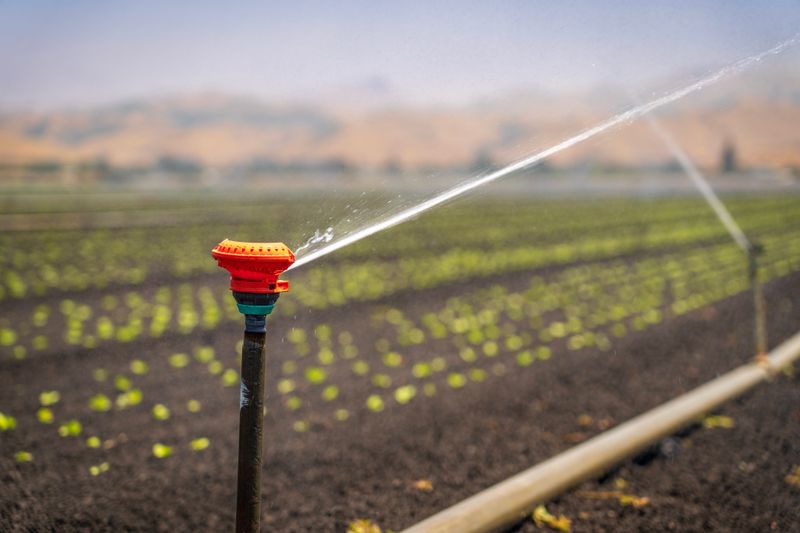
Sprinkler systems are especially guilty of this problem. They spray water across the entire plant, coating leaves generously before evaporation can catch up.
Drip irrigation avoids most of this issue by delivering water directly to the soil. Keeping foliage dry during hot hours is one of the smartest moves a gardener can make.
Burned leaves are a sign your plants are struggling. Protecting them from noon watering is a simple way to keep your garden looking healthy all summer long.
Morning Watering Gives Roots Time To Absorb Moisture Fully
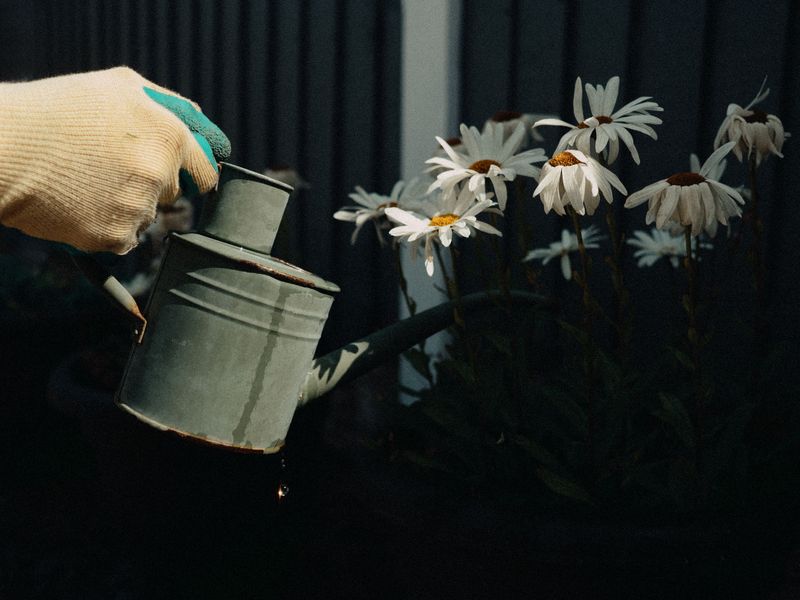
There is something magical about a garden at 6 a.m. The air is cool, the soil is soft, and plants are ready to drink deeply before the heat arrives.
Morning watering is generally recommended as the best window for watering. It gives roots the longest possible window to absorb moisture before evaporation kicks in.
When you water early, the sun rises gradually and warms the soil slowly. That gentle warming process pulls moisture downward rather than burning it off at the surface.
Root systems make good use of the cooler morning hours to pull in water before demand spikes. They take advantage of cooler temperatures to expand their reach and pull in water efficiently.
Watering at noon during heat waves robs roots of that crucial absorption window. By the time afternoon arrives, any surface moisture is long gone before roots can benefit.
Morning watering also allows leaves to dry naturally as the day progresses. Dry foliage by midday means far less risk of the burn spots described in the previous section.
Aim to finish watering by 9 a.m. if possible. That two-to-three hour head start before peak heat makes a measurable difference in how much moisture your plants actually retain.
Deep, infrequent morning watering trains roots to grow downward toward cooler soil layers. Those deeper roots are far more heat-resistant than shallow ones that depend on surface moisture.
A consistent morning routine is one of the most powerful tools for protecting your garden through brutal California heat waves this season.
Evening Watering Carries Risks Of Fungal Growth And Rot
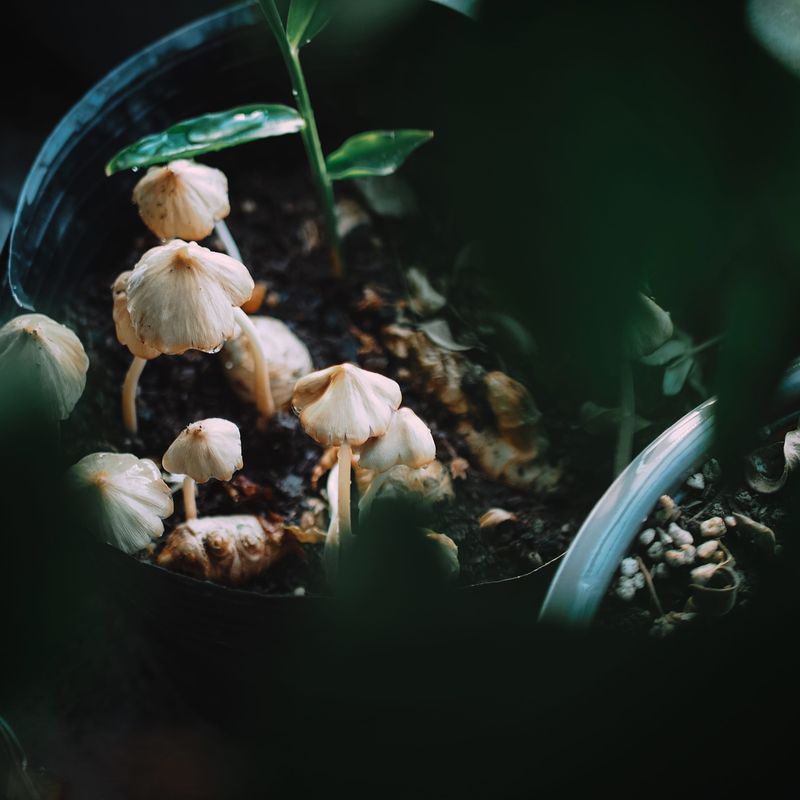
Evening watering feels intuitive. The heat has broken, you are home from work, and the garden seems like the perfect way to unwind.
The problem is that water sitting on soil and leaves overnight creates ideal conditions for fungus. Mold, mildew, and root rot all thrive in warm, wet, dark environments.
California summers are warm even at night. Soil temperatures rarely drop low enough to slow fungal activity between sunset and sunrise.
When you water in the evening, that moisture lingers for eight to ten hours in darkness. Fungal spores that are commonly present in garden soil seize that opportunity quickly.
Root rot is one of the most devastating outcomes of repeated evening watering. It weakens the root system while the plant above still looks healthy, until decline shows up all at once.
Powdery mildew is another common result. It spreads across leaves overnight and weakens the plant’s ability to manage heat stress the following day.
Heat waves make this cycle worse. Plants stressed by high temperatures are already vulnerable, and fungal infections push them past their breaking point much faster.
If morning watering is not possible, late afternoon around 4 to 5 p.m. is a safer compromise. Leaves still have time to dry before nightfall, reducing fungal risk significantly.
Protecting your plants from both noon watering and late-night moisture is a two-part approach. Healthy soil drainage also helps prevent standing water from becoming a fungal breeding ground.
Container Plants Face Faster Water Loss During Peak Heat Hours
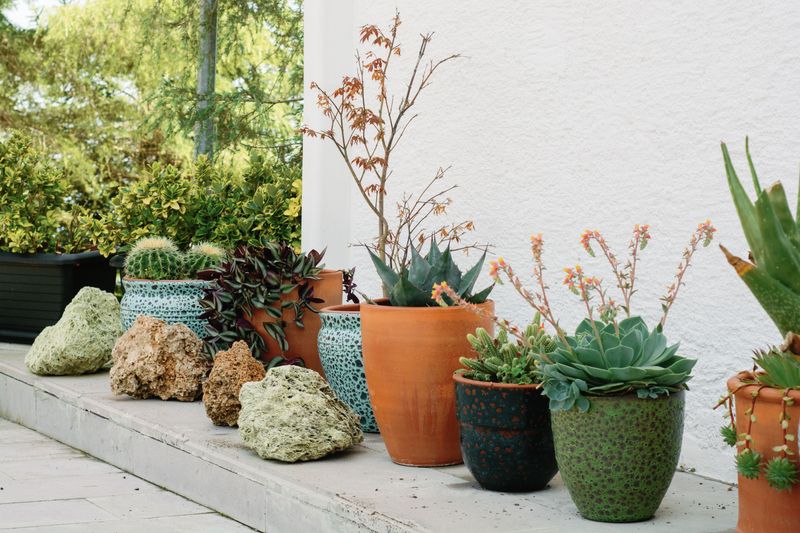
Pot plants are in a tough spot during heat waves. Unlike ground plants, they have no access to deeper, cooler soil layers for moisture reserves.
Container walls absorb heat from the sun and transfer it directly to the root zone inside. Terracotta pots are especially guilty of this, heating up fast and baking roots from the outside in.
During peak noon hours, water poured into a hot container can warm to damaging temperatures before roots absorb it. Warm water holds less oxygen, which stresses roots even further.
Small containers can dry out quickly, sometimes within an hour, on a 100-degree afternoon. That means a noon watering session offers almost no lasting benefit to the plant inside.
Noon watering during California heat waves is particularly harmful for container plants because they have no buffer. The soil heats up, the water evaporates, and the roots are left in a hot, dry environment.
Darker colored pots absorb even more solar energy. Switching to light-colored or double-walled containers can reduce internal soil temperature noticeably on hot days.
Moving containers to shaded spots during peak heat hours is one of the most effective strategies available. A few hours of afternoon shade can cut water loss dramatically.
Water container plants in the early morning and check them again by late afternoon. Two smaller sessions timed correctly generally outperform one large midday watering.
Your potted plants are counting on smart timing to survive the season without stress or setback.
Simple Timing Changes Protect California Plants Through Heat Waves
Fixing your watering schedule costs nothing. A simple shift in timing is one of the most powerful moves you can make for your garden this summer.
The core rule is straightforward: water before 9 a.m. or between 4 and 6 p.m. Avoid the midday window as much as possible, especially during heat waves when temperatures soar past 90 degrees.
Smart irrigation timers make this effortless. You program them once, and they handle the rest while you sleep, work, or enjoy your weekend.
Mulching around plant bases is another highly effective habit. A two-to-three inch layer of organic mulch slows surface evaporation and keeps soil cooler through the hottest parts of the day.
Watering at noon during California heat waves is the kind of habit that feels helpful but quietly works against your garden. Breaking that habit is one of the fastest ways to see improvement.
Group plants with similar water needs together in your garden layout. That approach lets you water zones efficiently without over-saturating some areas while under-serving others.
Check soil moisture before watering rather than following a rigid daily schedule. Stick your finger two inches into the soil; if it feels moist, skip that session and check again tomorrow.
Deep, well-timed watering encourages strong root systems that handle heat stress far better than shallow-rooted plants. Roots that reach deep soil stay cooler and access hidden moisture reserves.
Protecting California plants through heat waves starts with timing, and you can start making that change today.